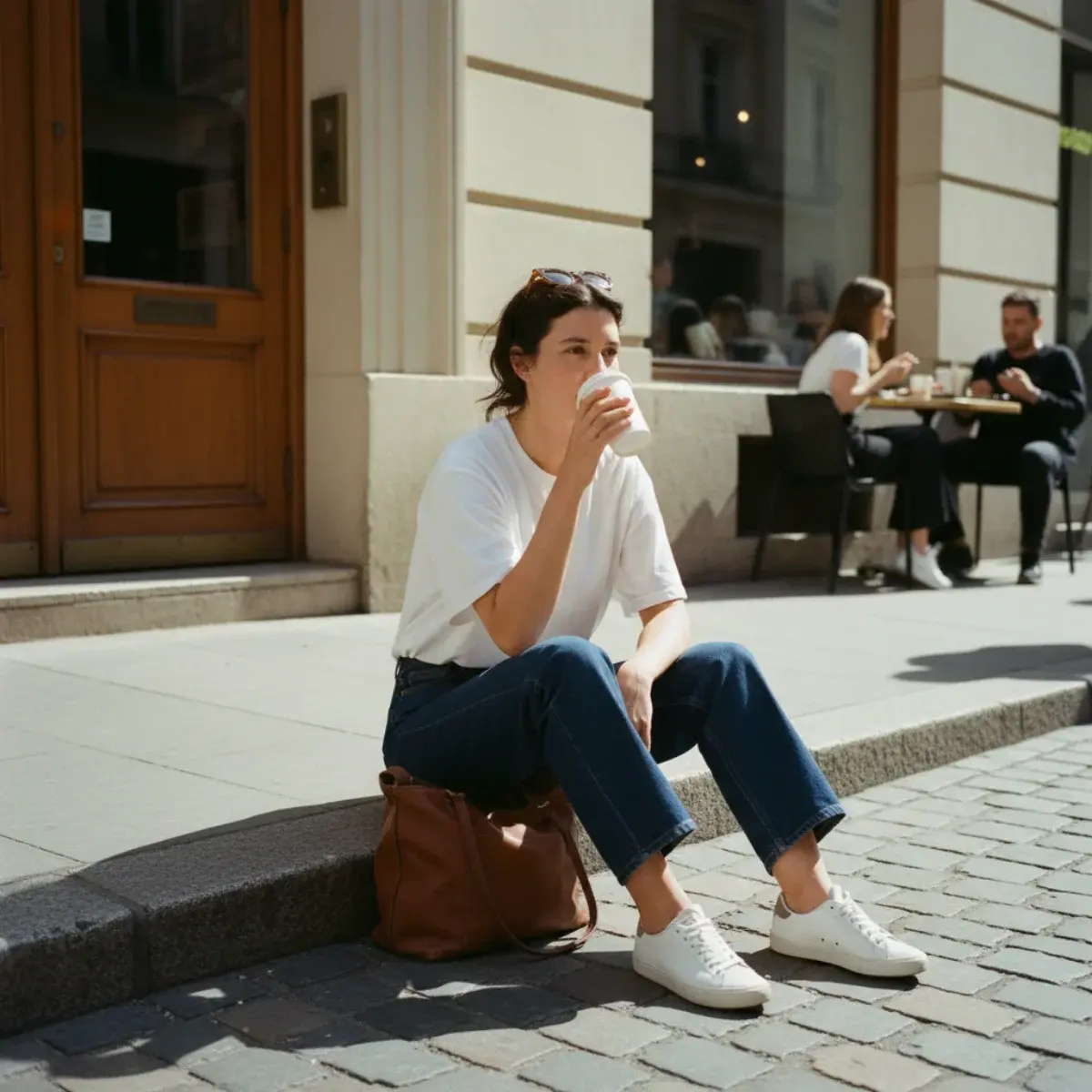
The hardest look to get right is the one that is supposed to look like no effort at all. Anyone can assemble a formal outfit by following a dress code, but casual dressing has no rules to lean on, which is exactly why so much of it lands as either sloppy or visibly trying too hard. The people who do it well have quietly internalised a small set of principles, and once you see them, the whole thing stops being mysterious. This guide lays those principles out: what casual dressing actually is, how to make it look intentional, and the formulas that carry it through every day, season, and setting.
The principle this whole guide rests on, and the hill it will die on: casual is not the absence of effort — it is effort that does not show. The "I just threw this on" look is almost always carefully built. Learn to build it, and you get the ease without the sloppiness — and, just as importantly, you stop spending money and morning minutes on outfits that still somehow miss. The good news threaded through everything below is that elevated casual is cheaper, faster, and more sustainable than its sloppy cousin, because it leans on a few good pieces worn often rather than a churn of new ones worn once.
What casual dressing actually is
Casual dressing is relaxed, comfortable, everyday clothing worn outside formal settings — the weekends, the errands, the coffee runs, the low-key dinners that make up most of real life. Its toolkit is familiar: jeans, T-shirts, knitwear, casual dresses, trainers, flats, and the kind of layers you can move in. There is no dress code policing it, which is both its freedom and its trap, because without a code to follow, the difference between looking relaxed and looking unkempt comes down entirely to how the pieces are chosen and put together.
That is where the idea of "elevated casual" comes in, and it is the real subject of this guide. Elevated casual uses the same comfortable pieces but assembles them with intention — the right fit, a coherent palette, a finishing detail — so the result reads as a considered choice rather than the first thing within reach. The pieces barely change; the assembly is everything. A T-shirt and jeans can look like loungewear or like one of the most quietly stylish outfits in the room, and the only variables are fit, colour, and a single thoughtful touch.
 1600×1067
The three rules of elevated casual
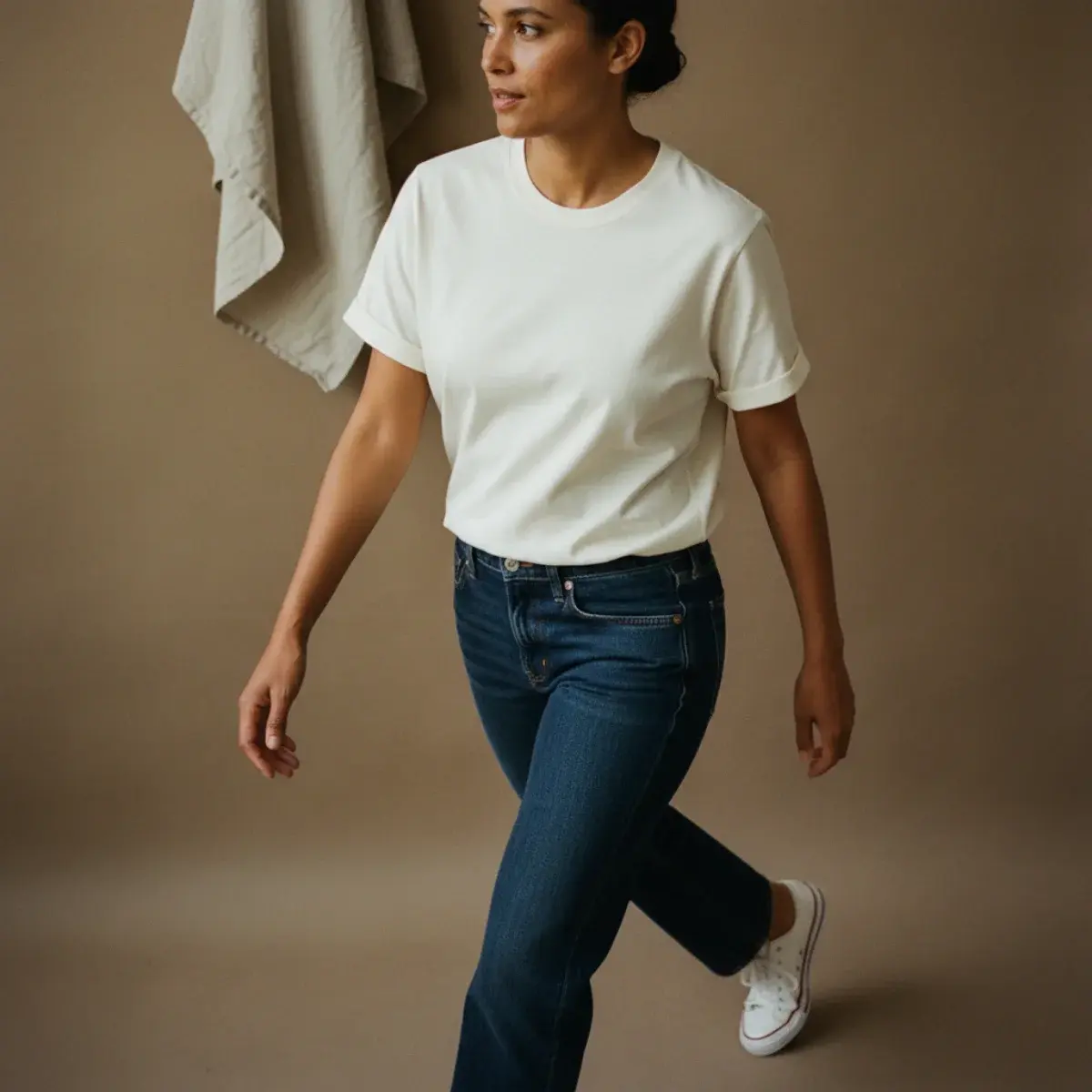
If casual has no dress code, it does have three rules that separate the stylish version from the sloppy one. The first is fit. Well-fitting pieces read intentional almost regardless of what they are, while baggy, gaping, or too-tight ones read careless. This does not mean tight — a relaxed, oversized piece can fit beautifully if it is cut to drape rather than to swamp — it means clothes that relate to your body on purpose. Fit is the single highest-leverage choice in casual dressing, and a tailor is as useful here as anywhere.
The second rule is palette. A casual outfit in two or three coordinating colours reads composed; one in clashing or random colours reads thrown together. Building around neutrals — cream, grey, navy, tan, black, denim blue — means the pieces mix without thought and a small wardrobe produces many outfits. The third rule is one finishing detail: a single considered element that signals intention. Tucking in a tee, adding a structured bag, swapping worn trainers for clean ones, or adding a fine necklace each lifts a basic outfit from grabbed to chosen. You do not need all three details at once — one is usually enough — but you do need the one.
 1600×1067
The casual dress code, decoded
"Casual" appears on invitations and workplace guidance too, and there it spans a surprisingly wide band, which causes confusion. At its most relaxed, casual means genuinely anything clean and comfortable — the weekend end of the scale. But "casual" on an event invitation usually means put-together casual rather than loungewear: good jeans and a nice top, a casual dress, something you would happily be photographed in. And "smart casual," a step up again, expects real polish. Reading which version is meant is the whole skill, and the context — the venue, the people, the time — usually tells you.
The safe move, as with every dress code, is to read the situation and lean slightly up. A casual work event is dressier than a casual weekend; a casual dinner out is dressier than a casual coffee. When the signal is genuinely ambiguous, elevated casual — good denim or trousers, a smart top, clean elevated shoes — works almost everywhere and never reads as having tried too little. For where casual sits relative to every other code, our complete dress code guide maps the full ladder.
 1600×1067
Casual vs smart casual vs business casual
The three relaxed codes blur into one another, and holding the distinctions makes every one of them easier to dress. The table below sorts them.
| Casual | Smart casual | Business casual | |
|---|---|---|---|
| Setting | Weekends, errands, low-key plans | Nicer dinners, relaxed offices, events | Most offices |
| Denim | Any clean jeans | Dark, undistressed only | Often excluded |
| Top | Tee, casual knit | Smart top, fine knit, blouse | Blouse, fine knit |
| Layer | Optional | Blazer or smart jacket | Blazer or cardigan |
| Shoes | Trainers, flats, sandals | Clean trainers, loafers, boots, low heels | Loafers, flats, low heels |
The progression is one of polish rather than fundamentally different clothes — each step removes the most relaxed elements and adds a touch more structure. Our dedicated guides on smart casual outfits and business casual for women take the two dressier codes apart in full, while this guide stays focused on the casual end and how to elevate it.
How to build a casual outfit, step by step
Building elevated casual follows a reliable order. Start with the bottom: well-fitting jeans, relaxed trousers, a casual skirt, or a casual dress that solves the whole look at once. Add a top that fits: a tee, a fine knit, a casual blouse, chosen in the palette and cut to sit well rather than swamp. Decide on a layer: a denim or leather jacket, a cardigan, an overshirt, or a blazer if you want to nudge toward smart casual. Choose elevated-but-comfortable shoes: clean trainers, loafers, flats, ankle boots, or sandals, in a neutral that works with the palette.
Then add the one detail that signals intention — tuck the top, add a structured bag, put on a fine necklace, or roll a sleeve — and stop there. The discipline that builds the look is the same one that finishes it: a casual outfit fails as often from one piece too many as from one too few. This is the everyday application of the logic in our guide on how to put together an outfit, and once the pieces share a palette, the morning decision becomes recombining rather than rethinking.
 1600×1067
Casual outfit ideas for every day
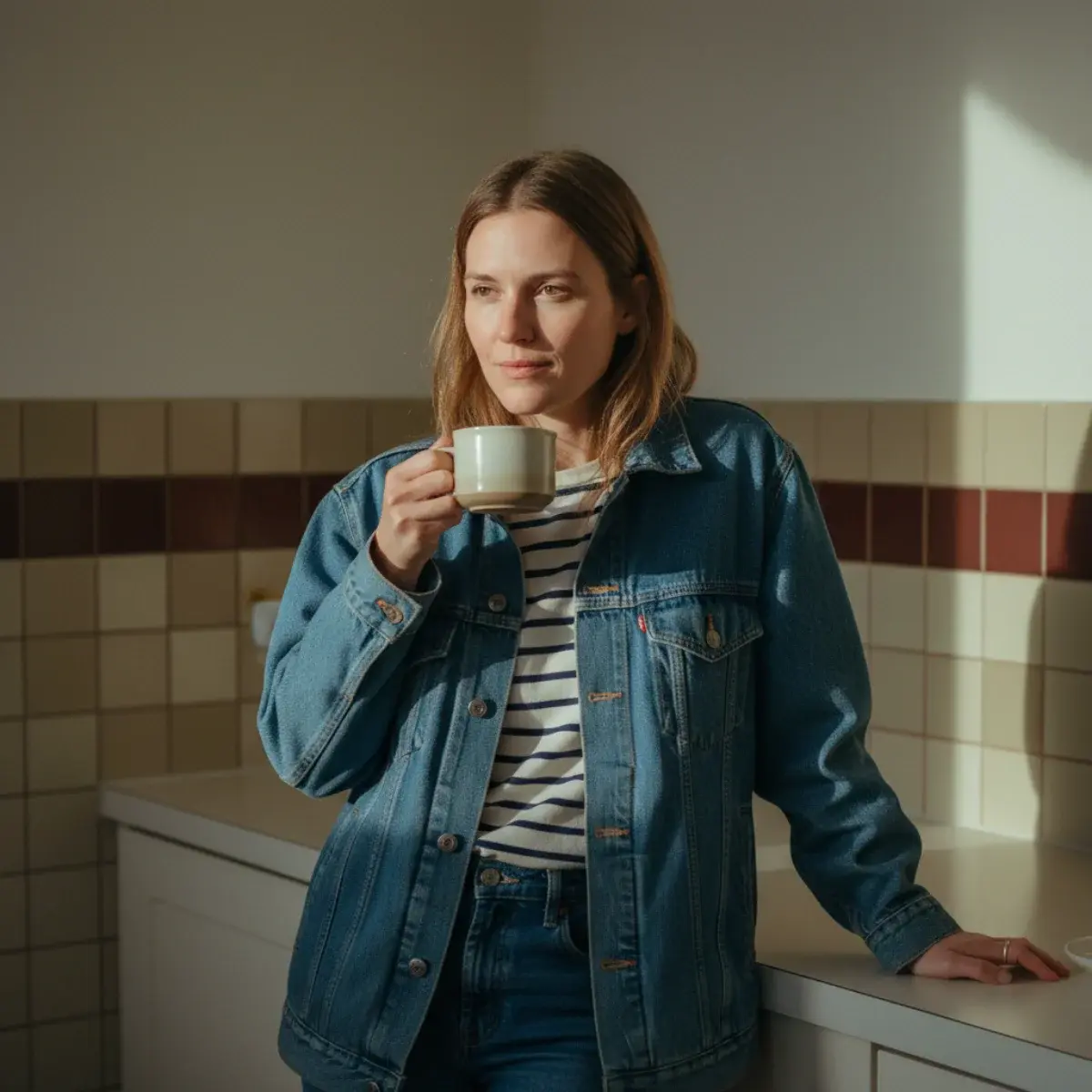
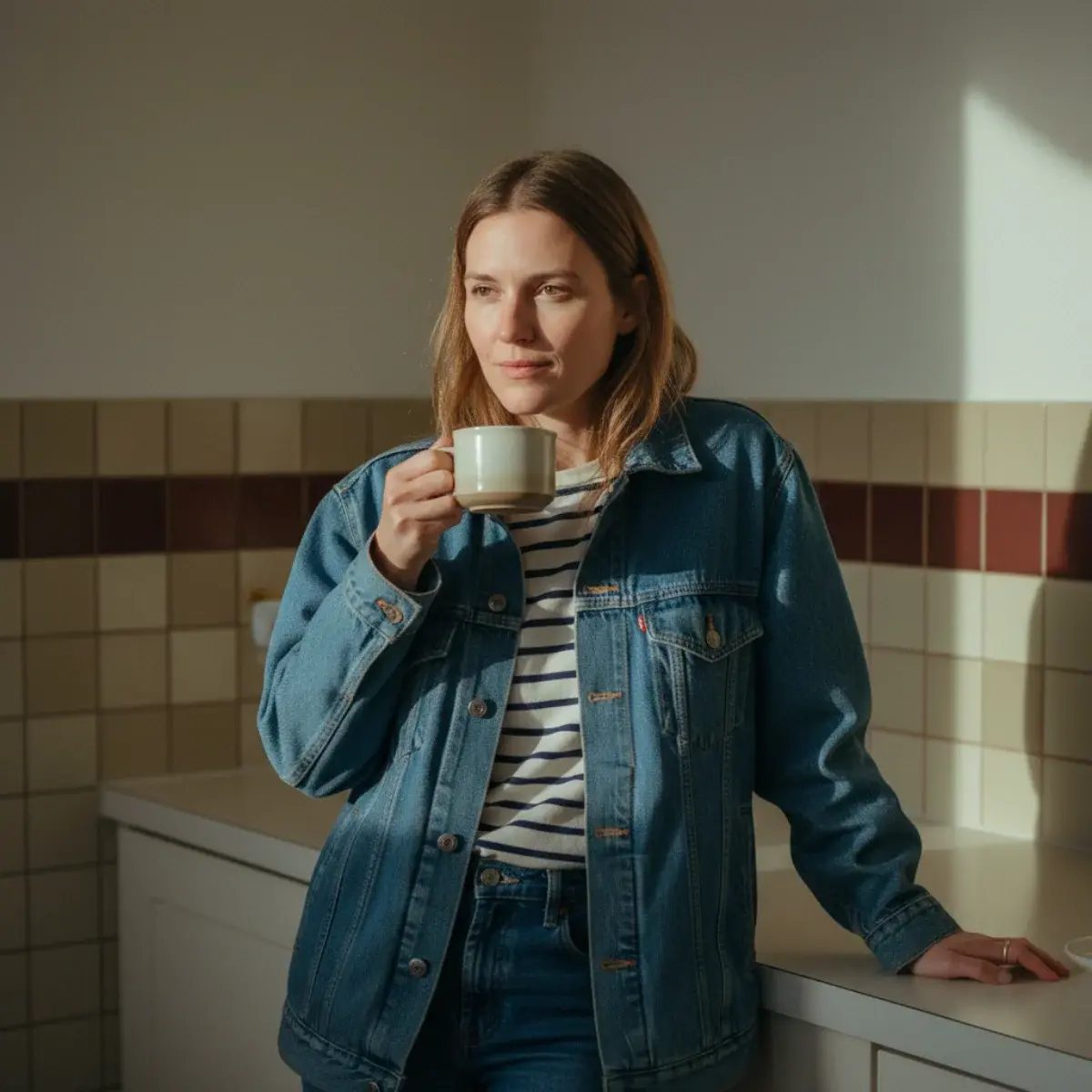
Most casual dressing serves a handful of recurring situations, and having a formula for each removes the daily decision. For everyday errands and coffee runs, good jeans, a fine knit or a quality tee, and clean trainers or loafers is the dependable base — comfortable, quick, and put-together with almost no thought. For a relaxed weekend, a casual dress with flat sandals or boots, or trousers with a relaxed top and a denim jacket, reads easy without reading like loungewear.
For a casual social plan — a low-key dinner, a friend's gathering, a daytime event — nudge toward elevated casual: dark denim with a silk or smart top, a casual dress dressed up with better shoes and a structured bag, or trousers with a fine knit and a blazer. And for a casual but professional setting like a relaxed office or a creative workplace, lean on the smart-casual end with tailored or dark denim, a smart top, and a layer. Each of these is the same small wardrobe recombined for the occasion rather than a separate set of clothes, which is the entire efficiency of dressing this way.
 1600×1067
The casual dress: the easiest outfit there is
If casual dressing has a shortcut, it is the casual dress, because it solves the entire outfit in a single decision. A shirt dress, a T-shirt dress, a wrap dress, a jersey or cotton midi, or a relaxed sundress needs no styling to look complete — you put it on and the look is done. That makes it the most efficient casual piece you can own, and a small collection of casual dresses in a coordinating palette covers an enormous amount of everyday life with zero morning deliberation.
The casual dress also flexes up and down better than almost any other piece. The same shirt dress reads relaxed with flat sandals and reads elevated-casual with clean loafers, a belt, and a structured bag; a jersey midi reads weekend with trainers and reads dinner-ready with a heeled mule and a piece of jewellery. The dress stays the same; the shoes and one accessory move it across the casual band. For more on the styles and fabrics worth owning, the casual outfits archive collects the everyday looks on the site.
 1600×1067
Casual outfits through the seasons
Season changes the fabrics and the layering far more than the formula. In spring, lighter layers and a fresh palette suit the transitional weather — a fine knit or a casual blouse, good jeans or a casual dress, a denim jacket or a trench, and clean trainers or loafers. In summer, the look strips back to its lightest: breathable cotton and linen, casual dresses, shorts with relaxed tops, and sandals, with the same fit-and-palette discipline keeping it from sliding into beachwear.
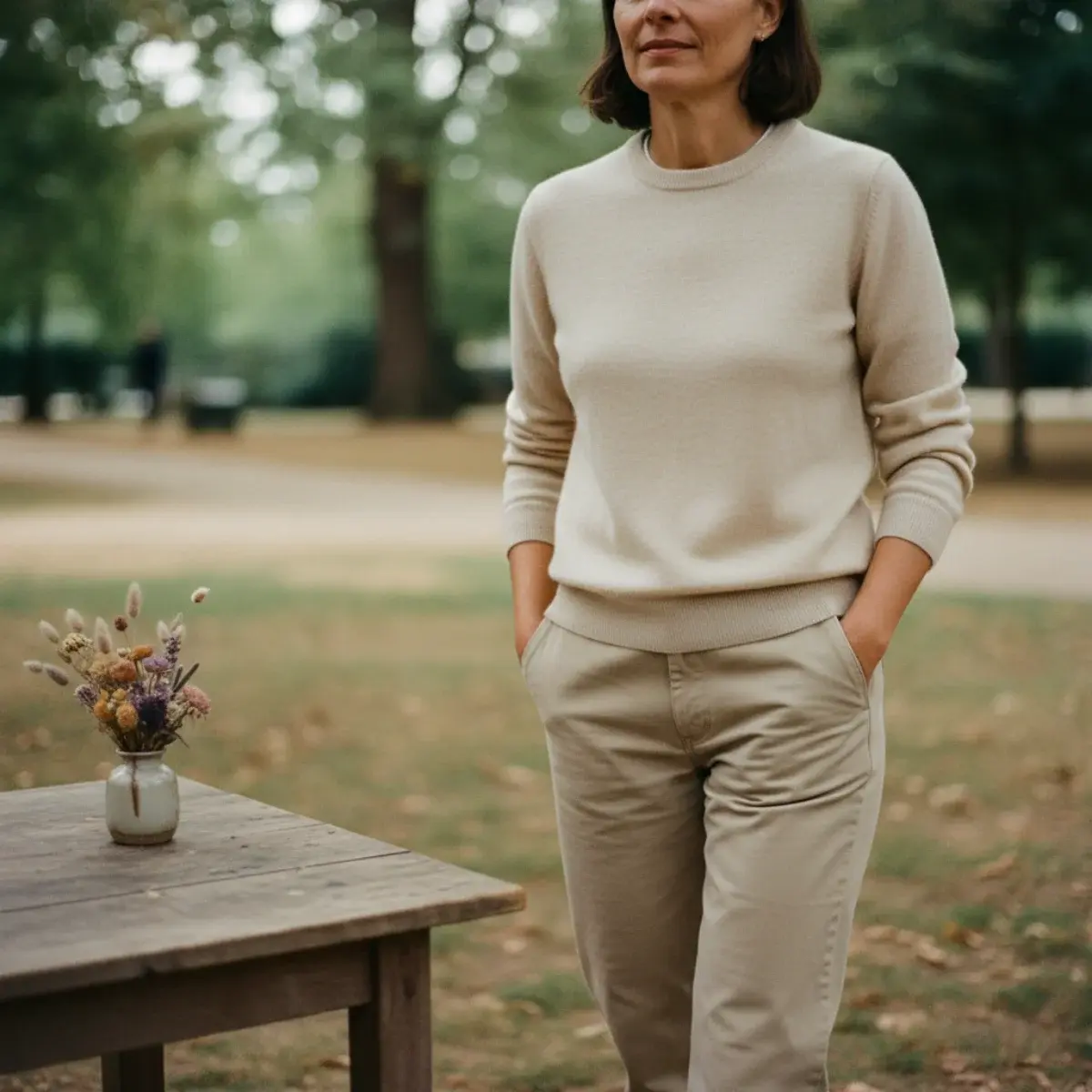
In fall, casual dressing comes into its richest form, leaning on knitwear, denim, boots, and deeper tones, with a jacket or coat as both warmth and a finishing layer — our fall outfits hub carries the wider seasonal palette. In winter, layering is the whole game: a knit over a shirt, good jeans or trousers, ankle or knee boots, and a wool coat, with scarves and beanies adding warmth and a detail at once. The throughline across every season is to keep the layers tonal and the fit considered, so the outfit reads composed rather than piled on as the weather turns.
 1600×1067
Building a casual capsule wardrobe
Casual dressing rewards a small, coherent wardrobe more than any other category, because these are the clothes you wear most and recombine daily. A workable casual capsule is short. For bottoms: two pairs of well-fitting jeans, a relaxed trouser, and a casual skirt. For tops: a few quality tees, two or three fine knits, and a couple of casual blouses. For dresses: two or three casual dresses that flex up and down. For layers: a denim jacket, a cardigan or overshirt, and a blazer for the smart-casual days. And for shoes: clean trainers, loafers or flats, ankle boots, and sandals.
In a coordinating palette of two or three base neutrals plus an accent, these twenty-odd pieces produce weeks of distinct outfits, because nearly everything pairs with everything. This is the everyday core of any capsule wardrobe, and it connects directly to the quiet, fabric-led approach of the old money outfits guide — buy fewer, better pieces in natural materials, fit them well, and the casual wardrobe both looks more expensive and lasts far longer. The efficiency is real: a coherent casual capsule is what makes "I just threw this on" possible, because the throwing-on was set up in advance. The work happens once, when you choose the palette and buy the pieces; after that, every morning is a quick recombination of things that already go together, which is why people with the best casual wardrobes always seem to get dressed in seconds.
 1600×1067
The casual pieces worth investing in
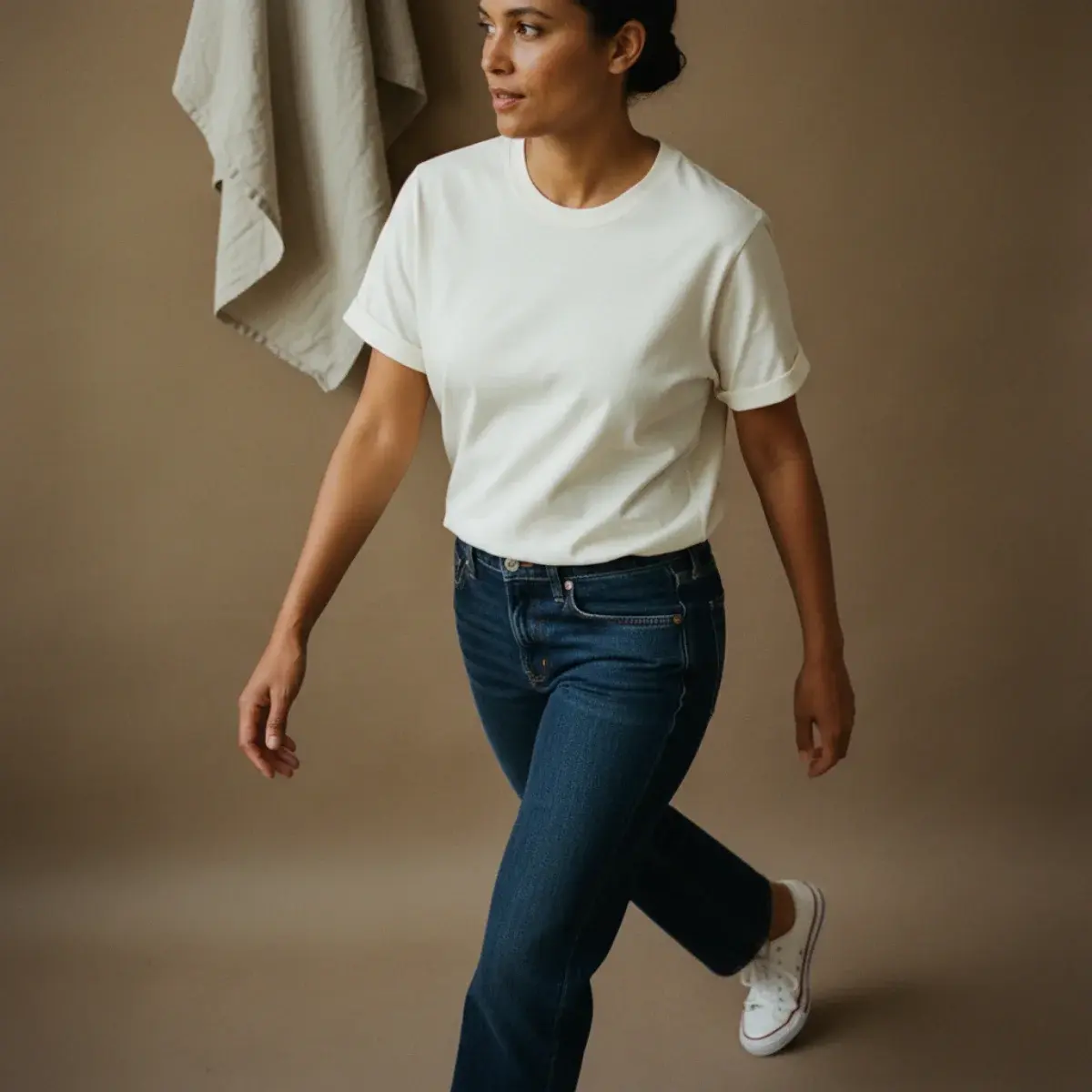
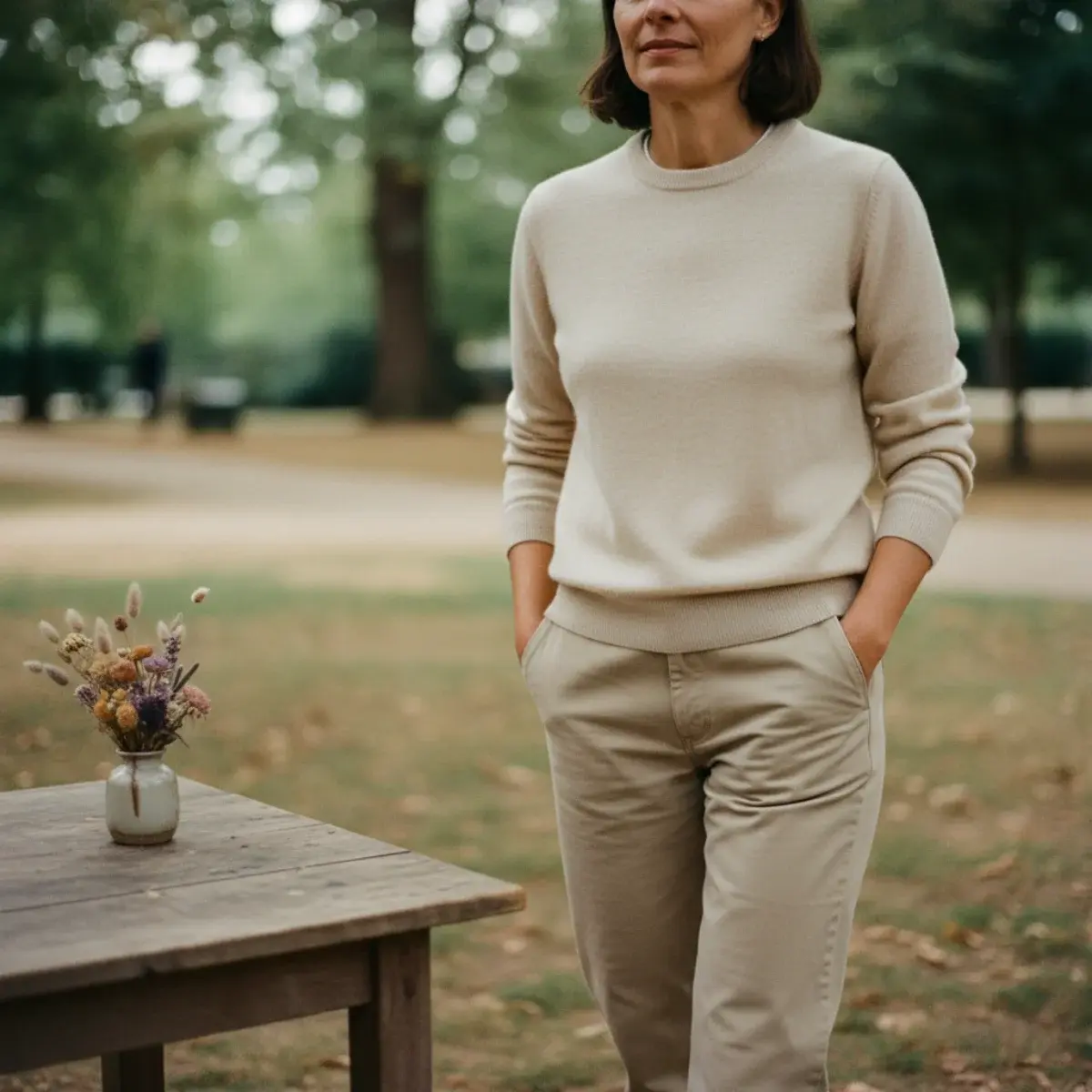
Because casual clothes are the ones you wear most, they are where buying well pays off fastest, and a handful of pieces carry the entire category. A pair of well-fitting jeans in a flattering, classic cut is the foundation — worth spending on and worth tailoring, since denim that fits transforms every outfit built on it. A few quality tees in good cotton, cut to sit well, separate elevated casual from loungewear more than almost anything, because a great plain tee reads expensive while a thin, shapeless one reads worn-out. A couple of fine knits in merino or cotton do the same work in cooler weather, draping and holding shape where cheap acrylic pills and sags.
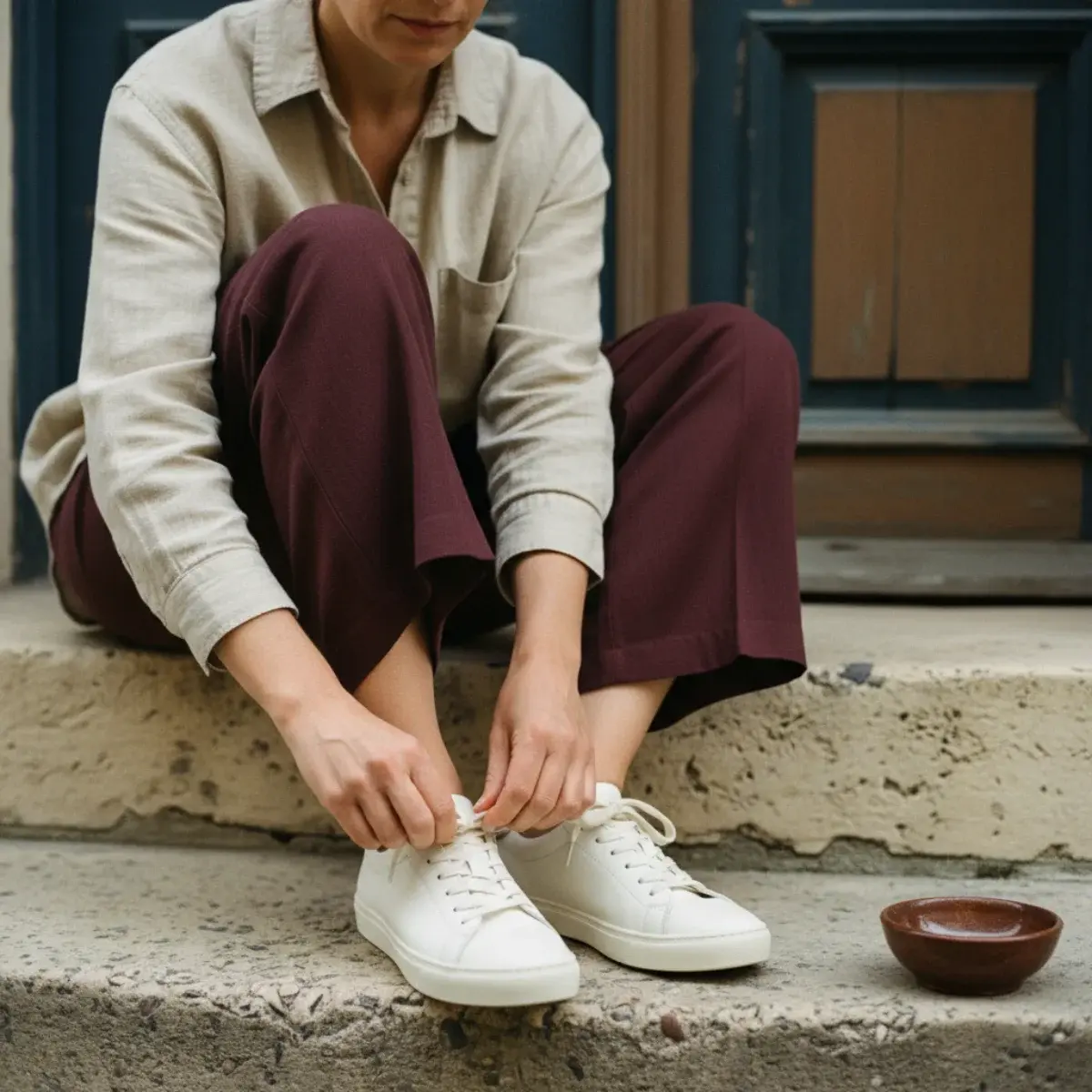
Beyond those, a denim or leather jacket is the layer that lifts countless outfits and lasts for years, a casual dress or two solve whole looks in one piece, and one pair of clean, slightly elevated shoes — white leather trainers, loafers, or good ankle boots — is the detail that makes basics look intentional. The connecting logic is the one that runs through the old money outfits guide: buy fewer, better pieces in natural fabrics, fit them properly, and a small casual wardrobe both looks more expensive and survives years of daily wear. Spend on the pieces that touch every outfit — the jeans, the tee, the shoe — before anything trend-led, because those are the ones doing the quiet work.
 1600×1067
Five quick ways to elevate any casual outfit
When a casual outfit feels almost-right but a little flat, five small moves reliably lift it, and any one of them can be the difference between grabbed and chosen.
- Tuck the top. A front tuck or full tuck defines the waist and instantly reads more intentional than an untucked, shapeless line.
- Swap the shoes. Trade worn trainers for clean ones, or for loafers or ankle boots — the single fastest upgrade, since shoes are the detail people notice first.
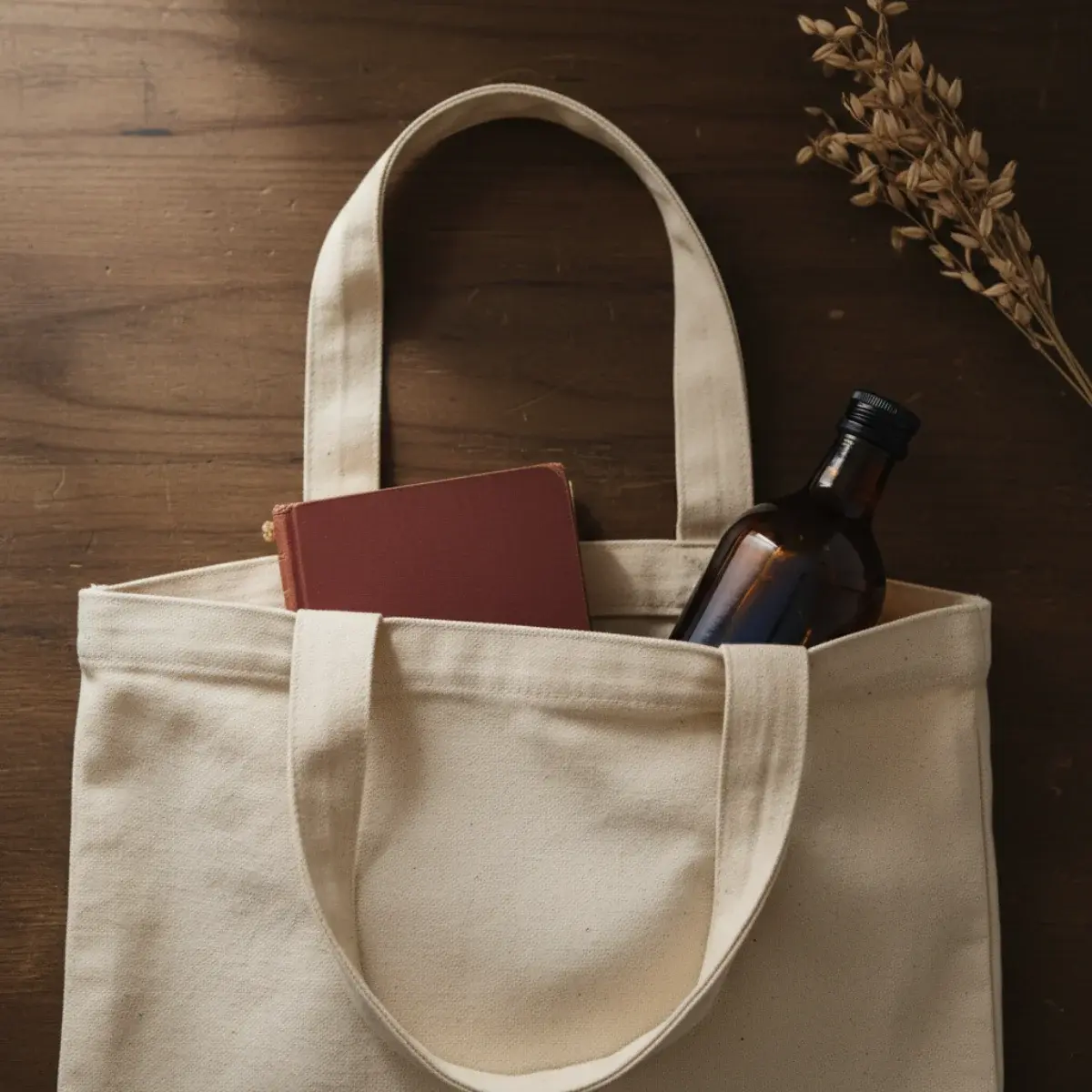
- Add a structured bag. A structured leather bag in place of a slouchy or sporty one pulls a whole casual look upward without any other change.
- Layer one piece. A blazer, a denim jacket, or a fine cardigan over a basic outfit adds polish and intention, even left open.
- Add one accessory. A fine necklace, a watch, or a pair of small earrings signals that the outfit was considered rather than thrown on.
The discipline is to add one or two of these, not all five at once — over-accessorising swings casual back toward trying-too-hard. Pick the move the outfit is missing, apply it, and stop. These small levers are the everyday version of the styling logic in our guide on how to put together an outfit.
 1600×1067
Casual dressing that flatters and lasts
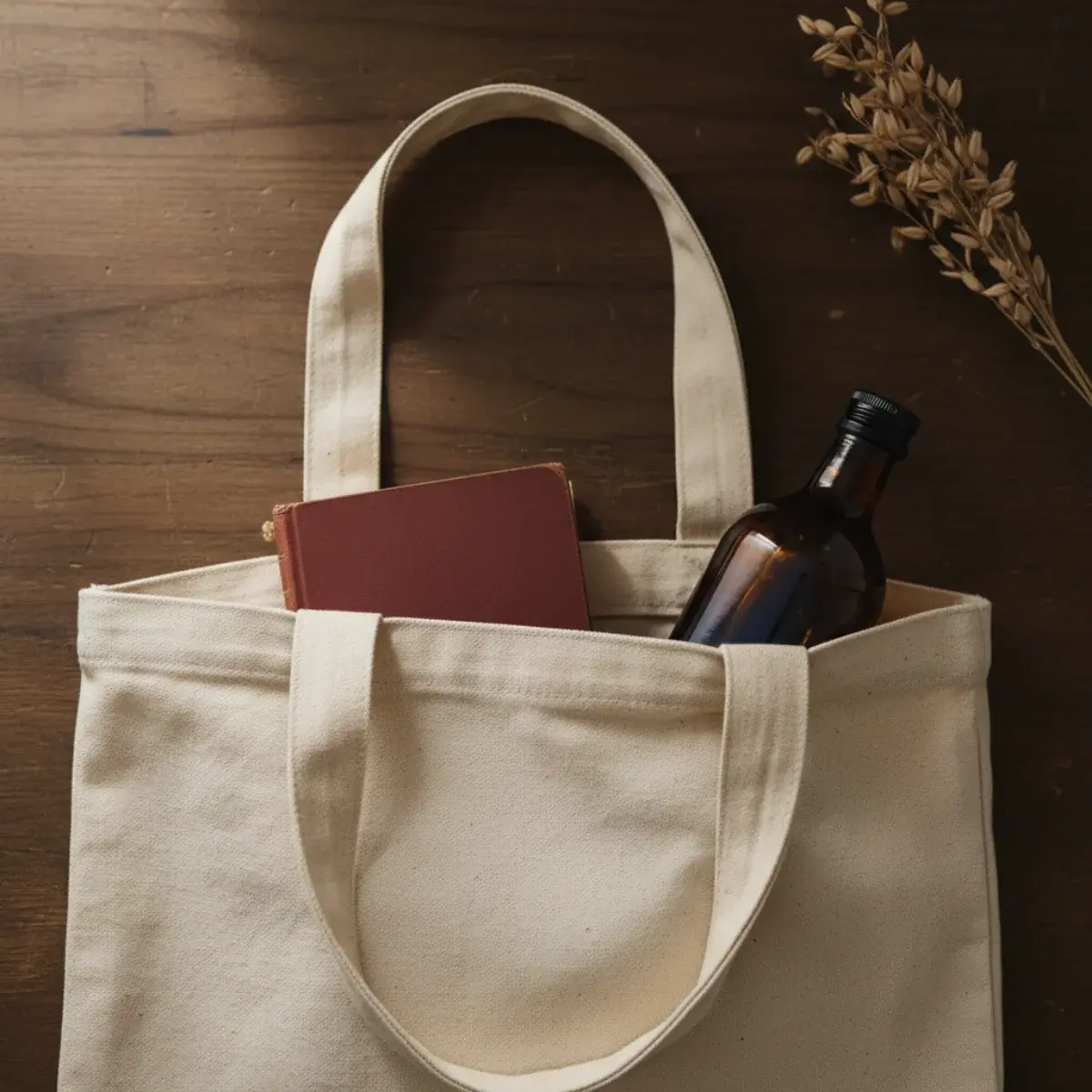
The most flattering casual dressing comes down to fit and proportion rather than any particular trend, which is good news, because it means the principles hold across bodies, ages, and decades. Balance is the core idea: a relaxed top pairs with a slimmer bottom, a fuller bottom pairs with a fitted top, so the outfit reads intentional rather than uniformly baggy or uniformly tight. Defining the waist somewhere — a tuck, a belt, a higher rise — gives an outfit shape and is the most reliable way to make casual pieces look styled. And choosing pieces cut for your proportions, then having them adjusted where needed, does more than chasing whatever silhouette is current.
Casual dressing also ages well precisely because it is not trend-dependent at its core. Good jeans, a quality knit, a clean shoe, and a well-fitting tee look right at twenty-five and at sixty-five; the proportions and palette adjust to taste, but the formula does not expire. This is why investing in fit and fabric beats chasing micro-trends — the trend-led casual piece dates in a season, while the well-cut basic in a natural fabric stays wearable for years. Build the casual wardrobe around pieces that flatter your actual body and are made to last, and it will keep working long after this season's specific looks have moved on.
 1600×1067
How to make casual outfits look expensive
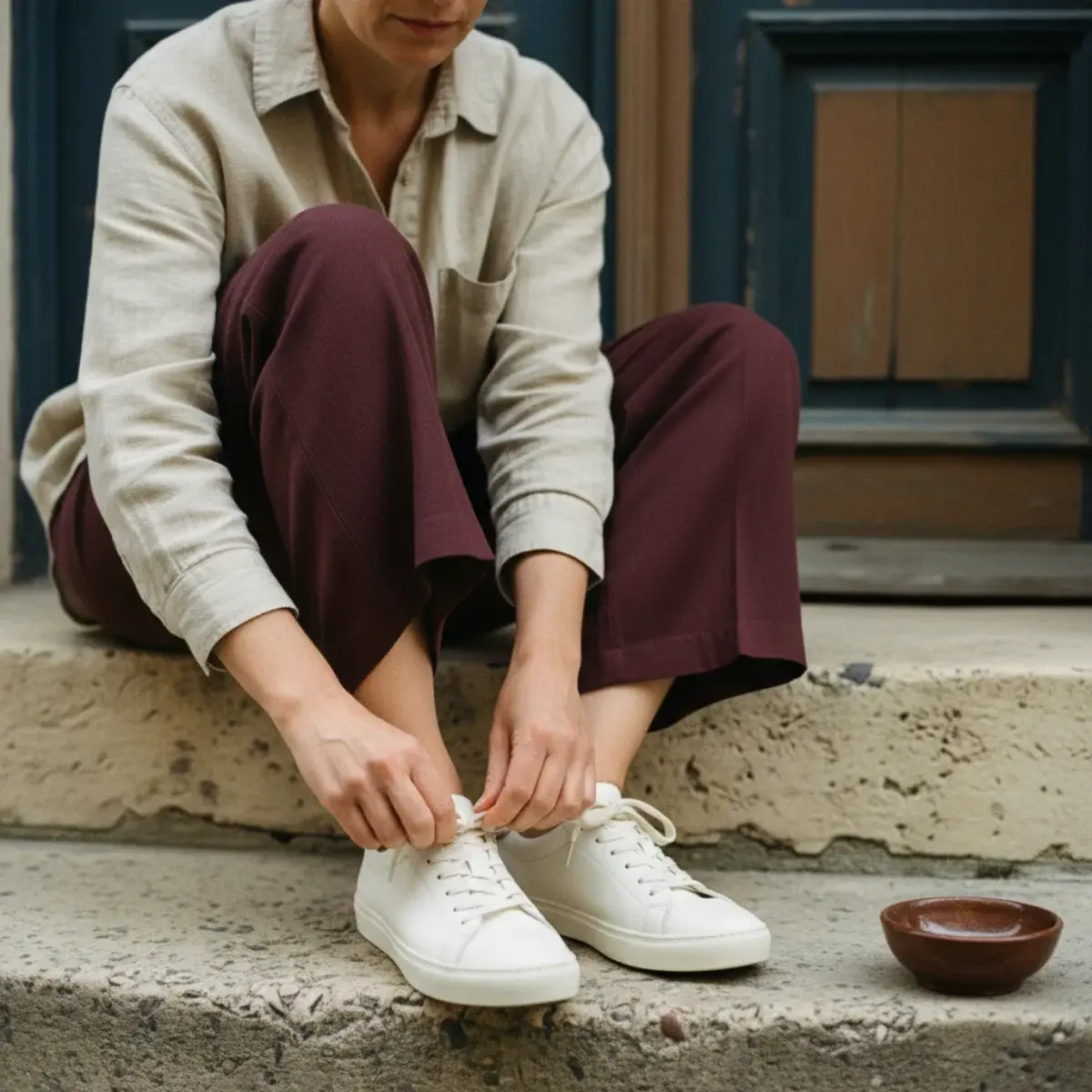
There is a recognisable quality to casual dressing that reads as expensive even when it is not, and it comes from a few specific choices rather than from spending. Fabric leads: natural materials — cotton, linen, wool, leather — drape, hold shape, and catch light in a way synthetics rarely manage, so a cotton tee and a wool knit read richer than polyester versions at any price. A tight, muted palette is the next signal; tonal dressing in cream, camel, grey, and navy looks considered and costly, while a jumble of bright, clashing colours reads cheap regardless of what was spent.
The remaining moves are about finish. Impeccable fit, achieved through a tailor if needed, is the single strongest "expensive" signal there is, because ill-fitting clothes read cheap even when they are not and well-fitting ones read the reverse. Clean, maintained pieces — no pilling, no scuffed shoes, no stretched necklines — matter as much as the pieces themselves, since care is visible. And the absence of loud logos reads more expensive than their presence, the same quiet-luxury principle explored in our old money outfits guide. None of these requires a large budget; second-hand natural-fabric pieces, a coherent palette, and a tailor will out-dress a closet of new fast fashion every time. Looking expensive in casual clothes is, in the end, a matter of fabric, fit, palette, and care — not price.
 1600×1067
Casual outfit mistakes to avoid
A handful of errors separate sloppy casual from stylish casual. Poor fit is the most common and the most damaging — baggy, gaping, or shapeless pieces read as careless no matter how comfortable. A random palette is the next: too many unrelated colours make an outfit look thrown together rather than chosen, which is why building on neutrals matters. Worn or dirty shoes undo an otherwise good outfit instantly, since footwear is the detail people notice; a clean, slightly elevated shoe does the opposite. And confusing casual with loungewear — actual pyjamas, gym clothes worn as outfits, anything genuinely unkempt — is the line between relaxed and unconsidered.
The fifth is subtler: skipping the one detail. An outfit with no finishing touch at all can read as unfinished even when every piece is fine. Each of these resolves the same way — fit the pieces, build on a palette, keep the shoes clean, and add the single intentional element. Casual done well is not about more clothes or more effort; it is about a little intention applied to comfortable pieces, repeated until it becomes the way you dress without thinking.
Key takeaways
- 1Casual is not the absence of effort — it's effort that doesn't show; the relaxed look is almost always carefully built.
- 2Three rules separate stylish casual from sloppy: good fit, a coordinated palette, and one finishing detail.
- 3Casual, smart casual, and business casual form a ladder of increasing polish, not fundamentally different clothes.
- 4A casual dress is the most efficient outfit there is — it solves the whole look in one piece and flexes up or down with shoes.
- 5A small, coherent casual capsule in a neutral palette is what makes effortless everyday dressing actually effortless.
Where to go from here
Casual is the foundation most other dressing builds on. Step up through the silo with smart casual outfits for women, business casual outfits with jeans, and dressy casual outfits. For the dressier occasions casual borrows toward, see the complete dress code guide; for the wardrobe logic beneath it all, the capsule wardrobe guide; and for quiet, fabric-led basics, the old money outfits guide. For ongoing everyday-style coverage, Who What Wear and Vogue publish reliable casual edits.
Frequently asked
- What is a casual outfit?
- A casual outfit is relaxed, comfortable everyday clothing — jeans, tees, knitwear, casual dresses, sneakers, and flats — worn for non-formal settings like weekends, errands, and relaxed social plans. Elevated casual takes the same pieces and makes them look intentional through good fit, a coherent palette, and one considered detail, so the result reads put-together rather than thrown on.
- How do you make a casual outfit look put-together?
- Focus on three things: fit, palette, and one finishing detail. Well-fitting pieces in coordinating neutral colours instantly read more intentional than baggy, clashing ones, and adding a single considered element — a tucked-in top, a structured bag, a piece of jewellery, clean shoes — lifts a basic outfit. The goal is to look like you chose the outfit, not grabbed it, without any visible effort.
- What is the difference between casual and smart casual?
- Casual is relaxed everyday wear — jeans, tees, sneakers — for non-formal settings. Smart casual is a step up that adds polish: dark denim or tailored trousers, a smart top or fine knit, a blazer, and elevated shoes, suitable for nicer dinners, relaxed offices, and dressier social plans. Smart casual keeps the ease of casual but removes the most relaxed elements like distressed denim and trainers.
- What shoes are casual?
- Sneakers, flats, loafers, sandals, ankle boots, and mules are all casual. Clean white trainers and loafers sit at the more elevated end and dress a casual outfit up, while flip-flops and worn athletic shoes sit at the most relaxed end. Choosing a slightly more elevated, clean shoe is the fastest way to make an otherwise basic casual outfit look intentional.
- What is a casual dress?
- A casual dress is an easy, comfortable one-piece — a shirt dress, a T-shirt dress, a wrap dress, a midi in jersey or cotton, or a relaxed sundress — that requires no styling to look complete. It is one of the simplest casual outfits because it solves the whole look in a single piece, and it dresses up or down with the choice of shoes and accessories.
- How do you dress casually in winter?
- Layer comfortable pieces in a coordinating palette: a knit over a shirt, good jeans or trousers, ankle or knee boots, and a wool coat for warmth. Cold-weather casual leans on knitwear, denim, boots, and a good coat, with scarves and beanies adding both warmth and a finishing detail. Keep the layers tonal so the outfit reads put-together rather than piled on.
- Can casual outfits be stylish?
- Yes — some of the most stylish dressing is casual done well. The difference between basic and stylish casual is not formality but intention: good fit, a coherent colour palette, quality fabrics, and one considered detail. A simple outfit of well-fitting jeans, a fine knit, and clean shoes can look more stylish than an elaborate one, because ease and coherence read as confidence.
Written by Marguerite Sterns, looksyra editorial. Last updated May 2026.
Everything in this guide
 Save
SaveKids' Outfit Ideas for Boys: 10 Looks Parents Actually Reach For
Read guide Save
SaveKids' Outfit Ideas for Girls: 10 Looks Parents Actually Reach For
Read guide Save
SaveMen's Home Outfit Ideas: 10 Looks That Feel Like You at Home
Read guide Save
SaveMen's College Outfit Ideas: 10 Looks for Campus Life
Read guide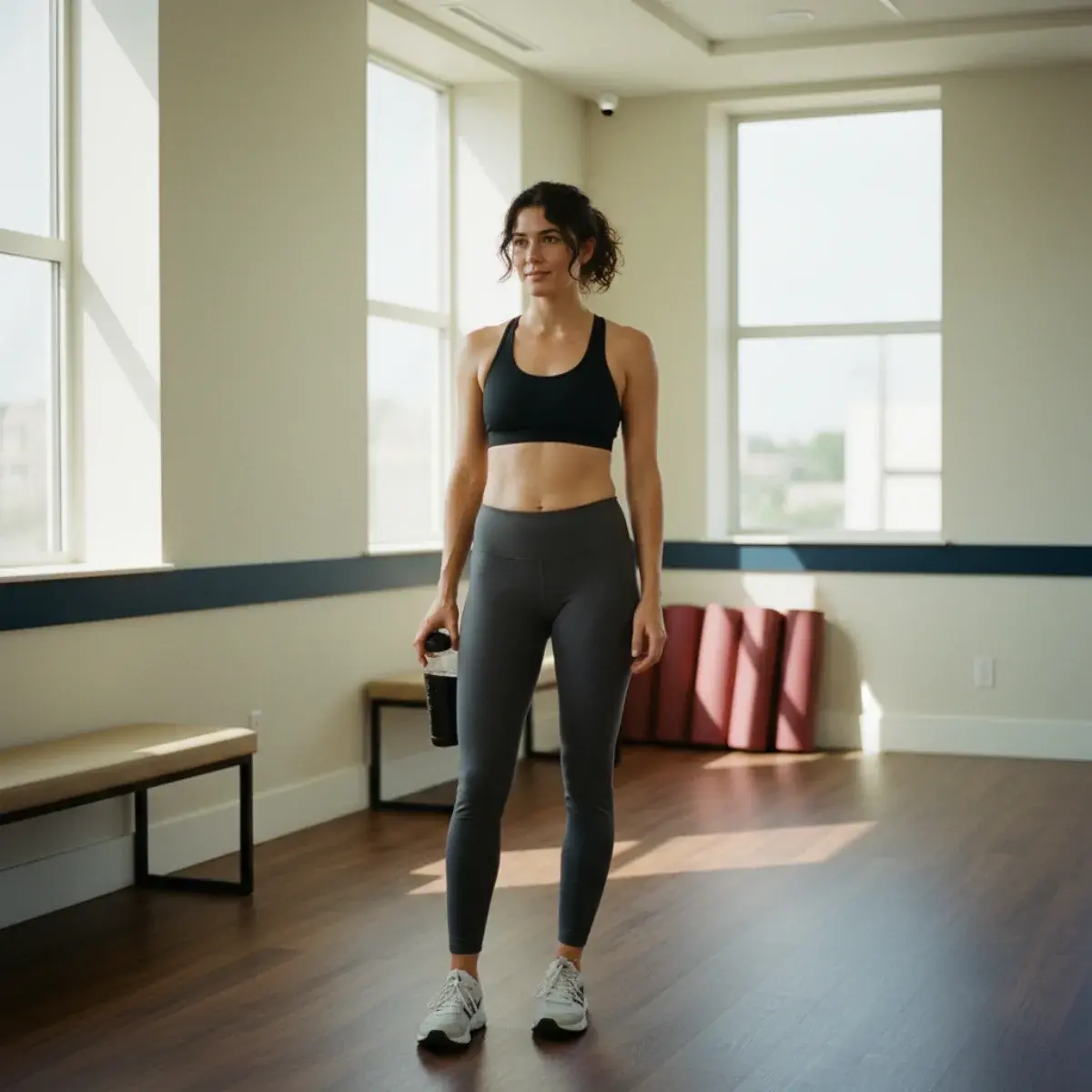 Save
SaveGym Outfit Ideas for Women: 10 Looks That Train and Walk In Well
Read guide Save
SaveHome Outfit Ideas for Women: 10 Looks That Feel Like You at Home
Read guide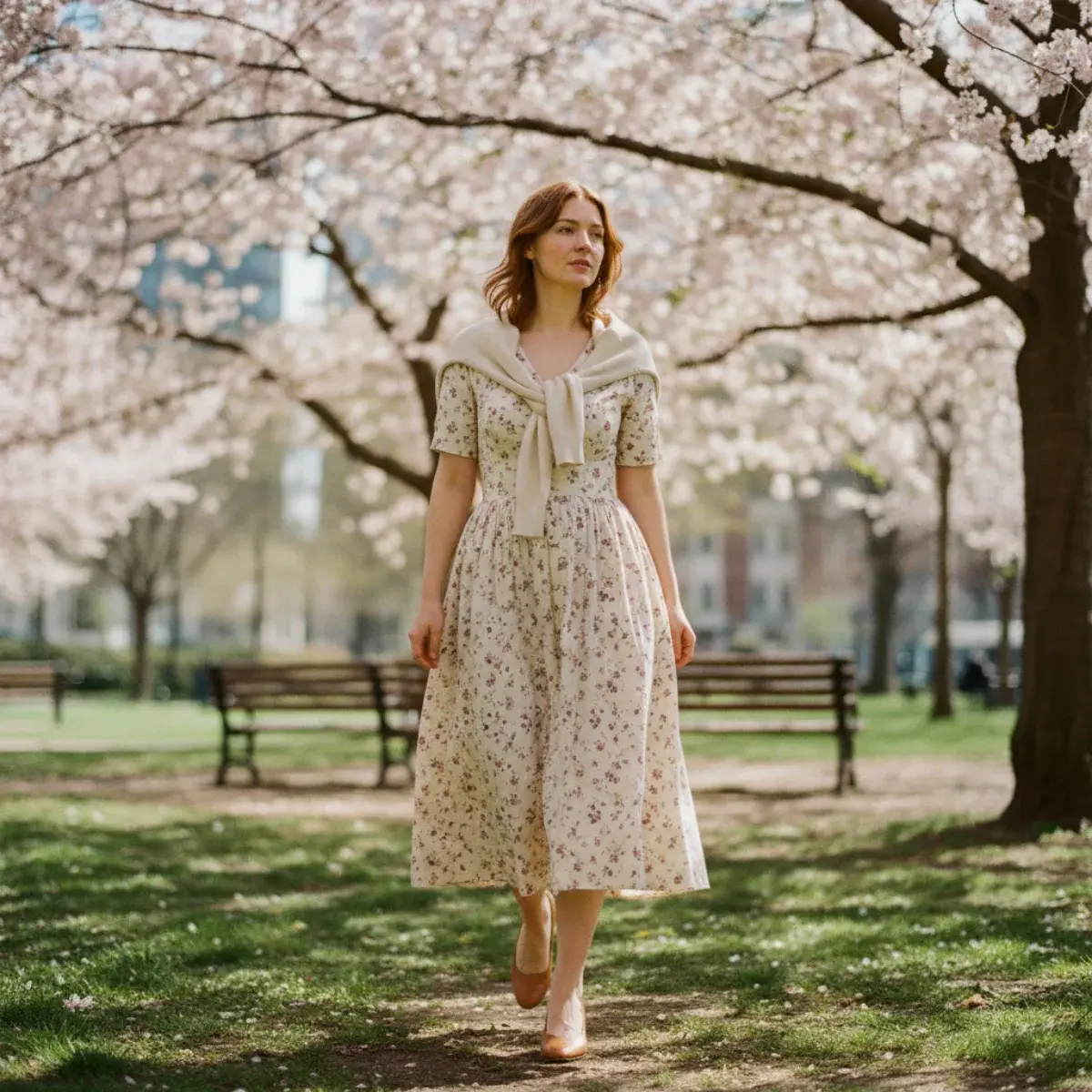 Save
SaveSpring Outfit Ideas for Women: 12 Looks for the In-Between Season
Read guide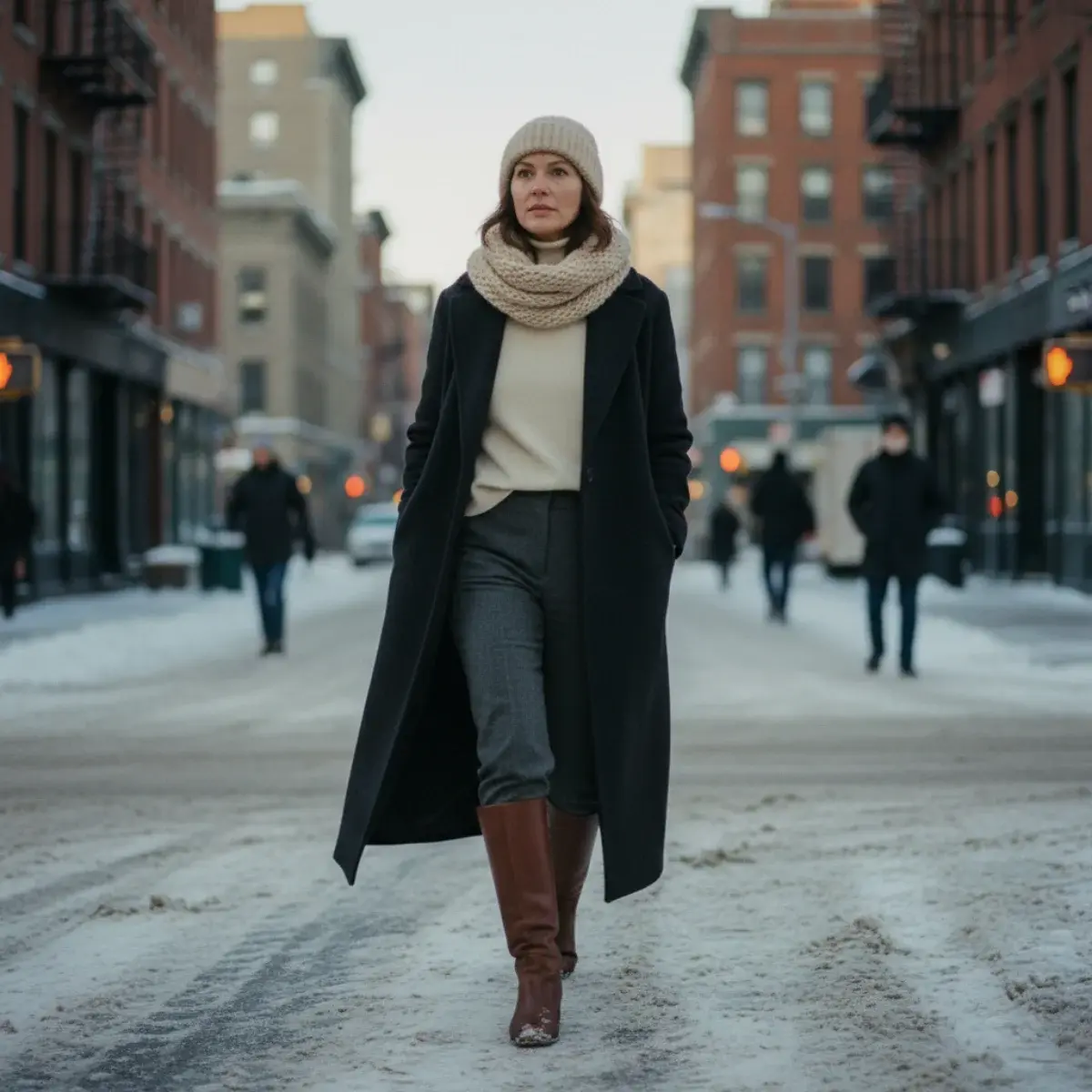 Save
SaveWinter Outfit Ideas for Women: 12 Looks That Survive Real Cold
Read guide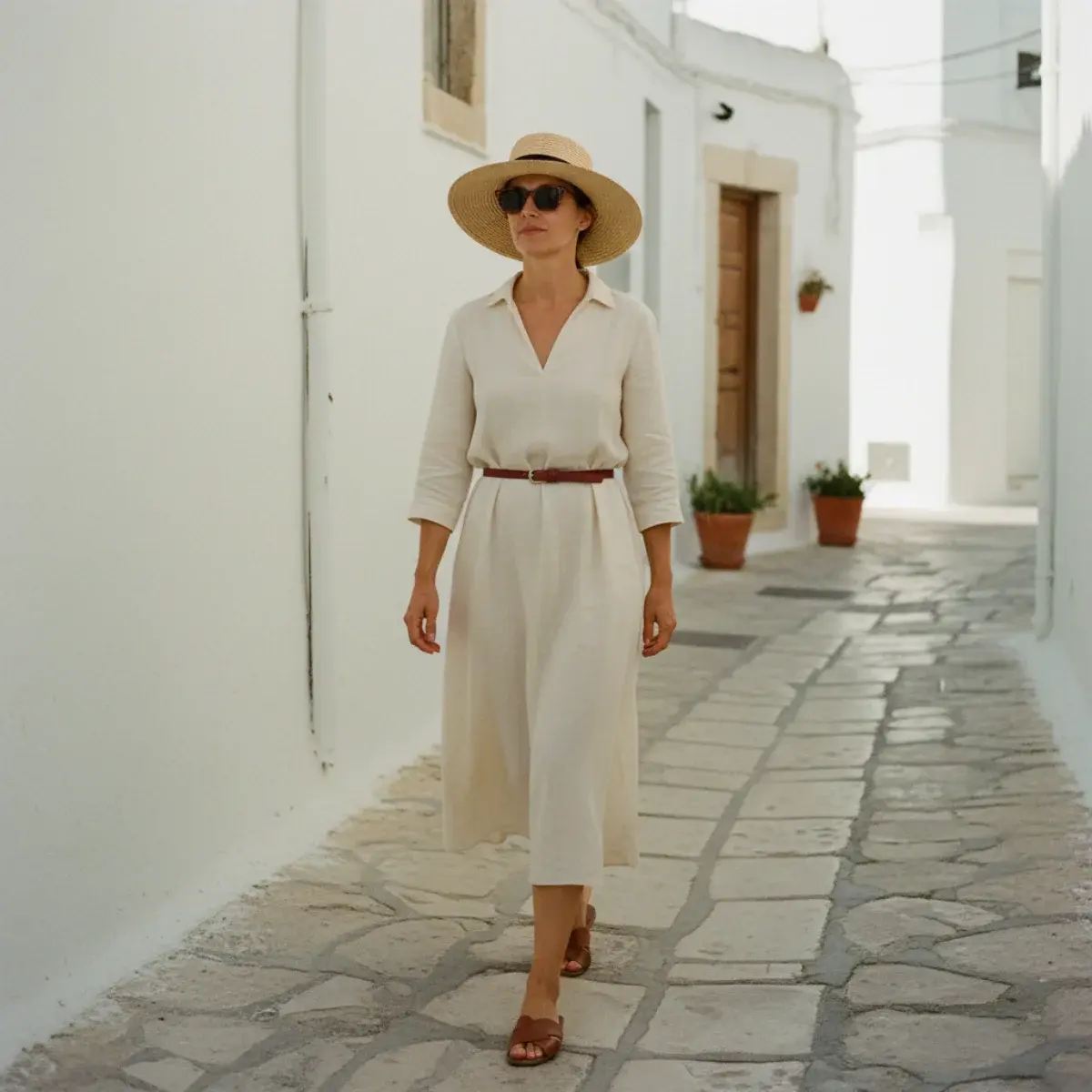 Save
SaveSummer Outfit Ideas for Women: 12 Looks for Hot Weather
Read guide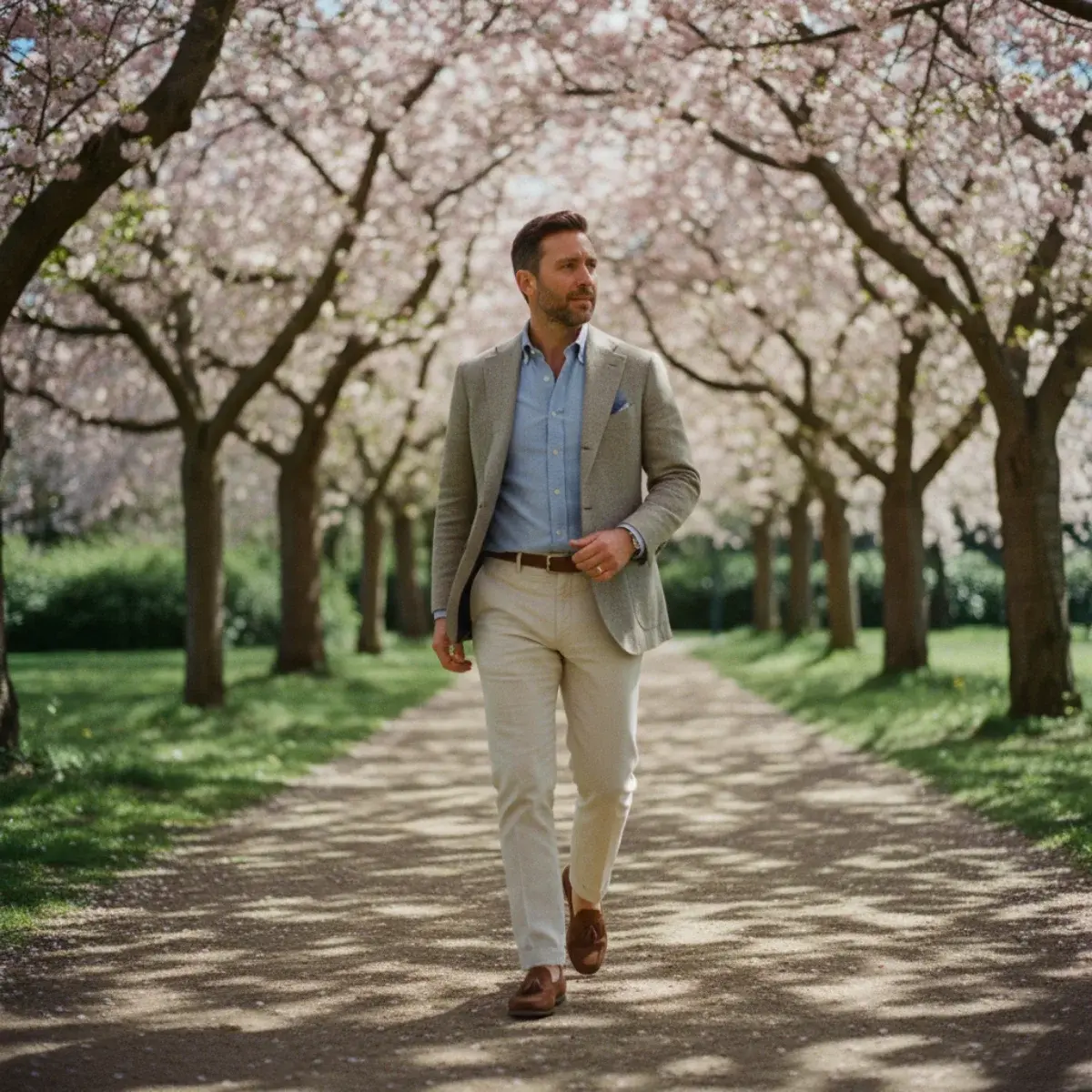 Save
SaveMen's Spring Outfit Ideas: 12 Looks for the In-Between Season
Read guide Save
SaveMen's Winter Outfit Ideas: 12 Looks That Survive Real Cold
Read guide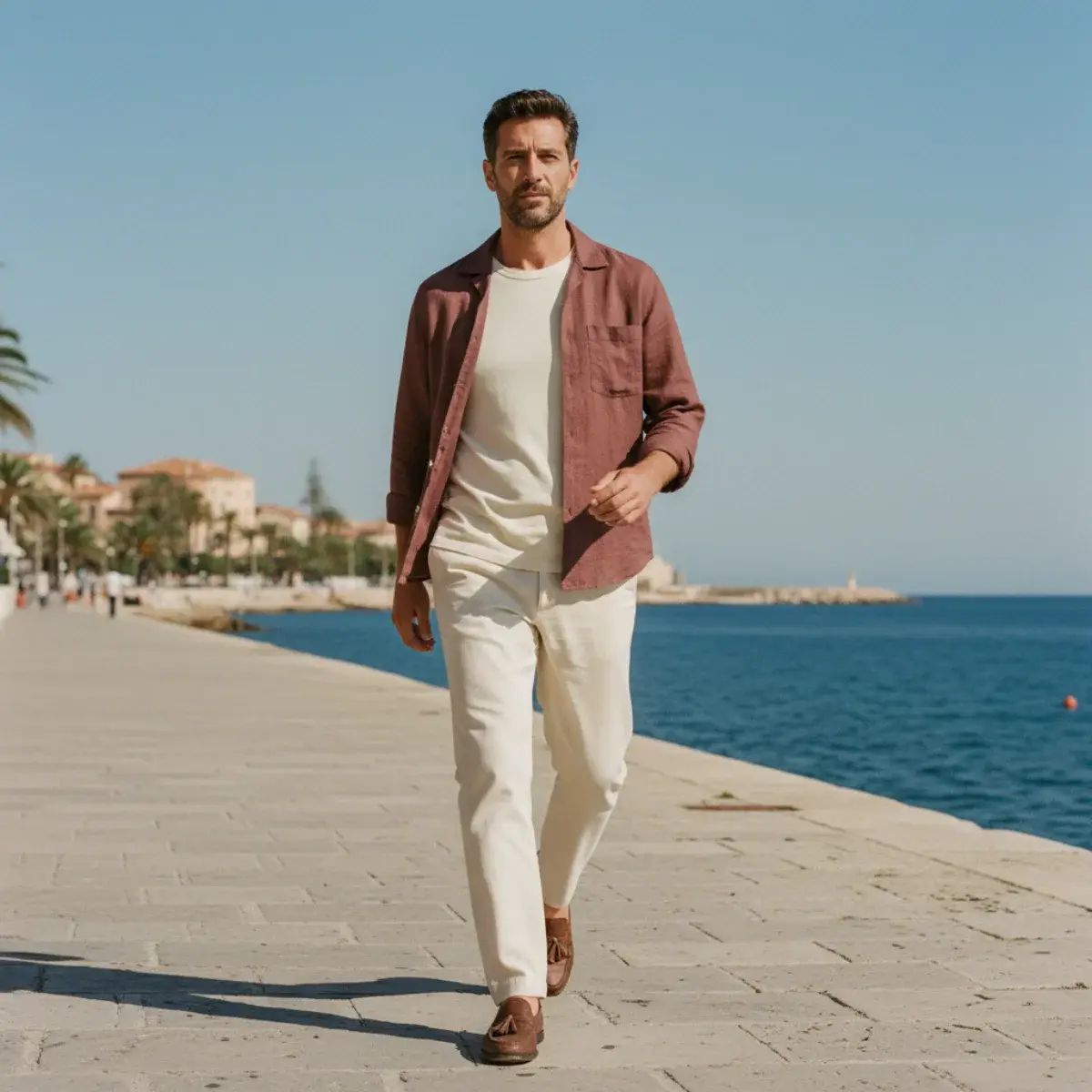 Save
SaveMen's Summer Outfit Ideas: 12 Looks for Hot-Weather Style
Read guide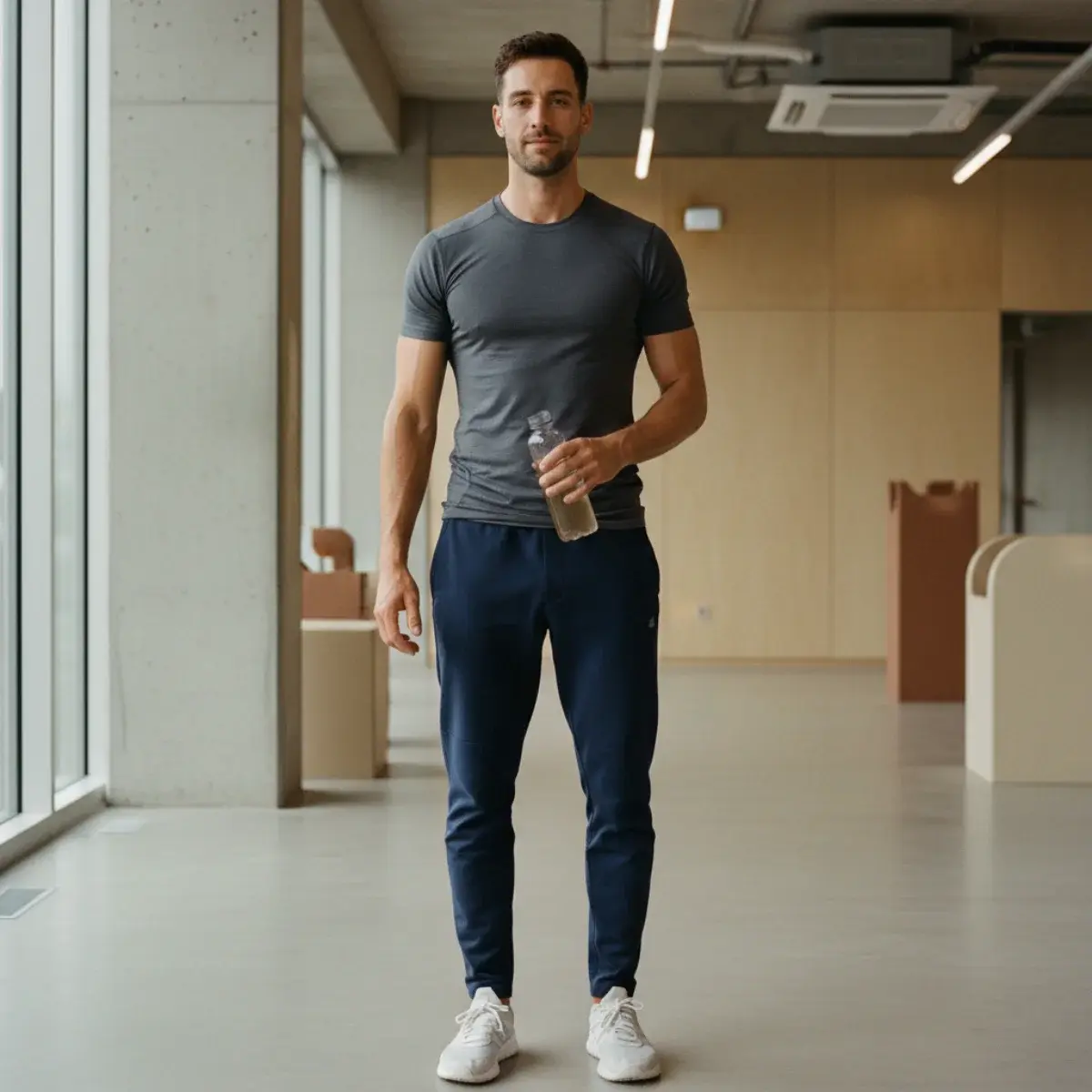 Save
SaveMen's Gym Outfit Ideas: 10 Looks That Work In and Out of the Gym
Read guide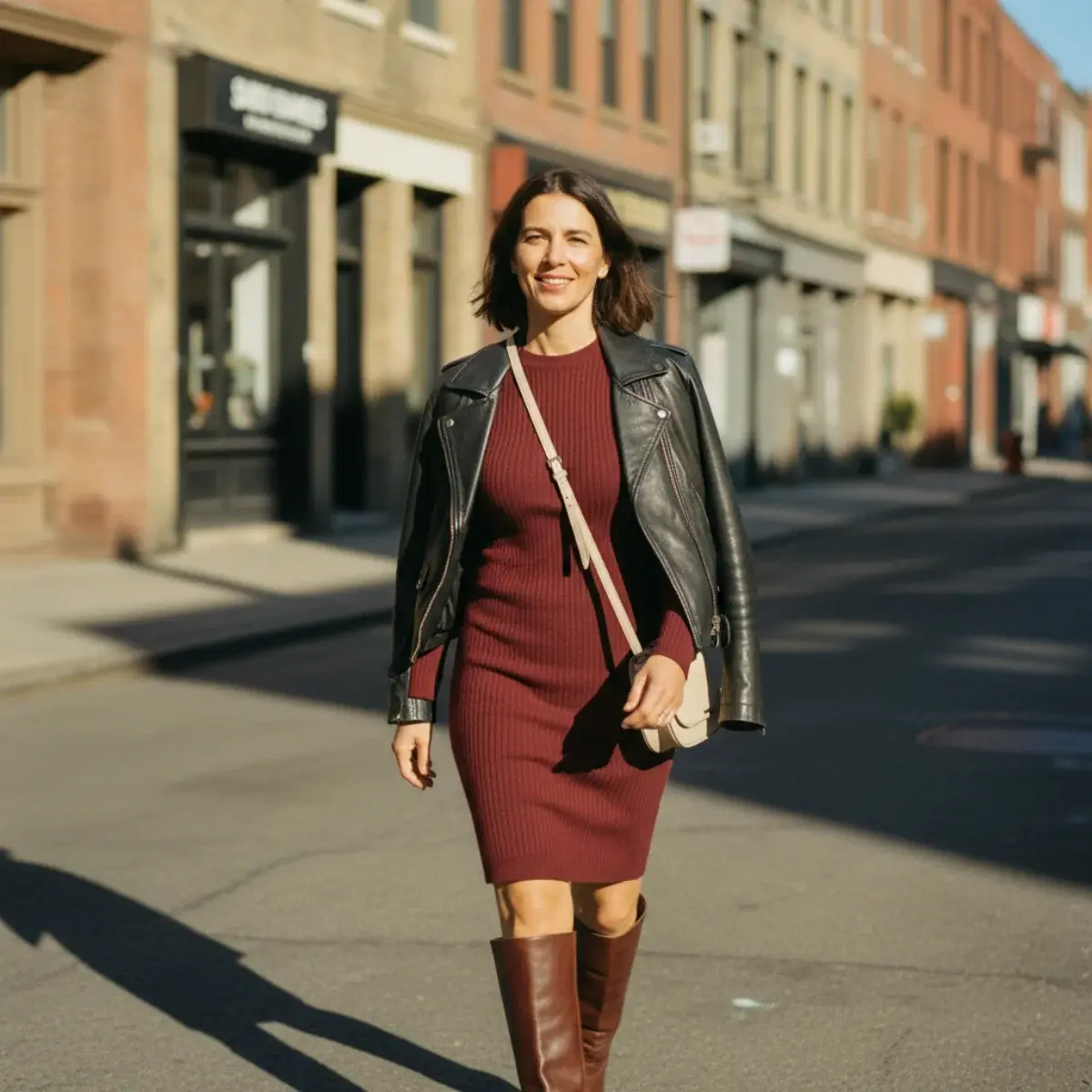 Save
SaveDressy Casual Outfits for Women: What It Means & 14 Looks
Read guide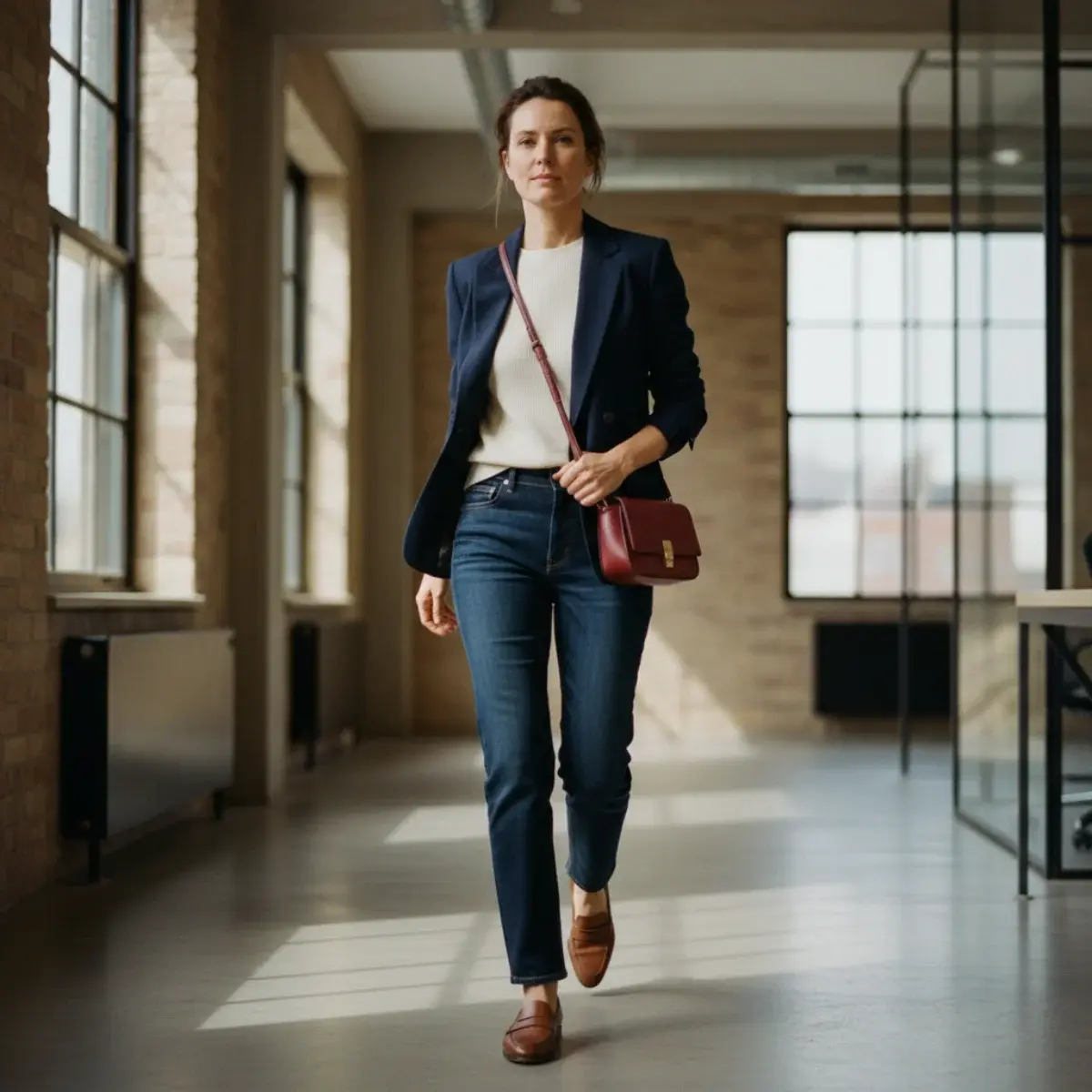 Save
SaveBusiness Casual Outfits with Jeans: When (and How) Denim Works at Work
Read guide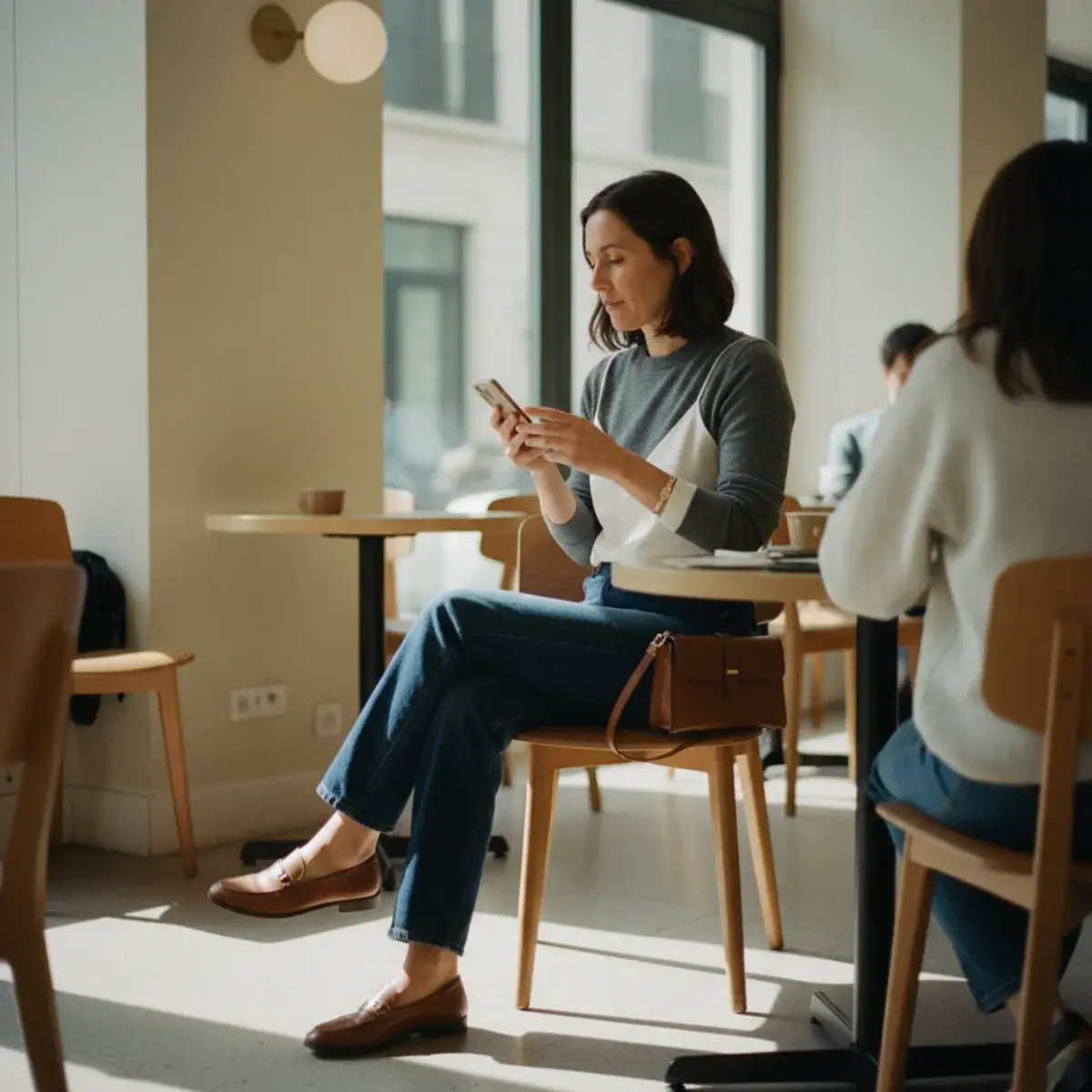 Save
Save