
The promise of a capsule wardrobe sounds almost too good: fewer clothes, more outfits, and a closet you can actually get dressed from without the daily paralysis of too many choices that somehow still leave you with nothing to wear. The promise is real, but it rests on a principle most people get backwards. A capsule is not about owning little for its own sake; it is about owning pieces that combine, so a small, coordinated collection produces far more outfits than a large, random one. This guide explains how a capsule actually works and how to build one that fits your life — the principles, the pieces, the palette, and the practicalities.
The principle this whole guide rests on, and the hill it will die on: a capsule's power comes from coordination, not size — the goal is pieces that combine, not simply fewer of them. Thirty coordinated pieces produce more outfits than a hundred random ones, which is why the capsule, done right, gives you more to wear, not less.
What a capsule wardrobe actually is
A capsule wardrobe is a small, deliberately chosen collection of versatile clothes in a coordinating palette, built so that the pieces mix and match into many outfits. The defining feature is not the small size but the high combinability: every piece is chosen to work with several others, so the number of possible outfits far exceeds the number of items. A capsule of thirty pieces, properly coordinated, can produce dozens or hundreds of outfits, where a random wardrobe of a hundred items might yield surprisingly few, because so little of it goes together.
This is the insight that makes the capsule worth the effort. Most people's "nothing to wear" problem is not a shortage of clothes but a shortage of combinations — a closet full of pieces that each work in only one or two outfits, many of which are incomplete. A capsule solves this by inverting the priority: instead of buying individual pieces you like, you build a coordinated system where everything relates to everything else. The result is fewer clothes, less clutter, easier dressing, and more outfits, all at once. The capsule is less a constraint than a more efficient design for a wardrobe, which is why it underpins nearly every other guide on this site.
 1600×1067
Why a capsule wardrobe works
The capsule works for reasons that are practical, financial, and psychological at once. Practically, a coordinated wardrobe produces more outfits from fewer pieces and makes getting dressed faster, because everything goes together and the daily decision shrinks to a quick recombination. Financially, it is cheaper over time, because versatile pieces have a tiny cost-per-wear while single-use pieces sit unworn; you buy less, choose better, and replace less often. Psychologically, it reduces decision fatigue and the low-grade stress of a chaotic closet, replacing the "nothing to wear" feeling with the calm of a wardrobe that simply works.
There is an environmental dimension too. A capsule, by encouraging fewer, better, longer-lasting purchases, runs directly counter to the overconsumption that fast fashion depends on, making it one of the more sustainable ways to dress, as our fashion trends guide discusses. And it is the foundation that makes everything else easier: trends become low-risk additions to a stable base, occasions become a matter of recombining rather than buying, and seasonal dressing becomes layering a coherent palette. The capsule is not a deprivation but an upgrade — a wardrobe designed to work rather than one accumulated by accident.
 1600×1067
The core principles of a capsule wardrobe
Four principles make a capsule work, and getting them right matters more than any specific piece count or list. The first is a coordinating palette: two or three neutrals plus one or two accents, so almost everything works with everything else. This is the single most important principle, because coordination is what turns a small wardrobe into a large number of outfits. The second is versatility: every piece should work in several outfits and ideally across more than one setting, so a blazer that goes from work to dinner earns its place where a single-occasion piece does not.
The third principle is fit, because a capsule depends on every piece being one you actually want to wear, and an ill-fitting item, however versatile in theory, sits unworn in practice — a tailor is one of the capsule-builder's most useful tools. The fourth is quality and fabric: since the pieces are worn often and meant to last, natural fabrics and solid construction pay off, the same fewer-better-pieces logic that runs through the old money outfits guide. Together these four — palette, versatility, fit, quality — are the rules every capsule decision should pass. A piece that coordinates, works in several outfits, fits well, and is made to last belongs; one that fails any of these does not, however appealing in isolation.
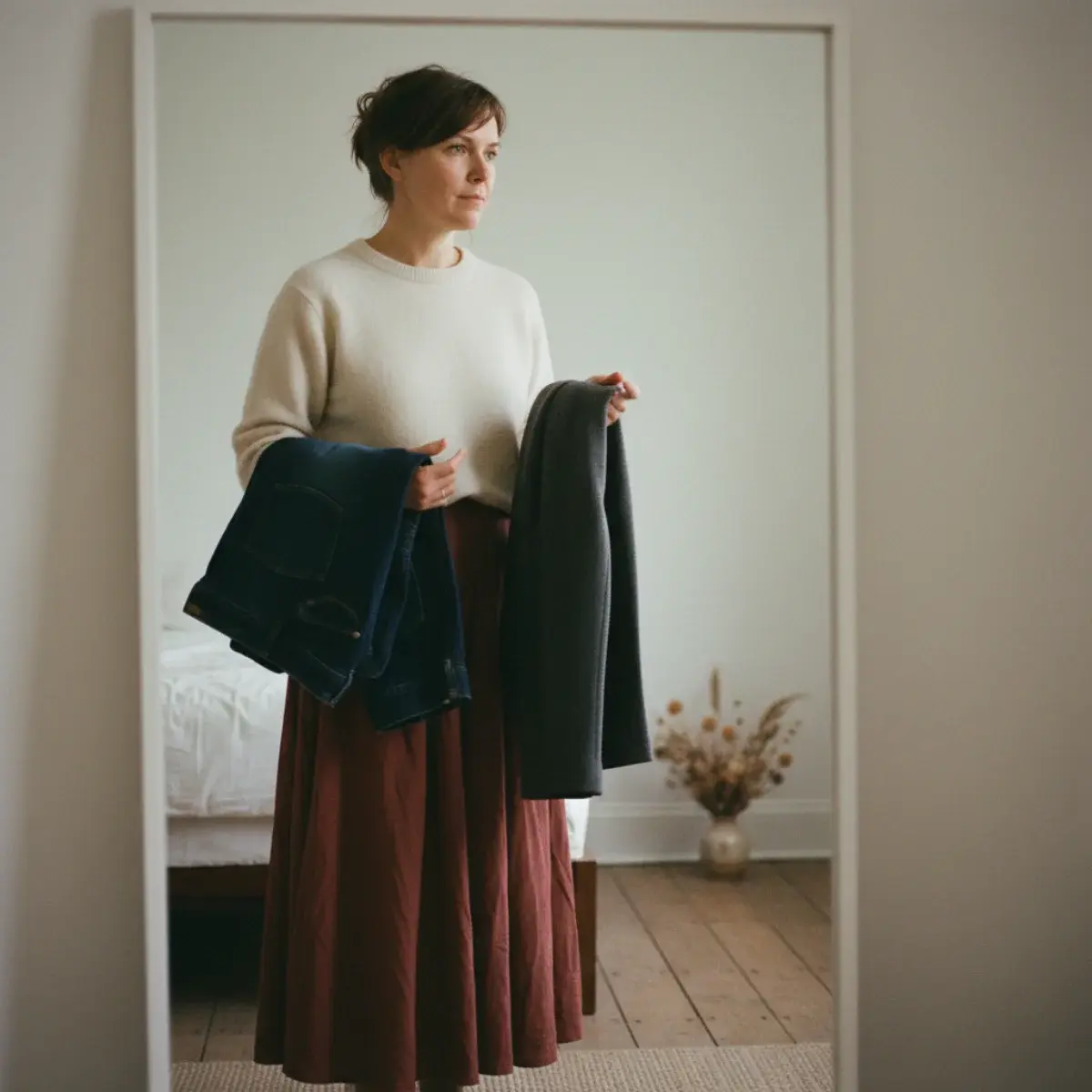 1600×1067
How to build a capsule wardrobe, step by step
Building a capsule follows a clear order, and doing it in sequence prevents the common mistake of buying pieces that don't cohere. Start with your palette — choose two or three neutrals that coordinate and suit your colouring, plus one or two accent colours you love. Everything you add must work within it. Audit what you own next, keeping the pieces that fit the palette, fit your body, and you actually wear, and setting aside the rest. Identify the gaps in your foundation of classics — what versatile pieces are missing — and fill them deliberately rather than impulsively.
Build the foundation of versatile classics: a coat, a blazer, a few knits, tailored trousers, jeans, a white shirt, a dress, a skirt, and a few pairs of shoes, all within the palette. Add personal and seasonal pieces on top — the accents, the prints, the pieces that express your taste — in moderation. And edit as you go, removing what doesn't earn its place and refining over time. This is a process rather than a single shopping trip, and building gradually produces a better, cheaper, more coherent capsule than buying it all at once. The order matters: palette first, foundation second, personality third, with editing throughout.
 1600×1067
The essential capsule pieces
While the exact list varies by life and taste, a core set of versatile classics forms the backbone of most capsules. For outerwear: a versatile coat (a wool coat or trench) and a tailored blazer. For tops: a white cotton shirt, two or three fine knits, and a few quality tees or blouses. For bottoms: tailored trousers, well-fitting jeans, and a versatile skirt. For dresses: one or two that work across occasions — a dark midi, a knit dress. And for shoes: loafers or flats, ankle boots, and a heel, in neutral leather.
These pieces share three qualities that make them capsule essentials: they are timeless rather than trend-led, they coordinate within a neutral palette, and each works in many outfits. They are also where your investment belongs, since they are worn most and last longest. Around this foundation you add a small layer of personal and seasonal pieces — accent colours, prints, the things that make the wardrobe yours. The foundation is roughly the same for everyone; the personality layer is what differs. For specific item categories, the bags, jewellery, and footwear styling guides cover the accessories that complete a capsule, and the old money outfits guide covers building this classic foundation in depth.
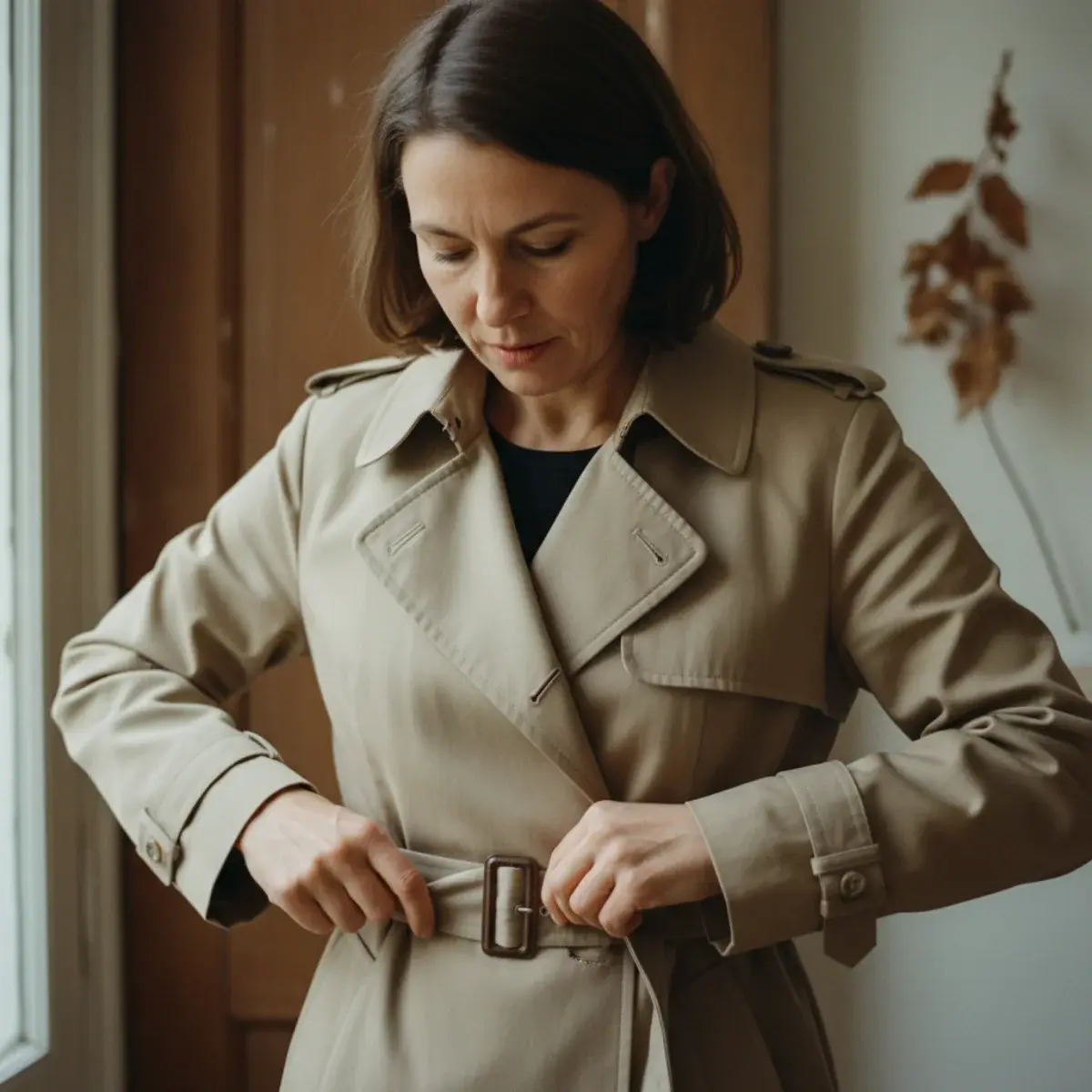 1600×1067
Choosing your capsule palette
The palette is the foundation of the whole system, so it is worth choosing deliberately. Start with two or three base neutrals that coordinate with one another and suit your colouring — common choices are navy, grey, cream, camel, black, and beige. These are the colours most of your pieces will be, and because they all work together, they are what lets the wardrobe mix freely. Choose neutrals you genuinely like and that flatter you, since you will wear them constantly, and that work for your life and climate.
Then add one or two accent colours you love — a jewel tone, a soft pastel, a deep seasonal shade — to bring personality and interest. The accents appear in a smaller number of pieces and lift the neutral base. The discipline is to keep the palette tight: a coherent set of a few coordinating colours produces a wardrobe where everything goes together, while a scattered palette of many unrelated colours produces the "nothing goes with anything" problem the capsule exists to solve. Most capsules work best with a roughly 70-30 split between neutrals and accents. Get the palette right and coordination takes care of itself; get it wrong and no amount of good individual pieces will cohere.
 1600×1067
Capsule wardrobes by lifestyle
A capsule must fit your actual life, and the right one looks different depending on how you spend your days. For a corporate or professional life, the capsule leans toward tailored pieces — blazers, trousers, smart dresses, the business casual and interview-ready pieces — with fewer casual items. For a casual or creative life, it leans the other way, toward good denim, knits, casual dresses, and the elevated-casual pieces our casual outfits guide covers, with a few smarter pieces for occasions.
For a busy, varied life — work, parenting, social, travel — the capsule prioritises versatile pieces that cross between settings, since the more contexts each piece covers, the smaller and more efficient the wardrobe can be. The principle across all of them is the same: build the capsule around the way you actually live, not the way you imagine you might. A common mistake is stocking a capsule with aspirational pieces for a life you don't lead — formal wear you rarely need, for instance — while under-providing for the settings you're in daily. Audit how you actually spend your time, then weight the capsule toward those settings. The foundation of classics stays similar; the proportions shift to match your real life.
 1600×1067
Seasonal capsules and how they overlap
Many people run a capsule per season, but the seasons overlap far more than separate capsules suggest, and recognising this keeps the whole wardrobe efficient. A large share of a capsule — the tailored trousers, many knits, the dress, the leather shoes — works across multiple seasons, with only the most weather-specific pieces changing. Rather than four entirely separate wardrobes, think of one coherent core plus seasonal layers and swaps: lighter fabrics and sandals added in summer, coats and boots and heavier knits added in winter, with the palette and many pieces carrying through.
This overlap is clearest in the cold half of the year, where, as our fall outfits guide explains, the autumn capsule is most of a winter one already — the camel coat, the cashmere, the boots, and the trousers work from September through March, with only the heaviest pieces added at the cold end. Building seasonal capsules that share a palette and a core means each seasonal transition costs only a few pieces rather than a new wardrobe, which is both more economical and less wasteful. The most efficient approach is one coherent year-round palette with seasonal pieces layered in and out, rather than four disconnected seasonal wardrobes.
 1600×1067
Building a capsule on a budget
A capsule is more affordable than a conventional wardrobe over time, because it relies on versatility rather than quantity, and a few moves keep the upfront cost down too. Shop second-hand for quality classics, where the timeless, versatile pieces a capsule needs are abundant — wool coats, cashmere knits, tailored trousers reach resale racks softened rather than worn out, at a fraction of retail. Build gradually rather than all at once, adding foundation pieces over time so the cost spreads and each addition is considered. Prioritise the pieces you'll wear most — the coat, the jeans, the blazer — for any real spending, and economise on the rest.
The deeper budget logic is that a capsule is cheaper precisely because it ends the cycle of buying single-use pieces that sit unworn. A versatile classic worn a hundred times has a tiny cost-per-wear; a trend piece worn twice is expensive however little it cost. Prioritising fit and fabric over labels, as the old money outfits guide advocates, means inexpensive pieces that are well-cut and well-maintained out-perform pricier ones that are not. The capsule, in other words, is not a luxury approach but the economical one — fewer, better, more-worn pieces cost less over a wardrobe's life than many cheap, barely-worn ones.
 1600×1067
Maintaining and editing your capsule
A capsule is not built once and left; it is maintained, and a little ongoing editing keeps it working. Periodically — seasonally is a natural rhythm — review what you actually wore and what sat untouched, and let the unworn pieces go, since a piece you don't reach for is taking up space and adding to the decision load without earning it. Replace worn-out foundation pieces promptly, since the capsule depends on its core being in good condition. And add new pieces only deliberately, checking each against the four principles — does it coordinate, is it versatile, does it fit, is it good quality — before it joins.
The editing discipline is what keeps a capsule from drifting back into a cluttered wardrobe over time, which it will if pieces are added freely and never removed. A useful practice is the one-in-considered-out rhythm: when something new comes in, check whether something has earned its way out. The goal is a wardrobe that stays small, coordinated, and fully worn rather than slowly accumulating. Maintained this way, a capsule compounds in value — it gets easier to dress from, more coherent, and more economical over time, because every piece continues to earn its place and nothing dead-weights the system.
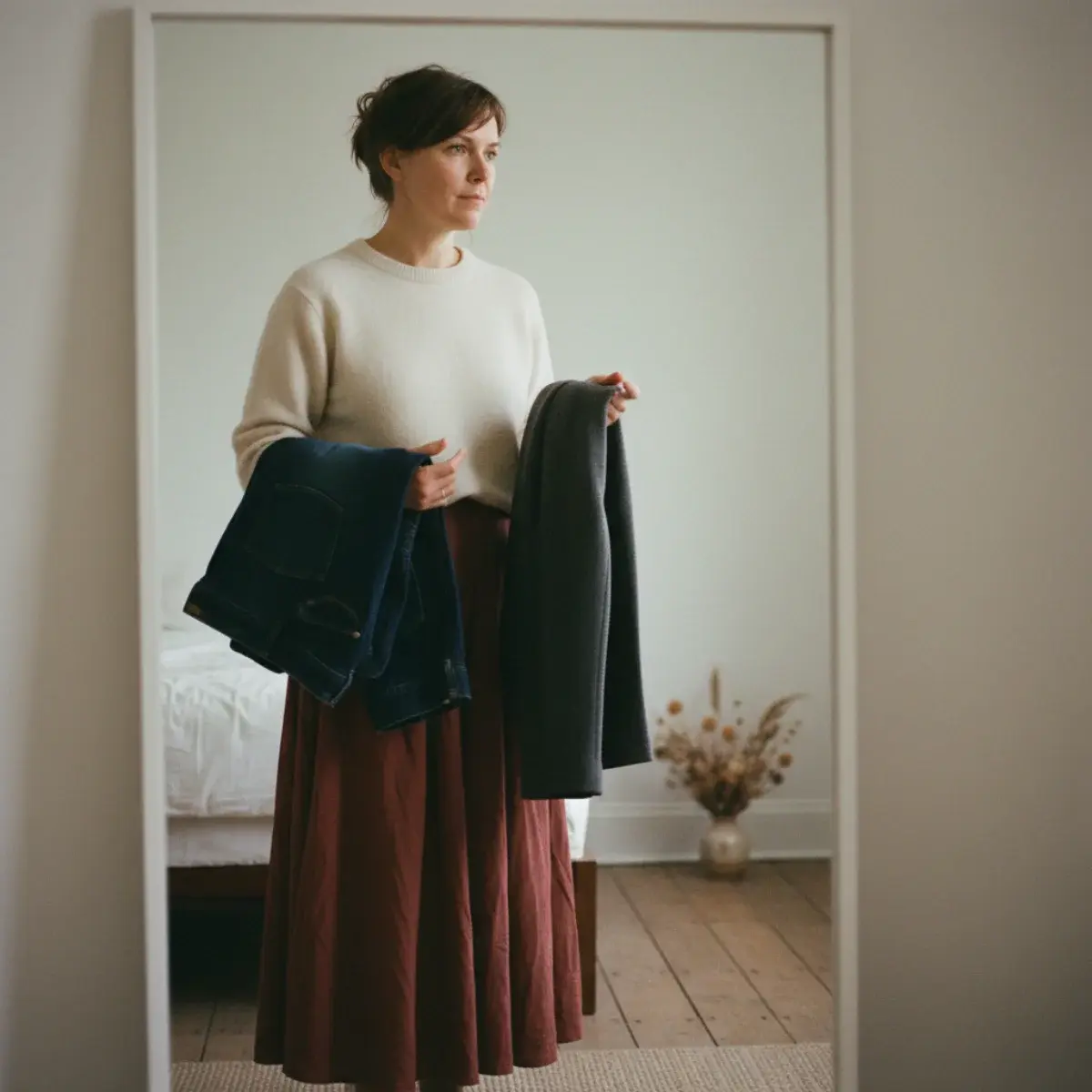 1600×1067
Turning capsule pieces into outfits
A capsule's promise of "many outfits from few pieces" becomes real through combination, and a few formulas show how quickly the numbers grow. With a foundation of, say, two pairs of trousers, two skirts, five tops, two dresses, two jackets, and three pairs of shoes, the combinations run into the dozens before you add accessories or layering. The trick is to think in interchangeable slots — any top with any bottom, any layer over any base — which is exactly what a coordinated palette makes possible. A single new top does not add one outfit; it adds an outfit with every bottom and every layer it works with.
The styling method that turns these combinations into genuinely good outfits — balancing proportion, building around an anchor piece, adding a third element, finishing with accessories — is the subject of our dedicated guide on how to put together an outfit, which is the practical companion to this one. The short version is that within a coordinated capsule, most combinations already work, because the palette and the versatile pieces have done the hard coordination in advance. This is the deepest efficiency of the capsule: you do the coordinating work once, when you build it, and reap easy, reliable outfits every day after. The wardrobe, in effect, pre-solves the daily styling problem.
 1600×1067
The capsule wardrobe for travel and packing
Nowhere does the capsule prove itself faster than in a suitcase, where its mix-and-match logic is the difference between a light bag full of outfits and a heavy one full of regret. A travel capsule is simply a capsule scaled to a trip: a tight palette so everything combines, a few versatile tops and bottoms, one or two dresses, a layer, and two or three pairs of shoes, all coordinating. Built this way, a small number of pieces produces a different outfit each day, which is exactly the packing efficiency our vacation and beach outfit guide describes in detail.
The travel context also clarifies what a capsule is for, because the constraints are obvious — limited space, varied needs, no room for single-use pieces. Every item must earn its place by working in multiple outfits or settings, which is the capsule principle in its purest form. A dress that goes from day to evening, a layer that dresses up or down, a shoe that works across outfits: these multi-use pieces are the heart of both a travel capsule and a home one. Mastering the travel capsule teaches the home capsule, since both reward the same discipline of coordination and versatility over quantity. Pack a palette, not a pile, and the lesson transfers straight back to the everyday wardrobe.
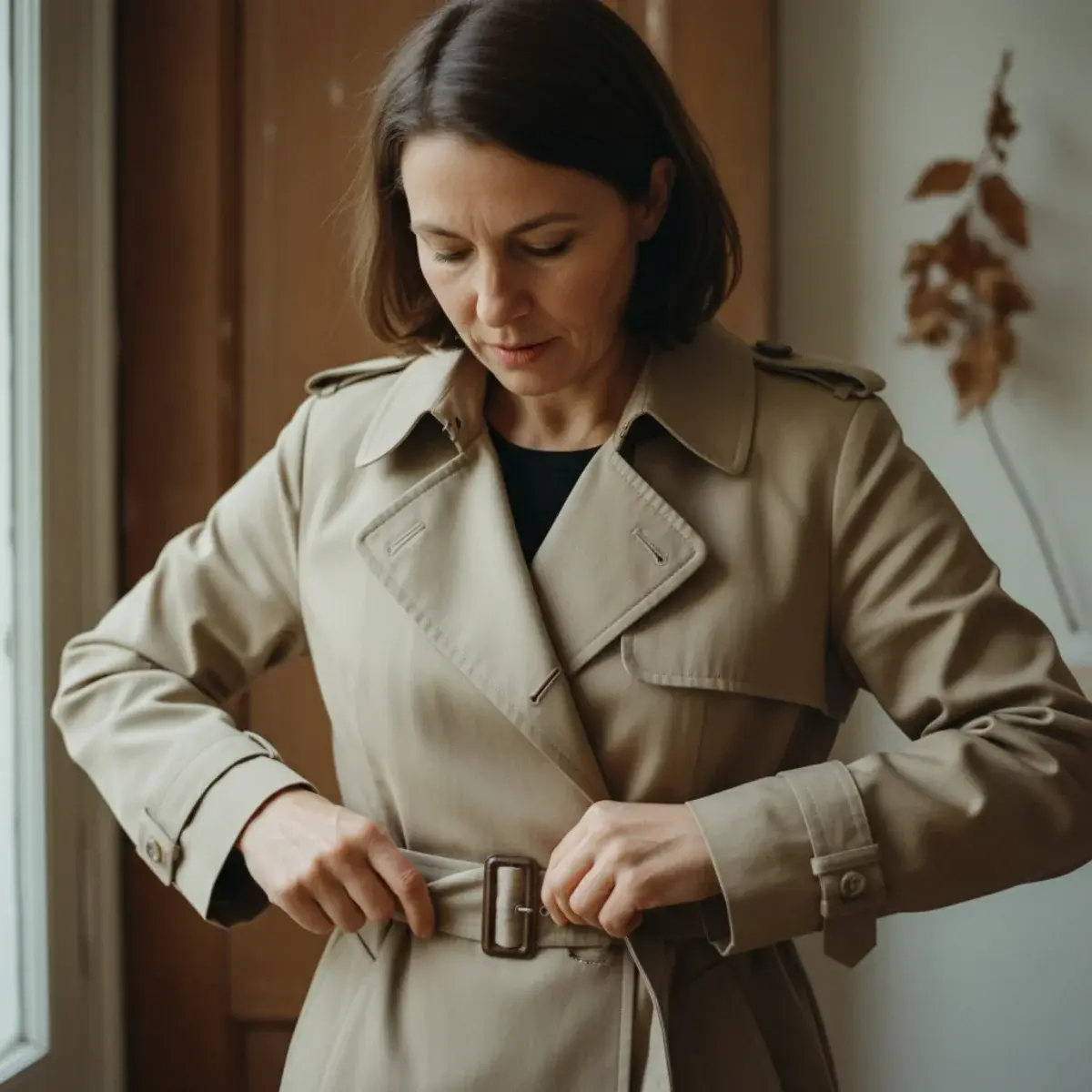 1600×1067
Common capsule wardrobe myths
A few misconceptions put people off capsules, and clearing them up helps. The first myth is that a capsule means owning very little — it does not; it means owning coordinated, versatile pieces, and a capsule can be generously sized as long as everything combines. The capsule is about combinability, not austerity. The second myth is that a capsule is boring — it need not be; the neutral foundation is precisely what lets accent colours, prints, and personal pieces shine, and a well-built capsule has plenty of room for personality and even trends.
The third myth is that a capsule is restrictive — in practice it is liberating, since it ends the daily struggle of a chaotic closet and the "nothing to wear" feeling, replacing them with easy, reliable dressing. The fourth is that a capsule must follow a strict piece count — the numbers floating around are guidelines, not rules, and the principle of coordination matters far more than hitting a precise total. And the fifth is that a capsule is only for minimalists — it overlaps with minimalism but is really about versatility, and anyone, minimalist or not, benefits from a wardrobe where the pieces combine. Understanding what a capsule actually is — coordinated and versatile, not merely small — clears away most of the resistance to building one.
 1600×1067
Capsule wardrobe mistakes to avoid
A handful of errors undermine capsules. Skipping the palette is the most damaging — building without a coordinating colour scheme produces a small wardrobe whose pieces still don't go together, missing the whole point. Buying it all at once tends to produce an incoherent, over-bought capsule, where building gradually allows each piece to be considered. Stocking aspirational pieces for a life you don't lead leaves you under-provided for your actual days, where auditing how you really spend your time prevents it. And ignoring fit fills the capsule with pieces that look versatile but sit unworn, where fitting every piece keeps it all in rotation.
Two more round it out. Never editing lets a capsule drift back into clutter over time, where seasonal review keeps it lean. And chasing a piece count rather than coordination misses that combinability, not size, is what makes a capsule work. Each of these resolves the same way: choose a palette first, build a coordinated foundation gradually, fit every piece, build for your real life, and edit over time. The capsule done well is the most efficient, economical, and low-stress way to dress there is — more outfits from fewer, better, fully-worn pieces, in a wardrobe designed to work rather than one accumulated by accident.
Key takeaways
- 1A capsule's power is coordination, not size — pieces that combine, so a small wardrobe yields many outfits.
- 2Four principles run it: a coordinating palette, versatility, good fit, and quality fabric.
- 3Build in order — palette first, then a foundation of classics, then a small personality layer — gradually, editing throughout.
- 4Choose two or three coordinating neutrals plus one or two accents, roughly a 70-30 split, suited to your colouring and life.
- 5A capsule is cheaper over time, more sustainable, and less stressful — an upgrade to how a wardrobe works, not a deprivation.
Where to go from here
The capsule is the foundation the whole site builds on. Read how to put together an outfit for the styling method that turns capsule pieces into outfits, and the old money outfits guide for building the classic foundation in depth. For applying the capsule across registers and occasions, see the casual outfits guide, the complete dress code guide, and the fall outfits guide; for keeping it current, the fashion trends guide. The bags, jewellery, and footwear styling guides cover the accessories that complete it. Who What Wear and Vogue publish reliable capsule and wardrobe-essentials coverage.
Frequently asked
- What is a capsule wardrobe?
- A capsule wardrobe is a small, carefully chosen collection of versatile clothes in a coordinating palette that mix and match into many outfits. Rather than owning a lot of clothes that work in few combinations, you own fewer pieces that combine in many, so a wardrobe of perhaps 30 to 40 items produces far more outfits than its size suggests. The aim is more outfits, less clutter, and easier daily dressing.
- How do you build a capsule wardrobe?
- Start by choosing a colour palette of two or three neutrals plus one or two accents so everything coordinates. Then build a foundation of versatile classics — a coat, a blazer, knits, tailored trousers, jeans, a white shirt, a dress, and a few pairs of shoes — that mix together. Buy pieces that fit well and suit your life, in good fabrics, and add only what genuinely combines with the rest. Edit as you go.
- How many pieces are in a capsule wardrobe?
- There's no fixed number, but most capsule wardrobes range from about 25 to 40 pieces per season, not counting underwear, loungewear, or workout clothes. The exact count matters less than the principle: every piece should coordinate with several others and earn its place. A smaller, well-chosen capsule produces more outfits than a larger random wardrobe, so quality of selection matters more than quantity.
- What are the essential pieces for a capsule wardrobe?
- Core capsule pieces include a versatile coat, a tailored blazer, a few fine knits, tailored trousers, well-fitting jeans, a white shirt, a versatile dress, a skirt, and a few pairs of shoes such as loafers or flats, ankle boots, and a heel. These classics in a coordinating palette form the backbone, and you add a few personal and seasonal pieces on top. Fit and fabric matter more than any specific list.
- What colours should a capsule wardrobe be?
- Build around two or three neutrals — such as navy, grey, cream, camel, black, or beige — that coordinate with one another, plus one or two accent colours you love. A neutral base means almost every piece works with every other, which is what lets a small wardrobe produce many outfits. Choose neutrals that suit your colouring and accents that genuinely make you happy.
- Is a capsule wardrobe the same as a minimalist wardrobe?
- They overlap but aren't identical. A capsule wardrobe is a small, coordinated, mix-and-match collection, which is often minimalist but is really about versatility and coordination. A minimalist wardrobe specifically prioritises owning as little as possible. A capsule can be minimalist, but its defining feature is that the pieces combine into many outfits, not simply that there are few of them.
- How do you build a capsule wardrobe on a budget?
- Shop second-hand for quality classics, build around a coordinating palette so everything mixes, and add pieces gradually rather than all at once. Because a capsule relies on versatility rather than quantity, it's cheaper over time than a large wardrobe of single-use pieces, and prioritising fit and fabric over labels keeps the cost down. Invest first in the foundation pieces you'll wear most.
Written by Marguerite Sterns, looksyra editorial. Last updated May 2026.