Fashion trends are easy to resent — they can feel like a treadmill designed to make last year's clothes look wrong and empty your wallet on schedule. But trends are not the enemy of good style; chasing them blindly is. Understood properly, a trend is simply information about what feels current, and the skill is not following or ignoring trends but knowing how to read them and which to translate into your own wardrobe. This guide explains how trends actually work — the cycle, the categories, the difference from classics — and gives a practical method for wearing the trends that suit you without becoming a slave to any of them.
The principle this whole guide rests on, and the hill it will die on: the goal is never to follow trends or ignore them, but to translate the few that suit you onto a foundation that doesn't change. Build a wardrobe that is mostly timeless and a little current, and you get to look both grounded and contemporary without chasing anything.
What a fashion trend actually is
A fashion trend is a style — a silhouette, a colour, a print, a fabric, or a specific item — that becomes widely popular for a period of time before fading. Trends are not random; they emerge from identifiable sources and move through a predictable life. They begin on runways, in subcultures, on street style, or increasingly on social media, gather momentum as influential people and brands adopt them, spread to the mainstream as they become widely available, and then decline as they reach saturation and the fashion-forward move on. Understanding that trends have a life cycle, rather than appearing and vanishing at random, is the first step to handling them well.
Trends are best understood by contrast with their neighbours. A classic stays in style for decades — a white shirt, a trench, well-fitting jeans. A fad spikes and vanishes within a season or two, often tied to a single cultural moment. A micro-trend is a fad accelerated by social media, cycling in months. A trend proper sits between classic and fad, popular for a few seasons to a few years. Knowing which of these you are looking at tells you how to treat it — invest in classics, enjoy trends in moderation, and approach fads and micro-trends with caution. The mistake is treating all four the same.
 1600×1067
The trend cycle: how trends rise and fall
Trends follow a recognisable arc, and seeing it helps you judge where a trend is and whether it is worth adopting. A trend typically moves through five stages. It emerges among the fashion-forward — designers, subcultures, early adopters. It rises as influential people and media amplify it. It peaks as it hits the mainstream and becomes widely available and worn. It saturates as it appears everywhere and the early adopters abandon it. And it declines as it comes to feel dated, before eventually — often around twenty years later — being revived. This last point is the famous "twenty-year rule": fashion runs in roughly two-decade cycles, which is why styles from past eras keep returning.
Knowing where a trend sits in this cycle is genuinely useful. A trend on the rise has room to run and may be worth adopting if it suits you; a trend at saturation, worn by everyone, is near its decline and a riskier investment. The cyclical nature also means that nothing is ever permanently "out" — a classic-leaning trend that fades will likely return, which is one more reason to keep timeless pieces rather than discard them. Reading the cycle turns trend-following from guesswork into judgement, letting you adopt early, skip the saturated, and hold the cyclical pieces that will come around again.
 1600×1067
Trend vs classic: the foundation that doesn't change
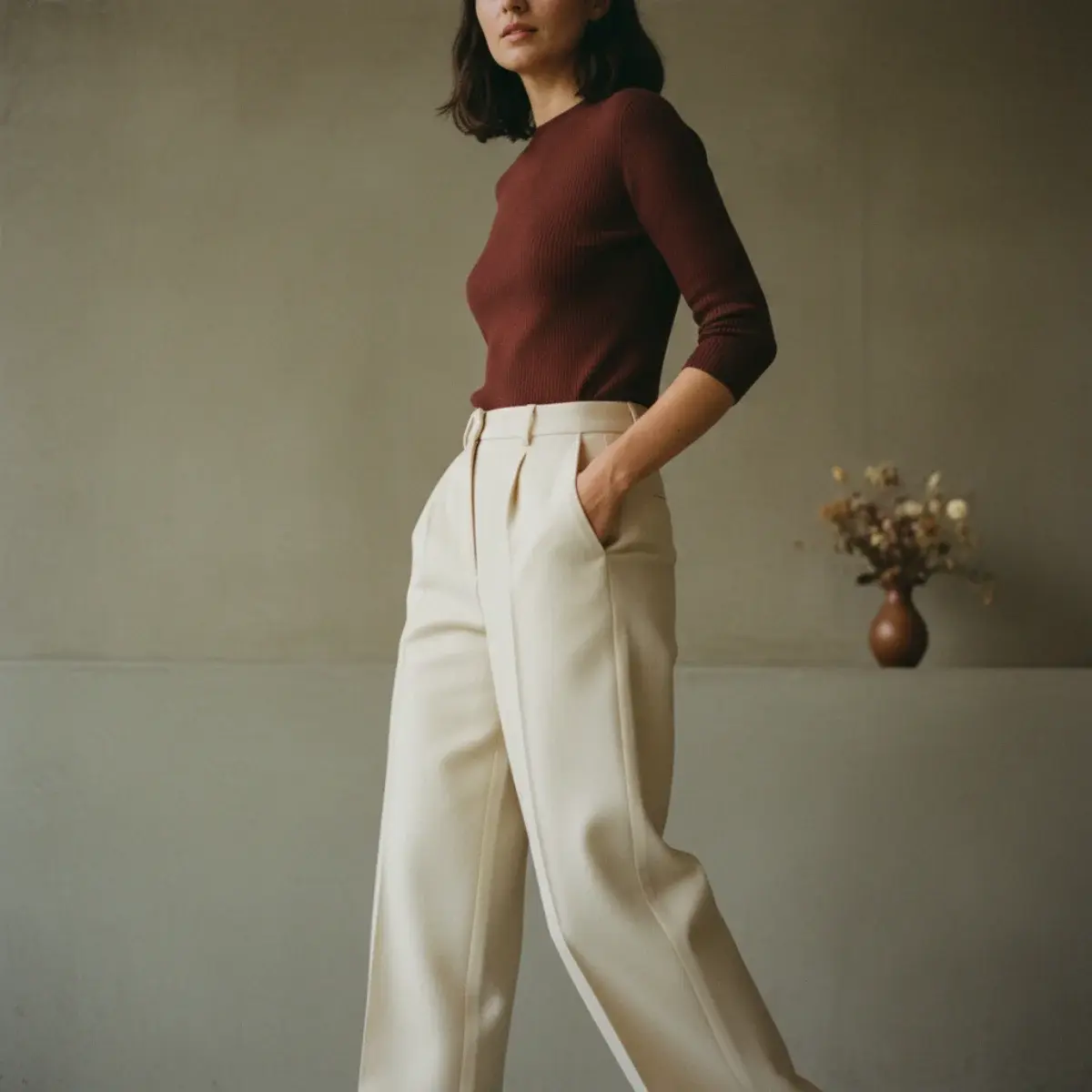
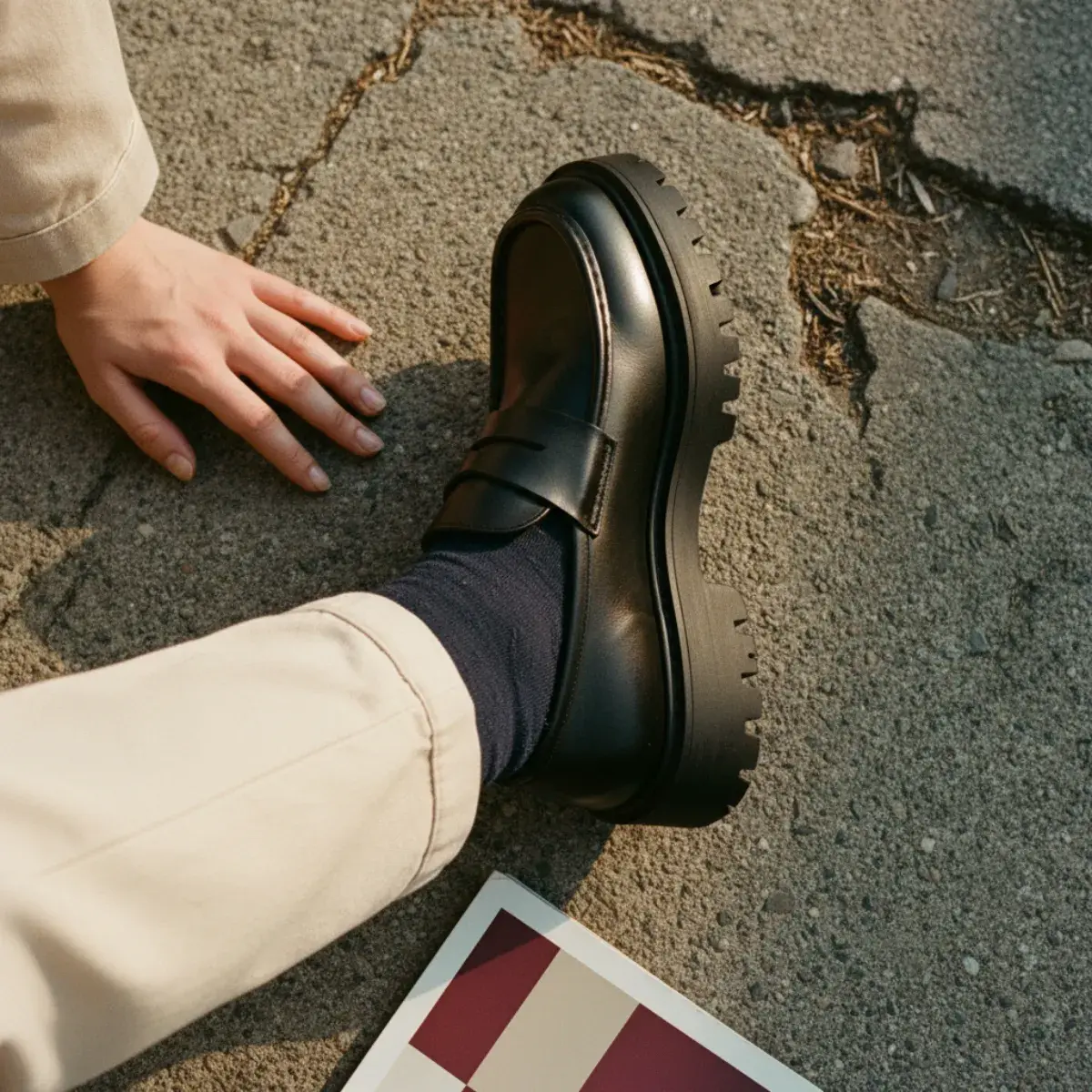
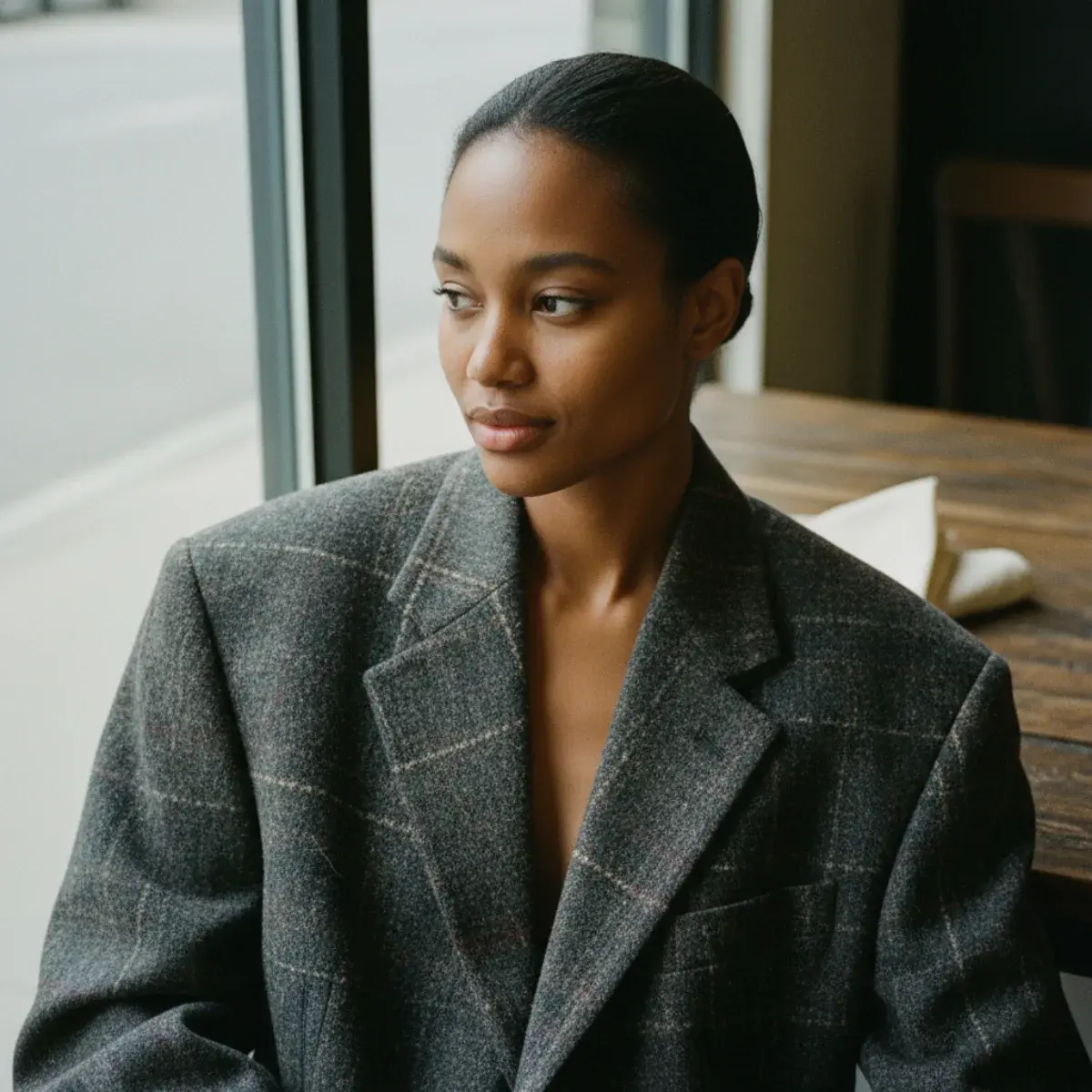
The single most useful distinction in dressing well is between trends and classics, because it tells you where to spend and what to build on. Classics are the pieces that stay in style for decades — a white cotton shirt, well-fitting jeans, a trench coat, a little black dress, a tailored blazer, a camel coat, leather loafers, a quality knit. They are the foundation of a wardrobe, the pieces you can rely on year after year, and they are where your real spending belongs because their cost-per-wear is tiny over a long life. Trends are the changing layer on top — the current colour, the of-the-moment silhouette, the season's print — that keep a wardrobe feeling contemporary.
A well-built wardrobe is mostly classics with a few trends added, so it reads as both timeless and current. This is the entire logic behind a capsule wardrobe, which we cover in full in its own guide: a stable core of classics that does not change, refreshed periodically with chosen trends. The classics-led approach is also the heart of the old money outfits guide, which prizes timeless quality over trend. Get the foundation of classics right, and trends become a low-risk, low-cost way to stay current rather than a constant, expensive scramble. The foundation is the investment; the trends are the seasoning.
 1600×1067
How to tell if a trend will last
Before adopting a trend, it helps to judge its staying power, and a few signals reliably separate the lasting from the fleeting. Trends with a practical or flattering quality tend to last, because usefulness and flattery outlive novelty — a comfortable, flattering silhouette has staying power that a purely novel one does not. Trends that fit broadly across body types and lifestyles last longer than narrow, extreme ones, because more people can actually wear them. And trends that echo something that has worked before — a revival within the twenty-year cycle, a variation on a classic — tend to stick, because they are built on proven foundations rather than pure novelty.
The opposite signals predict a short life: extreme, impractical, or attention-seeking styles, trends tied to a single fleeting cultural moment, and micro-trends driven by social-media virality rather than wearability. A useful personal test is simply whether you can imagine genuinely wanting to wear the piece in five years. If yes, it may be worth treating as a near-classic investment; if no, treat it as a short-term trend and acquire it cheaply or not at all. This judgement is not about predicting the industry perfectly but about protecting your own time and money, adopting the trends likely to last and skipping the ones likely to date.
 1600×1067
How to decide which trends to adopt
Not every lasting trend is right for you, and the second filter is personal fit. Three questions decide whether a trend belongs in your wardrobe. First, does it suit you — your body, your colouring, your personal style? A trend that flatters and feels like you is worth adopting; one that fights your shape or taste is not, however popular. Second, does it suit your life — your climate, your work, your actual days? A trend you cannot wear to the places you go is a poor investment regardless of how appealing it looks. Third, does it work with your wardrobe — can it combine with what you already own, or does it require a whole new ecosystem of pieces to function?
A trend that passes all three — suits you, suits your life, works with your wardrobe — is worth adopting; one that fails any of them is better skipped, however much you admire it on someone else. This filter is liberating, because it gives you permission to ignore the vast majority of trends with a clear conscience, adopting only the few that genuinely fit. The most stylish people are not those who follow the most trends but those who choose the right few, which is a matter of editing rather than acquiring. Apply the three questions honestly and trend-following becomes a calm, selective practice rather than an anxious, expensive one.
 1600×1067
How to wear a trend without looking like you're chasing it
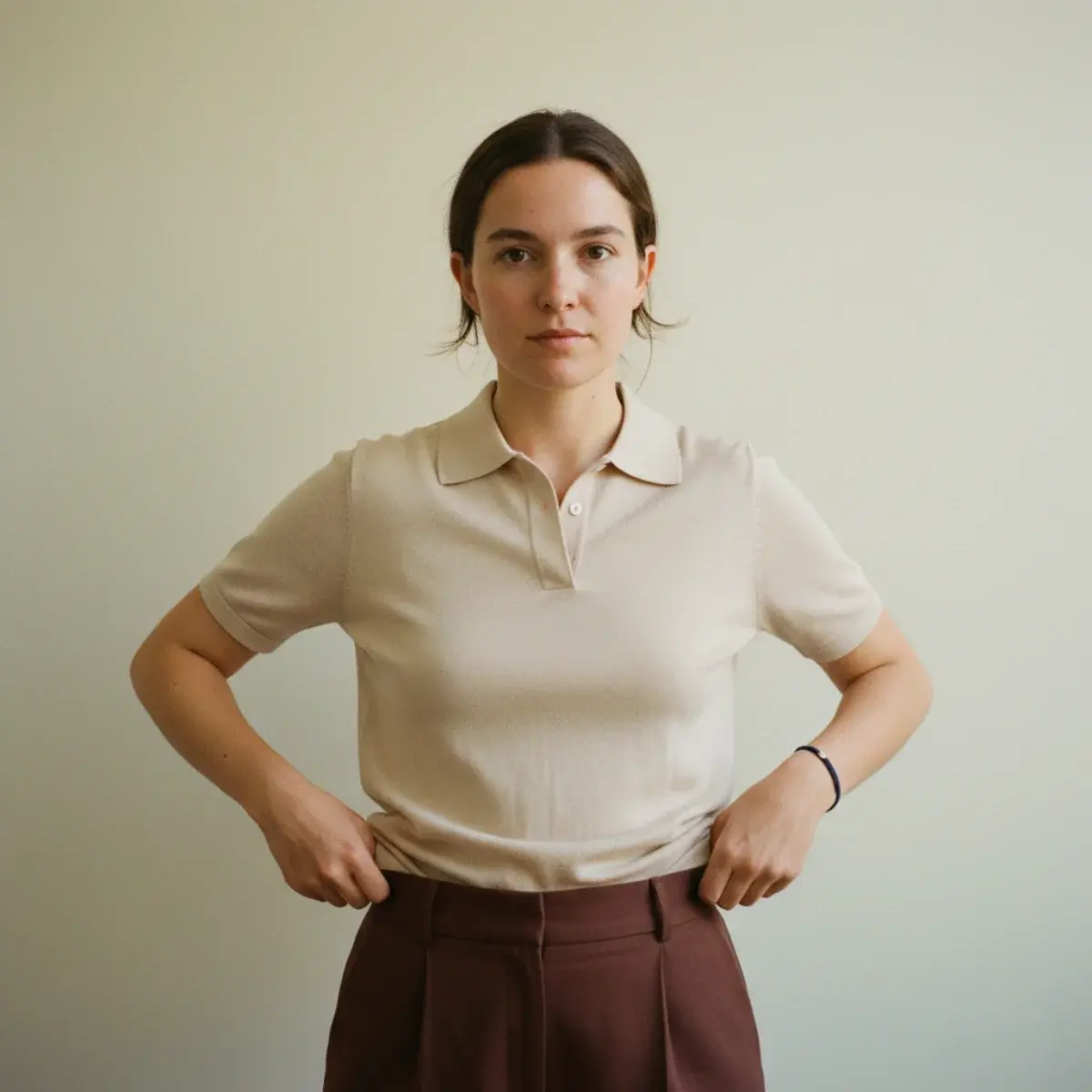
Once you have chosen a trend worth adopting, wearing it well is a matter of restraint and personalisation. The first rule is one trend at a time — a single current piece against a base of classics reads as personal style, while head-to-toe trends read as chasing or costume. The trend should feel like an accent on your wardrobe, not the whole story. The second rule is choose the version that suits you — most trends come in a range of intensities and interpretations, and picking the one that flatters your body and fits your taste is what makes it look intentional rather than borrowed.
The third rule is style it your own way rather than copying a look wholesale. Taking a trend and integrating it into your existing style — pairing the current piece with your classics, your palette, your proportions — is what turns following into personal expression. A trendy item grounded in a coherent personal wardrobe reads as someone with style who happens to be current, which is exactly the impression worth aiming for. This is the same one-element-against-a-considered-base discipline that runs through our cute outfits guide and the principles of how to put together an outfit — the trend is the accent, your wardrobe is the foundation.
 1600×1067
Micro-trends and the speed problem
The defining trend phenomenon of recent years is the micro-trend — styles that spike and fade within months rather than years, driven by social media's appetite for constant novelty. Micro-trends move so fast that they are dated almost before they arrive in your wardrobe, which makes them a poor investment by almost any measure. They encourage overconsumption, since keeping up requires constant buying; they rarely suit a real, lasting wardrobe, since they are designed for a single viral moment; and they fuel fast fashion's environmental and ethical problems through their sheer churn.
The sensible approach to micro-trends is caution. If one genuinely appeals to you, try it cheaply or second-hand rather than spending, and accept it as a short-term, disposable-feeling piece rather than a lasting one. More often, the right move is simply to let micro-trends pass, since the vast majority will be gone within a season and forgotten within a year. Resisting the pressure to keep up with the fastest cycles is not falling behind; it is opting out of a treadmill that benefits sellers more than wearers. A wardrobe built on classics and a few genuine trends is both more stylish and more sustainable than one chasing every micro-trend, which is why the speed problem is best solved by simply slowing down.
 1600×1067
Trends and sustainability
The way you handle trends has consequences beyond your wardrobe, because trend-chasing and overconsumption are closely linked, and fast fashion's environmental and ethical costs are substantial. A wardrobe that chases every trend requires constant buying and discarding, feeding a cycle of cheap, short-lived clothing that strains resources and labour. A wardrobe built on classics, refreshed with a few chosen trends, requires far less, because the foundation lasts for years and only the small trend layer changes. Choosing the trend-resilient approach is therefore one of the most effective sustainable choices a wardrobe can make.
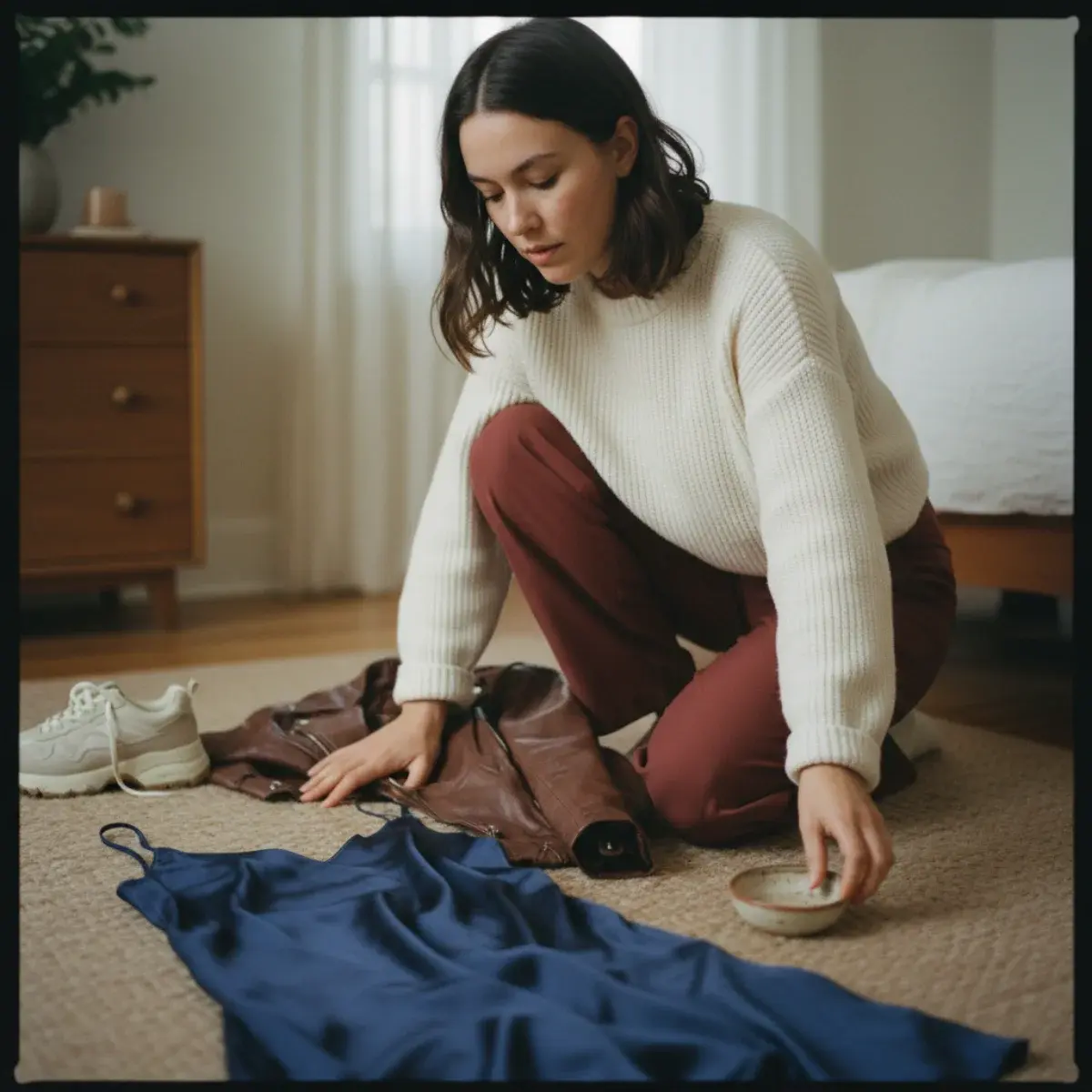
The practical sustainable moves align neatly with the stylish ones. Buy fewer, better pieces for your classic foundation, in natural fabrics that last, as the old money outfits guide advocates. Try trends second-hand or cheaply rather than buying new, which reduces both cost and waste. Restyle what you own to feel current rather than constantly acquiring. And keep classics rather than discarding them, since the cyclical nature of fashion means they will return. The happy truth is that the most sustainable approach to trends is also the most stylish and the most economical — buying less, choosing well, and following selectively serves your wardrobe, your wallet, and the wider world at once.
 1600×1067
How to try a trend cheaply and safely
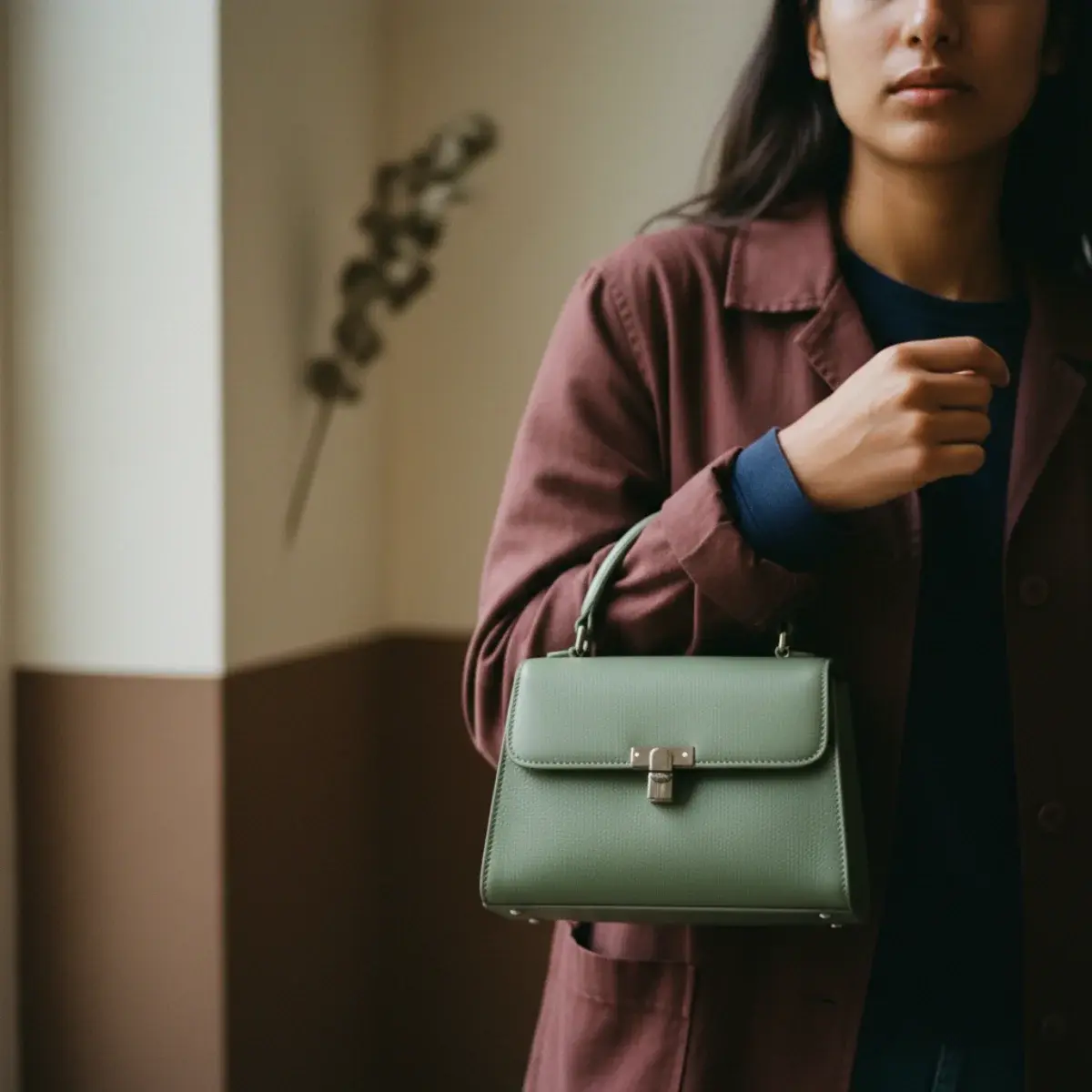
Adopting a trend need not mean spending, and the smartest trend-followers test before they invest. Several low-commitment routes let you try a trend safely. Buy it second-hand, where trend pieces are abundant and cheap precisely because others have moved on, letting you experiment at low cost and low waste. Try it as an accessory rather than a major piece — a trend expressed through a bag, a scarf, or a shoe is far less of a commitment than a whole garment. Choose an inexpensive interpretation to test whether the trend suits you before considering anything pricier. And restyle something you already own to echo the trend, which costs nothing at all.
These routes do two things at once: they let you discover whether a trend genuinely suits you and your life before committing, and they keep trend-following affordable and sustainable. Save your real spending for classics and for the rare trends you are confident will last in your wardrobe, and treat everything else as an experiment to be conducted cheaply. This approach removes the financial risk from trends entirely — you can enjoy being current without the expense or the regret of an unworn, dated purchase. The goal is to try freely and invest rarely, which is exactly the opposite of how fast fashion would prefer you to behave.
 1600×1067
Where trends show up: silhouette, colour, print, and detail
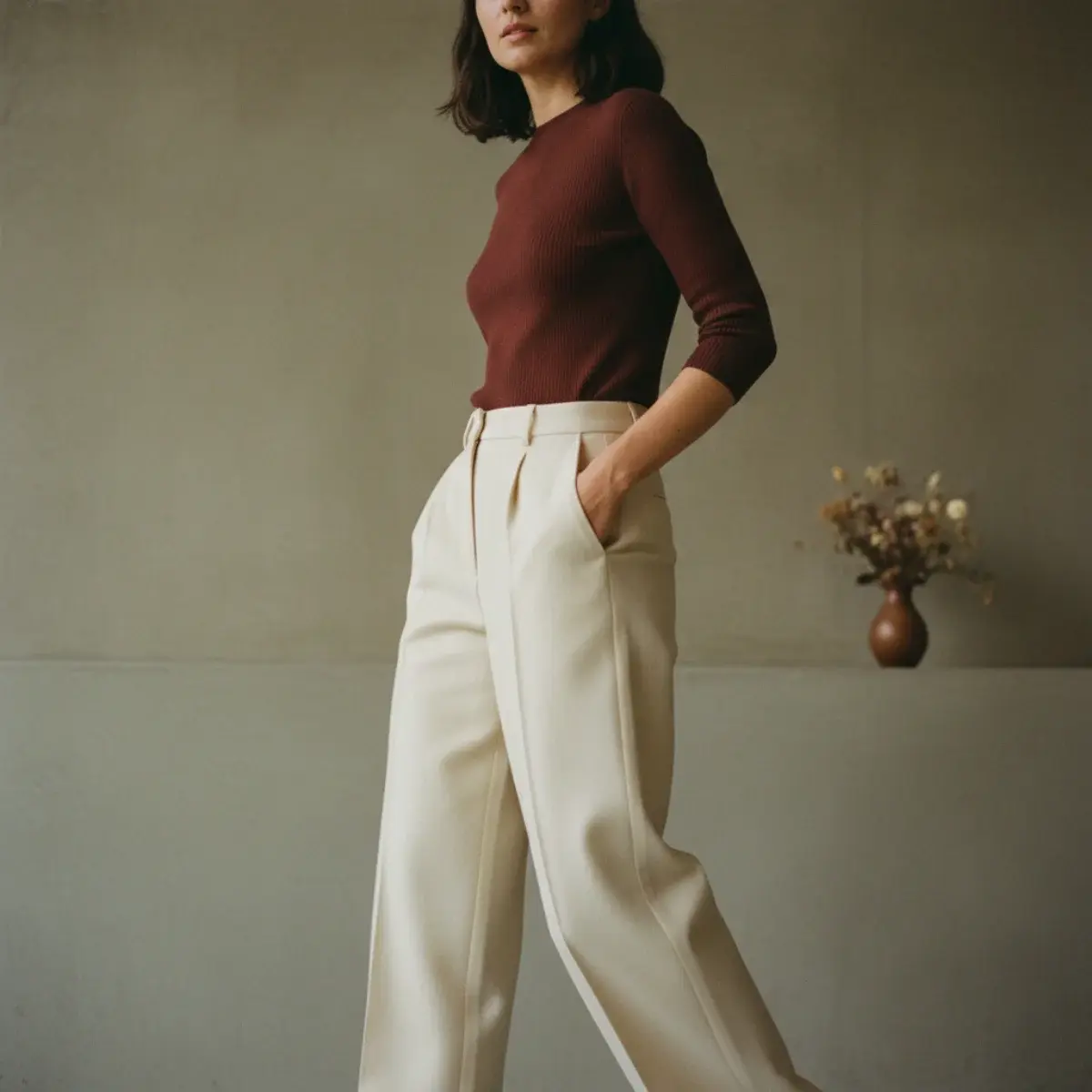
Trends appear in identifiable categories, and recognising them helps you adopt selectively rather than wholesale. Silhouette trends — the cut and proportion of clothing, like a wide versus slim leg or a particular shoulder — are the most fundamental and the most dating, since they define the era of an outfit; they are worth adopting carefully and through versatile pieces. Colour trends — the season's favoured shades — are among the easiest and cheapest to try, since a single colourful piece updates a neutral wardrobe at low risk. Print trends — the patterns of the moment — are similar, best tried through one piece against a plain base.
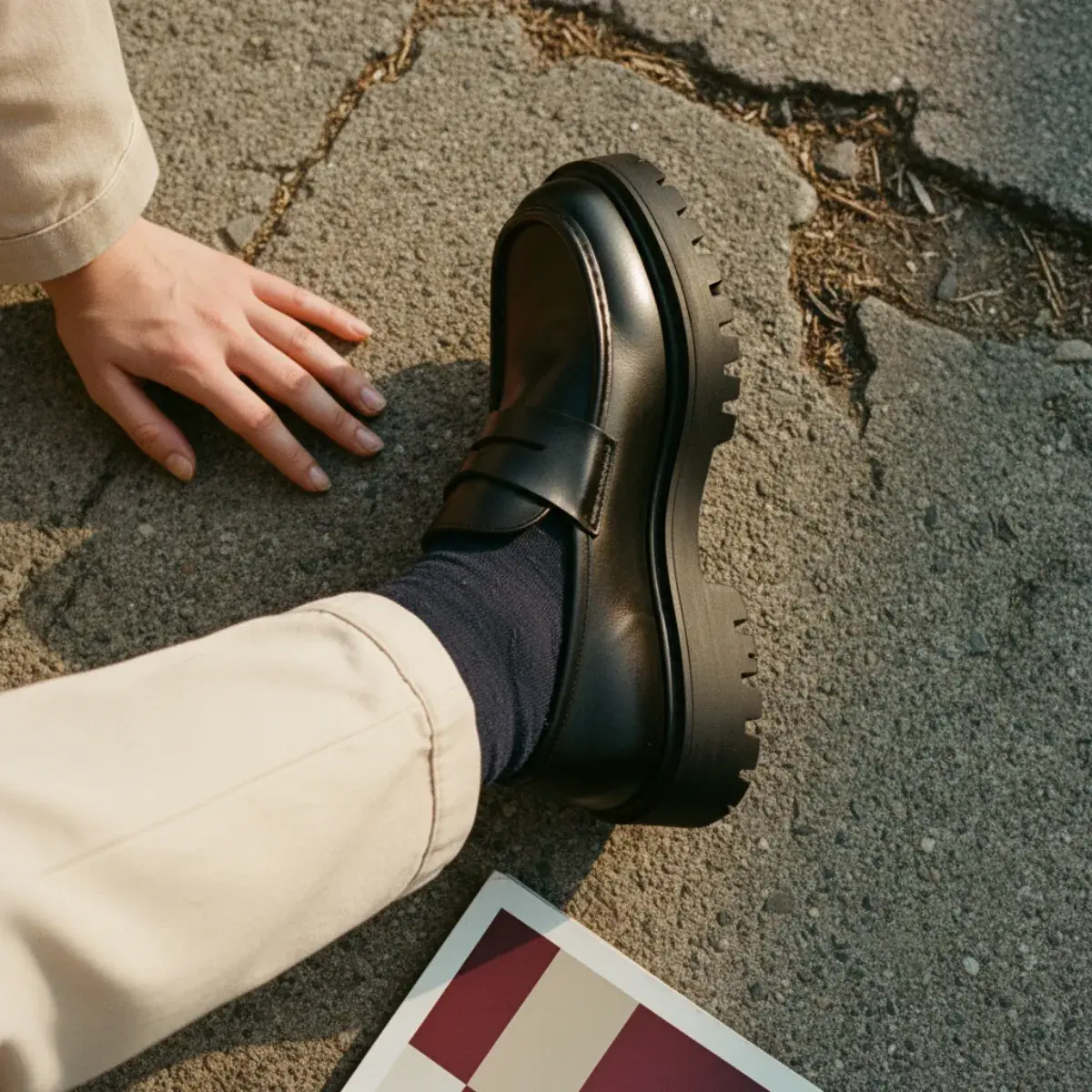
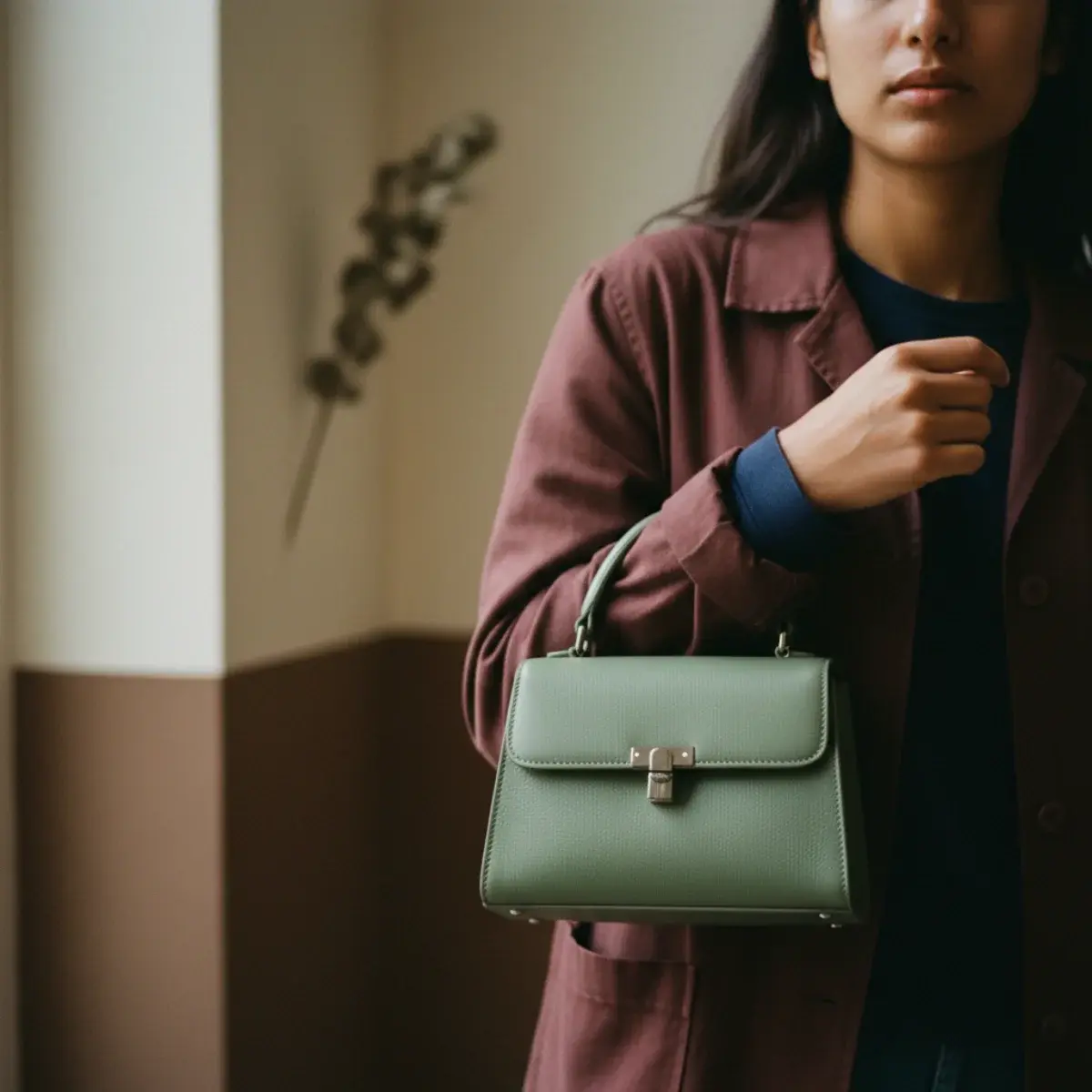
Detail and accessory trends — a particular shoe, bag, neckline, or hardware — are the lowest-commitment of all, letting you signal current without overhauling your wardrobe, which is why accessories are the savviest place to experiment. Recognising which category a trend belongs to tells you how to adopt it: colour and accessory trends are cheap, low-risk experiments, while silhouette trends are bigger commitments that date faster and deserve more caution. Spreading your trend adoption toward the cheap, low-commitment categories — colour, print, accessory — and away from the expensive, dating ones lets you stay current at minimal cost and risk. The relevant category guides, from bags to jewellery to footwear, cover trying trends through accessories in detail.
 1600×1067
Building a trend-resilient wardrobe
The goal of everything above is a wardrobe that stays both timeless and current with minimal effort and expense — a trend-resilient wardrobe. The structure is simple: a large, stable foundation of classics in a coherent palette and good fabrics, plus a small, changing layer of chosen trends on top. The classics — the white shirt, the jeans, the trench, the blazer, the knits, the leather shoes — do not change and are where your investment goes; the trend layer refreshes periodically and is acquired cheaply or second-hand. Because the foundation is coherent and timeless, any trend you add integrates easily and any trend you drop leaves the wardrobe intact.
This structure is the same one that underlies every silo on this site, from the capsule wardrobe guide to the casual, occasion, and fall guides — a stable base of good pieces, refreshed selectively. It is what lets a wardrobe feel current without being a slave to trends, and timeless without being stuck in the past. The trend-resilient wardrobe is the practical resolution of the whole trend question: you neither chase every trend nor ignore them all, but maintain a foundation that absorbs the few you choose. Build it once and staying stylish becomes a matter of small, occasional, low-cost adjustments rather than constant, expensive overhaul.
 1600×1067
Trends versus personal style
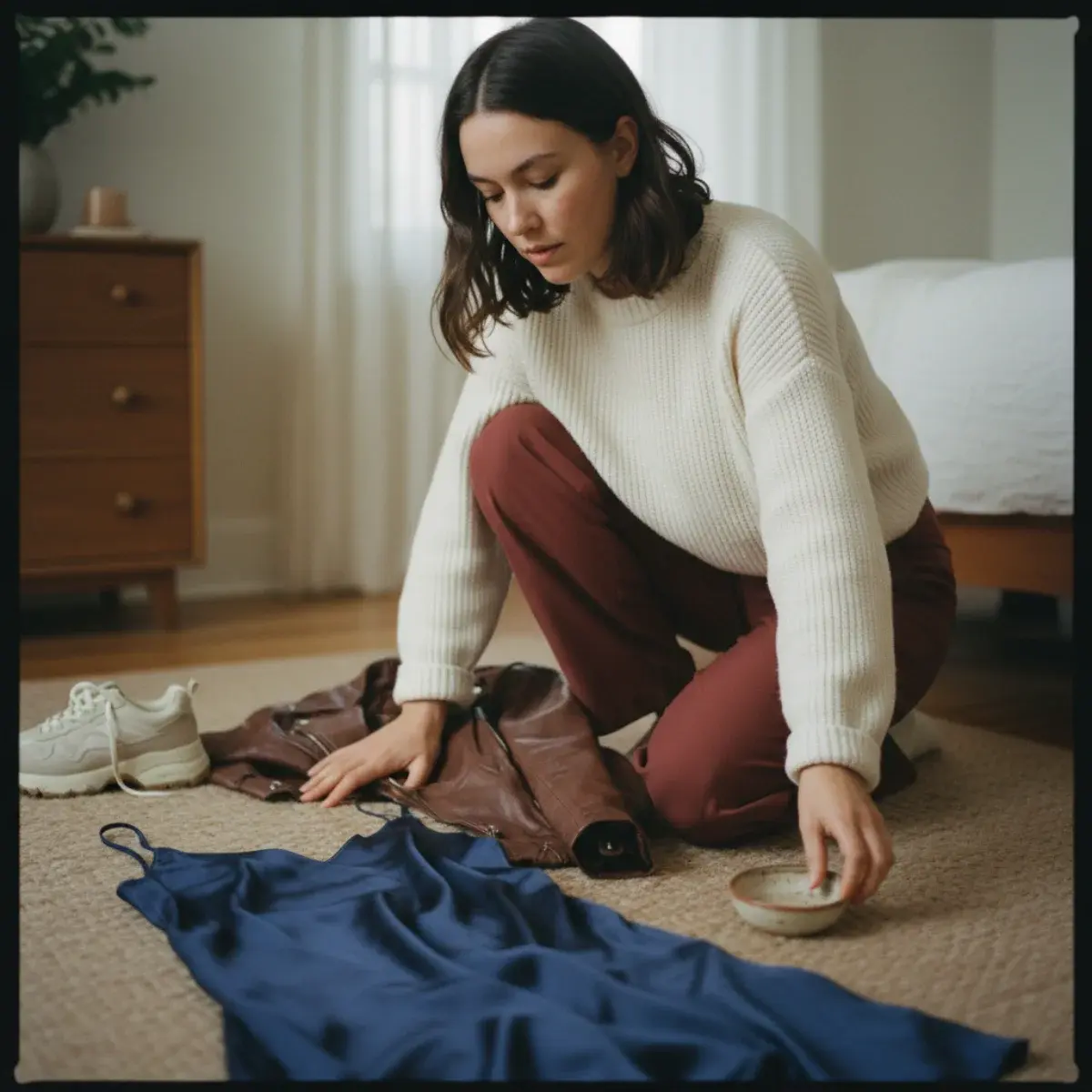
The deepest point about trends is that they are not the same thing as style, and confusing the two is the root of most trend anxiety. Trends are external and shared — what the culture is wearing this season. Personal style is internal and individual — a coherent point of view about what you like, what suits you, and how you want to look, sustained across years and trends. Trends decorate personal style; they do not create it. Someone with strong personal style can wear a current trend and still look unmistakably like themselves, while someone without it can wear every trend and still look like no one in particular.
Developing personal style is therefore the real project, and trends are merely one of its tools. It comes from paying attention to what you genuinely gravitate toward, what makes you feel like yourself, and what suits your body and life, then building a wardrobe around that rather than around the season's dictates. Once you have a clear point of view, trends become easy to handle: you adopt the ones that express your style and ignore the ones that do not, with no anxiety either way. This is why the most stylish people often seem indifferent to trends — they have something more durable to dress from. Building that durable foundation, through the capsule and classics-led thinking this site returns to again and again, is what frees you from the treadmill for good.
 1600×1067
Fashion trend mistakes to avoid
A handful of errors define bad trend behaviour. Chasing every trend is the most common and the most costly — it is expensive, unsustainable, and reads as following rather than style, where selective adoption reads as personal taste. Wearing head-to-toe trends tips a look into costume, where one trend against classics reads intentional. Investing in micro-trends wastes money on pieces that date within months, where classics and lasting trends hold their value. And buying trends that don't suit you — adopting a popular style that fights your body, life, or wardrobe — produces unworn purchases, where the three-question filter prevents it.
Two more round it out. Discarding classics to chase the new is self-defeating, since the cyclical nature of fashion means classics return and a stable foundation is what makes trends low-risk in the first place. And mistaking trends for style — believing that being current is the same as having taste — misses that personal style is a coherent point of view, which trends decorate but do not create. Each of these resolves the same way: build a foundation of classics, filter trends through whether they suit you, adopt selectively and cheaply, and wear one at a time. Handled this way, trends become a source of pleasure and freshness rather than pressure and expense.
Key takeaways
- 1The goal isn't to follow or ignore trends but to translate the few that suit you onto a foundation that doesn't change.
- 2Trends move through a five-stage cycle and a roughly twenty-year revival — reading where a trend sits guides whether to adopt it.
- 3Build mostly classics with a small layer of chosen trends; classics are the investment, trends the low-cost seasoning.
- 4Filter trends through three questions — does it suit you, your life, and your wardrobe — and skip any that fail.
- 5Wear one trend at a time against classics, try trends cheaply or second-hand, and treat micro-trends with caution.
Where to go from here
A trend-resilient wardrobe rests on the foundations the rest of this site covers. For the classics-led core, read the capsule wardrobe guide and the old money outfits guide. For applying the foundation-plus-accent logic across registers, see the casual outfits guide, cute outfits guide, and complete dress code guide. For trying trends through accessories, the bags, jewellery, and footwear styling guides cover the low-commitment categories. Vogue and Business of Fashion track the trend cycle from runway to street if you want to follow it closely.
Frequently asked
- What is a fashion trend?
- A fashion trend is a style — a silhouette, colour, print, fabric, or item — that becomes widely popular for a period before fading. Trends emerge from runways, culture, street style, and social media, peak as they spread to the mainstream, then decline as they become oversaturated. Trends differ from classics, which stay in style for decades, and from fads, which spike and vanish quickly.
- How do you know if a fashion trend will last?
- Trends with staying power usually have a practical or flattering quality, fit broadly across body types and lifestyles, and echo something that has worked before, since fashion runs in roughly twenty-year cycles. Trends that are extreme, impractical, or tied to a fleeting cultural moment tend to fade fast. A useful test is whether you can imagine wearing it in five years; if not, treat it as a short-term trend rather than an investment.
- Should you follow fashion trends?
- Follow the trends that genuinely suit you, your lifestyle, and your existing wardrobe, and skip the rest — there is no obligation to adopt every trend. The most stylish approach is selective: a foundation of classics that does not change, refreshed with a few chosen trends that fit your taste and life. Chasing every trend is expensive, unsustainable, and tends to read as following rather than personal style.
- What is the difference between a trend and a classic?
- A trend is popular for a season or a few years before fading; a classic stays in style for decades. Classics — a white shirt, well-fitting jeans, a trench, a little black dress, leather loafers — are the timeless foundation of a wardrobe, while trends are the changing layer on top. A good wardrobe is mostly classics with a few current trends added, so it stays both timeless and current.
- How do you wear a trend without looking like a trend victim?
- Wear one trend at a time against a base of classics, choose the version of the trend that suits your body and taste, and style it in your own way rather than copying a look wholesale. A single current piece grounded in timeless basics reads as personal style, while head-to-toe trends read as chasing. The trend should feel like an accent on your wardrobe, not a costume.
- What are micro-trends and are they worth it?
- Micro-trends are very fast fashion cycles — styles that spike and fade within months, driven by social media. They are rarely worth investing in, because they date quickly, encourage overconsumption, and seldom suit a real wardrobe long-term. If a micro-trend genuinely appeals to you, try it cheaply or second-hand rather than spending, and accept that it is a short-term piece rather than a lasting one.
- How can you try a trend cheaply?
- Try trends through low-cost or low-commitment routes: a second-hand version, an accessory rather than a major piece, an inexpensive interpretation, or by restyling something you already own. This lets you test whether a trend suits you and your life before committing money, and keeps trend-following sustainable. Save your real spending for classics and the few trends you are confident will last in your wardrobe.
Written by Marguerite Sterns, looksyra editorial. Last updated May 2026.