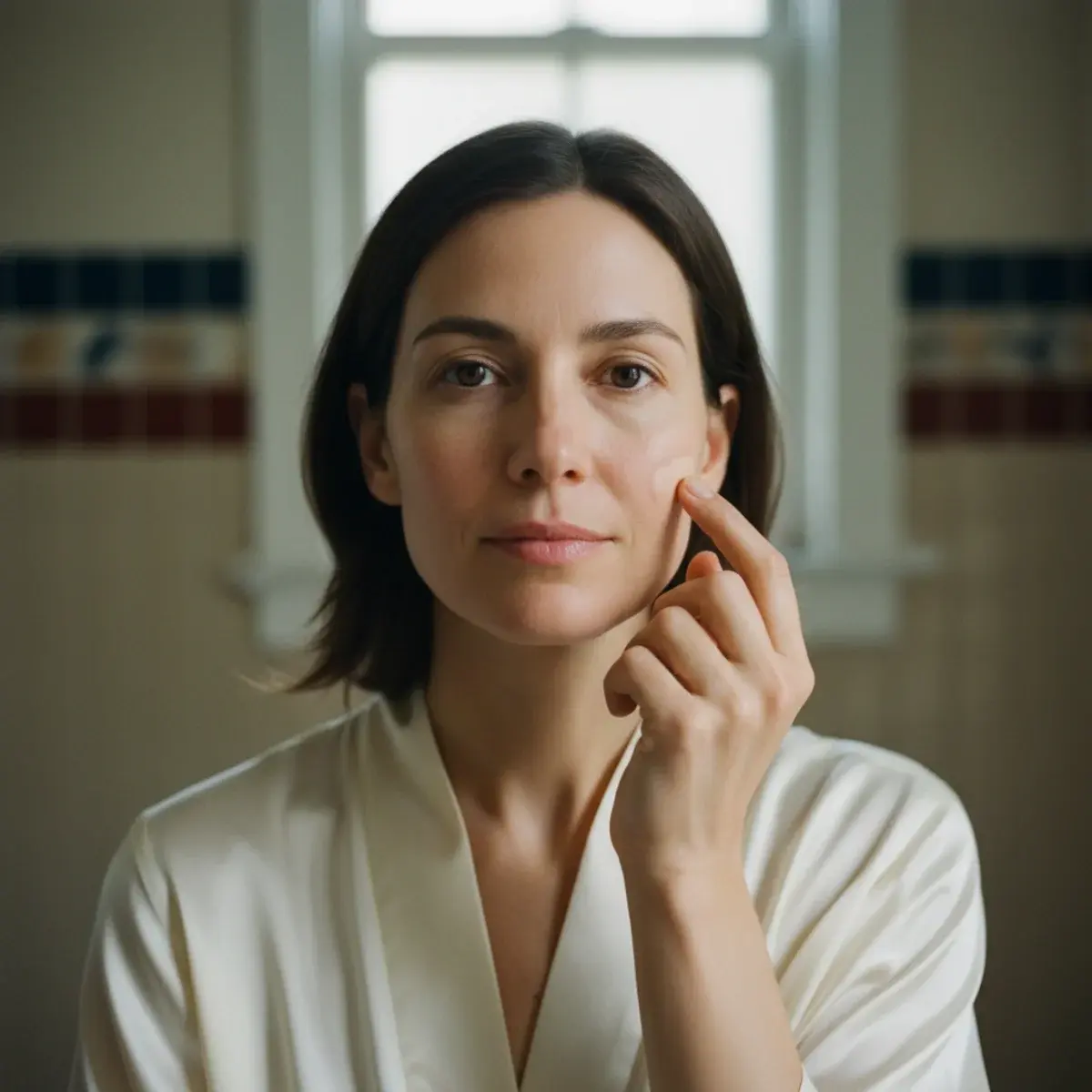
Everyday makeup has a paradox at its heart: the goal is to look polished and fresh, yet the best everyday makeup is the kind no one quite notices, because it reads as good skin and bright features rather than as makeup. That's a learnable skill, not a gift, and it rests on a few principles — light products, the right order, neutral tones, and good blending — far more than on owning a lot of product. This guide covers how to build a natural, polished everyday look: the steps, the minimal kit, how to make it last and suit your features, and how to take it from day to night.
The principle this whole guide rests on, and the hill it will die on: everyday makeup should enhance your features, not mask them — the best version reads as good skin and bright eyes, not as makeup. Light products, neutral tones, and good blending serve that goal; heavy coverage and bold colour fight it. Aim to look like you, refreshed. That single goal — enhancement over transformation — quietly decides every choice in this guide, from how much base to use to which colours to reach for, and once it's your guiding instinct, everyday makeup stops being a daily project and becomes a quick, reliable few minutes.
What makes everyday makeup work
Everyday makeup works when it enhances rather than covers, reading as a fresh, polished version of your own face rather than a made-up one. This depends on three things. Light products — sheer bases, cream formulas, thin layers — let your skin show through and blend into it, where heavy coverage sits on top and reads as a mask. Neutral tones close to your natural colouring — your skin tone in the base, soft natural shades on cheeks and lips — read as enhanced features, where bold colour reads as obvious makeup. And good blending melts everything into the skin so there are no harsh edges or visible lines.
The aim is "your skin but better" — even, fresh, and subtly defined, with brightness around the eyes and a healthy flush, all looking effortless and natural. This is achievable with surprisingly little product and a few minutes, since everyday makeup is about enhancement, not transformation. Understanding that the goal is to look like a refreshed version of yourself, not a different or heavily-made-up person, is the foundation of everyday makeup, and it shapes every choice that follows — toward lighter, more neutral, better-blended product rather than more. The restraint is the skill.
 1600×1067
The everyday makeup steps
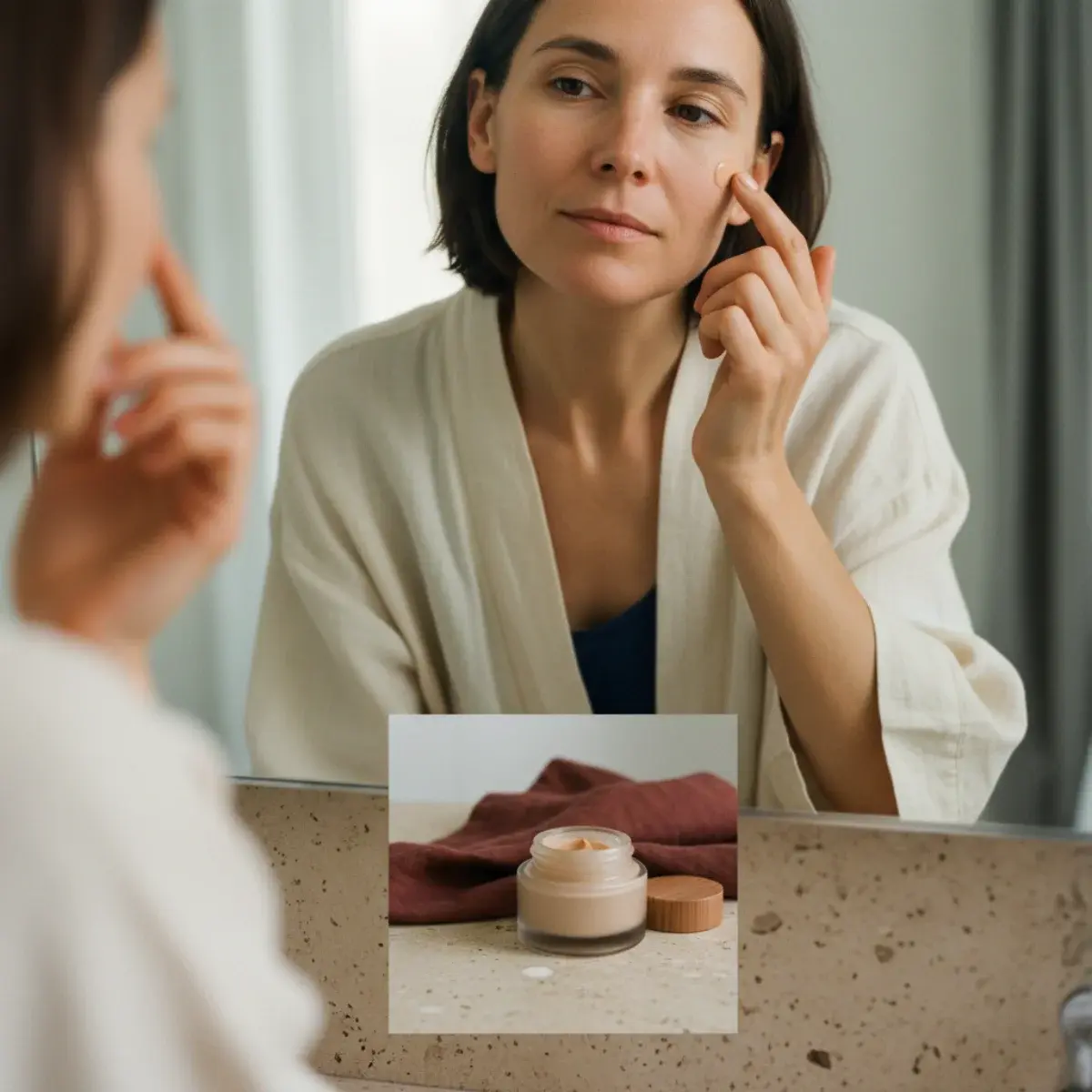
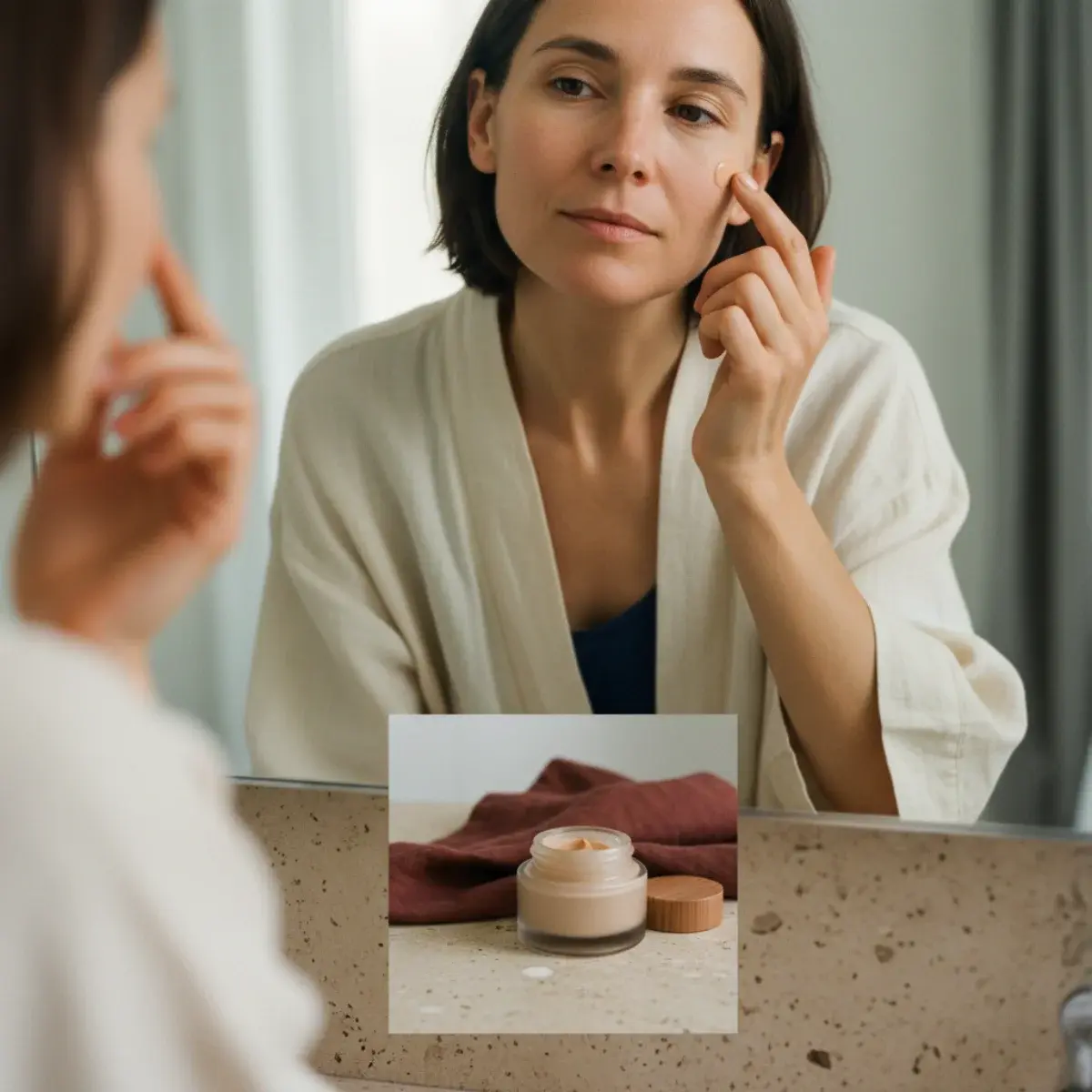
A reliable everyday routine follows a clear order, building an even base first and adding definition after. Prep the skin with moisturiser and SPF, since makeup sits and lasts best on hydrated, protected skin. Base comes next — a tinted moisturiser, a light foundation, or a BB cream applied thinly to even the skin tone while letting it show through. Conceal only where needed — under the eyes, around the nose, on any blemishes — rather than all over, keeping the base light. Cream products follow — a cream blush for a natural flush, optionally a cream bronzer for warmth — blended into the skin.
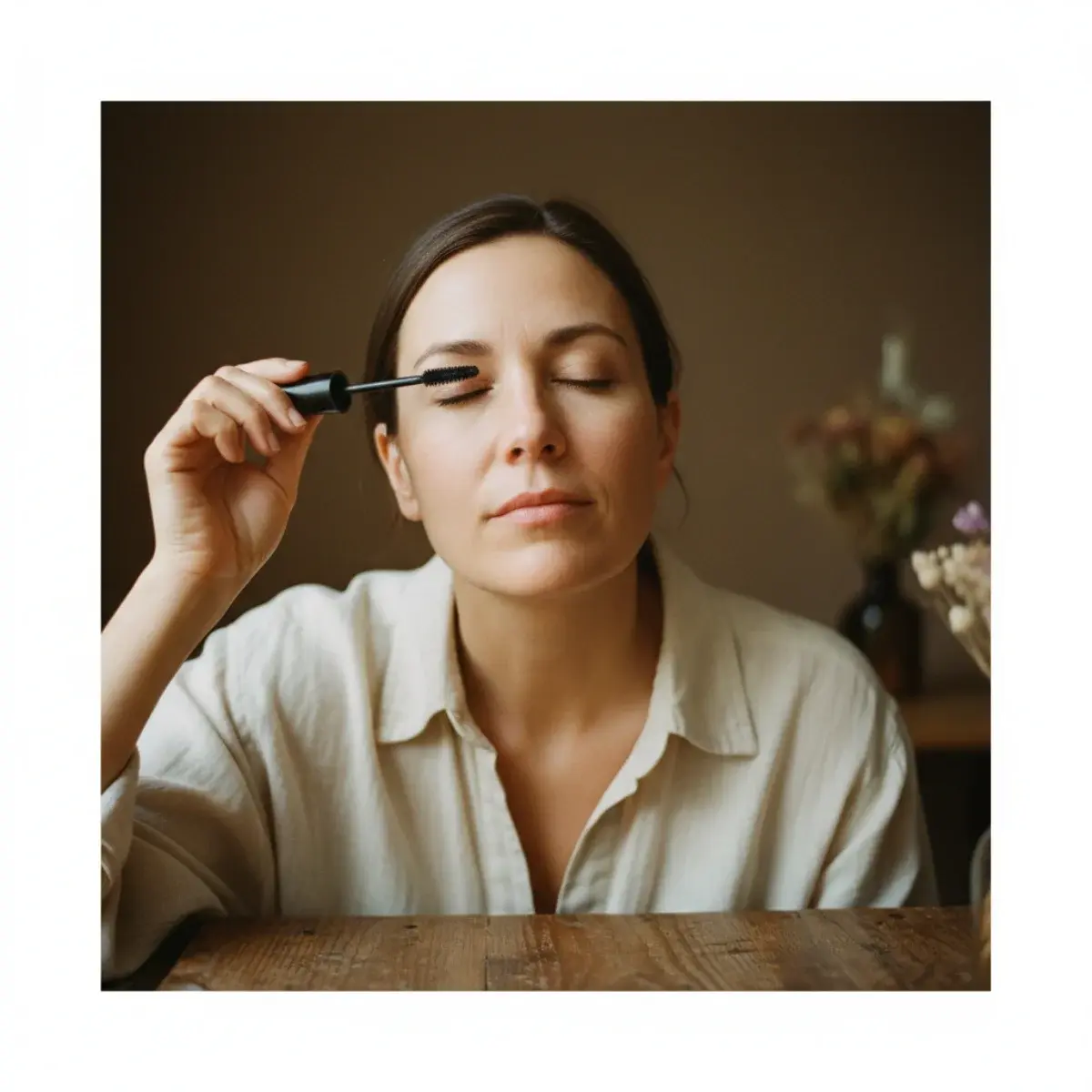
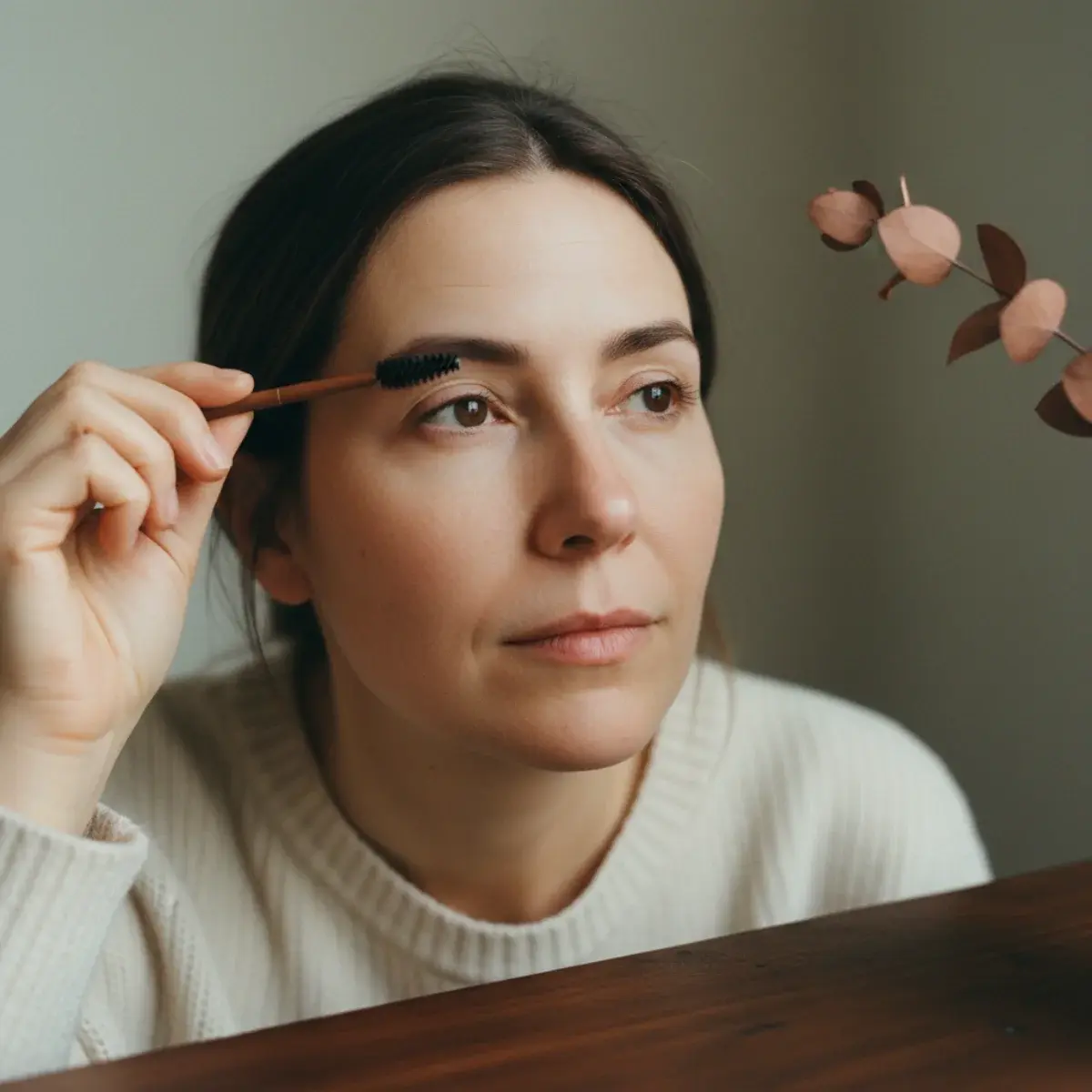
Brows come next, since defined brows frame the face and do a lot of the work of looking polished — brushed into shape and filled lightly if sparse. Eyes follow — an optional neutral eyeshadow wash and mascara to define and open the eyes. And lips finish — a tinted balm or a natural lip colour. An optional light setting with powder or spray locks key areas. The order matters: skincare, then base, then cream, then brows and eyes, then lips, working from even skin to added definition. This sequence keeps the look natural and lasting, and our natural everyday makeup look guide walks through a minimal version step by step.
 1600×1067
The minimal everyday makeup kit
A complete everyday look needs surprisingly few products, and a minimal kit covers it. The essentials are moisturiser and SPF for prep, a light base (tinted moisturiser or light foundation), a concealer for targeted coverage, a cream blush for colour, a brow product to define, a mascara, and a tinted lip balm or natural lipstick. That handful produces a complete, polished everyday look, and it's all most people need day to day.
A few optional additions extend the kit without complicating it: a cream bronzer for warmth and subtle contour, a cream or liquid highlighter for glow, a neutral eyeshadow for the eyes, and a setting powder or spray for longevity. But the core kit comes first, and building it well — in shades matched to your colouring and formulas that suit your skin — matters more than owning many products. This is the makeup version of the capsule thinking that runs through the capsule wardrobe guide: a few versatile, well-chosen products beat a drawer full of single-use ones. Choosing multi-use products — a blush that doubles as lip colour, a tinted moisturiser with SPF, a cream that works on eyes, cheeks, and lips — streamlines the kit further, cutting both the cost and the time of a daily routine while keeping the look cohesive, since the same tones tie the face together. A small, well-chosen everyday kit is all it takes for a polished daily look.
 1600×1067
Matching makeup to your skin tone and undertone
Natural-looking makeup depends on matching products to your skin tone and undertone, since a mismatched base is the fastest way to look made-up rather than fresh. For the base, choose a foundation or tinted product that disappears into your skin — test shades along the jaw or neck in natural light, where the right shade vanishes and the wrong one shows as a line. Match the undertone too: warm, cool, or neutral, the same undertone framework our gold versus silver by skin tone guide uses for jewellery, since a base with the wrong undertone reads off even at the right depth.
For colour products — blush, bronzer, lip — shades that suit your undertone read more natural and flattering: warm undertones suit peachy and golden tones, cool undertones suit pink and berry tones, and neutral undertones suit both. Choosing colours close to your natural flush and lip tone keeps the look enhancing rather than obvious. The principle throughout is that makeup matched to your colouring — base, undertone, and colour shades — reads as your features enhanced, while mismatched product reads as makeup applied. Testing in natural light and choosing shades for your undertone is the single biggest factor in whether everyday makeup looks natural, which is why it's worth getting the matches right before adding any technique — no amount of skill rescues a base that's the wrong colour, while a perfectly matched one looks good even applied simply.
 1600×1067
How to make everyday makeup last
Makeup that creases, slides, or fades by midday undermines the polished look, and good longevity comes from prep and technique more than from heavy product. Prep well: skin that's moisturised but not greasy, with a primer if you're prone to slipping or shine, gives makeup a stable base. Apply thin layers: thin, well-blended layers last longer and look better than thick ones, which crease and slide. Set key areas lightly: a touch of powder where you get shiny (often the T-zone) and a setting spray to lock everything keeps makeup in place without a heavy, cakey finish.
Product choice helps too: long-wear or cream-to-powder formulas stay put, and waterproof mascara resists smudging. During the day, blot rather than add — pressing away shine with a tissue or blotting paper keeps the base fresh, where piling on more product leads to caking. The principle is that good prep and thin, well-set layers last far longer than heavy makeup, which is both more comfortable and more natural-looking through the day. Longevity, in other words, comes from doing less but doing it well — the same restraint that makes everyday makeup look natural also makes it last, which is a happy alignment, since you're not trading staying power for a natural finish but getting both from the same light-handed approach.
 1600×1067
Enhancing your features
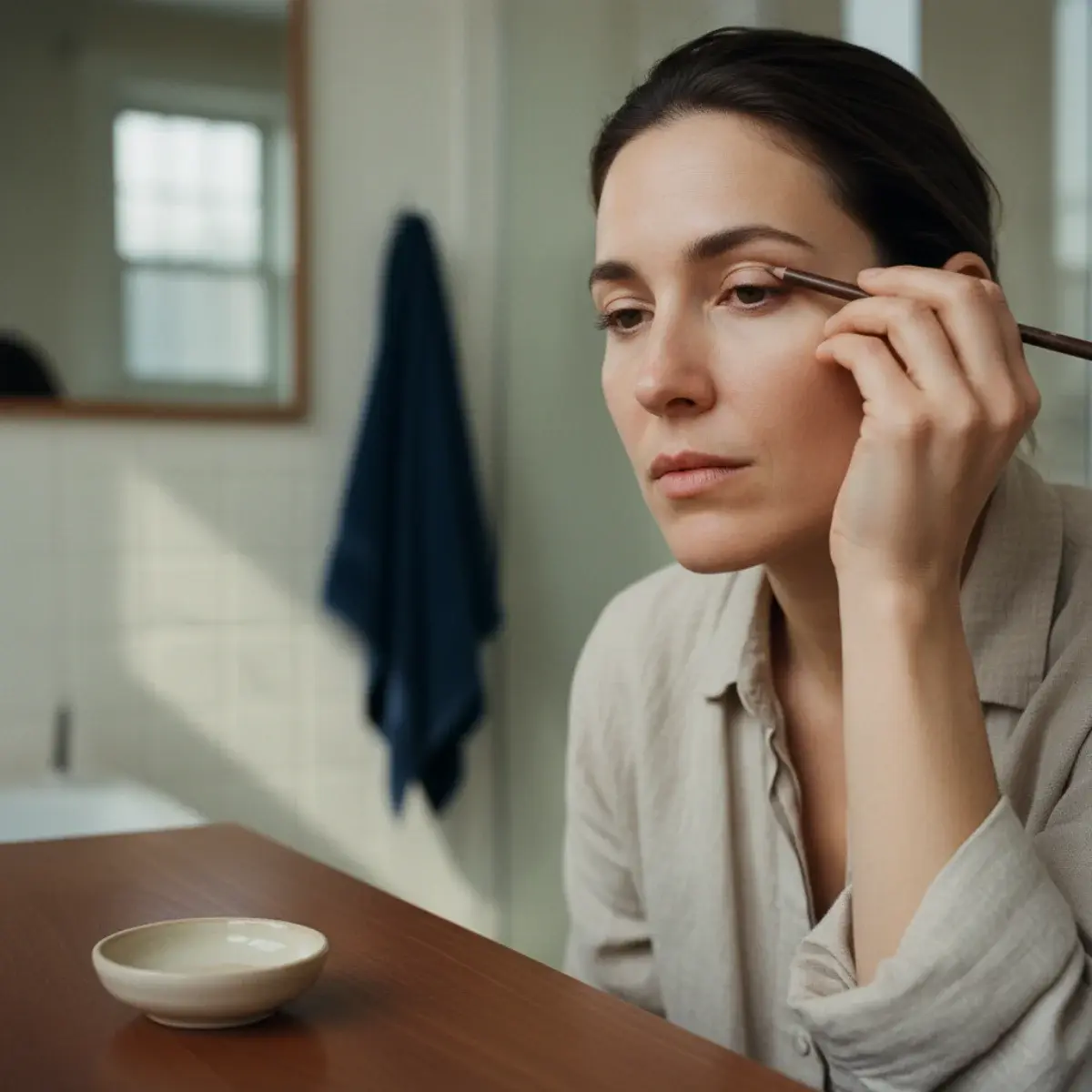
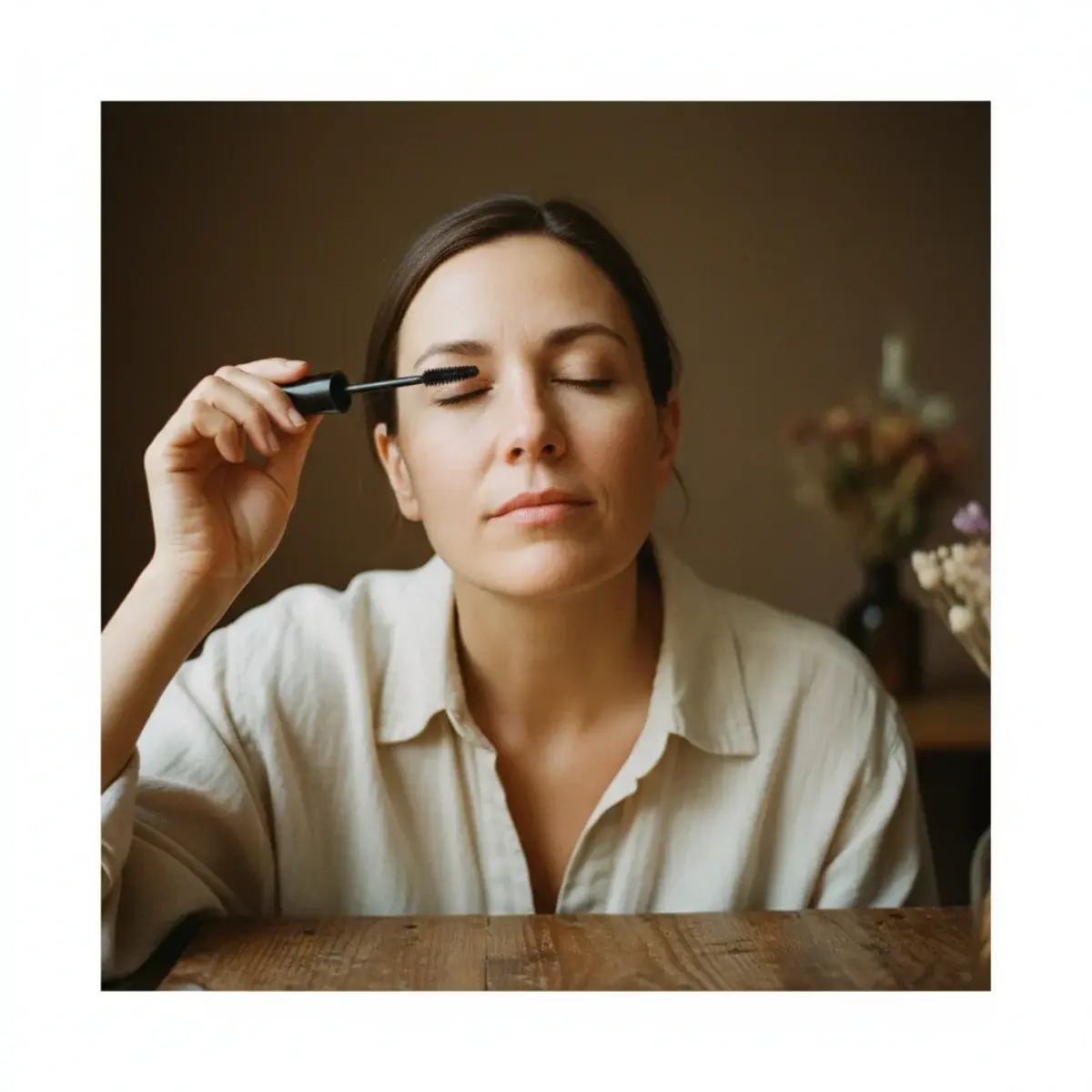
Everyday makeup is about enhancing your specific features, and a few principles flatter most. For eyes, mascara and defined brows open and frame them, with a neutral shadow adding subtle depth — and the brows in particular do disproportionate work, since well-shaped brows frame the whole face. For skin, even tone and a natural glow read healthy, with blush bringing the flush of vitality and a little highlighter adding light where the face naturally catches it. For lips, a tone close to your natural lip colour, slightly enhanced, reads fresh.
The light touch matters because the aim is enhancement: defining what's there rather than reshaping the face. Blush placed on the apples of the cheeks brings youth and health; mascara and brow definition open the eyes; a natural lip ties it together — each enhancing a feature rather than transforming it. Choosing where to add subtle definition based on your own features — brightening tired eyes, warming pale skin, defining sparse brows — makes everyday makeup personal and flattering, since no two faces want exactly the same routine. The most polished-looking people aren't wearing the most makeup; they're wearing the few things that most enhance their particular features, and finding yours is the real work. This enhance-don't-mask approach is the heart of the natural look, and it means everyday makeup adapts to you rather than following a single template. The dedicated eye makeup ideas guide takes eye enhancement, the most expressive area, much deeper.
 1600×1067
Everyday makeup for day, work, and night
The everyday look adapts across the day by adjusting intensity rather than starting over. For daytime and casual, the natural everyday look itself — fresh skin, subtle definition, a natural lip — is exactly right, light and quick. For work, the same look reads polished and professional, perhaps with slightly more definition (a defined brow, a little more even base) to look put-together, in line with the polished-but-understated business casual register. The everyday look is the workhorse for both.
For night or a special occasion, build up from the everyday base rather than beginning again: add a little more coverage if wanted, intensify the eyes (a smoky wash, more definition, optional liner), or add a bolder lip, and a touch of shimmer or highlighter for evening glow. The principle is to intensify one or two features — usually eyes or lips, not both at once — while keeping the rest balanced, so evening makeup stays cohesive rather than overdone. This build-up approach makes going from day to night quick and natural, since you're enhancing an existing base rather than redoing your face — a real practical advantage when you're getting ready after work with little time, turning a daytime face into an evening one in a couple of minutes. The everyday look is the foundation; day, work, and night are just different intensities of it, which is what makes a single learned routine serve every setting.
 1600×1067
Choosing products for your skin type
Beyond shade, matching product formulas to your skin type makes everyday makeup look and last better, since the same product behaves differently on dry, oily, or combination skin. For dry skin, lean on hydrating, cream, and dewy formulas — a hydrating base, cream blush, and a moisturising lip — which add the moisture dry skin lacks and avoid the cakey look powder can give it. For oily skin, lean on lightweight, oil-free, and longer-wear formulas with a little setting powder where you get shiny, which control excess shine and help makeup last. For combination skin, mix the two — hydrating where dry, mattifying where oily — treating different zones differently.
Beyond skin type, sensitive skin benefits from gentle, fragrance-free formulas, and all skin types benefit from non-comedogenic products that don't clog pores. The principle is that the right formula for your skin works with it rather than against it: a dewy cream on dry skin glows where a matte powder would emphasise dryness, and a lightweight long-wear base on oily skin lasts where a rich cream would slide. Choosing formulas for your skin type, alongside shades for your undertone, is what makes everyday makeup both look natural and behave well through the day — the two together, formula for your skin and shade for your colouring, do more for a natural result than any single technique. This is worth a little experimentation to get right, since the correct formulas make every other step easier, and they're the foundation a good everyday kit is built on.
 1600×1067
Tools and application basics
The tools you use and how you apply with them affect the finish as much as the products do. Fingers work well for cream products — base, cream blush, concealer — since their warmth helps the product melt into the skin for a natural finish. A damp sponge gives a sheer, blended base and is ideal for a light, skin-like finish. Brushes suit powder products and precise application — a fluffy brush for powder, an angled brush for brows, a small brush for concealer — giving control and blendability. Choosing the right tool for each product helps everything sit and blend well, and the difference a tool makes is real — the same base can look streaky from a dry brush and smooth and even from a damp sponge.
Two application principles matter most. Build in thin layers — applying a little, blending, and adding more only if needed — gives a natural, controllable finish, where a thick first layer is hard to correct. And blend thoroughly — no harsh edges, everything melted into the skin — which is the single biggest factor in whether makeup looks natural or applied, as the whole guide stresses. Keeping tools clean matters too, since dirty brushes and sponges affect both finish and skin. None of this requires expensive or numerous tools — fingers, a sponge, and a few brushes cover everything — but using them well, building thinly and blending fully, is what turns good products into a natural-looking result. Application, in short, matters as much as the products.
 1600×1067
Building a routine if you're starting out
If you're new to makeup, the way to build a routine is gradually, adding one step at a time rather than attempting a full face at once, which is overwhelming and hard to get right. Start with the single highest-impact step for you — for many that's a tinted moisturiser for even skin, or mascara and brows to frame the eyes, or a tinted lip balm for an easy lift. Master that one step until it's quick and reliable, then add the next, building toward the full everyday routine over time. This staged approach makes learning manageable and lets you find which steps matter most to you.
The order of adding steps can follow impact: many people start with even skin (tinted base, concealer), then add brows and mascara to frame the eyes, then a cream blush for colour, then a lip, refining as they go. Practising each step, learning what suits your features and colouring, and keeping the whole thing light prevents the common beginner mistakes of too much product and harsh application. There's no need to own or use everything — a beginner's everyday look can be just three or four steps, and many people happily stay minimal for life, since a few well-chosen steps done well look better than a full face done hastily. The aim is a routine that's quick, suits you, and makes you look fresh, built up at your own pace, with the minimal step-by-step in our natural everyday makeup look guide a good place to begin.
 1600×1067
Everyday makeup through the seasons
Everyday makeup shifts subtly with the seasons, mostly in formulas and finish rather than the whole approach. In summer, lighter is better — a sheer tinted base or just SPF and concealer, sweat- and humidity-resistant formulas, cream or gel products that won't cake in heat, and a fresh, dewy or natural finish, with extra attention to SPF. The warm months suit the lightest end of the everyday look, when often less product looks best anyway. In winter, drier air calls for more hydration — richer, dewier bases, cream products, hydrating lips — to keep skin from looking dry or flaky under makeup, and a slightly more polished finish suits the season.
In spring and autumn, the transitional seasons, a balanced everyday look works, adjusting hydration and finish to the weather. Beyond formulas, colour can shift gently with the season if you like — fresh, light tones in spring and summer, slightly deeper or warmer tones in autumn and winter — though everyday makeup's neutral palette carries year-round. The principle is that the everyday look stays largely constant while the formulas adapt to the weather: lighter and sweat-resistant in heat, richer and more hydrating in cold. Adjusting product formulas to the season, more than changing the look, keeps everyday makeup comfortable and natural-looking year-round, the same dress-for-the-conditions logic that runs through the site's seasonal guides like fall outfits.
 1600×1067
Everyday makeup mistakes to avoid
A few errors make everyday makeup look heavier or less natural than intended. Too much base is the most common — full coverage all over reads as a mask, where a light base with targeted concealer lets skin show through. The wrong shade or undertone in the base creates a visible mismatch, where testing in natural light and matching the undertone fixes it. Skipping skincare prep leaves makeup sitting poorly and fading fast, where moisturised, protected skin holds it. And harsh, unblended edges — a line of foundation at the jaw, unblended blush — read as obvious makeup, where blending everything into the skin reads natural.
Two more round it out. Overdoing everything at once — heavy eyes and bold lips and strong contour together — reads as too much, where one or two enhanced features against a natural base reads balanced, and neglecting brows leaves the face unframed, where a little brow definition lifts the whole look. Each resolves the same way: keep the base light and well-matched, prep the skin, blend thoroughly, enhance one or two features rather than all, and define the brows. Everyday makeup done well is a few well-chosen, well-matched, well-blended products that make you look like a fresh, polished version of yourself — the enhancement, not the makeup, is what should show.
Key takeaways
- 1Everyday makeup should enhance, not mask — the best version reads as good skin and bright features, not as makeup.
- 2Follow the order: prep, light base, targeted concealer, cream blush, brows, mascara, lips — even skin first, then definition.
- 3A minimal kit of a handful of versatile products covers a complete polished look — quality of choice over quantity.
- 4Match the base to your skin tone and undertone, testing in natural light, for the single biggest natural-look factor.
- 5Adapt for night by building up from your everyday base — intensify one or two features, usually eyes or lips, not both.
Where to go from here
This silo takes makeup further. Read natural everyday makeup look for a minimal step-by-step routine, eye makeup ideas for the most expressive feature, wedding guest makeup for a special occasion, and nail design ideas to finish the look at the fingertips. For matching colour to your undertone, see gold versus silver by skin tone; for the occasions makeup completes, the cocktail attire and wedding guest guides. Vogue and Who What Wear publish reliable everyday makeup coverage.
Frequently asked
- What is a good everyday makeup routine?
- A good everyday routine is simple: prep with moisturiser and SPF, even the skin with a light base like tinted moisturiser or a little foundation and concealer where needed, add a touch of cream blush for colour, define the brows, add mascara, and finish with a tinted lip balm or natural lipstick. The aim is even, fresh, polished skin with subtle definition — enhancing your features rather than masking them — in a few quick steps.
- How do you do natural-looking makeup?
- Natural makeup uses light, skin-like products applied sparingly: a sheer base that lets skin show through, cream products that blend into the skin, neutral tones close to your natural colouring, and minimal layering. Focus on even skin, defined brows, a touch of blush, and mascara, skipping heavy coverage and bold colour. Building in thin layers and blending well keeps makeup looking like skin rather than a mask.
- What makeup products do you need for everyday?
- A minimal everyday kit includes moisturiser and SPF, a light base (tinted moisturiser or light foundation), concealer, a cream blush, a brow product, mascara, and a tinted lip balm or natural lipstick. That's enough for a complete polished look. You can add a cream bronzer or highlighter and a neutral eyeshadow, but the core kit covers everyday makeup with a handful of versatile products.
- What order do you apply makeup in?
- Apply in this order: skincare (moisturiser, SPF), then base (tinted moisturiser or foundation), then concealer where needed, then cream products (blush, bronzer), then brows and eyes (eyeshadow, mascara), and finish with lips and setting if used. Cream before powder, and skin before eyes and lips. This order builds an even, blended base first, then adds definition, which keeps the look natural and lasting.
- How do you make everyday makeup last?
- Make makeup last by prepping skin well (moisturised but not greasy), using a primer if needed, applying thin layers, and setting key areas lightly with powder or setting spray. Long-wear or cream-to-powder products help, and blotting rather than adding more during the day keeps it fresh. Good prep and thin, well-set layers last far longer than heavy makeup, which tends to crease and slide.
- Should everyday makeup match my skin tone and undertone?
- Yes — matching base products to your skin tone and undertone is key to natural-looking makeup. Choose a foundation or tinted base that disappears into your skin, test it along the jaw in natural light, and match the undertone (warm, cool, or neutral). Blush, bronzer, and lip colours in tones that suit your undertone also read more natural and flattering than mismatched shades.
- How do I adapt everyday makeup for night or a special occasion?
- Build up from your everyday base rather than starting over: add a little more coverage if wanted, deepen or smoke the eyes, add a bolder lip or a touch of shimmer, and define a bit more. The everyday look is the foundation; for night or occasions you intensify one or two features — usually eyes or lips — while keeping the rest balanced. This makes evening makeup quick and cohesive.
Written by Marguerite Sterns, looksyra editorial. Last updated May 2026.
Everything in this guide
 Save
SaveNail Design Ideas: Classic, Modern & Easy Looks for Every Occasion
Read guide Save
SaveWedding Guest Makeup: A Polished Look That Lasts All Day
Read guide Save
SaveEye Makeup Ideas: Looks for Every Day, Night & Eye Shape
Read guide Save
Save