
Jewellery is the most personal layer of an outfit and the most misunderstood — people either forget it entirely, leaving a look slightly unfinished, or pile on everything they own and lose the elegance of any single piece. The truth sits between: jewellery, chosen and styled well, is one of the most powerful finishing tools there is, capable of expressing personality, completing a neckline, and lifting an outfit from dressed to considered. But it follows principles, like everything else. This guide covers how to style jewellery with any outfit — choosing pieces for your neckline and occasion, mixing metals, layering, and building a jewellery capsule that works with everything.
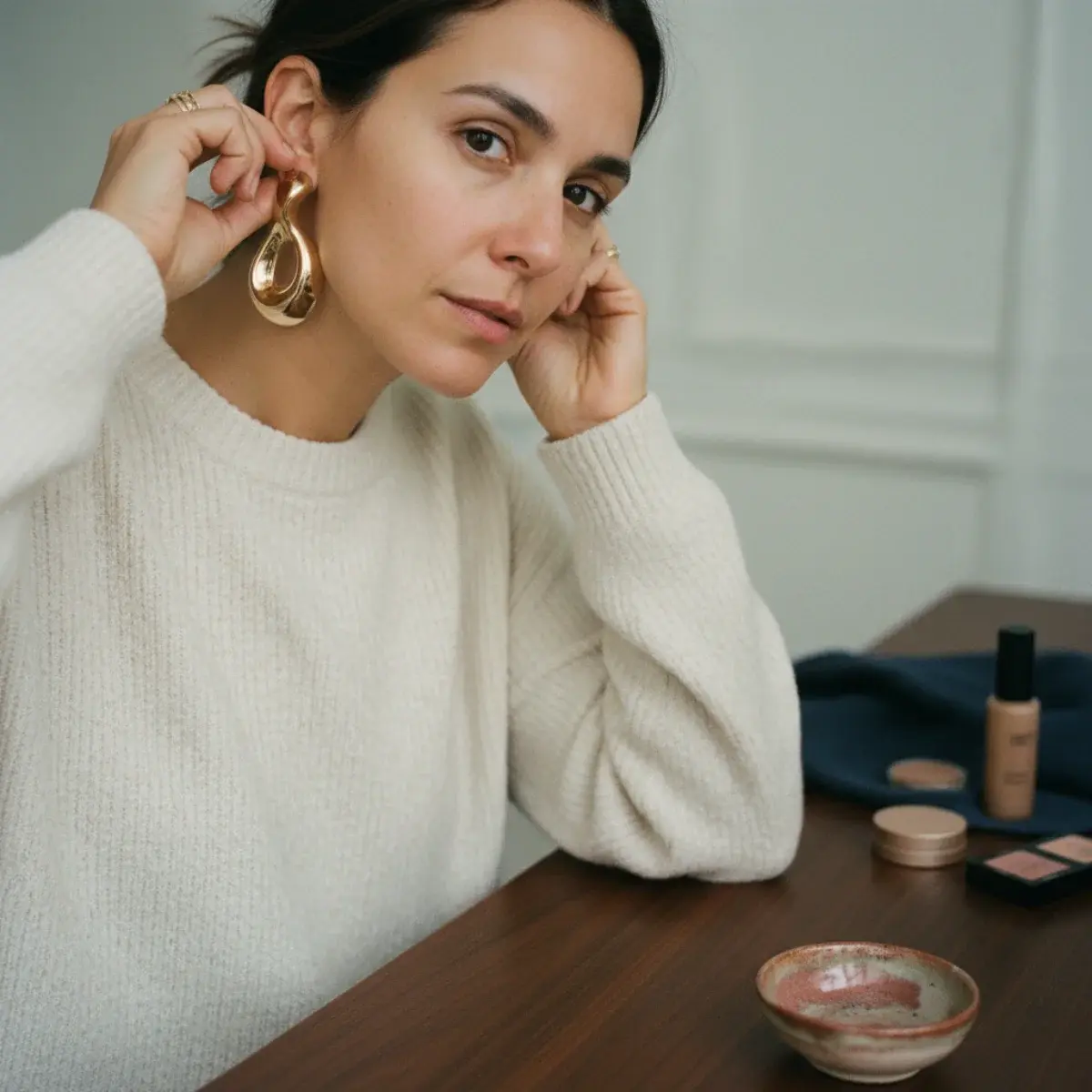
The principle this whole guide rests on, and the hill it will die on: choose one focal point and let the rest support it — jewellery is about balance, not maximising. A statement necklace with simple earrings, or bold earrings with a bare neck, reads elegant; every bold piece at once reads cluttered. Edit toward one focal point and jewellery becomes easy. Hold that idea through everything that follows — the types, the metals, the layering, the occasions — because nearly every jewellery question, from what to wear with a neckline to how much is too much, resolves back to choosing what leads and letting the rest support it.
What jewellery does for an outfit
Jewellery is the finishing layer that completes and personalises an outfit, doing several jobs at once. It finishes a look, supplying the considered final touch that makes an outfit read complete rather than slightly bare — the same role the rule of three plays in our how to put together an outfit guide, where a strong accessory can be the third element. It expresses personality, since jewellery is one of the most individual choices in dressing, carrying meaning, taste, and character. And it frames the face and neckline, drawing the eye upward and completing the line of a top or dress.
Because it does so much with so little, jewellery is one of the highest-leverage finishing tools in the wardrobe — a single well-chosen piece can lift a simple outfit considerably. But the same power means it's easy to overdo, which is why balance matters more here than almost anywhere. The aim is for jewellery to complete and personalise an outfit, not to overwhelm it, which means choosing pieces deliberately rather than wearing everything available. Understanding what jewellery is for — finishing, expressing, framing — is the foundation of styling it well, and everything in this guide serves those ends. Keep those three jobs in mind and you'll find it easier to judge whether a piece is earning its place: if it isn't finishing the look, expressing something, or framing the face, it's probably one piece too many.
 1600×1067
The main types of jewellery
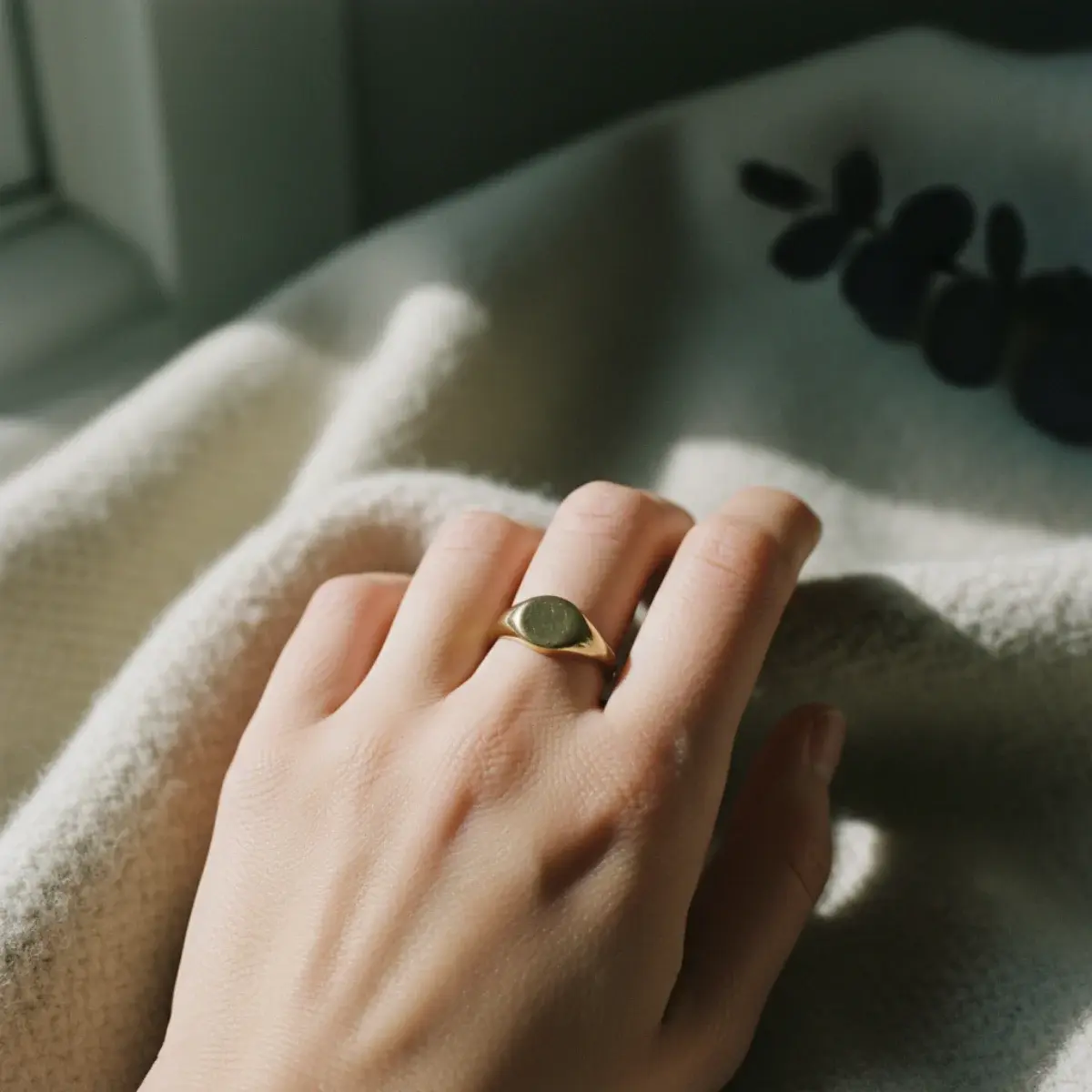
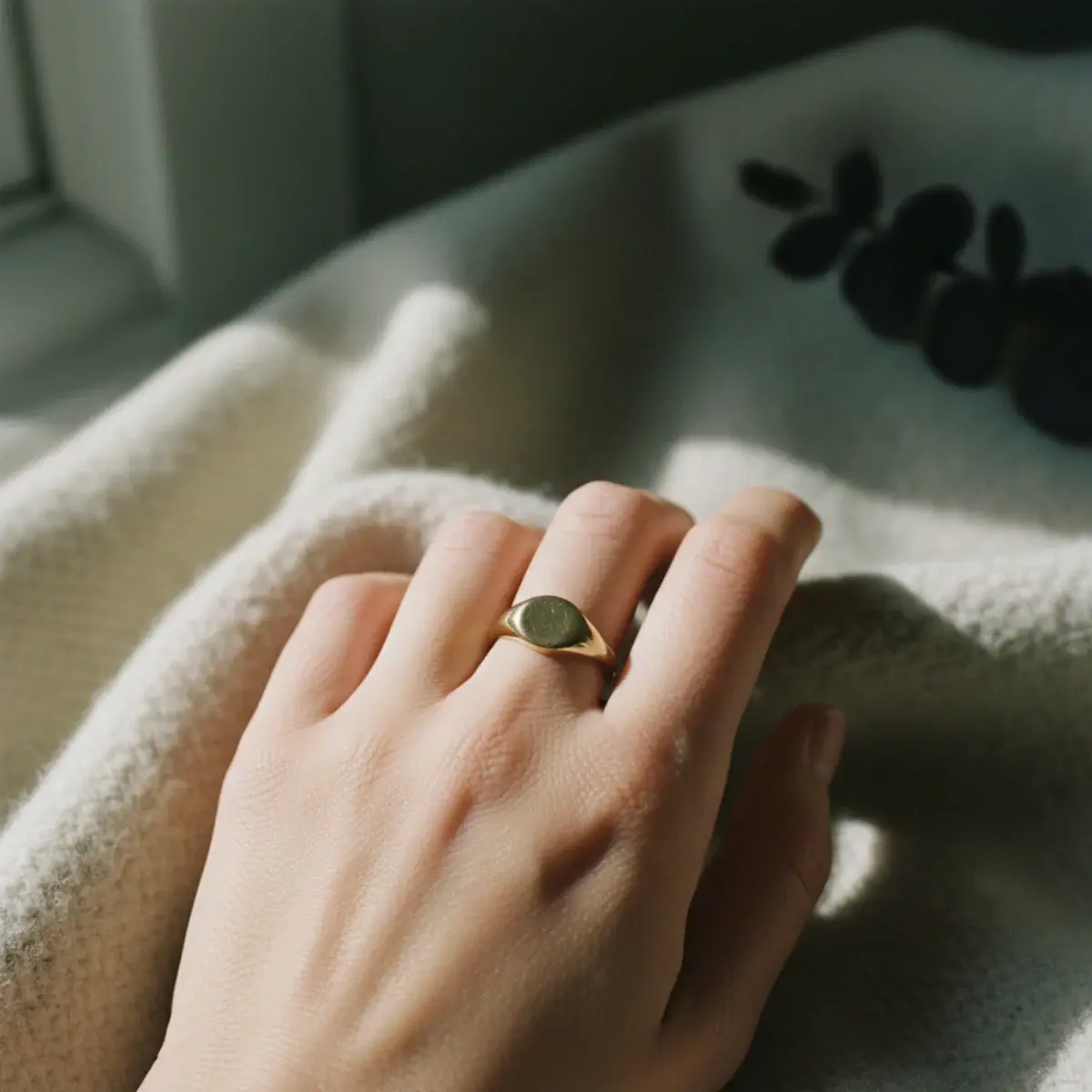
A jewellery wardrobe is built from a handful of types, each playing its own role. Necklaces frame the neckline and draw the eye up, ranging from delicate pendants to statement pieces and layered combinations — the most versatile category for finishing an outfit. Earrings frame the face and are often the most-worn piece, from simple studs to hoops to statement designs. Bracelets add interest at the wrist, worn singly or stacked, and a watch sits here too, a practical piece that doubles as jewellery. Rings add detail to the hands, from a single fine band to a considered stack.
Each type carries a different weight and role, and a complete jewellery wardrobe draws on several. The key is that they work together as a composed whole rather than competing — a statement necklace pairs with simple earrings, bold earrings pair with a bare neck and a simple ring. Knowing each type's role helps you choose which to lead with and which to keep supporting, which is the heart of jewellery styling. The brand's jewellery range spans all of these, from bracelets and necklaces to rings and earrings, and the dedicated guides in this silo take the most-searched applications — layering necklaces, statement earrings, and more — much deeper.
 1600×1067
Choosing one focal point
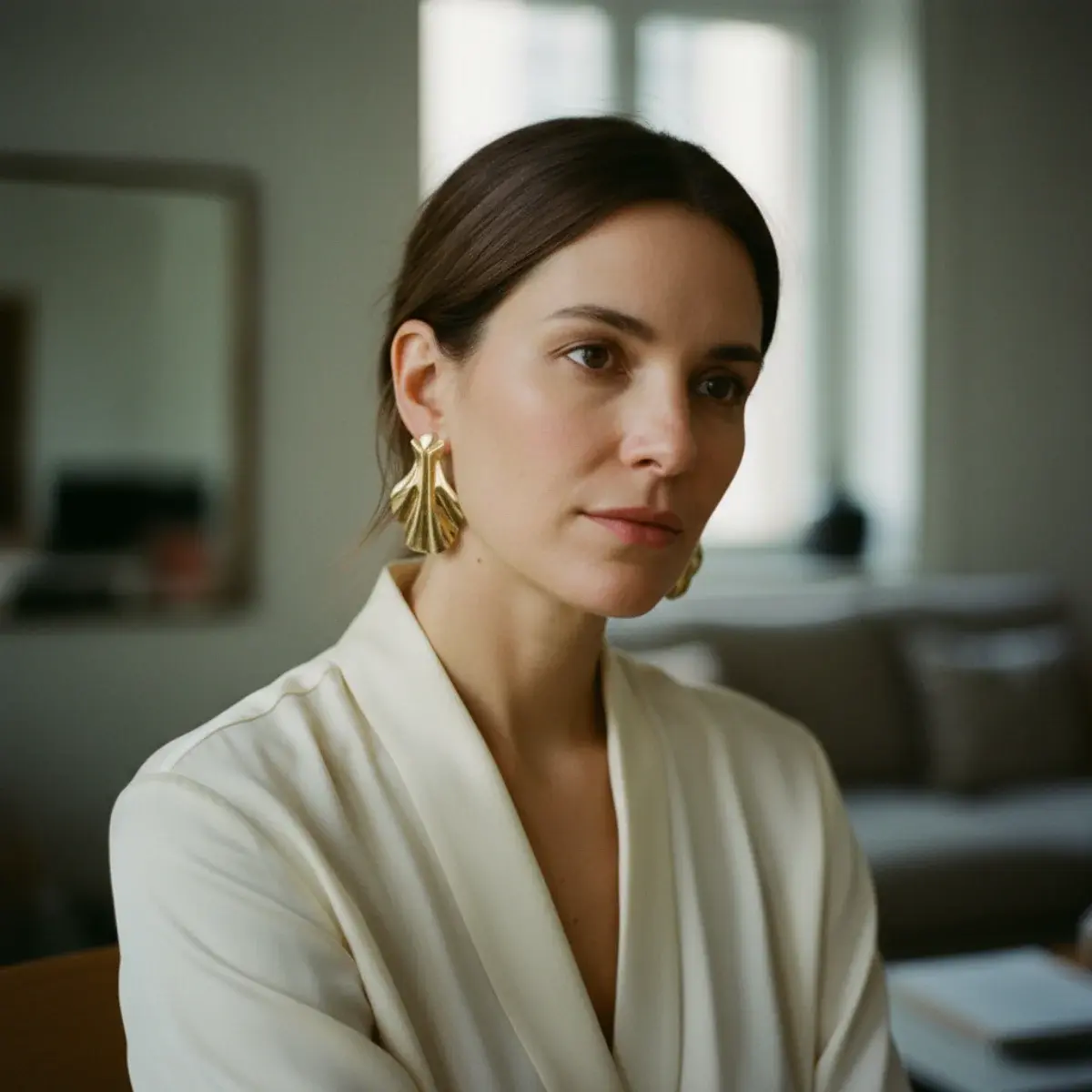
The single most useful jewellery principle is to choose one focal point and let the rest support it, because jewellery worn this way reads elegant where everything-at-once reads cluttered. A focal point is the one bold or attention-drawing piece — a statement necklace, statement earrings, a bold cuff, a striking ring — and the rest of the jewellery stays simple to let it lead. A statement necklace pairs with simple stud earrings and a bare wrist; statement earrings pair with a bare neck and a fine ring; a bold cuff pairs with delicate everything-else. One piece leads, the others support.
This is the jewellery version of the one-personality-element discipline that runs through the cute outfits guide and the styling logic of the whole site: one strong element against a quiet base reads intentional, while several competing elements read chaotic. The principle doesn't mean wearing little — a layered-necklace look or a ring stack can be the focal point as a composed whole — it means having one centre of attention rather than several. When a jewellery look feels off or cluttered, the fix is almost always to identify the focal point and simplify everything else. Editing toward one focal point is the most reliable way to make jewellery read refined.
 1600×1067
How to match jewellery to your neckline
The neckline frames the necklace, so matching the two is key to jewellery looking intentional rather than random. A V-neck suits a pendant or shorter necklace that echoes the V, drawing the eye down the line. A crew or high neck pairs better with no necklace, or a long necklace layered over, plus statement earrings to frame the face since the neck is covered. A strapless or wide neckline suits a statement necklace or choker that fills the open space. A collared shirt suits a short necklace worn over or under the collar, or none, with the collar itself framing the neck.
A scoop or round neckline takes a necklace that follows its curve, and a boat neck suits earrings and a bare neck or a long pendant. The principle is to let the necklace length and shape complement the neckline rather than fight it — a necklace that echoes the neckline's line reads composed, while one that clashes reads off. When a neckline is high or covered, shift the jewellery focus upward to earrings, which frame the face where a necklace can't sit well. Matching jewellery to the neckline is one of the quickest ways to make a look read considered, and it's why the same necklace suits some tops and not others.
 1600×1067
Gold, silver, and mixing metals
Metal choice shapes a jewellery look, and a few principles make it easy. Gold reads warm and rich, silver reads cool and modern, and rose gold sits between — each suits different outfits and personal undertones, which our gold versus silver by skin tone guide covers in depth. Many people have a metal they wear most, often guided by which flatters their undertone, and building a jewellery capsule around a primary metal keeps it cohesive. But you needn't stick to one.
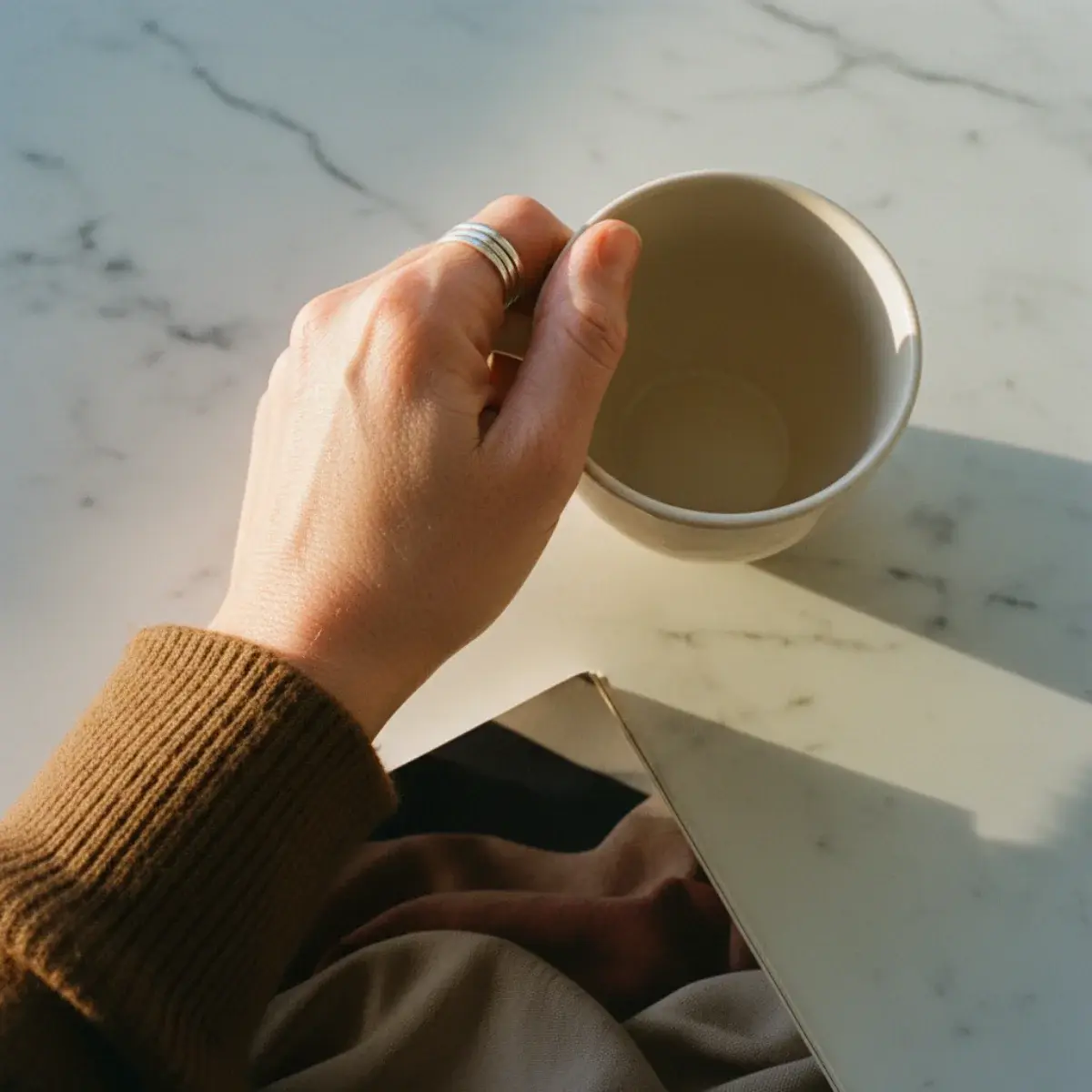
Mixing metals — once considered a mistake — is now a modern, intentional look when done deliberately. The reliable ways to mix are to pair coordinated gold and silver pieces, to use a two-tone piece (a watch or a ring combining both metals) that ties the mix together, or to mix within a stack of rings or bracelets. The key is intention: a considered mix of metals reads stylish and current, while one accidental odd-metal piece among matched ones can look like an oversight. A two-tone watch is the easiest entry to mixing, since it bridges any gold and silver worn elsewhere, giving the eye a reason to read the combination as deliberate. Choose a primary metal for cohesion, mix deliberately when you want a modern edge, and let intention guide the combination.
 1600×1067
Fine versus fashion jewellery
Jewellery divides broadly into fine and fashion (or costume), and understanding the difference helps you spend and style well. Fine jewellery — solid gold, silver, platinum, real gemstones and pearls — is durable, holds value, and reads quietly expensive, making it worth investing in for the pieces you wear daily and want to last. Fashion jewellery — plated metals, glass, resin, and other materials — is affordable and lets you experiment with trends, statement pieces, and colour without commitment, though it's less durable and doesn't last the way fine jewellery does.
The smart approach uses both deliberately, the same fine-foundation-plus-experiments logic that runs through the fashion trends guide. Invest in fine pieces for your everyday capsule — the delicate necklaces, simple earrings, and a watch or ring you wear constantly — where durability and quiet quality pay off, the same fewer-better-pieces thinking as the old money outfits guide. Use fashion jewellery for statements and trends — the bold seasonal earring, the on-trend layered look, the colourful piece — where you want to experiment cheaply. This way your foundation lasts and reads expensive while your statement pieces stay affordable and current. Fine for the foundation, fashion for the fun, is the balance most jewellery wardrobes work best on.
 1600×1067
Jewellery by occasion
Jewellery adapts to the occasion, shifting in dressiness and boldness. For everyday wear, delicate, fine pieces — a simple necklace, studs or small hoops, a watch, a fine ring — finish an outfit without effort and suit work and casual life. For the office, refined, understated jewellery keeps a look polished and professional, in line with the business casual register — fine pieces over bold ones. For a casual social plan, a slightly bolder piece or a layered look adds personality.
For a dressy occasion — a party, a dinner, a wedding — jewellery can go bolder and finer at once: a statement necklace or earrings as the focal point, or fine jewellery with real stones and pearls for elegance, as the cocktail attire and wedding guest guides describe. For a formal or black-tie event, elegant fine jewellery — pearls, diamonds or their look, a refined statement piece — completes the look. The constant across occasions is the focal-point principle: even when going bolder for a dressy event, one piece leads. Matching the jewellery's dressiness and boldness to the occasion, while keeping one focal point, is how jewellery suits any setting from the everyday to the formal.
 1600×1067
Building a jewellery capsule
A jewellery capsule, like a clothing one, is a small set of versatile pieces that finish most outfits, and building one makes daily jewellery easy. The core set is short. Delicate necklaces in your primary metal — a fine chain, a simple pendant — for everyday finishing. Simple earrings — studs and small hoops — the most-worn pieces. A watch or a fine bracelet for the wrist. A simple ring or two. And one or two statement pieces — a bolder necklace and statement earrings — for dressier looks and when you want a focal point.
In your best metals and classic styles, these pieces coordinate with nearly any outfit, casual or dressy, which is the whole point — a small jewellery capsule finishes a whole wardrobe. As with clothing and shoes, versatility beats quantity: a few well-chosen, classic pieces produce more finished looks than a large box of single-use jewellery, and the fine foundation pieces last for years, the same capsule wardrobe logic applied to jewellery. Invest in the fine everyday foundation, add a couple of statement pieces in fashion jewellery, and you can finish any outfit appropriately. Build the capsule once, around a primary metal and classic styles, and jewellery stops being an afterthought and becomes an easy, reliable finishing step.
 1600×1067
Caring for and storing jewellery
Jewellery lasts and keeps reading well only if cared for, and a little maintenance protects both fine and fashion pieces. Store pieces separately to prevent scratching and tangling — a divided box or individual pouches keep chains from knotting and stones from scratching. Keep jewellery dry and away from chemicals — removing it before swimming, showering, and applying perfume or lotion, which tarnish and dull both fine and plated pieces, with fashion jewellery especially vulnerable. Clean it gently and appropriately for the material, keeping metals bright and stones clear.
The care pays off because clean, untarnished jewellery reads well while dull, tarnished, or tangled pieces undermine a look, and proper storage keeps a collection wearable for years, the same maintain-what-you-own principle the old money outfits guide applies to clothing. Fine jewellery rewards this care most, since it's an investment meant to last, while fashion jewellery, being plated and less durable, needs gentle handling to extend its shorter life. Putting jewellery on last, after dressing and applying any scent or lotion, and taking it off first, protects it from the chemicals that damage it most. A well-cared-for jewellery wardrobe stays bright, untangled, and ready to finish any outfit, which is what makes the capsule reliable over time.
 1600×1067
Layering and stacking jewellery
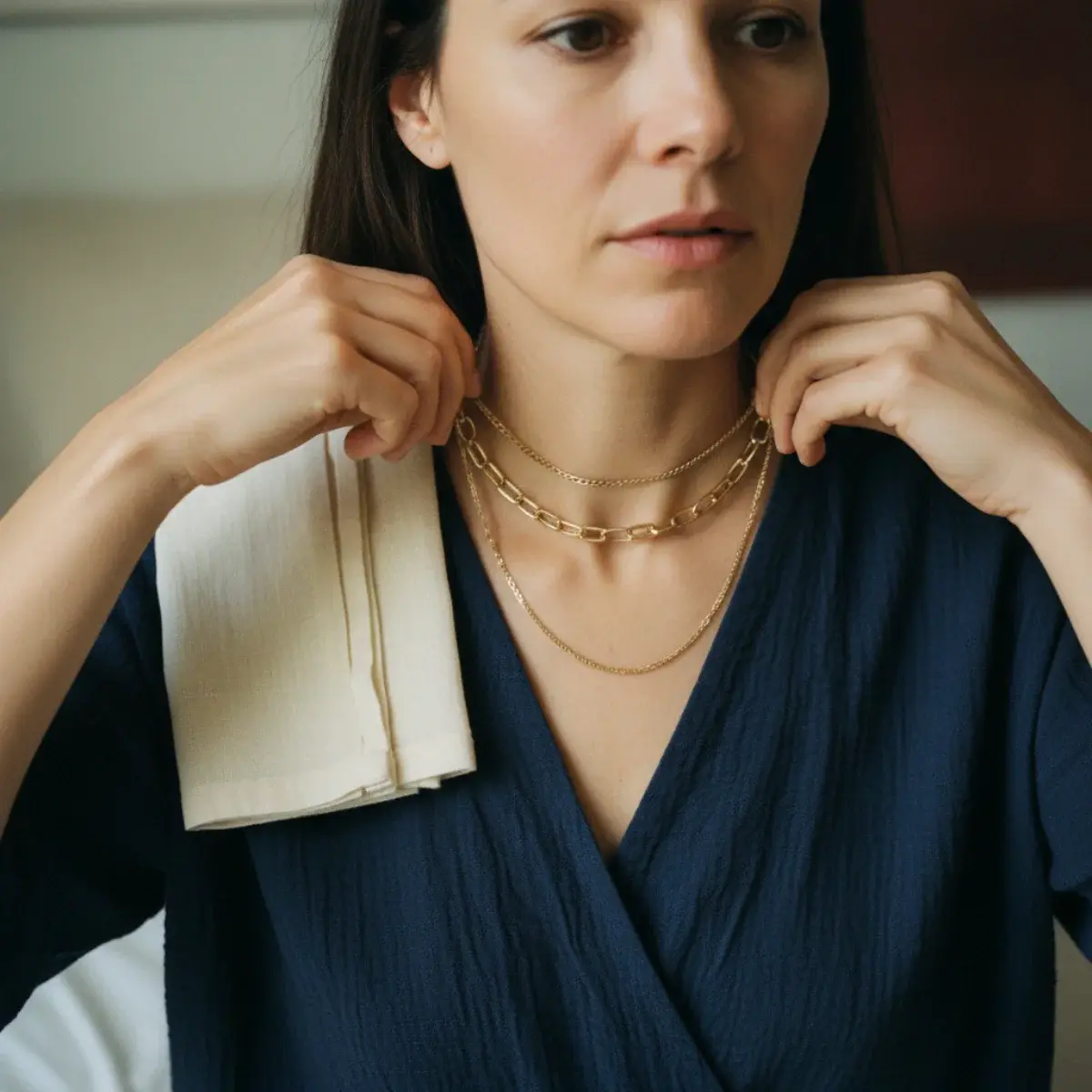
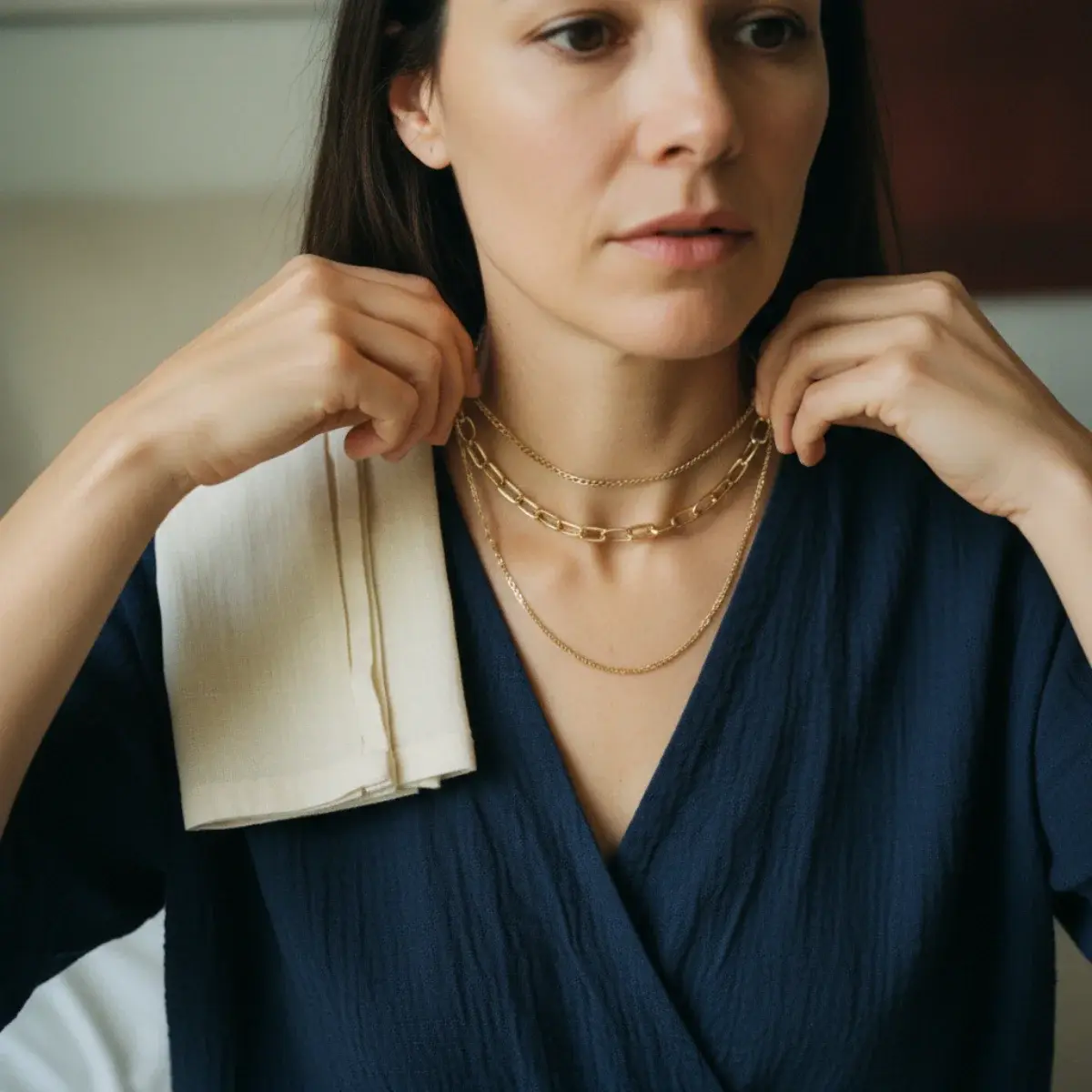
Layering necklaces and stacking rings and bracelets is a modern way to wear jewellery as a composed focal point, and a few principles keep it intentional rather than messy. Layered necklaces work best with varied lengths — a short and a longer chain, or two or three graduated lengths — so each sits clearly rather than tangling, ideally with one focal piece among simpler chains. Stacked rings combine a few bands across fingers or on one finger, mixing widths and textures while keeping a coherent metal or deliberate mix. Stacked bracelets layer a watch with a fine bangle or two, or several thin bracelets together.
The key to all stacking and layering is that the composed group reads as one intentional focal point rather than clutter — varied but coordinated, with a clear logic of lengths, metals, or theme. This is the layered expression of the focal-point principle: the stack is the focal point, so the rest of the jewellery stays simple. Done well, layering adds richness and personality; done carelessly, it tangles and competes. Our how to layer necklaces guide takes the layered look apart in full, with the exact length combinations and pairing rules. Start with a simple two-piece layer and build from there, keeping lengths varied and metals coordinated, and stacking becomes an easy way to make jewellery a deliberate centrepiece.
 1600×1067
Choosing jewellery for your features
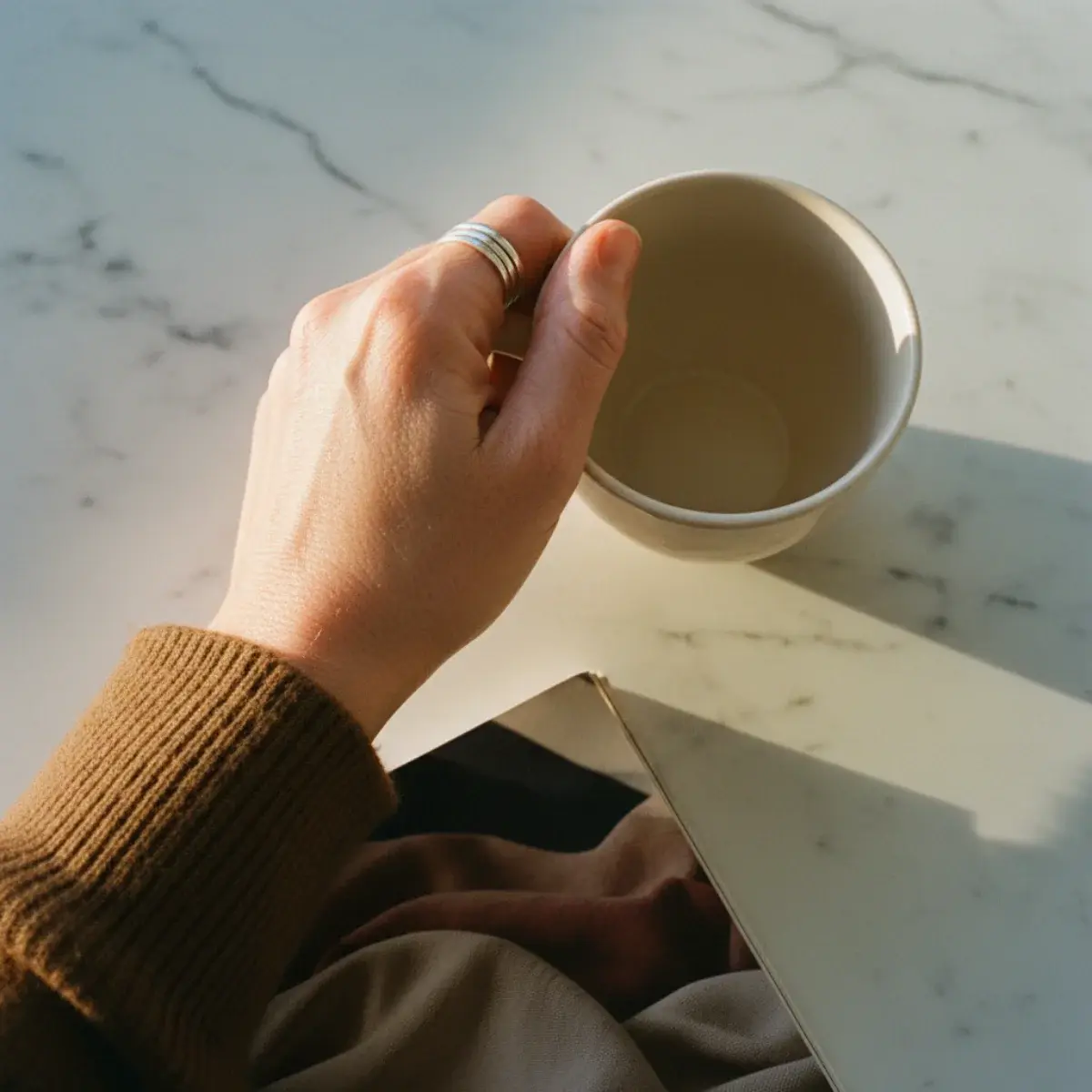
Jewellery frames the face and body, so a few pieces flatter more when chosen with your features in mind. Earrings and face shape interact most: longer, drop earrings lengthen and flatter a rounder face, while studs and rounder shapes soften a longer or more angular face, and most face shapes suit a range, so this is a gentle guide rather than a rule. Necklace length and proportion matter too: a longer necklace lengthens the torso and suits a higher neckline, while a shorter one draws attention up to the face, and the length can be chosen to flatter your proportions and the neckline together.
Scale and proportion are the broadest principle: the boldness of a piece reads best balanced to your frame and the outfit, with larger statement pieces suiting bolder looks and finer pieces suiting delicate ones, though personal taste leads. None of this is rigid — jewellery is personal, and the most flattering choice is often simply the one you love and wear with confidence. But understanding how earring shape frames the face, how necklace length affects proportion, and how scale balances the frame helps you choose pieces that flatter as well as please. The aim is jewellery that complements your features and the outfit, chosen with a light awareness of proportion rather than strict rules, so it reads both flattering and like you.
 1600×1067
Gemstones, birthstones, and meaningful pieces
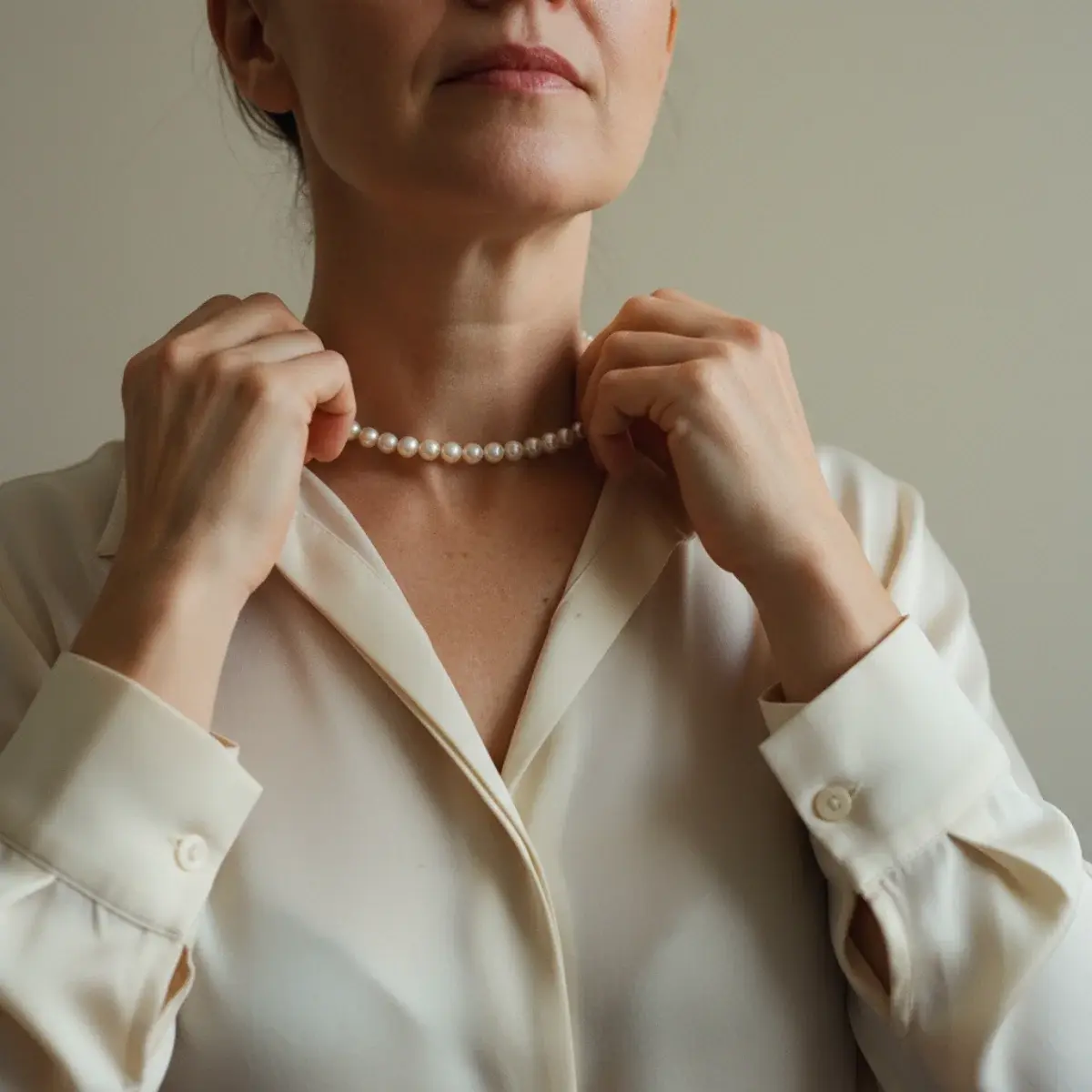
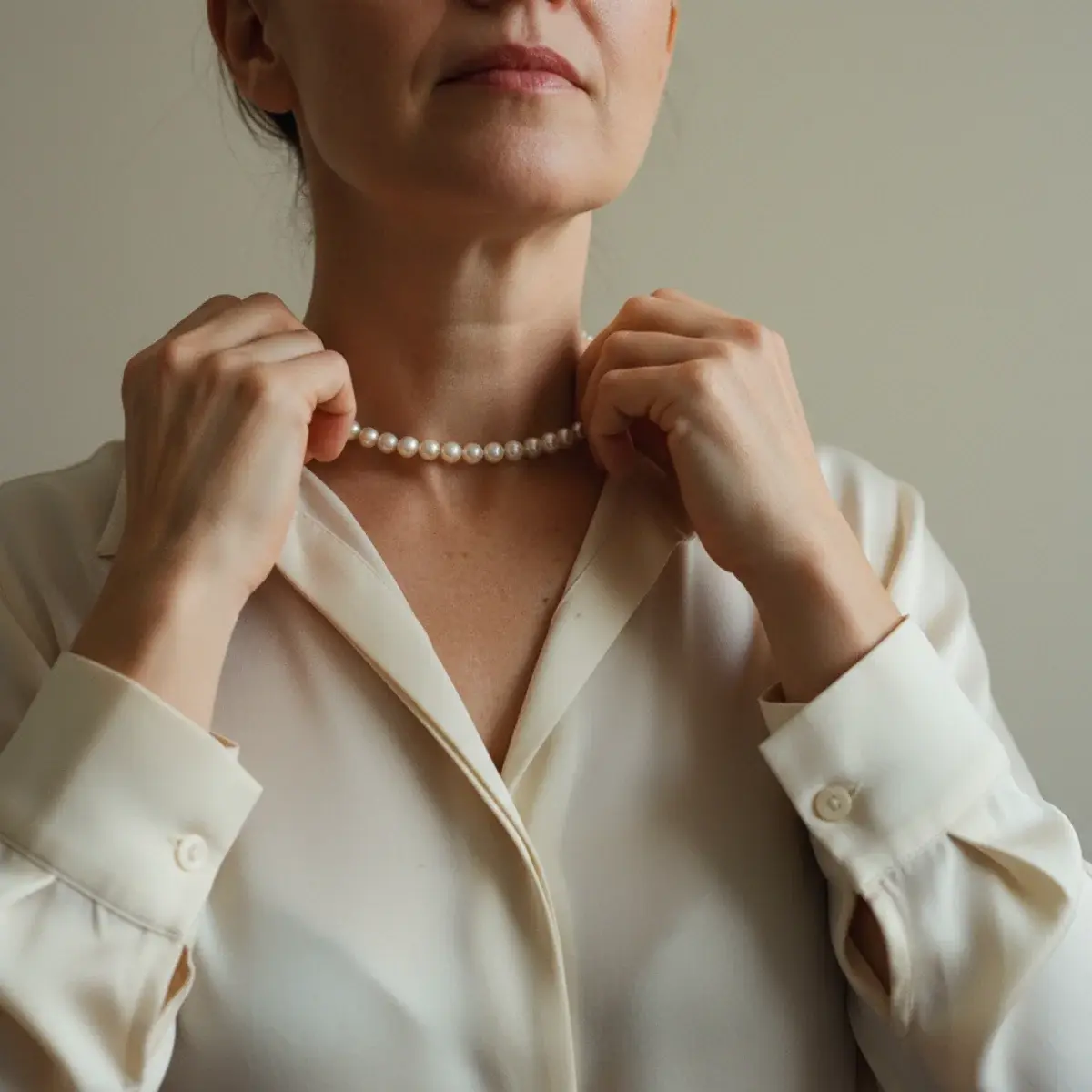
Beyond metal and form, gemstones add colour, meaning, and personality to jewellery, and they're worth understanding as part of styling. Coloured gemstones — amethyst, aquamarine, emerald, sapphire, and others — bring colour that can echo or accent an outfit's palette, with the stone effectively acting as the focal point's colour. Birthstones carry personal meaning, making a piece individual and sentimental, and they're a popular way to choose a meaningful necklace or ring. Pearls and diamonds (or their fine look) read classic and elegant, suiting refined and formal looks, with pearls covered in full in our pearl jewellery outfit ideas guide.
Styling gemstone jewellery follows the same principles as the rest: let a coloured stone be part of the focal point, coordinate or deliberately contrast its colour with the outfit, and keep the surrounding jewellery simple so the stone leads. A gemstone's colour can tie to an outfit's accent — an amethyst with purples, an aquamarine with cool blues — or provide a deliberate pop against neutrals. Meaningful pieces like birthstones and heirlooms also carry value beyond styling, often becoming signature pieces worn daily, which is part of jewellery's personal power. Whether chosen for colour, meaning, or classic elegance, gemstones add a dimension that metal alone can't, and they reward the same focal-point and coordination thinking as every other jewellery choice. A single coloured stone, worn against a quiet outfit, can be the whole story of a look.
 1600×1067
Jewellery styling mistakes to avoid
A few errors recur with jewellery. Wearing too much at once is the most common — every bold piece competing, with no focal point, where choosing one piece to lead and simplifying the rest reads elegant. Ignoring the neckline leaves a necklace fighting the top, where matching length and shape to the neckline composes the look. Accidental metal mixing — one odd-metal piece among matched ones — looks like an oversight, where either matching metals or mixing deliberately reads intentional. And forgetting jewellery entirely leaves an outfit slightly unfinished, where even one delicate piece completes it.
Two more round it out. Wrong dressiness — heavy statement pieces with a casual outfit or nothing with a formal one — mismatches, where matching the jewellery's boldness to the occasion fixes it. And neglecting care — tarnished, tangled, or dull pieces — undercuts a look, where storage and cleaning keep jewellery reading well. Each resolves the same way: choose one focal point, match pieces to the neckline and occasion, coordinate or deliberately mix metals, and care for the pieces. Styling jewellery well is mostly a matter of balance and intention — one considered focal point, matched to the outfit, almost always reads more elegant than more, which is good news, because it means a small, well-chosen collection serves you better than an overflowing one.
Key takeaways
- 1Choose one focal point and let the rest support it — jewellery is about balance, not maximising.
- 2Match the necklace to the neckline, and when the neck is covered, shift the focus to earrings.
- 3Mix gold and silver deliberately for a modern look — a two-tone piece ties the mix together; accidental mixing reads as an oversight.
- 4Invest in fine pieces for your everyday capsule; use affordable fashion jewellery for statements and trends.
- 5A small jewellery capsule in your best metals and classic styles finishes a whole wardrobe — versatility over quantity.
Where to go from here
This silo takes jewellery styling deeper. Read how to layer necklaces for the layered look, statement earrings styling for bold earrings, gold versus silver by skin tone for choosing your metals, and pearl jewellery outfit ideas for styling pearls. For finishing outfits well, see how to put together an outfit and the capsule wardrobe guide; for the quiet, fine-jewellery aesthetic, the old money outfits guide. Vogue and Who What Wear publish reliable jewellery styling coverage.
Frequently asked
- How do you style jewellery with an outfit?
- Choose one focal point — a necklace, earrings, or a stack — and keep the rest supporting, match the jewellery to the neckline (a pendant for a V-neck, studs or statement earrings for a high neck), and coordinate the dressiness with the occasion. Pick metals that work with your outfit and undertone, and balance the jewellery so one element leads rather than everything competing. Less, chosen well, reads more elegant than piling it on.
- What jewellery goes with everything?
- A few versatile pieces go with almost any outfit: delicate gold or silver necklaces, simple stud or small hoop earrings, a fine bracelet or a watch, and a simple ring or two. In your best metal and a classic style, these form a jewellery capsule that suits casual and dressy looks alike. Neutral, fine, classic pieces coordinate with the most outfits, the same way neutral clothes and shoes do.
- Can you mix gold and silver jewellery?
- Yes — mixing metals is a modern, intentional look when done deliberately. Pair gold and silver in coordinated pieces, use a piece that combines both metals to tie them together, or mix within a stack of rings or bracelets. The key is intention: a considered mix reads stylish, while one accidental odd piece can look like a mistake. Two-tone pieces and watches make mixing especially easy.
- How do you match jewellery to a neckline?
- Match the necklace length and earrings to the neckline: a pendant or shorter necklace suits a V-neck, a high or crew neck pairs better with no necklace or a long one plus statement earrings, a strapless or wide neckline suits a statement necklace or choker, and a collared shirt suits a short necklace or none. The neckline frames the necklace, so choosing a length that complements it is key to jewellery looking intentional.
- What is the rule for wearing jewellery?
- The most useful rule is to choose one focal point and let the rest support it — a statement necklace with simple earrings, or statement earrings with a bare neck — rather than wearing every bold piece at once. This keeps jewellery elegant rather than cluttered. Coordinate metals and dressiness, match pieces to the neckline, and when in doubt, edit down. One considered focal point reads more refined than several competing pieces.
- How much jewellery should you wear?
- There's no fixed amount, but the guiding principle is balance: choose a focal point and support it, rather than maximising. Some looks suit a single fine necklace; others carry layered necklaces, a stack of rings, and earrings — the key is that it reads intentional and balanced rather than cluttered. Editing down is the most common improvement, since one or two considered pieces usually read more elegant than many competing ones.
- What jewellery should every woman own?
- A versatile jewellery capsule includes delicate gold and/or silver necklaces, simple stud and small hoop earrings, a watch or fine bracelet, a simple ring or two, and one or two statement pieces (a bolder necklace and statement earrings) for dressier looks. In your best metals and classic styles, these cover everyday and occasion wear. As with clothing, a few versatile pieces beat a large collection of single-use ones.
Written by Marguerite Sterns, looksyra editorial. Last updated May 2026.
Everything in this guide
 Save
SaveHow to Style Statement Earrings Without Overdoing It
Read guide Save
SavePearl Jewellery Outfit Ideas: How to Wear Pearls the Modern Way
Read guide Save
SaveGold vs Silver Jewellery: How to Choose by Your Undertone
Read guide Save
Save