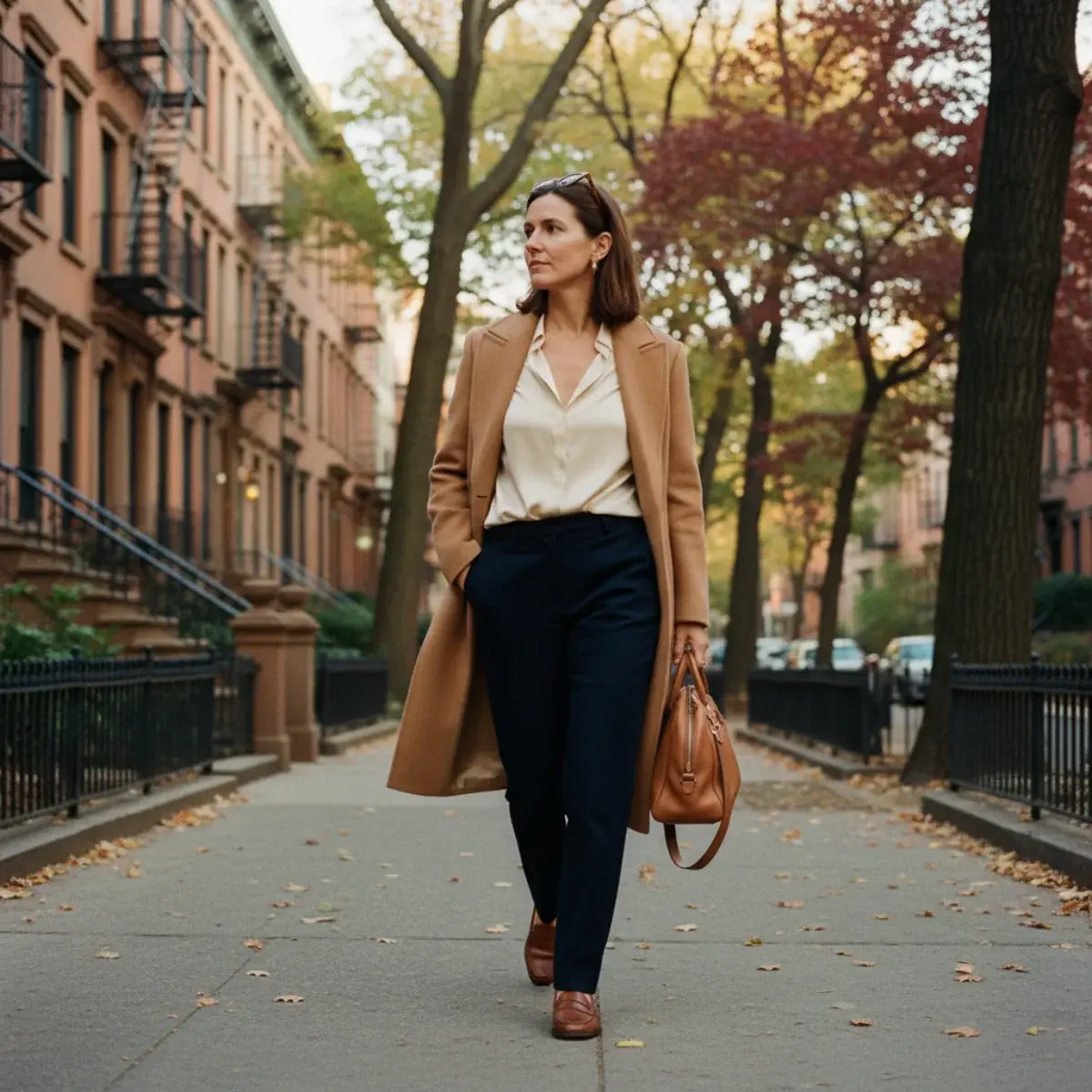
The first thing you notice is the fabric, not the label. A camel coat that holds its shape across the shoulders, a cashmere crewneck soft enough to sleep in, the dry rustle of a silk scarf knotted at the throat — old money dressing announces itself through texture and cut, and it does so without ever raising its voice. The whole point is that you have to look twice.
Search interest in old money outfits has climbed steadily since 2022, and the reason is partly economic. After a decade of maximalist logos and fast-fashion churn, a quieter way of dressing started to read as the genuine flex. The fashion industry gave it a name — quiet luxury, a phrase that prioritises fabric, cut, and longevity over visible branding — and brands like The Row, Loro Piana, and Brunello Cucinelli became shorthand for it. But the reference is far older than the marketing. It runs back through Ralph Lauren's Polo, through Carolyn Bessette-Kennedy's slip dresses, through English country houses and New England boat clubs and the wardrobes of women who never once thought about being photographed.
This guide breaks the aesthetic down into its working parts: the palette, the fabrics, the silhouettes, the specific pieces, and — the part most listicles skip — how to build it without a trust fund. Because here is the opinion this entire publication will die on: old money style is a budget, not a bloodline. The look is reproducible. What it asks for is discipline.
What "old money" actually means in clothing terms
Strip away the TikTok mythology and old money describes a set of concrete choices. The clothes are made from natural fibres — wool, cashmere, cotton, linen, silk — because those fabrics age well and signal that the wearer can afford not to chase trends. The colours are neutral and self-mixing. The tailoring is exact, often altered to the body rather than bought off the rack and worn loose. And nothing carries a logo large enough to read across a room.
The aesthetic borrows from several real traditions at once. There is the American WASP and Ivy strand, all oxford-cloth shirts and weathered Barbour jackets and loafers worn without socks. There is the English country version, with its tweed, its riding boots, its quilted gilets. And there is the continental European line — Italian and French — that leans into minimalism, with Max Mara coats and Hermès scarves doing the heavy lifting. Sofia Richie Grainge's 2023 wedding, styled almost entirely in Chanel and Saint Laurent in a cream-and-ivory palette, became the internet's reference point for the modern version. Gwyneth Paltrow's courtroom wardrobe the same year did the same job by accident.
What unites these dialects is restraint. The clothes are quiet because quiet is the message. You are meant to look like you have better things to think about than your outfit, even though — and this is the trick — the outfit has been thought about carefully.
 1600×1067
The old money colour palette, decoded
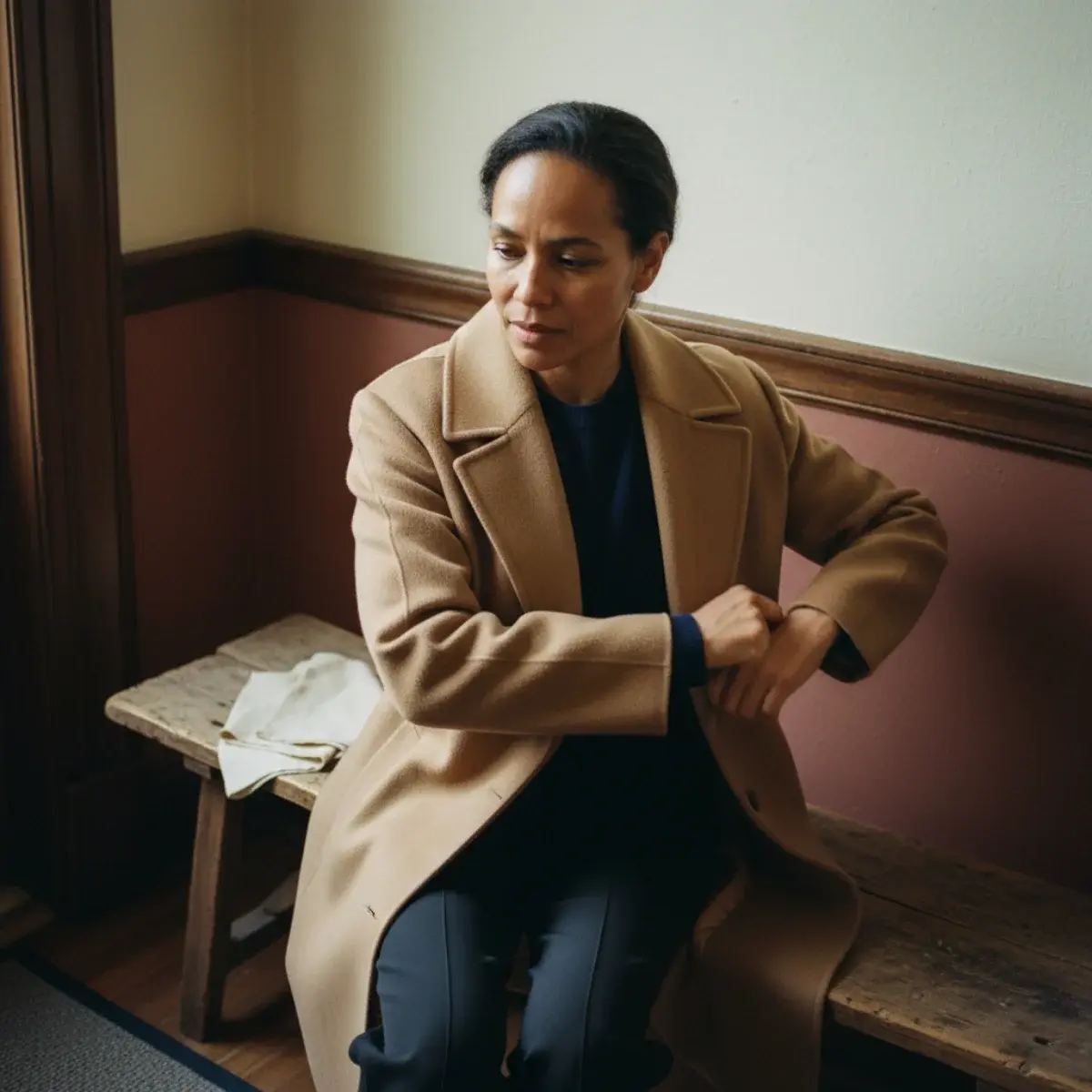
A coherent palette is what lets twelve pieces produce thirty outfits. The old money colour story is short on purpose: navy, camel, cream, ivory, charcoal, forest green, burgundy, and chocolate brown. These neutrals share an undertone, which is why they combine without clashing. Camel over cream, navy over white, charcoal over burgundy — none of these pairings asks for thought.
Bright colour does appear, but rarely and in small doses, almost always as an accent rather than a foundation. A scarlet silk scarf against a navy coat. A racing-green knit under a grey blazer. The pop reads as a deliberate choice precisely because everything around it is muted. Compare that to a logo-heavy wardrobe, where colour and branding compete for attention and the eye never settles.
If you are starting from scratch, build the palette before you buy a single piece. Pick two base neutrals — navy and cream is the most forgiving combination — and add a third as a bridge, usually camel or grey. Every purchase after that should answer one question: does it work with what I already own? A closet that passes that test stops producing outfits you cannot wear.
The fabrics that carry the whole aesthetic
 1600×1067
You can fake the silhouette of old money with cheap clothes. You cannot fake the fabric, and the fabric is most of the effect. The look rests on a handful of materials:
- Cashmere and merino wool for knitwear, because they drape instead of clinging and hold their shape across years of wear. A fine-gauge cashmere crewneck is the single most useful piece in the wardrobe.
- Worsted wool and wool blends for tailoring — blazers, trousers, the camel coat — which press cleanly and resist the shine that gives polyester away.
- Cotton poplin and oxford cloth for shirting, crisp enough to hold a collar.
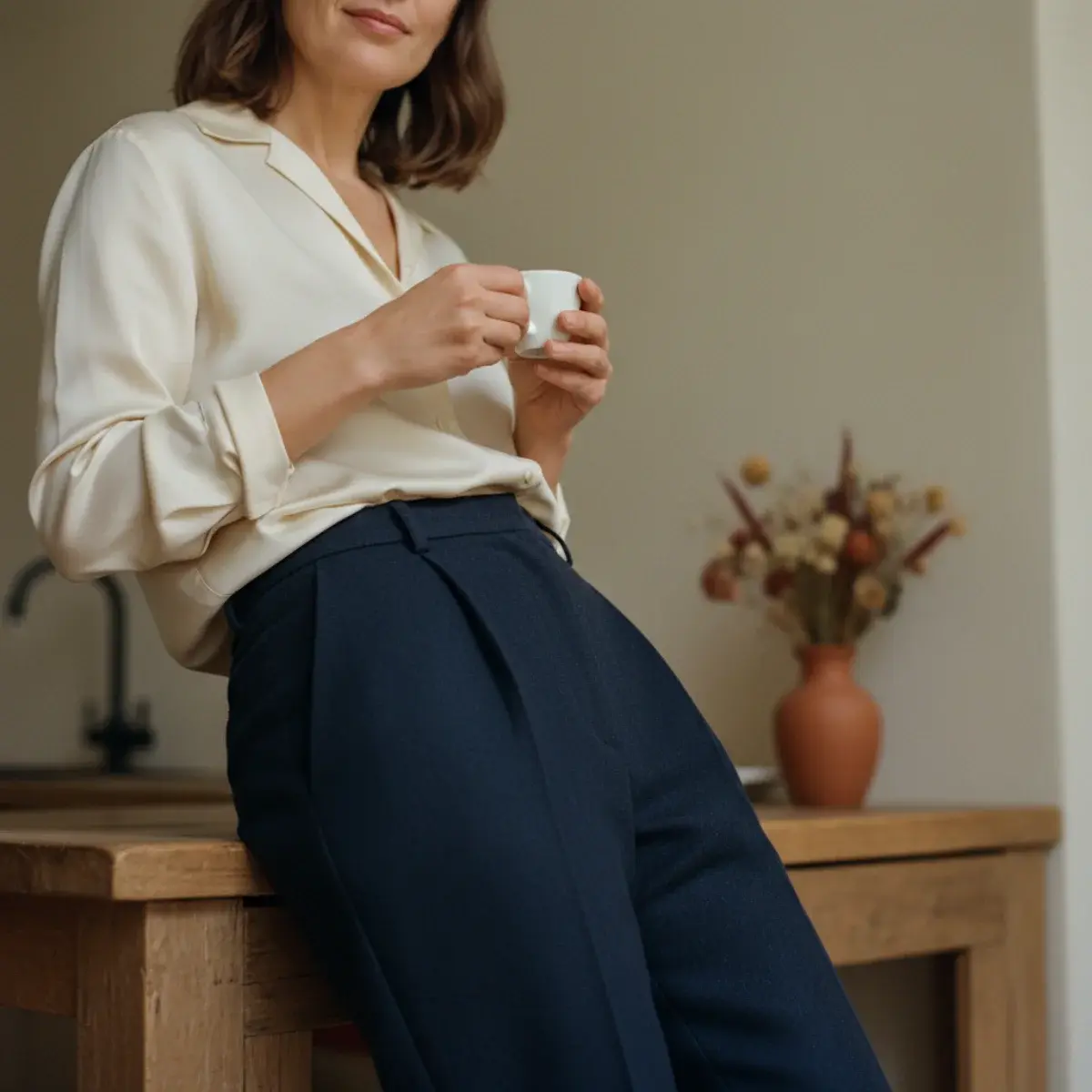
- Silk for scarves, blouses, and the occasional slip dress, for that dry, weighty hand that synthetics never quite reproduce.
- Linen for summer, wrinkles and all, because the wrinkles read as confidence rather than carelessness.
Here is where budget meets reality. A new cashmere sweater from a heritage label runs into the hundreds. The same sweater, second-hand from a consignment shop or a well-edited resale site, costs a fraction and looks identical after a wash. Fabric is the one area where buying used genuinely closes the gap, because good wool and silk outlast their first owners by decades.
The flex is not the price tag. The flex is that you no longer need one.
The looksyra position on old money
The core silhouettes: ten pieces that build the look
The old money wardrobe is small and repeats itself, which is the opposite of how fast fashion trains us to shop. These ten pieces, in the palette above and the fabrics just described, cover the overwhelming majority of an adult woman's calendar. The list doubles as a capsule-wardrobe foundation, because old money and capsule dressing are the same discipline under two names.
- A camel or navy wool coat, cut clean and slightly oversized so it layers over knitwear.
- A tailored blazer, navy or grey, single-breasted, altered to fit through the shoulder.
- A fine-gauge cashmere crewneck or V-neck in cream, camel, or grey.
- Straight-leg or wide-leg trousers in wool or a wool blend, pressed.
- A crisp white cotton button-down, worn open over a knit or buttoned under the blazer.
- A knee-length or midi skirt in a neutral, A-line or pencil.
- A silk blouse in ivory or a muted print.
- Dark, straight-leg denim with no distressing and no visible hardware.
- A knee-length knit dress or a simple shift for occasions that fall between casual and formal.
- A trench coat in stone or beige for the shoulder seasons.
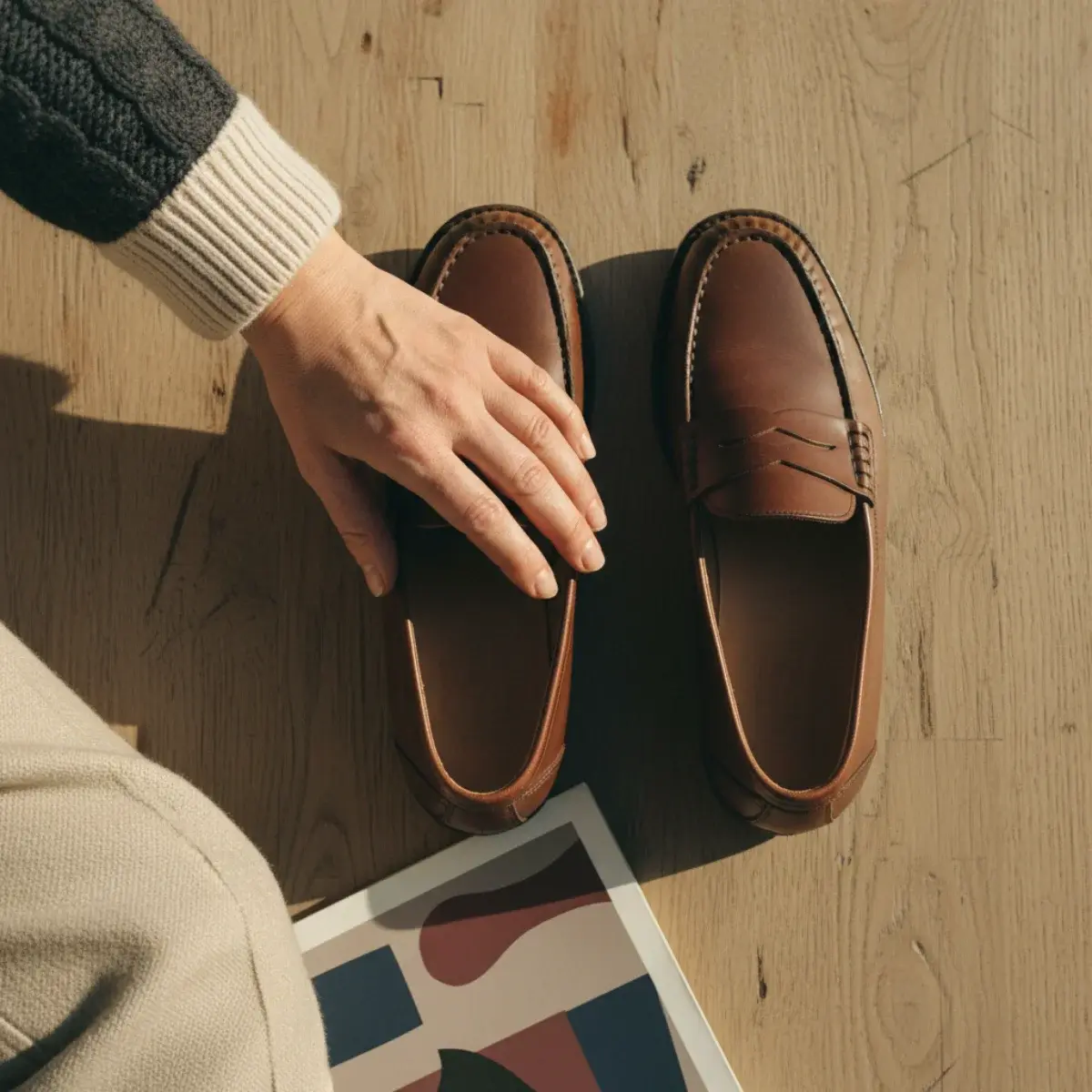
Footwear and accessories finish the system, and they matter more than their cost suggests. A pair of leather loafers, ballet flats, a low pointed pump, and a clean tonal sneaker handle nearly every shoe occasion — covered in depth in our guide to how to style every shoe you own. For bags, the rule is structure and neutral leather over recognisable hardware; the tote and crossbody styling guide walks through the shapes that read quiet rather than loud.
 1600×1067
The three dialects of old money dressing
Old money is not one look but three closely related ones, and knowing which you are reaching for makes the shopping far easier. They share a grammar — natural fabric, muted colour, no logos — but the accent shifts by geography.
The American WASP and Ivy dialect is the one most people picture first. It comes out of New England prep schools, the Hamptons, Nantucket, and the country club, and Ralph Lauren built an entire empire translating it. Its vocabulary is the oxford-cloth button-down, the cable-knit sweater tied over the shoulders, weathered chinos, a Barbour waxed jacket, Sperry boat shoes or penny loafers worn without socks, and a palette that allows the occasional pastel — pale pink, butter yellow, faded green. It is the most relaxed of the three, and the most forgiving of imperfection; a softly rumpled shirt is part of the look, not a failure of it.
The English country dialect is heavier and more weatherproof, built for damp fields and stone houses rather than docks. Its pieces are tweed blazers, quilted gilets, riding-style boots, wool trousers, a Hermès or Liberty silk scarf, and a Barbour or Burberry trench for the rain. The colours run earthier — moss green, ochre, deep brown, oxblood. Where the American version reads as leisure, the English version reads as land. Princess Diana's off-duty wardrobe of the 1980s, all crew necks and tailored trousers and that famous sheep jumper, is the reference point.
The continental European dialect, Italian and French, is the most minimal and the most urban. It strips away the prep-school colour and the country texture and leaves pure line and fabric: a Max Mara camel coat, a fine Italian knit, a silk blouse, tailored trousers, a structured leather bag in a neutral tone. The Row, founded by Mary-Kate and Ashley Olsen in 2006, is the contemporary American label that speaks this dialect most fluently, alongside Loro Piana and Brunello Cucinelli. This is the version that maps most directly onto what the industry now sells as quiet luxury, and the one that translates best to a city wardrobe.
Most modern wardrobes borrow from all three. A tweed blazer over dark denim and a white shirt is English country meeting American casual; a camel coat over a cashmere knit and loafers is continental minimalism with a prep finish. The dialects are tools, not boxes.
 1600×1067
The accessories that do the quiet talking
 1600×1067
In an aesthetic built on restraint, accessories carry disproportionate weight, because there is so little else competing for the eye. Get them wrong and the whole outfit tips toward new money; get them right and a plain knit and trousers read as considered.
Scarves are the most useful accessory in the wardrobe. A silk square from Hermès — or a high-street version in the same muted palette — knotted at the throat or tied to a bag handle adds colour and polish without a logo doing the work. In the cold months, a fine cashmere wrap in camel or grey does the same job at scale.
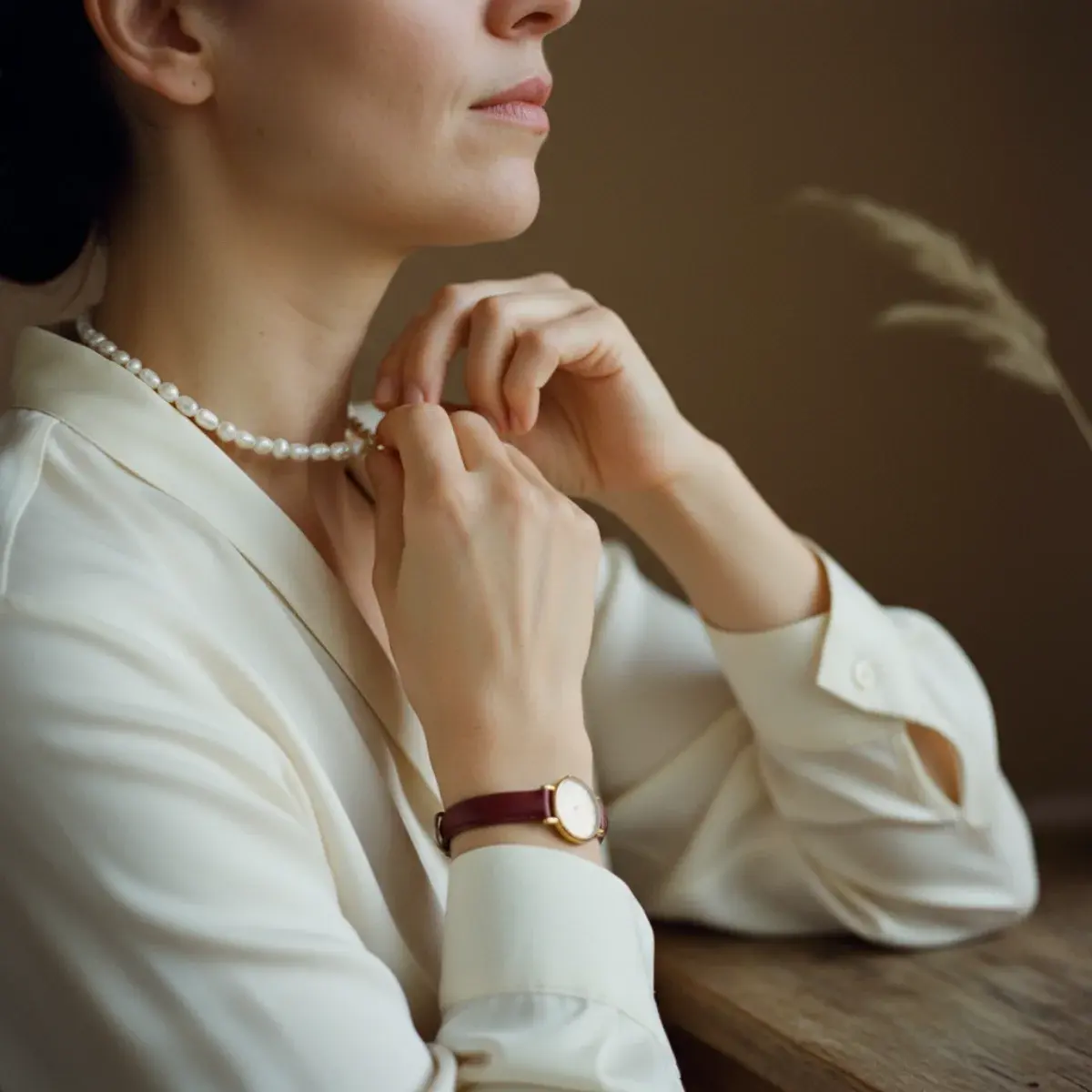
Jewellery follows the same logic of less. A string of real or convincing pearls, a gold signet ring, small gold hoops or studs, and a single fine chain cover almost every old money jewellery need; the full reasoning lives in our jewellery styling guide. The watch matters more than any other piece — a slim leather-strapped Cartier Tank, a vintage gold dress watch, or any clean, unbranded analogue face reads quiet, where an oversized smartwatch or a diamond-set sports model reads loud.
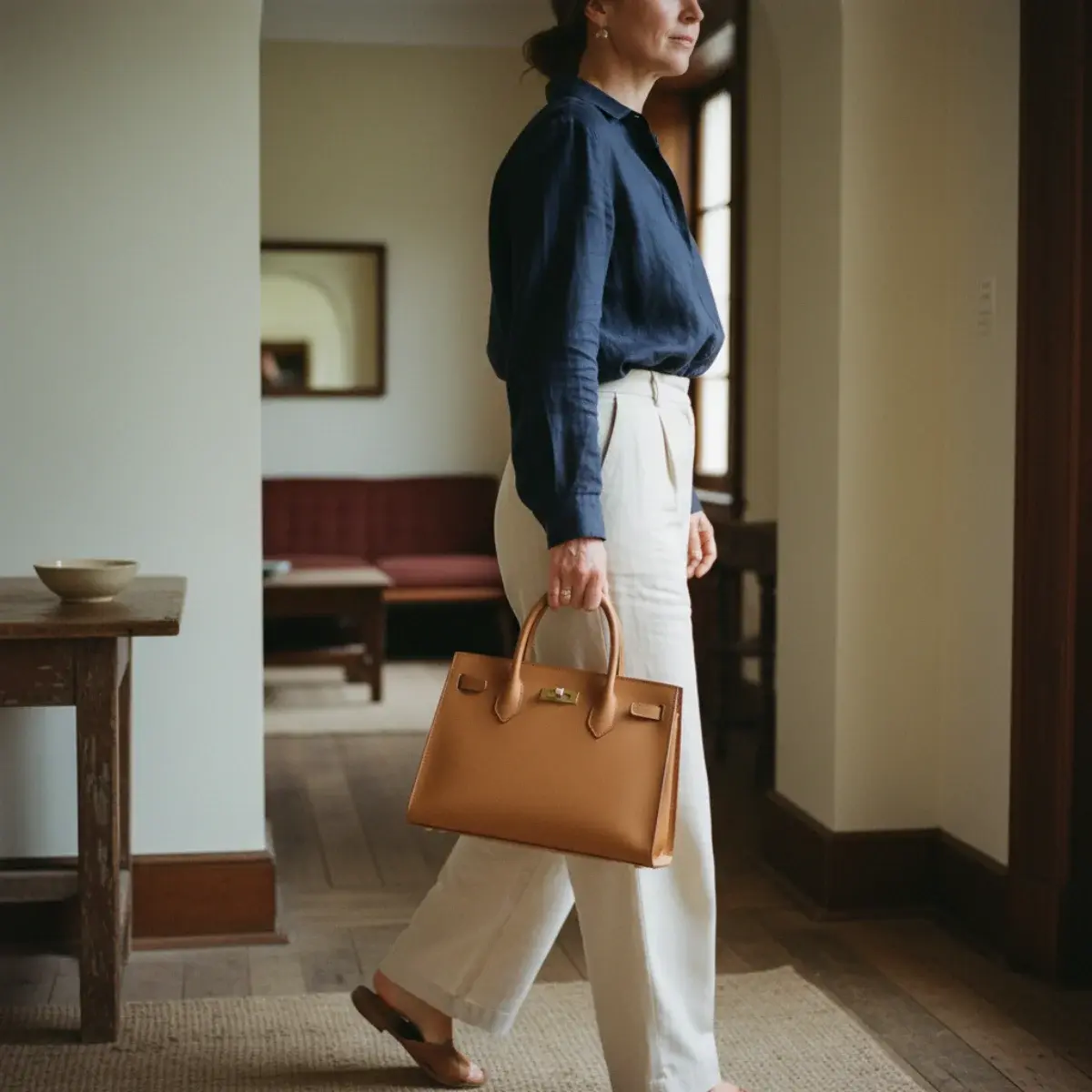
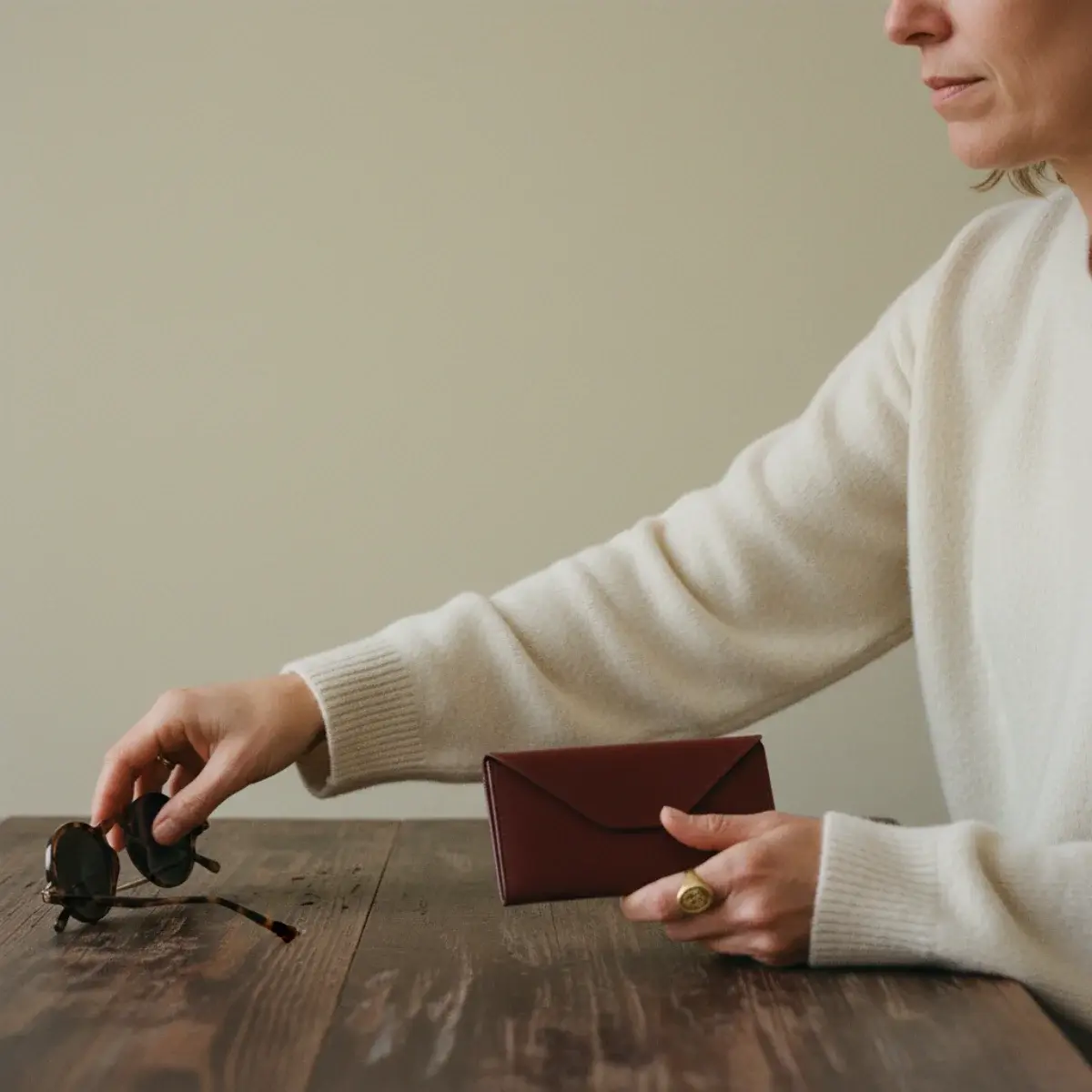
Bags should be structured, neutral, and discreet. A leather tote in cognac or black, a small top-handle bag, and a simple crossbody handle nearly every occasion, and none of them needs visible hardware to justify itself. Sunglasses follow suit: a classic tortoiseshell or black acetate frame, nothing mirrored, nothing branded across the lens. The connecting thread, again, is leather and acetate over plastic, neutral over bright, and the absence of anyone else's name on your things.
Old money vs new money: the table that explains everything
The clearest way to understand old money is by contrast. New money and old money often spend similar amounts; they simply spend it on opposite signals. The distinction has been a search query in its own right — old money vs new money — and the answer lives in the details.
| Signal | Old money | New money |
|---|---|---|
| Logos | Hidden or absent | Visible, often large |
| Palette | Muted neutrals | High-contrast, bright, seasonal |
| Fabric | Wool, cashmere, silk, cotton | Whatever photographs as expensive |
| Fit | Tailored to the body | Bought for the brand, worn as-is |
| Shoes | Polished neutral leather | Trend sneakers, statement heels |
| Bags | Structured, discreet | Recognisable it-bags |
| Lifespan | Decades; pieces are inherited | Seasons; pieces are replaced |
| Message | "I don't need you to notice" | "I need you to notice" |
The table is not a moral judgement — both wardrobes can be beautiful, and plenty of people enjoy the unapologetic shine of new money dressing. But if old money is the look you want, every choice should slide toward the left column.
How to build the aesthetic on a real budget
This is the section the trust-fund framing exists to obscure, so let me be plain about it. You do not need money to look like old money. You need a strategy.
Start with fit. A blazer that fits through the shoulders reads more expensive than a designer one that gapes, and a local tailor will take in a second-hand jacket for less than the cost of a fast-fashion blazer that will pill within a season. Tailoring is the highest-leverage spend in the entire wardrobe.
Buy second-hand for fabric. Consignment shops, estate sales, and resale platforms are full of wool coats and cashmere knits from labels like Max Mara, Brooks Brothers, and Ralph Lauren, priced at a tenth of new because their original owners moved on. These pieces were built to last, which is exactly why they survived to reach you.
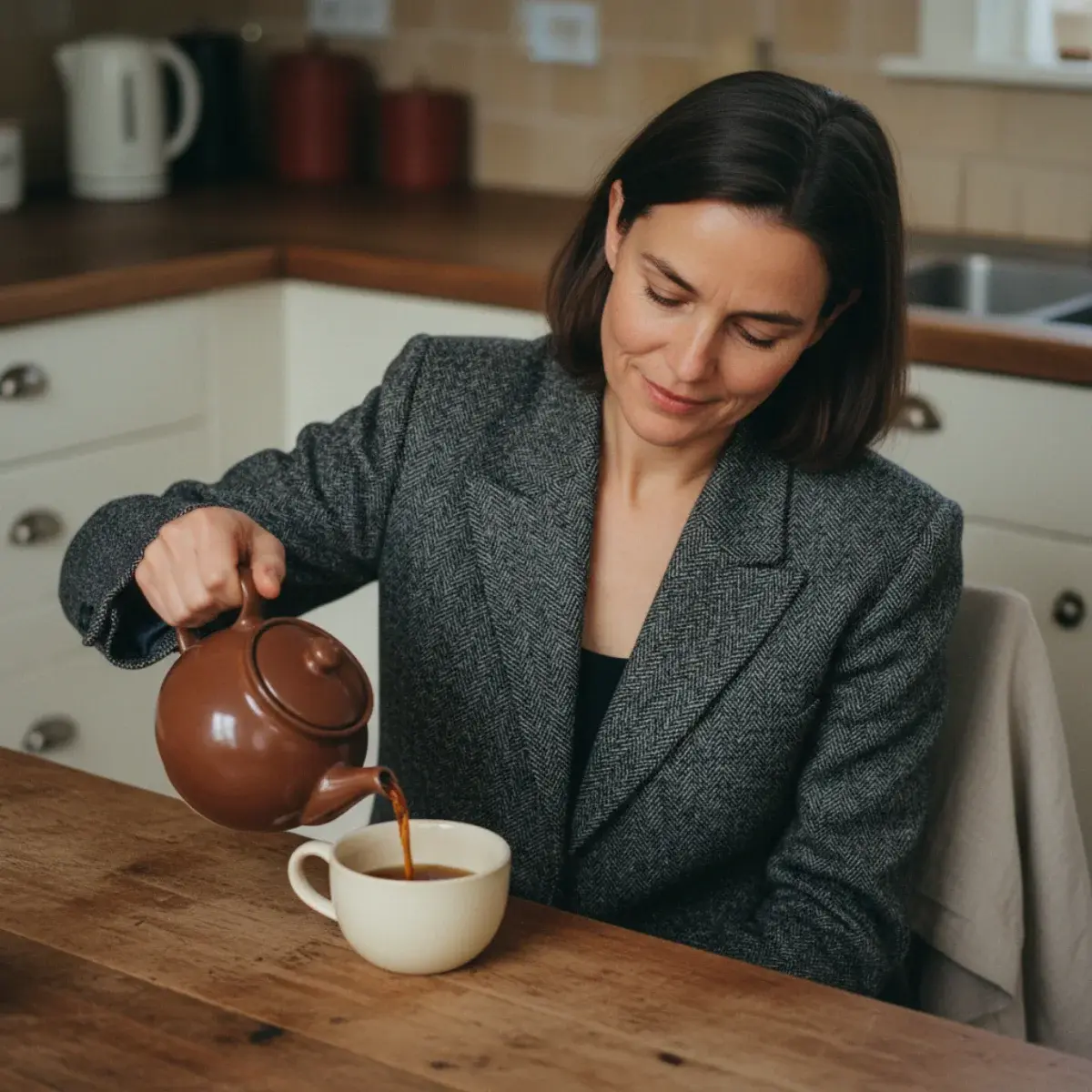
Shop the high street strategically. Brands like COS, Uniqlo, Massimo Dutti, and Mango produce neutral, minimal pieces that pass at a glance — a Uniqlo merino crewneck or a COS wool coat does most of the work of its luxury cousin. The trick is to ignore everything trend-driven in those stores and buy only the quiet pieces.
And buy slowly. The fastest route to the aesthetic is not a haul; it is one considered purchase a season, each in the palette, each compatible with what you own. A wardrobe assembled this way looks intentional because it is. For a step-by-step framework, our guide on how to put together an outfit maps the mixing logic, and the occasion outfit ideas hub shows how the same small wardrobe adapts to weddings, work, and dinners.
It helps to think in three price tiers and shop across all of them. At the entry tier, Uniqlo, COS, Mango, and Marks & Spencer produce neutral knits, wool-blend coats, and tailored trousers that pass at a glance — a Uniqlo merino crewneck or an M&S wool coat covers the basics for a modest sum. At the mid tier, Massimo Dutti, J.Crew, Sézane, and the better consignment finds from Max Mara and Brooks Brothers give you genuine wool, cleaner cuts, and pieces that survive a decade. The top tier — Loro Piana, The Row, Brunello Cucinelli, Hermès — is where the fabric becomes its own argument, and where almost no one needs to shop to achieve the look. The point of naming all three is that the aesthetic does not live at any one of them. A top-tier coat over an entry-tier knit, both in camel, reads as one coherent outfit, because the palette and the cut are doing the talking, not the receipts.
 1600×1067
Five old money outfit formulas to copy
Theory is useful; formulas are faster. Each of these is built entirely from the ten core pieces and the accessories above, which is the proof that a small wardrobe is not a limited one.
- The weekday default. Navy blazer, cream cashmere crewneck, pressed grey wool trousers, leather loafers, a slim watch. It clears every office short of black tie and reads exactly as composed at a lunch as it does at a desk.
- The off-duty uniform. Dark straight-leg denim, a white oxford shirt worn open over a fine knit, a stone trench, and clean tonal sneakers. This is the American prep dialect in its purest, most repeatable form.
- The cold-weather layer. Camel wool coat over a roll-neck and tailored trousers, a cashmere scarf in grey, ankle boots. Warm, quiet, and the backbone of nearly every fall outfit in this publication.
- The dinner edit. Silk slip dress in ivory or burgundy, a tailored coat thrown over the shoulders rather than worn, a low pointed heel, pearls. It moves from a gallery opening to a restaurant without a single change.
- The English weekend. Tweed blazer, fine knit, dark trousers, a quilted gilet for the chill, riding-style boots, a silk scarf knotted at the neck. Land, not leisure.
Memorise two of these and you will never again stand in front of the closet without an answer.
 1600×1067
Reading the rooms: where old money dressing actually goes
The aesthetic is not a costume for special occasions; it is a daily operating system. For the office, the blazer-knit-trousers combination handles nearly every dress code short of black tie, and our business casual breakdown covers the variations. For weekends, the same wardrobe relaxes into dark denim, a crewneck, and loafers. For the cooler months, layering a cashmere knit under the wool coat and finishing with a scarf produces a fall outfit that looks composed in any weather.
Even the dressiest end of the spectrum follows the rule. A silk slip dress, a tailored coat thrown over the shoulders, and a low heel will carry you through a wedding or a gallery opening without a single visible logo — proof that quiet luxury and occasion dressing are not opposites but the same instinct applied at different volumes.
Five mistakes that quietly break the look
 1600×1067
The aesthetic is easier to ruin than to build, because a single wrong note is louder against a quiet background than it would be in a busy outfit. These are the five that come up most often.
The first is chasing the logo-free version of a logo brand — buying the monogram-free bag from a house famous for its monogram, then making sure everyone knows where it is from. The point of old money is that the provenance does not need announcing. If you find yourself steering a conversation toward a label, the label has already won.
The second is synthetic fabric in tailoring. A polyester blazer photographs fine and falls apart in person; it catches the light wrong, it does not press, and it pills. Wool, even an inexpensive wool blend, reads honest where polyester reads costume. This is the one corner not to cut.
The third is poor fit. Old money tailoring is altered to the body. A jacket that gapes at the shoulder or a trouser that pools at the ankle undoes the effect no matter how good the fabric, which is why a tailor is the highest-value relationship in the whole project.
The fourth is trend footwear. The current season's chunky sneaker or platform dates the outfit instantly and pulls it toward fast fashion. Neutral leather — loafers, flats, a low pump, a clean tonal trainer — keeps it anchored, as our shoe styling guide lays out in full.
The fifth is over-accessorising. The instinct, having built a quiet outfit, is to add — a second necklace, a statement earring, a bright bag. Resist it. The discipline that builds the look is the same discipline that finishes it: stop one piece sooner than feels natural.
A short word on the over-50 wardrobe
 1600×1067
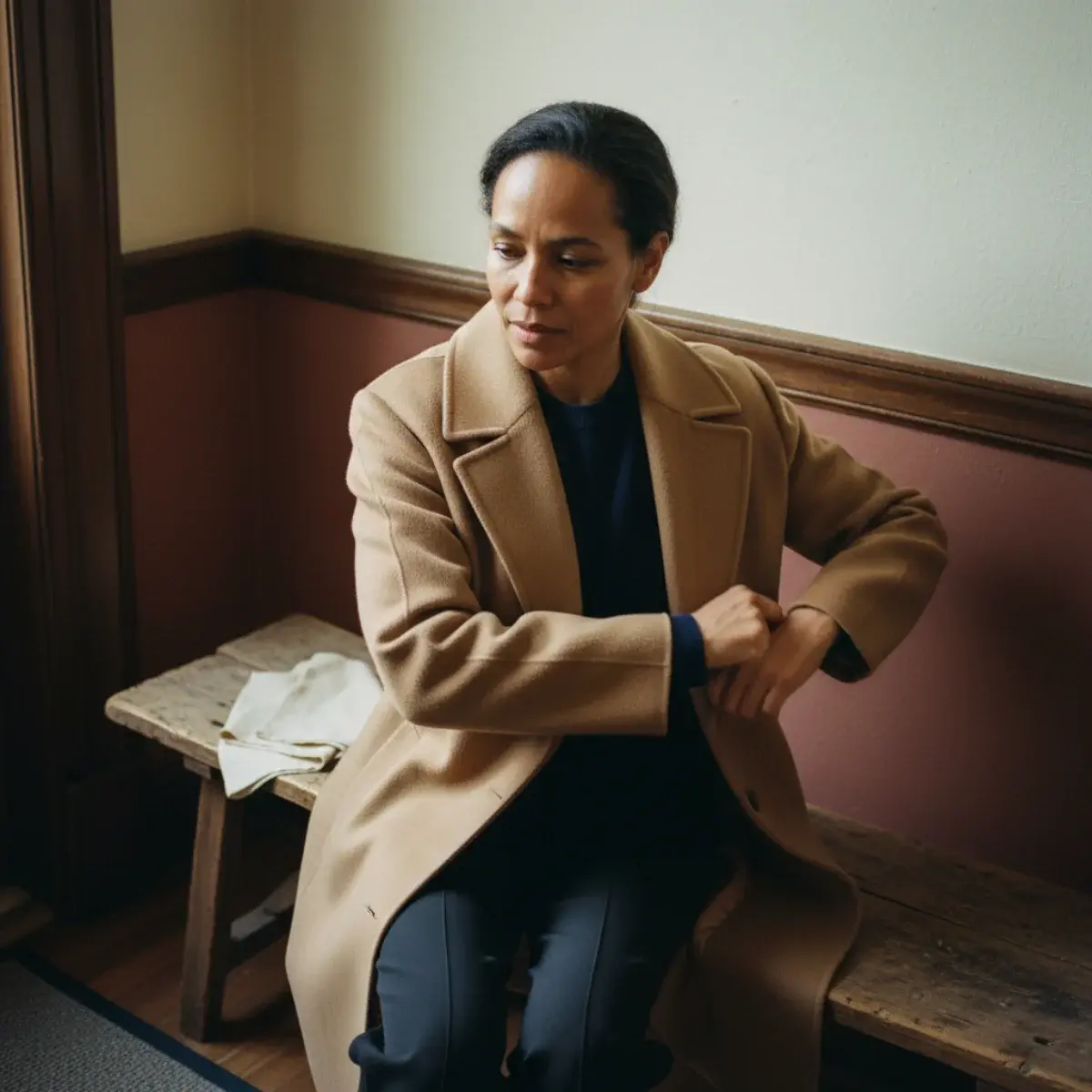
A large share of the people searching for this aesthetic are women dressing for their forties, fifties, and beyond, and old money style answers that brief almost exactly. The palette flatters every complexion, the silhouettes skim rather than cling, and the emphasis on fabric over trend means the clothes never look like they are trying to borrow from a younger decade. A camel coat, a cashmere roll-neck, well-cut trousers, and a pair of leather loafers is a uniform that reads as assured at twenty-five and at sixty-five. The aesthetic ages the way the clothes do — slowly, and well.
Key takeaways
- 1Old money style signals wealth through fabric, cut, and restraint, never through logos.
- 2The core palette is navy, camel, cream, grey, and a few muted accents that mix without clashing.
- 3Ten pieces — a wool coat, blazer, cashmere knit, tailored trousers, white shirt, and a few more — build the entire look.
- 4Quiet luxury is the 2022 commercial label for an aesthetic that predates it by a century.
- 5The look is fully reproducible on a budget through tailoring, second-hand fabric, and slow, palette-led shopping.
Where to go from here
Old money is less a trend than a method, and the rest of this silo takes it apart by audience and season. Start with the dedicated breakdowns of old money outfits for women and old money outfits for men, then read how the aesthetic shifts in the cold months in old money fall outfits. If you want the commercial cousin of the look, the quiet luxury outfits guide covers the brands and pieces the industry sells under that name, and if you are still circling the definition, what old money style actually means settles it. For the historical and editorial context, The Cut and Who What Wear have both tracked the aesthetic's rise in detail, and Ralph Lauren's own archive remains the clearest visual reference for where it began.
Frequently asked
- What exactly is old money style?
- Old money style is a way of dressing that signals wealth through quality and restraint rather than logos. It favours natural fabrics like wool, cashmere, cotton, and silk, a muted palette of navy, camel, cream, and grey, and tailoring that fits precisely. The look is built to last decades, not seasons, which is why vintage and inherited pieces sit comfortably alongside new ones.
- How do I dress old money on a budget?
- Buy fewer pieces in better fabric, then care for them. A second-hand cashmere crewneck, a tailored navy blazer from a consignment shop, straight-leg trousers, and a white button-down cover most of the aesthetic. Tailoring a cheap blazer to fit costs less than a designer one and reads more expensive. The budget version of old money is patience: one good piece a season beats a closet of fast fashion.
- What is the difference between old money and quiet luxury?
- Quiet luxury is the commercial label the fashion industry gave to old money style around 2022, popularised by shows like Succession and brands like The Row and Loro Piana. Old money is the older cultural reference — the WASP, Ivy, and European aristocratic dressing that quiet luxury borrows from. In practice the wardrobes overlap almost completely; quiet luxury is simply old money with a marketing budget.
- What colours define the old money palette?
- Navy, camel, cream, ivory, charcoal grey, forest green, burgundy, and chocolate brown form the core. These neutrals mix with one another without clashing, which is the point — a closet built on them produces dozens of outfits from a dozen pieces. Bright colour appears rarely and in small, considered doses, usually through a silk scarf or a knit.
- Can you wear logos in old money style?
- No, and the absence is deliberate. The old money signal is that you do not need a logo to communicate value; the cut, fabric, and fit do it. Visible monograms, oversized branding, and it-bags with recognisable hardware all read as new money. The exception is heritage hardware so discreet it goes unnoticed by anyone outside the know.
- Is old money style the same as preppy?
- They overlap but are not identical. Preppy is one regional dialect of old money — the American Ivy and country-club version, with its polos, loafers, and pastels. Old money is the broader category and includes European tailoring, English country dressing, and continental minimalism. All preppy is old-money-adjacent; not all old money is preppy.
- What shoes complete an old money outfit?
- Leather loafers, ballet flats, a clean white or tonal leather sneaker, riding-style boots, and a low pointed pump cover nearly every occasion. The unifying rule is real leather in a neutral tone, kept polished. Logos, chunky platforms, and trend sneakers break the look immediately.
Written by Marguerite Sterns, looksyra editorial. Last updated May 2026.
Everything in this guide
 Save
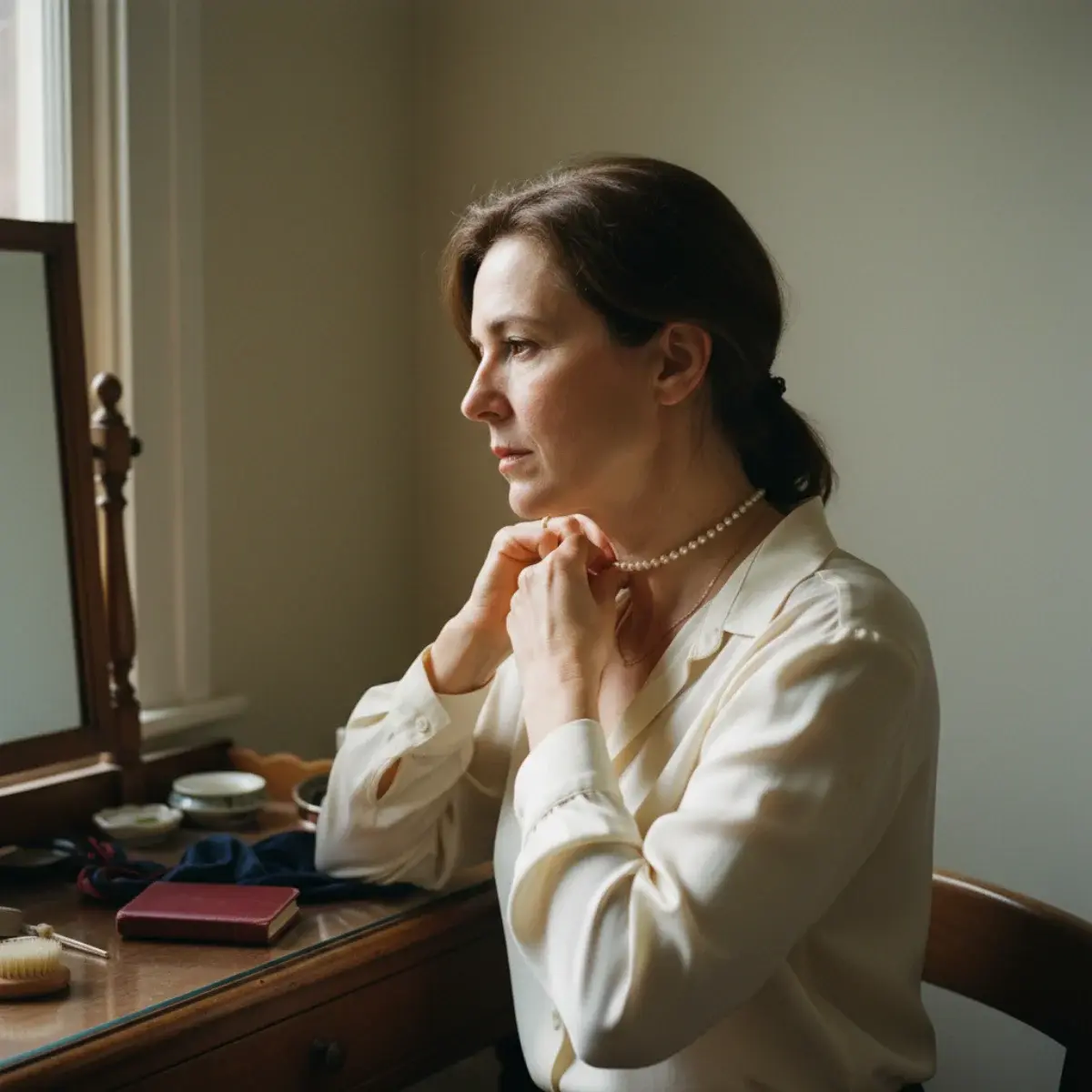
SaveWhat Is Old Money Style? The Meaning, Rules & How to Dress It
Read guide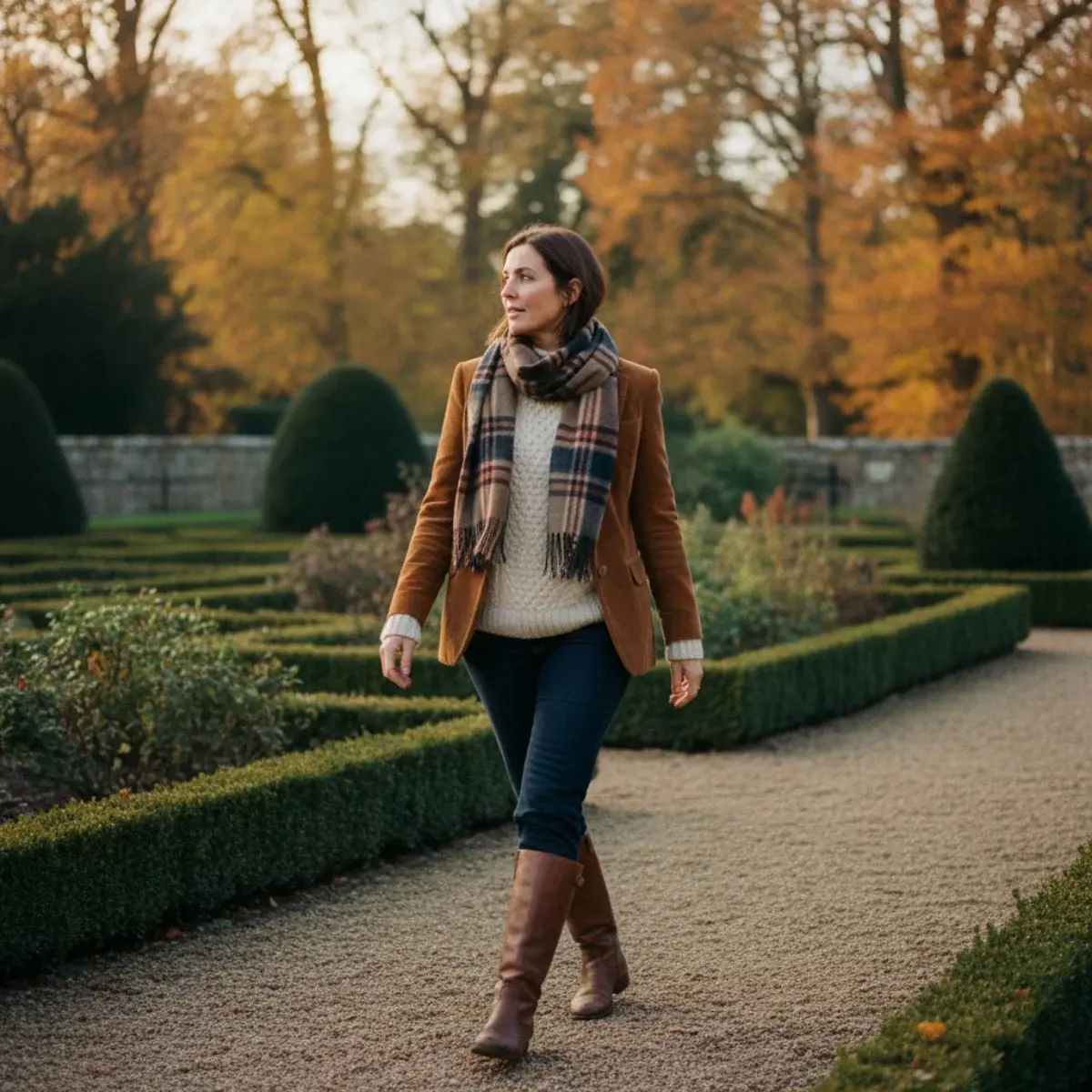 Save
SaveOld Money Fall Outfits: 12 Autumn Looks in Camel, Tweed & Oxblood
Read guide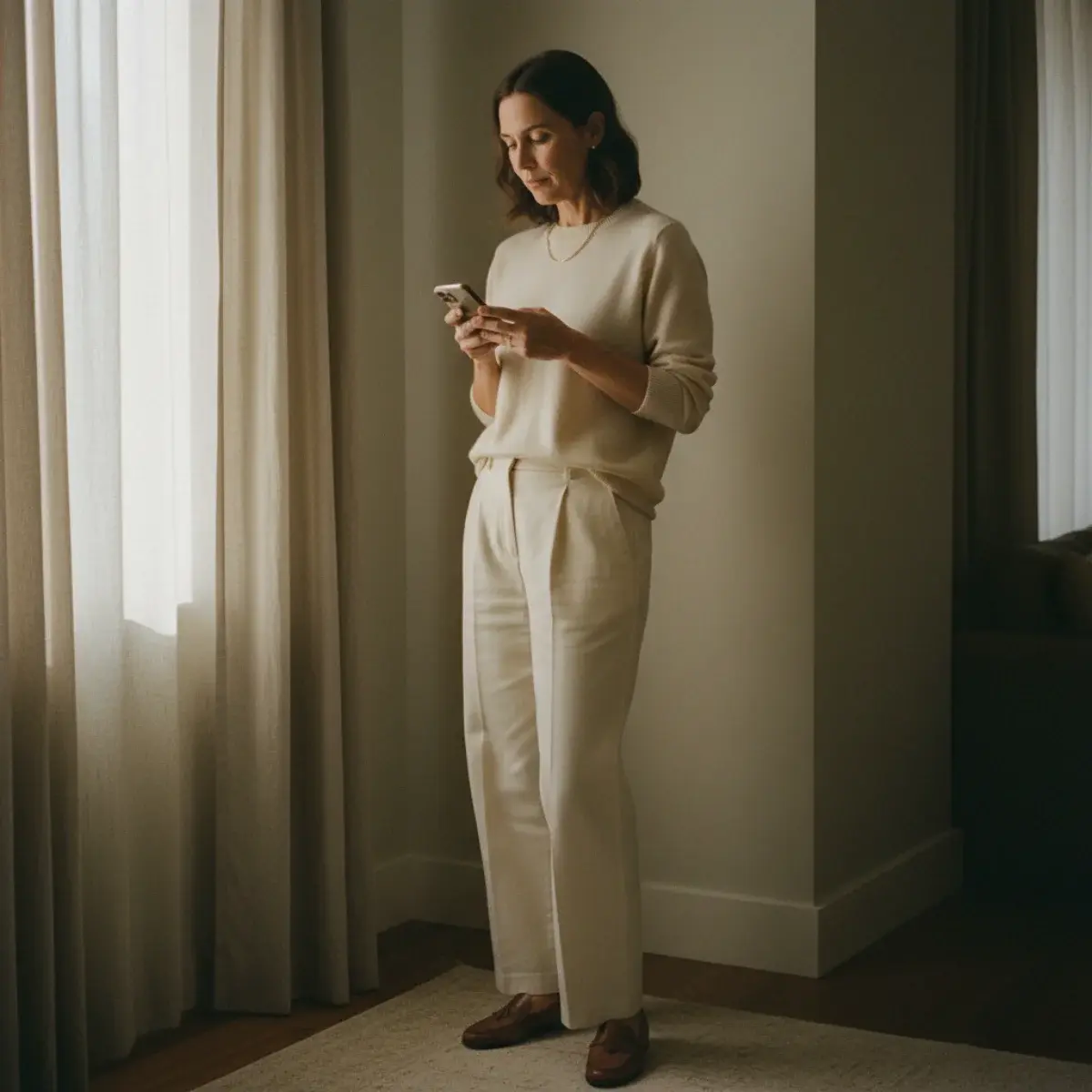 Save
SaveQuiet Luxury Outfits: 11 Looks and the Brands Behind the Stealth-Wealth Trend
Read guide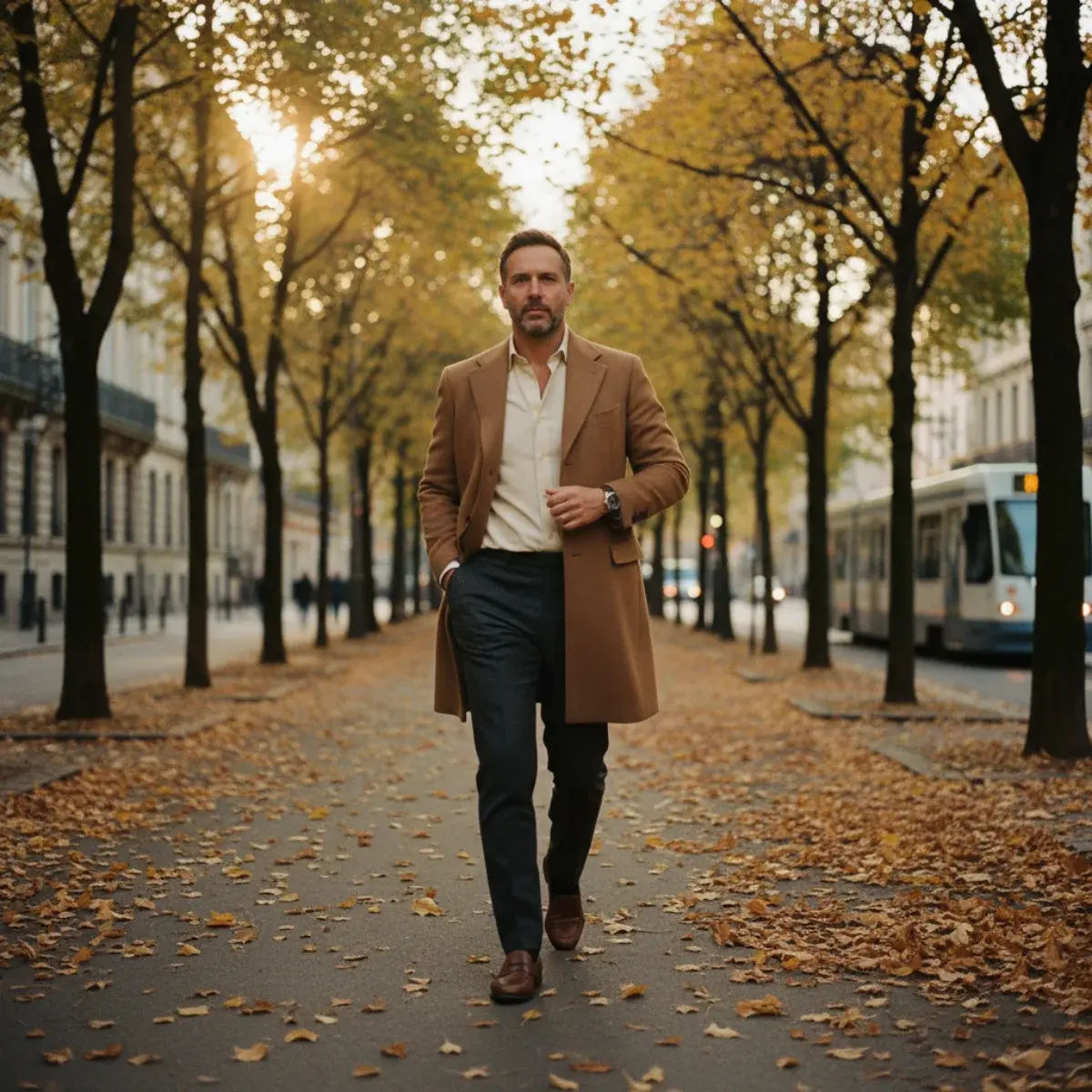 Save
SaveOld Money Outfits for Men: 10 Looks Built on Tailoring, Not Logos
Read guide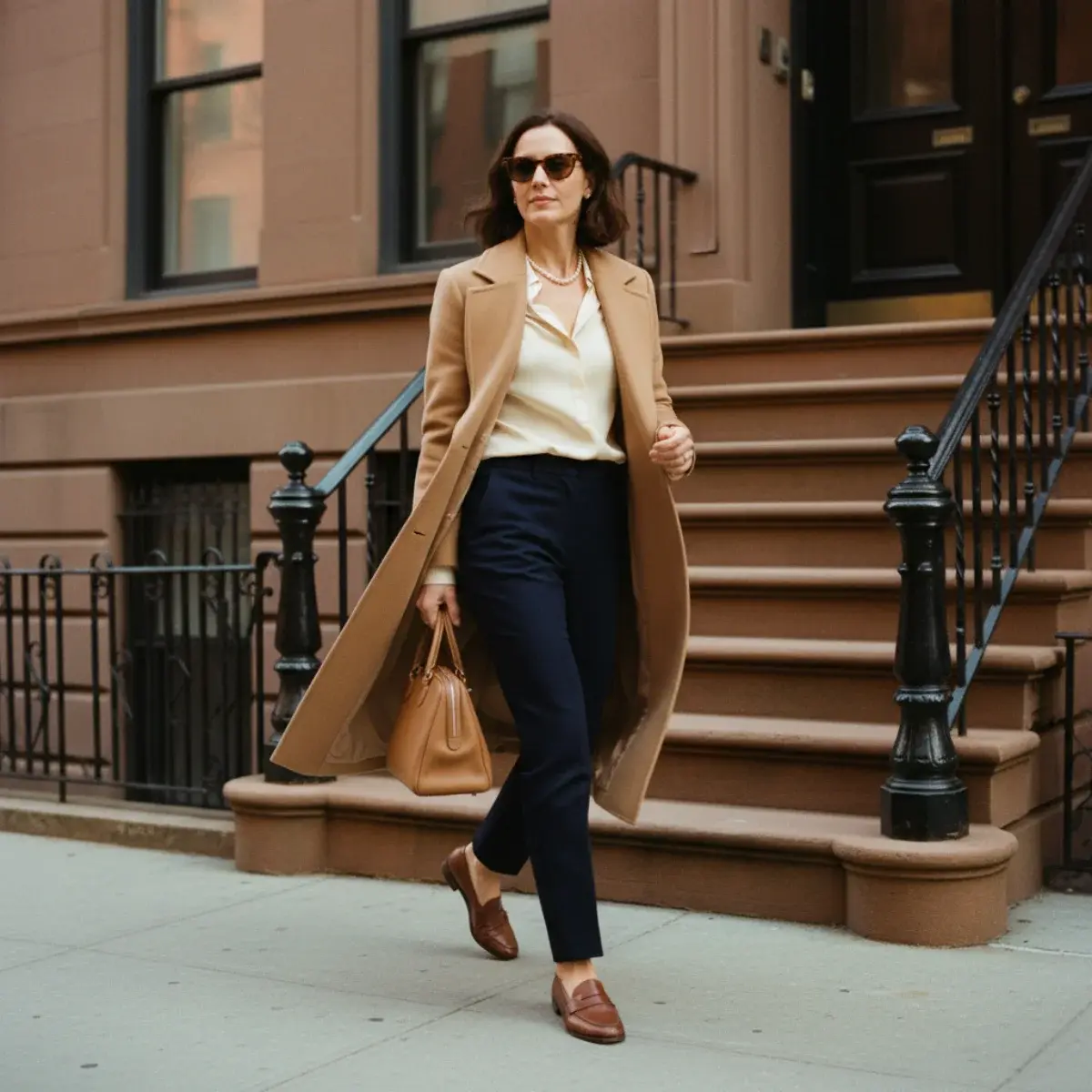 Save
Save