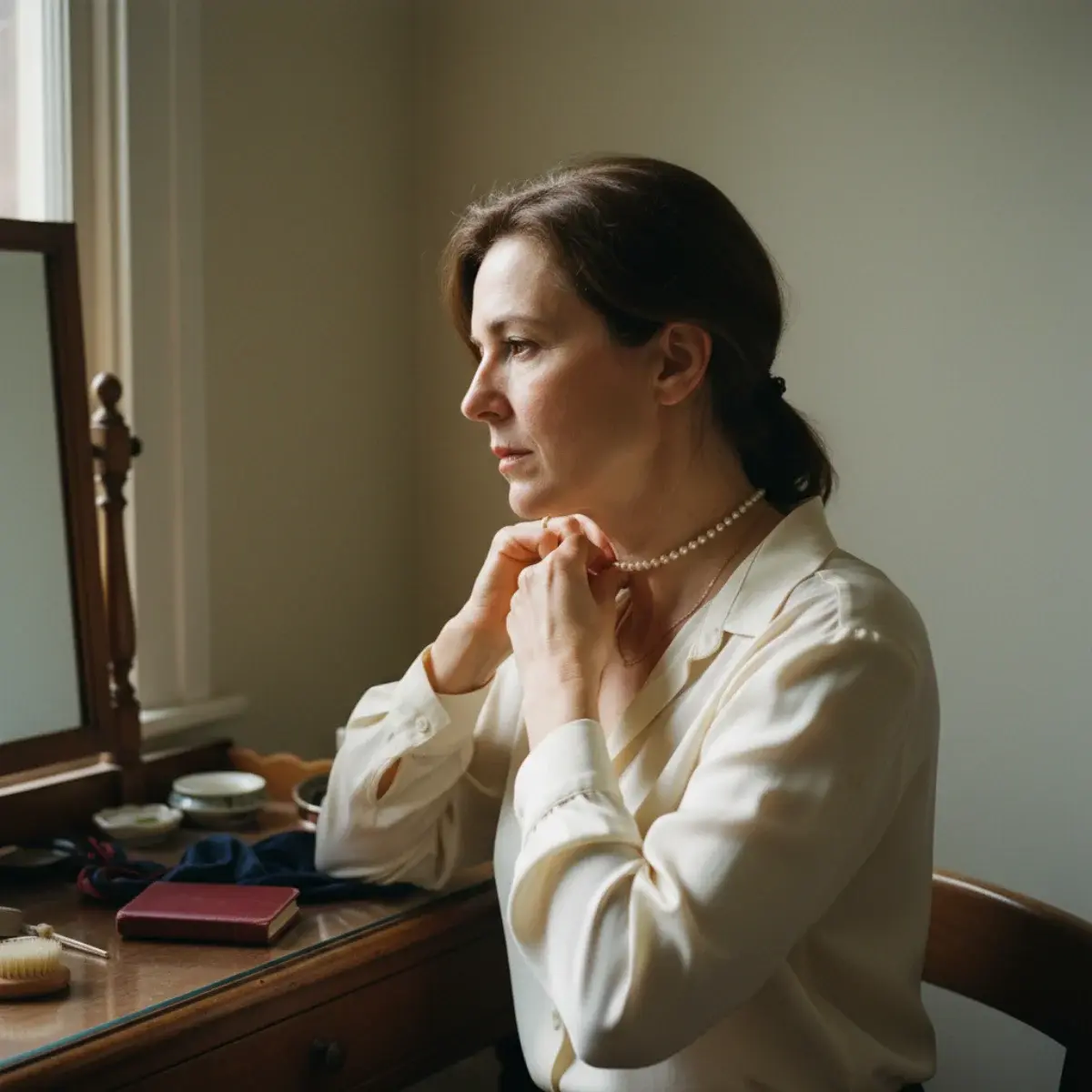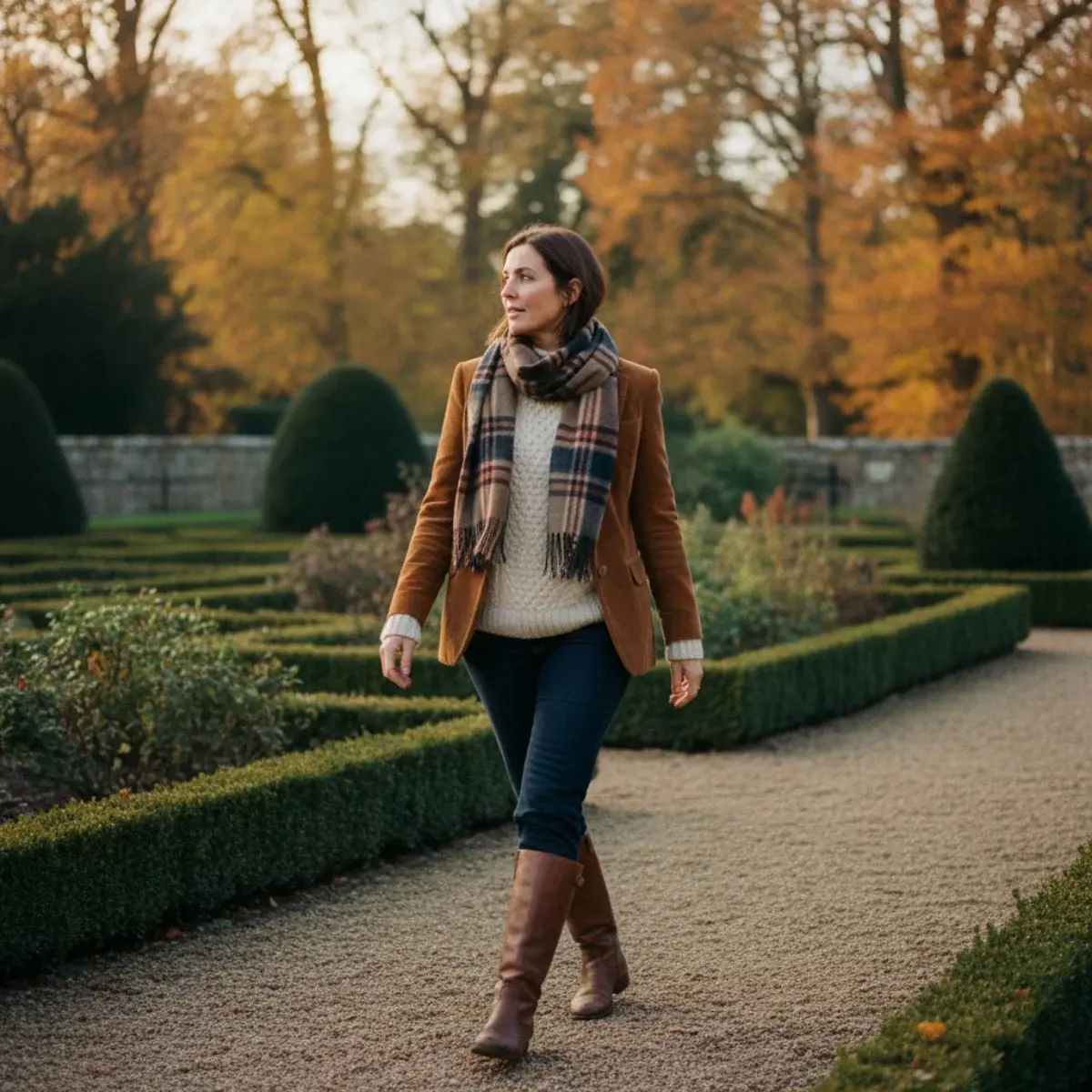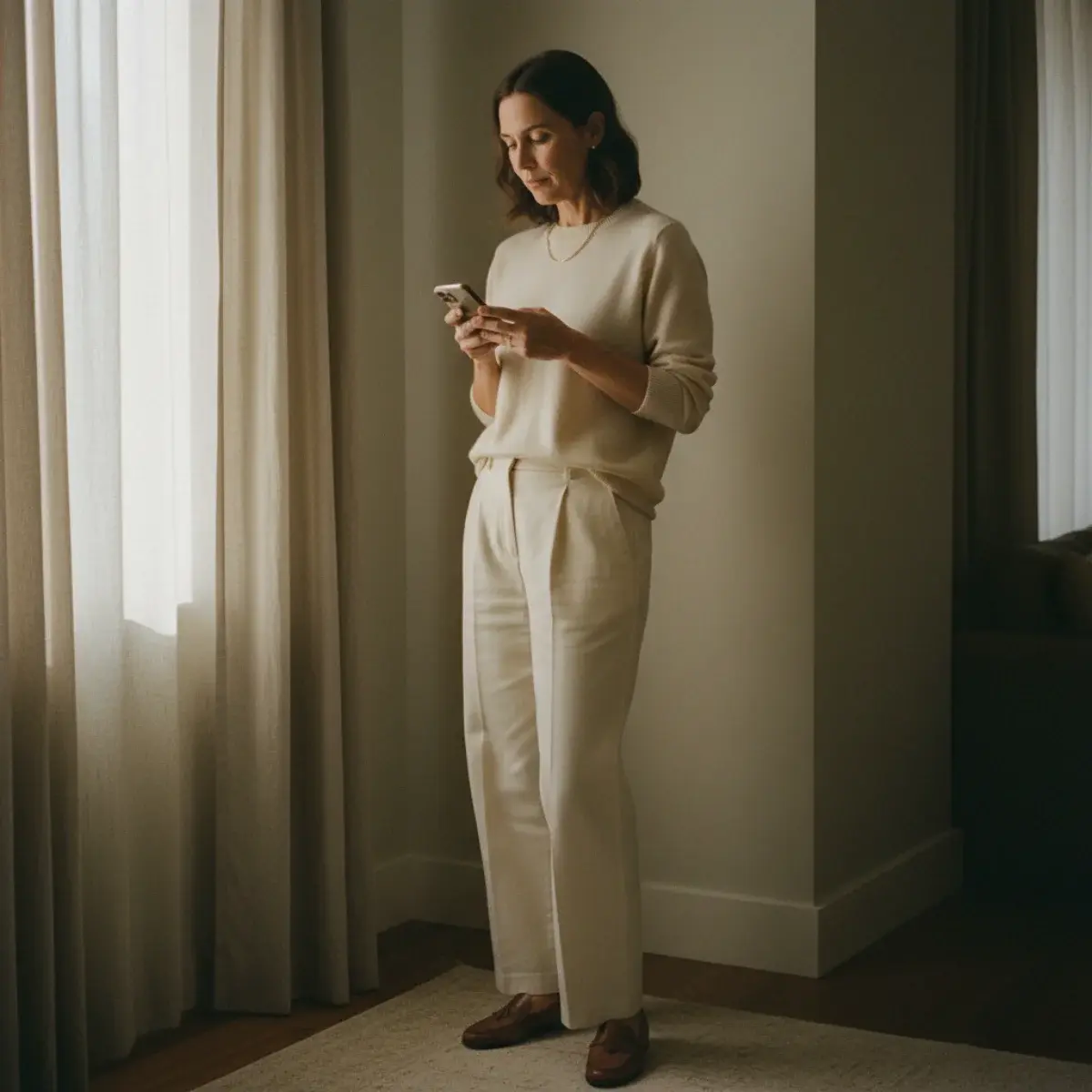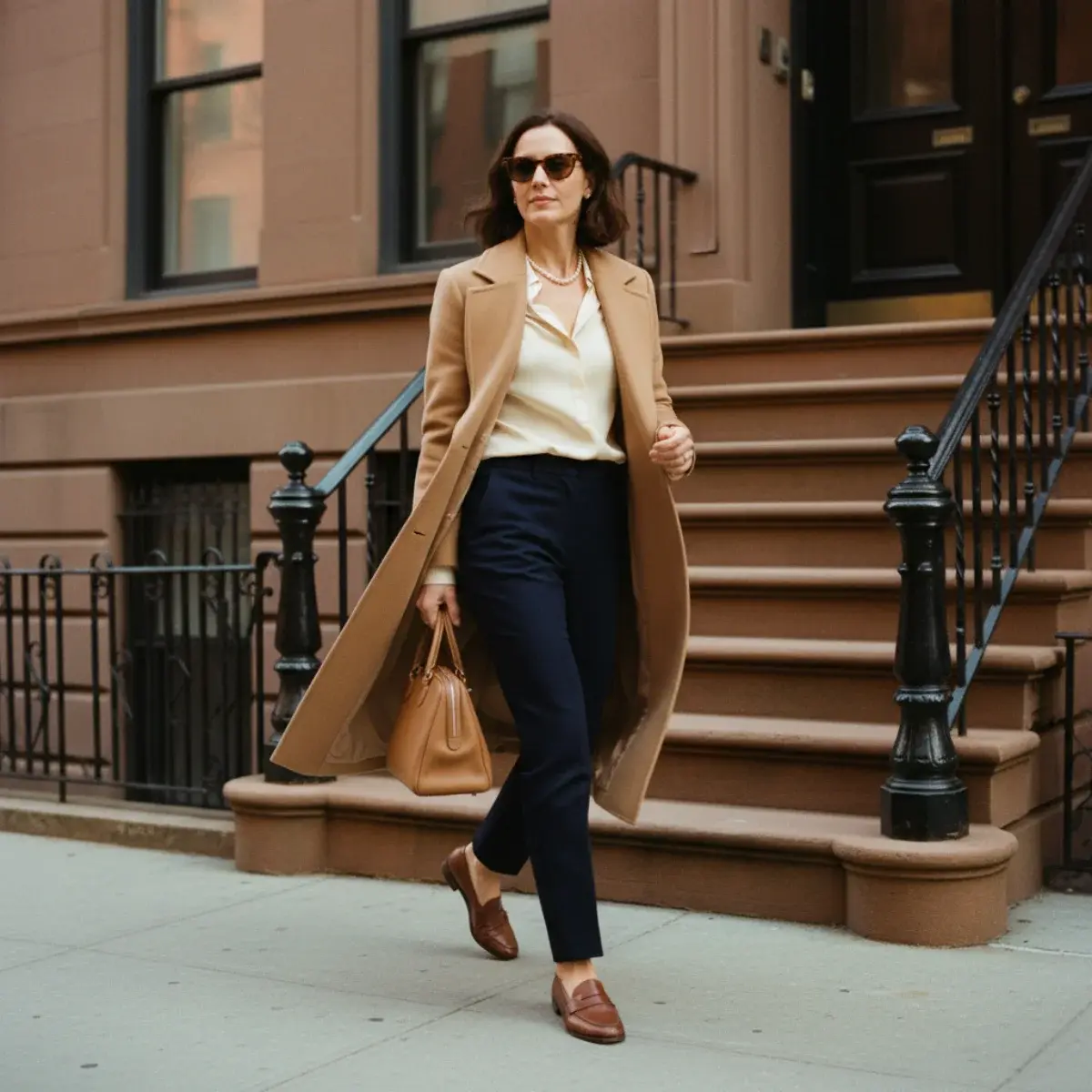
There is a particular sound a wool coat makes when it settles across the shoulders — a soft, heavy drop, nothing like the static cling of a synthetic — and it is the closest thing old money dressing has to a signature. For women, this aesthetic has become one of the most searched looks of the decade, and the appeal is straightforward: it flatters nearly everyone, it ages well, and it asks for taste rather than spending. The full theory lives in our complete guide to old money outfits; what follows is the practical version — twelve looks you can copy this week, grouped by where you are going.
Before the looks, one rule that ties them all together, and the hill this guide will die on: an old money outfit is judged by what it leaves out. Every look below could carry one more accessory, one brighter piece, one logo. The reason it works is that it does not.
The seven pieces behind all twelve looks
Every outfit in this guide is assembled from the same short list, which is the quiet superpower of the aesthetic: a small wardrobe that recombines endlessly. Buy these seven well — in the palette, in natural fabric — and the twelve looks build themselves.
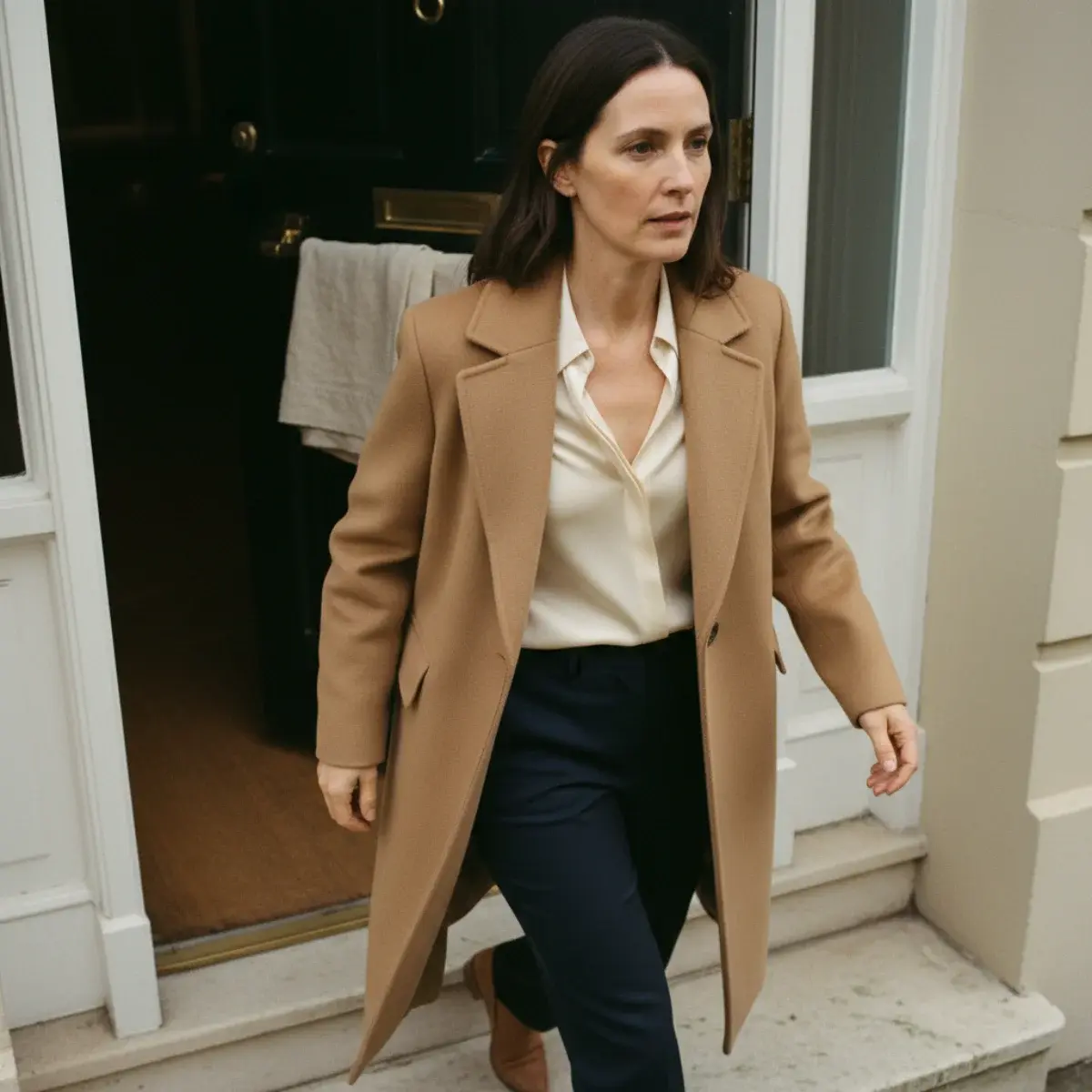
The camel or navy wool coat is the anchor; it lifts everything underneath it and reads as the most expensive thing you own even when it is second-hand. A fine-gauge cashmere or merino knit in cream, camel, or grey does the bulk of the styling work, layering under coats and over shirts. A tailored blazer in navy or grey, altered to fit through the shoulder, carries the office looks. Straight-leg or wide-leg trousers in wool or a wool blend, pressed, partner with every top half on the list. A crisp white cotton button-down works buttoned under the blazer, open over a knit, or tucked into a skirt — one shirt, an entire week. Dark, undistressed denim handles the weekends. And a silk slip dress in ivory or burgundy covers the evenings.
Notice what is absent: nothing trend-led, nothing logo-printed, nothing that only works once. The discipline is in the buying, not the styling. If you assemble these seven over a few seasons rather than a single haul, the wardrobe looks intentional because it is — the same slow-purchase logic behind any capsule wardrobe.
 1600×1067
Old money work outfits for women
The office is where this aesthetic earns its keep, because the same restraint that reads as taste also reads as competence. None of these need a strict dress code to make sense; they simply default to looking pulled together.
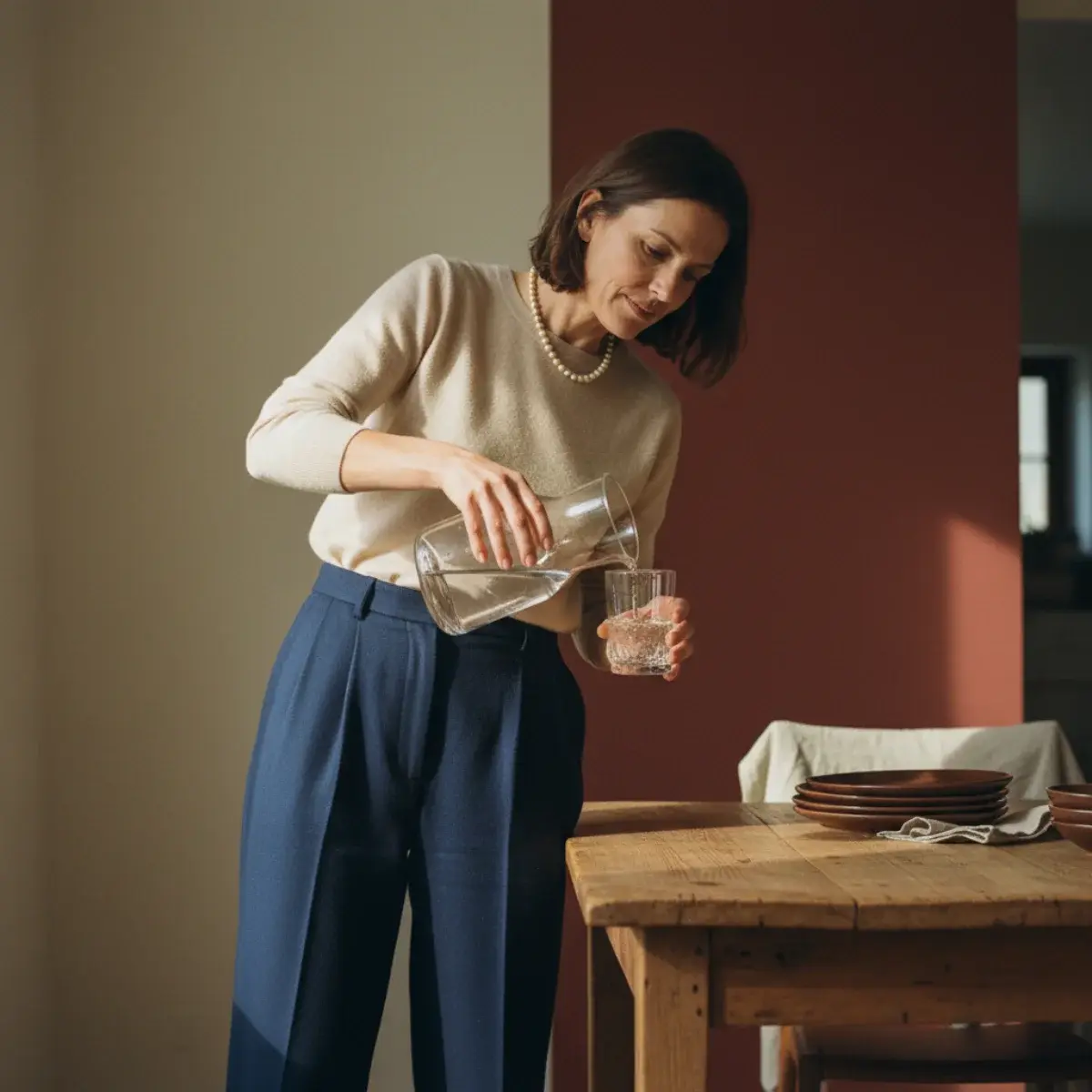
- The navy three-piece. A single-breasted navy blazer, a cream fine-gauge knit, and pressed grey wool trousers, finished with leather loafers and a slim watch. It clears nearly every office short of black tie.
- The trouser-and-blouse. An ivory silk blouse tucked into camel wide-leg trousers, a thin gold chain at the neck, a low pointed pump. Quiet, but unmistakably considered.
- The skirt suit, softened. A charcoal pencil skirt with a matching knit rather than a stiff jacket, sheer-to-skin tights, and ballet flats. The matched tone does the formal work; the knit keeps it human.
For the full range of office dressing, including looser dress codes, our business casual guide for women maps the variations, and the occasion outfit hub covers everything from interviews to client dinners.
 1600×1067
Old money weekend outfits
Off-duty is where the American prep dialect of old money comes through most clearly — relaxed, but never sloppy. The trick is that the fabric stays good even when the styling loosens.
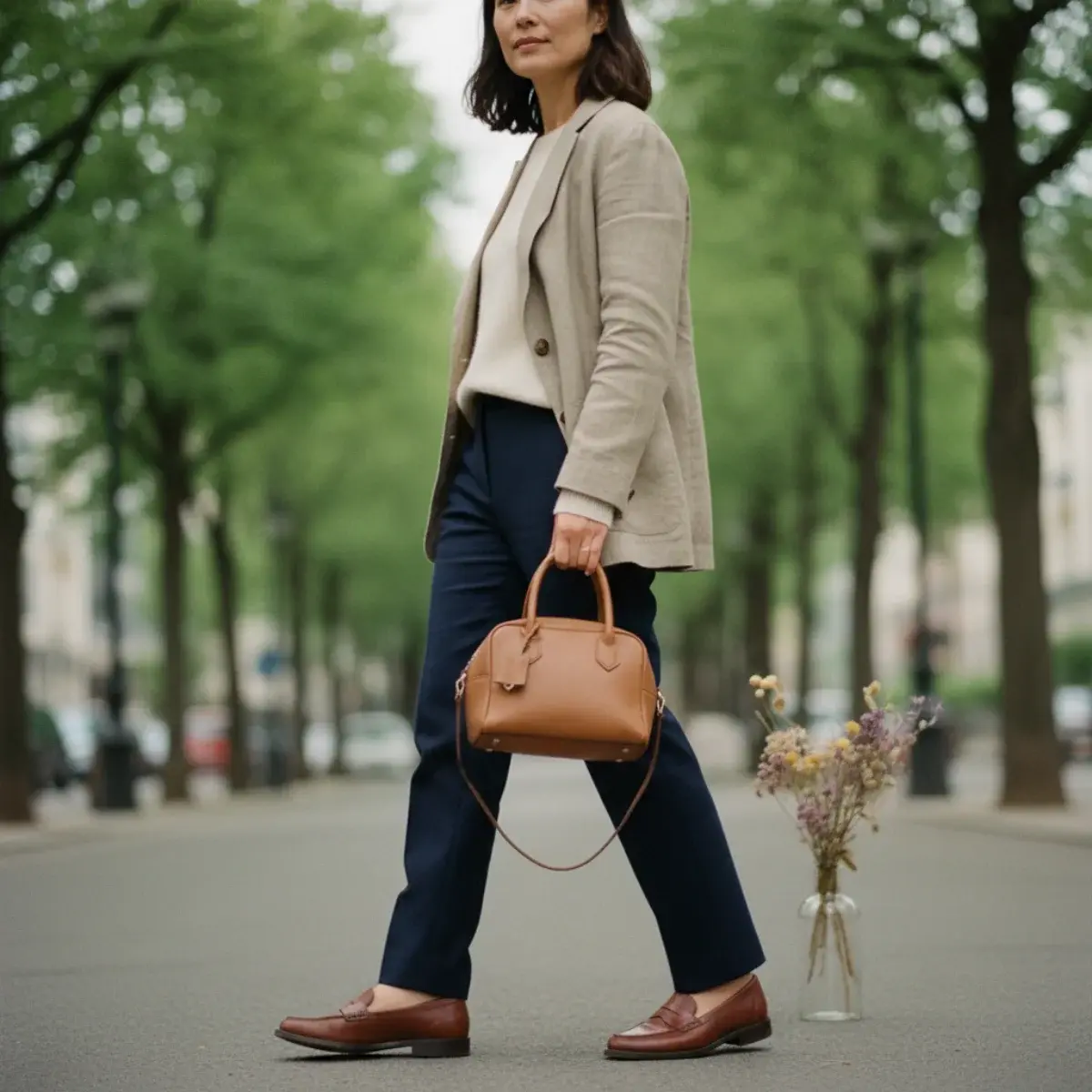
- The denim-and-cashmere. Dark straight-leg jeans, a camel cashmere crewneck, a white shirt collar peeking out beneath, and clean tonal sneakers. The most repeatable weekend look there is.
- The shirt-dress walk. A cotton or linen shirt-dress in stone, a thin leather belt, flat leather sandals, and a structured tote. Effortless without trying to be.
- The layered knit. A fine roll-neck under a quilted gilet, dark trousers, and ankle boots — the English country accent, scaled down for a city Saturday.
A silk scarf, a structured neutral bag, and a pair of tortoiseshell sunglasses lift any of these from plain to polished without adding a single logo.
 1600×1067
Old money evening and occasion outfits
Dressing up under this aesthetic means going quieter, not louder — the opposite of most evening advice. The drama comes from fabric and line, not embellishment.
- The silk slip. An ivory or burgundy silk slip dress, a tailored coat thrown over the shoulders rather than worn, a low heel, and pearls. It moves from a gallery opening to dinner without a change.
- The column knit. A long, fine-knit column dress in charcoal or chocolate, a single gold cuff, and a pointed flat. Severe in the best way.
- The wedding-guest edit. A muted midi in a self-coloured print, a clutch in matte leather, and a kitten heel — the restraint that reads as respect at someone else's event, covered fully in our wedding-guest guide.
The jewellery rule holds across all three: one good piece, not three. Our jewellery styling guide explains why a single fine chain beats a stack every time.
 1600×1067
Seasonless old money basics every woman should own
These three looks are not occasion-specific; they are the connective tissue that makes the rest of the wardrobe work, and they carry from one season into the next with only a change of layer.
- The camel coat over everything. A camel wool coat is the single most transformative piece a woman can own for this aesthetic — it elevates jeans and a knit as readily as it does trousers and a blouse.
- The white shirt, three ways. A crisp white cotton button-down, worn buttoned under a blazer, open over a knit, or tucked into a skirt. One shirt, an entire week of outfits.
- The cashmere-and-trousers. A fine knit and tailored trousers in two neutrals, the quietest possible outfit, and the one you will reach for most. It is also the backbone of any capsule wardrobe.
For the cold months, all twelve looks shift toward layering and richer texture — the full cold-weather treatment is in our guide to old money fall outfits.
 1600×1067
Old money vs new money: how women's outfits differ
The fastest way to check an outfit is against the contrast that defines the whole look.
| Element | Old money woman | New money woman |
|---|---|---|
| Coat | Camel or navy wool, no hardware | Logo-trimmed, branded buttons |
| Knit | Cashmere or merino, plain | Embellished, branded |
| Bag | Structured neutral leather | Recognisable it-bag |
| Jewellery | One fine piece | Stacked, large, branded |
| Shoes | Polished neutral leather | Trend sneaker or statement heel |
| Overall | Looks expensive on a second glance | Looks expensive on the first |
If an outfit lands in the right-hand column, the fix is almost always to remove something rather than add it.
Key takeaways
- 1Old money outfits for women are built from natural fabric in a muted, self-mixing palette with no visible logos.
- 2A navy blazer, cream cashmere knit, tailored trousers, and leather loafers is the easiest five-piece starting point.
- 3Dark, undistressed denim with a fine knit and loafers is the most repeatable weekend look.
- 4Evening dressing goes quieter, not louder — a silk slip and a coat over the shoulders beats embellishment.
- 5The aesthetic is unusually flattering for women over 50 because it skims the body and ignores trends.
How to accessorize without tipping into new money
In a wardrobe this pared back, accessories carry more weight than they would anywhere else, because there is so little competing for attention. The instinct, having built a quiet outfit, is to add — and that instinct is exactly what to resist.
Start with a scarf. A silk square in the muted palette — knotted at the throat, tied to a bag handle, or threaded through belt loops — adds colour and movement without a logo doing the work, and a high-street version in the right tones reads almost identically to the Hermès original. For jewellery, the rule is one good piece rather than three: a string of real or convincing pearls, a fine gold chain, small hoops, or a signet ring, never all at once. The reasoning is laid out in full in our jewellery styling guide, but the short version is that a single considered piece looks deliberate where a stack looks anxious.
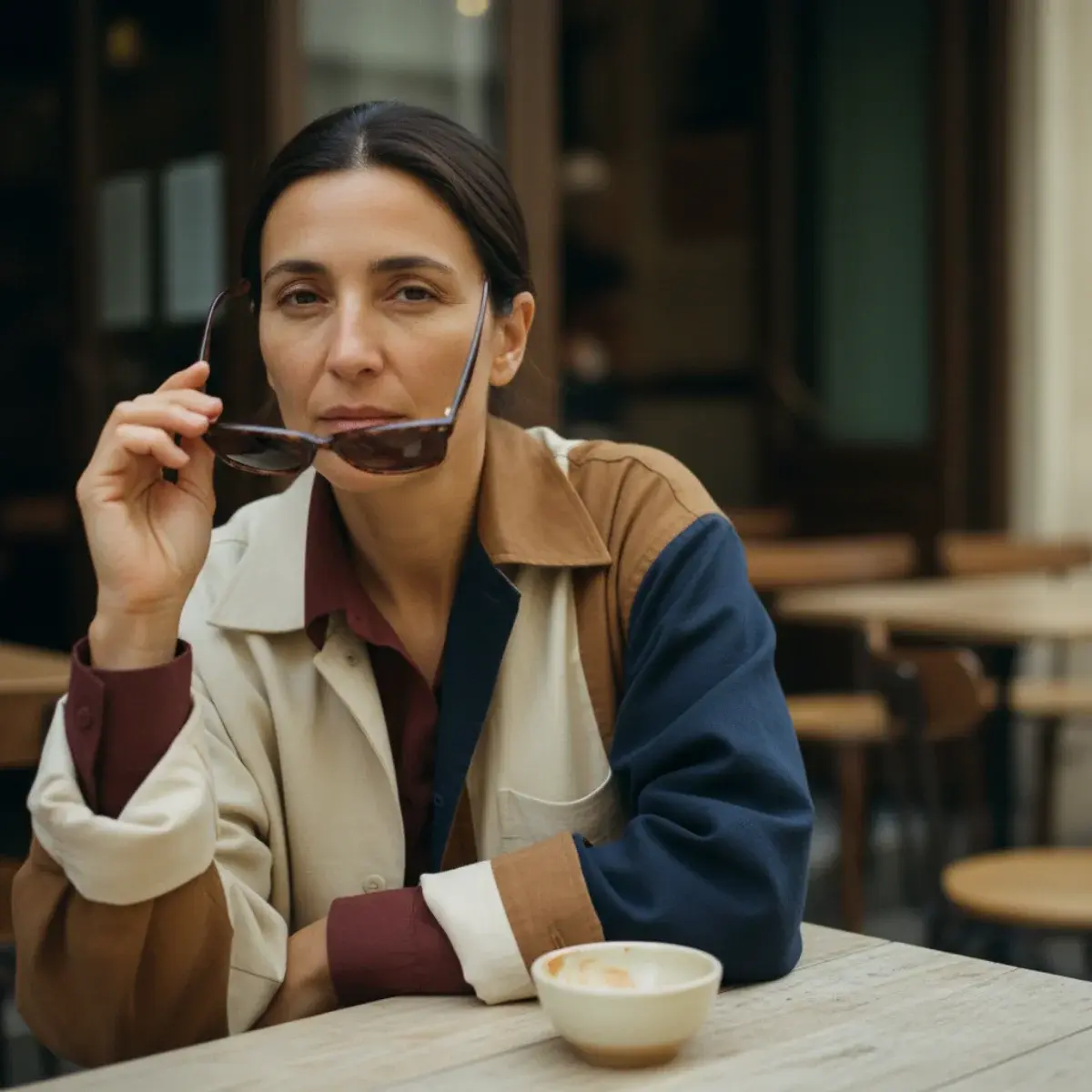
The watch matters more than its size suggests. A slim leather-strapped dress watch reads quiet; an oversized smartwatch or a diamond-set sports model reads loud, and undoes an otherwise composed outfit in a glance. Sunglasses follow the same logic — tortoiseshell or black acetate, nothing mirrored, nothing branded across the lens. And the bag, always, should be structured neutral leather over recognisable hardware, a point covered in depth in our bag styling guide. The connecting thread is leather and silk over plastic, neutral over bright, and no one else's name on your things.
 1600×1067
Old money outfit mistakes women make
The aesthetic is easier to break than to build, because a single wrong note sounds louder against a quiet background. A few come up again and again.
The first is synthetic fabric in place of wool or cashmere. A polyester knit photographs fine and gives itself away in person — it catches the light wrong and pills within a season. This is the corner not to cut, and the one place buying second-hand genuinely closes the gap. The second is distressed or pale, faded denim, which pulls the whole look toward fast fashion no matter how good the top half; old money denim is dark, straight, and plain. The third is trend footwear — the season's chunky sneaker or platform dates an outfit instantly, where neutral leather keeps it anchored, as our shoe styling guide explains.
The fourth, and the most common, is over-accessorising: the second necklace, the statement earring, the bright bag added to a finished outfit. The fix is almost always subtraction. When an outfit feels not-quite-right, the answer is rarely to add — it is to take one thing off.
The old money colour palette for women
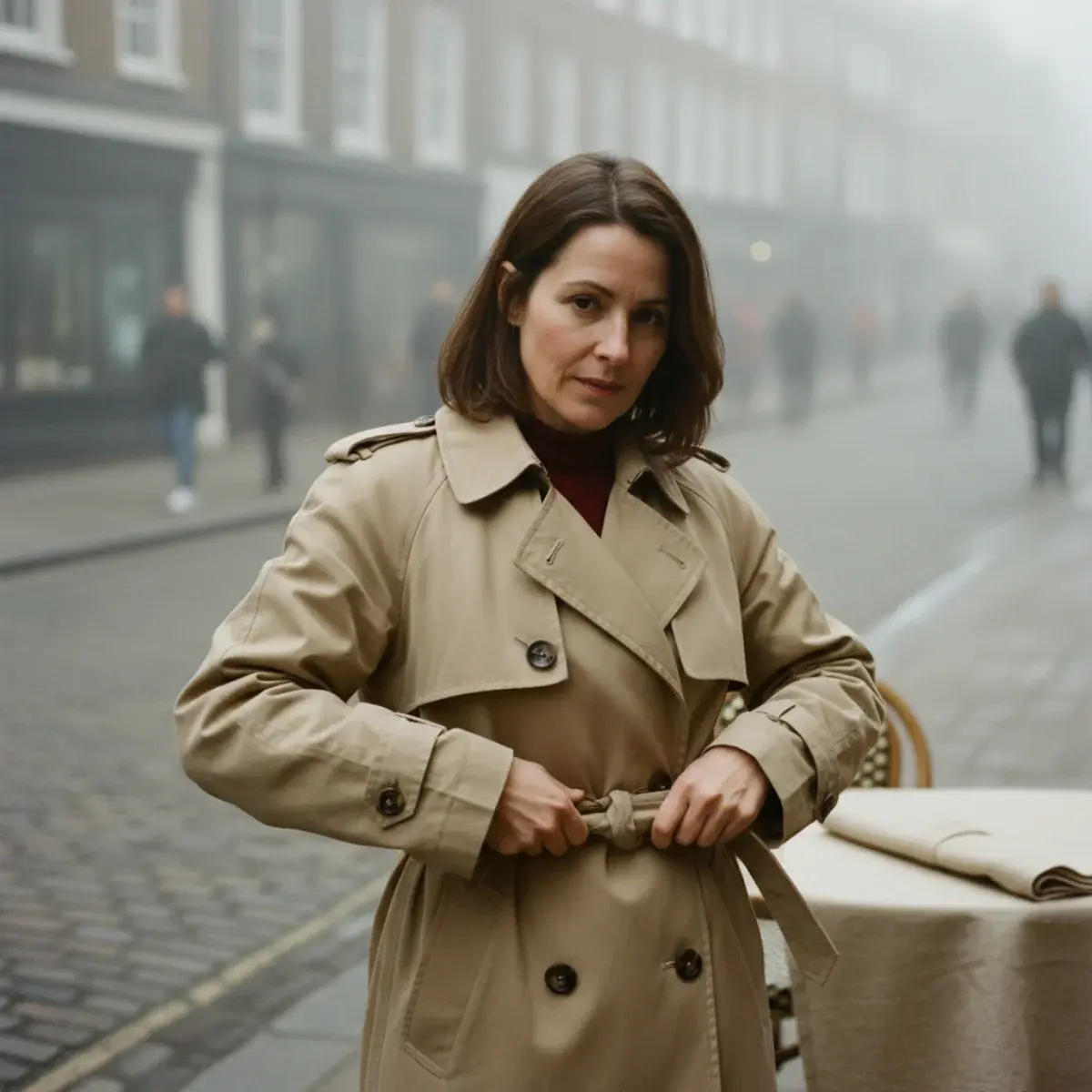
The reason a small wardrobe produces so many outfits is the palette behind it, and it is worth naming precisely. The core is navy, camel, cream, ivory, charcoal grey, burgundy, and chocolate brown — neutrals that share an undertone, which is why they combine without thought. Camel over cream, navy over white, charcoal under burgundy: none of these pairings asks for a decision, and that ease is the entire point.
Bright colour does appear, but rarely and small — a scarlet silk scarf against a navy coat, a forest-green knit under a grey blazer. The accent reads as deliberate precisely because everything around it is muted. Build the palette before you buy: pick two base neutrals — navy and cream is the most forgiving start — add camel or grey as a bridge, and judge every future purchase by one question, namely whether it works with what you already own. A wardrobe that passes that test stops producing orphan pieces you can never style, and starts producing the quiet, self-mixing closet the whole aesthetic depends on. For skin-tone-specific colour guidance, our notes on dressing by fair and deep complexions cover which neutrals flatter which undertones.
 1600×1067
Where to take the look next
These twelve outfits are a starting wardrobe, not the whole of it. Read the old money outfits guide for the full theory of palette and fabric, see how the look translates for men in our old money outfits for men breakdown, and explore the brands the industry sells under the same idea in the quiet luxury outfits guide. If you are still unsure what separates this from ordinary classic dressing, what old money style actually means draws the line clearly. For visual reference, Who What Wear and Vogue have both documented the modern women's version of the aesthetic in detail.
Frequently asked
- What is the easiest old money outfit for women to start with?
- A navy blazer, a cream cashmere or fine-knit sweater, straight-leg trousers in grey or camel, and leather loafers. It costs little to assemble second-hand, suits almost every body and age, and works for the office, lunch, or travel. Add a silk scarf and you have covered most of the aesthetic in five pieces.
- How can women dress old money on a budget?
- Shop second-hand for fabric — wool coats and cashmere knits from Max Mara, Brooks Brothers, and Ralph Lauren turn up on resale sites at a fraction of retail — and have a tailor fit them. For new pieces, brands like Uniqlo, COS, and Massimo Dutti make neutral, minimal items that pass at a glance. Buy slowly, in the palette, and care for what you own.
- What colours should women wear for an old money look?
- Navy, camel, cream, ivory, charcoal grey, burgundy, and chocolate brown form the core, and they all mix with one another. Keep bright colour rare and small — a red silk scarf against navy, for example. A wardrobe built on these neutrals produces dozens of outfits from a dozen pieces.
- What shoes work with old money outfits for women?
- Leather loafers, ballet flats, a low pointed pump, riding-style boots, and a clean tonal leather sneaker cover nearly every occasion. The rule is real leather in a neutral tone, kept polished, with no logos or trend platforms. These five styles pair with every outfit in this guide.
- Is old money style flattering for women over 50?
- Yes — arguably more so than for any other group. The muted palette flatters mature complexions, the silhouettes skim rather than cling, and the focus on fabric over trend means the clothes never look borrowed from a younger decade. A camel coat, cashmere roll-neck, tailored trousers, and loafers is a uniform that reads assured at any age.
- Can you wear jeans in an old money outfit?
- Yes, with two rules: the denim must be dark and straight-leg or wide-leg, with no distressing, fading, or visible hardware, and it should be paired with a refined top half — a fine knit, a crisp shirt, a blazer. Dark denim with a cashmere sweater and loafers is one of the most repeatable old money weekend looks.
- What makes an outfit look new money instead of old money?
- Visible logos, high-contrast or neon colour, trend footwear, recognisable it-bags, and clothes worn straight off the rack without tailoring all signal new money. Old money does the opposite at every turn: it hides the label, mutes the palette, fits the garment, and lets fabric carry the message.
Written by Marguerite Sterns, looksyra editorial. Last updated May 2026.