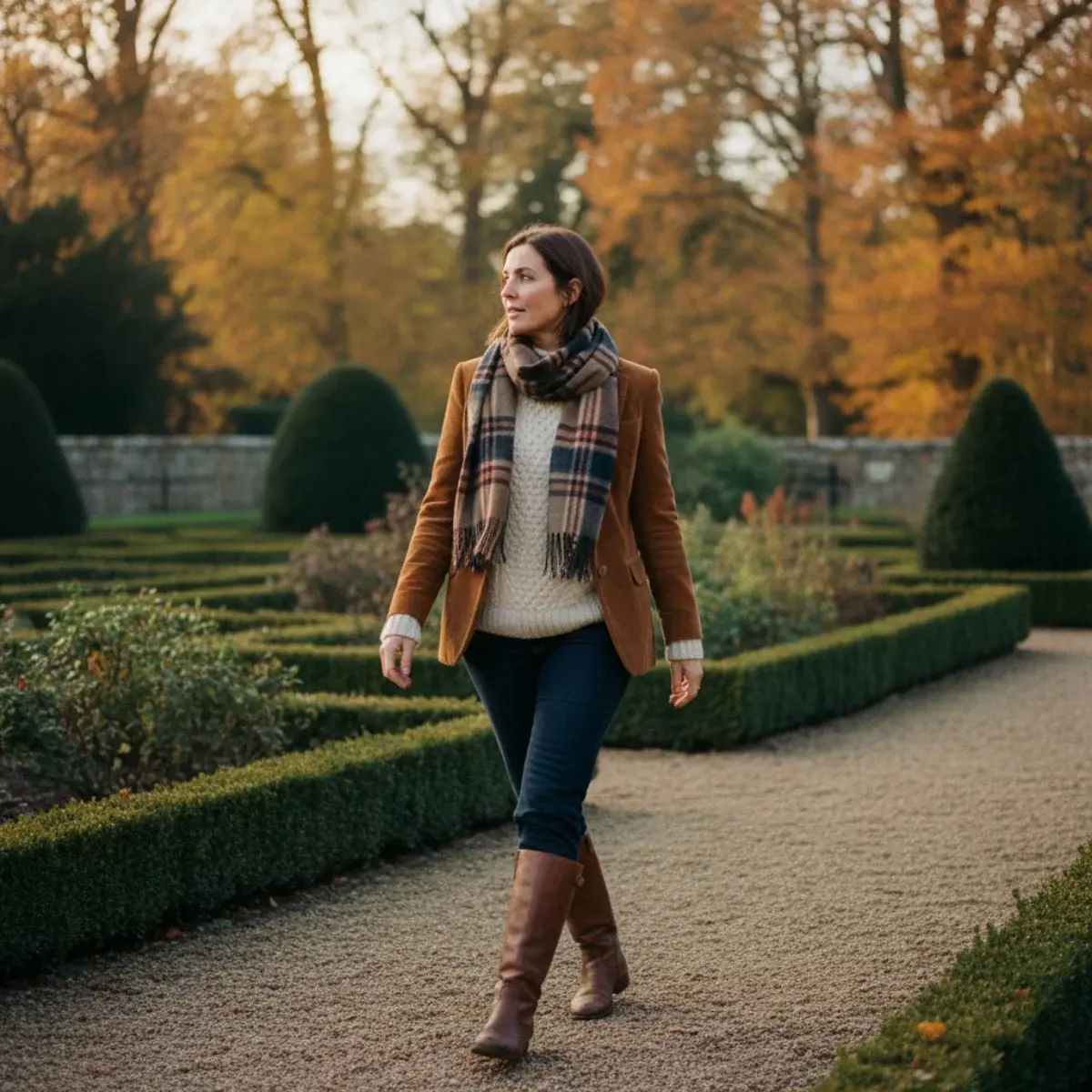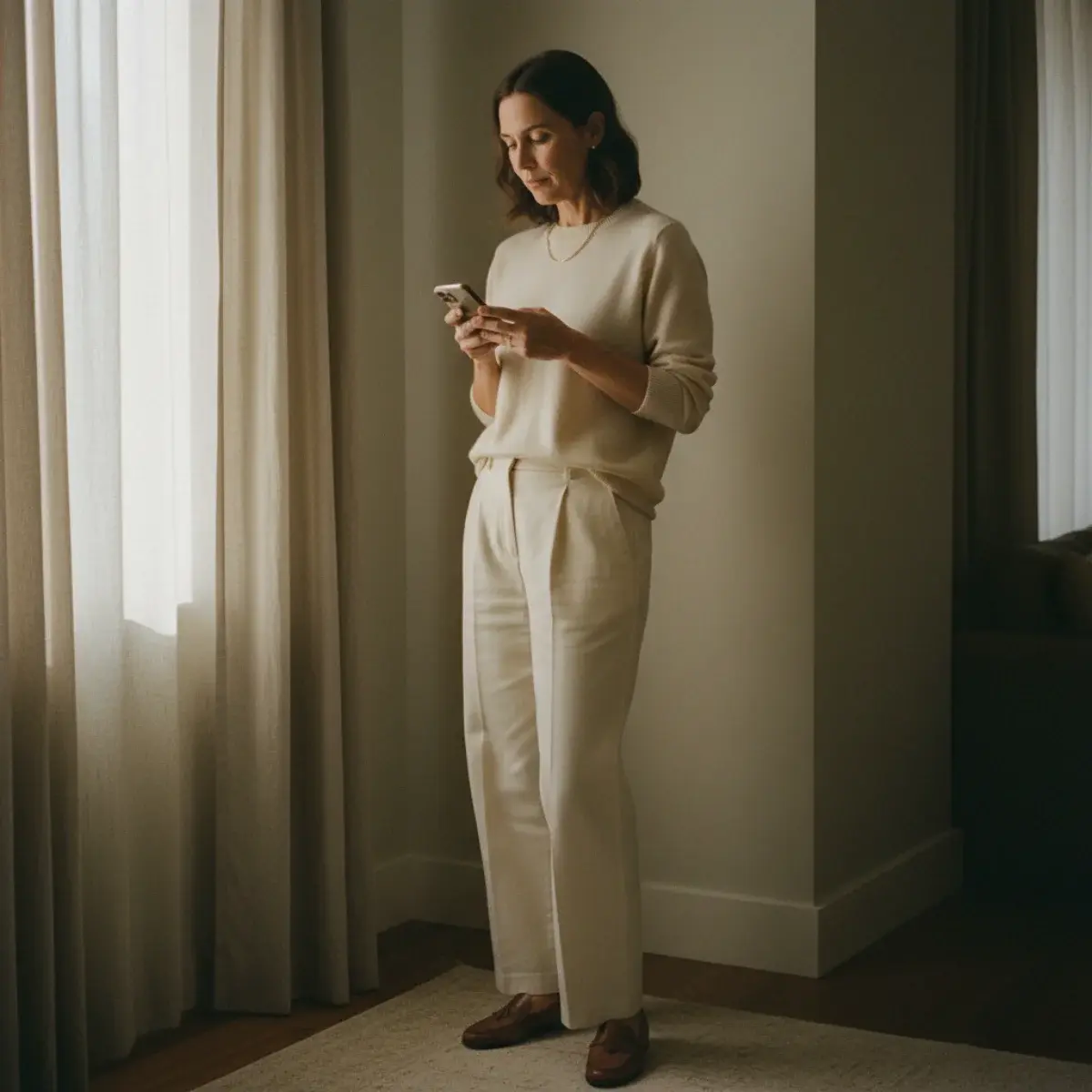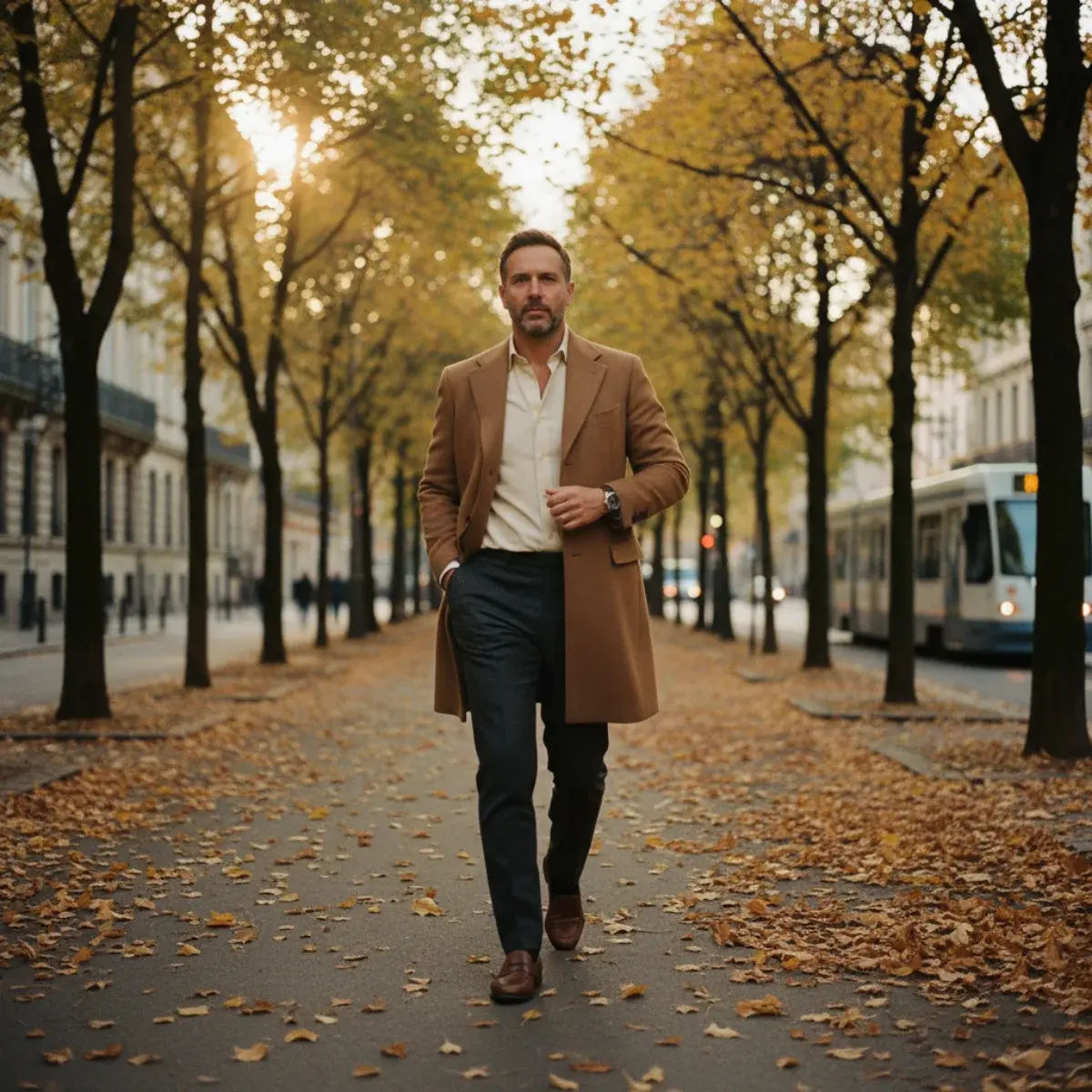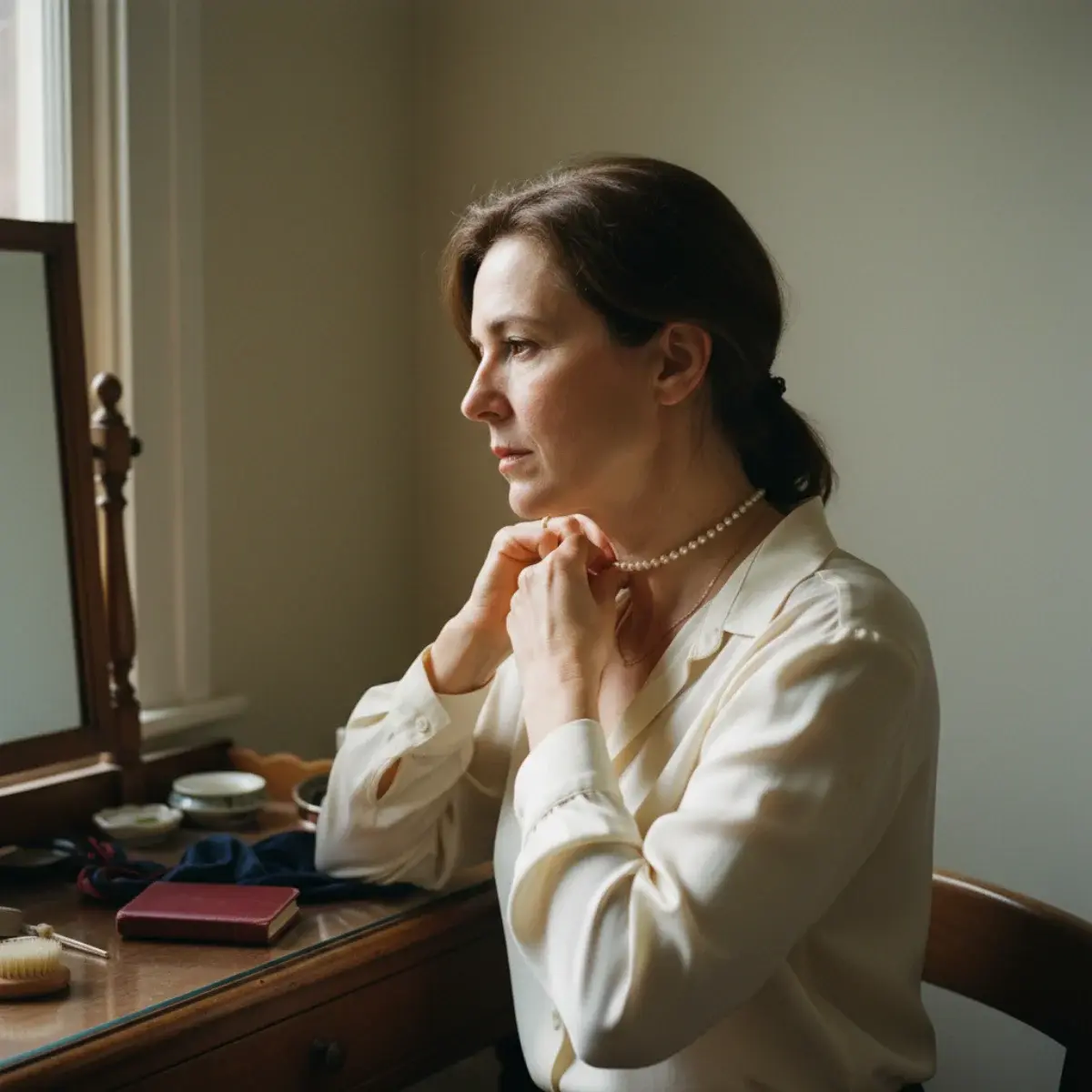
Run your thumb along the hem of a forty-year-old Burberry trench and it still feels like something — dense cotton gabardine that has outlived trends, owners, and at least one fashion cycle that declared it dead. That object, more than any definition, is what old money style means: clothing chosen to last, not to be noticed. The aesthetic sits at the centre of this whole silo, and the old money outfits guide covers the wardrobe in full. This article answers the prior question — what the look actually is, and how anyone can dress it.
The hill this guide will die on: old money style is learnable in an afternoon and ownable in a season — the gatekeeping is the only genuinely expensive part.
The meaning behind the name
Old money refers to inherited, multi-generational wealth, as distinct from new money, which is wealth earned within a lifetime. The clothing aesthetic borrows the distinction directly. Established wealth historically had nothing to prove and so dressed quietly, in well-made clothes that lasted; newly visible wealth tended to advertise itself through obvious spending. Whether or not that social history is fair, it produced a recognisable look, and that look is what people now mean by "old money style."
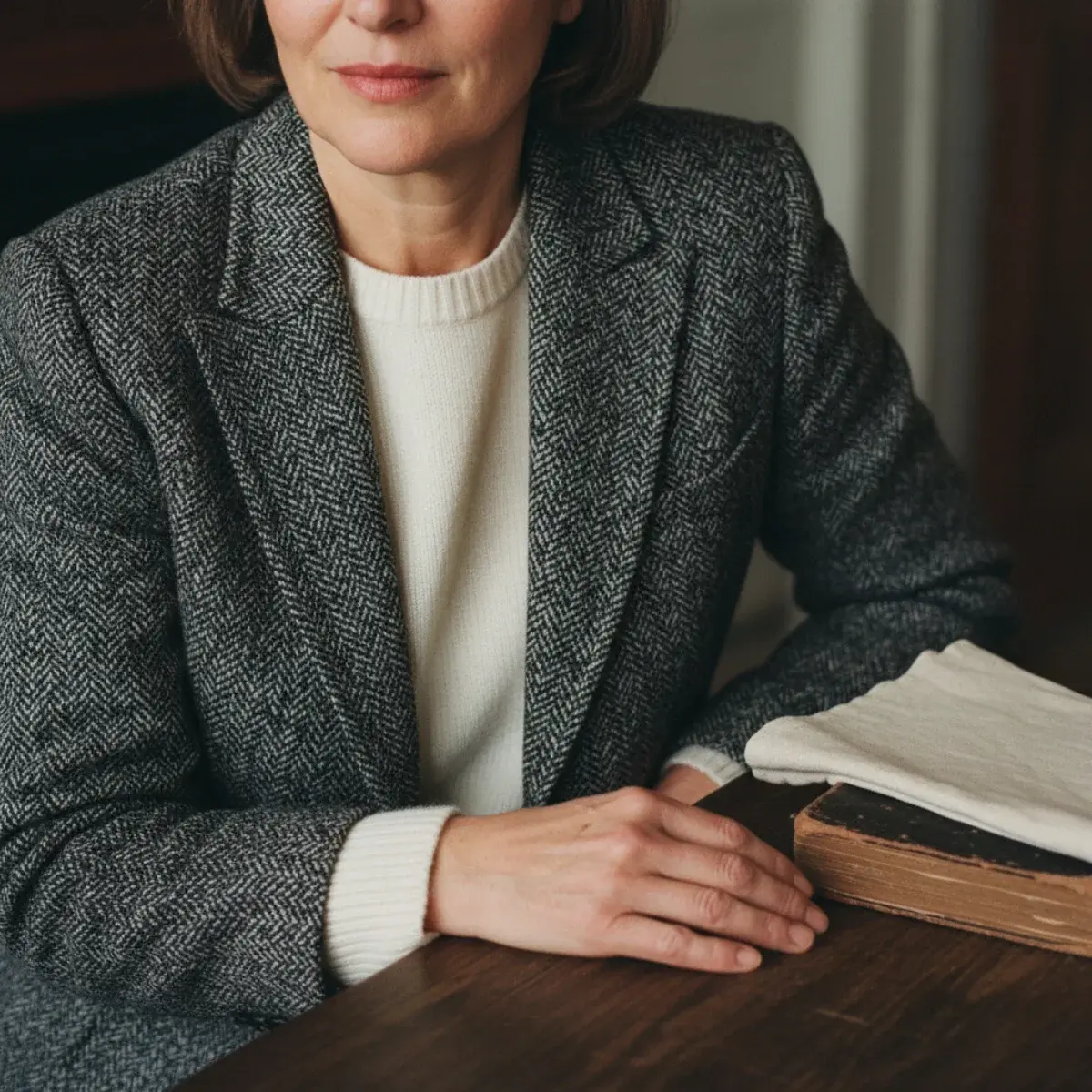
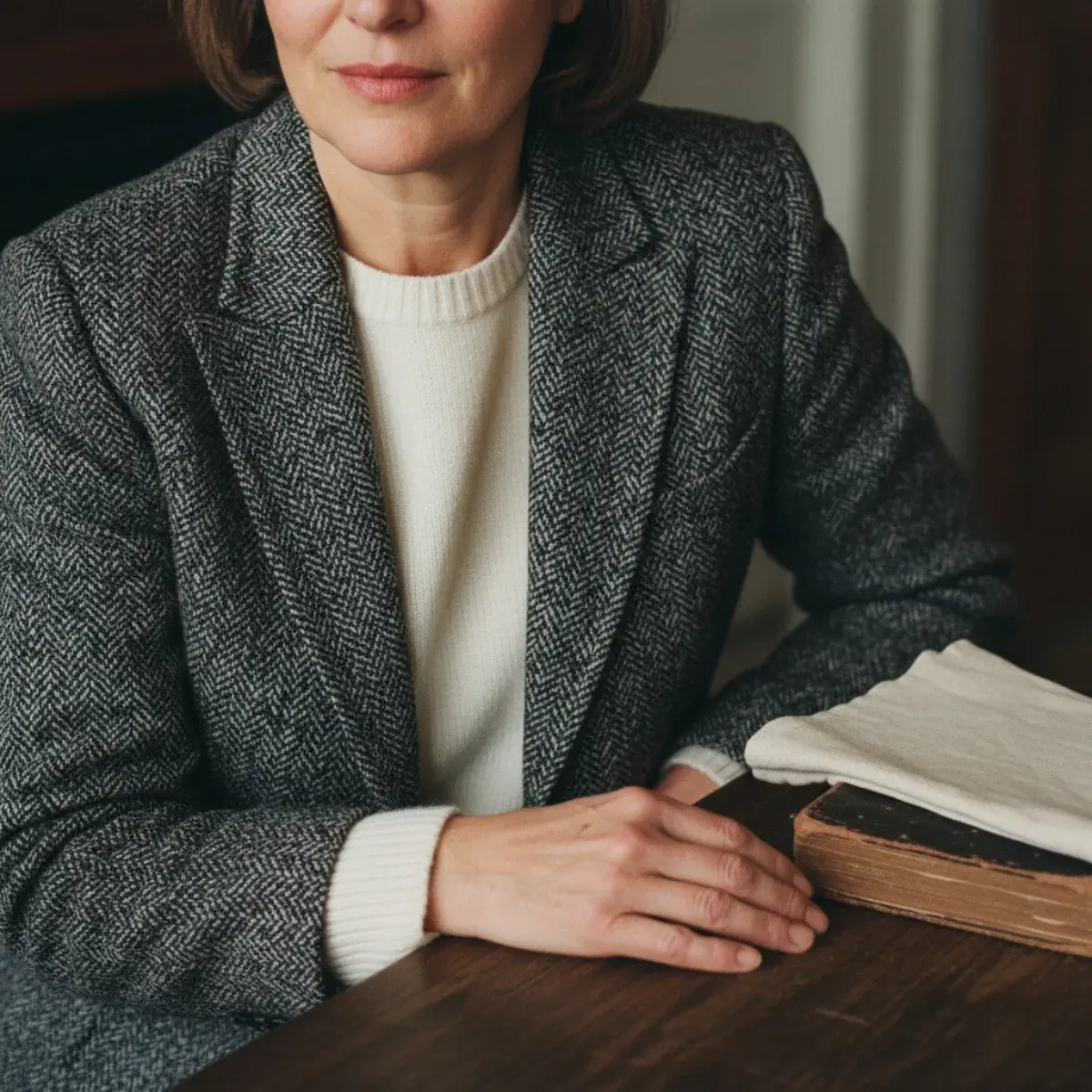
The aesthetic is a set of choices, not a bank balance. It values quality of fabric over quantity of pieces. It treats clothes as long-term objects rather than seasonal purchases. And it communicates through cut, material, and fit rather than through branding. This is why a thrifted cashmere sweater and a tailored second-hand blazer can read more old money than a closet of logo-printed designer pieces.
 1600×1067
A brief history of the aesthetic
Old money dressing did not appear on TikTok; it was assembled over a century from several real traditions. The American strand runs through the Ivy League and the WASP establishment of the early-to-mid twentieth century — the oxford shirts, blazers, and loafers of the East Coast prep schools and country clubs, codified commercially by Brooks Brothers and, from 1967, by Ralph Lauren, whose entire Polo empire is a study in selling this look. The English strand comes from country houses and the landed gentry: tweed, riding boots, waxed Barbour jackets, the Burberry trench born as military rainwear. The continental strand, Italian and French, contributes minimalism and exceptional tailoring.
The aesthetic has had recurring icons. Carolyn Bessette-Kennedy's pared-back 1990s wardrobe of slip dresses and clean coats remains a touchstone. Princess Diana's off-duty crew necks and tailored trousers defined the relaxed English version. Gianni Agnelli, the Fiat chairman, became the patron saint of the menswear side and its idea of sprezzatura — studied ease. None of these people dressed to be copied; that they were is the proof that the look communicates without trying. Decades later, their outfits still read as correct, which is the closest thing fashion has to a guarantee.
 1600×1067
The five rules that define old money dressing
The aesthetic reduces to five rules. They are simple to state and hard to break once internalised, and together they explain why two outfits at the same price can read so differently. Memorise these and you can evaluate any outfit in seconds.
Rule one: natural fabric. Wool, cashmere, merino, cotton, linen, and silk. These fibres drape correctly, age well, and read expensive without branding. Synthetic tailoring is the fastest way to break the look.
Rule two: a muted palette. Navy, camel, cream, grey, chocolate, burgundy, and forest green. These neutrals share an undertone and mix without thought, which is what lets a small wardrobe produce dozens of outfits.
Rule three: precise fit. Old money clothes are tailored to the body. A jacket that fits the shoulder reads more expensive than a designer one that does not. Fit is the single highest-leverage choice in the wardrobe.
Rule four: no visible logos. The signal is the absence of a logo, not the presence of a discreet one. If a label can be read across a room, the look is broken.
Rule five: buy for longevity. Pieces are chosen to last years, even decades, which is why vintage and inherited items sit comfortably in the wardrobe. The opposite of old money is not cheapness; it is disposability.
 1600×1067
How to dress old money, step by step
The look is reproducible, and here is the order to do it in.
- Set your palette first. Pick two base neutrals — navy and cream is the most forgiving — and one bridge tone, usually camel or grey. Every purchase afterward must work with these.
- Buy the anchor coat. A camel or navy wool coat does more for the aesthetic than any other single piece. Second-hand is ideal; the fabric outlasts its first owner.
- Add the workhorses. A tailored blazer, a fine cashmere or merino knit, tailored trousers, a crisp white cotton shirt, and dark straight-leg denim cover most of life.
- Fit everything. Take each piece to a tailor. This is where an inexpensive wardrobe starts reading expensive.
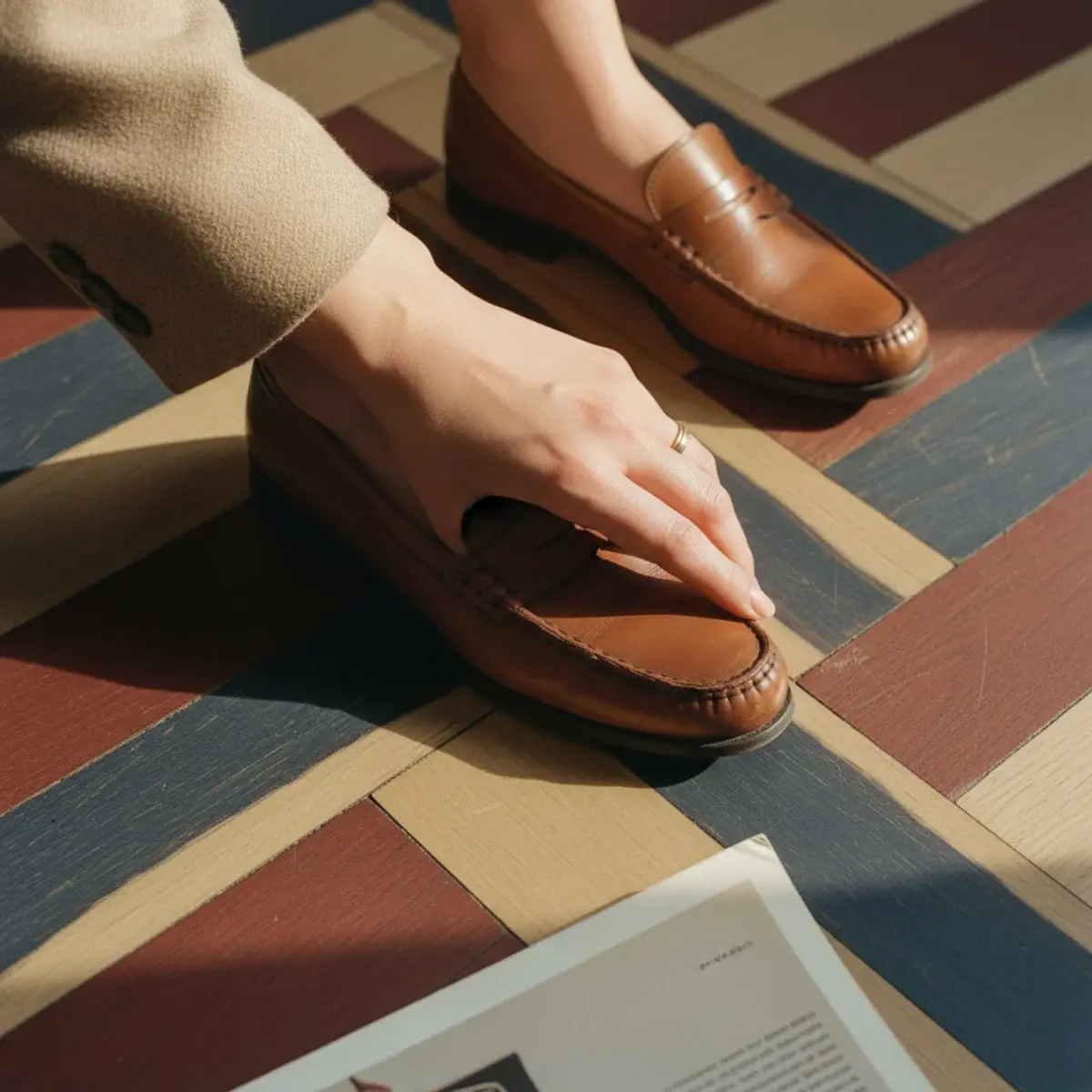
- Choose leather shoes in neutral tones. Loafers, ballet flats, a low pump, riding boots. Real leather, kept polished, no logos.
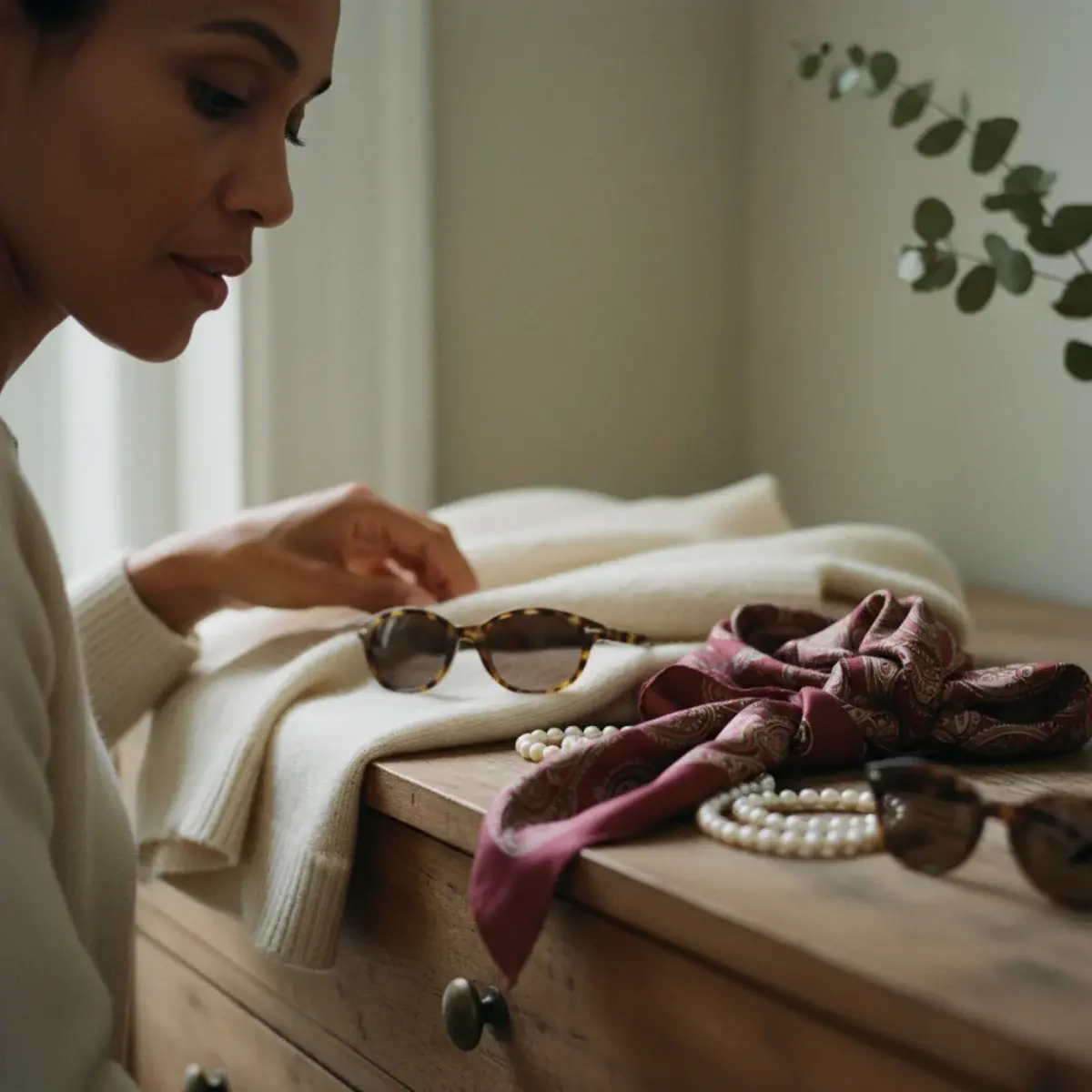
- Finish with restraint. One silk scarf, one fine jewellery piece, one structured neutral bag. Then stop — the discipline that builds the look is the same one that ends it.
This sequence doubles as a capsule wardrobe blueprint, and the mixing logic is laid out further in our guide on how to put together an outfit.
 1600×1067
Old money vs adjacent aesthetics
 1600×1067
The look gets confused with several neighbours. Here is how it relates to each.
| Aesthetic | Relationship to old money |
|---|---|
| Quiet luxury | The modern, minimal, brand-led version of the same idea |
| Preppy | The American Ivy and country-club dialect of old money |
| Stealth wealth | A synonym for quiet luxury — wealth dressed to be unnoticed |
| Minimalism | Overlaps, but old money adds an emphasis on fabric quality |
| Dark academia | Shares autumn textures but is more theatrical and costume-like |
The clearest neighbour is quiet luxury, treated in full in our quiet luxury outfits guide. Preppy is best understood as one regional accent rather than a separate thing — all preppy dressing is old-money-adjacent, but old money is the larger category.
How to dress old money on any budget
Because the aesthetic is built on choices rather than spending, it is unusually accessible. Three moves cover it. Buy second-hand for fabric — wool coats and cashmere knits from Max Mara, Brooks Brothers, and Ralph Lauren reach resale sites at a fraction of retail and were built to last. Use the high street strategically — COS, Uniqlo, Massimo Dutti, and Mango make neutral, minimal pieces that pass at a glance, provided you ignore everything trend-led. And invest in tailoring — fitting a cheap blazer costs less than buying an expensive one and reads better than both.
There is no minimum spend, only a method: buy less, buy better fabric, fit it, and wear it for years. The result, assembled slowly over a season or two, looks intentional because it is. The men's and women's versions of this budget approach are detailed in our breakdowns for women and men.
 1600×1067
Key takeaways
- 1Old money style signals wealth through quality, fit, and restraint rather than visible logos.
- 2The name refers to inherited wealth, which historically dressed quietly because it had nothing to prove.
- 3Five rules define it: natural fabric, a muted palette, precise fit, no logos, and buying for longevity.
- 4To dress it, set a palette, buy a wool coat, add tailored workhorses, fit everything, and finish with restraint.
- 5The look is fully reproducible on a budget through second-hand fabric, strategic high-street buys, and tailoring.
Who wears old money style today
The aesthetic's current revival has its own reference points. Sofia Richie Grainge's 2023 wedding, styled almost entirely in cream and ivory Chanel and Saint Laurent, became the internet's modern template for the look and sent searches for it climbing. The final seasons of Succession did the same for the menswear and minimalist side, dressing immense wealth in deliberately boring tailoring. Brands like The Row, founded by Mary-Kate and Ashley Olsen, gave the contemporary version a commercial home, and the high street followed within a season.
What is notable is how broad the audience has become. A large share of the people now searching for old money style are not chasing aristocracy at all — they are women over forty and fifty looking for a way to dress that is polished, comfortable, and indifferent to trends, and men who want to look considered without studying fashion. The aesthetic suits all of them precisely because it was never really about money. It was about clothes that last and a palette that behaves.
 1600×1067
Old money style for every age and gender
One of the aesthetic's quieter strengths is how widely it travels. For women, it offers a polished, comfortable way to dress that flatters every figure and ignores the trend cycle — the full treatment is in our old money outfits for women. For men, it is a route to looking considered without studying fashion, built on tailoring and leather rather than logos, as our men's guide lays out. For women over fifty and sixty, it is arguably the single most flattering aesthetic available: the muted palette suits mature complexions, the silhouettes skim rather than cling, and the focus on fabric means the clothes never look borrowed from a younger decade.
It adapts across occasions just as easily. The same small wardrobe handles the office through our business casual guide, a wedding through the wedding-guest guide, and a cold-weather weekend through old money fall outfits. The aesthetic is not a costume for one type of person; it is a method anyone can apply.
 1600×1067
Old money style mistakes to avoid
 1600×1067
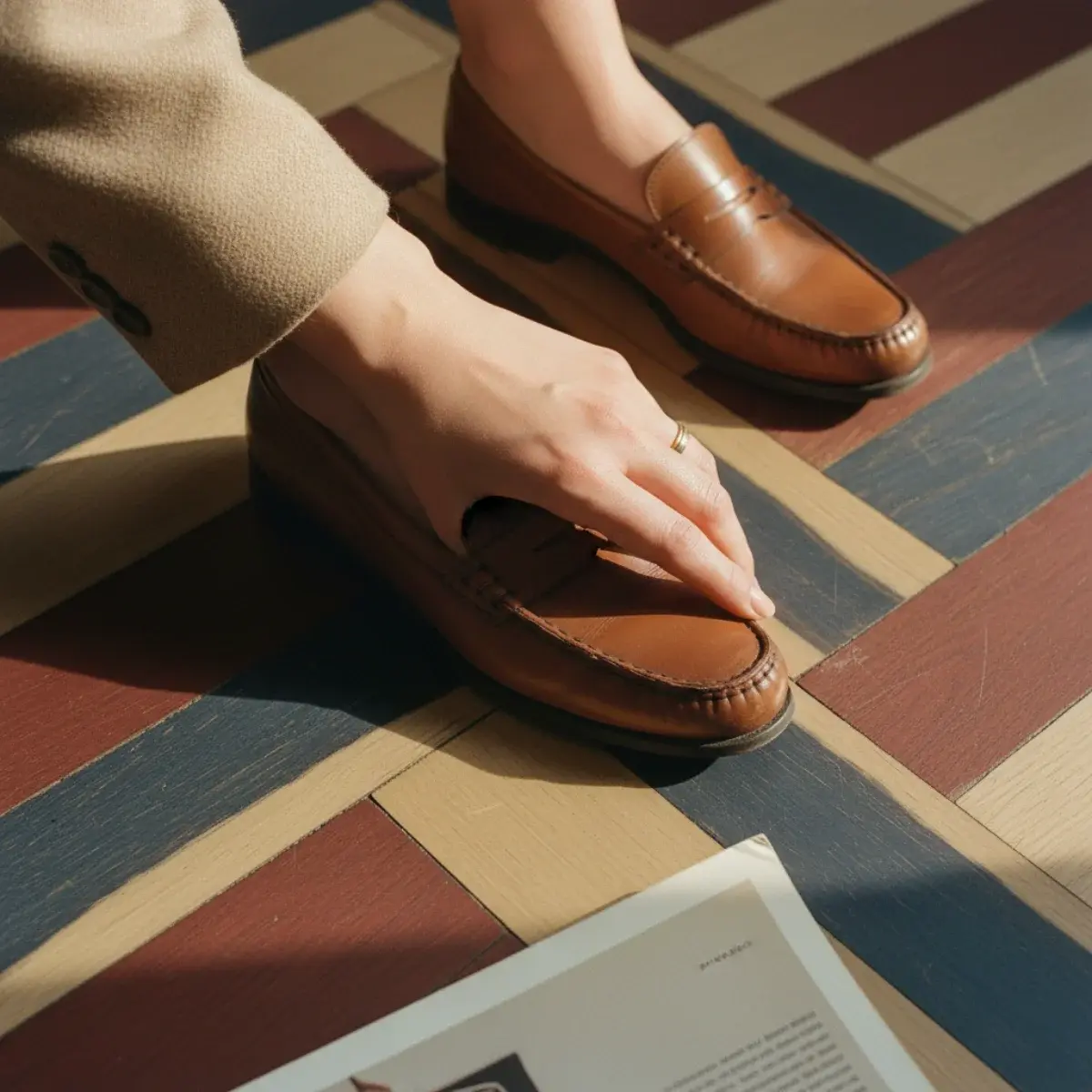
A handful of errors break the look faster than anything else. The first is synthetic fabric in tailoring — polyester catches the light wrong and pills, undoing the whole effect; wool, even an inexpensive blend, reads honest. The second is poor fit, the most common failure of all, which is why a tailor matters more than any brand. The third is trend footwear, which dates an outfit instantly where neutral leather keeps it anchored. The fourth is the logo tell — buying the discreet version of a famous monogram and steering attention toward it. And the fifth is over-accessorising: the second necklace, the brighter bag, the extra layer added to a finished outfit.
Every one of these has the same correction. Choose better fabric, fit the garment, drop the logo, and stop one piece sooner than feels natural. The discipline that builds the look is the same discipline that finishes it.
Where to go from here
Now that the definition is clear, the rest of the silo shows it in practice. Read the full old money outfits guide, the dedicated looks for women and men, the cold-weather edit in old money fall outfits, and the brand-led version in the quiet luxury outfits guide. For cultural and historical context, The Cut and Who What Wear have both traced the aesthetic's modern revival in depth.
Frequently asked
- What does old money style mean?
- Old money style is a way of dressing that signals wealth through quality, fit, and restraint rather than visible logos or trends. It uses natural fabrics, a muted neutral palette, and tailored silhouettes designed to last decades. The name refers to inherited, established wealth, which historically dressed quietly because it had nothing to prove.
- How do you dress like old money?
- Choose natural fabrics like wool, cashmere, cotton, and silk; stick to a muted palette of navy, camel, cream, and grey; fit every garment to your body through tailoring; and remove all visible logos. Build a small wardrobe of high-quality basics — a wool coat, a blazer, knitwear, tailored trousers, a white shirt, leather loafers — and buy slowly rather than in trend-driven hauls.
- Is old money style expensive?
- It does not have to be. The aesthetic is defined by restraint and quality of fabric, both of which are achievable second-hand and on the high street. A tailored consignment blazer, a thrifted cashmere knit, and well-chosen pieces from brands like Uniqlo and COS reproduce the look at a fraction of luxury prices. The expensive part is the gatekeeping, not the clothes.
- What is the difference between old money and new money style?
- Old money hides wealth; new money displays it. Old money favours muted colour, hidden labels, natural fabric, and precise tailoring. New money favours bright colour, prominent logos, recognisable it-bags, and clothes worn straight off the rack. They often cost similar amounts and simply spend it on opposite signals.
- Is old money style the same as quiet luxury?
- Nearly. Quiet luxury is the contemporary, more minimal, brand-led label the fashion industry gave the aesthetic around 2022. Old money is the older cultural reference, including preppy and English country dressing. The wardrobes overlap almost entirely; quiet luxury is old money with a marketing budget.
- What fabrics are considered old money?
- Wool, cashmere, merino, cotton, linen, and silk — natural fibres that age well, drape correctly, and hold their shape over years. These fabrics are central to the aesthetic because they look and feel expensive without any branding, and because the people who inspired the look could afford to buy things built to last.
- Can anyone dress old money, or do you need old money?
- Anyone can dress old money. The aesthetic is a set of reproducible choices — fabric, palette, fit, restraint — not a function of family wealth. The look is learnable in an afternoon and ownable in a season of careful, slow shopping. No inheritance is required, only discipline and a good tailor.
Written by Marguerite Sterns, looksyra editorial. Last updated May 2026.