Fall is the season most people would choose to dress for if they could only pick one — the weather finally cooperates with the clothes, the palette turns rich and forgiving, and layering opens up possibilities that a single hot or freezing day never allows. After a summer of trying to stay cool and before a winter of trying to stay warm, autumn offers the rare window where you dress for pleasure as much as necessity. This guide is the complete map of it: the palette, the fabrics, how to layer, a capsule to build, and outfit formulas for every part of autumn life, from the office to the weekend to a fall wedding.
The principle this whole guide rests on, and the hill it will die on: fall is the layering season, and layering done well is the entire skill — get it right and autumn dresses itself. Master the three-weight layering method and the warm palette, and every other fall outfit decision becomes easy. Everything that follows — the fabrics, the capsule, the occasion formulas, the aesthetics — is really just the application of those two ideas to different parts of autumn life, which is why this guide spends the most time on them.
What makes an outfit read as fall
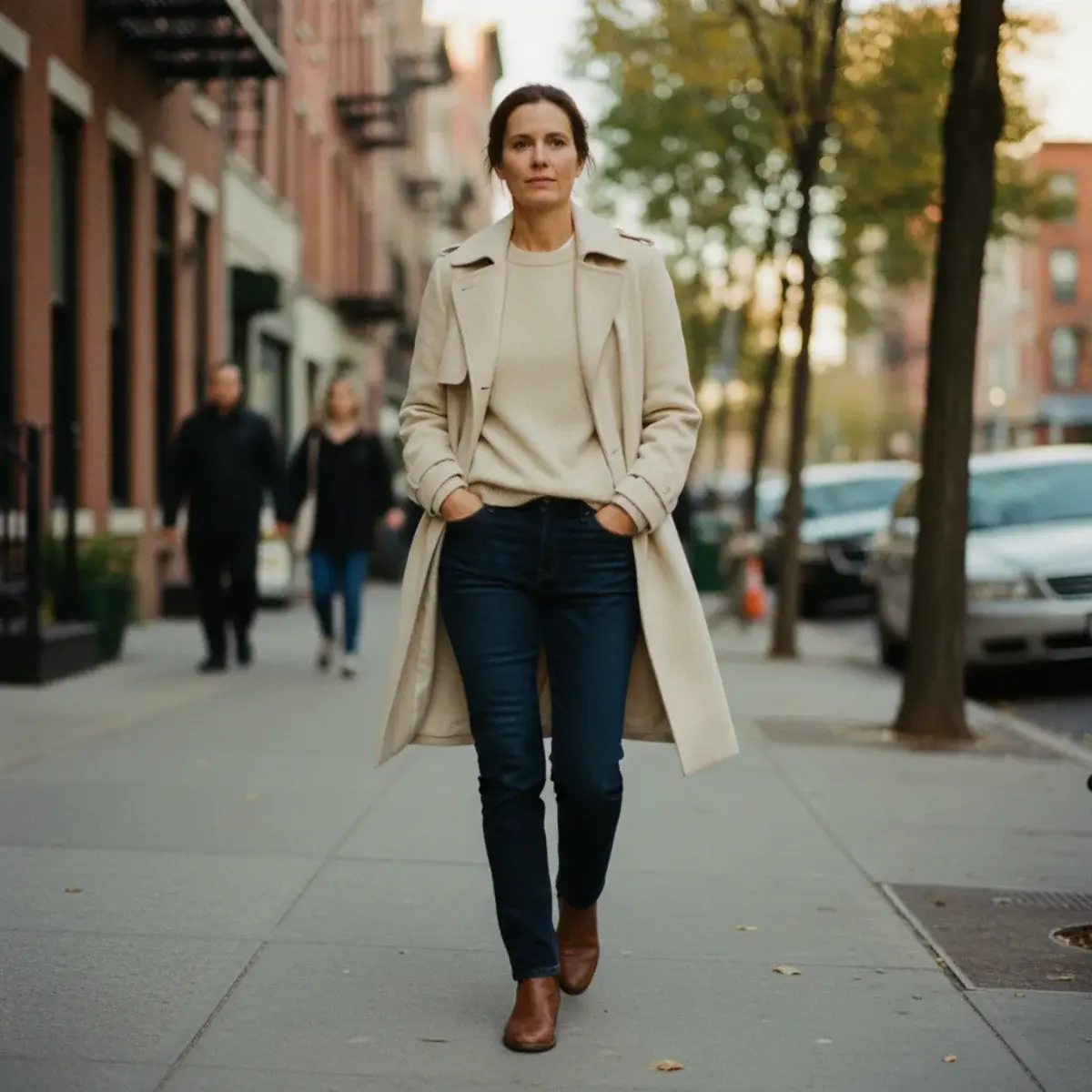
A fall outfit is defined by three things working together: the palette, the fabrics, and the layering. The palette turns warm and deep — camel, cream, rust, mustard, oxblood, burgundy, forest green, chocolate, charcoal — colours that suit the season's lower, golden light and layer over one another without clashing. The fabrics turn substantial — wool, cashmere, tweed, corduroy, suede, denim — materials that insulate, drape with weight, and look richer in autumn light than thin summer cloth. And the layering turns deliberate, because the season's defining feature is a temperature that swings from a cool morning to a mild afternoon to a cold evening, often in a single day.
Put those three together and almost anything reads as autumn. A linen dress becomes a fall outfit with tights, boots, a knit layered over it, and a coat; a summer tee becomes a fall layer under a blazer and a wool coat. The pieces need not all be new or autumn-specific; the palette, the fabric weight, and the layering do the work of turning a year-round wardrobe seasonal. This is why fall is the most economical season to dress well — much of it is restyling what you already own into warmer, deeper, more layered combinations.
 1600×1067
The autumn palette
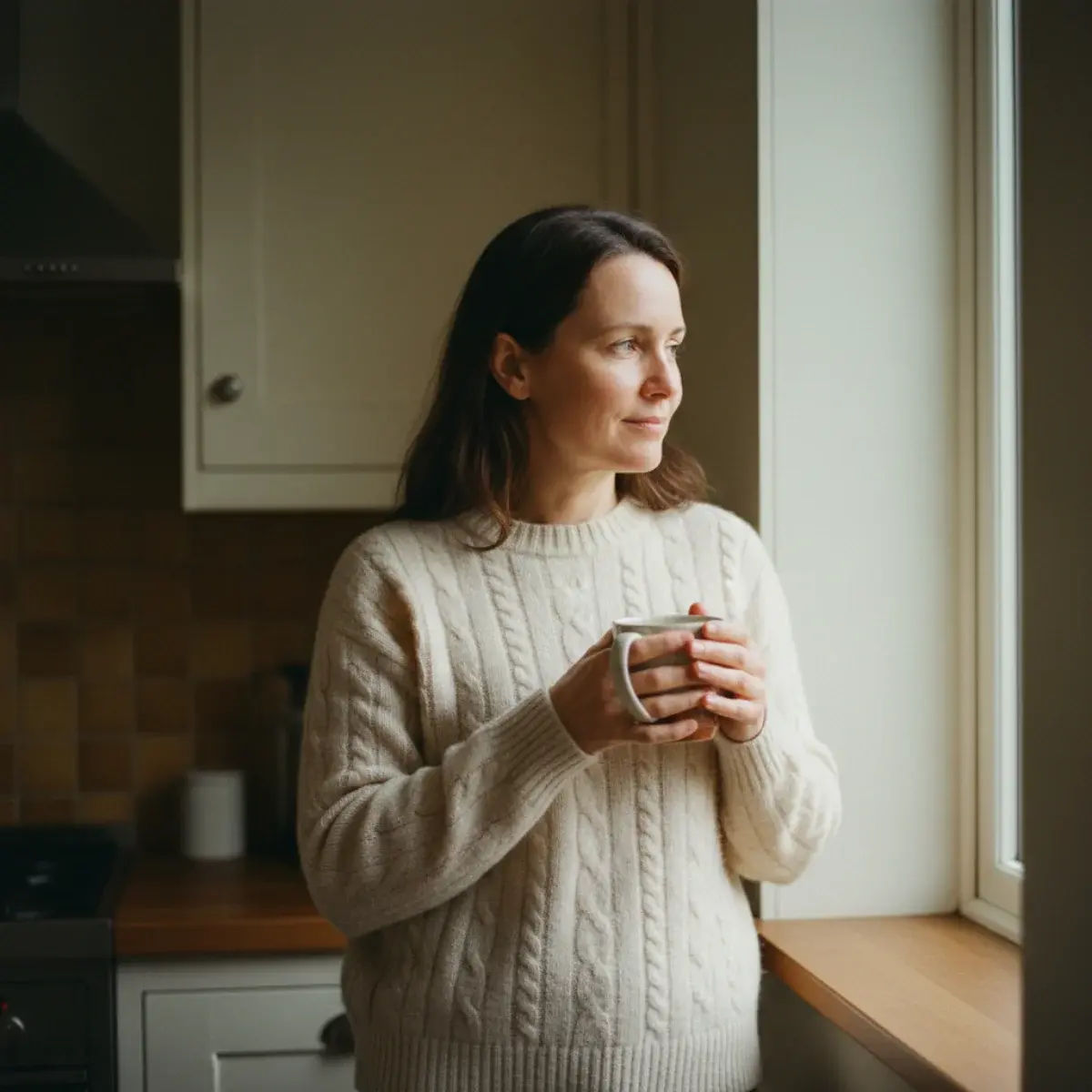
Fall has the most distinctive palette of any season, and building outfits around it is the fastest way to make them read autumnal. The base is warm neutrals — camel, cream, oatmeal, taupe, chocolate, and charcoal — which anchor most outfits and mix without thought. On top of those sit the signature fall accents: oxblood, burgundy, rust, mustard, and forest green, the deep, slightly muted tones that feel native to the season and lift a neutral base. Oxblood in particular has become the defining autumn colour, reading instantly as fall in a knit, a boot, or a bag.
The reason the palette works so well is that every tone shares a warm undertone, so the colours layer and combine without clashing — a camel coat over a rust knit over cream trousers reads as one composed outfit rather than three colours fighting. Building your fall wardrobe around two warm-neutral bases and one or two deep accents means a small set of pieces produces endless combinations. And the season's golden, lower-angled light flatters these warm, muted tones in a way it never flatters bright summer brights, which is part of why autumn dressing photographs so well.
 1600×1067
The fabrics of fall
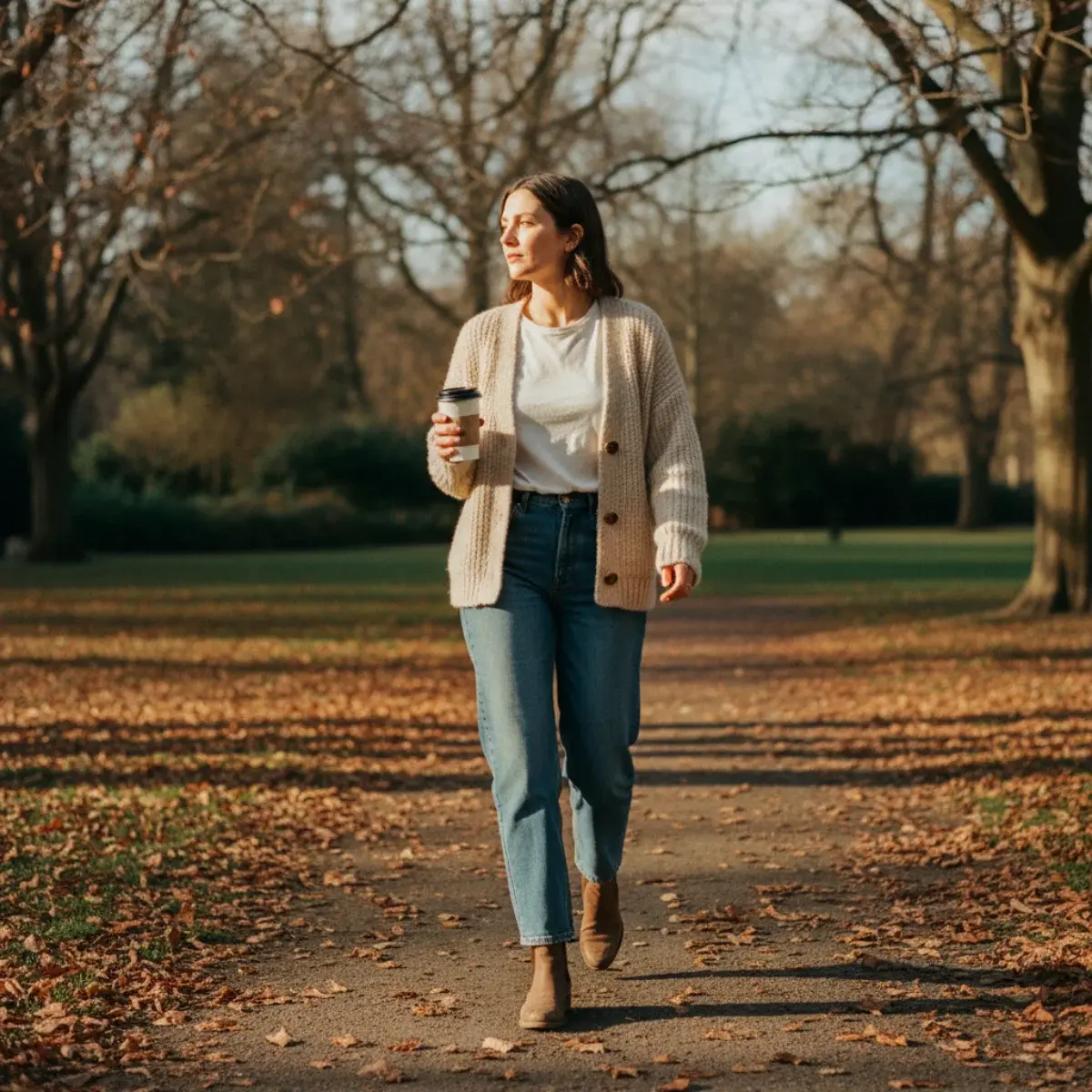
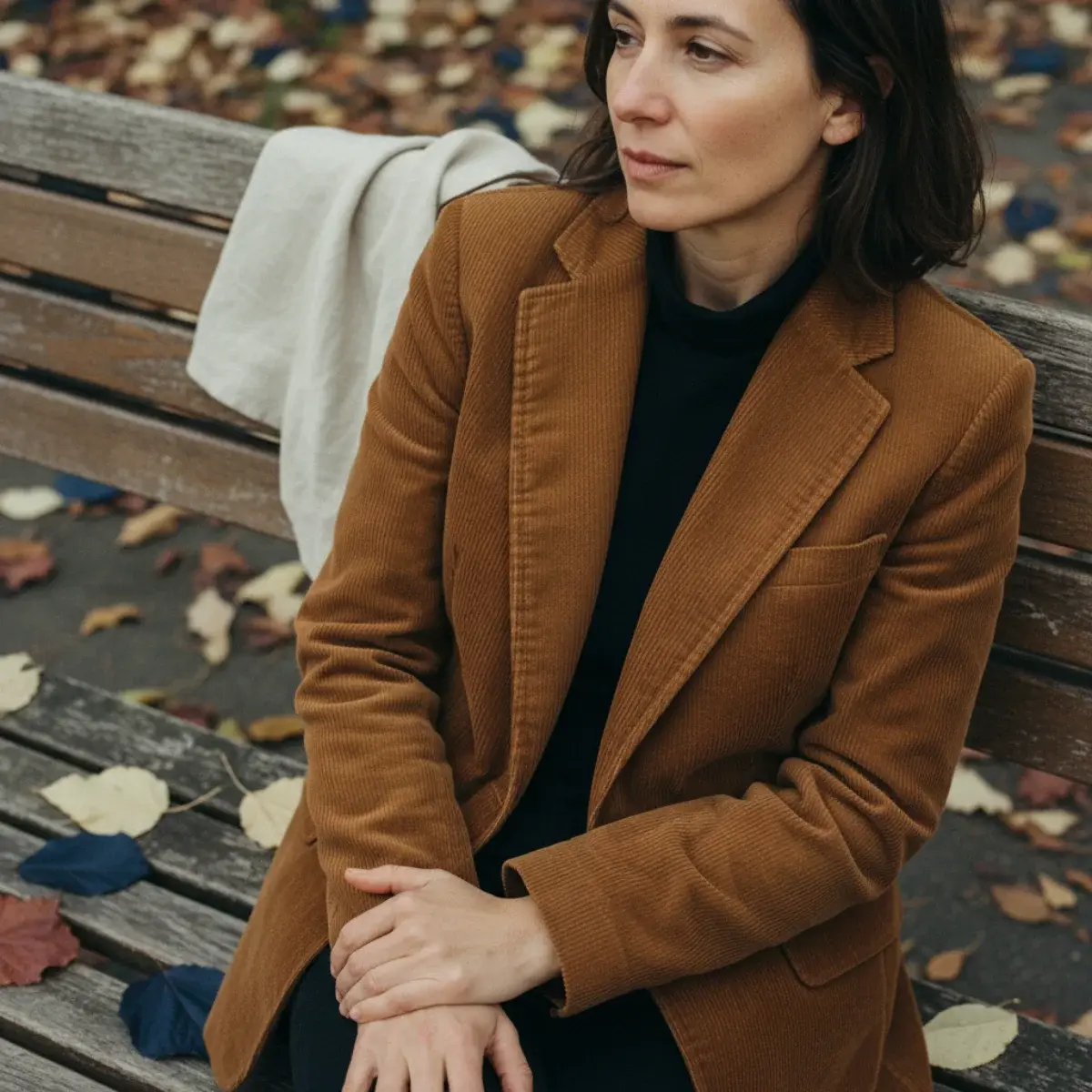
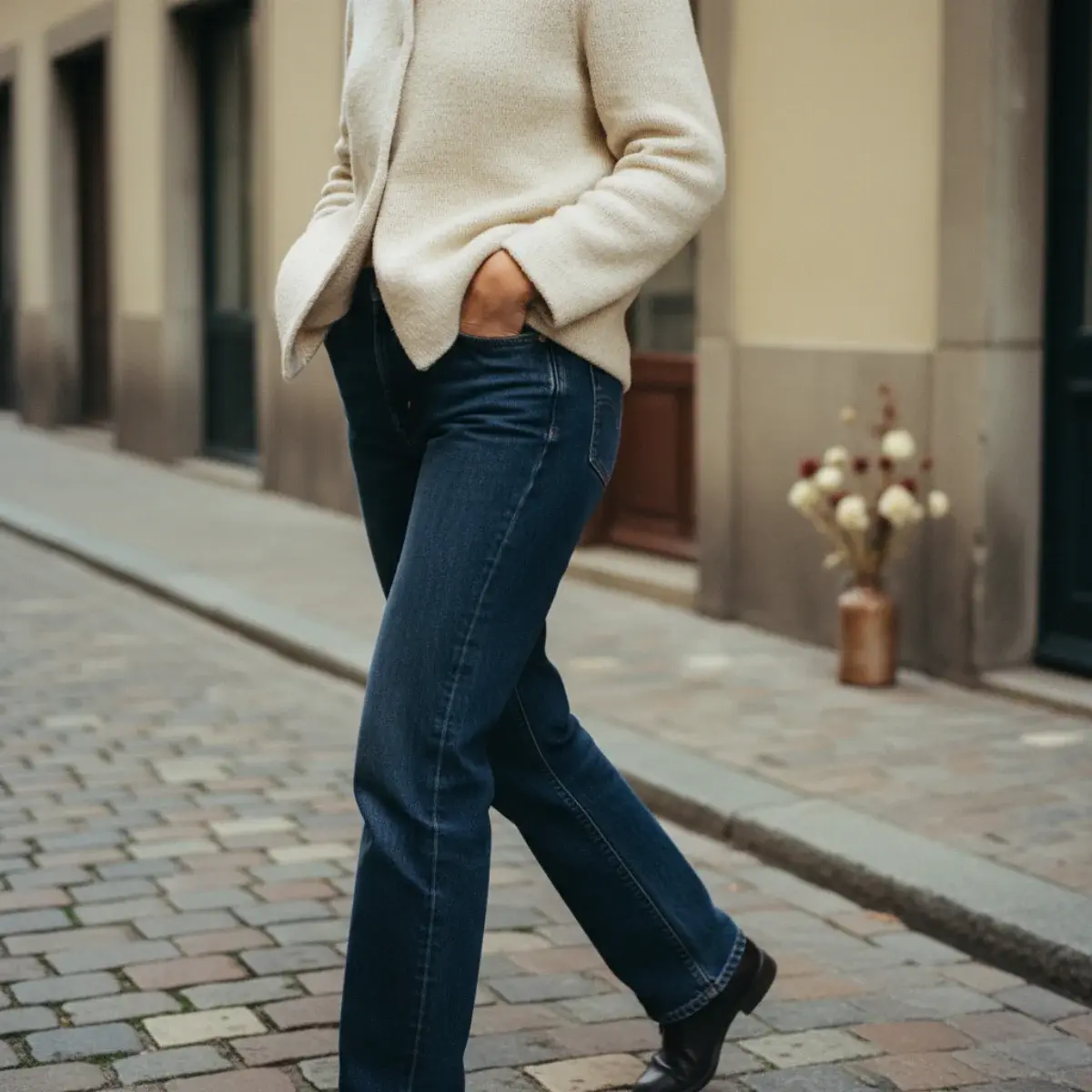
If the palette sets the colour of autumn, the fabrics set its feel, and fall is the most fabric-rich season of the year. Wool is the backbone, in coats, blazers, and trousers, insulating and holding its shape. Cashmere and lambswool handle the knitwear — roll-necks, crewnecks, and the cardigan, autumn's most underrated layer. Tweed brings texture to blazers and skirts, corduroy adds warmth and a tactile surface to trousers and jackets, and suede appears in boots and the occasional jacket. Denim carries the everyday, heavier and darker than its summer self, and silk persists in scarves, earning its place by adding warmth and colour at the neck without bulk.
These fabrics do more than insulate — they signal the season visually, because their weight and texture read as autumn even before the palette registers. They also reward buying well, since natural fibres drape, age, and last in a way synthetics do not, and fall is the best season to buy them second-hand: good wool and cashmere reach resale racks softened rather than worn out, at a fraction of new prices. Choosing natural autumn fabrics, even inexpensively, is the single biggest upgrade most fall wardrobes can make, the same fabric-first principle that runs through the old money outfits guide.
 1600×1067
How to layer for fall
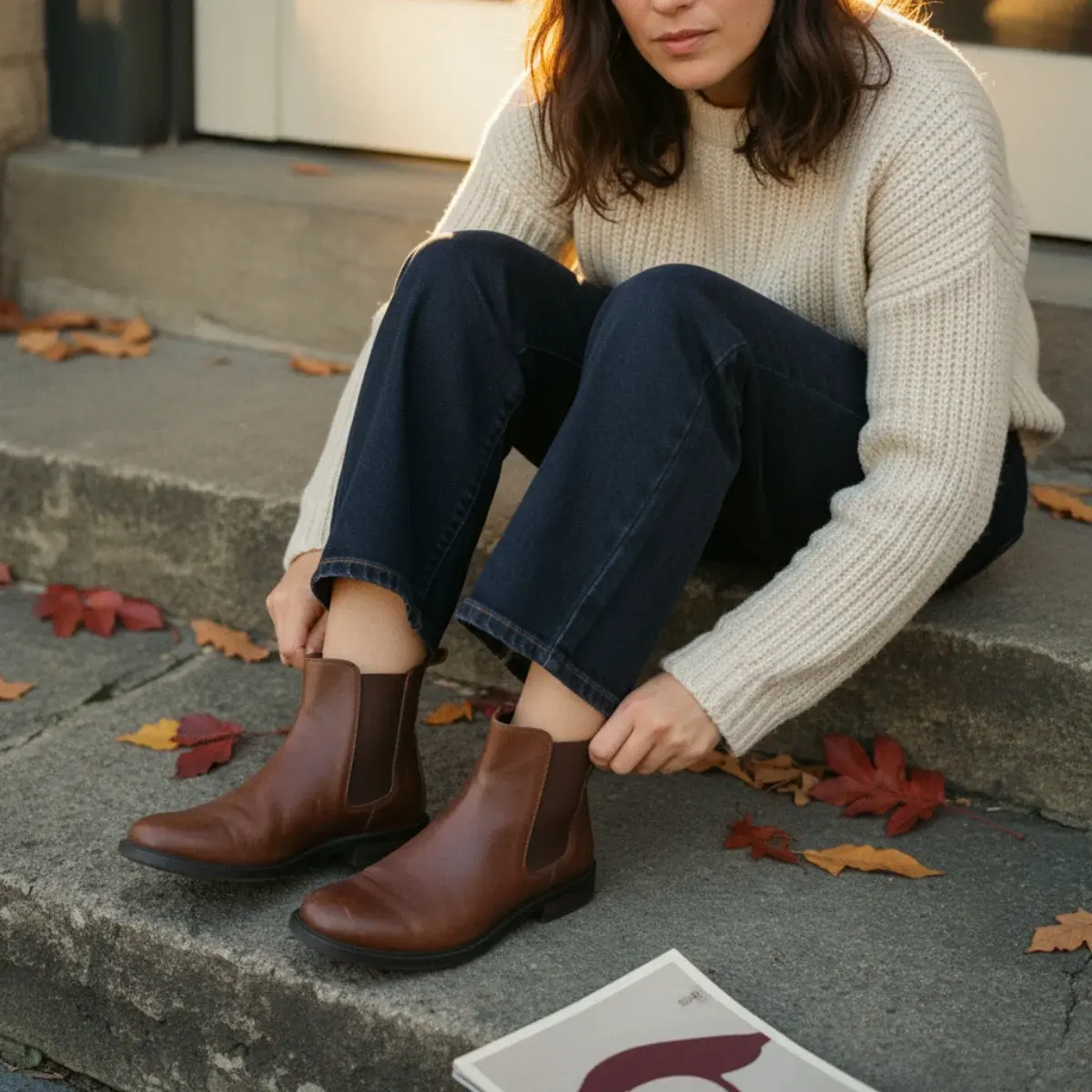
Layering is the defining skill of fall dressing, because the season's wide daily temperature swing makes a single layer impractical. The reliable method is to build in three weights. The base is a fine layer that sits flat against the body — a cotton or silk shirt, a thin knit, a tee. The middle is the warmth — a heavier cashmere or lambswool knit, a cardigan, a tweed blazer. The outer is the coat — a trench for milder days, a wool coat for cold ones, a denim or leather jacket for transitional weather. Each layer can come off as the day warms and go back on as it cools, which is exactly what an autumn day demands.
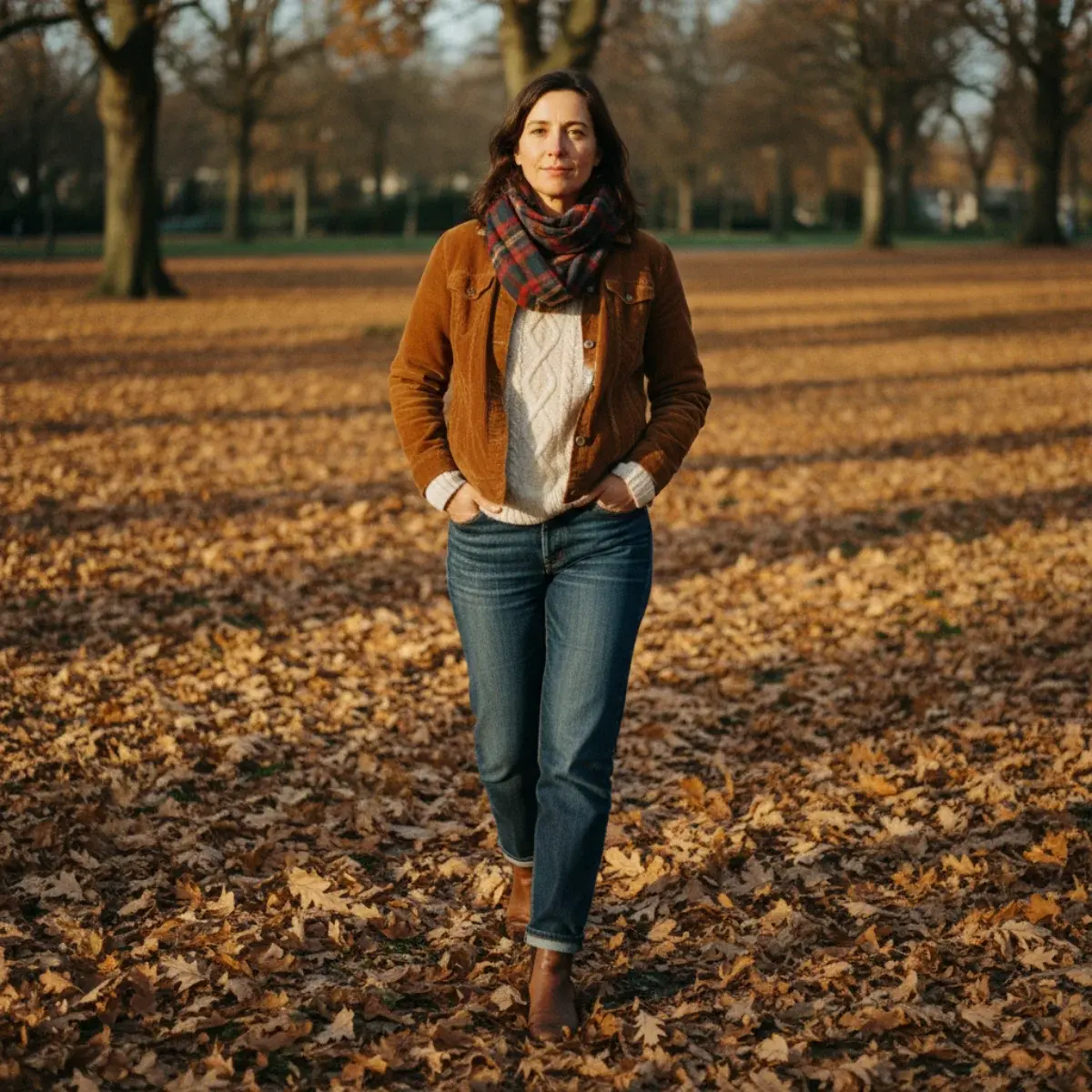
Two principles make layering read composed rather than piled on. First, keep the layers tonal — all within the warm palette — so the outfit reads as one considered look rather than several things stacked. Second, build warmth with fine fabrics rather than bulky ones, so the silhouette stays sleek; two thin layers insulate better and look better than one thick one. A scarf at the neck adds both warmth and a finishing detail, and a coat worn open frames the layers beneath it more elegantly than one buttoned to the chin. Get this method right and the rest of fall dressing follows, which is why it sits at the centre of this guide.
 1600×1067
The fall capsule wardrobe
Fall rewards a capsule more than almost any season, because layering means each piece combines with many others, multiplying a small wardrobe into weeks of outfits. A workable fall capsule is short. For outerwear: a camel or neutral wool coat, a trench, and a denim or leather jacket. For knitwear: two or three knits — a roll-neck, a crewneck, a cardigan — in neutral and accent tones. For bottoms: tailored wool trousers, dark jeans, and a midi skirt. For dresses: a knit dress and a midi that layer with tights. And for shoes: ankle boots, knee-high boots, and loafers.
In a coordinating palette of two warm neutrals plus a deep accent, these twelve-to-fifteen pieces recombine into a full season of distinct outfits, because the layering logic means nearly everything works with everything. This is the autumn expression of any capsule wardrobe, and it connects directly to the old money fall outfits approach, which applies the same fabric-and-palette discipline to a specific aesthetic. Build the capsule once, in good natural fabrics, and getting dressed through autumn becomes a daily recombination rather than a decision — the efficiency that makes a small, considered wardrobe so much easier to live in than a large, random one.
 1600×1067
Fall outfit ideas for every day
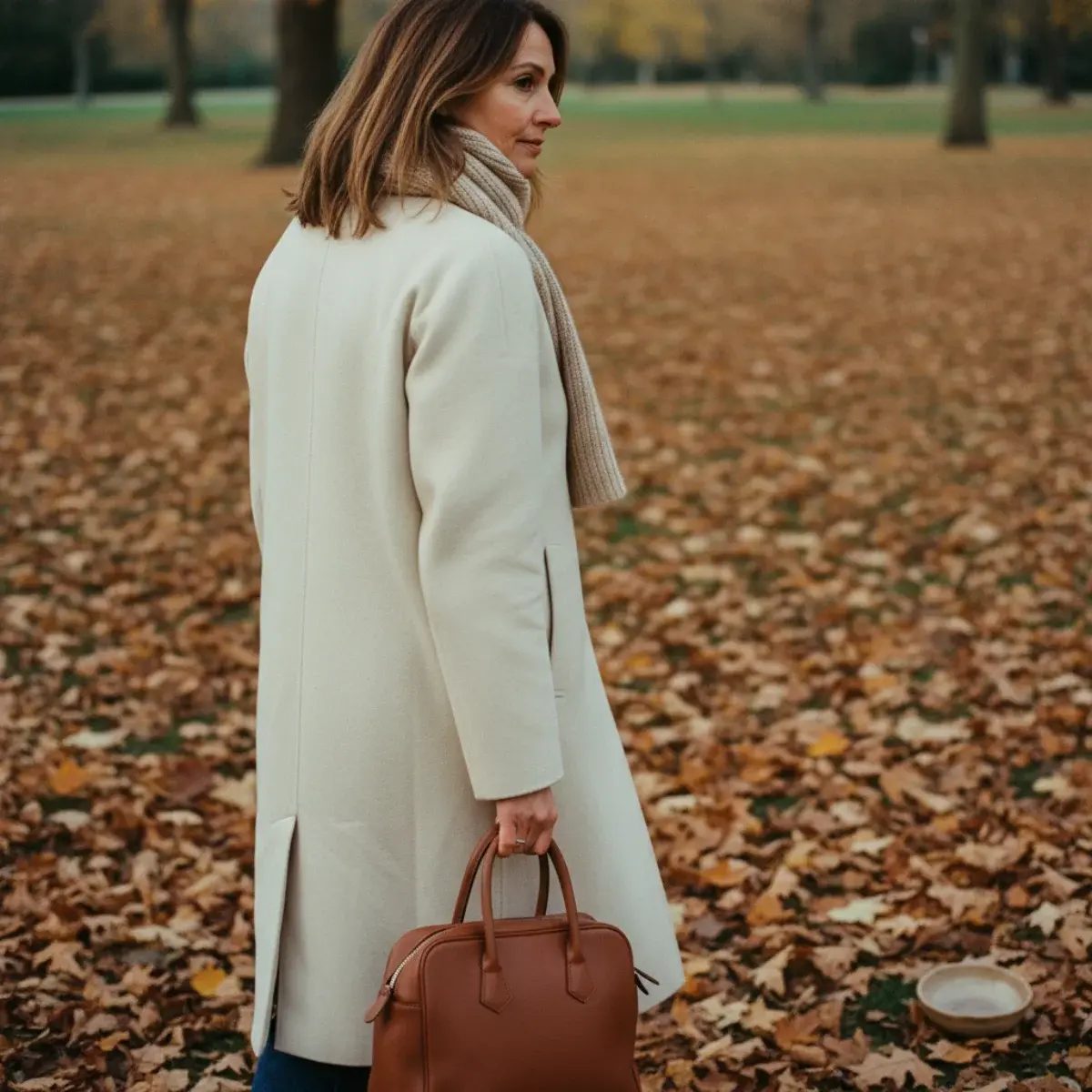
Most fall dressing serves a handful of recurring situations, and a formula for each removes the daily decision. For everyday and weekend wear, a knit over a shirt with jeans and ankle boots, or a midi skirt with a fine knit and knee boots, is the dependable autumn base — warm, easy, and put-together. For a casual social plan, dark jeans with a roll-neck, a tailored coat, and a heeled boot, or a knit dress with boots and a structured bag, nudges toward elevated casual without effort.
For the office, tailored trousers with a fine knit and a blazer, or a roll-neck under a wool coat with ankle boots, reads polished and seasonal — the business-casual register dressed for autumn, as our business casual for women guide covers. And for a dressier fall occasion, a midi dress in a rich fabric with a coat and heeled boots, or dark trousers with a silk top and a velvet blazer, handles dinners and parties. Each of these is the same fall capsule recombined for the setting, which is the entire point of building one. For the wider occasion map, the complete dress code guide places each of these in context.
 1600×1067
Fall dresses: how to wear them into the season
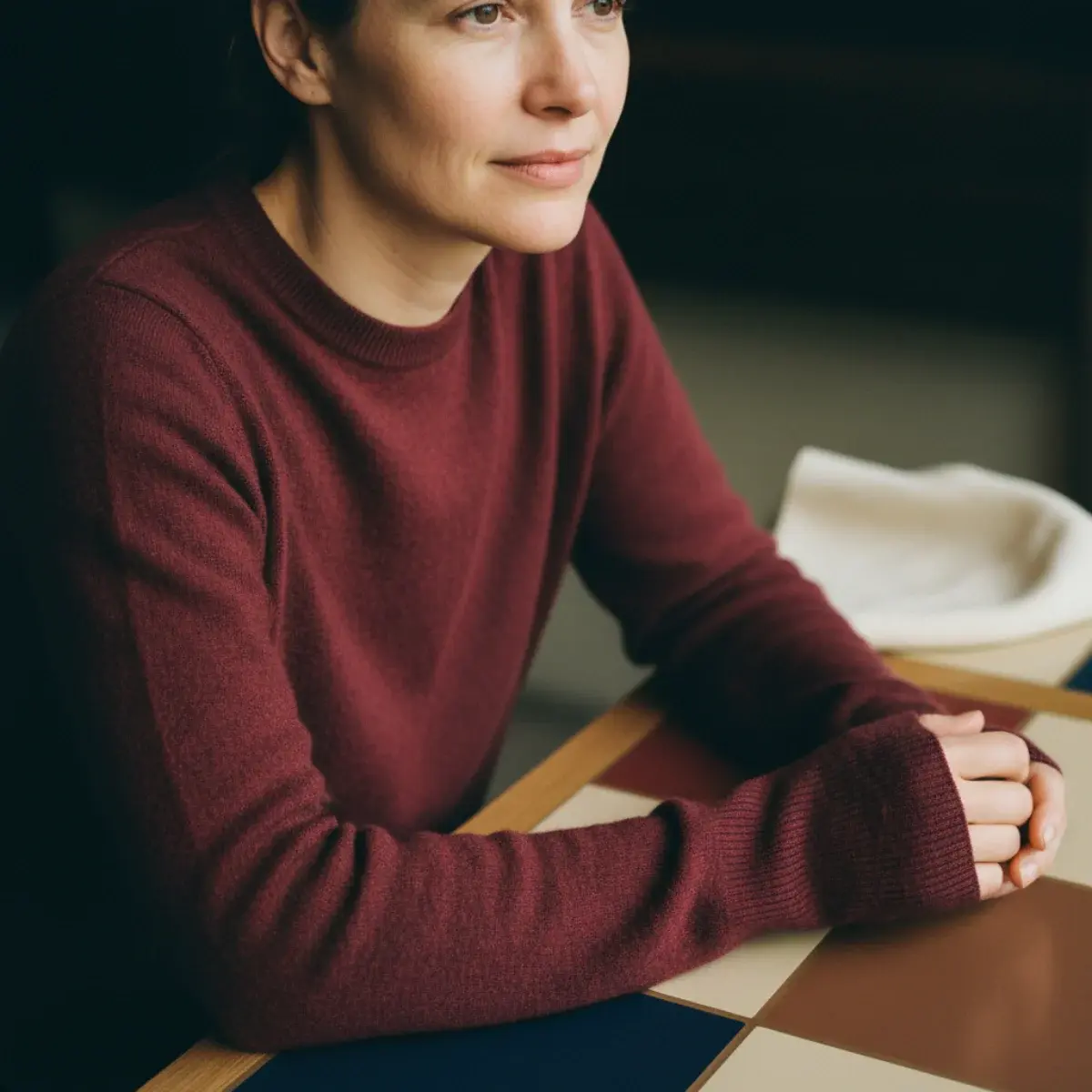
Dresses are one of the most searched fall pieces, and the trick to wearing them in autumn is layering and fabric rather than abandoning them for the season. A knit dress is the most natural fall dress, warm on its own and easy with tights and boots. A midi or maxi in a heavier fabric — a structured cotton, a wool blend, a substantial jersey — layers beautifully with a coat and knee boots. A shirt dress or wrap dress transitions from summer into fall with the addition of tights, a knit layered over or under, and ankle boots. Even a lighter summer dress can be carried into early autumn by layering a fine knit over it and adding boots.
The styling moves are consistent: add tights or tall boots to handle the cold from below, layer a knit or a jacket to handle it from above, and finish with a coat. Deeper colours and warmer fabrics distinguish a fall dress outfit from a summer one, while the silhouette can stay much the same. A printed midi that read as summer with sandals reads as autumn with a denim jacket, tights, and ankle boots, which is exactly the kind of seasonless dressing a good wardrobe is built on. For dressier autumn dress occasions, the cocktail attire guide and wedding guest guide cover the fall versions.
 1600×1067
Transitional dressing: late summer into fall
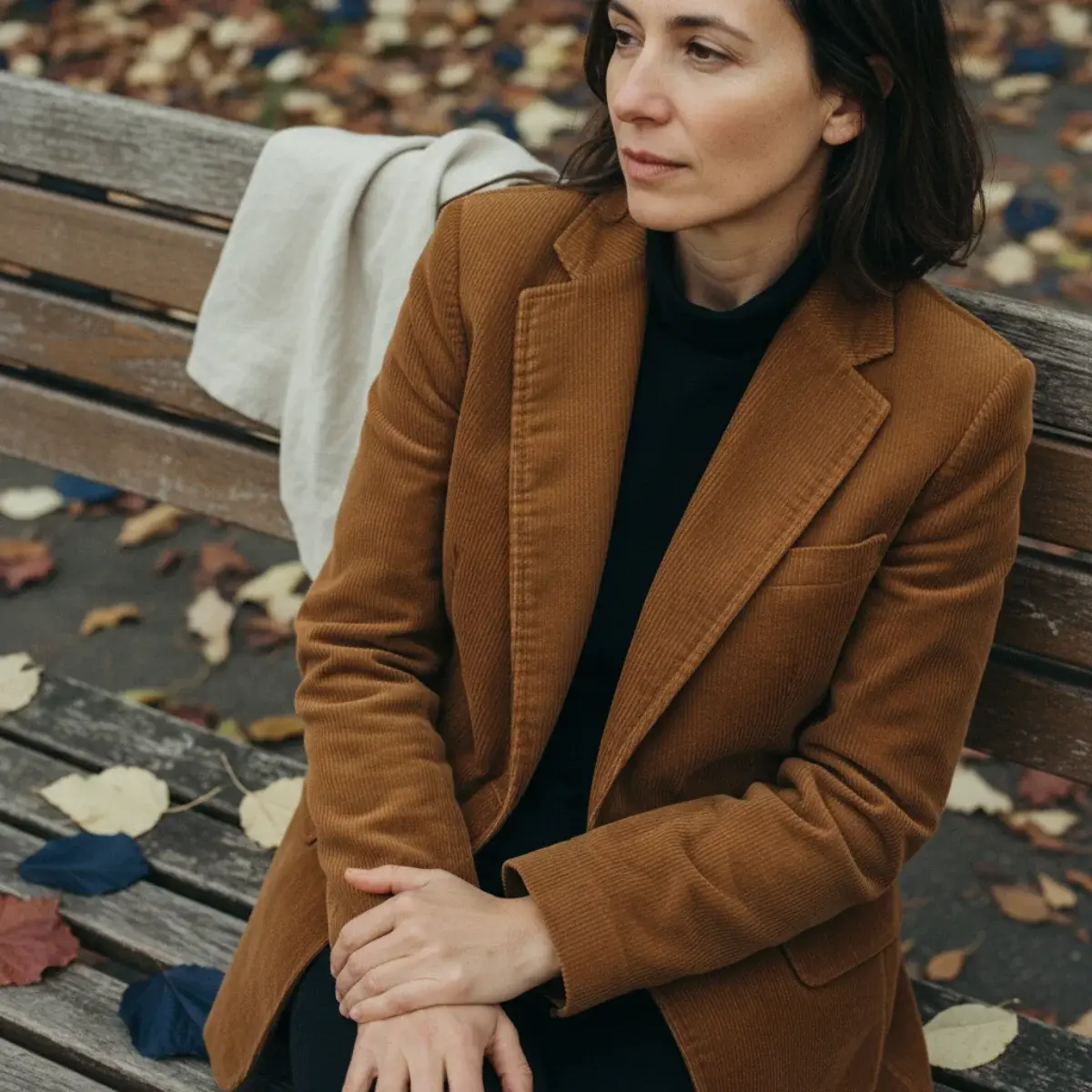
The trickiest part of autumn is its beginning, when warm afternoons collide with cool mornings and evenings, and the wardrobe has to bridge two seasons at once. Transitional dressing is layering at its most useful. Lean on pieces that work across the temperature range: a trench rather than a heavy coat, a fine knit rather than a chunky one, a denim or leather jacket that comes off easily, and a midi dress that works with or without tights. The aim is an outfit that handles a cool start, a mild middle, and a cold end without a full change.
The palette can transition too, easing from summer's lighter tones into autumn's deeper ones gradually rather than all at once — a rust knit with summer's cream trousers, an oxblood accent against a still-light base. Early fall is also the moment to reintroduce boots and scarves as the temperature allows, building the seasonal wardrobe back up piece by piece. Handled well, the transition is one of the most enjoyable dressing windows of the year, because it offers the most flexibility; handled poorly, it is the source of the season's worst over- and under-dressing. Layering you can adjust through the day is the whole answer.
 1600×1067
The fall aesthetics, briefly
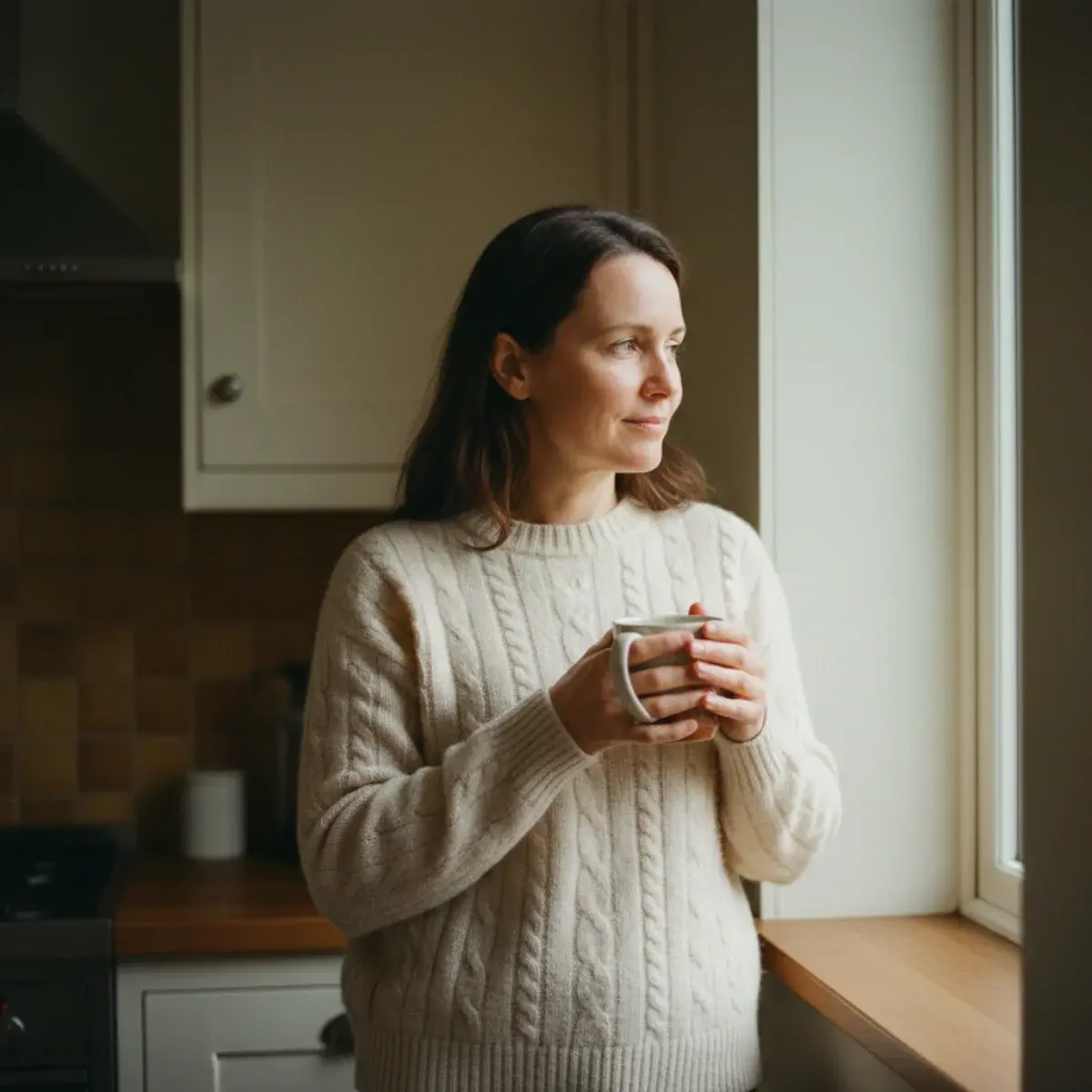
Autumn is the season most associated with distinct aesthetics, and understanding them helps you build a fall wardrobe with a point of view rather than a random one. The classic or old money autumn look leans on tailored neutrals, camel coats, tweed, and riding boots — restrained and timeless, covered in full in our old money fall outfits guide. The cozy or hygge aesthetic centres on oversized knits, soft textures, and warm neutrals, prioritising comfort and warmth. Dark academia leans theatrical and scholarly, with tweed, plaid, layered intellectual references, and a darker palette. And cottagecore brings a rustic, romantic softness through floral midis, knits, and earthy tones.
These are not rigid boxes but starting points, and most people draw from more than one. Choosing a loose direction — even just "warm and classic" or "cozy and soft" — gives the wardrobe coherence and makes shopping easier, because every piece can be judged against the aesthetic. Our dedicated aesthetic fall outfits guide takes all of these apart with looks for each, so you can find or combine the ones that suit you. The common thread across all of them is autumn's palette and fabrics; the aesthetics simply arrange them differently.
 1600×1067
Fall accessories
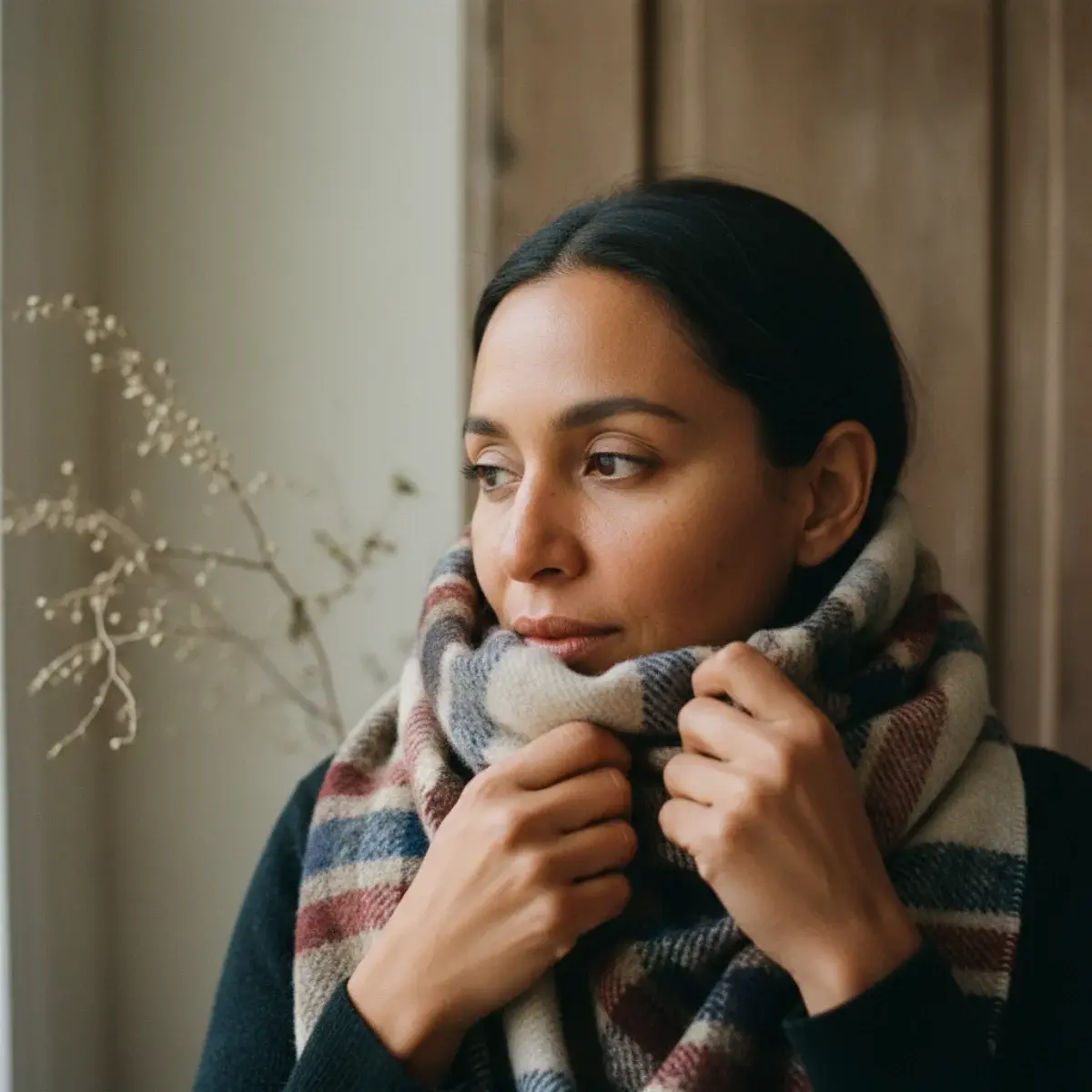
Autumn is the most accessory-friendly season, because the cold gives every addition a reason to exist beyond decoration. The scarf leads — a silk square for early fall, a fine cashmere or wool wrap for the depths of it — adding warmth and a hit of colour at the neck, and it is the single most useful fall accessory. Leather gloves in cognac or chocolate read polished where anything technical does not. A wool or felt hat — a beret, a clean fedora, a flat cap — finishes a coat-led outfit. And tights, in opaque black, charcoal, or warm brown, extend dresses and skirts into the cold months.
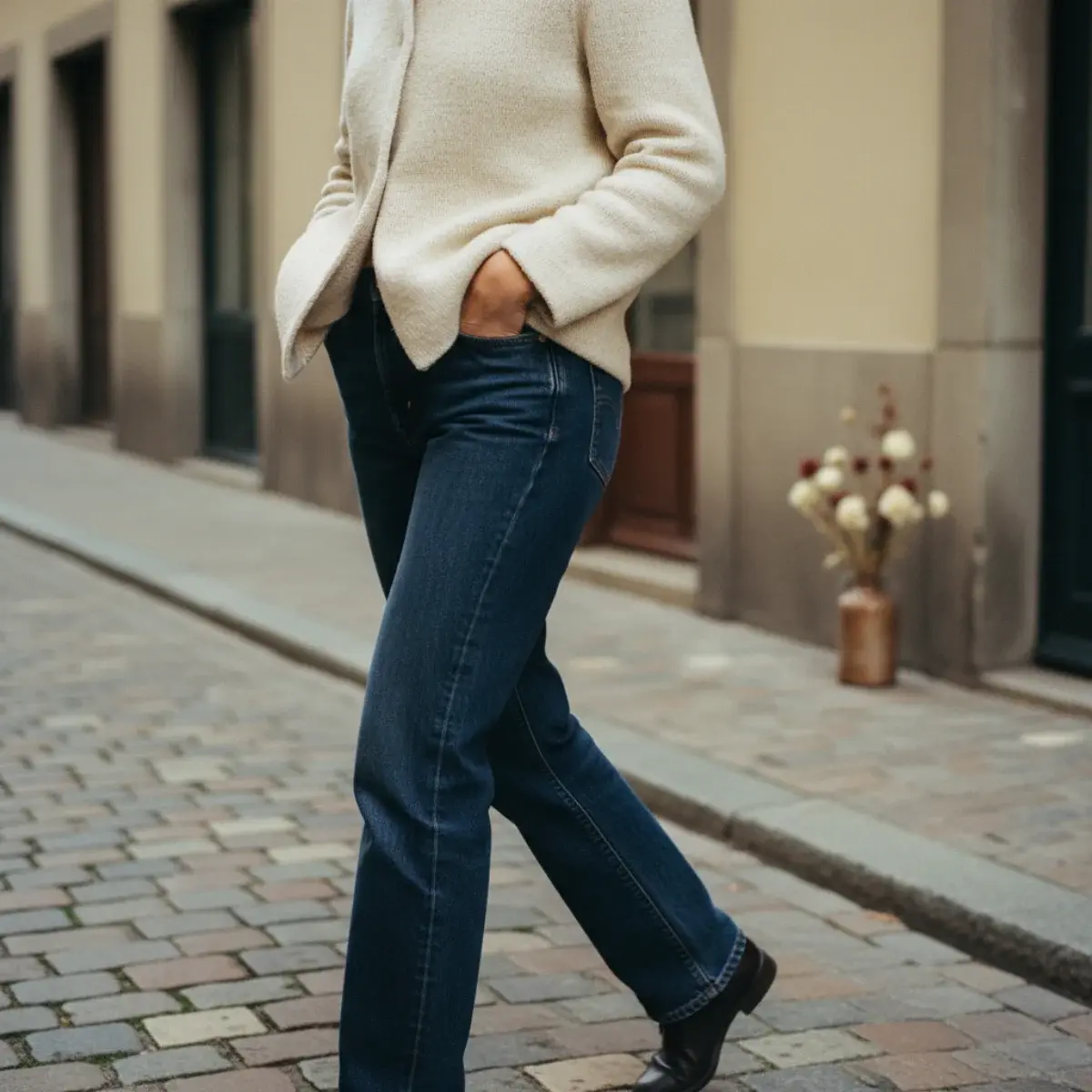
The bag and jewellery follow the year-round logic with an autumn lean: a structured leather bag in a warm tone, covered in the bag styling guide, and one good jewellery piece, gold reading especially well in the warm autumn light, as the jewellery styling guide explains. Boots, the defining fall footwear, deserve their own mention — ankle, knee-high, riding, and suede chukka or Chelsea boots carry the season, mostly in brown, tan, or black leather and suede. Together these accessories do much of the work of making a simple fall outfit read complete and considered, and because most of them are small, they are also the most affordable way to refresh a fall wardrobe year to year — a new scarf or a different boot updates the whole look without replacing the clothes underneath.
 1600×1067
Fall outfits by temperature: early, mid, and late autumn
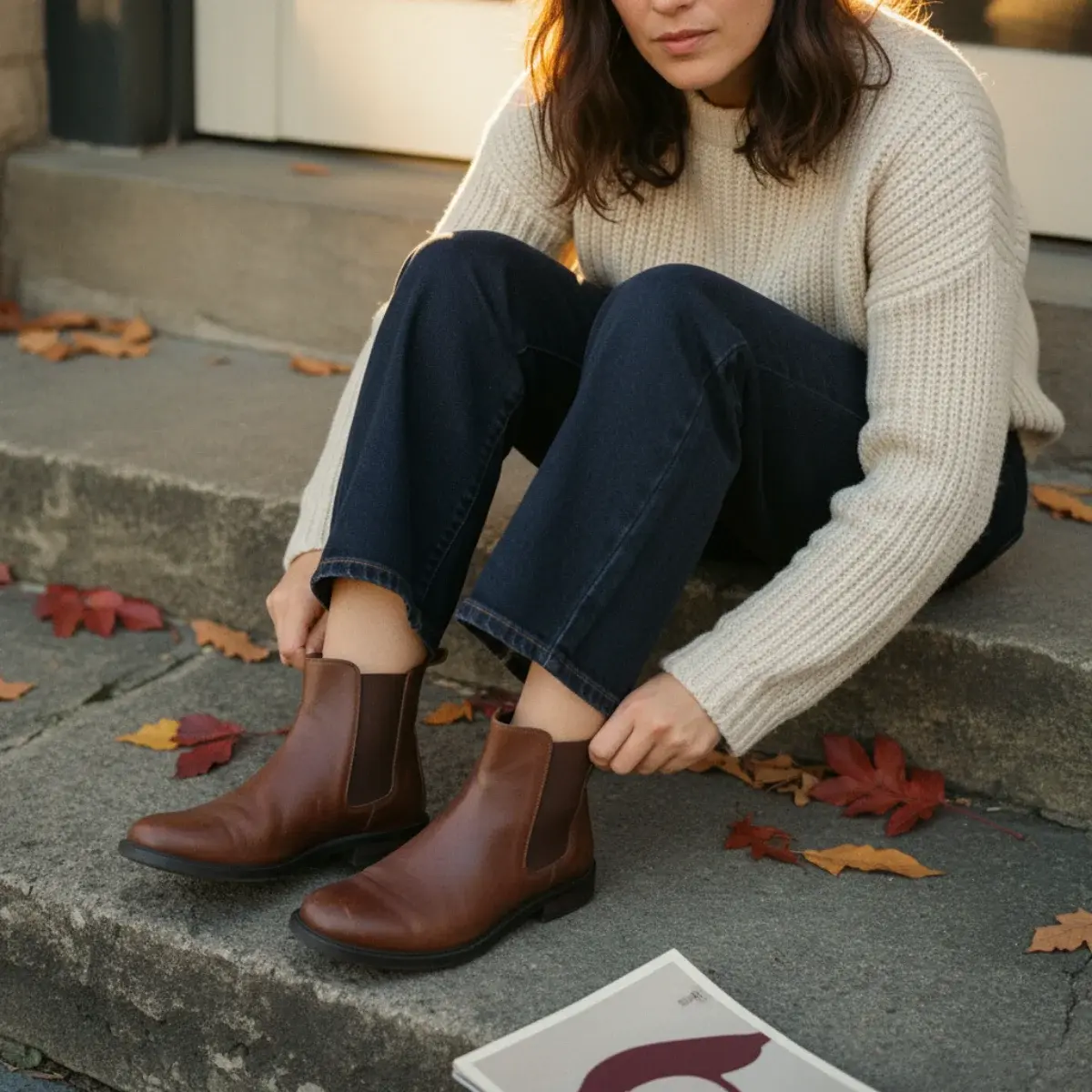
Fall is really three sub-seasons, and dressing for the actual temperature rather than the calendar is what keeps you comfortable through all of them. Early fall, when warm afternoons still linger, calls for the lightest end of the autumn wardrobe: a fine knit or a long-sleeve top, a denim or leather jacket, a trench for cooler moments, and a midi dress that works with or without tights. The palette eases from summer's lighter tones into autumn's deeper ones gradually, and boots and scarves reappear as the mornings sharpen.
Mid fall is the season at its fullest, when coat weather settles in and the wardrobe comes into its own: a wool coat over a cashmere knit, tailored trousers or jeans, knee or ankle boots, and a scarf. This is the window the whole autumn palette and fabric range were built for, and it is the easiest fall dressing of all because the temperature finally matches the clothes. Late fall, as the cold deepens toward winter, calls for the heaviest layering: a coat over a blazer over a roll-neck, thicker knits, lined boots, gloves, and a hat. The three-weight method scales across all three sub-seasons — you simply adjust the weight and number of the layers as the temperature drops, which is exactly why building the wardrobe around adjustable layers matters so much.
 1600×1067
How to transition your fall wardrobe into winter
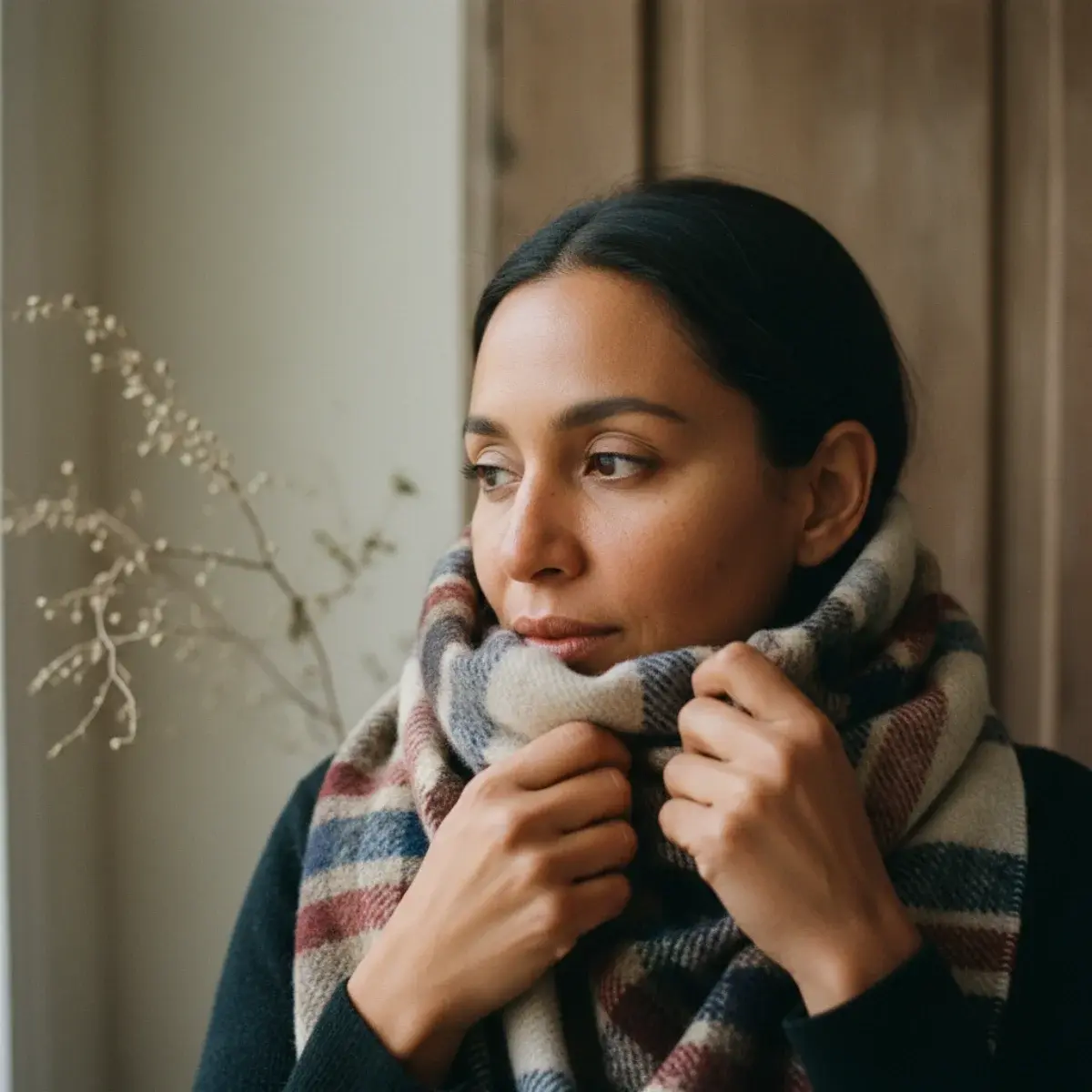
The end of autumn flows into winter, and a well-built fall wardrobe carries most of the way across with a few additions rather than a wholesale change. The knits, boots, and tailored trousers stay; what changes is the weight and the warmth. Swap the trench and the lighter jacket for a heavier wool coat or add a puffer for the coldest days, introduce thicker and chunkier knits, add lined or weatherproof boots, and bring in proper gloves, a heavier scarf, and a hat. The deep autumn palette carries straight into winter, joined by more black, grey, and the occasional jewel tone for the season's events.
The continuity is the point: because both seasons rely on layering natural fabrics in a deep palette, the fall capsule is most of a winter capsule already, and the transition costs only a few warmer pieces rather than a new wardrobe. This is the efficiency of building seasonal wardrobes that overlap — the camel coat, the cashmere knits, the leather boots, and the tailored trousers work from September through March, with only the heaviest-weather pieces added at the cold end. Dressing across the cold half of the year, in other words, is one continuous project rather than two separate ones, which is exactly how a capsule wardrobe is meant to function.
 1600×1067
Fall outfit mistakes to avoid
A handful of errors recur each autumn. Under-layering is the most common — relying on a single piece that cannot handle the day's temperature swing leaves you cold in the morning and overheated by afternoon, where adjustable layers solve both. Over-bulking is the opposite error — piling on heavy, chunky layers that swamp the silhouette, when two fine layers insulate better and look sleeker. Ignoring the palette undermines the season's biggest asset; clashing or random colours waste the warm, coherent tones that make autumn dressing read composed.
Two more round it out. Wrong footwear — keeping summer sandals into the cold, or wearing impractical shoes in wet weather — breaks both the look and the comfort, where a leather boot solves both. And skipping natural fabrics for thin synthetics leaves an outfit reading flimsy and cold, where even an inexpensive wool or cashmere reads richer and insulates better. Each of these resolves the same way: layer in fine weights, stay within the warm palette, choose natural fabrics, and put on the boots. Fall dressing done well is less about buying than about layering and combining what the season's palette and fabrics make possible — which is good news, because it means a great autumn wardrobe is within reach of almost any budget, built on restyling, second-hand fabric, and a little layering know-how rather than a closet full of new clothes.
Key takeaways
- 1Fall is the layering season — three weights (fine base, warm middle, outer coat), kept tonal, is the core skill.
- 2The autumn palette of warm neutrals plus deep accents like oxblood and rust is the fastest way to read seasonal.
- 3Natural fabrics — wool, cashmere, tweed, corduroy, suede, denim — carry the season and are best bought second-hand in fall.
- 4A coordinating fall capsule of twelve to fifteen pieces recombines into a full season of outfits.
- 5Dresses carry into autumn with tights and boots from below and a knit or coat from above; boots are the defining footwear.
Where to go from here
This silo takes autumn dressing further. Read aesthetic fall outfits for the season's distinct looks and how to get them, and what to wear in fall for a practical, temperature-led guide to the season. For the classic autumn aesthetic in full, see old money fall outfits; for the wardrobe logic beneath it all, the capsule wardrobe guide; and for dressier autumn occasions, the complete dress code guide. The fall season archive collects every autumn story on the site. Vogue and Who What Wear publish reliable seasonal trend coverage each autumn.
Frequently asked
- What should you wear in the fall?
- Fall dressing is built on layering natural fabrics in a warm palette: knitwear, denim, tailored trousers, and dresses layered under jackets and coats, in tones like camel, cream, rust, oxblood, forest green, and chocolate. A typical fall outfit is a knit over a shirt with jeans and ankle boots, or a midi dress with a coat and knee boots. The key is layers you can add and remove as the temperature swings through the day.
- What colours are best for fall outfits?
- Warm, muted, and deep tones define the autumn palette: camel, cream, rust, mustard, oxblood, burgundy, forest green, chocolate brown, and charcoal. These shades layer over one another without clashing and suit the season's lower light. Oxblood and burgundy in particular read as signature fall colours, while camel and cream provide the neutral base most outfits build on.
- What fabrics are best for fall clothes?
- Natural autumn fabrics carry the season: wool for coats and trousers, cashmere and lambswool for knitwear, tweed for blazers and skirts, corduroy and suede for texture, and denim for everyday wear. Silk persists in scarves. These fabrics insulate, drape well, and look richer in low autumn light, and they age better than synthetics, which is why fall is a good season to buy them second-hand.
- How do you layer fall outfits?
- Layer in three weights: a fine base such as a shirt or thin knit, a warmer middle layer like a heavier knit or a blazer, and an outer coat. Keep the layers in a coordinating palette so the outfit reads as one composed look, and add a scarf for warmth and a finishing detail. Layering this way handles the wide temperature swings of a typical autumn day.
- What is a fall capsule wardrobe?
- A fall capsule is a small set of coordinating autumn pieces that recombine into many outfits: a couple of coats, a few knits, tailored trousers and jeans, a skirt and a dress or two, plus ankle and knee boots, all in a warm neutral palette. Built around shared tones, ten to fifteen pieces produce weeks of outfits, which is the most efficient way to dress for the season.
- What shoes do you wear in the fall?
- Ankle boots, knee-high boots, riding boots, loafers, and suede chukka or Chelsea boots are the core fall shoes, mostly in leather and suede in brown, tan, or black. Boots are the defining autumn footwear, handling cooler, wetter weather while reading polished. A clean leather ankle boot or a knee boot is the most versatile choice across casual and dressier fall outfits.
- What dresses work for fall?
- Knit dresses, midi and maxi dresses in heavier fabrics, shirt dresses, and wrap dresses all work for fall, especially layered with tights, boots, and a coat or jacket. Deeper colours and warmer fabrics distinguish a fall dress from a summer one. A knit midi with knee boots, or a printed midi with a denim jacket and ankle boots, are reliable autumn dress outfits.
Written by Marguerite Sterns, looksyra editorial. Last updated May 2026.