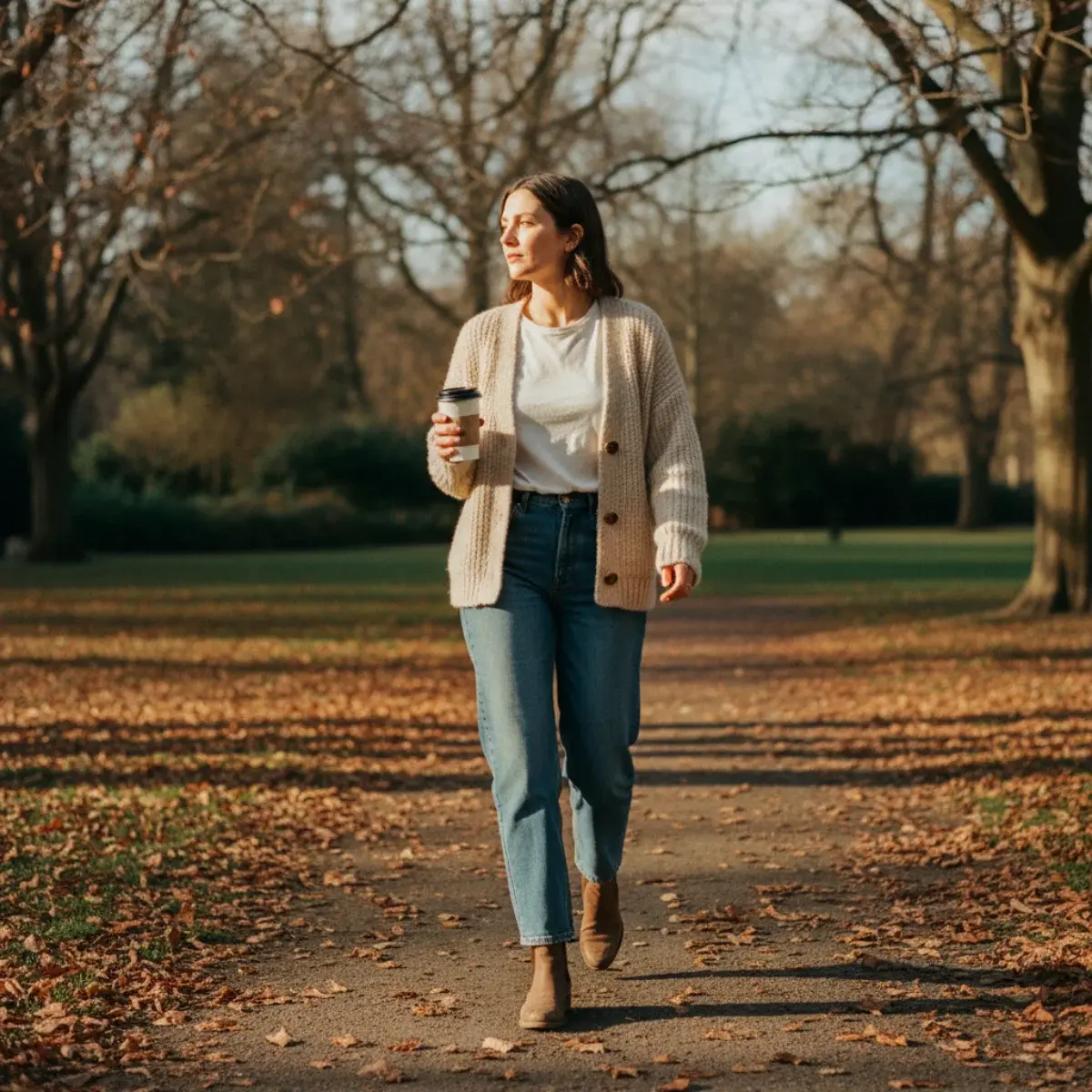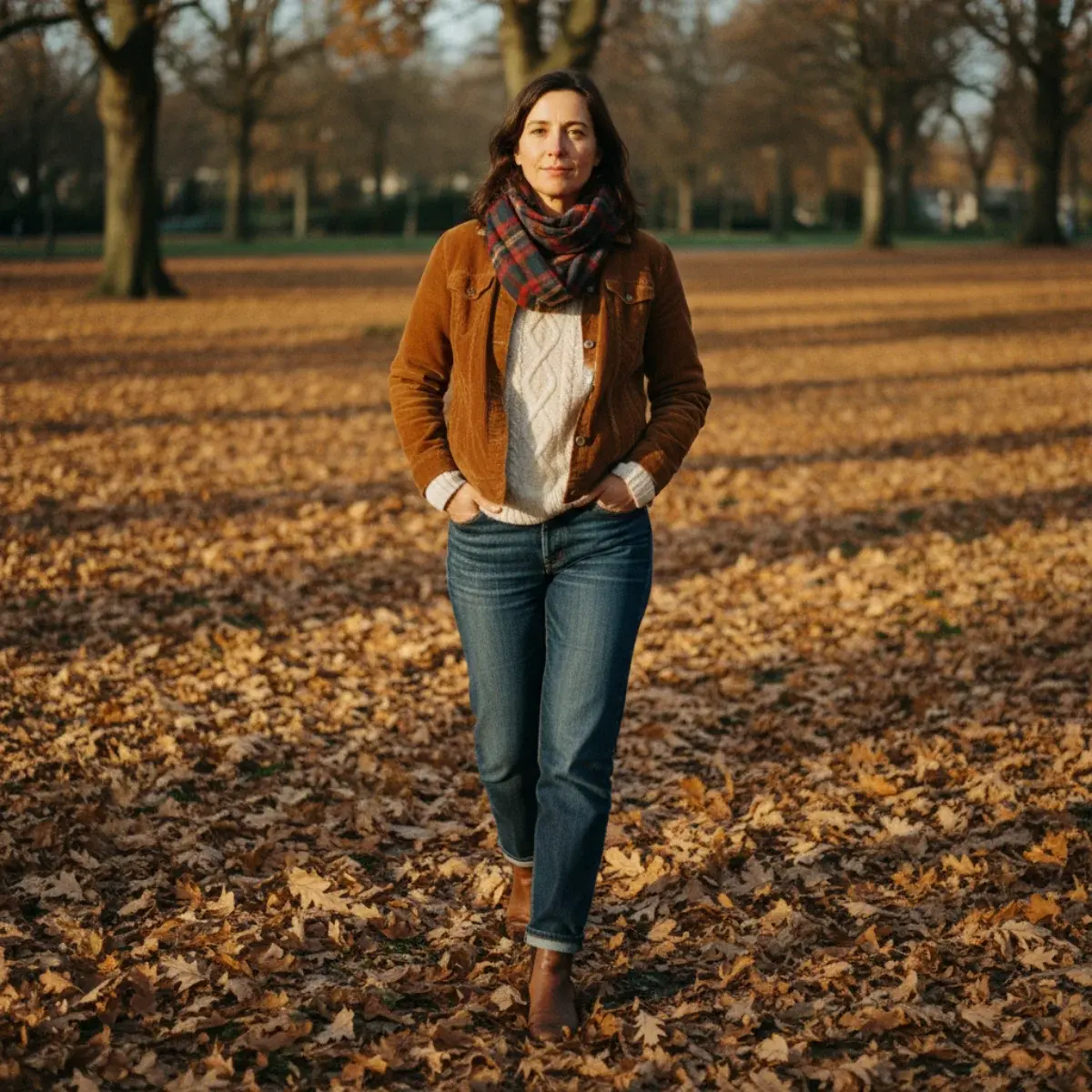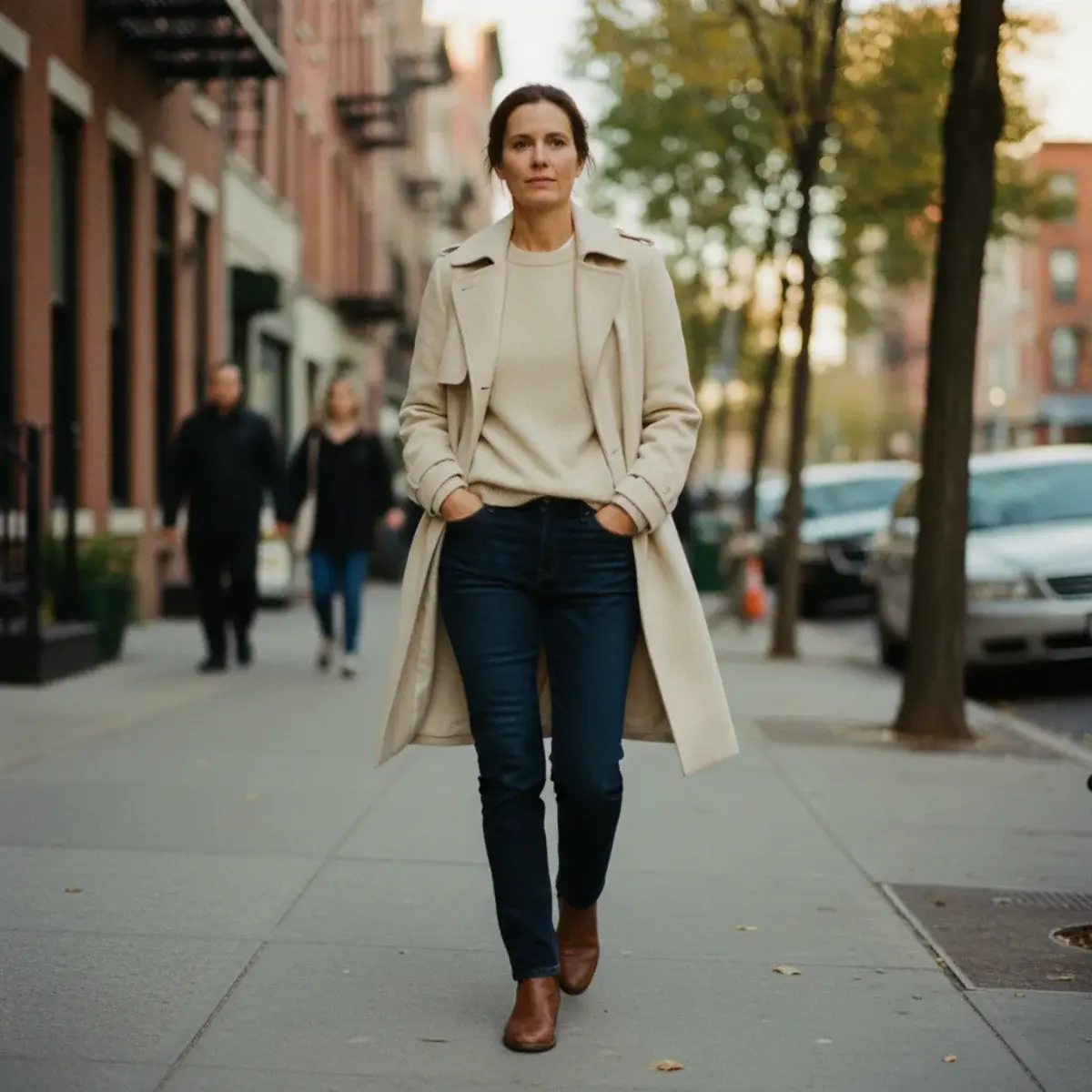
The hardest thing about dressing for fall is not the cold — it is the variability, the way a single day can start at sweater weather, warm into shirtsleeves by lunch, and drop back to coat weather by the time you head home. Summer and winter are simple by comparison, because you dress against one stable extreme. Autumn asks you to dress for a moving target, and the answer is not a perfect outfit but a flexible one. This is the practical guide to that flexibility: how to read a fall day, how to layer, what to own, and what to wear through early, mid, and late autumn. For the full theory of fall dressing, see our fall outfits guide.
The principle this guide will hold: dress for the temperature, not the calendar, and build outfits you can adjust through the day. The date on the calendar tells you nothing useful; the forecast and the actual feel of the morning tell you everything. Layer so a single outfit handles the whole day's range, and fall stops being a daily guessing game.
How to read a fall day
Fall dressing starts before you open the wardrobe, with a quick read of the day ahead. Check the forecast for the full range — not just the high, but the morning low and the evening drop — because autumn's spread between them is often wide enough to require two different levels of warmth in a single day. Factor in what the day holds: time outdoors versus indoors, a commute in the cold versus a warm office, an evening that runs late. The goal is to know the coldest and warmest moments you will face, then dress to handle both with layers you can adjust between.
This reading is the whole reason layering matters in autumn specifically. In summer you dress for the heat and in winter for the cold, but in fall you dress for a range, which means a single fixed outfit will be wrong for part of the day no matter what. An outfit built in adjustable layers — something to take off when it warms, something to put back on when it cools — is the only kind that stays right from morning to night. Reading the day first is what tells you how many layers and what weight to build in.
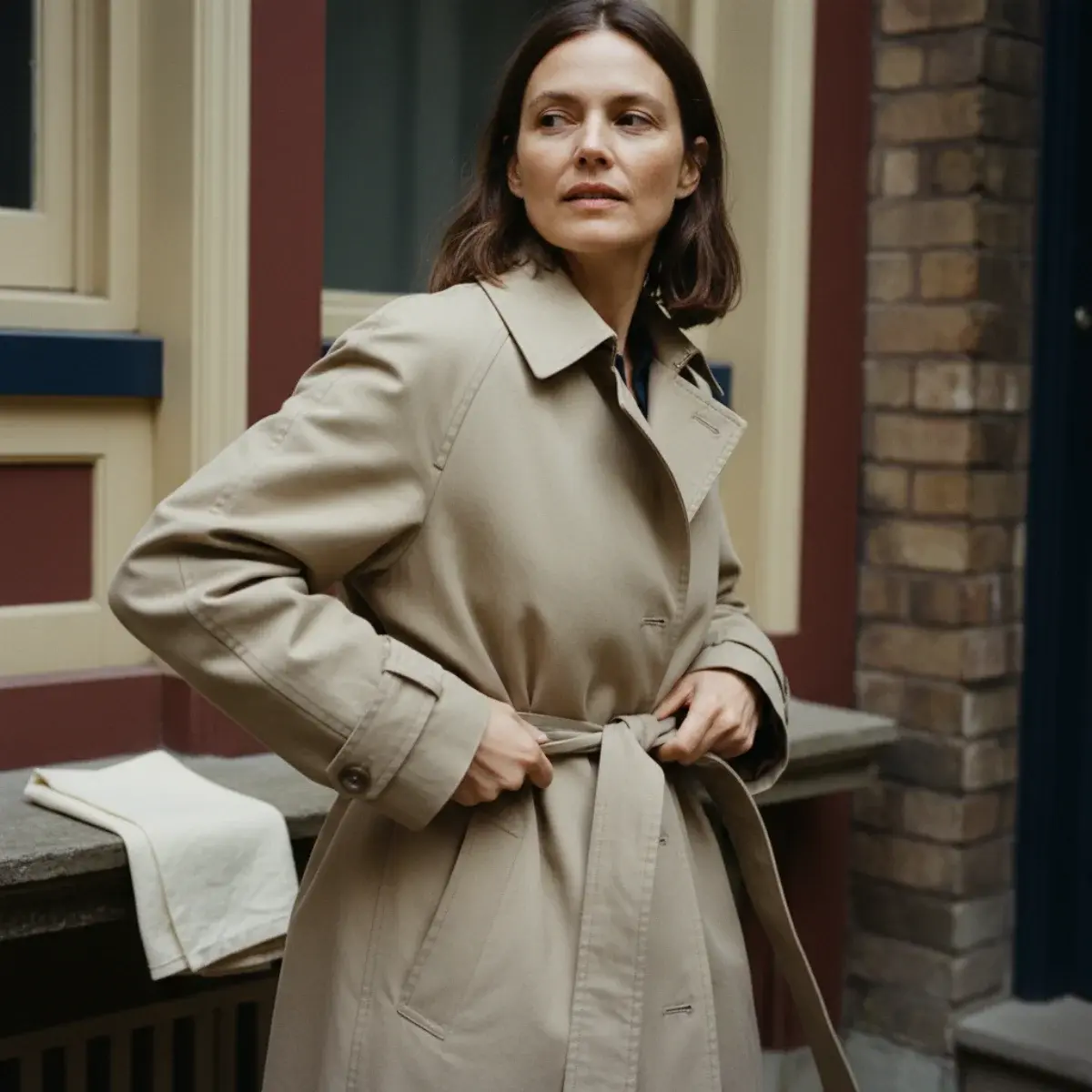 1600×1067
The fall layering method
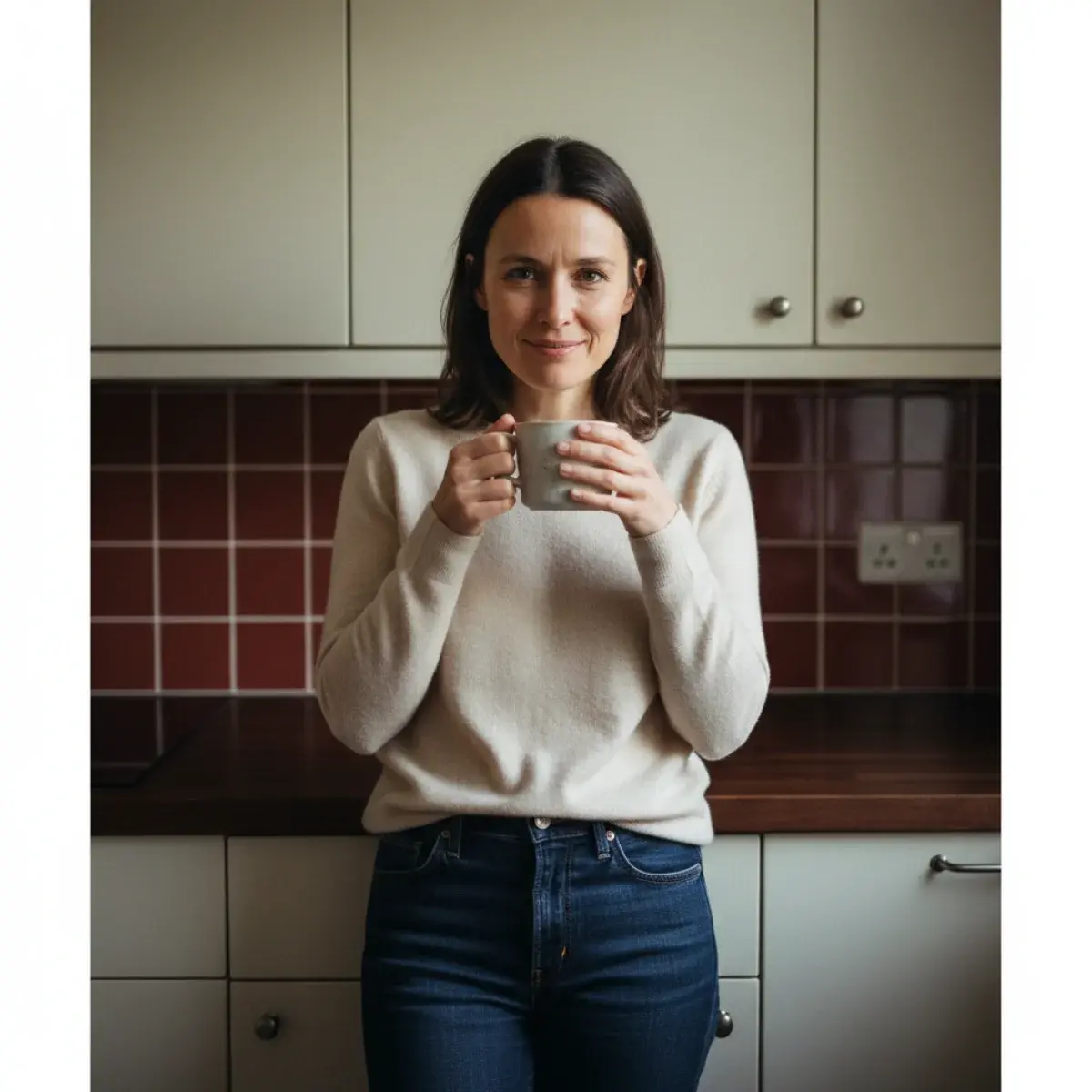
Layering is the core skill of fall dressing, and the reliable method builds in three weights. The base is a fine layer against the body — a cotton or silk shirt, a thin knit, a long-sleeve tee. The middle is the warmth — a heavier cashmere or lambswool knit, a cardigan, a tweed blazer. The outer is the weather layer — a trench for mild or wet days, a wool coat for cold ones, a denim or leather jacket for transitional weather. Each layer can come off as the day warms and go back on as it cools, which is precisely what an autumn day demands.
Two rules make layering look composed rather than piled on. Keep the layers tonal, all within a warm coordinating palette, so the outfit reads as one considered look rather than several stacked. And build warmth with fine fabrics rather than bulky ones, because two thin layers insulate better and look sleeker than one thick one, keeping the silhouette clean. A scarf adds warmth and a finishing detail, and a coat worn open frames the layers beneath more elegantly than one buttoned tight. This method is the practical heart of everything else in this guide, and the fall outfits guide covers the fabric choices that make it work.
 1600×1067
What to own: the fall essentials
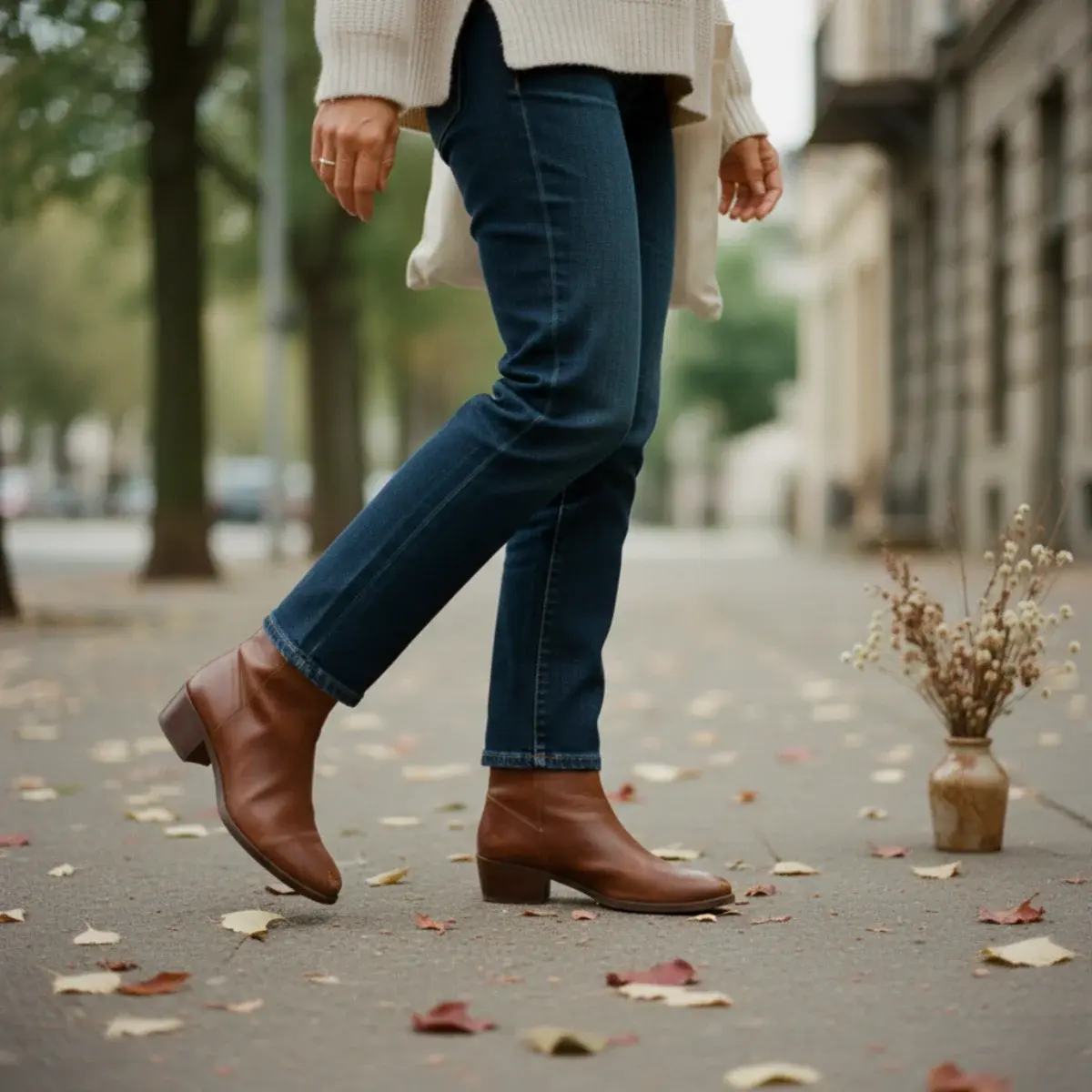
A practical fall wardrobe is short, because layering means each piece combines with many others. For outerwear, own a versatile wool coat, a trench for milder and wet days, and a denim or leather jacket for transitional weather. For knitwear, a few knits in neutral and accent tones — a roll-neck, a crewneck, a cardigan. For bottoms, tailored trousers, dark jeans, and a midi skirt. For dresses, a knit dress and a midi that layer with tights. And for shoes, ankle boots, knee-high boots, and loafers, mostly in leather and suede.
In a coordinating warm palette of two neutrals plus a deep accent, these ten-to-fifteen pieces recombine into a full season of outfits, which is the entire efficiency of dressing this way. Buy them in natural fabrics where you can, since wool, cashmere, and leather insulate, drape, and last in a way synthetics do not, and fall is the best season to find them second-hand. This is the autumn version of any capsule wardrobe, and the fewer-better-pieces logic behind it is the same that runs through the old money outfits guide. Build it once and getting dressed through fall becomes a daily recombination rather than a decision.
 1600×1067
What to wear in early fall
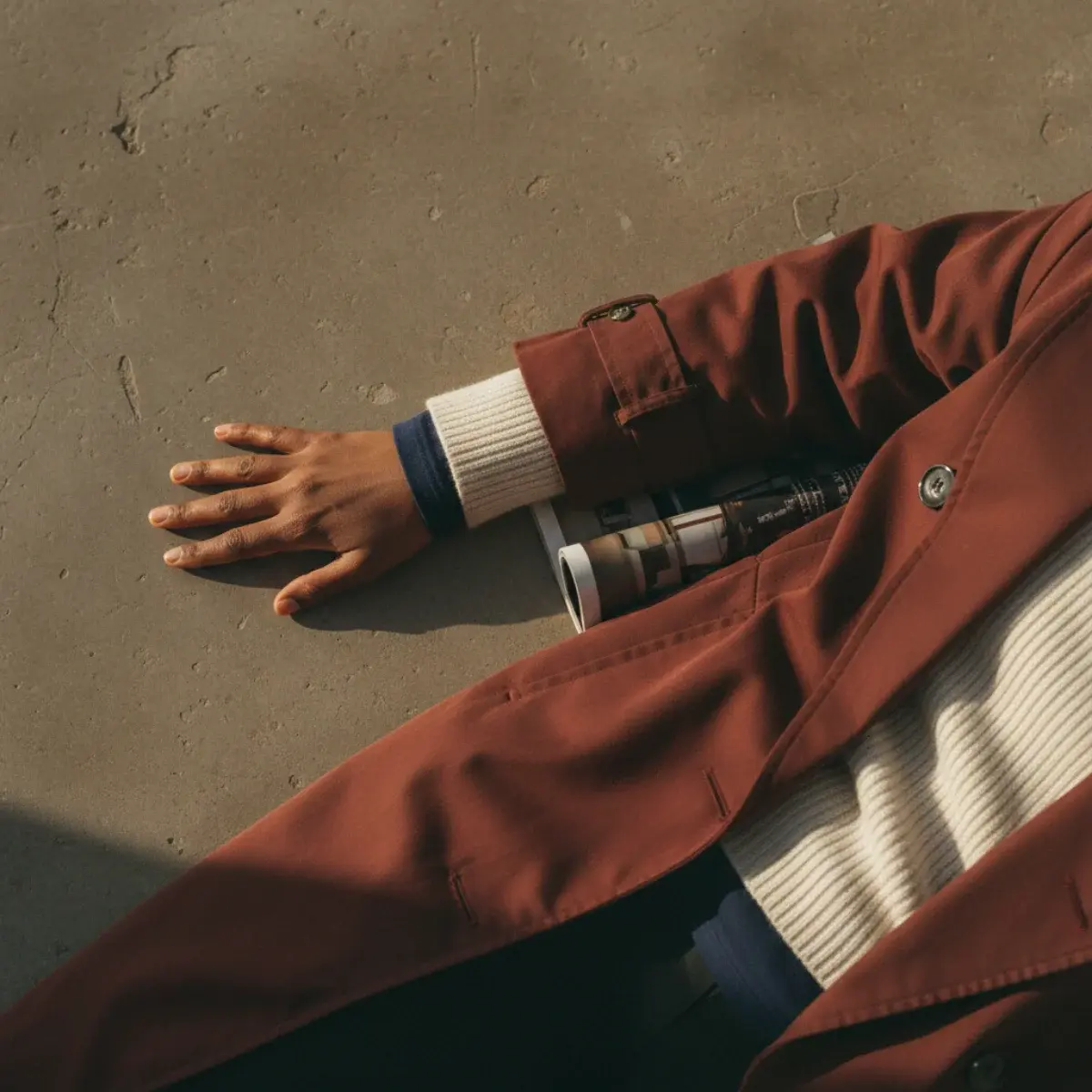
Early fall, when warm afternoons still linger and only the mornings and evenings have sharpened, calls for the lightest end of the autumn wardrobe. Lean on a fine knit or a long-sleeve top, a denim or leather jacket, a trench for the cooler moments, and midi dresses that work with or without tights. The trick is adjustability — a jacket you can carry once the afternoon warms, a dress that handles bare legs at noon and tights by evening. The palette can ease from summer's lighter tones into autumn's deeper ones gradually rather than all at once.
Reliable early-fall outfits include dark jeans with a fine knit and a denim jacket; a midi dress with ankle boots and a trench over the arm; and tailored trousers with a long-sleeve top and a light blazer. This is the transitional window where summer and autumn overlap, and dressing it well means bridging the two with pieces that span the temperature range rather than committing fully to either. Reintroduce boots and scarves as the mornings allow, building the seasonal wardrobe back up piece by piece.
 1600×1067
What to wear in mid fall
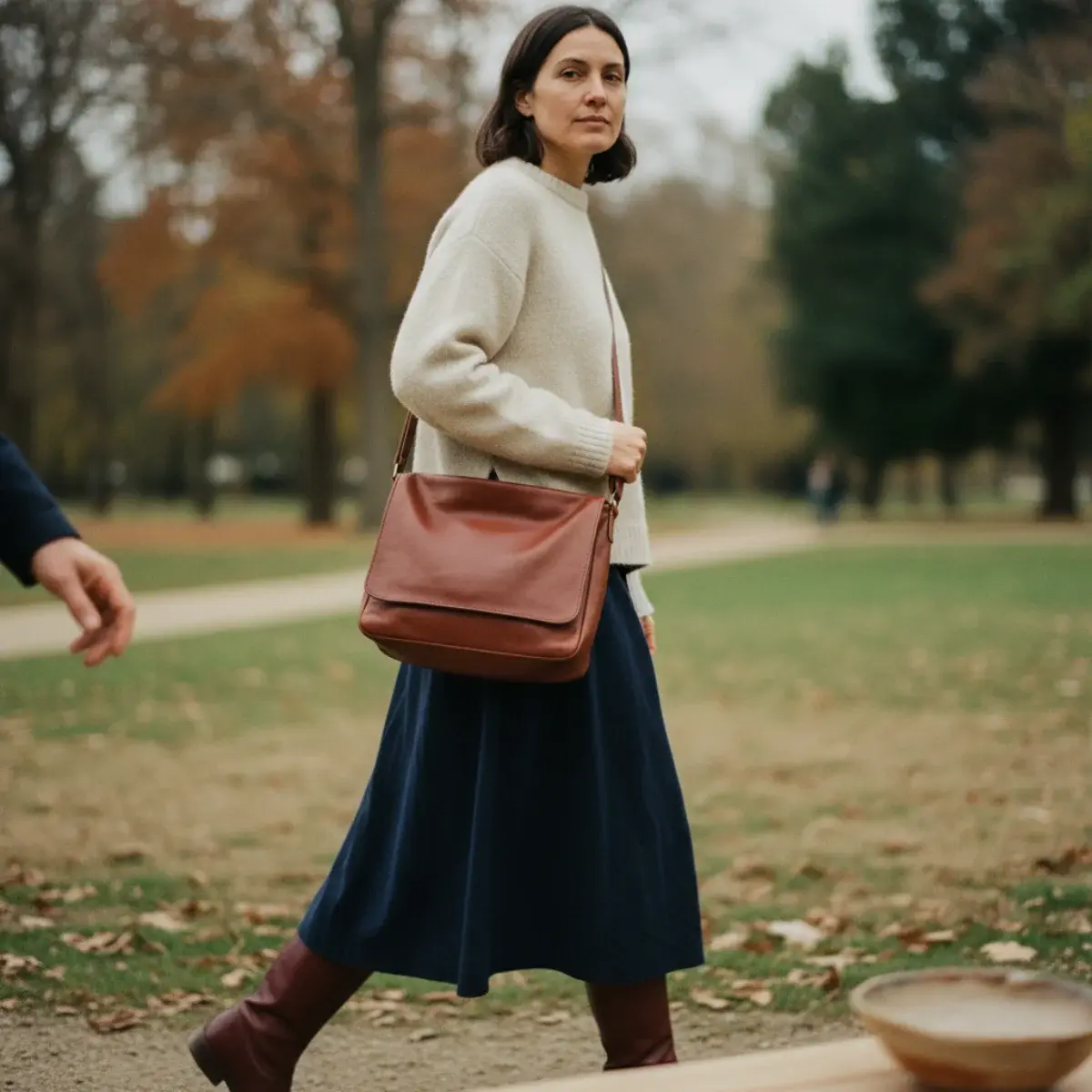
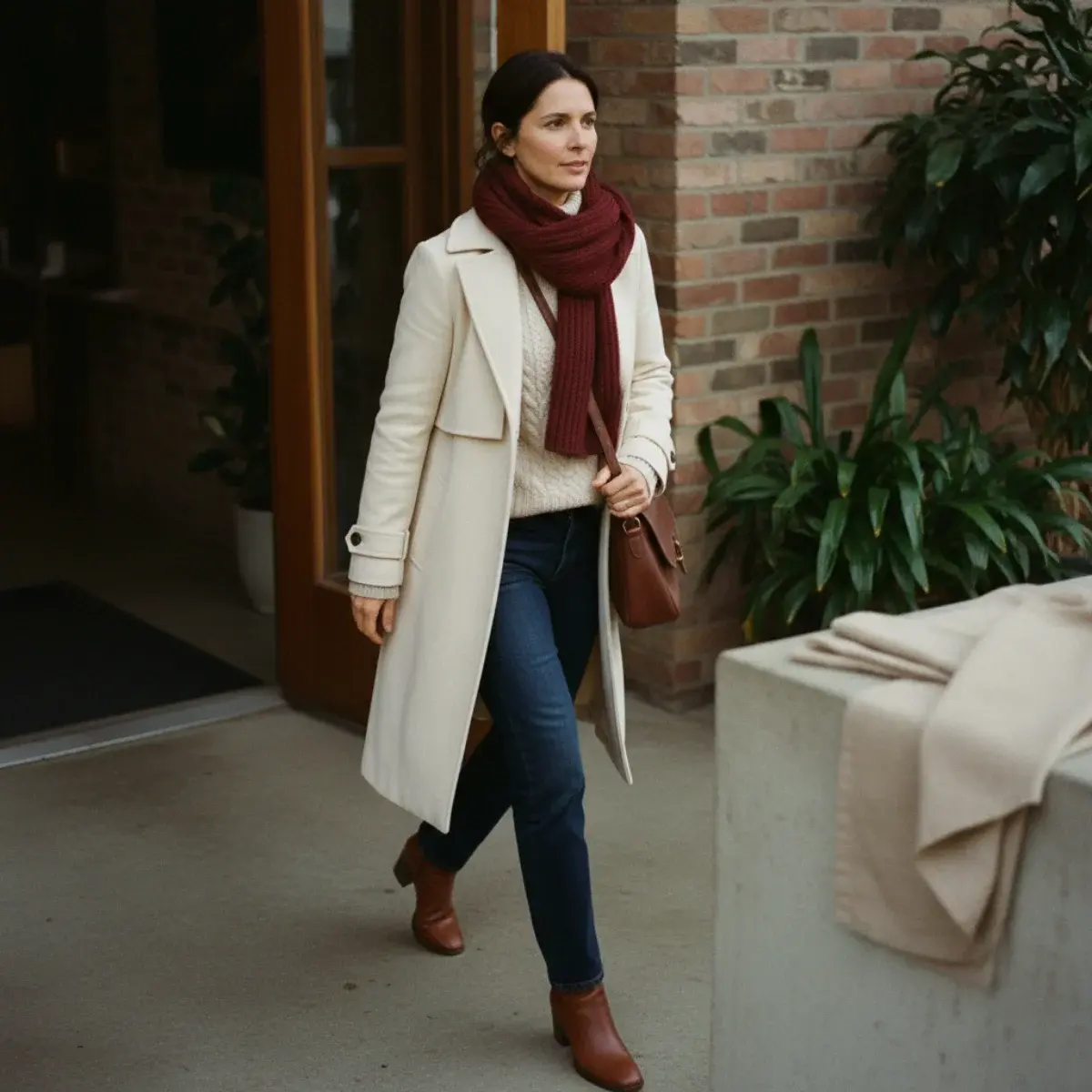
Mid fall is the season at its fullest, when coat weather settles in and the autumn wardrobe finally matches the temperature. This is the easiest fall dressing of all, because there is no longer a wide gap between morning and afternoon to bridge — it is simply cool, and the clothes can commit. Lean on a wool coat over a cashmere knit, tailored trousers or jeans, knee or ankle boots, and a scarf, in the full warm palette the season was built for.
Reliable mid-fall outfits include a camel coat over a roll-neck with tailored trousers and knee boots; a chunky knit with dark jeans, a tailored coat, and ankle boots; and a knit midi dress with tights, knee boots, and a wrap coat. This is the window the whole autumn palette and fabric range exist for, and it is when fall dressing is most enjoyable, because you can layer richly without the constant adjusting that early fall demands. The three-weight method still applies; you simply settle into the warmer end of it.
 1600×1067
What to wear in late fall
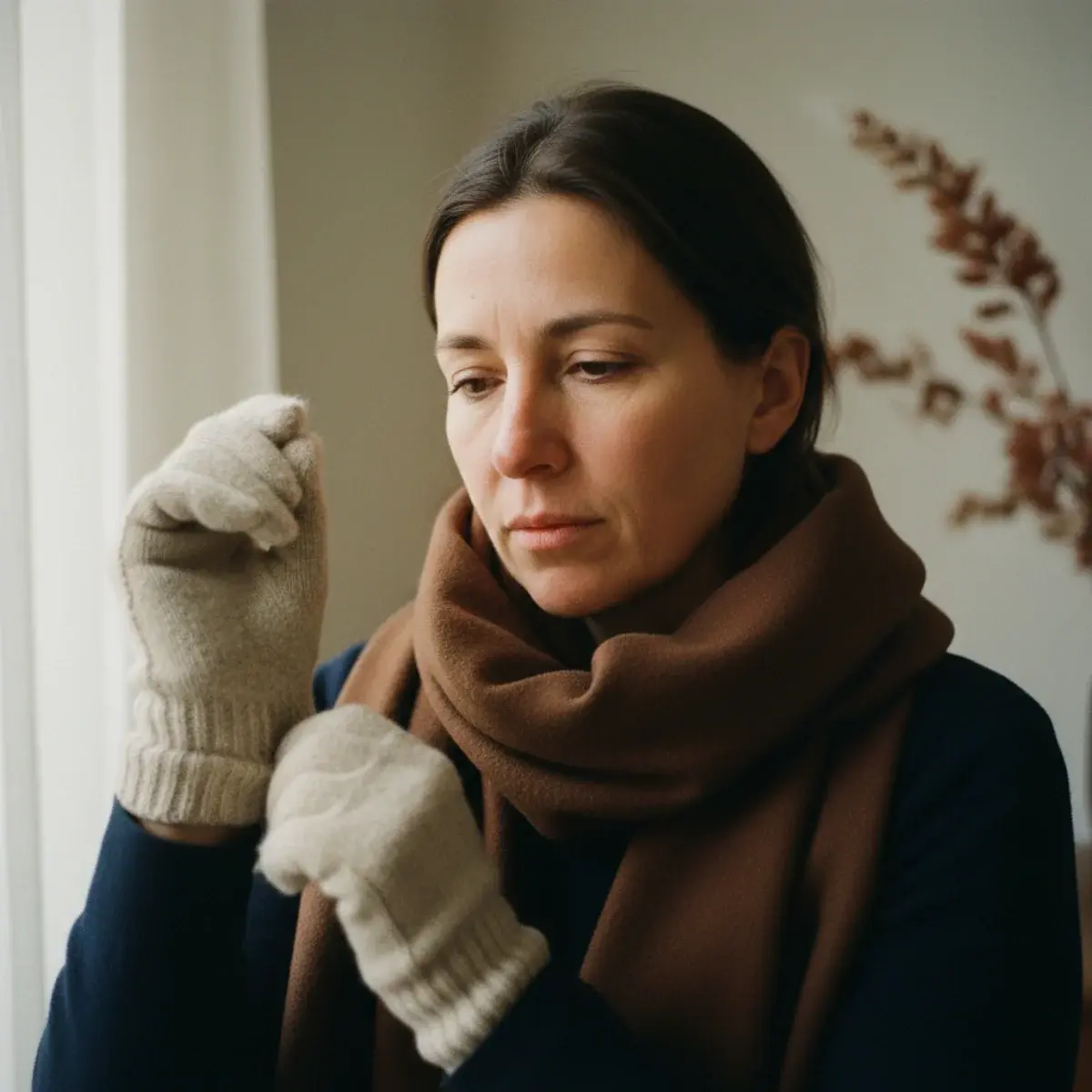
Late fall, as the cold deepens toward winter, calls for the heaviest layering of the season. Build with a coat over a blazer over a roll-neck, thicker knits, lined or weatherproof boots, and the full complement of cold accessories — gloves, a heavier scarf, a hat. The palette deepens further, joined by more black, grey, and the occasional jewel tone for the season's earliest events. This is where fall begins flowing into winter, and the wardrobe carries across with only a few warmer additions.
Reliable late-fall outfits include a heavy wool coat over a tweed blazer and a roll-neck with tailored trousers and lined boots; a chunky knit dress with opaque tights, knee boots, and a wrap coat; and dark jeans with a thick roll-neck, a tailored coat, gloves, and a scarf. Because both late fall and winter rely on layering natural fabrics in a deep palette, the wardrobe needs only weight and warmth added rather than replacing — the fall capsule is most of a winter one already, as the fall outfits guide explains. Dressing the cold half of the year is one continuous project, not two.
 1600×1067
What to wear in fall by occasion
Beyond everyday dressing, fall has its occasions, and the same layered approach adapts to each. For the office, tailored trousers with a fine knit and a blazer, or a roll-neck under a wool coat with ankle boots, reads polished and seasonal — the business-casual register dressed for autumn, covered in our business casual for women guide. For a casual social plan, dark jeans with a roll-neck and a tailored coat, or a knit dress with boots, nudges toward elevated casual, as our casual outfits guide describes.
For a dressier fall occasion — a dinner, a party, an autumn wedding — a midi dress in a rich fabric with a coat and heeled boots, or dark trousers with a silk top and a velvet blazer, handles the evening; the cocktail attire and wedding guest guides cover the fall versions. The constant across every occasion is the layered, warm-palette approach; only the dressiness of the pieces changes. Reading the occasion and adjusting the formality, while keeping the seasonal layering, is the whole skill.
 1600×1067
What to wear in fall: common mistakes
A few errors make fall dressing harder than it needs to be. Dressing for the calendar instead of the temperature is the most common — reaching for heavy knits the moment September arrives, or clinging to summer pieces into the cold, where reading the actual forecast solves both. Under-layering leaves you cold in the morning and overheated by afternoon, where adjustable layers handle the swing; over-bulking swamps the silhouette, where two fine layers insulate better and look sleeker. Keeping summer shoes into the wet and cold breaks both the look and the comfort, where a leather boot solves both.
The last is ignoring the palette and fabrics — wearing thin synthetics in clashing colours wastes the warm, coherent tones and insulating materials that make autumn dressing both look and feel right. Each of these resolves the same way: read the temperature, layer in fine weights you can adjust, stay within the warm palette, choose natural fabrics, and switch to boots. Fall dressing is less about owning the perfect outfit than about building flexible ones from a small, coherent wardrobe.
Key takeaways
- 1Dress for the temperature, not the calendar — read the day's full range and build outfits you can adjust through it.
- 2Layer in three weights — fine base, warm middle, outer coat — kept tonal and built from fine fabrics, not bulk.
- 3Ten to fifteen coordinating pieces in a warm palette recombine into a full season of fall outfits.
- 4Fall is three sub-seasons: light adjustable layers in early fall, full coat weather in mid fall, heavy layering in late fall.
- 5Boots are the defining fall footwear, and dresses carry into autumn with tights and boots below, a knit or coat above.
Where to go from here
This is the practical companion to the full fall outfits guide, which covers the palette, fabrics, and theory in depth. For autumn dressing with a point of view, read aesthetic fall outfits; for the classic autumn look, old money fall outfits. For the wardrobe logic beneath it all, see the capsule wardrobe guide, and for dressier autumn occasions, the complete dress code guide. The fall season archive collects every autumn story on the site. Vogue and Who What Wear publish reliable seasonal coverage each autumn.
Frequently asked
- What should you wear in fall?
- Dress in layers for fall's swinging temperatures: a fine base layer, a warmer knit or blazer, and an outer jacket or coat you can add and remove through the day. Build outfits from autumn staples — knitwear, denim, tailored trousers, midi dresses, and boots — in a warm palette. A knit over a shirt with jeans and ankle boots, or a midi dress with tights, boots, and a coat, are reliable fall formulas.
- How do you dress for fall weather?
- Dress for the actual temperature, not the calendar, since fall swings from cool mornings to mild afternoons to cold evenings. Layer so you can adjust through the day, lean on natural insulating fabrics like wool and cashmere, and switch to boots once it cools. Check the forecast and carry a layer you can remove, so a single outfit handles the whole day's range.
- What are the essential fall wardrobe pieces?
- The essentials are a versatile coat or two, a few knits, tailored trousers and dark jeans, a midi skirt and a dress or two, and ankle and knee boots, all in a coordinating warm palette. Add a trench and a denim or leather jacket for milder days, plus a scarf. These ten to fifteen pieces recombine into a full season of outfits, which is the most efficient way to dress for fall.
- What should I wear in early fall when it's still warm?
- In early fall, lean on the lightest end of the autumn wardrobe: a fine knit or long-sleeve top, a denim or leather jacket, a trench for cooler moments, and midi dresses that work with or without tights. Carry a light layer you can remove for warm afternoons, and reintroduce boots and scarves as the mornings sharpen. The aim is bridging summer and autumn with adjustable pieces.
- What shoes should I wear in fall?
- Boots are the defining fall footwear — ankle boots, knee-high boots, riding boots, and suede chukka or Chelsea boots, mostly in leather and suede in brown, tan, or black. Loafers work for milder days and polished looks. A clean leather ankle boot is the most versatile across casual and dressier fall outfits, handling cooler, wetter weather while reading put-together.
- How do you layer clothes in the fall?
- Layer in three weights: a fine base such as a shirt or thin knit, a warmer middle layer like a heavier knit or blazer, and an outer coat. Keep the layers in a coordinating palette so they read as one composed outfit, build warmth with fine fabrics rather than bulk, and add a scarf. This handles fall's wide daily temperature swings while keeping the silhouette sleek.
- Can you still wear dresses in fall?
- Yes — dresses work well in fall with the right layering. Add tights and tall boots for warmth from below, layer a knit or jacket over or under for warmth above, and finish with a coat. Knit dresses and heavier midi and maxi dresses are the most natural fall dresses, while summer dresses carry into early autumn with tights, a layered knit, and ankle boots.
Written by Priya Venkataraman, looksyra editorial. Last updated May 2026.