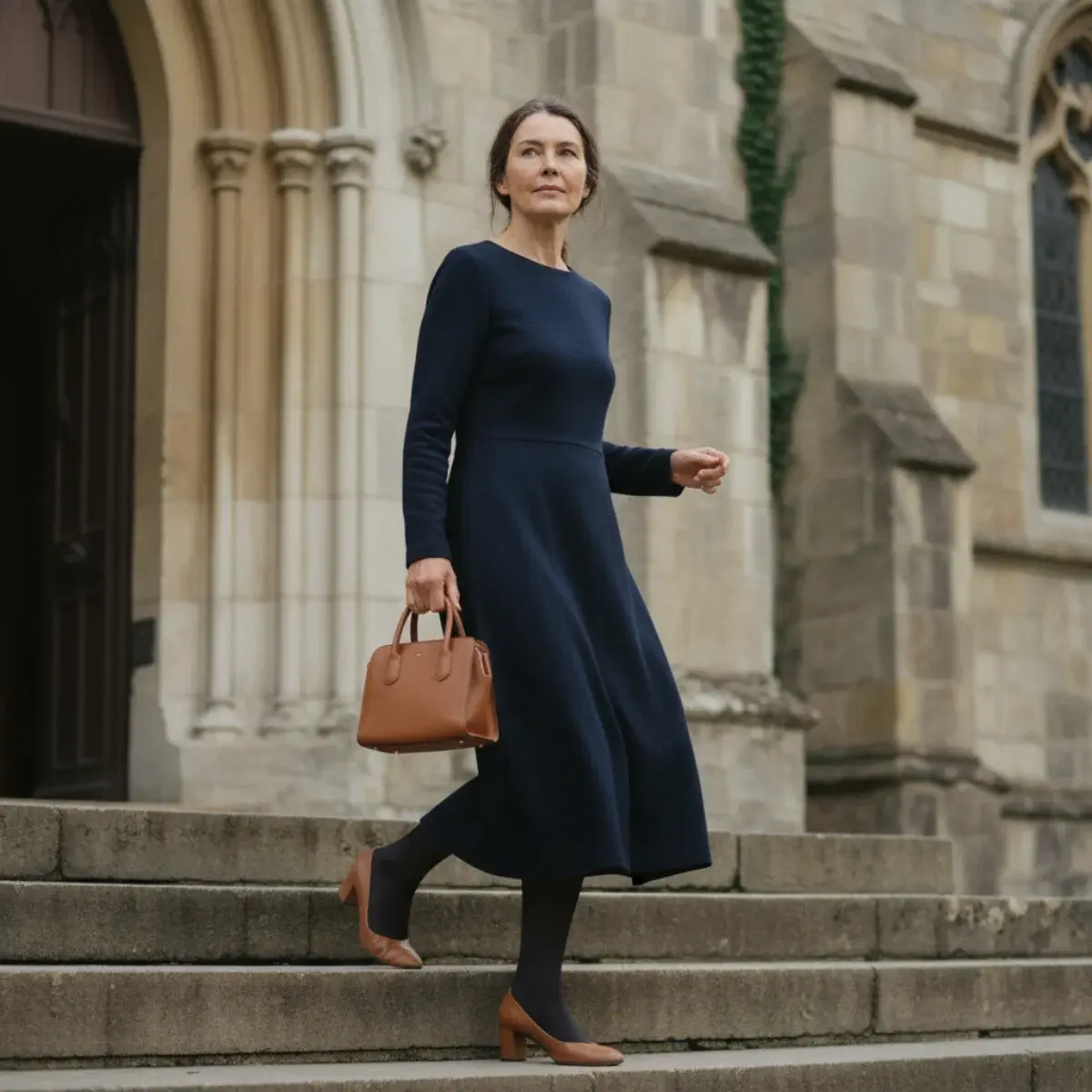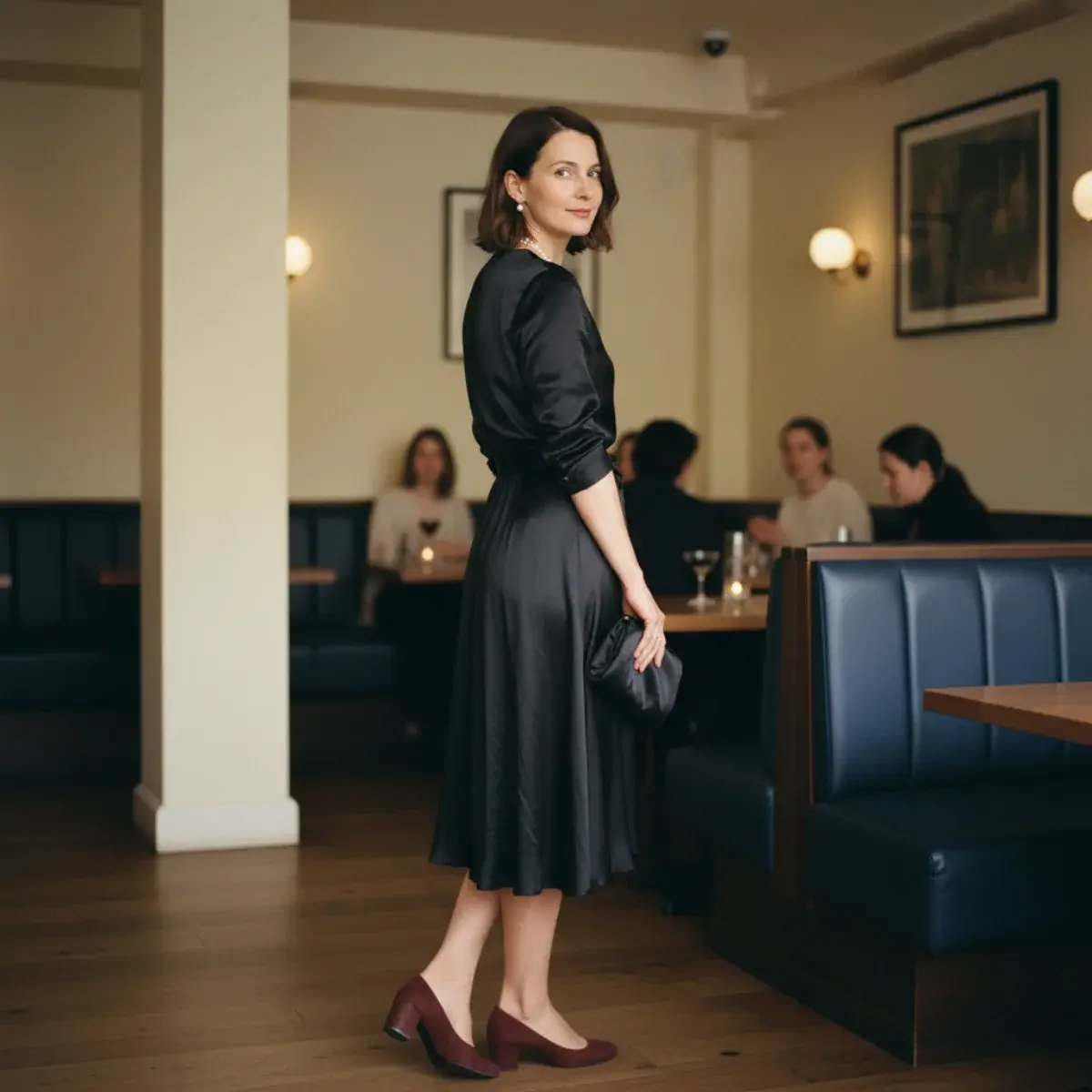
A cocktail party lives in a particular register — somewhere between the office and the gala, dressed-up but still able to hold a glass and a conversation — and the dress code is named for exactly that in-between space. "Cocktail attire" appears on more invitations than almost any other code, from weddings to work parties to birthday dinners, and it confuses people precisely because it sits in the middle of the ladder. This guide pins it down: what cocktail attire means, how it differs from its neighbours, and how to build the look. For where it sits among all the codes, see our complete dress code guide.
The principle this guide will hold: cocktail attire is the most flattering code on the ladder, because it rewards fit and one good accessory over expense. You do not need a gown or a designer label. You need a dress that fits and a single piece that makes it feel like an event.
What cocktail attire actually means
Cocktail attire emerged in the early twentieth century alongside the cocktail party itself, a shorter, less formal alternative to the full evening gown. That history still defines it. The code calls for a dress shorter than floor-length, in a fabric with some occasion to it, dressed up with heels and considered accessories. It is meant to look celebratory without crossing into black-tie formality.
In practice, cocktail covers a band rather than a point. At its dressier edge it brushes against black-tie optional; at its more relaxed edge it overlaps with semi-formal. That flexibility is why it appears on so many invitations — it gives both host and guest room to move. The reliable interpretation is a knee-to-midi dress, or elevated separates, in a refined fabric, finished with one statement element.
 1600×1067
Cocktail vs semi-formal vs black tie
The three middle-to-upper codes blur together, so here is the contrast that separates them.
| Semi-formal | Cocktail | Black tie | |
|---|---|---|---|
| Formality | Slightly less | Middle | Most formal |
| Dress length | Knee to midi | Knee to midi | Floor-length gown |
| Time of day | Day or evening | Mostly evening | Evening |
| Accessories | Restrained | Statement allowed | Elegant, refined |
| Separates | Allowed | Allowed | Rarely |
 1600×1067
The practical takeaway: a knee-to-midi dress in a good fabric covers both semi-formal and cocktail, which is why those two codes are so often listed together. Step up to floor-length only when the invitation says black tie. For the full ladder, the dress code guide places all nine codes in order.
How to build a cocktail look from a dress
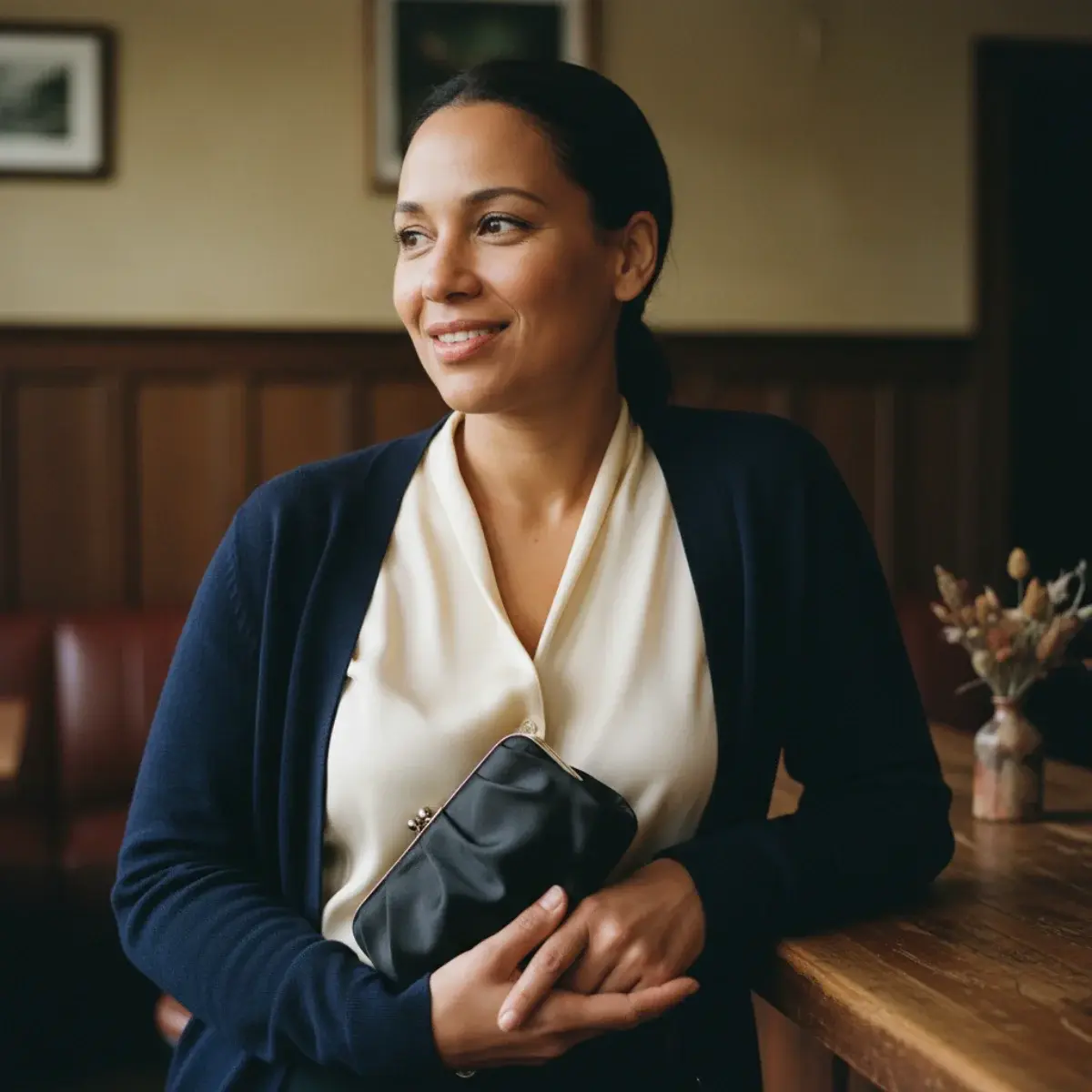
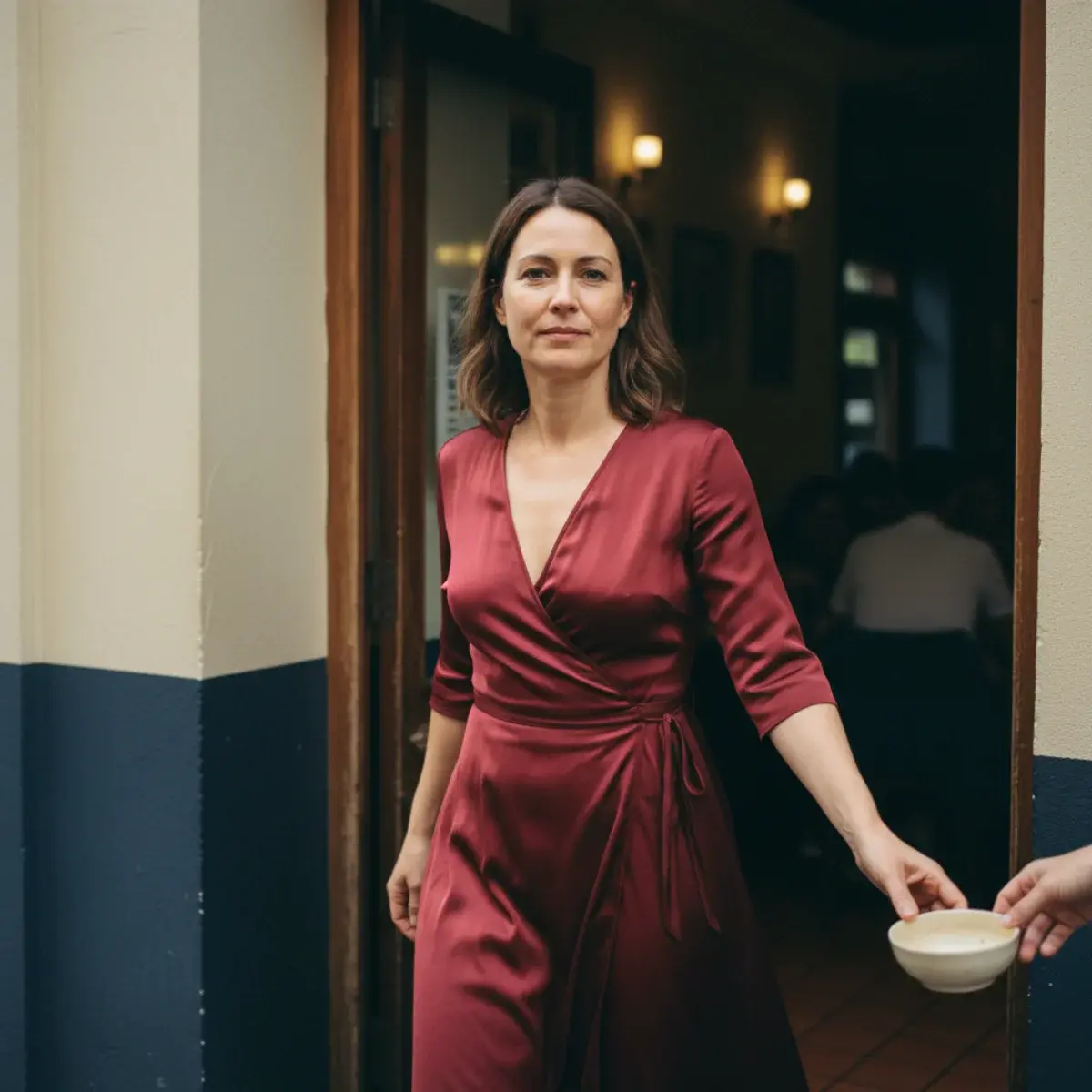
The simplest route to cocktail attire is a single dress, and three choices make it work. Length: knee to midi, never floor unless the code says otherwise. Fabric: satin, crepe, velvet, a textured weave, or a structured cotton sateen — something with weight and sheen that reads as occasion rather than office. Silhouette: a shape that fits and flatters, whether that is a wrap, a slip, an A-line, or a sheath; fit matters more than trend.
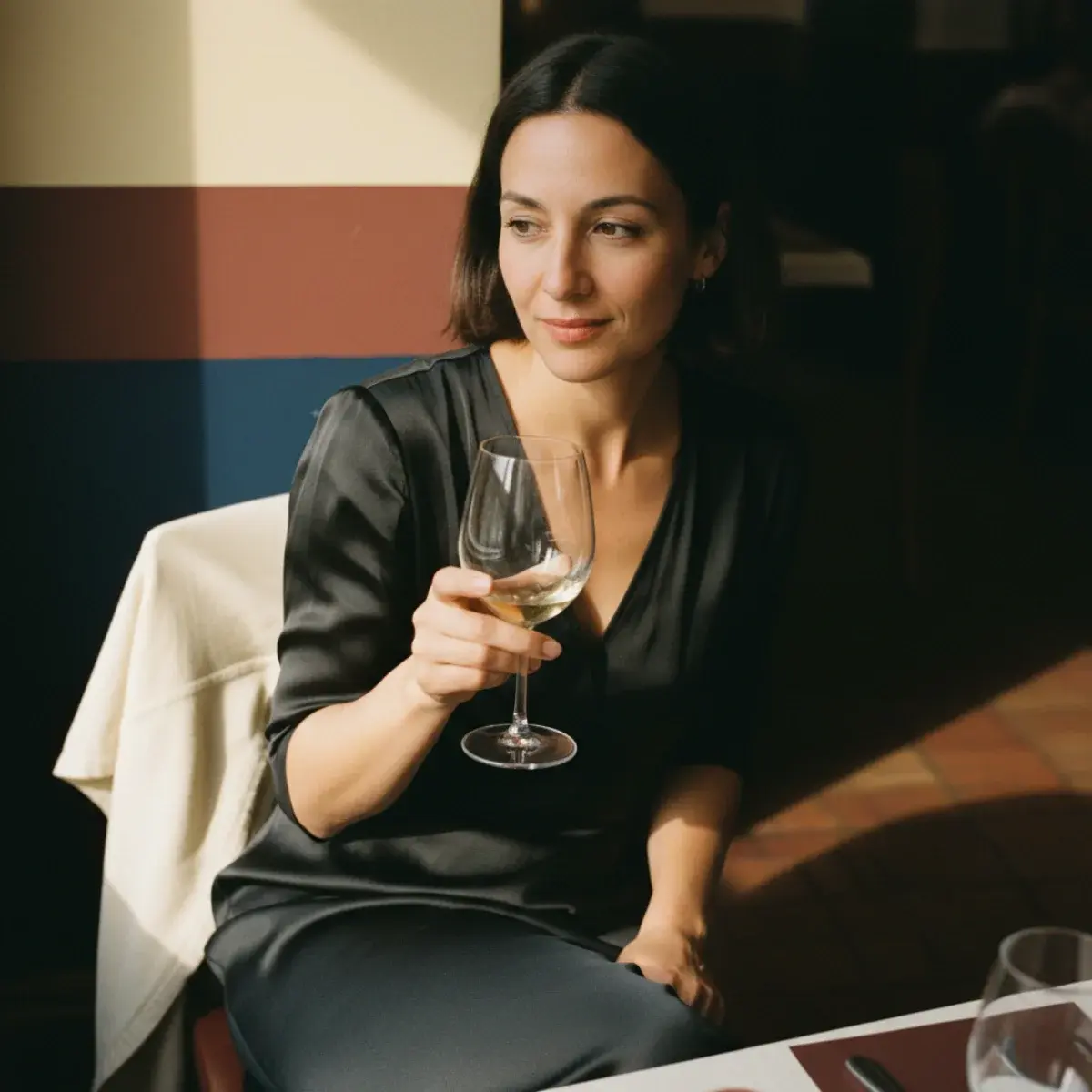
A classic black cocktail dress is the most versatile single purchase, re-wearable across years of events with only a change of accessories. A jewel tone — emerald, sapphire, burgundy — reads festive and photographs beautifully. From there, the styling is light: heels, a clutch, and one statement piece. The dress does the work; you do not need to add to it.
 1600×1067
How to build a cocktail look from separates
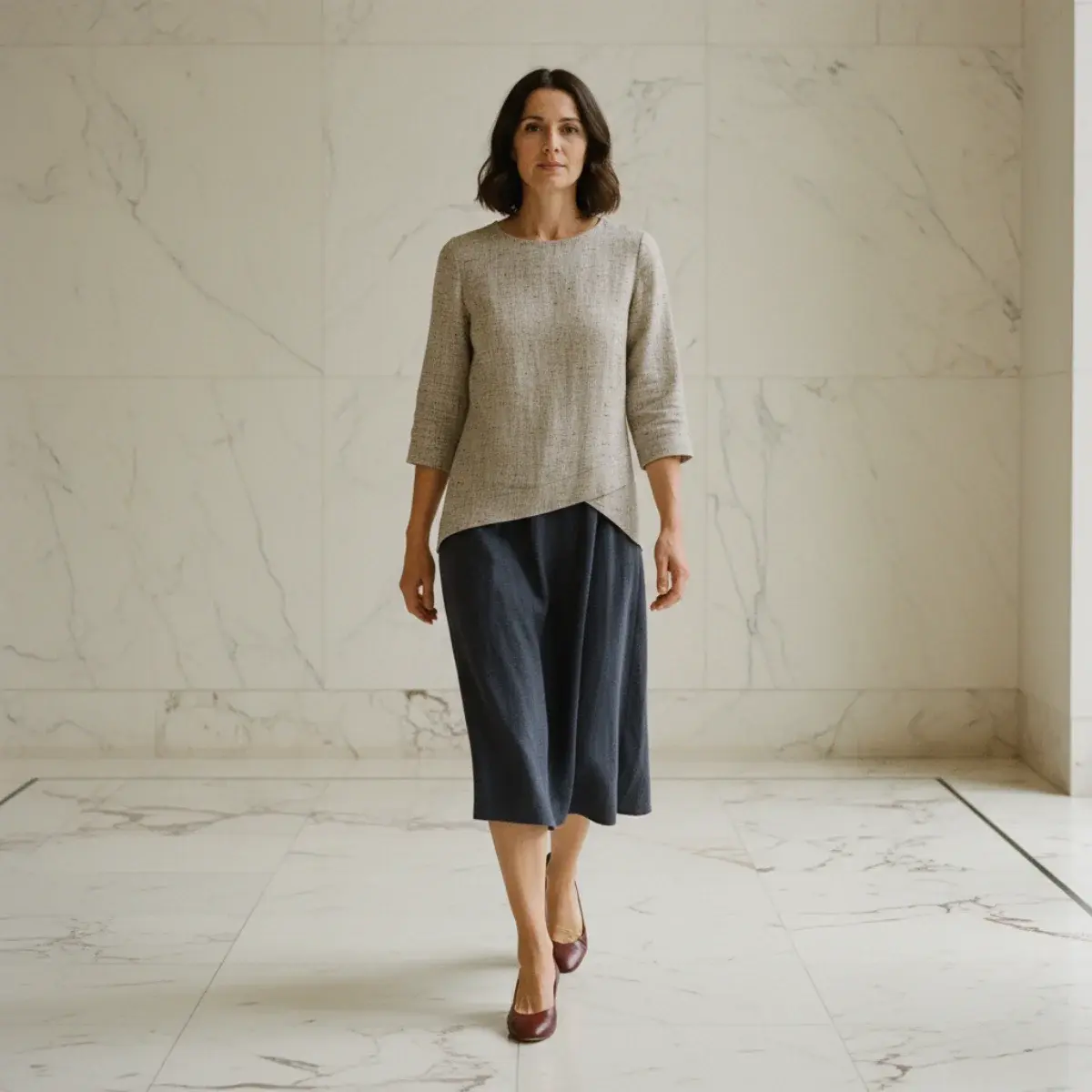
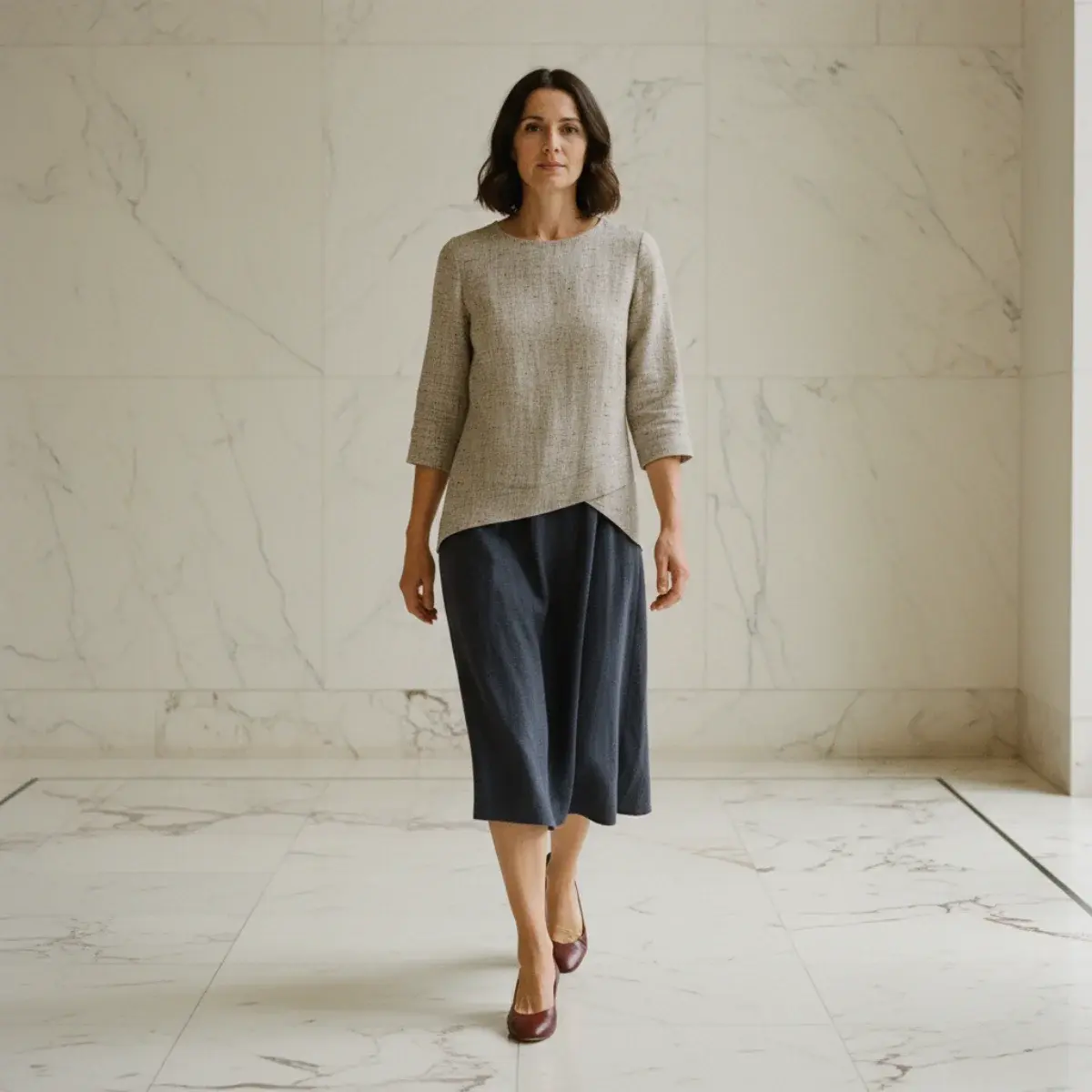
A dress is not the only answer, and separates can read more modern and offer more re-wear. The formula is an elevated top paired with a refined bottom. The "going out top" — one of the most searched evening pieces — does the heavy lifting: a silk camisole, an embellished or sequinned top, a structured corset-style top, or a draped blouse in an occasion fabric. Pair it with a sleek satin midi skirt or tailored wide-leg trousers, and the result is fully cocktail-appropriate.
Separates have a quiet advantage: each piece works again on its own, the top with jeans, the skirt with a knit, so the cost-per-wear is far lower than a single-occasion dress. Build them in occasion fabrics, keep the silhouette clean, and they meet the code as convincingly as any dress. This is also where a cocktail look connects to everyday dressing — the same silk top elevates a date-night outfit or a smart evening out.
 1600×1067
Shoes, bags, and jewellery
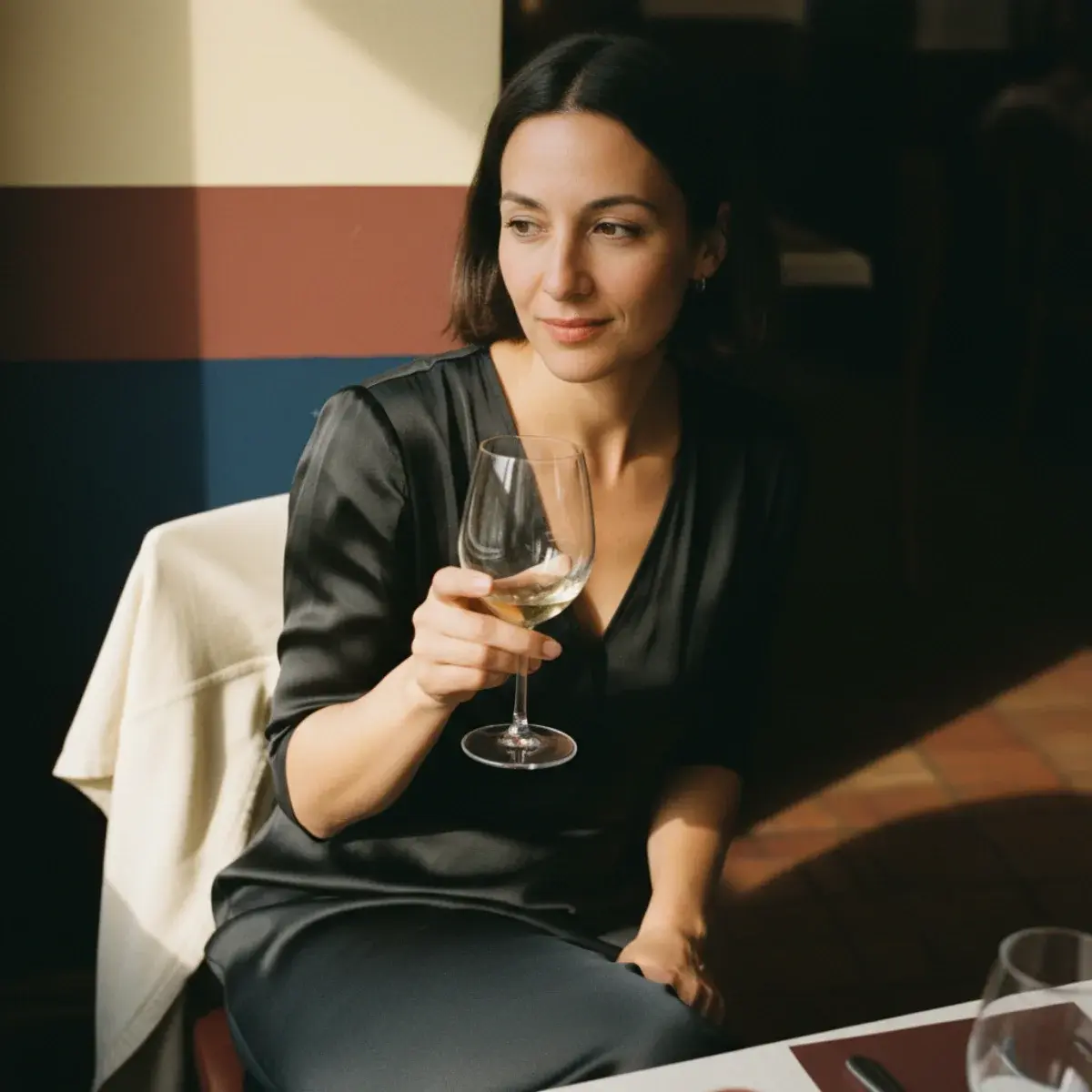
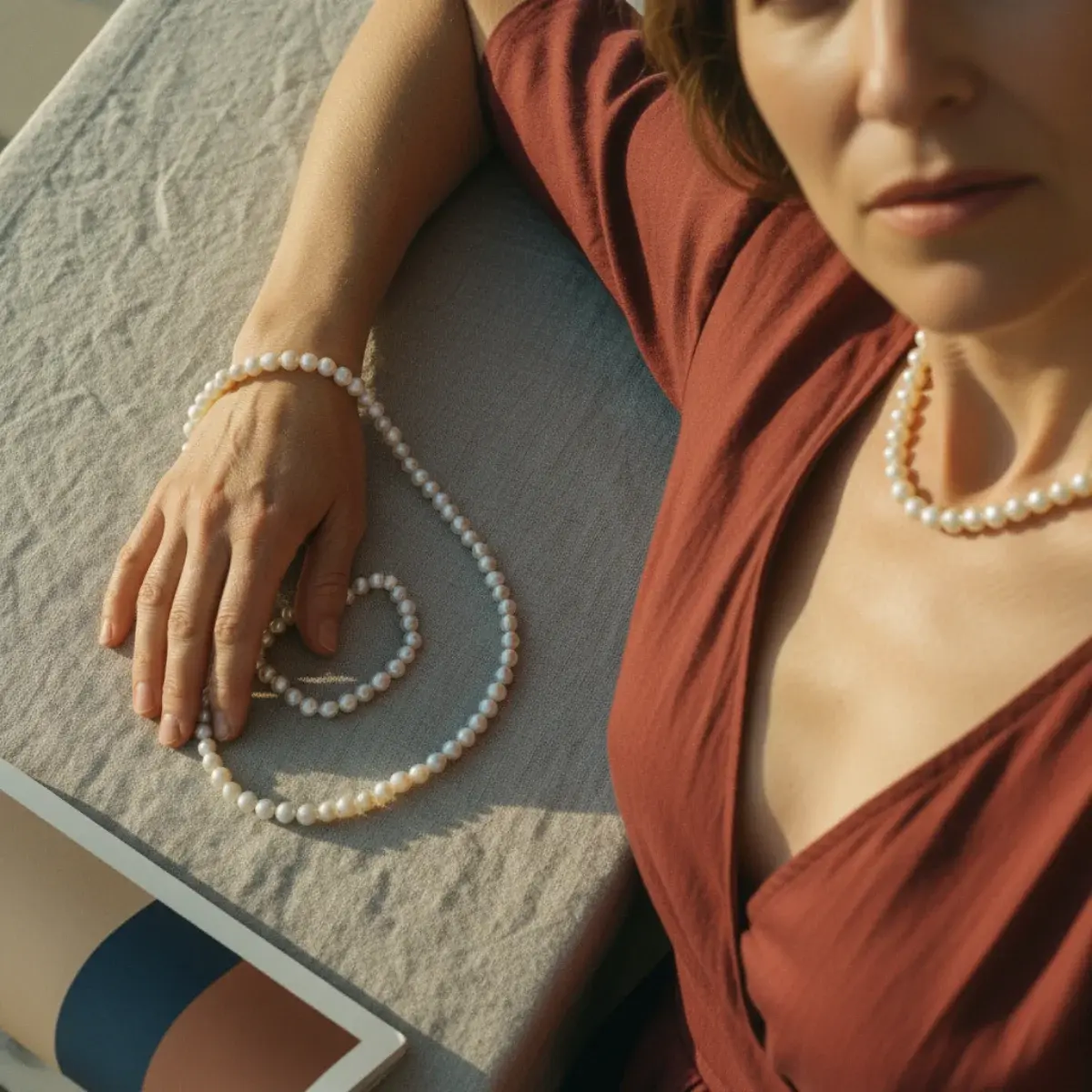
Cocktail accessories are where a simple outfit becomes an event. Shoes lead: a heeled pump, a strappy sandal, or a heeled mule in a metallic, jewel tone, or neutral, with an elegant block heel or a refined flat for those who prefer it or expect to stand all evening. Bags stay small — a clutch or a structured mini holds the essentials and keeps the line clean, as the bag styling guide lays out. Jewellery is the statement: a bold earring against an updo, or a single striking necklace against a plain neckline, chosen so one piece leads and the rest support, per our jewellery styling guide.
The discipline is coordination, not accumulation. Pick a metal, echo it across the pieces, and let one element be the star. For the face, our party and evening makeup notes cover a look that reads well under low, warm event lighting.
 1600×1067
Cocktail attire by occasion and season
Cocktail flexes to fit the event. For a cocktail wedding, the wedding rules override — no white, ivory, or cream, and nothing that competes with the wedding party, as covered in our wedding guest guide. For an office holiday party, lean slightly more covered and less revealing than you might for a private party, keeping it celebratory but workplace-aware. For a gala or formal party, push toward the dressier edge of the code with richer fabrics and bolder jewellery.
Season shifts the details too. Spring and summer cocktail leans into lighter fabrics, brighter and pastel colours, and strappy heels. Fall and winter invite velvet, satin, long sleeves, jewel and deep tones, and a wrap or tailored coat for arrivals — the fall outfits hub carries the wider cold-weather palette. Read the time of day as well: lighter and softer for daytime events, richer and more dramatic after dark.
 1600×1067
Key takeaways
- 1Cocktail attire centres on a knee-to-midi dress in an occasion fabric, with heels, a clutch, and one statement piece.
- 2Cocktail and semi-formal overlap heavily; a knee-to-midi dress in a refined fabric satisfies both codes.
- 3Dressy separates — a silk or embellished top with a sleek skirt or trousers — read fully as cocktail and re-wear better.
- 4Black is the most versatile cocktail colour; jewel tones photograph beautifully and read festive.
- 5For a cocktail wedding, the no-white and no-upstaging rules override the usual colour freedom.
How to build a re-wearable cocktail wardrobe
Because cocktail invitations recur — weddings, parties, work events, milestone dinners — the smart approach is a small set of pieces that recombine rather than a new dress each time. Three purchases cover most of it. A classic black cocktail dress in a good fabric is the foundation, re-wearable for years with only a change of accessories. A silk or embellished going-out top turns any skirt or trouser into an evening outfit and works on its own with jeans. And a sleek midi skirt in satin or a textured weave pairs with multiple tops to read cocktail or smart-casual as needed.
Around those, the accessories do the variation: one metallic heel, one neutral heel, a clutch, and two contrasting jewellery sets are enough to make three garments look like a dozen outfits. This is the cocktail expression of a capsule wardrobe, and it keeps the cost-per-wear low while ensuring you are never caught without an answer to an evening invitation. The most consistently well-dressed guests are not the ones buying constantly; they are the ones who bought well once and learned to restyle.
 1600×1067
Common cocktail attire mistakes
A few errors pull a cocktail look off-register. The most common is dressing too formally — arriving in a floor-length gown to a cocktail event reads as a misjudged code, since cocktail tops out at knee-to-midi. The opposite error, dressing too casually, is just as visible: jeans or a day dress, however nice, do not meet the code. Skipping the occasion fabric is subtler but real — a cotton sundress in a cocktail cut still reads as daytime, where satin, crepe, or velvet read as evening.
The last two concern proportion. Over-accessorising competes with the dress and muddies the look; cocktail rewards one statement piece, not three. And uncomfortable shoes sabotage an otherwise good outfit, since cocktail events involve standing and mingling for hours — a heel you cannot last in is a worse choice than an elegant block heel you can. The fix across all of these is the same: hit the right length and fabric, then let one element lead.
Cocktail attire through the year
Cocktail dressing is not seasonless, and reading the calendar is part of getting it right. In spring, the code lightens: think soft satins, chiffon, and lighter jewel tones or muted brights, with a strappy heel and a delicate clutch. The fabrics breathe and the colours warm, but the silhouette stays the same knee-to-midi cocktail shape. A floral or pastel midi in a fluid fabric reads perfectly cocktail for a spring evening event without tipping into daytime.
Summer cocktail is the most relaxed version of the code, built for warm evenings and outdoor parties. Breathable fabrics matter here — a linen-blend dress, a cotton sateen, a lightweight silk — and open sandals or a low heel suit garden and rooftop settings better than a closed pump. Brighter colour is welcome, and a wrap is wise for when the temperature drops after dark. The trap to avoid is treating a casual sundress as cocktail; the fabric and fit still have to read as occasion.
Fall and winter are where cocktail dressing comes into its richest form, and the fall outfits hub carries the wider palette. Velvet, satin, and heavier crepe come into play, along with long sleeves, deeper jewel tones, and metallics that catch low winter light. A tailored coat or a wrap for arrivals is non-negotiable in the cold, and a closed heel or an elegant boot replaces the summer sandal. The festive season pushes cocktail toward sparkle, so this is the time for the sequinned skirt or the metallic heel — celebratory, but still anchored by the same knee-to-midi silhouette that defines the code year-round.
 1600×1067
Where to go from here
Cocktail is the code most other occasions borrow from. Read the complete dress code guide for the full ladder, the wedding guest guide for the code's most common setting, and the date night outfit guide for where cocktail dressing relaxes. For re-wearable, timeless eveningwear, the old money outfits guide is a useful companion. Vogue and Who What Wear publish strong cocktail and party edits each season.
Frequently asked
- What is cocktail attire for women?
- Cocktail attire for women is a polished, semi-formal-to-formal dress code centred on a knee-length cocktail dress in an occasion fabric such as satin, crepe, or a textured weave, finished with heels, a small clutch, and statement jewellery. Dressy separates — a silk or embellished top with a sleek skirt or tailored trousers — also satisfy it. It is dressier than business attire but less formal than a black-tie gown.
- What is the difference between cocktail and semi-formal?
- Cocktail is slightly dressier and more playful than semi-formal, leaning into statement accessories and evening fabrics. Semi-formal is marginally more restrained and works in daytime as well as evening, allowing dressy separates and longer midis. The overlap is large; a knee-to-midi dress in a refined fabric satisfies either code when an invitation lists both.
- How long should a cocktail dress be?
- A cocktail dress traditionally hits at or just above the knee, though midi lengths are now fully accepted for the code. Floor-length is reserved for black tie and reads too formal for most cocktail events. The reliable choice is knee-to-midi: long enough to feel polished, short enough to read as cocktail rather than gown.
- Can you wear separates for cocktail attire?
- Yes. A silk or embellished top — the popular going-out top — with a sleek midi skirt or tailored wide-leg trousers reads fully as cocktail when the fabrics are elevated and the fit is sharp. Separates are a flexible, re-wearable alternative to a dress and can feel more modern. The key is occasion fabric and a clean silhouette.
- What colours work for cocktail attire?
- Jewel tones such as emerald, sapphire, and burgundy, classic black, metallics, and rich neutrals all work beautifully for cocktail. Black is a safe, elegant default for evening. Bright colour and metallics suit festive and party events; for a cocktail wedding, avoid white and check the couple's colours. Match the depth of colour to the time of day — lighter for daytime, richer for evening.
- What shoes go with cocktail attire?
- Heels are the standard — a pump, a strappy sandal, or a heeled mule in a metallic, jewel tone, or neutral. An elegant block heel or a refined flat works for those who prefer not to wear stilettos, especially for standing events. The shoe should feel dressy and coordinate with the bag and jewellery rather than competing with the dress.
- Is cocktail attire the same as a wedding dress code?
- Cocktail is one of the most common wedding dress codes, so the looks overlap heavily, but a cocktail wedding adds wedding-specific rules: no white, ivory, or cream, and nothing that competes with the wedding party. For a non-wedding cocktail event such as a party or gala, those colour restrictions do not apply and you have more freedom with bright or white looks.
Written by Priya Venkataraman, looksyra editorial. Last updated May 2026.