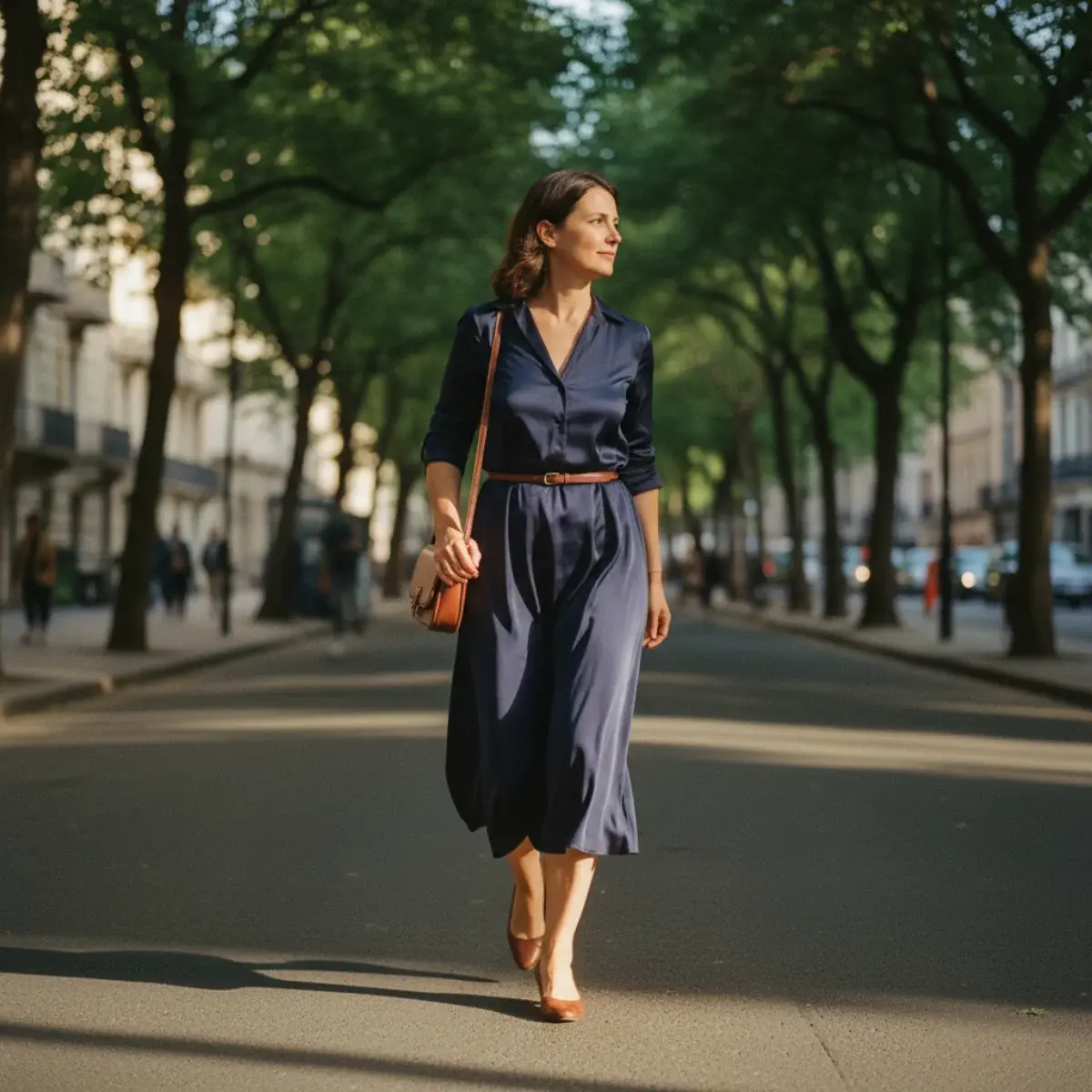
The invitation arrives, you read the two words at the bottom — "cocktail attire," say, or the dreaded "festive" — and a small panic begins. It is the most universal fashion problem there is, more common than any trend question: not what is fashionable, but what is appropriate. This guide exists to end that panic for good. It decodes every dress code, maps the codes to real occasions, and hands you a formula for each, so the only decision left is which version of the right answer you prefer.
Here is the principle the whole guide rests on, and the hill it will die on: a dress code is a kindness, not a constraint. It tells you precisely what the host expects, which means you never have to guess. The people who find dress codes stressful are usually the ones trying to ignore them. Read the code, match it, and you are free to think about anything else.
The dress code ladder, decoded
Every dress code sits on a single ladder, from white tie at the top to casual at the bottom. Learn the rungs once and you can place any event. The table below is the reference; the sections after it apply it to specific occasions.
When an invitation lists no code at all, the event itself usually tells you where it sits. A Saturday-evening wedding at a hotel implies cocktail or above; a weekday lunch implies business casual or smart casual; a beach gathering implies casual. If the signal is genuinely absent, the venue, the time of day, and the host are the three clues to read, in that order — an evening event at a formal venue is dressier than a daytime one at a relaxed venue, almost without exception. And there is never any harm in asking the host directly, who would far rather answer the question than watch a guest arrive in the wrong register.
| Dress code | What it means (women) | What it means (men) | Typical occasions |
|---|---|---|---|
| White tie | Floor-length formal gown | Tailcoat, white bow tie | State dinners, royal events |
| Black tie | Floor-length gown or elegant maxi | Tuxedo | Galas, formal evening weddings |
| Black tie optional | Long gown or dressy cocktail dress | Tuxedo or dark suit | Upscale weddings, evening events |
| Cocktail | Knee-length cocktail dress | Dark suit, optional tie | Weddings, parties, evening events |
| Semi-formal | Cocktail dress, midi, or dressy separates | Suit | Daytime weddings, nicer dinners |
| Business professional | Tailored suit, sheath dress | Suit and tie | Interviews, court, finance, law |
| Business casual | Blouse and trousers, blazer optional | Chinos, collared shirt, blazer | Most offices |
| Smart casual | Dark jeans with a blazer or nice top | Dark jeans, shirt, loafers | Dinners, casual offices, dates |
| Casual | Whatever is clean and put-together | Jeans, tee or polo, trainers | Daytime, weekends |
Two codes cause the most confusion. Semi-formal and cocktail overlap heavily; a knee-to-midi dress satisfies either, which is why they so often appear together on invitations. And business casual is the most variable of all, because every office interprets it differently — the safe reading is "professional minus the suit-and-tie."
 1600×1067
What to wear to a wedding
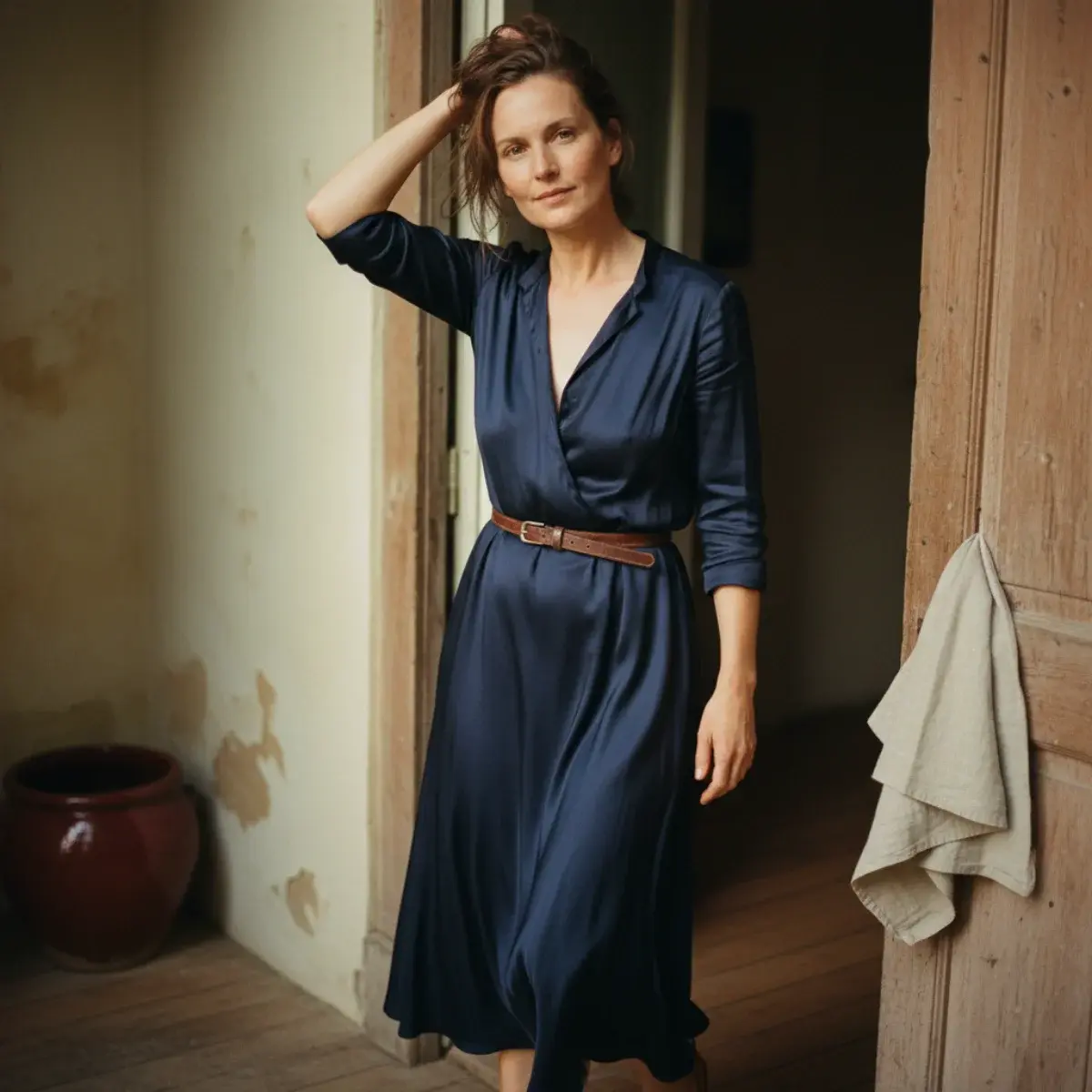
Weddings generate more outfit anxiety than any other event, because the stakes feel social as well as sartorial. Three rules cover almost everything. First, follow the stated code — most weddings now print one, and cocktail or semi-formal is by far the most common. Second, never wear white, ivory, or anything that competes with the wedding party, and check whether the couple has flagged a colour to avoid. Third, dress for the venue and season — a ballroom in January asks for something different than a vineyard in July.
A knee-to-midi dress in a colour that photographs well, refined heels or block heels for grass, a clutch, and considered jewellery is the formula that satisfies most weddings. For black-tie weddings, go floor-length. For daytime and garden weddings, a lighter midi and a lower, sturdier heel beat a stiletto that sinks into the lawn. The full breakdown, including what each wedding dress code actually requires, lives in our wedding guest outfit guide, and the wedding makeup guide covers the face that holds up through a long, photographed day.
 1600×1067
What to wear to a cocktail party or evening event
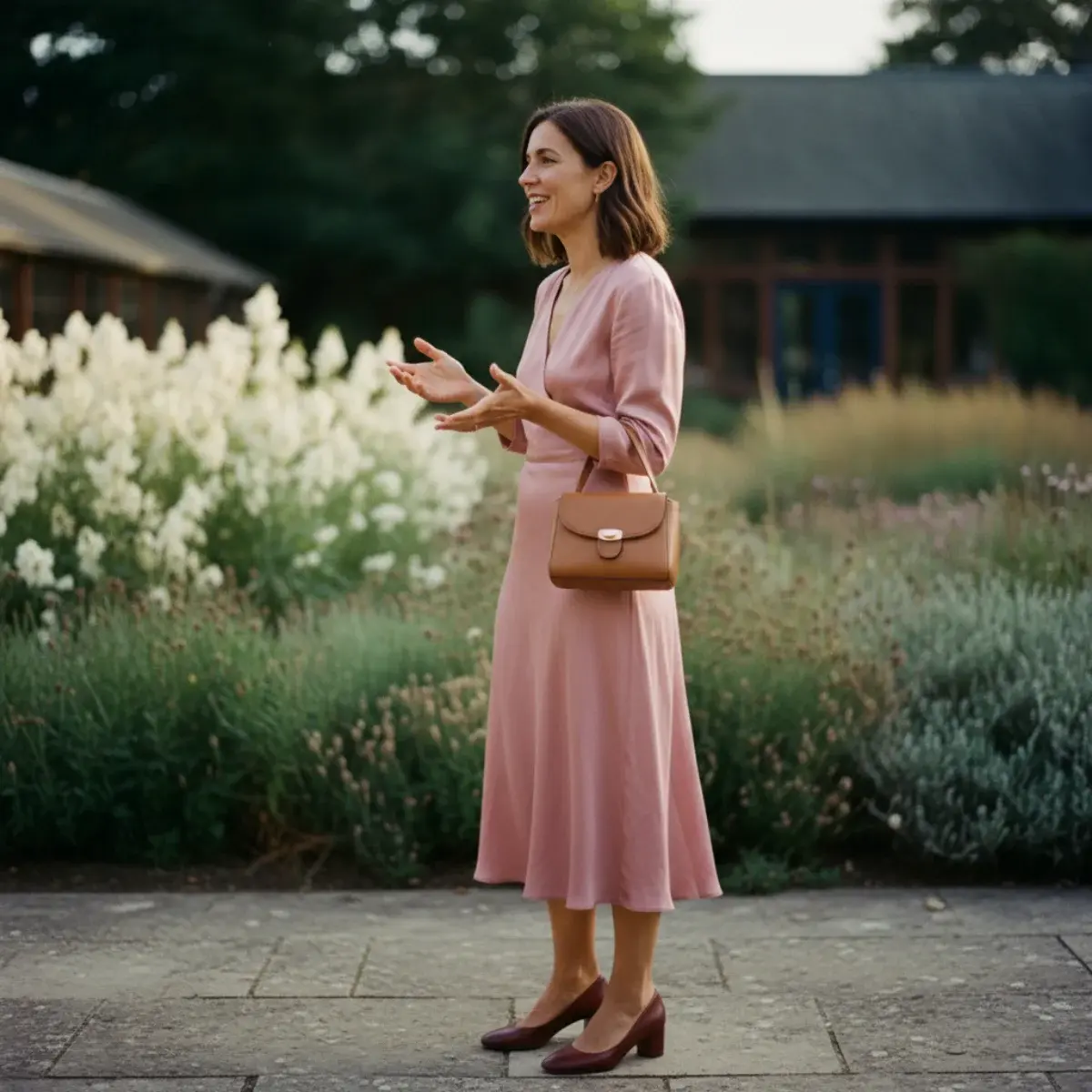
Cocktail is the most enjoyable code to dress for, because it invites a little drama within clear limits. The anchor is a cocktail dress — knee-length, in a fabric with some occasion to it, whether that is satin, a textured weave, or a dark crepe. Around it, the accessories do the work: a statement earring, a metallic or jewel-toned heel, a small structured clutch.
But cocktail is not only dresses. Dressy separates — a silk camisole with tailored wide-leg trousers, or a sequinned top with a sleek midi skirt — read as cocktail when the fabrics are elevated and the fit is sharp. "Going out tops," one of the most searched evening pieces, belong here: a structured or embellished top transforms simple trousers into an evening outfit. For the complete treatment, including the cocktail-versus-semi-formal question, see our guide to cocktail attire for women.
 1600×1067
What to wear to work and interviews
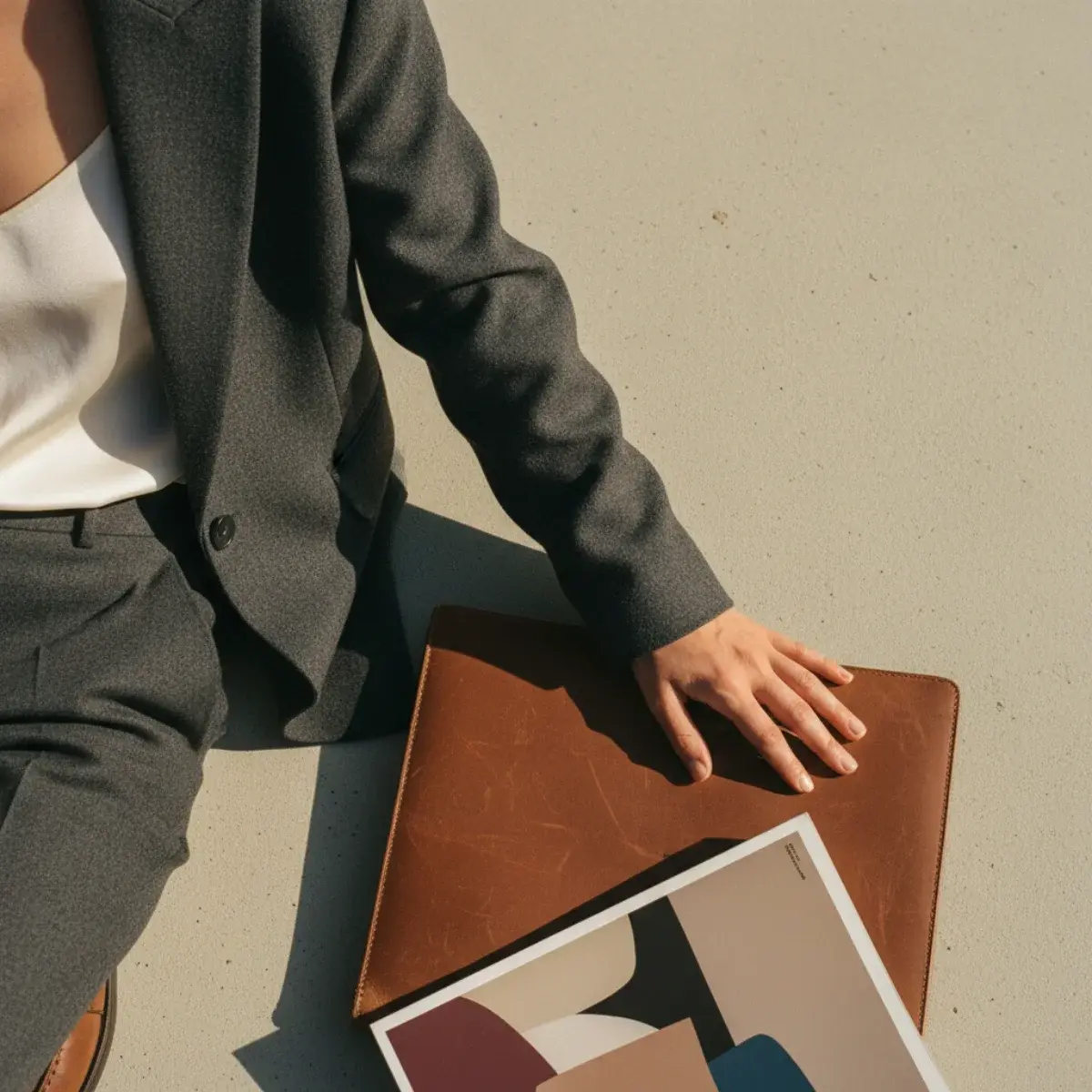
The professional end of the ladder is where the most search volume sits, because "what to wear to an interview" and "business casual" are questions almost everyone asks at some point. The rule for interviews is simple: match the company's everyday code, then go one notch up. For most corporate, legal, and finance roles, that means business professional — a tailored blazer, a blouse or shirt, tailored trousers or a knee-length skirt, and closed leather shoes, all in neutral tones. For startups and creative fields, polished smart casual is appropriate, but professional is always the safer default when you cannot tell.
Day to day, most offices run on business casual, the most flexible and most misread code on the ladder. The workable definition is "professional minus the suit-and-tie": tailored trousers or a skirt, a blouse or fine knit, often a blazer or cardigan, and closed or low shoes. A reliable everyday formula is tailored trousers, a fine knit, and a blazer in three coordinating neutrals, with a loafer — sharp enough for a client meeting, comfortable enough for a full day. Swap the blazer for a cardigan and the trousers for a midi skirt and the same pieces cover a more relaxed office without a second thought. Our dedicated guides on job interview outfit ideas and business casual for women take both apart in detail, and because the office wardrobe overlaps so heavily with quiet, lasting basics, the old money outfits guide is a useful companion.
 1600×1067
What to wear on a date
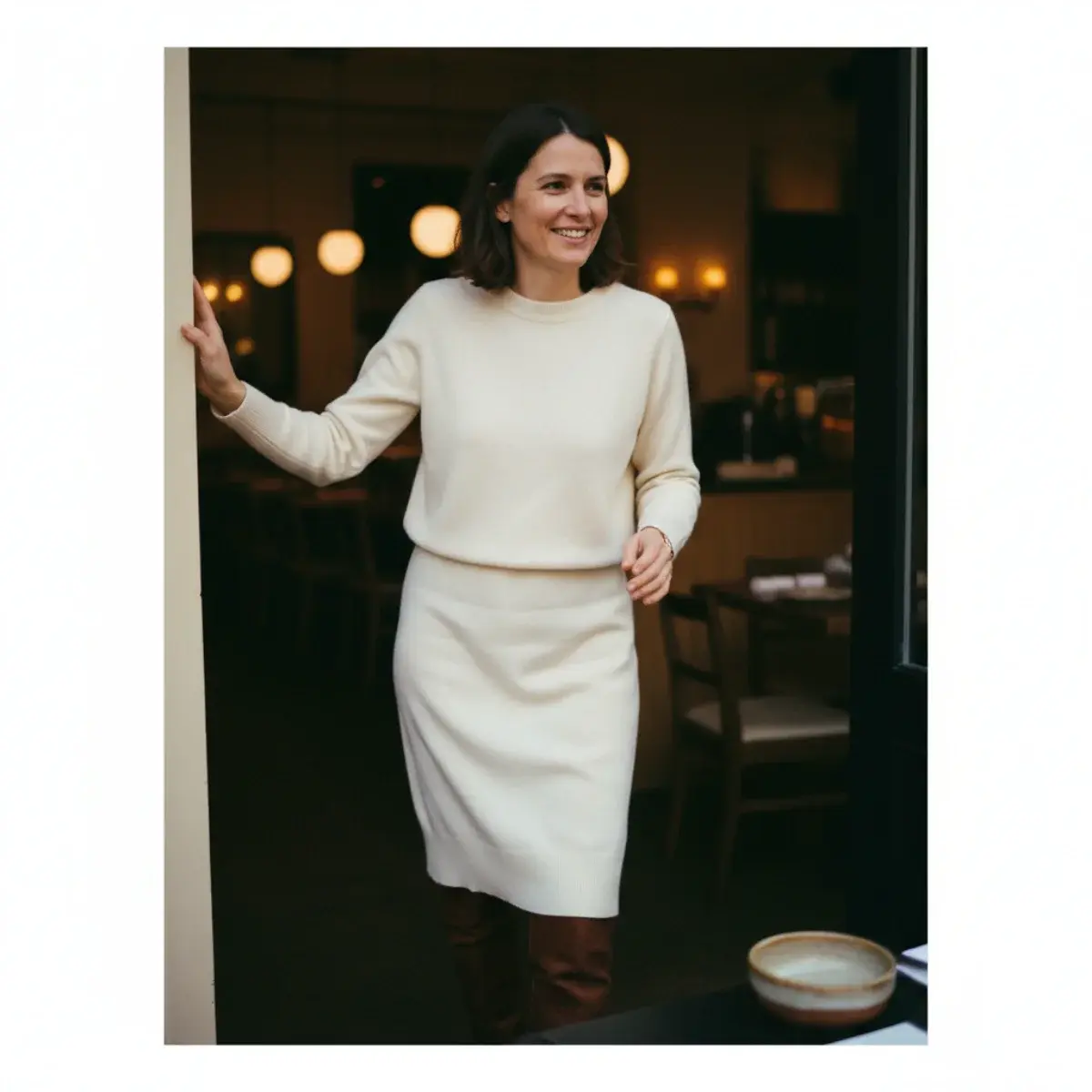
Date dressing fails when it tries too hard, and the fix is to dress for the place rather than the impression. A dinner at a nice restaurant calls for smart casual to cocktail — a slip dress with a jacket, or dark jeans with a silk top and heeled boots. Drinks at a casual bar want smart casual at most. A daytime coffee or a walk wants elevated casual: good denim, a fine knit, clean shoes.
The throughline is comfort you do not have to think about. An outfit you keep adjusting reads as nervous; one you forget you are wearing lets you be present, which is the entire point of the evening. A formula that rarely fails: dark straight-leg jeans or a slip dress, a silk top, a heeled boot, and a jacket you can take off if the room runs warm. It reads considered in candlelight and survives a walk to the next place, which is more than most date outfits manage. Our date night outfit guide breaks this down by date type and season, and the makeup guide covers a face that looks like you, only rested.
 1600×1067
What to wear to a concert or festival
Concert and festival dressing is the one corner of the occasion map where self-expression outranks formality, and the rules invert: here, standing out is allowed and often the point. The variables are the genre, the venue, and the weather. A stadium pop concert invites sparkle and statement pieces; a festival field demands practical footwear and layers you can shed; an intimate indoor gig sits closer to a night-out look.
Whatever the genre, two practicalities decide whether the night is fun or miserable: shoes you can stand in for hours, and a small crossbody bag that leaves your hands free. Build the personality on top of that foundation. The full treatment, including the festival-versus-concert distinction and genre-specific looks, is in our guide to concert outfit ideas.
 1600×1067
What to wear on vacation
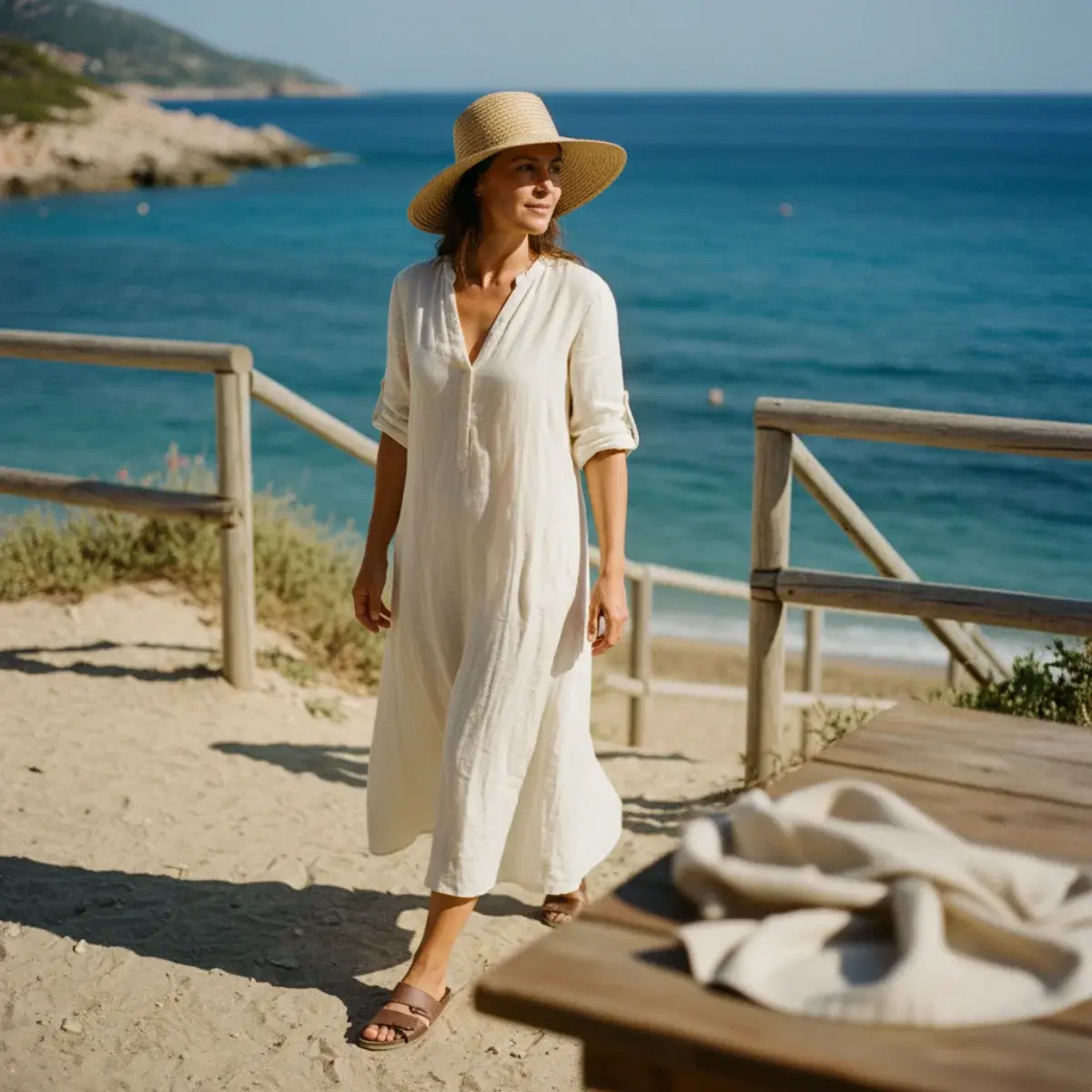
Vacation dressing is a packing problem disguised as an outfit problem, and the solution is a small, mixable holiday wardrobe rather than a new outfit per day. Build it around a palette and a few hero pieces: a couple of beach dresses or kaftans, linen separates, swimwear with a cover-up that doubles as an outfit, sandals, and one dressier option for evenings out. Resort wear at its best is exactly this — relaxed pieces in good fabric that photograph well and pack small.
The destination sets the brief. A beach holiday leans into linen, cotton, and breathable fabric; a city break wants comfortable walking shoes and layers; a cooler-climate trip needs knits and a coat. Our vacation and beach outfit guide covers packing capsules by destination, and the travel occasion archive collects every trip-ready story on the site.
 1600×1067
What to wear to a holiday or "festive" party
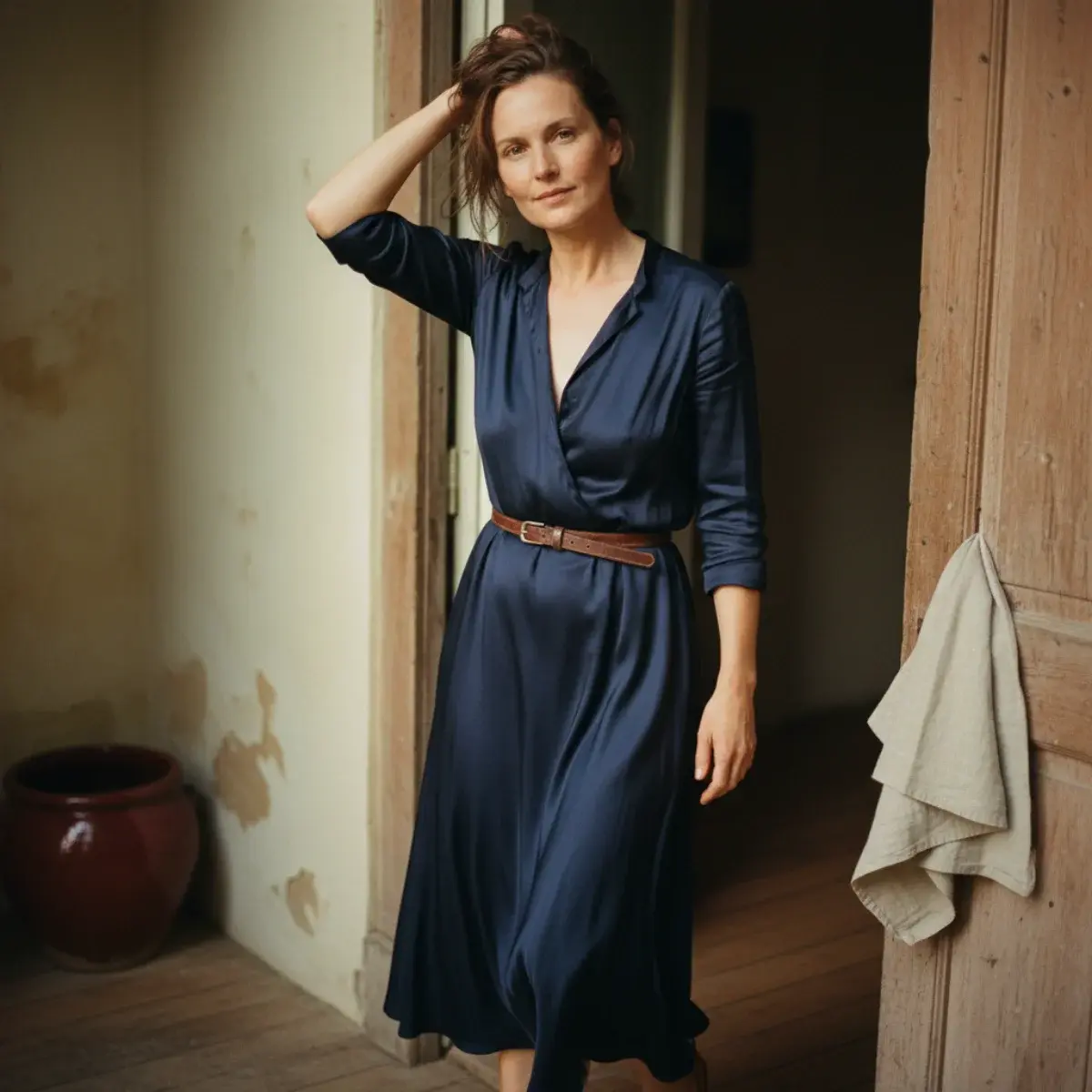
The word that causes the most panic on any invitation is "festive," because it sounds like an instruction and gives almost none. In practice, festive attire is cocktail with permission to play — the same knee-to-midi dress or dressy separates you would wear to a cocktail event, dialled up with seasonal colour, sparkle, or texture. Velvet, satin, sequins, metallics, and rich jewel tones all belong here, as do deep reds and greens in winter.
The line to walk is celebratory without costume. A sequinned skirt with a fine knit, a velvet blazer over tailored trousers, or a satin slip in emerald all read festive while staying wearable. For an office holiday party, lean slightly more covered and less revealing than a private one, keeping it workplace-aware. The cocktail attire guide covers the base the festive look builds on, and the fall outfits hub carries the cold-weather palette these parties live in.
 1600×1067
What to wear to a graduation, christening, or formal daytime event
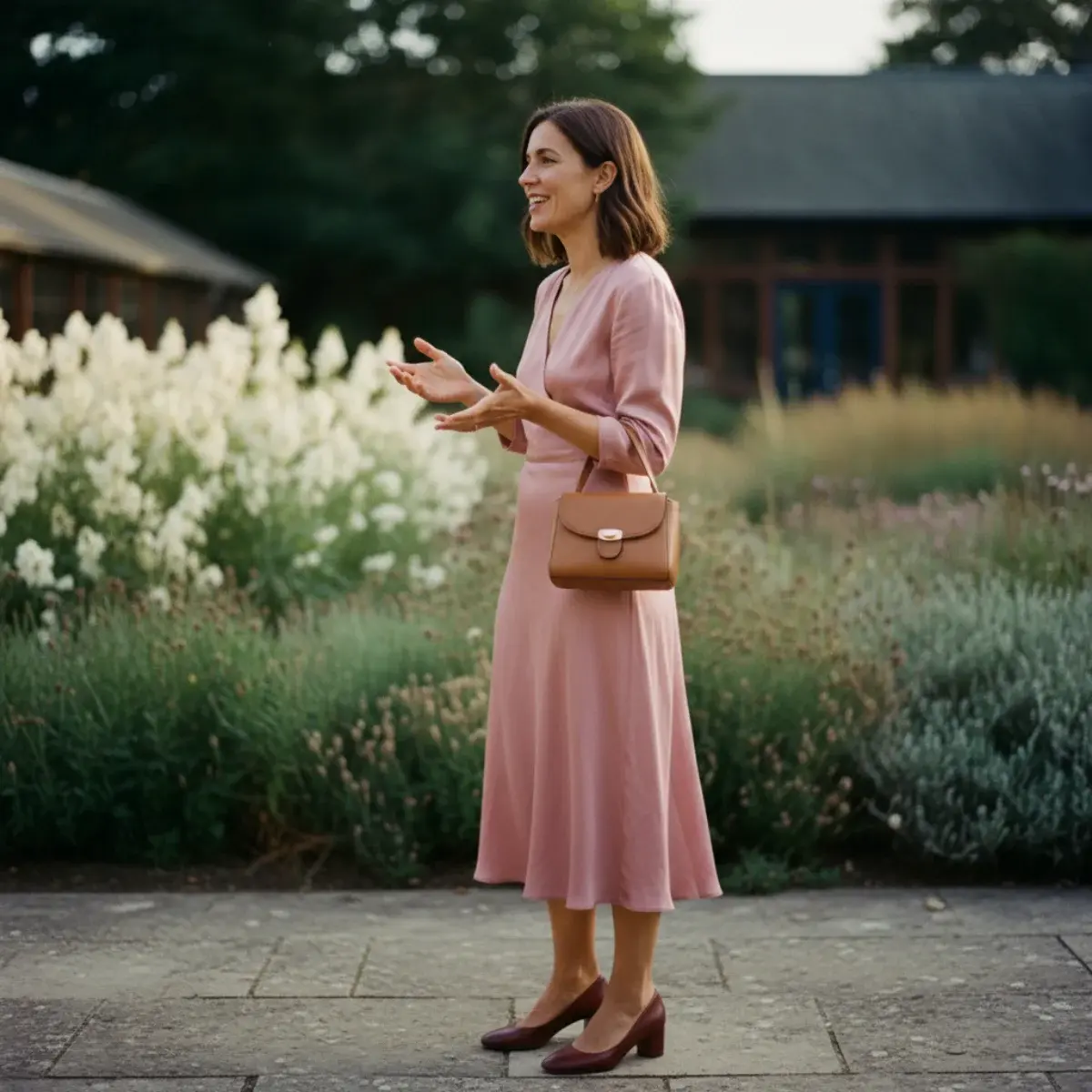
Daytime formal events — graduations, christenings, daytime award ceremonies, milestone lunches — occupy their own register: polished, but softer and lighter than evening formality. A midi dress in a soft colour or print, a tailored dress with a blazer, or smart separates with a refined heel or flat all suit the brief. The fabrics lean lighter and the colours lean brighter than they would after dark, because daylight flatters softer tones.
The practical notes matter here. Many of these events involve sitting for long stretches, standing for photographs, or being outdoors, so choose comfort you can sustain and shoes you can walk in. A wrap or light jacket covers shoulders for ceremonies held in places of worship. The aim is to look considered and appropriate without tipping into evening drama.
 1600×1067
What to wear to a funeral or formal somber occasion
A funeral or memorial asks for the simplest dressing of all, and the rules are about respect rather than style. The default is dark, muted, and conservative: black, charcoal, navy, or deep grey, in a modest, covered silhouette. A dark dress with sleeves, or tailored trousers with a dark top and a blazer, both work. Keep accessories minimal and quiet, and choose comfortable closed shoes for standing and walking.
The single rule is to draw no attention. Avoid bright colour, bold pattern, anything revealing, and anything that reads as celebratory, unless the family has specifically requested otherwise — some modern services ask guests to wear a particular colour or to avoid black entirely. When that is the case, follow the family's wishes exactly. Absent any instruction, dark and understated is always correct, and erring toward simplicity is never a mistake at a service meant to honour someone.
What to wear to brunch, a baby shower, or a casual gathering
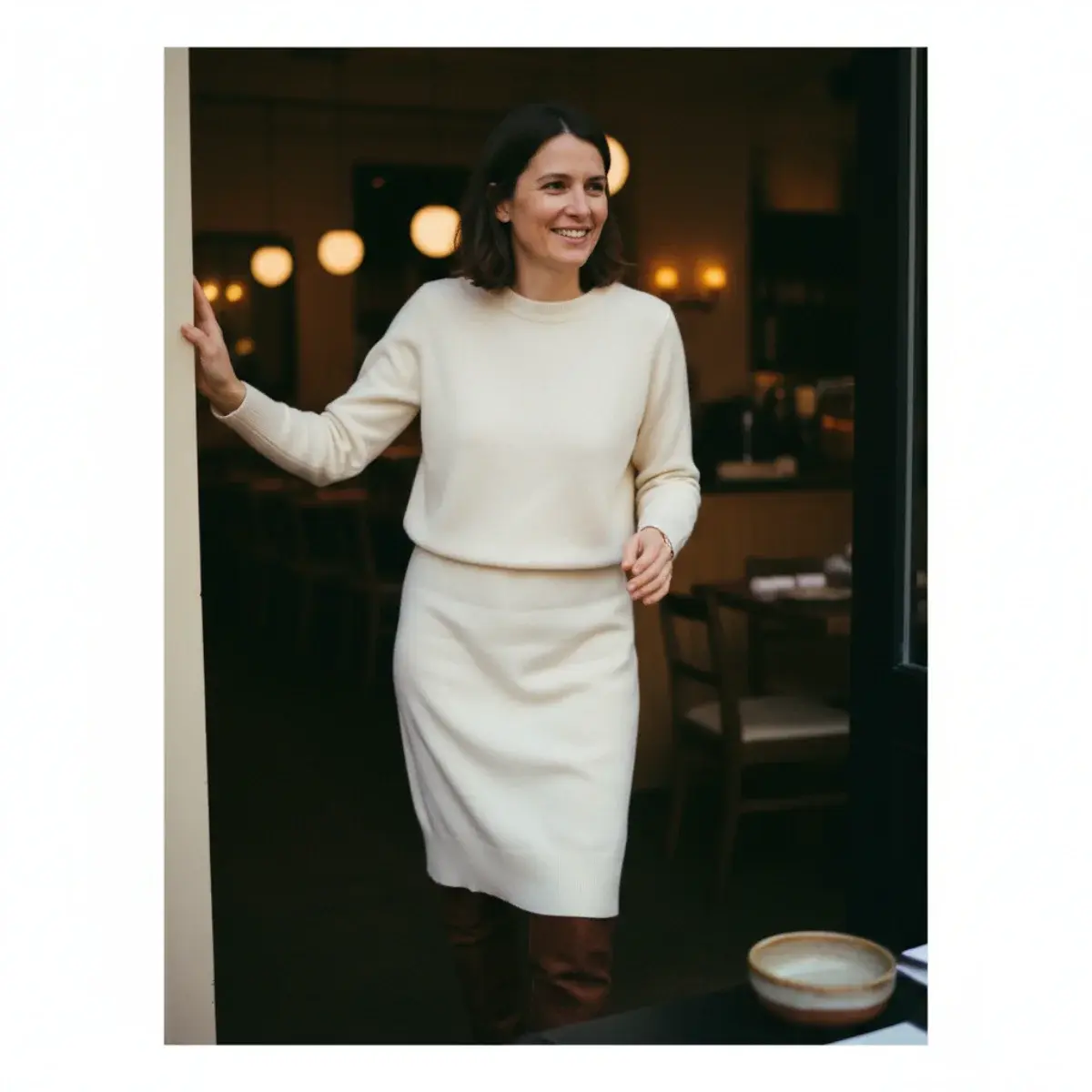
At the relaxed end of the occasion map sit brunches, baby and bridal showers, casual birthdays, and house gatherings — events that want "put-together casual" rather than a dress code. The formula is elevated everyday: a midi or wrap dress, or good denim with a silk top or a fine knit, finished with clean flats, loafers, or a low heel and one considered accessory. It should look intentional without looking like you are trying to dress for an evening event.
Daytime showers and brunches often skew slightly dressier and more colourful than ordinary weekend wear, so a soft print or a brighter top earns its place. House parties and casual birthdays sit closer to smart casual. The casual outfits guide covers this register in depth, and the smart casual breakdown handles the step up toward evening.
 1600×1067
How dress codes differ by country and context
A dress code is not read identically everywhere, and the differences trip up travellers and remote workers. American "business casual" tends to run more relaxed than its British or European equivalent, where it often still implies a jacket. "Smart casual" in the UK and Europe generally means more polished than the American reading. "Cocktail" is broadly consistent across Western countries, but daytime-versus-evening expectations vary, and some cultures and venues hold to stricter modesty norms regardless of the stated code.
The safe practice abroad or in an unfamiliar setting is the same as anywhere: observe how locals dress for the equivalent event, ask the host or a colleague if you can, and default to the slightly more formal reading. A jacket folded over the arm and a wrap in the bag let you adjust up or down once you read the room. Context, in the end, outranks the printed word.
Ten quick outfit formulas for common invitations
When there is no time to think, a formula does the work. Each of these is built from the small mixable wardrobe described below, and each maps to an invitation you will actually receive.
- Cocktail party: knee-length dress in an occasion fabric, statement earrings, heeled mule, small clutch.
- Semi-formal wedding: midi dress in a jewel tone, block heels, considered jewellery, light wrap.
- Black-tie event: floor-length gown in a solid colour, elegant heels, one fine jewellery piece.
- Job interview (corporate): tailored blazer, blouse, tailored trousers or knee skirt, low leather pump, navy or charcoal.
- Business casual workday: trousers or skirt, fine knit or blouse, optional blazer, closed flat or low heel.
- Dinner date: dark jeans or a slip dress, silk top, heeled boot, a jacket you can remove.
- Concert or festival: statement top or dress you love, comfortable boots, small crossbody, weather layer.
- Vacation day: linen separates or a beach dress, sandals, straw bag, sun protection.
- Festive or holiday party: velvet or sequins on one piece, the rest pared back, metallic heel.
- Daytime formal (graduation, christening): soft midi or dress-and-blazer, low heel, wrap for shoulders.
Memorise the three or four you face most, and the invitation stops being a decision and becomes a lookup.
 1600×1067
The universal occasion-dressing principles
 1600×1067
Beneath every specific code sit a handful of principles that hold for any event. Dress one notch up when in doubt — the cost of being slightly overdressed is nothing, while underdressing is hard to undo. Fit beats formality — a well-fitted simple outfit outperforms an expensive one that does not fit, which is why a tailor matters more than a bigger budget. Build from a small, mixable wardrobe — most occasions can be met by recombining a capsule wardrobe of good basics rather than buying something new each time. And comfort is part of looking good — an outfit you keep fighting will always read as effort, never as ease.
The "one notch up" rule deserves a closing word, because it is the principle that resolves nearly every hard case. Picture two guests at an event with a vague code: one arrives in a sharp blazer and tailored trousers, the other in jeans and trainers. If the event turns out to be dressier than expected, the first guest is fine and the second is stranded; if it turns out more casual, the first guest removes the blazer and is also fine. Dressing slightly up is the only choice that protects you in both directions, which is why, in genuine doubt, it is never the wrong call.
Being slightly overdressed reads as respect. Being underdressed reads as not having cared. The choice, in any doubt, is obvious.
The looksyra position on dressing for occasions
How to build an occasion-ready wardrobe
 1600×1067
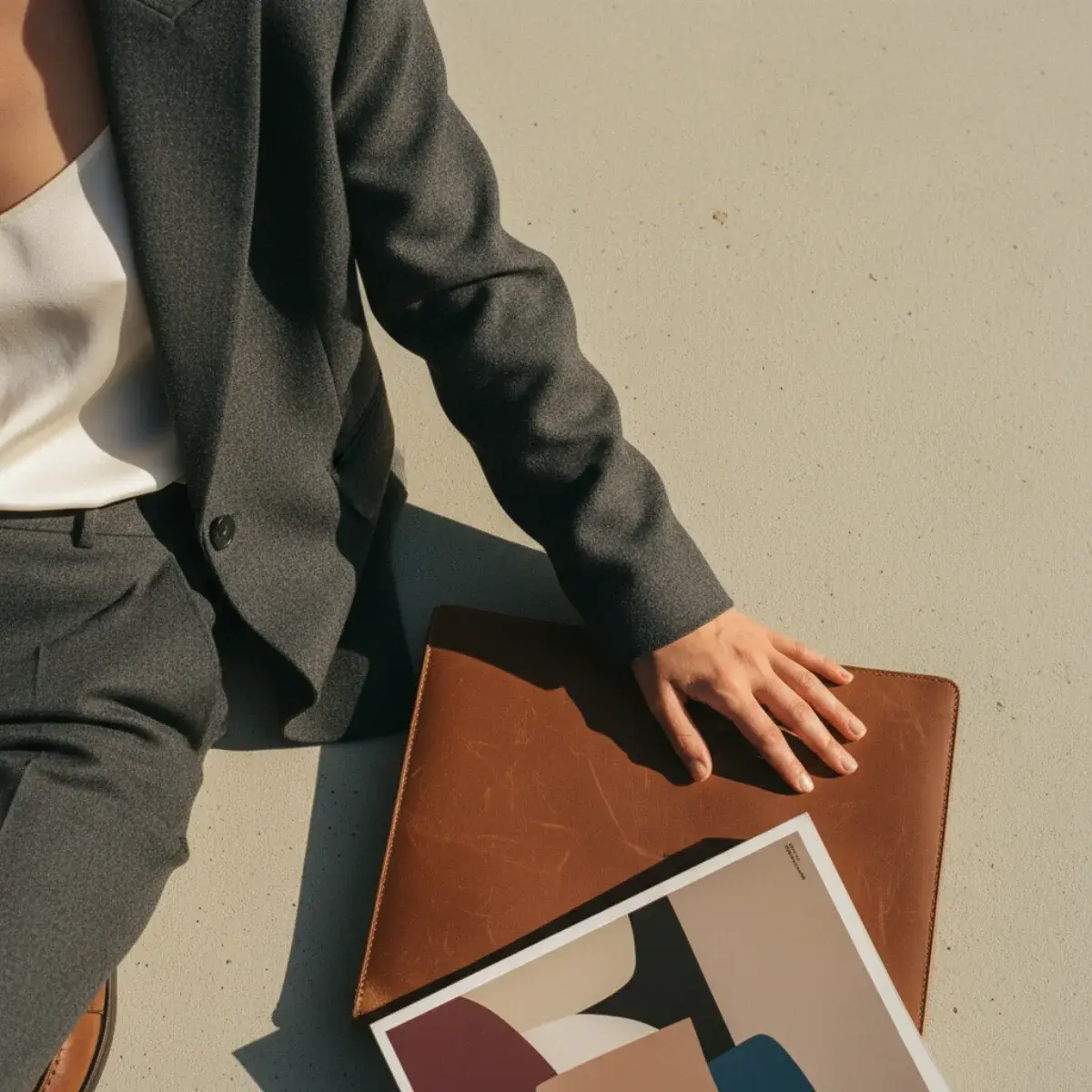
You do not need a separate outfit for every event; you need a small set of pieces that recombine to meet most codes. A handful of garments cover the overwhelming majority of invitations. A little black dress or a dark midi handles cocktail, semi-formal, and many weddings. A tailored blazer dresses up trousers for work, dates, and smart-casual events, and dresses down for business casual. Tailored trousers and a knee-length skirt anchor the professional codes. A silk blouse or "going out top" elevates any bottom half for evening. And a pair each of closed leather heels or flats and a block heel cover the footwear range from office to wedding lawn.
Add a clutch, a structured day bag, and one or two pieces of refined jewellery, and you can answer almost any invitation from a single, well-edited closet. Shop these slowly and in a coherent palette, exactly as our guide to how to put together an outfit describes, and the next invitation stops being a problem to solve.
The maths rewards this approach. A single-occasion gown bought for one wedding sits unworn for years, while a dark midi dress that handles cocktail, semi-formal, and three more weddings earns its cost back many times over. The same is true of separates: a silk top that works for a date, a dinner, and an office party is a better purchase than a sequinned dress that only suits one December. Build the closet around pieces that answer more than one invitation, and the wardrobe pays for itself in wearings rather than sitting idle between events. This is also why building an occasion wardrobe and building a capsule wardrobe are, in the end, the same project approached from two directions.
Key takeaways
- 1Dress codes form a single ladder from casual to white tie; placing an event on it tells you exactly how formal to be.
- 2Cocktail and semi-formal overlap heavily — a knee-to-midi dress satisfies either when an invitation lists both.
- 3For interviews, match the company's everyday code and go one notch up; business professional is the safe default.
- 4When a code is unclear, dress slightly up — overdressing reads as respect, underdressing as indifference.
- 5A small mixable wardrobe — a dark dress, a blazer, tailored trousers, a silk top, and versatile shoes — meets most occasions.
Where to go from here
This silo takes every major occasion apart in its own guide. Start with what to wear to a wedding as a guest and cocktail attire for women, then the professional pair, job interview outfit ideas and business casual for women. For the lighter end, read date night outfit ideas, concert outfit ideas, and the vacation and beach guide. For the etiquette behind the codes, the Emily Post Institute remains the standard reference, and Vogue and Who What Wear publish strong occasion-dressing coverage each season.
Frequently asked
- What are the main dress codes, from most to least formal?
- From most to least formal: white tie, black tie, black tie optional (or creative black tie), cocktail, semi-formal, business professional, business casual, smart casual, and casual. Each maps to specific garments — white tie means a floor-length gown or tailcoat, while smart casual allows dark jeans with a blazer. Knowing where an event sits on this ladder tells you exactly how dressed up to be.
- What does semi-formal mean for women?
- Semi-formal for women means a polished but not floor-length look: a cocktail dress, a midi dress, or a dressy separates combination such as a silk blouse with tailored trousers. Heels or elegant flats, refined jewellery, and a clutch complete it. It sits between cocktail and business professional — dressier than the office, less formal than a black-tie gown.
- What is the difference between cocktail and semi-formal attire?
- Cocktail is slightly dressier and more playful, centred on a knee-length cocktail dress with statement accessories, suitable for evening events and weddings. Semi-formal is marginally more restrained and allows dressy separates or a longer midi, and it works in daytime and evening alike. The overlap is large; when an invitation lists both, a knee-to-midi-length dress satisfies either.
- When in doubt, should you overdress or underdress?
- Overdress, slightly. Arriving a notch more polished than required reads as respect for the host and the occasion, and a tailored jacket or a refined accessory can always be removed to dress down. Underdressing is far harder to recover from and can read as indifference. The safe move at any ambiguous event is one step up from your best guess.
- What should you wear to a job interview?
- Match or slightly exceed the company's everyday dress code. For most corporate and professional roles, that means business professional or polished business casual — a tailored blazer, a blouse or shirt, tailored trousers or a knee-length skirt, and closed leather shoes, in neutral colours. Creative or startup environments allow smart casual. When unsure, business professional is the safer default.
- What is business casual for women?
- Business casual for women combines professional and relaxed pieces: tailored trousers or a knee-length skirt with a blouse, a fine knit, or a smart top, often layered with a blazer or cardigan. It excludes both suits-with-ties formality and weekend casual like distressed denim and trainers. Closed or low-heeled shoes and minimal jewellery complete it.
- What should you wear to a wedding as a guest?
- Follow the dress code on the invitation, avoid white and anything that competes with the wedding party, and dress for the venue and season. Cocktail or semi-formal is the most common code, satisfied by a knee-to-midi-length dress or dressy separates. For black-tie weddings, choose a floor-length gown; for daytime or garden weddings, a lighter midi and block heels work better than stilettos.
Written by Priya Venkataraman, looksyra editorial. Last updated May 2026.
Everything in this guide
 Save
SaveMen's Party Outfit Ideas: 10 Looks for Every Kind of Night Out
Read guide Save
SaveMen's Church Outfit Ideas: 10 Looks That Read Reverent
Read guide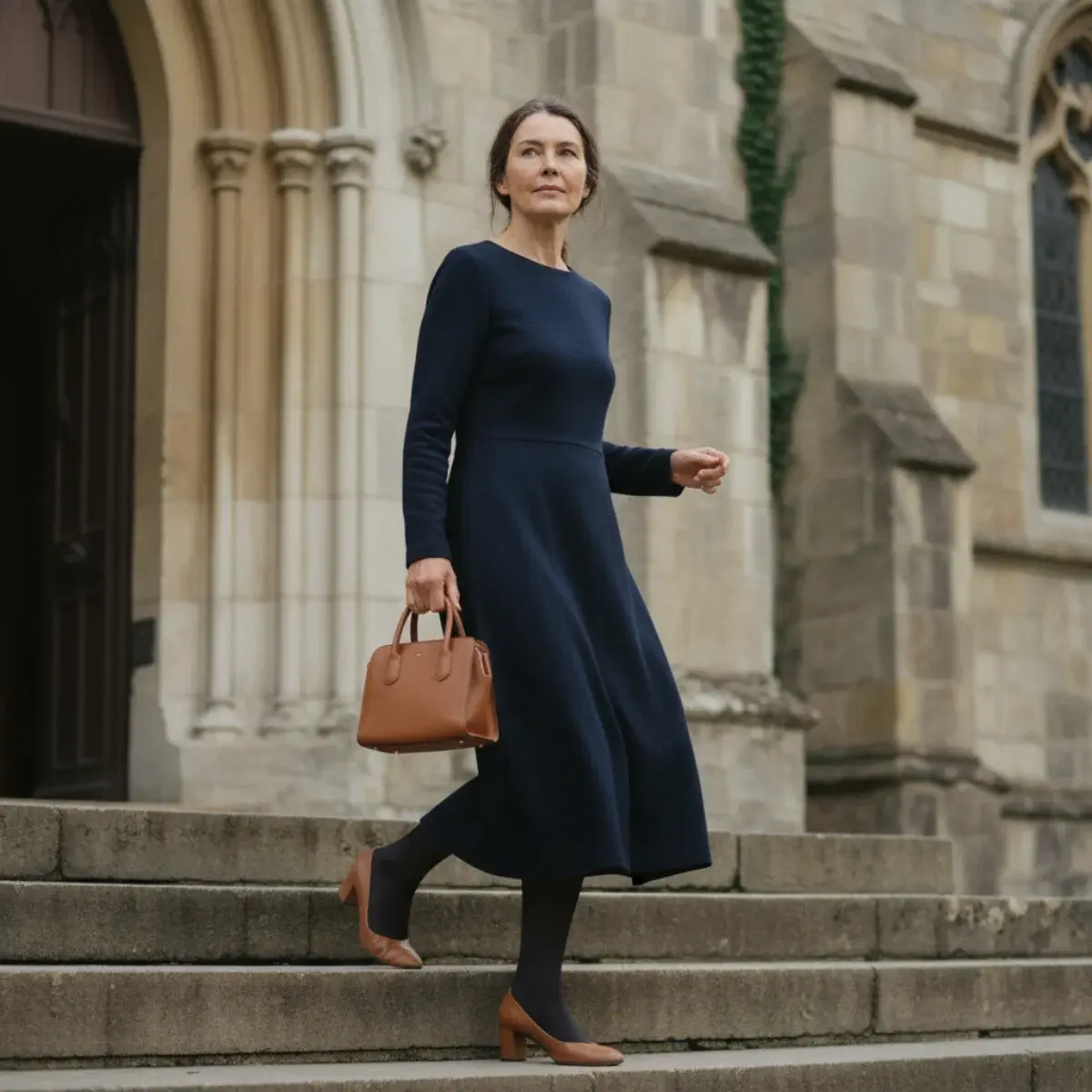 Save
SaveChurch Outfit Ideas for Women: 10 Looks That Read Reverent and Considered
Read guide Save
SaveMen's Office Outfit Ideas: 12 Looks for Every Dress Code
Read guide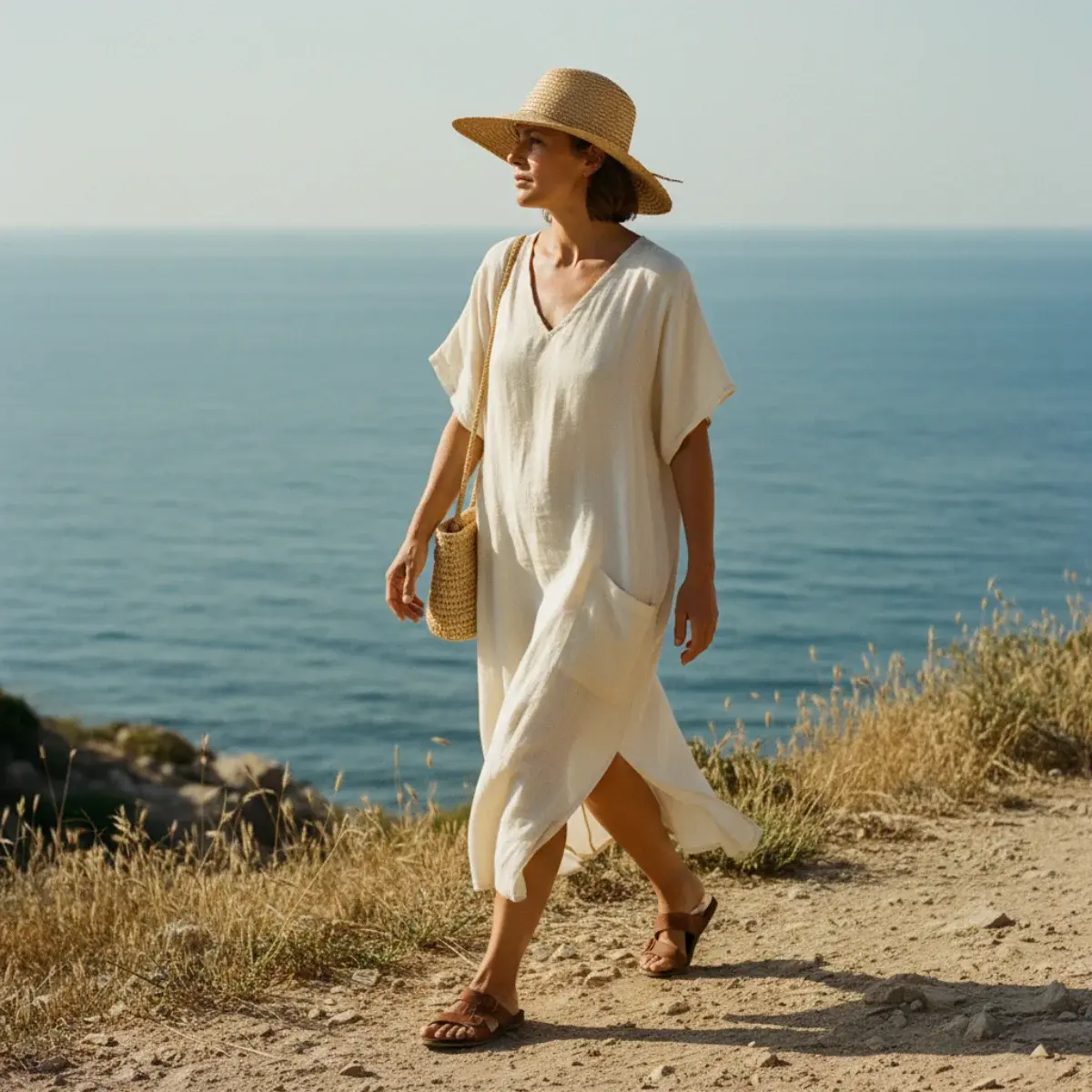 Save
SaveVacation & Beach Outfit Ideas: How to Pack a Mix-and-Match Holiday Wardrobe
Read guide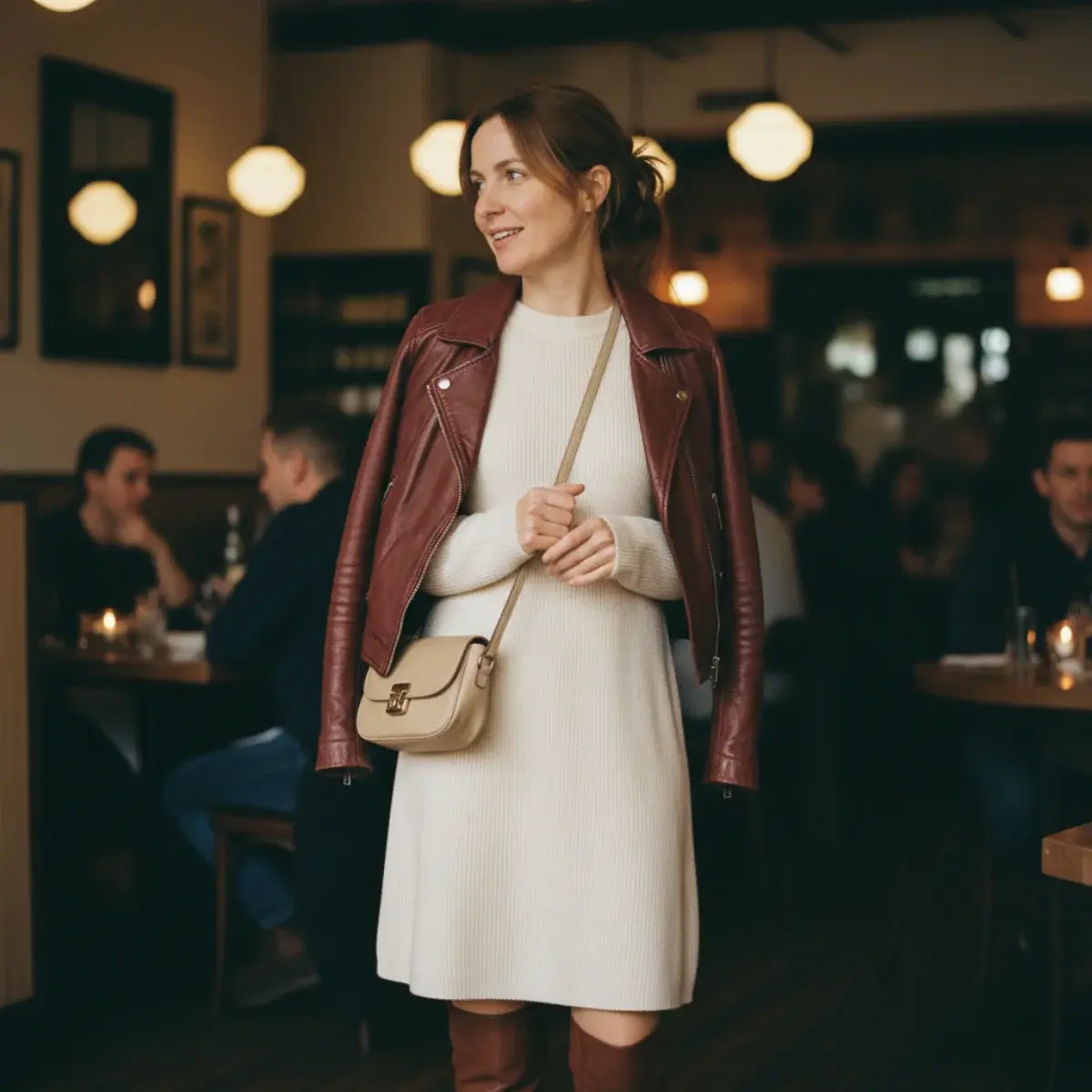 Save
SaveDate Night Outfit Ideas: What to Wear by Date Type & Season
Read guide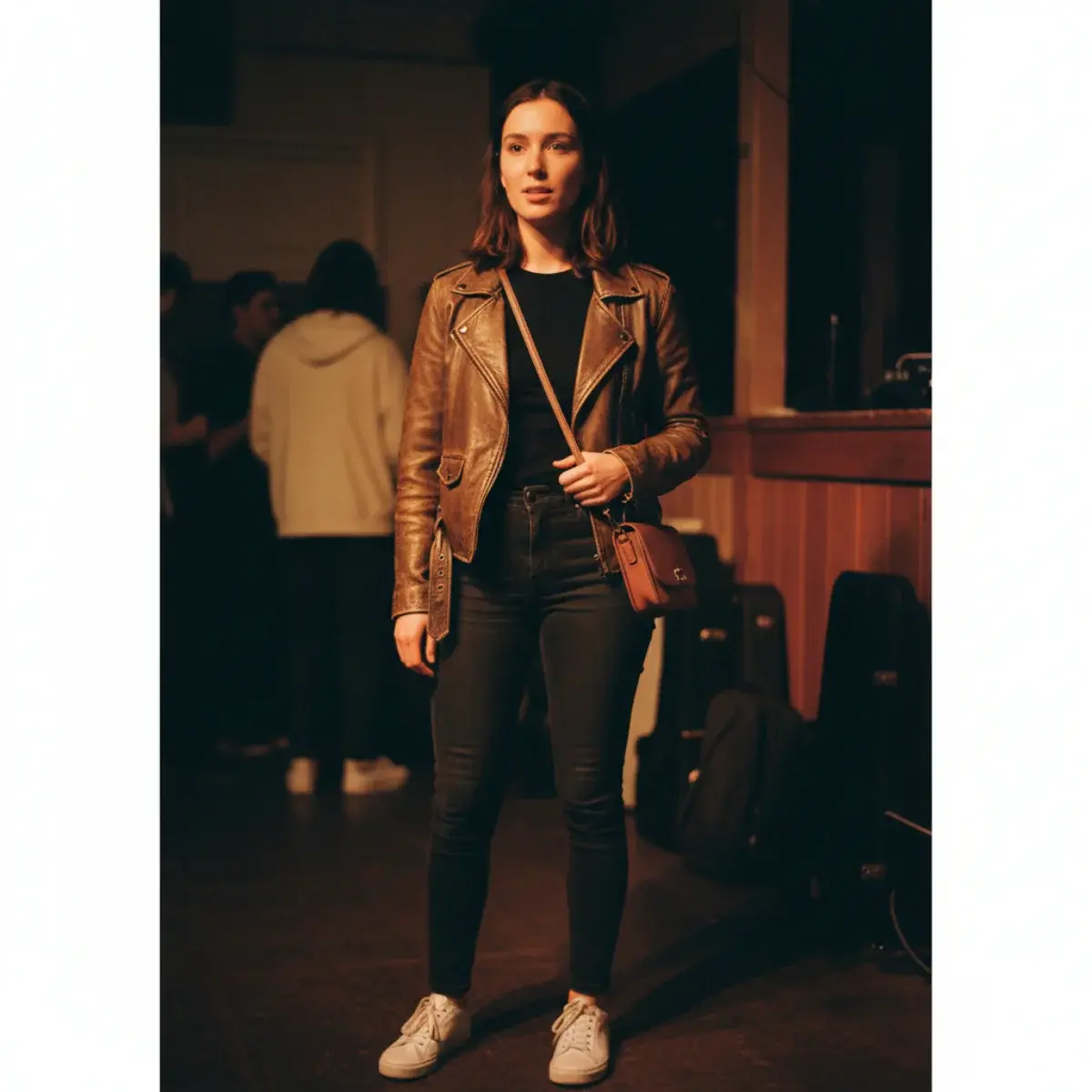 Save
SaveConcert Outfit Ideas: What to Wear by Genre, Venue & Season
Read guide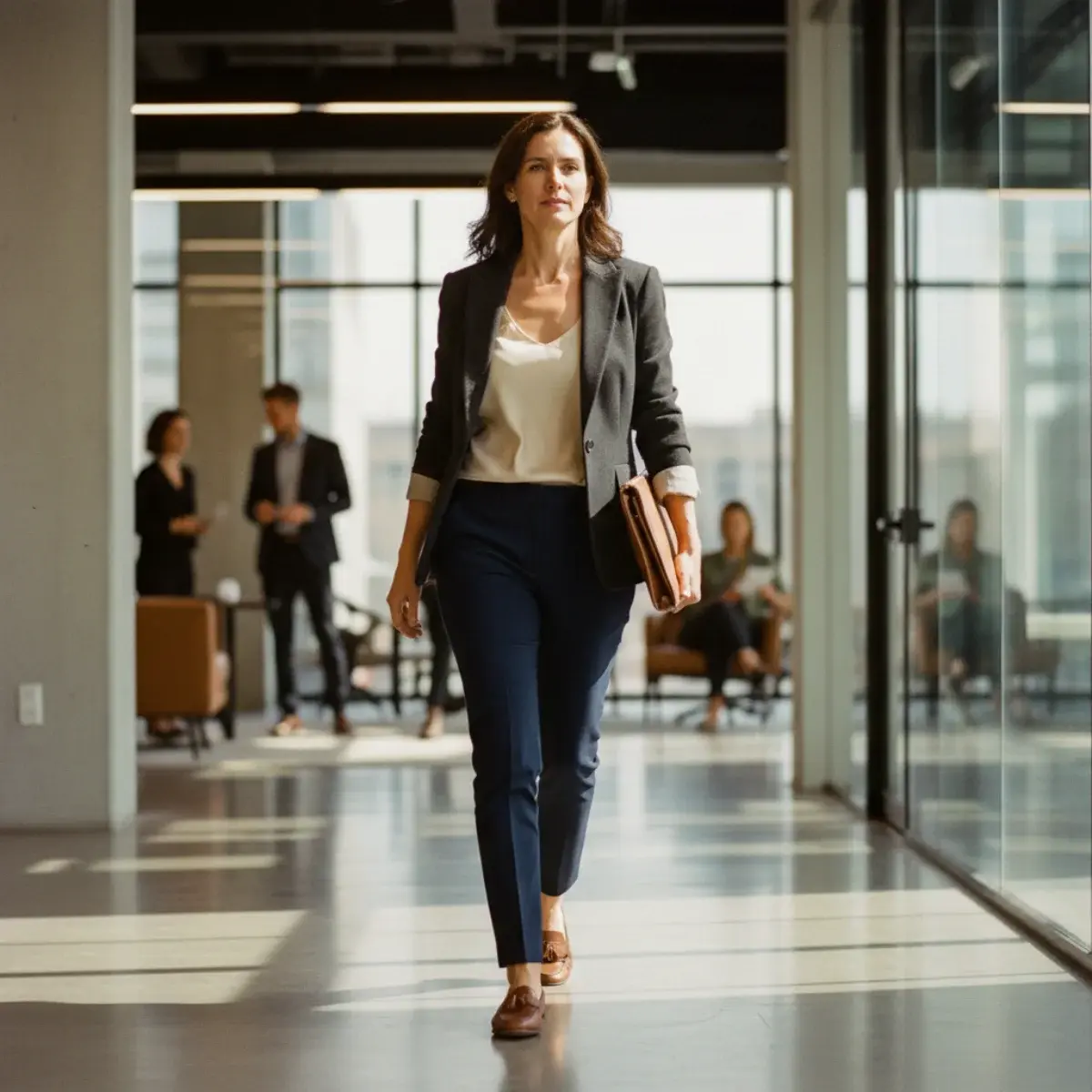 Save
SaveBusiness Casual for Women: What It Means & How to Wear It
Read guide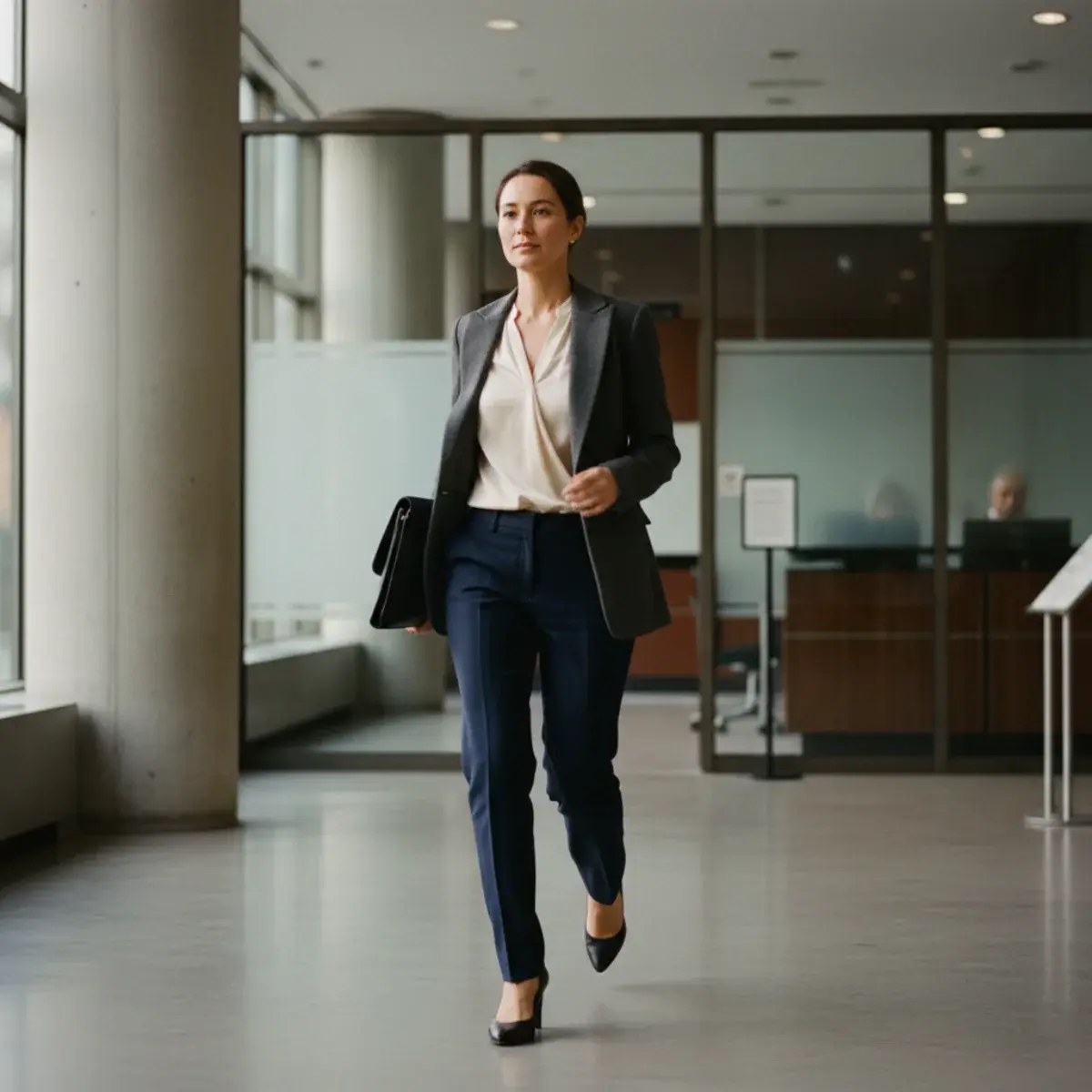 Save
SaveJob Interview Outfit Ideas: What to Wear to Land the Role
Read guide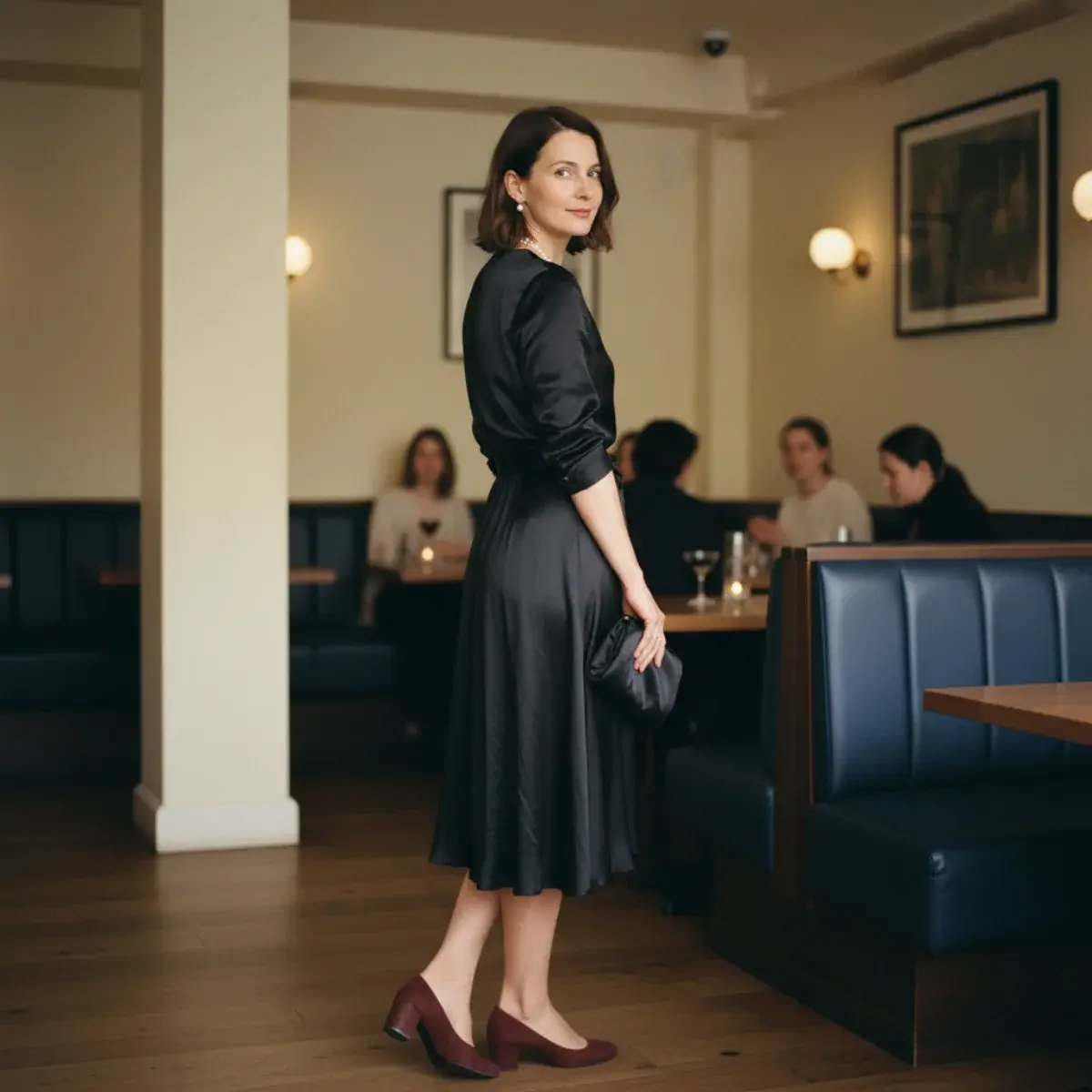 Save
SaveCocktail Attire for Women: What It Means & How to Nail It
Read guide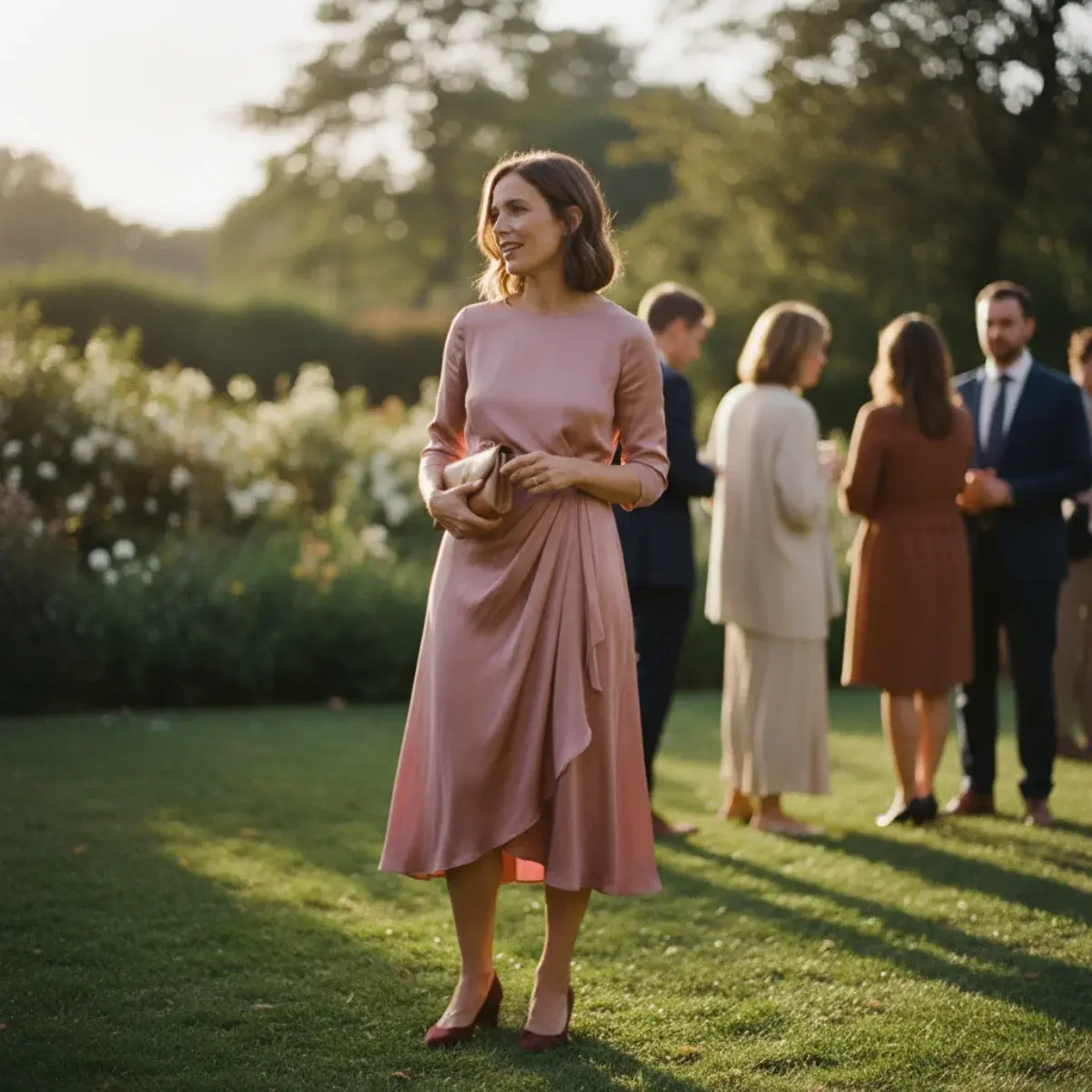 Save
Save