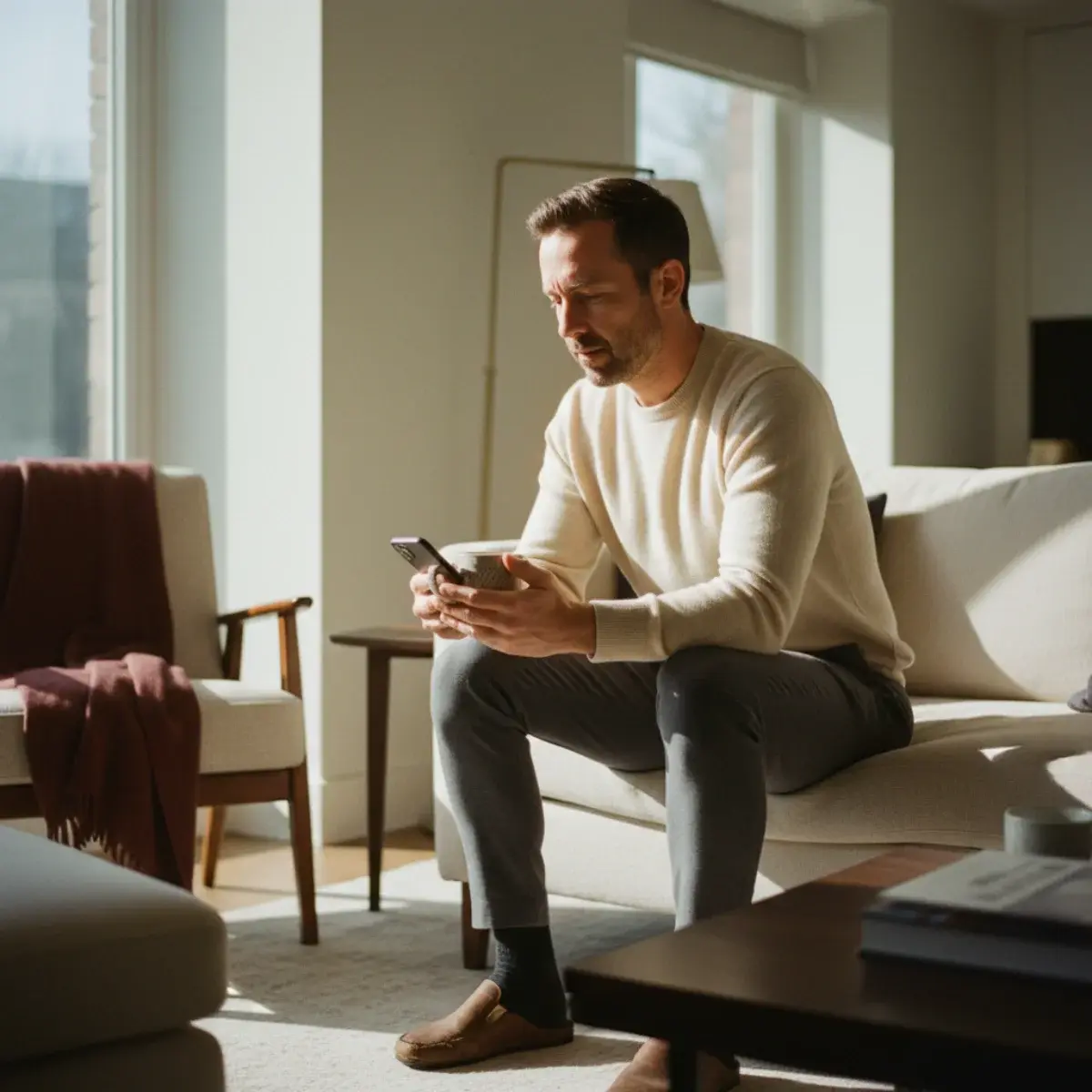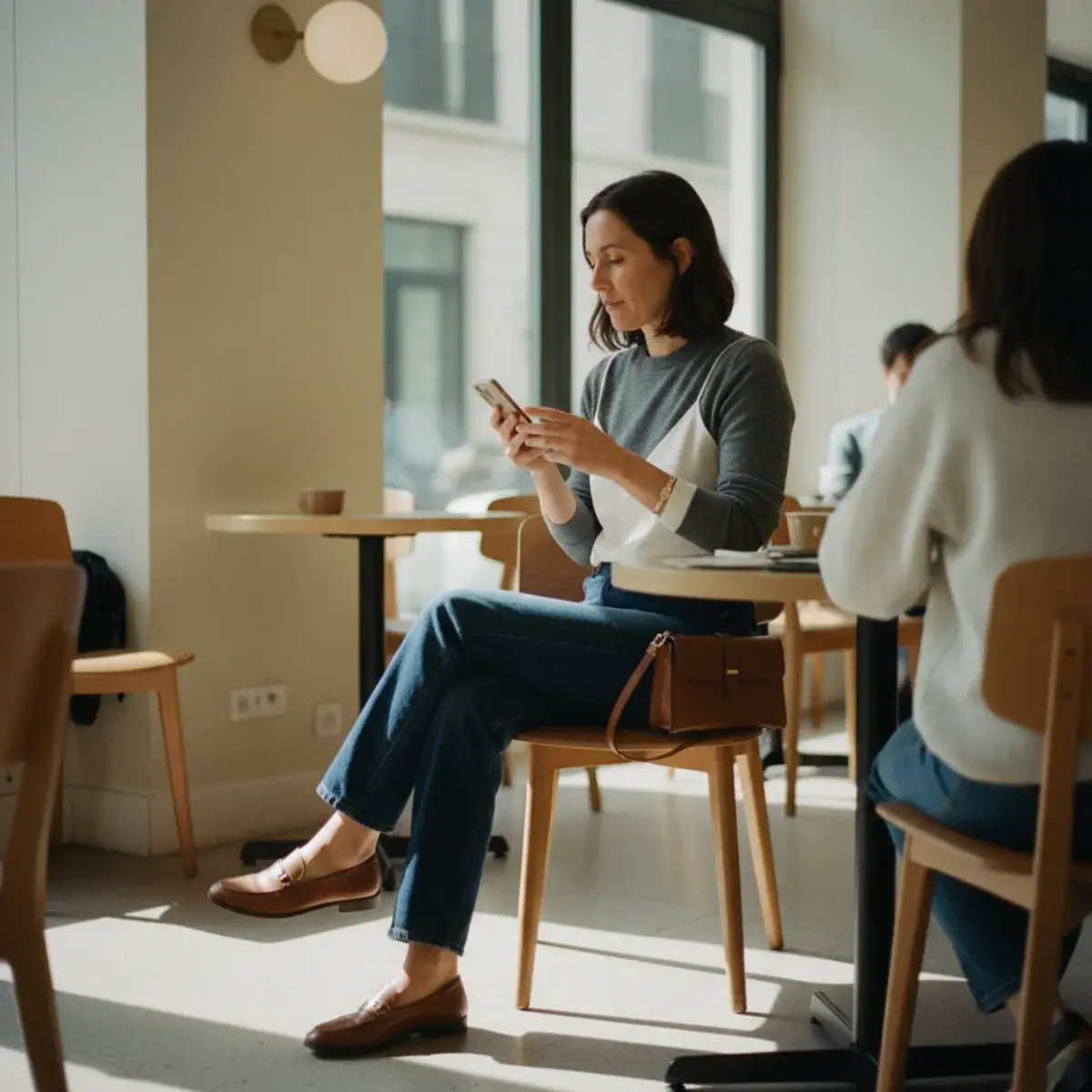
Smart casual is the dress code people fear most, because it asks for a judgment call rather than a uniform: dressed up, but not too much; relaxed, but not sloppy. It turns up on dinner invitations, relaxed-office guidelines, and event dress codes, and the vagueness is the whole problem. The good news is that it resolves into a clear, repeatable formula once you understand what it is actually asking for. This guide decodes smart casual, distinguishes it from its neighbours, and shows how to wear it to work, to dinner, and to events. It sits one rung up from everyday dressing in our casual outfits guide.
The principle this guide will hold: smart casual is casual with one polished element added, not formal with one casual element subtracted. Start from a comfortable, relaxed base and add the touch of refinement — a blazer, a sharper shoe, a better fabric — rather than starting from a stiff outfit and trying to loosen it. The first approach reads easy and considered; the second reads like a suit on a day off.
What smart casual actually means
Smart casual is the meeting point of comfort and polish. It keeps the ease of casual dressing — relaxed silhouettes, comfortable fabrics, the option of dark denim — while adding enough refinement to read as considered rather than thrown on. The hallmark pieces are dark, clean jeans or tailored trousers, a smart top or a fine knit, a blazer or a structured jacket, and elevated shoes like loafers, clean leather trainers, or low boots. Nothing in it is stiff or formal, but nothing is sloppy either.
What makes it tricky is that it sits between two clearer codes and borrows from both, so the exact reading shifts with the setting. Smart casual at a relaxed office leans more polished; smart casual at a weekend dinner leans more relaxed; smart casual at a daytime event sits somewhere in the middle. The constant is the combination itself — relaxed base, polished accent — and once you internalise that, you can dial the proportion up or down to suit the occasion. Reading the setting and adjusting is the entire skill.
 1600×1067
Smart casual vs casual vs business casual
Smart casual only makes sense in relation to the codes on either side of it, so here is the contrast laid out.
| Casual | Smart casual | Business casual | |
|---|---|---|---|
| Mood | Relaxed everyday | Relaxed but polished | Polished, work-focused |
| Denim | Any clean jeans | Dark, undistressed | Often excluded |
| Top | Tee, casual knit | Smart top, fine knit | Blouse, fine knit |
| Layer | Optional | Blazer or smart jacket | Blazer or cardigan |
| Shoes | Trainers, sandals | Clean trainers, loafers, low heels | Loafers, flats, low heels |
| Setting | Weekends, errands | Dinners, events, relaxed offices | Most offices |
The useful way to hold it: smart casual keeps more of casual's ease and allows dark denim and clean trainers, while business casual keeps more of the office's polish and often excludes both. Our business casual for women guide covers the workplace code in full, and the casual outfits guide covers the relaxed end this builds up from.
The smart casual formula
Smart casual reduces to a dependable structure: a relaxed base plus one polished element plus an elevated shoe. The base is dark denim, tailored trousers, a casual-but-structured skirt, or a midi dress — comfortable and relaxed in silhouette. The polished element is the piece that lifts it: a blazer, a silk or smart top, a fine knit in a good fabric, or a structured jacket. The elevated shoe finishes it: a loafer, a clean leather trainer, an ankle boot, a heeled mule, or a low heel.
The reason this works is that you can adjust the proportion of polish to suit the occasion just by changing one piece. Swap a tee for a silk top and a casual look becomes smart casual; add a blazer and it climbs further; trade the trainer for a heeled boot and it edges toward dressy. The base stays comfortable throughout, which is what keeps it from feeling like formalwear. This is the same recombining logic our guide on how to put together an outfit applies across every register.
 1600×1067
The key smart casual pieces
A smart casual wardrobe is built from a short list of versatile pieces, most of which you likely own. Dark, well-fitting jeans are the workhorse base — clean, undistressed, and tailored if needed. Tailored trousers in a neutral give a slightly more polished alternative. A tailored blazer is the single most useful polishing piece, lifting almost any base instantly. Smart tops and fine knits — a silk blouse, a couple of good merino or cotton knits, a structured shell — do the daily styling. And a midi dress or two offer one-piece options that read smart casual with the right shoes.
For footwear, a pair of clean leather trainers, loafers, ankle boots, and a low heel or heeled mule cover the range. Buy these in natural fabrics and a coordinating neutral palette, and they recombine endlessly — the smart casual expression of a capsule wardrobe. As always, fit and fabric matter more than label: a well-cut, well-fitted blazer reads sharper than an expensive one that does not sit right, the same principle that runs through the old money outfits guide.
 1600×1067
How to wear smart casual with jeans
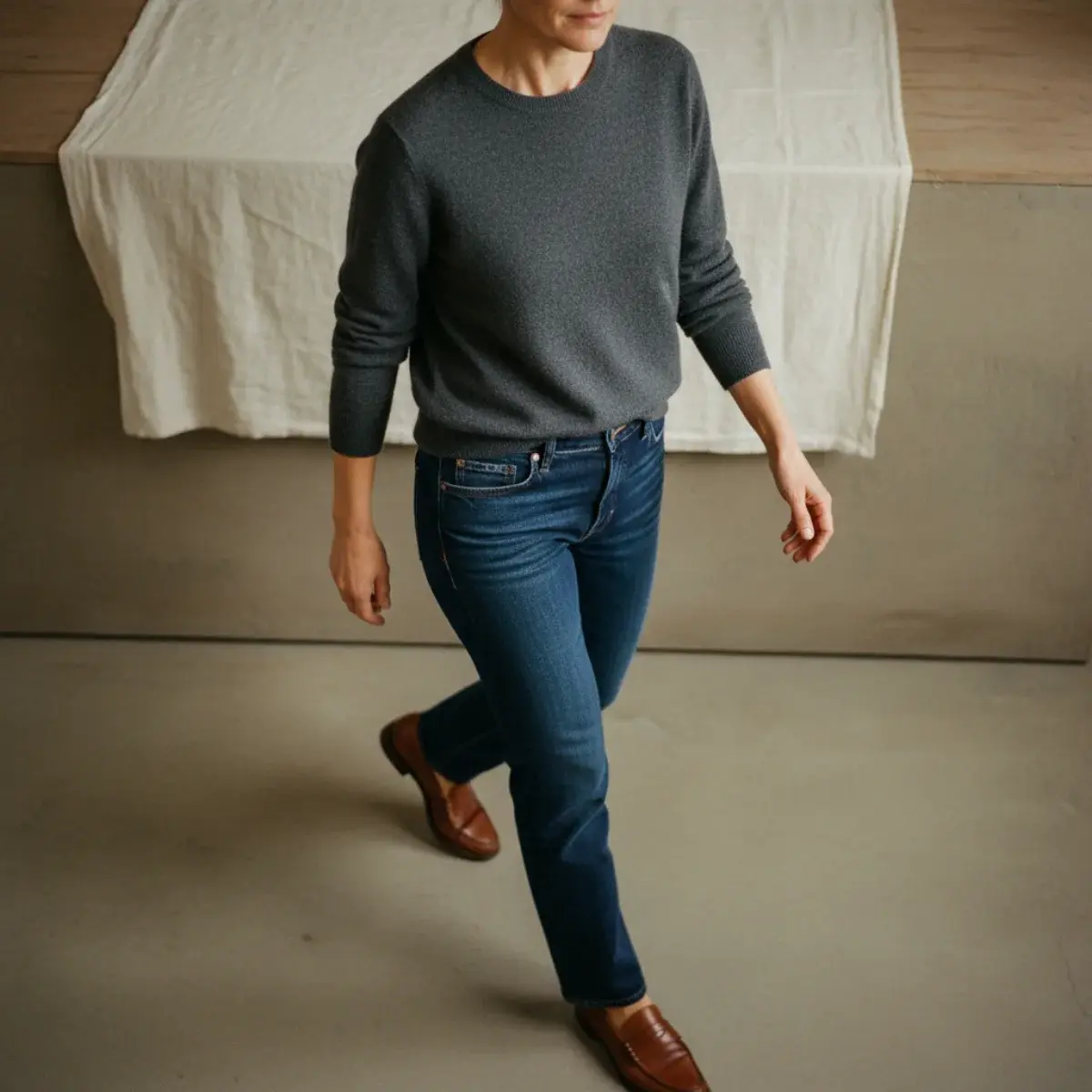
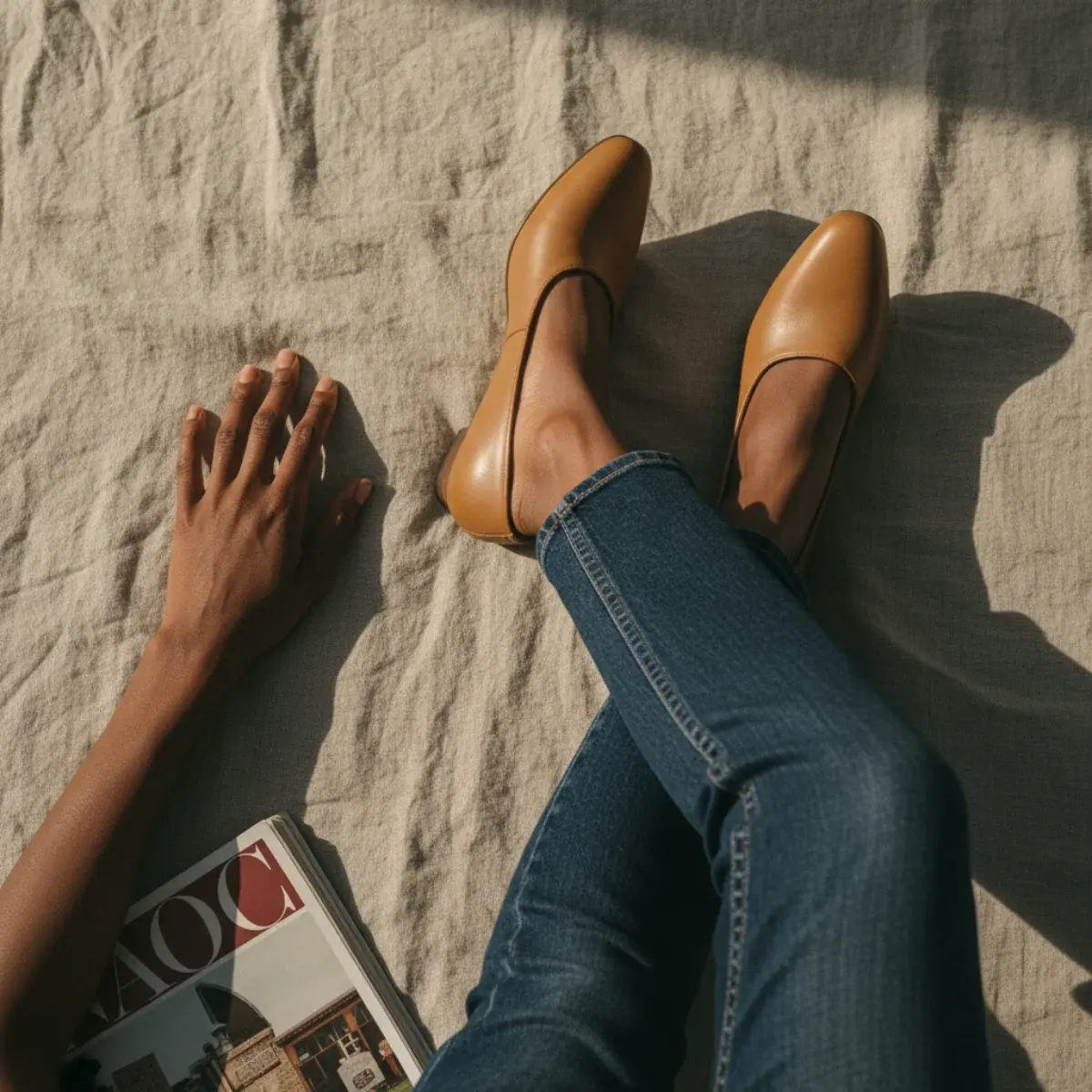
Jeans are at the heart of smart casual, and styling them right is what separates the look from everyday casual. Three denim rules carry it. Choose a dark wash — indigo, navy, or black — which reads instantly more polished than a light or faded one. Keep them clean and undistressed — no rips, no heavy fading, no frayed hems — since distressing pulls the look back to casual. And fit them well, straight, slim, or a clean wide-leg, tailored at the hem if needed, because denim that fits is what makes the whole outfit read intentional.
On that foundation, the polish comes from above and below. Pair dark jeans with a silk top or a fine knit, add a blazer or a structured jacket, and finish with loafers, clean trainers, an ankle boot, or a heeled mule. A tucked-in top and a structured bag complete the shift from casual to smart casual. For the specific question of whether jeans pass at work, our business casual outfits with jeans guide takes the office case apart in detail.
 1600×1067
Smart casual by setting
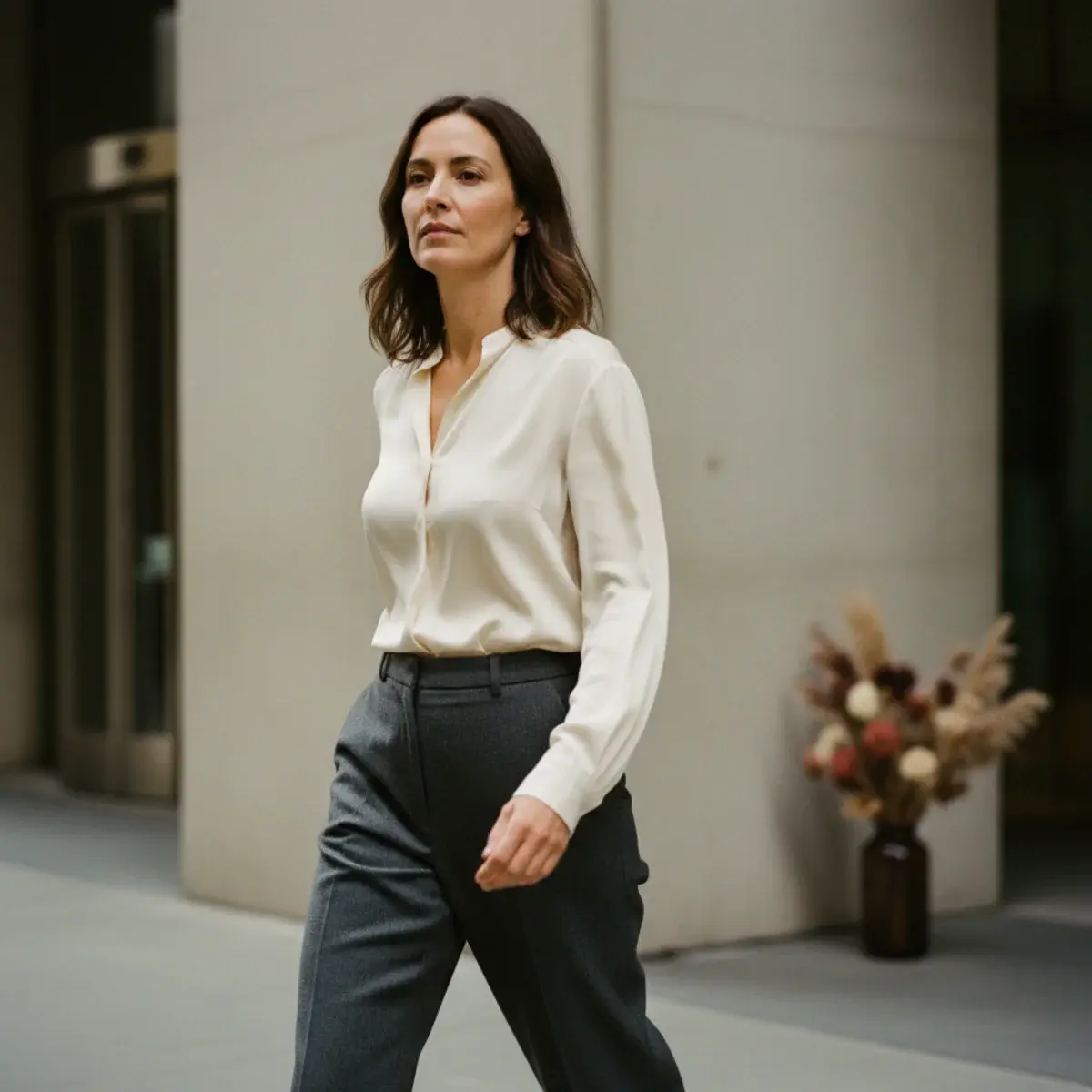
The same code reads differently across settings, and adjusting the proportion of polish is the skill. For a relaxed or creative office, lean polished: tailored trousers or dark denim, a smart top, a blazer, and loafers or ankle boots, in a neutral palette. For a dinner or evening out, lean dressier: dark jeans or trousers with a silk top, or a midi dress, finished with a heeled boot or low heel and a structured bag, with one piece of jewellery. For a daytime event — a lunch, a gallery, a casual celebration — sit in the middle with a midi dress and a denim jacket, or trousers with a fine knit and clean trainers.
For a weekend with a smart-casual brief — a nicer brunch, a friend's gathering — the relaxed end suits best: good jeans, a smart top, a casual blazer or jacket, and clean trainers or flats. Reading the setting and dialling the polish up or down accordingly is what makes smart casual feel easy rather than fraught. When in doubt about which way to lean, the dressier reading is the safer one, exactly as our complete dress code guide advises across the board.
 1600×1067
Smart casual through the seasons
Season changes the fabrics and layers more than the formula. In spring and summer, lighten the materials — a cotton or linen-blend trouser, a fine cotton knit, a midi dress, a lightweight blazer — and lean on a clean trainer or a low sandal, keeping a light jacket for cooler evenings and over-cooled interiors. The polish in warm weather comes from fabric quality and fit rather than layers, so a well-cut linen co-ord reads smart casual where a crumpled one does not.
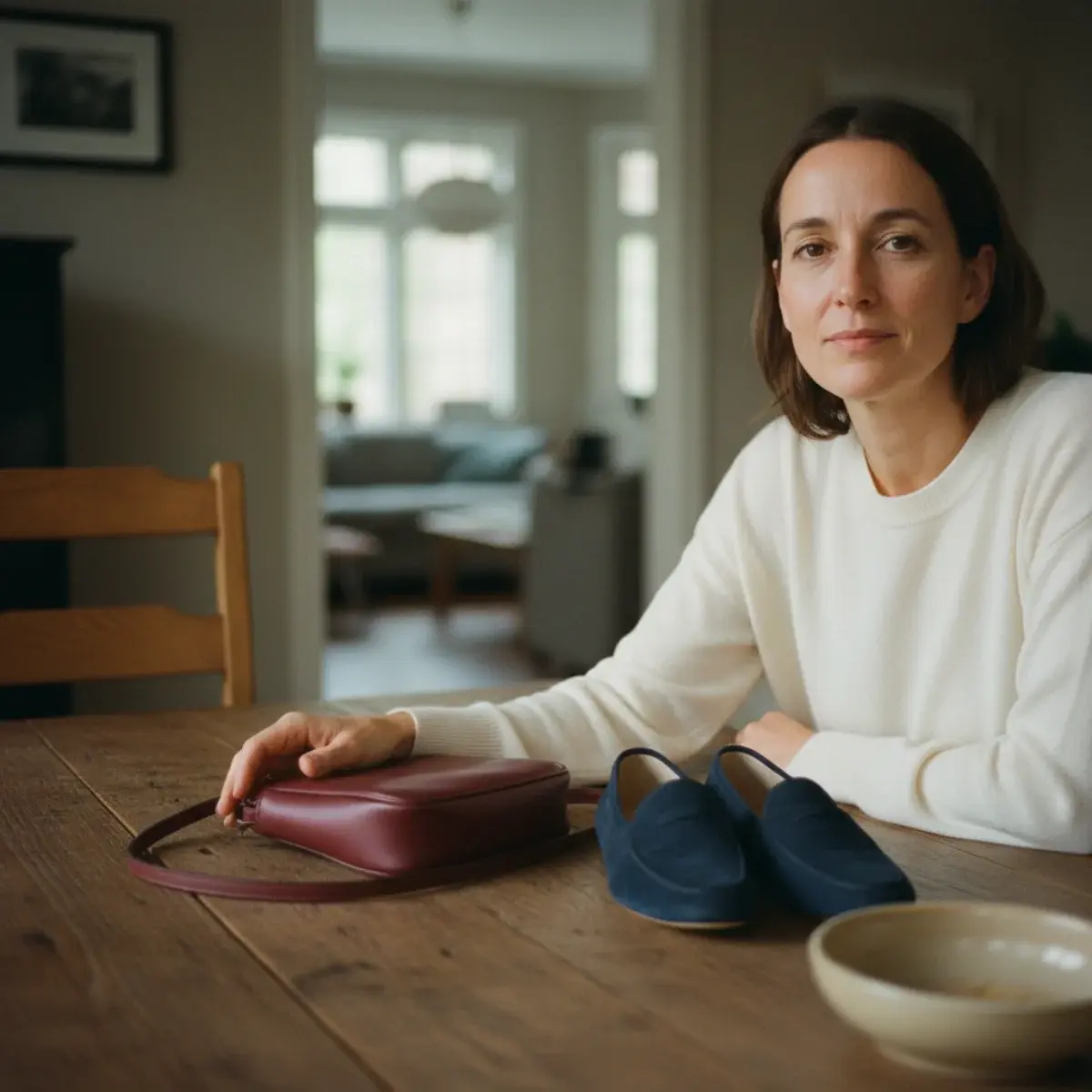
In fall and winter, layering becomes the polishing tool itself. A fine roll-neck under a blazer, dark jeans or tailored trousers, an ankle or knee boot, and a wool coat reads polished and stays warm, with deeper tones suiting the lower light — our fall outfits hub carries the seasonal palette. Keep the layers tonal and the silhouette considered, and add a scarf as both warmth and a finishing detail. The constant across seasons is the relaxed-base-plus-polished-accent structure; only the weight of the fabrics changes.
 1600×1067
Smart casual mistakes to avoid
A few errors recur. Leaning too casual — distressed jeans, a graphic tee, worn trainers — drops the look back to everyday casual and misses the brief. The opposite, leaning too formal with a stiff suit or formal heels, reads as having misjudged the relaxed half of the code. Poor fit undermines either direction, since a gaping blouse or baggy trouser reads careless regardless of the pieces. And skipping the polished element entirely leaves the outfit as plain casual when smart casual was asked for.
The fix in every case is the structure itself: start from a comfortable, well-fitting base, add exactly one polished element — a blazer, a silk top, an elevated shoe — and keep the palette neutral. Smart casual rewards a light touch; one considered upgrade to a casual outfit usually does the whole job, and a second is often one too many.
Key takeaways
- 1Smart casual is casual with one polished element added, not formal with one casual element subtracted.
- 2The formula is a relaxed base plus one polished piece plus an elevated shoe — adjust the proportion to the setting.
- 3Dark, clean, well-fitting jeans are a core smart casual piece; distressed or faded denim drops the look to casual.
- 4It sits between casual and business casual — keeping more ease than business casual, more polish than casual.
- 5Lean dressier when in doubt, keep the palette neutral, and add just one upgrade — a second is often one too many.
How to turn a casual outfit smart casual
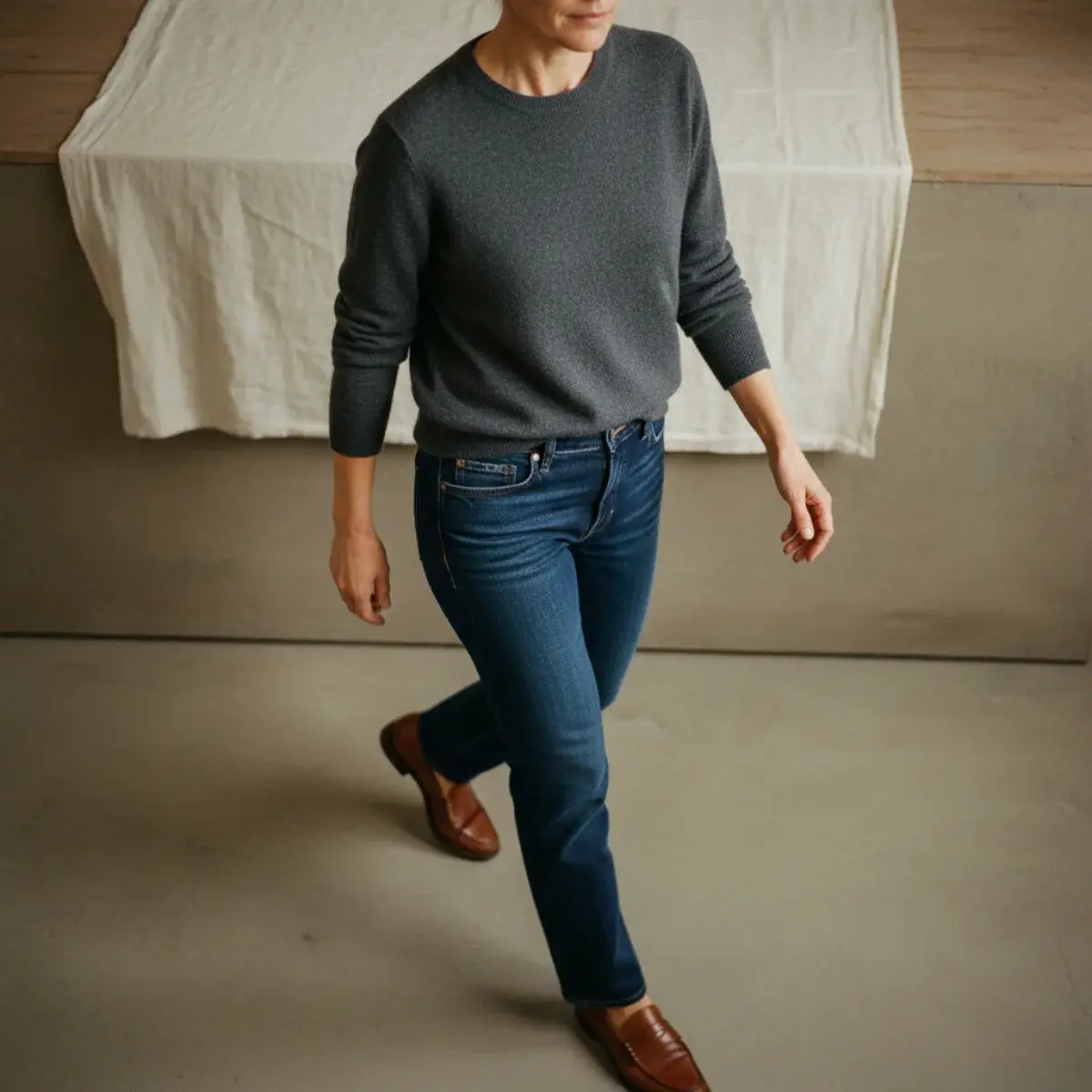
Often you are not starting from scratch but trying to push an everyday casual outfit one notch up to meet a smart-casual brief, and a few targeted swaps do it without a full change of clothes. Trade the tee for a smart top — a silk blouse, a fine knit, a structured shirt — and the whole outfit climbs immediately, because the top sits at eye level and carries the most weight. Add a blazer or a structured jacket over the existing base, even left open, and the look reads polished at once. And swap worn trainers for clean ones, loafers, or an ankle boot, since footwear is the detail people register first.
Two finishing moves complete the shift. Tuck the top to define the waist, which reads more intentional than an untucked line, and add a structured bag in place of a slouchy or sporty one. The point is that you rarely need to add all of these — one or two usually carry a casual outfit into smart-casual territory, and over-doing it swings the look toward trying-too-hard. Identify the single element keeping the outfit casual, upgrade it, and stop. This is the same small-lever approach to elevation that our casual outfits guide lays out for everyday dressing.
 1600×1067
Where to go from here
Smart casual is the polished step up from everyday dressing. Read the casual outfits guide for the relaxed base it builds on, business casual outfits with jeans and business casual for women for the workplace codes alongside it, and the complete dress code guide for every other occasion. For the timeless basics that anchor it, see the old money outfits guide. Who What Wear and Vogue publish reliable smart-casual edits each season.
Frequently asked
- What is smart casual for women?
- Smart casual for women is a relaxed-but-polished dress code that combines casual ease with a touch of refinement: dark denim or tailored trousers, a smart top or fine knit, often a blazer, and elevated shoes like loafers, clean trainers, or low heels. It is dressier than everyday casual but more relaxed than business casual, and it suits nicer dinners, relaxed offices, and dressier social events.
- What is the difference between smart casual and business casual?
- Business casual is workplace-focused and slightly more formal, usually involving tailored trousers or a skirt with a blouse and often a blazer. Smart casual is broader and a touch more relaxed, allowing dark denim, smart tops, and clean trainers, and it works for social settings as well as relaxed offices. Smart casual keeps more of casual's ease; business casual keeps more of the office's polish.
- Can you wear jeans for smart casual?
- Yes — dark, undistressed, well-fitting jeans are a core smart casual piece. Paired with a smart top or fine knit, a blazer, and elevated shoes, dark denim reads fully smart casual. Avoid distressed, faded, or very casual jeans, which tip the look back to everyday casual. The key is dark wash, clean condition, and good fit.
- What shoes are smart casual for women?
- Loafers, clean leather trainers, ankle boots, low heels, heeled mules, and elegant flats are all smart casual. They sit a step above pure-casual trainers and sandals but below formal heels. A clean white leather trainer or a loafer is the most versatile choice, dressing a smart casual outfit up while keeping it comfortable and relaxed.
- Is a dress smart casual?
- Yes. A midi dress, a shirt dress, a fine-knit dress, or a wrap dress in a structured fabric reads smart casual, especially with a blazer or a denim jacket and elevated shoes. Keep it from sliding too casual by choosing a considered fabric and fit, and too formal by keeping the styling relaxed. A dress is one of the easiest one-piece smart casual options.
- What should you wear smart casual to work?
- For a relaxed or creative office with a smart casual code, pair dark denim or tailored trousers with a smart top or fine knit, add a blazer for polish, and finish with loafers, clean trainers, or ankle boots. Keep the palette neutral and the fit sharp. It reads professional and considered while staying more relaxed than a full business casual or business professional look.
- How do you dress smart casual for a dinner or event?
- Lean toward the dressier edge: dark jeans or tailored trousers with a silk or smart top, or a midi dress, finished with a heeled boot, mule, or low heel and a structured bag. Add a blazer or a considered jacket and one piece of jewellery. The aim is polished and put-together without crossing into cocktail formality.
Written by Marguerite Sterns, looksyra editorial. Last updated May 2026.