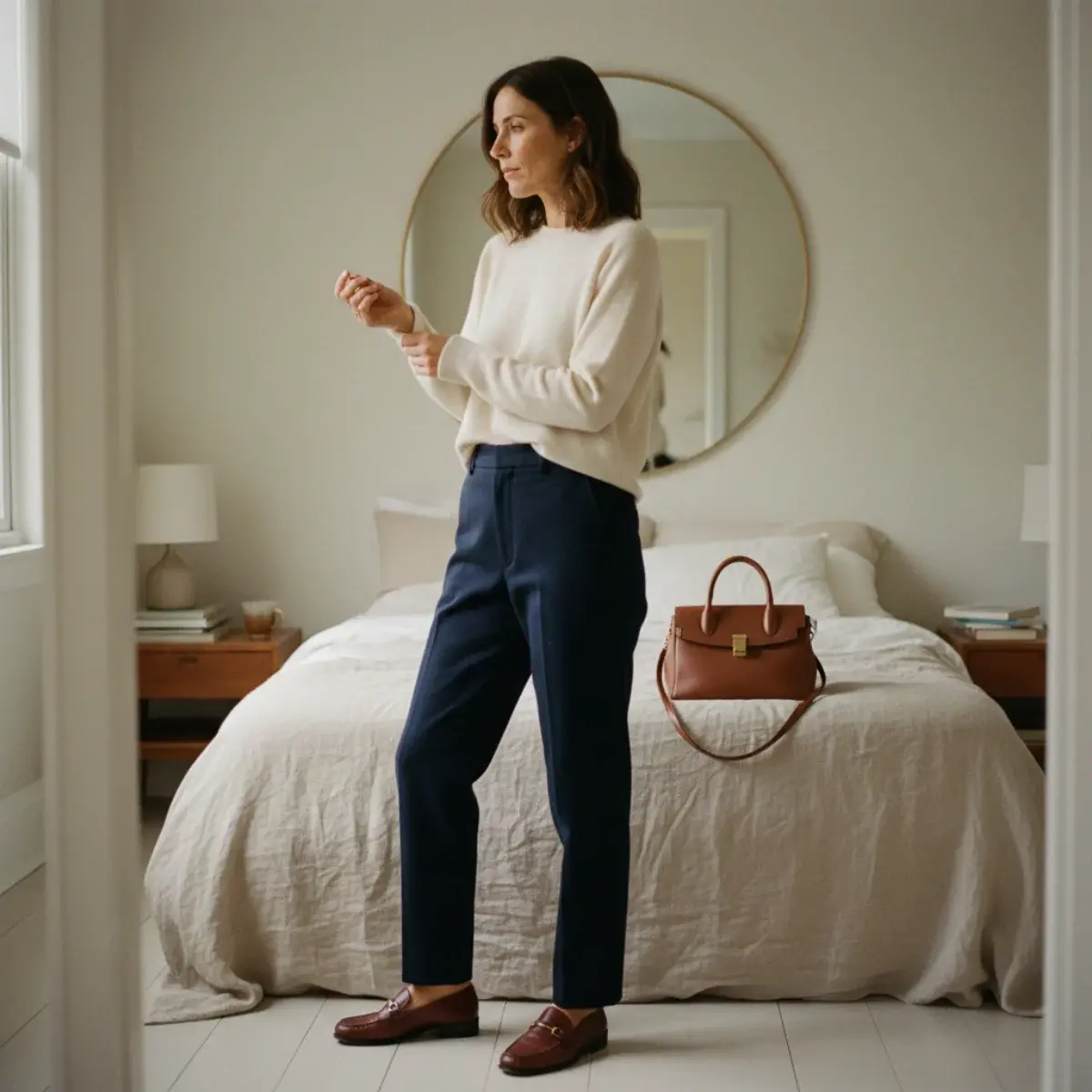
Most people own the pieces for plenty of good outfits — what they lack is the method for combining them, which is why a closet full of clothes they like can still produce the daily feeling of having nothing to wear. Putting together an outfit is not a mysterious talent some people are born with; it is a small, learnable set of principles applied in order. Once you know how to choose an anchor, balance proportion, coordinate colour, and finish a look, getting dressed stops being guesswork and becomes a reliable process. This guide lays out that method, step by step. It is the practical companion to our capsule wardrobe guide, which covers the pieces this method assembles.
The principle this guide will hold: a good outfit is built around one anchor, not assembled from equals — choose what you're wearing first, then make everything else serve it. Starting from a single piece you want to wear gives the outfit a centre, and every other decision becomes "what works with this," which is far easier than choosing everything at once.
Start with one anchor piece
Every good outfit starts with a single anchor — the one piece you actually want to wear today, whether because of the occasion, the weather, your mood, or simply that you love it. It might be a particular pair of jeans, a dress, a standout coat, a new top, or a pair of shoes. Choosing the anchor first solves the hardest problem in getting dressed, which is the paralysis of infinite options, by reducing every subsequent decision to "what works with this one piece." The outfit gets a centre of gravity, and you build outward from it.
This is the opposite of the common, frustrating approach of trying to assemble an outfit from scratch with everything as an equal candidate, which is overwhelming precisely because there is no starting point. With an anchor, the decisions cascade naturally: the anchor suggests a proportion to balance, a palette to coordinate with, a level of dressiness to match. A bold printed top anchors an outfit that wants quiet bottoms; a statement coat anchors one that wants simple pieces beneath; a special pair of shoes anchors one built to show them off. Pick the anchor, and the rest of the method is about supporting it. Everything that follows assumes you have chosen this one piece first.
 1600×1067
Balance proportion and silhouette
With an anchor chosen, the first build decision is proportion, which is the most overlooked and most powerful element of a good outfit. The core rule is to balance volume: pair a fitted piece with a relaxed one rather than making everything tight or everything loose. A fitted top with wide-leg trousers, an oversized knit with slim jeans, a voluminous skirt with a fitted top — each balances a relaxed element against a structured one, which reads intentional where two relaxed or two tight pieces read shapeless or strained. This single rule resolves a huge share of outfits that feel "off" for reasons people can't name.
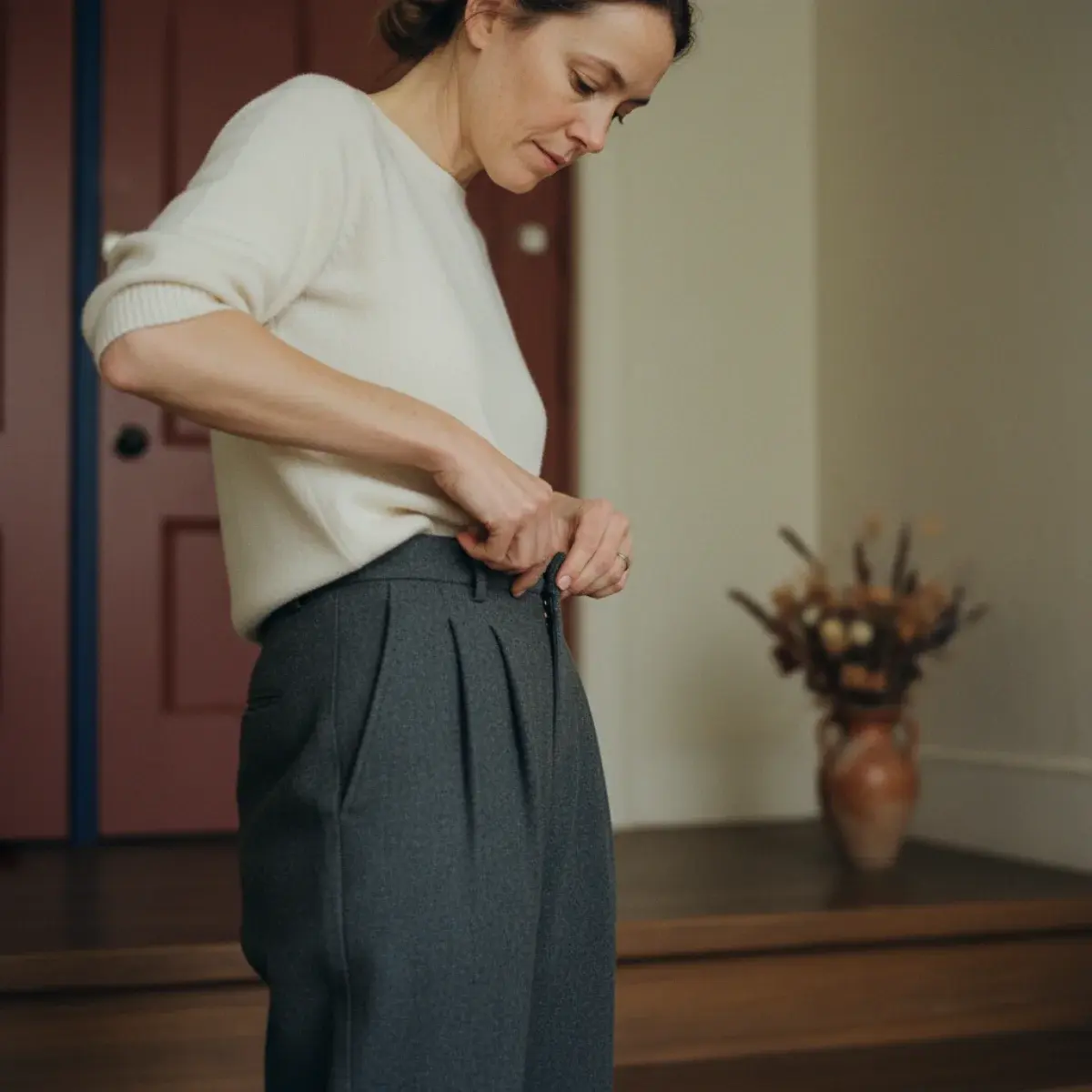
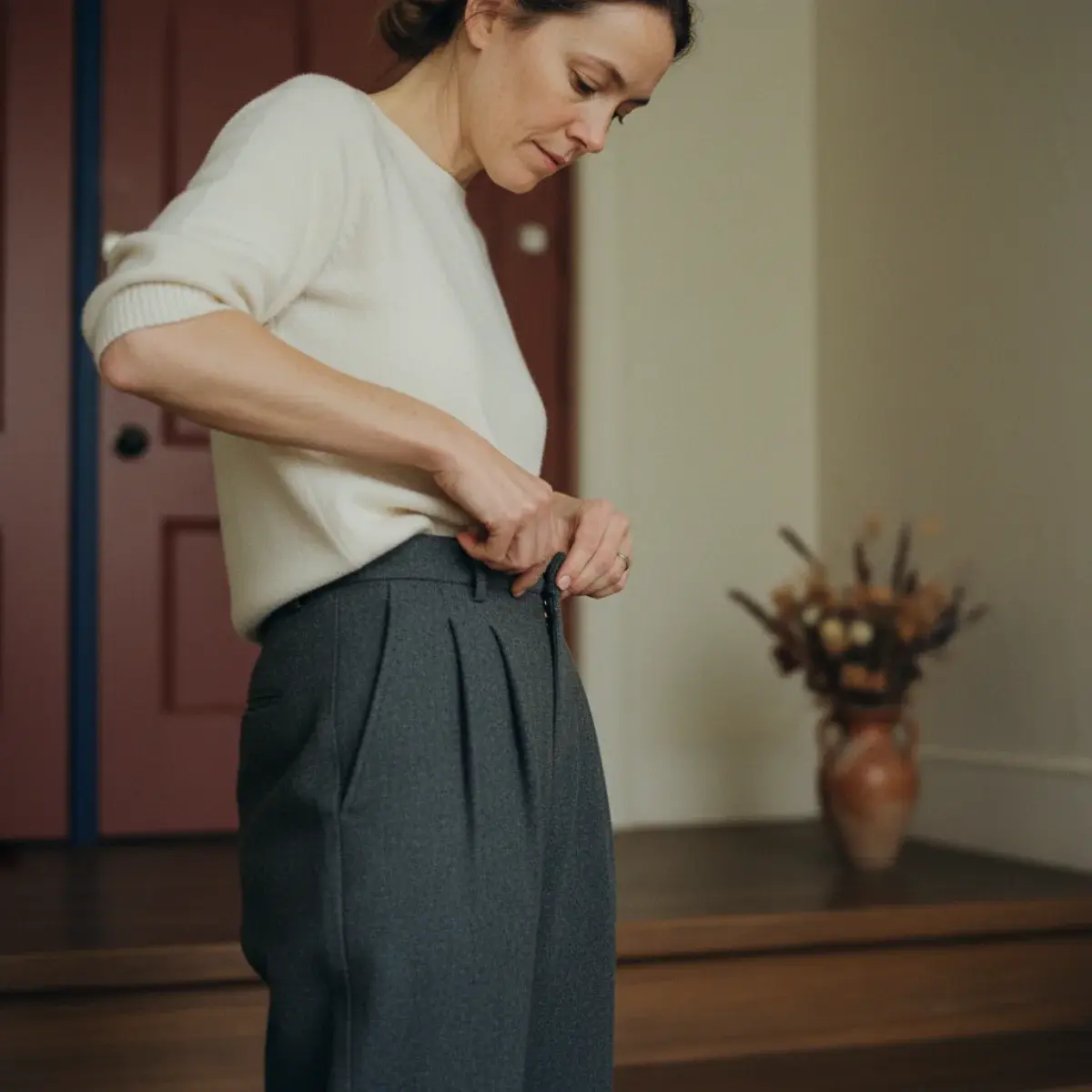
The second proportion move is to define the waist somewhere, since giving an outfit a defined point creates shape and structure. A front tuck, a full tuck, a belt, or a higher-rise bottom all define the waist and lift an outfit from formless to figured. Together, balancing volume and defining the waist are the two proportion moves that make almost any combination read deliberate. They also flatter across body types, because they create the balanced, defined silhouette that reads as put-together on anyone. Proportion is invisible when it's right and nagging when it's wrong, which is why getting it deliberately is worth the small effort.
 1600×1067
Build around a colour palette
Colour coordination is the next decision, and it is more foolproof than people fear once you work within a palette. The most reliable approaches are two. Neutral combinations — pairing neutrals like cream, navy, grey, camel, and black with one another — are almost impossible to get wrong and read polished and intentional. Tonal dressing — building an outfit in different shades of one colour — looks considered and quietly sophisticated. Either of these gives a coherent, put-together result with no risk of clashing.
When you want colour, the safest move is one accent against a neutral base: a single colourful piece stands out cleanly where multiple competing colours fight. The principle throughout is coherence — an outfit in two or three coordinated colours reads intentional, while a jumble of unrelated colours reads thrown together. This is exactly why a capsule wardrobe built on a coordinating palette makes outfit-building so easy: when your pieces already share a palette, colour coordination is solved before you start. If you're working from a less coordinated wardrobe, lean on neutral combinations and one accent until you can build toward a coherent palette. Colour is where outfits most often go wrong and most easily go right.
 1600×1067
Get the fit right
Fit is the quiet decider of whether an outfit looks put-together or careless, and it matters more than the price or the trendiness of any piece. A well-fitting outfit reads intentional and flattering; an ill-fitting one reads sloppy no matter how good the individual pieces are. Fit does not mean tight — a relaxed or oversized piece can fit beautifully if it is cut to drape rather than swamp — it means clothes that relate to your body on purpose, skimming where they should and structured where they should. The same outfit can look expensive or cheap based on fit alone.
The practical implication is that fitting your clothes is the highest-leverage styling move there is. A tailor is one of the most useful and underused tools in dressing well, able to turn an inexpensive piece that fits poorly into one that fits perfectly for a fraction of the cost of designer alternatives, the same principle the old money outfits guide emphasises. When building an outfit, check that each piece fits — that the shoulders sit right, the length is correct, the waist is defined — and adjust or swap anything that doesn't. An outfit of well-fitting pieces in a coordinated palette with balanced proportion is most of the way to looking genuinely put-together, before you've added a single accessory.
 1600×1067
Add a third element: the rule of three
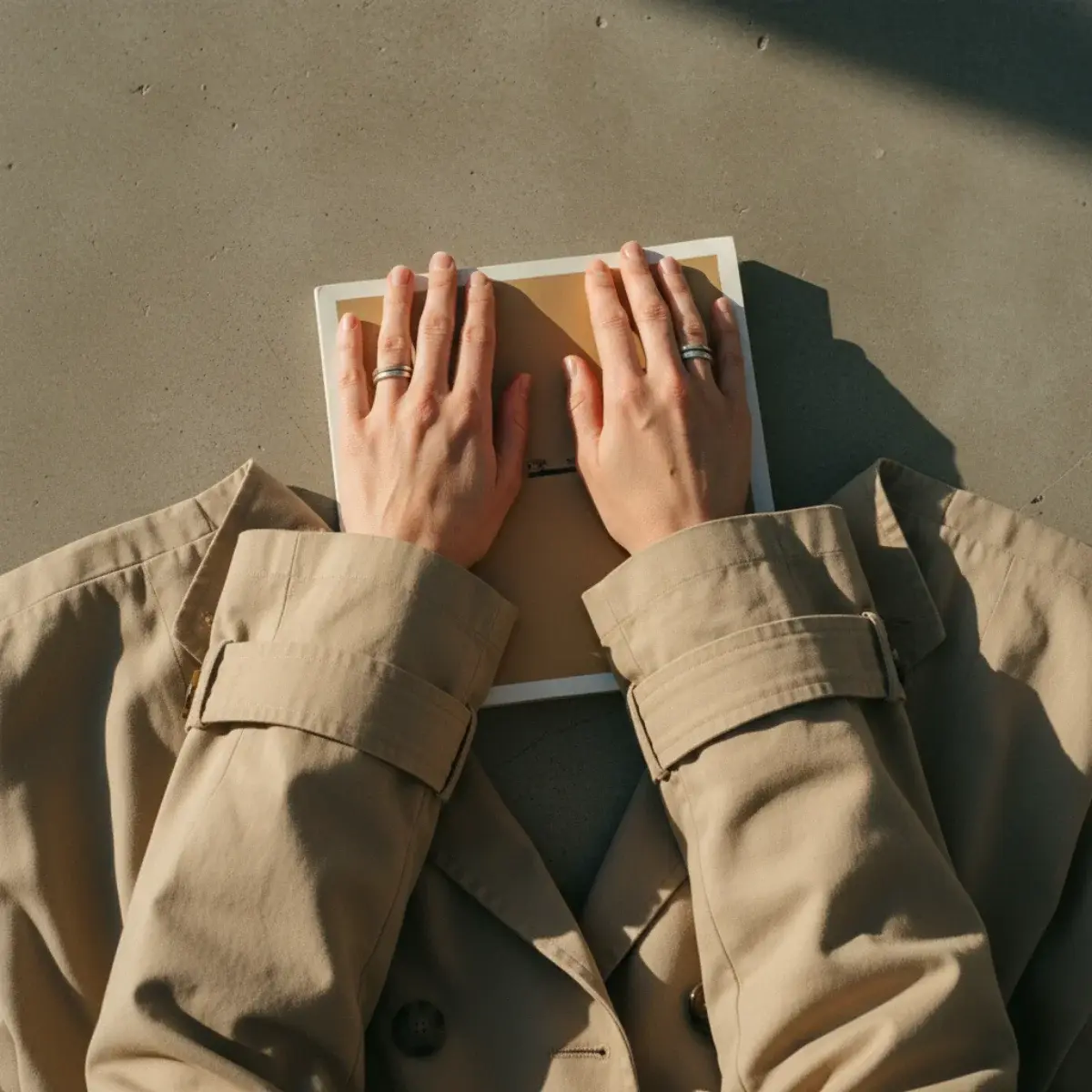
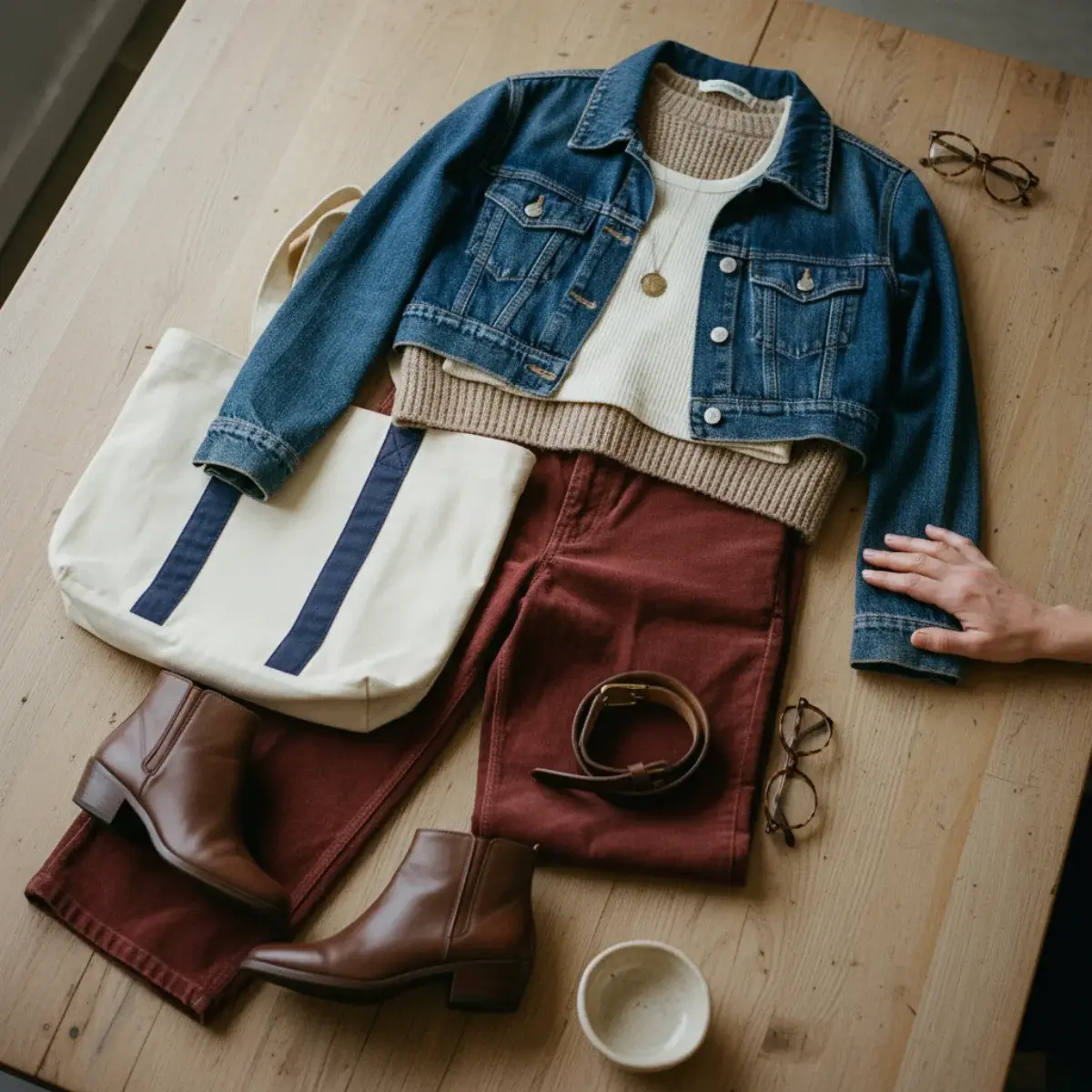
Here is the single most useful styling shortcut there is: outfits with three visual elements tend to look more complete than those with two. A top and a bottom is two elements, and it often reads slightly flat, even when both pieces are good. Adding a third element — a layer like a jacket, cardigan, blazer, or coat, or a strong accessory like a statement bag, a scarf, or a piece of jewellery — makes the outfit read as finished and intentional. This "rule of three" is why a tee and jeans look basic but a tee, jeans, and a blazer look put-together, with no change to the first two pieces.
The third element is usually a layer, which is the most reliable way to add it: a blazer over a dress, a cardigan over a top, a jacket over jeans. But it can also be a strong accessory or a textural element — a structured bag, a bold scarf, a statement belt — anything that adds a third point of interest. The rule explains why a flat outfit often needs not different clothes but one more considered element. When a top-and-bottom look feels incomplete, adding a deliberate third piece almost always fixes it. This is also why layering makes fall outfits look so polished — the season builds the rule of three in automatically.
 1600×1067
Finish with shoes and accessories
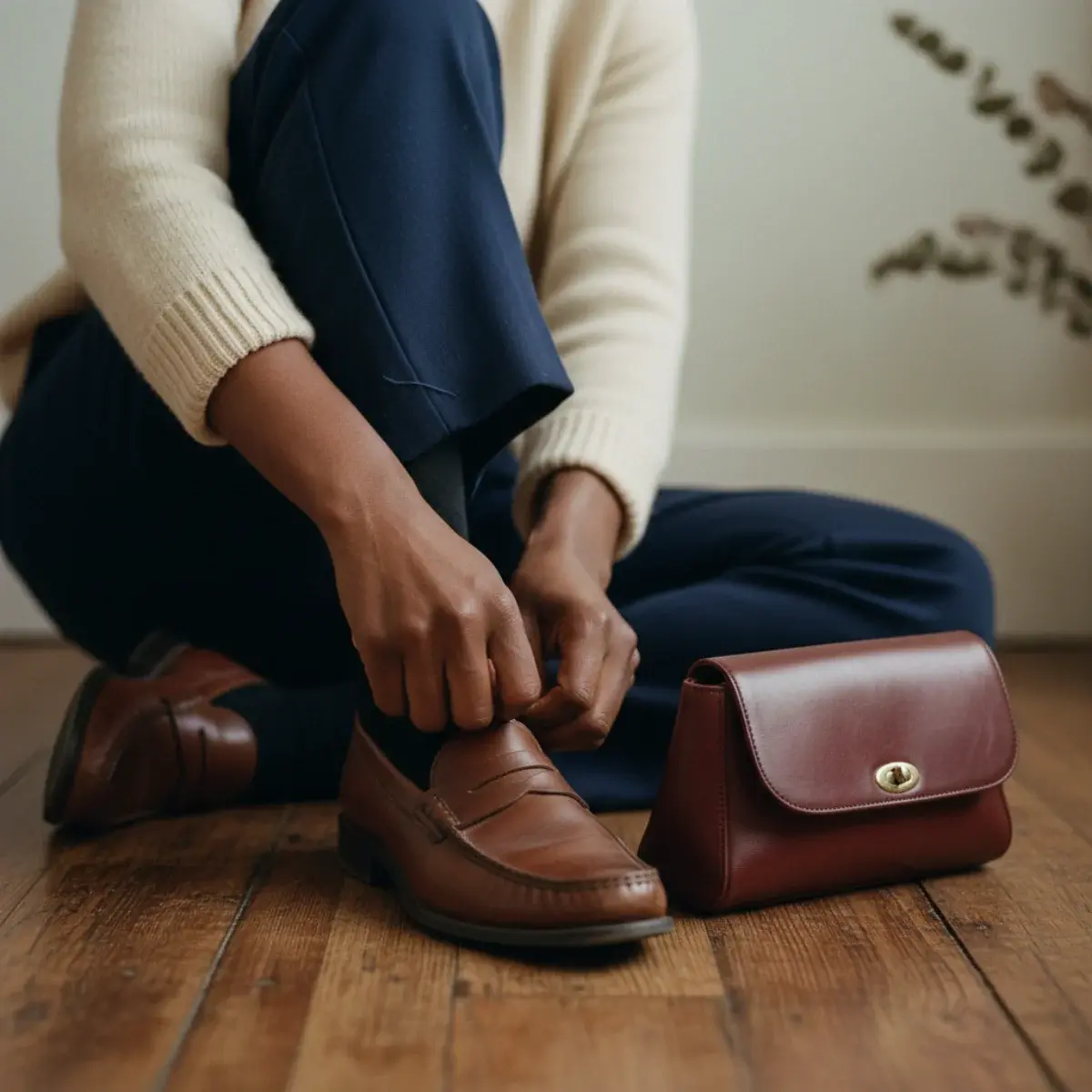
The finishing layer — shoes and accessories — completes an outfit and sets its final tone, and a few principles keep it intentional rather than overdone. Shoes do a surprising amount of the work, setting the dressiness and the energy of the whole look: the same dress reads casual with trainers, elevated with loafers, and dressy with heels, so choosing the shoe is partly choosing what the outfit is. Accessories — a bag, jewellery, a belt, a scarf — add personality and polish, and often serve as the rule-of-three third element.
The discipline here is restraint: a few considered accessories read intentional, while piling on competing pieces reads cluttered. Choose the accessories that complete the outfit's story — a structured bag that matches its dressiness, one or two pieces of jewellery that suit the neckline, a belt that defines the waist — and stop there. The bags, jewellery, and footwear styling guides cover choosing each well. The principle that runs through finishing is the same one that runs through the whole method: every element should serve the outfit, and one element too many is as much a mistake as one too few. Finish deliberately, then leave it alone.
 1600×1067
The outfit formula, start to finish
Pulling the method together gives a repeatable formula you can run every time. One: choose your anchor — the piece you want to wear. Two: build the base around it — a top and bottom, or a dress — that balances proportion (fitted with relaxed) and defines the waist. Three: coordinate the colour, within a neutral palette, tonally, or with one accent against neutrals. Four: check the fit of every piece, adjusting or swapping anything that doesn't sit right. Five: add the third element — a layer or a strong accessory — for completeness. Six: finish with shoes that set the tone and one or two considered accessories.
Run this sequence and almost any combination of decent pieces becomes a put-together outfit, because each step resolves one of the things that make outfits go wrong. With practice the steps become automatic and fast — you stop consciously running the list and simply build good outfits by instinct, because the instinct is just the formula internalised. This is also why the method and a capsule wardrobe work so well together: when your pieces are pre-coordinated, several of these steps are already solved, and getting dressed becomes a quick, reliable application of the rest. The formula is the bridge between owning good pieces and actually wearing good outfits.
 1600×1067
How to put together an outfit for any occasion
The method holds across every occasion; only the dressiness of the pieces changes. For a casual day, the anchor might be good jeans, balanced with a relaxed knit, in a neutral palette, with a denim jacket as the third element and clean trainers to finish — the approach our casual outfits guide covers. For work, the anchor might be tailored trousers, with a blouse, a blazer as the third element, and loafers, in the business-casual register. For an evening or dressy occasion, the anchor might be a dress, with a considered shoe and a clutch as finishing, dialled to the dress code the event calls for.
The constant is the sequence — anchor, balanced base, coordinated colour, good fit, third element, finish — applied at whatever level of formality the occasion requires. This is why learning the method once equips you for everything: a wedding, a job interview, a casual brunch, and a date all run the same formula with different pieces. Rather than learning a separate set of rules for each occasion, you learn one method and adjust the inputs, which is far more efficient and far more reliable. Match the dressiness to the setting, run the formula, and the outfit takes care of itself.
 1600×1067
When an outfit isn't working: how to fix it
Sometimes an outfit feels off even though you like each piece, and the method doubles as a diagnostic for fixing it. Run through the elements in order. Is the proportion balanced, or is everything loose or everything tight — if so, swap one piece for a contrasting volume or add a tuck. Is the colour coherent, or are there competing colours — if so, remove the clashing piece or pull the palette back to neutrals plus one accent. Does everything fit, or is something gaping, bagging, or straining — if so, adjust or swap it. Is there a third element, or does the outfit read flat at two pieces — if so, add a layer or a strong accessory.
Usually one of these four is the culprit, and one adjustment resolves the whole outfit. The "I like each piece but the outfit looks wrong" problem is almost always proportion, colour, fit, or a missing third element, which is precisely why naming the four lets you fix it quickly instead of abandoning the outfit in frustration. Over time, running this diagnostic teaches you to spot the issue instantly, and you start heading off the problems before they happen. The same checklist that builds an outfit, in other words, also repairs one — which is the practical payoff of having a method rather than relying on guesswork.
 1600×1067
Outfit-building mistakes to avoid
A few errors recur. Assembling without an anchor leaves you paralysed by options, where choosing the one piece you want to wear first solves it. Ignoring proportion — making everything loose or everything tight — produces shapeless or strained looks, where balancing volume and defining the waist fixes it. Clashing colours read thrown-together, where a coherent palette of neutrals plus one accent reads intentional. And stopping at two elements leaves outfits flat, where the rule of three completes them.
Two more round it out. Ignoring fit undermines everything, since the best pieces in the best combination still read careless if they don't fit, and a tailor is the fix. And over-accessorising clutters a finished outfit, where a few considered pieces and the discipline to stop reads polished. Each of these maps to a step in the method, which is the point: the formula exists precisely to prevent these common failures, and running it in order heads off all of them. Putting together a good outfit is not a gift but a process — anchor, proportion, colour, fit, third element, finish — and anyone who learns the process can do it reliably, every day, from the pieces they already own.
Key takeaways
- 1Build around one anchor — the piece you want to wear — then make every other choice serve it.
- 2Balance proportion (fitted with relaxed) and define the waist; this resolves most outfits that feel 'off'.
- 3Coordinate colour within a palette — neutrals together, tonal, or one accent against neutrals — never a jumble.
- 4The rule of three: add a third element (usually a layer) to a top-and-bottom and it reads finished rather than flat.
- 5When an outfit isn't working, check proportion, colour, fit, and the third element — usually one adjustment fixes it.
Where to go from here
This method assembles the pieces a capsule wardrobe provides, so the two guides work hand in hand. Apply the formula across registers with the casual outfits guide, cute outfits guide, and complete dress code guide; build the classic foundation with the old money outfits guide; and keep it current with the fashion trends guide. For finishing outfits well, the bags, jewellery, and footwear styling guides cover the details. Who What Wear publishes reliable styling and outfit-building coverage.
Frequently asked
- How do you put together an outfit?
- Start with one anchor piece you want to wear, then build around it: balance the proportion (a fitted piece with a relaxed one), coordinate the colours within a palette, make sure everything fits, add a third element like a layer or texture for interest, and finish with shoes and one or two accessories. The method is to build deliberately around an anchor rather than assembling random pieces, which is what makes an outfit look intentional.
- What is the formula for a good outfit?
- A reliable outfit formula is: a base (top and bottom, or a dress), a third piece (a layer like a jacket, cardigan, or blazer), and finishing touches (shoes and one or two accessories), all coordinated in colour and balanced in proportion. The 'rule of three' — that outfits with three elements look more complete than two — is a useful shortcut. Add a layer or a textural element to a basic top-and-bottom and it instantly looks more put-together.
- How do you balance proportions in an outfit?
- Pair a fitted piece with a relaxed one rather than making everything tight or everything loose: a fitted top with wide trousers, an oversized knit with slim jeans, a voluminous skirt with a fitted top. Define the waist somewhere — through a tuck, a belt, or a higher rise — to give the outfit shape. Balancing volume and defining the waist are the two moves that make proportions read intentional.
- How do you coordinate colours in an outfit?
- Build around a palette: pair neutrals with neutrals for an easy, polished look, or add one colour against a neutral base so it stands out. Tonal dressing (different shades of one colour) and neutral combinations are the most foolproof, while one accent colour adds interest without clashing. Avoid too many competing colours; a coherent palette of two or three colours reads more intentional than a jumble.
- Why do my outfits look off even when I like each piece?
- Usually it's proportion, fit, colour coordination, or a missing third element. Pieces you like individually can clash in colour, compete in proportion (all loose or all tight), fit poorly together, or leave the outfit looking incomplete with only two elements. The fix is to check each: balance the proportions, coordinate the palette, ensure good fit, and add a layer or finishing detail. Often one adjustment resolves it.
- What is the rule of three in outfits?
- The rule of three is the observation that outfits with three visual elements tend to look more complete and intentional than those with two. A top and bottom is two; adding a third piece — a jacket, cardigan, blazer, or a strong accessory — makes the outfit read as finished. It's a simple shortcut: if an outfit looks slightly flat, adding a considered third element usually fixes it.
- How do you make a simple outfit look more put-together?
- Add a third element (a layer or a strong accessory), make sure the fit is good, tuck or define the waist, coordinate the palette, and finish with clean shoes and one accessory. Small moves — a tucked top, a structured bag, a layer, a belt — lift a basic outfit quickly. The difference between a thrown-on and a put-together look is usually a few of these intentional touches rather than entirely different clothes.
Written by Priya Venkataraman, looksyra editorial. Last updated May 2026.