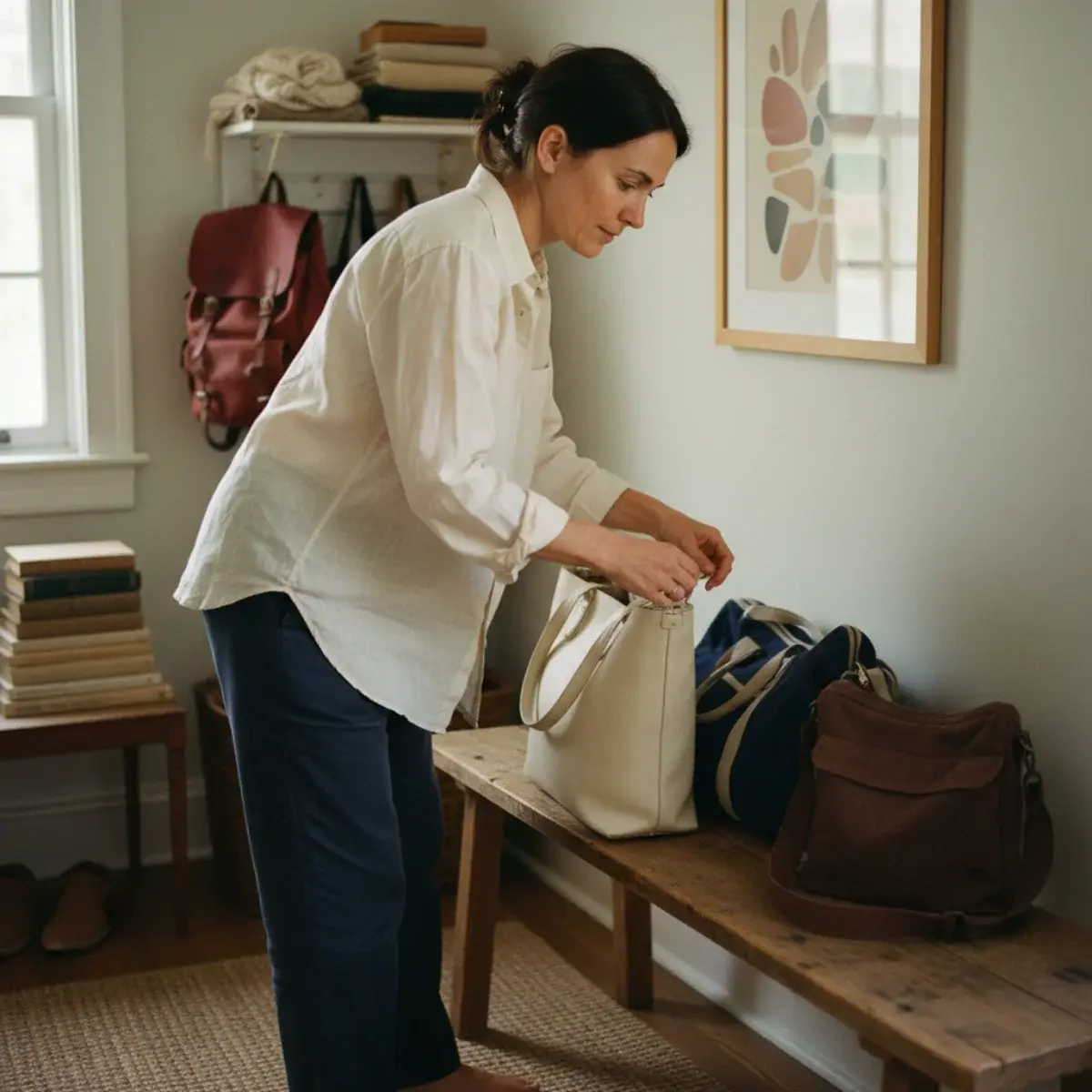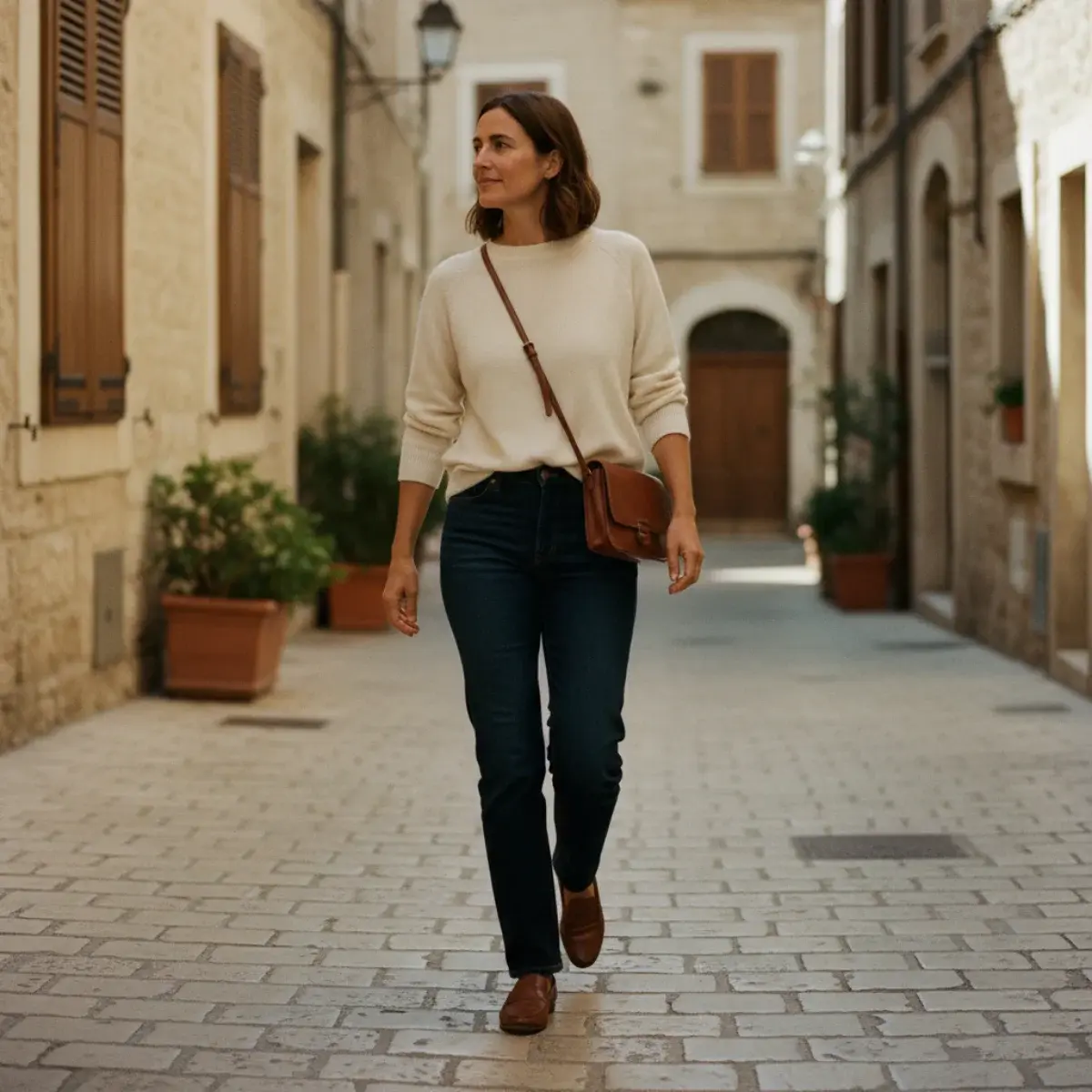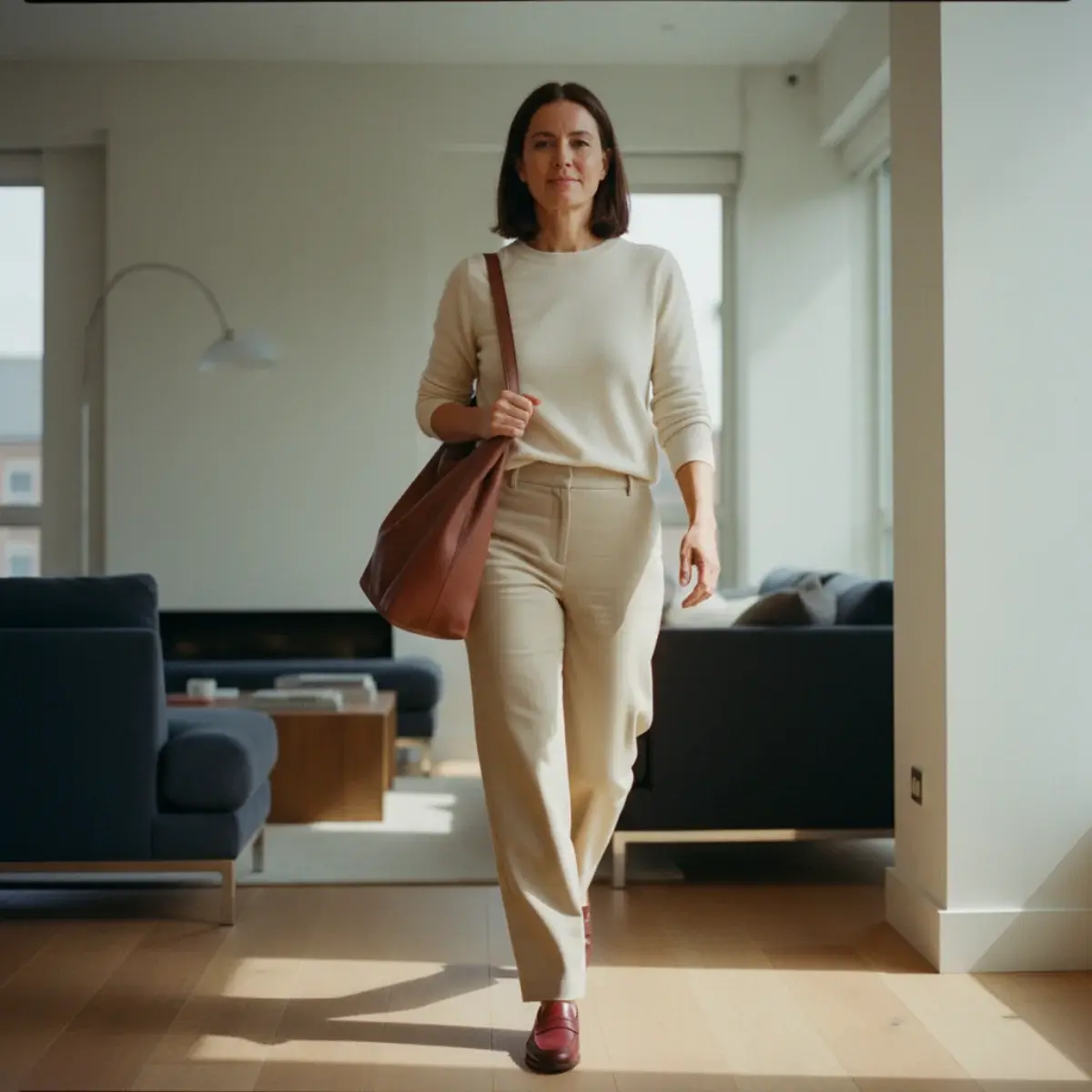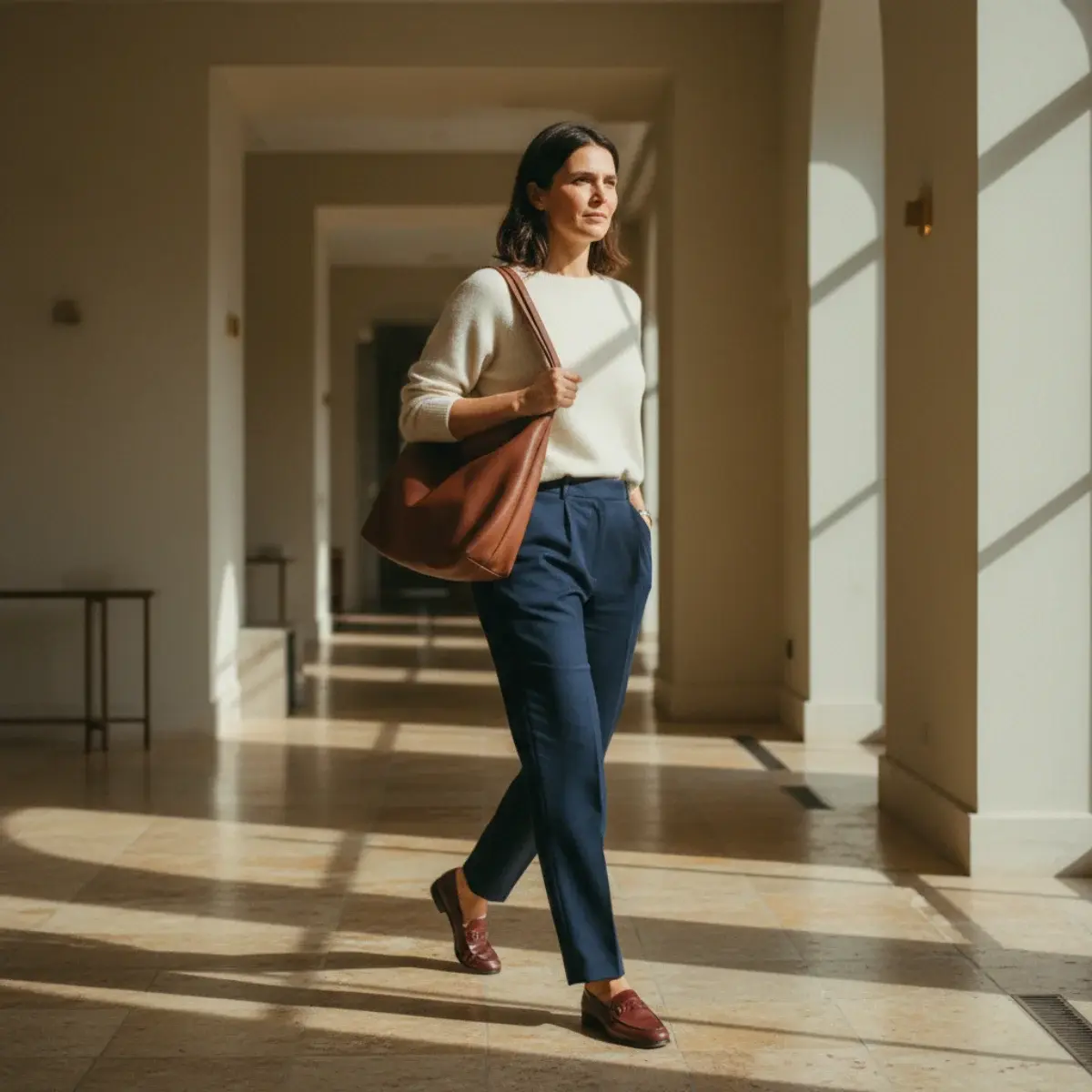
A bag is the accessory people most often treat as purely functional and most underestimate stylistically — yet alongside shoes, it does more to set an outfit's dressiness and finish than almost anything else. The same dress reads polished with a structured bag, casual with a slouchy tote, and dressy with a clutch, just as it does with different shoes. Choosing and styling a bag well, then, is a real skill, not an afterthought. This guide covers it completely: the bag types, how to choose by occasion and proportion, building a bag capsule, and the styling that makes a bag finish a look.
The principle this whole guide rests on, and the hill it will die on: a bag sets and confirms an outfit's dressiness, so it's a styling decision, not just a container — match its formality, colour, and scale to the look. A structured bag elevates, a slouchy one relaxes, and the wrong one undermines, exactly as shoes do.
What a bag does for an outfit
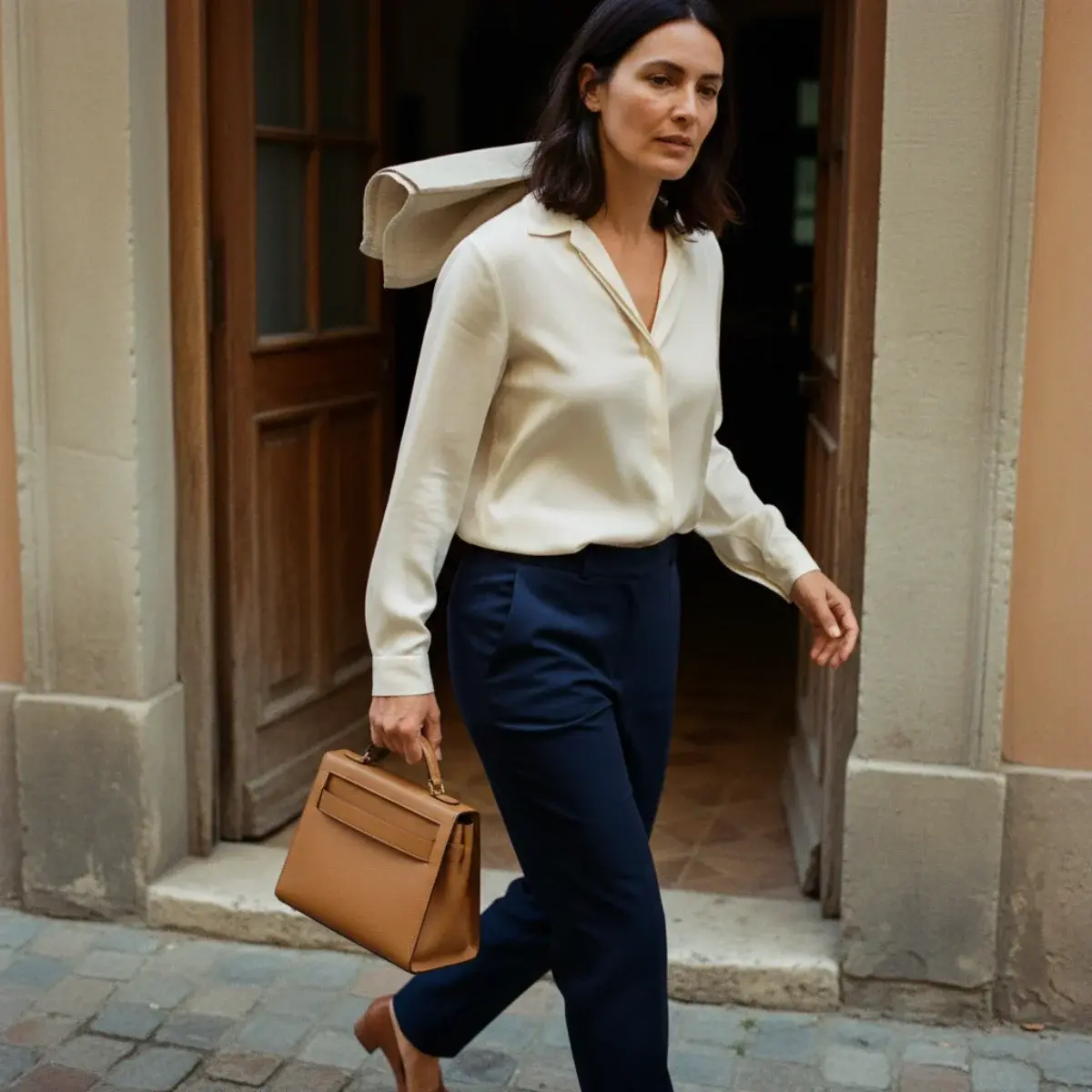
A bag is a major finishing element of an outfit, doing much the same work as shoes in setting and confirming the look's dressiness. A structured, sleek bag reads polished and elevates an outfit; a relaxed, slouchy bag reads casual; a small clutch reads dressy; a large tote reads practical and everyday. The bag, like the shoe, can take a versatile base in different directions, which is part of what makes it such a useful styling tool, the same outfit-shaping power the how to style shoes guide attributes to footwear.
Beyond dressiness, a bag adds polish or personality — a quality neutral bag quietly elevates, while a coloured or distinctive bag can be the personality element of a look. And it's highly visible, one of the accessories people notice most, so its condition and appropriateness register: a good bag finishes an outfit and signals intention, while a wrong or worn one undermines it. Understanding that a bag is a styling decision that shapes the whole look — not merely a container for your things — is the foundation of choosing and styling one well. The bag deserves the same deliberate choice as the shoe, and everything in this guide treats it that way.
 1600×1067
The main bag types
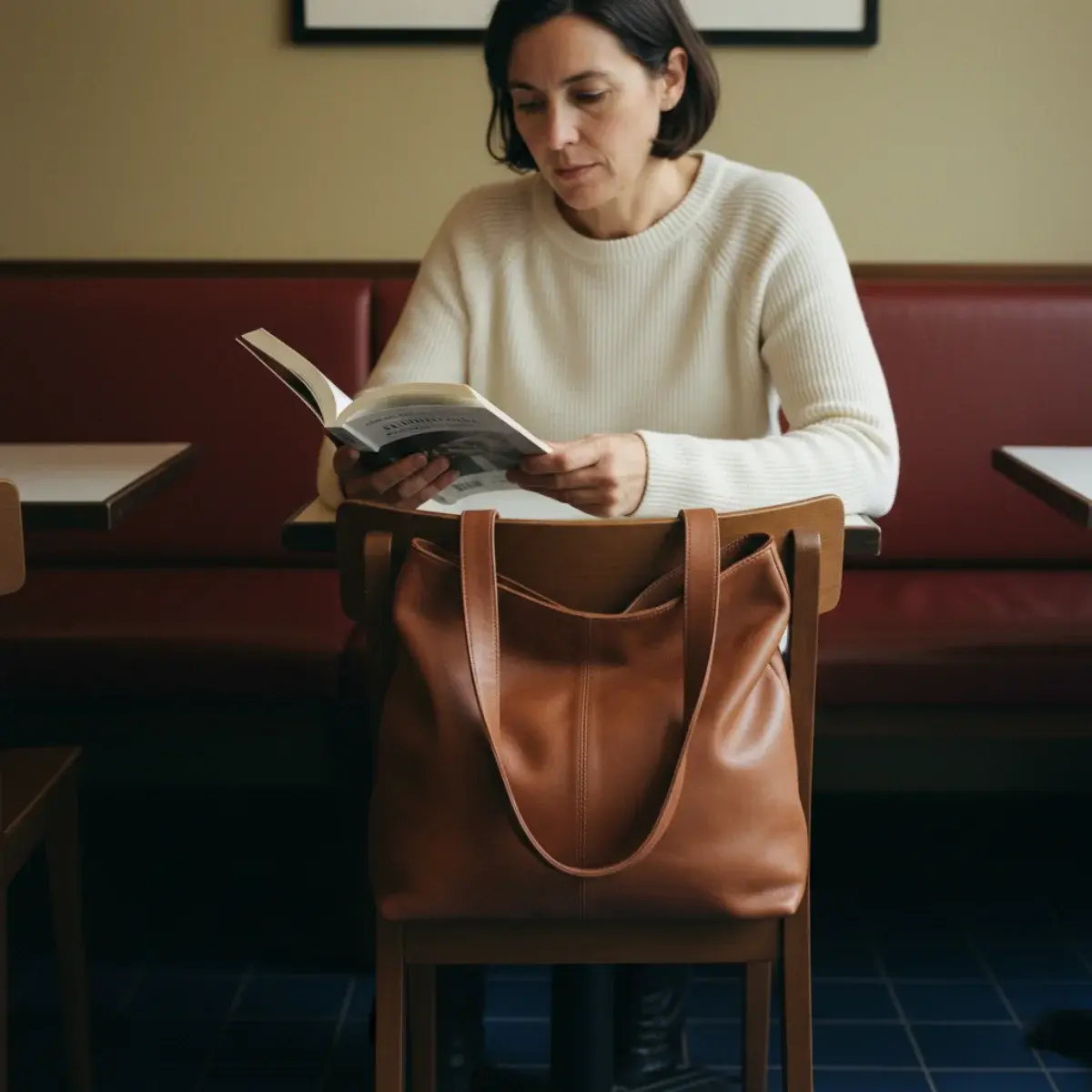
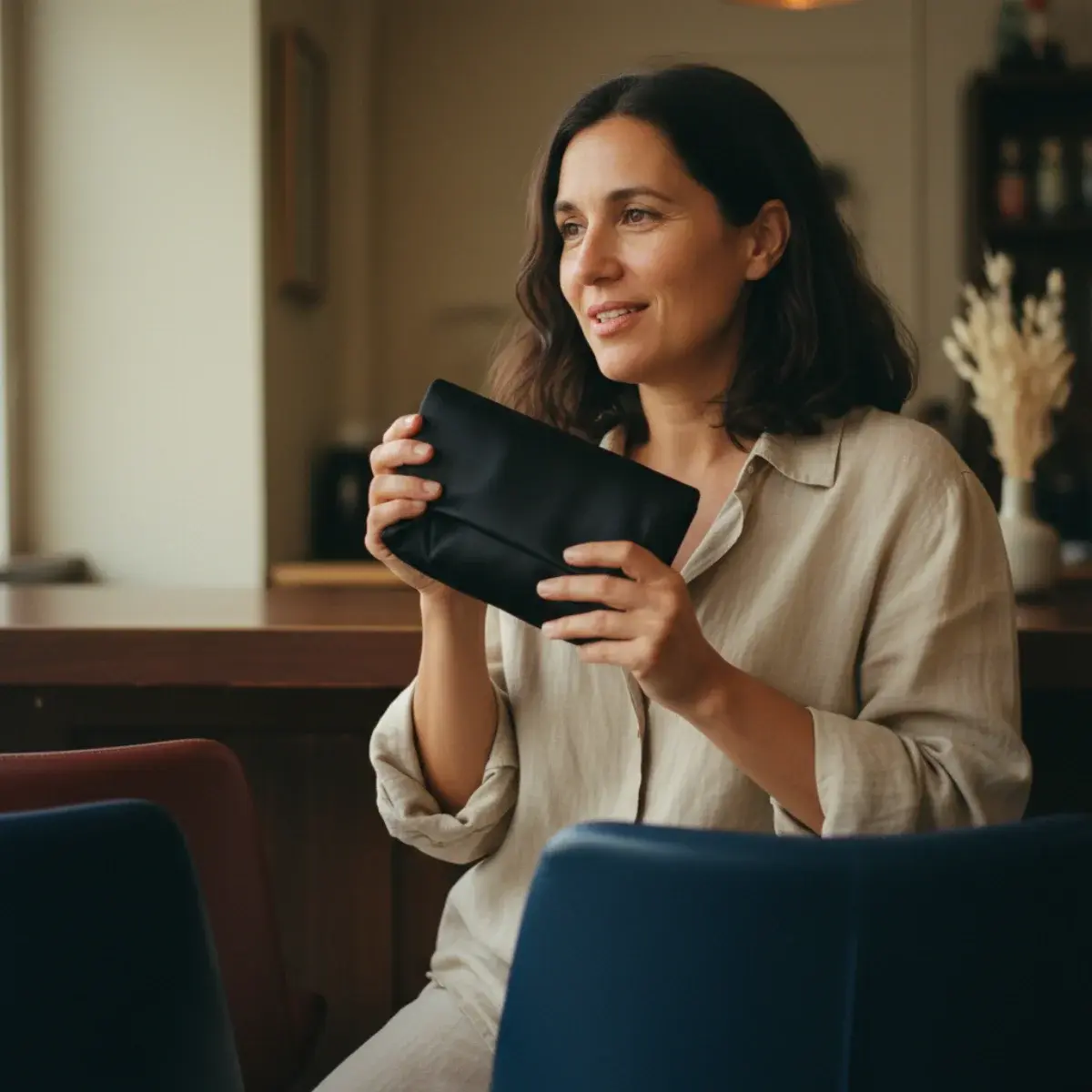
A bag wardrobe is built from a handful of types, each with its own role and dressiness. Tote bags are large, structured or relaxed, ideal for work, day, and carrying more — practical and everyday. Shoulder bags sit on the shoulder in medium sizes, versatile across casual and polished looks. Top-handle bags read structured and polished, a refined day or work choice. Crossbody bags sit across the body for hands-free ease, casual and practical. Clutches are small, handheld, and dressy, for evening and occasions. Hobo bags are soft and slouchy, reading relaxed and casual.
Beyond these, mini bags are small statement pieces, backpacks read casual and practical, and structured satchels and box bags read polished. Each type carries its own dressiness and function, from the casual hobo and crossbody to the polished top-handle and dressy clutch, which is what lets you choose a bag to match both the occasion and the look you want. The brand's bag range spans all of these — totes, shoulder bags, crossbodies, clutches, and more — and the dedicated guides in this silo take the most useful ones, the tote and crossbody, much deeper, with a full bag types explained reference covering the rest.
 1600×1067
Matching a bag to the occasion and dressiness
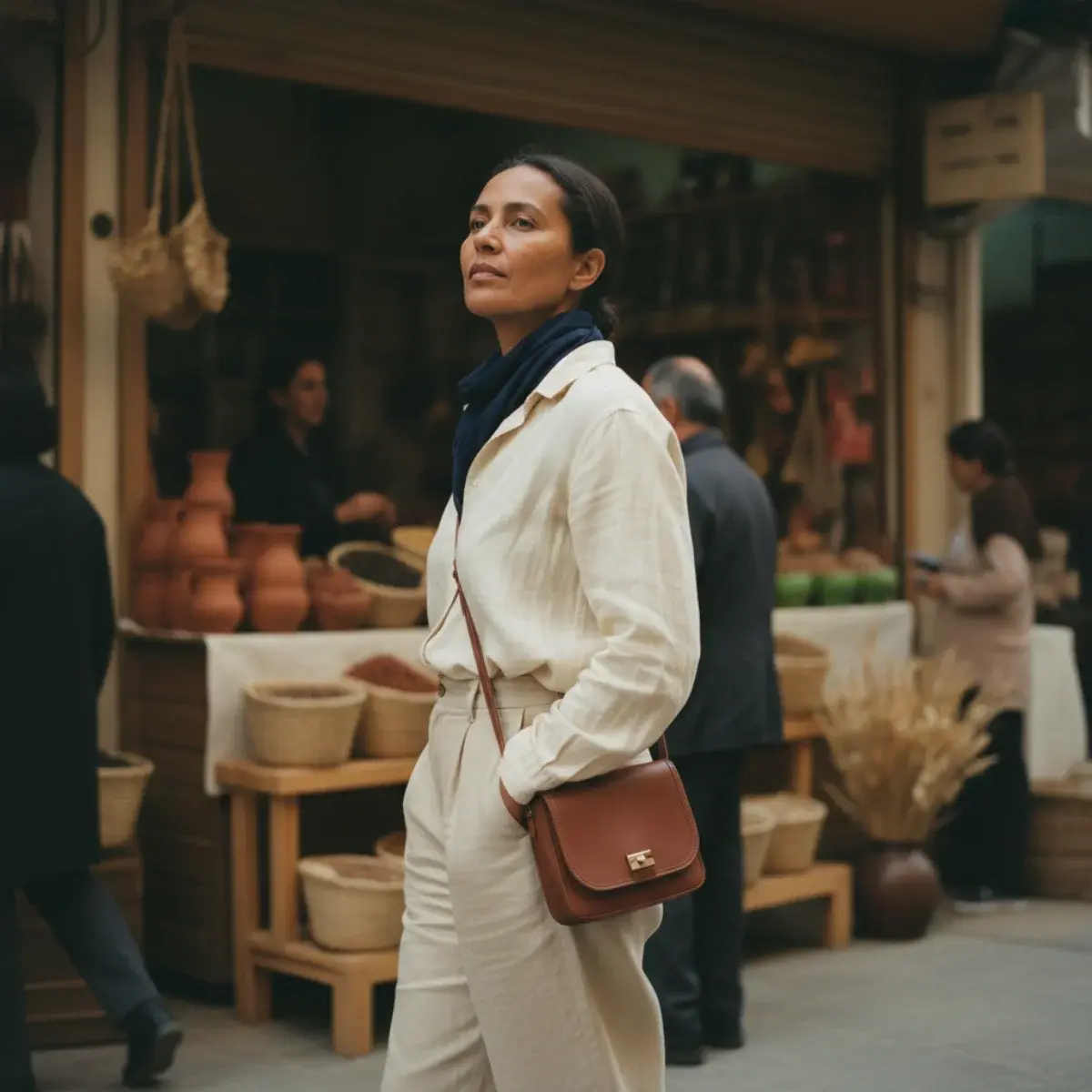
The first styling decision is matching the bag's formality to the outfit and occasion, since the bag sets and confirms the look's dressiness. Structured, sleek, and smaller bags read dressier, while relaxed, slouchy, and larger bags read more casual — so a clutch or small structured bag suits a dressy occasion, a tote or hobo suits casual and work, and a medium structured bag bridges both. Matching the bag's dressiness to the outfit is what makes it confirm rather than contradict the look: a structured bag with a polished outfit reinforces the polish, while a casual tote with eveningwear undermines it.
This is the same dressiness-matching the how to style shoes guide applies to footwear and the complete dress code guide applies to whole outfits — the bag is one more element that should match the occasion's formality. For a dressy event, a clutch or small structured bag; for work, a structured tote or top-handle; for casual day, a crossbody, hobo, or relaxed tote; for everyday errands, a practical crossbody or tote. The bag both reflects and sets the dressiness, so choosing one that matches the outfit and occasion is the most important styling decision, and a mismatch is one of the most common bag-styling errors. Match the formality, and the bag finishes the look correctly.
 1600×1067
Colour: neutral bags and statement bags
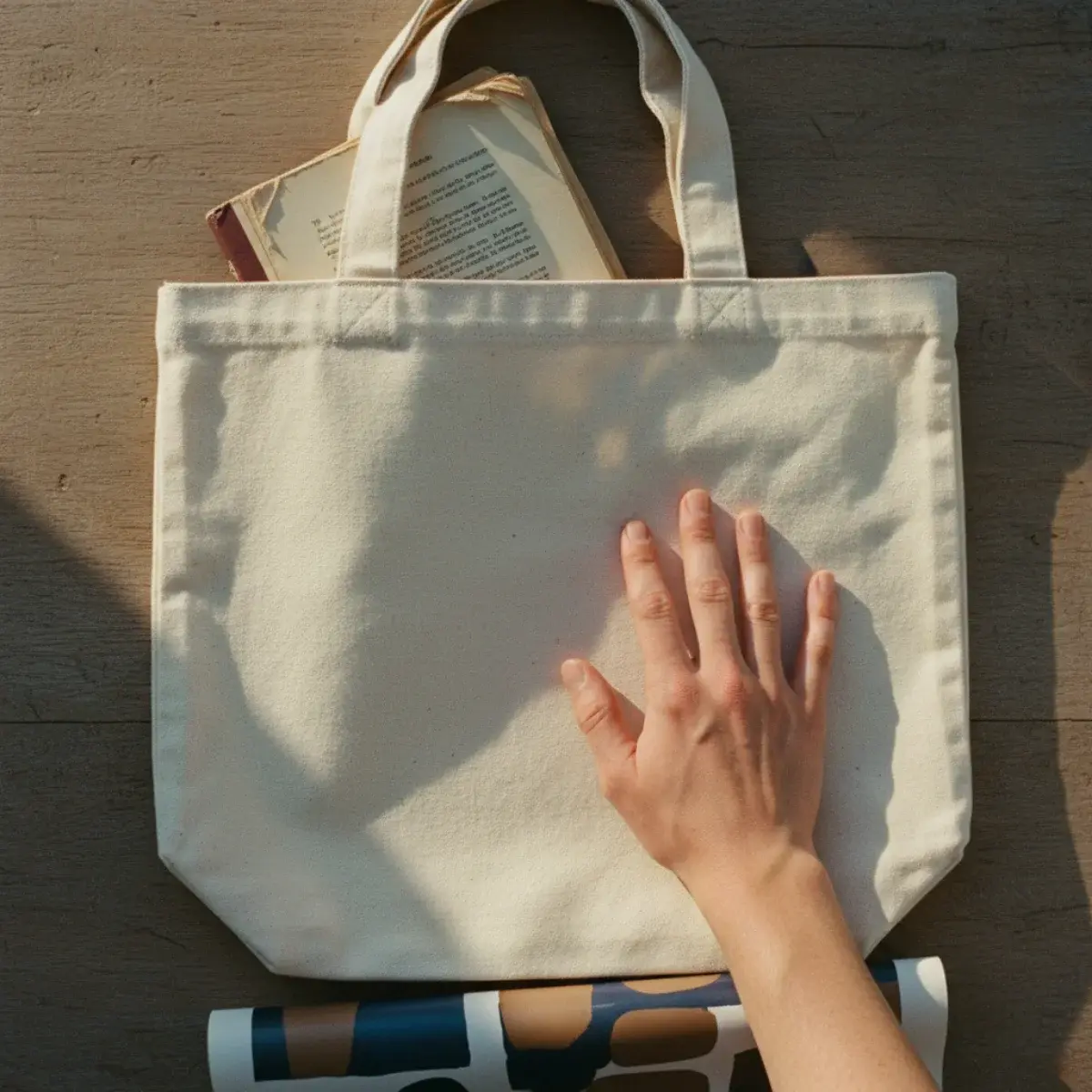
Bag colour, like shoe colour, divides into versatile neutrals and expressive statements, and a good bag wardrobe uses both. Neutral bags — black, brown, tan, cream, navy — are the versatile foundation, coordinating with any palette and going with the most outfits, which is where your real investment belongs since they're used most and pair with everything. A neutral bag in a classic shape quietly finishes a look without competing, much as a neutral shoe does, the same neutral-foundation logic from the how to style shoes guide.
Statement bags — a coloured, textured, or distinctive piece — play the personality role, becoming the focal point of an outfit and paired with simple pieces so they shine, the one-personality-element approach the cute outfits guide describes. A statement bag pairs with fewer looks but adds the spark a neutral can't. The right approach is to build the neutral foundation first — a few versatile bags in classic neutrals — then add statement bags as accents once the basics are covered. When carrying a statement bag, keep the rest of the outfit simple so the bag leads. Neutral for versatility, statement for personality, weighted toward neutral, is the colour strategy for a complete bag wardrobe, exactly as it is for shoes and jewellery.
 1600×1067
Bag size and proportion
Size is a key styling consideration, both for function and for how the bag balances against your frame and outfit. By function, match the size to what you carry and the occasion: small bags (clutches, mini bags) for evening and minimal carrying, medium bags for everyday, large bags (totes, work bags) for work, travel, and carrying more. Carrying a bag sized to your actual needs — not stuffing a tiny bag or rattling around in an oversized one — keeps it practical and looking right.
By proportion, the bag should balance against your frame and the outfit. A very large bag can overwhelm a petite frame, while a tiny bag can look lost on a taller one, so choosing a scale that flatters your proportions matters, the same balance principle the how to put together an outfit guide applies throughout. The bag's size also interacts with the outfit — a structured medium bag suits most looks, while extremes (very large or very mini) make more of a statement and suit specific outfits. The general guidance is to choose a bag scaled to both your frame and what you need to carry, with a medium size being the most versatile for most people and occasions. Getting the proportion right — flattering to your frame, suited to your needs — is part of what makes a bag finish a look rather than dominate or disappear.
 1600×1067
How to carry a bag: styling details
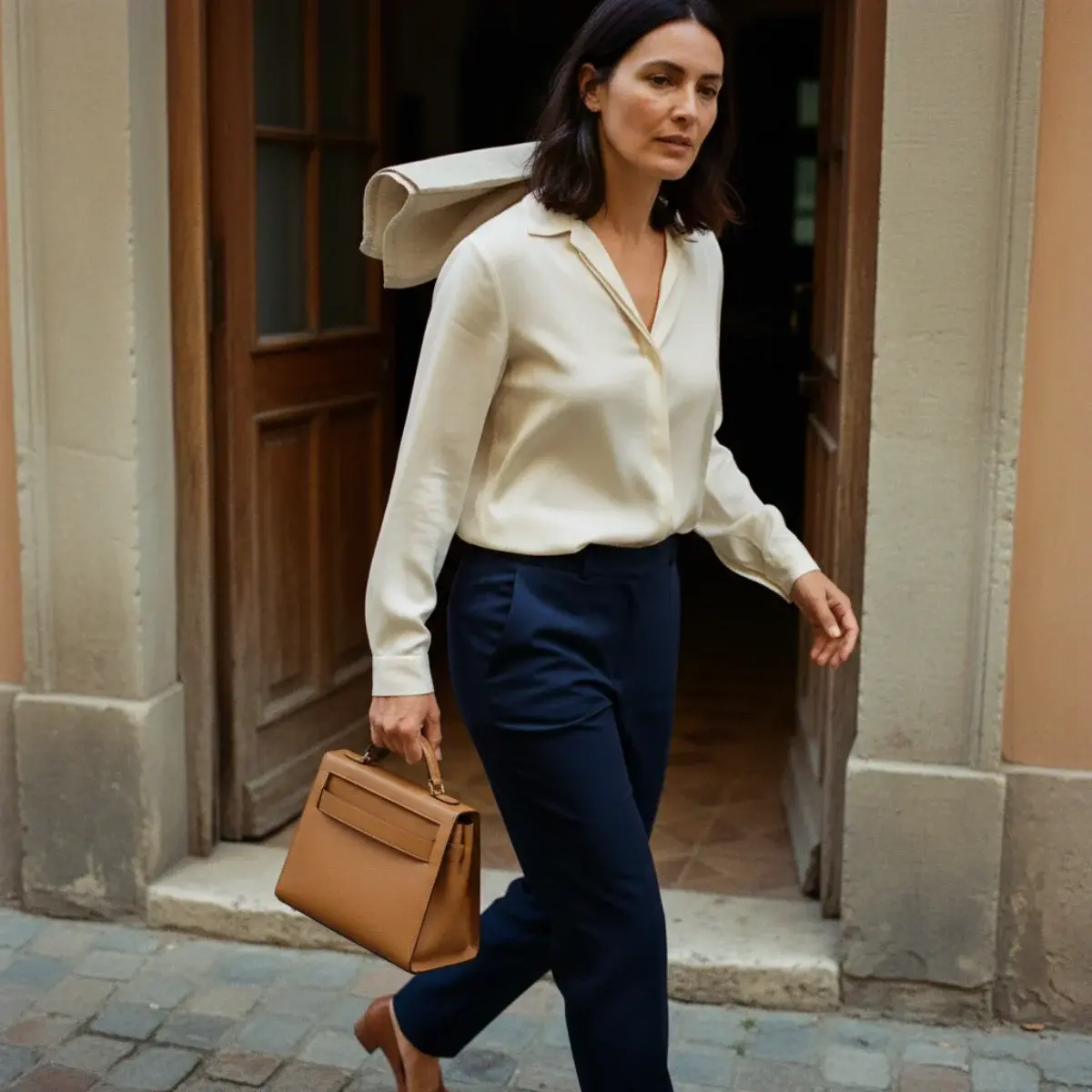
Beyond choosing the bag, how you carry and style it affects the look, and a few details matter. How you wear it sets part of the vibe: a bag held in the hand or on the forearm reads polished and ladylike, on the shoulder reads relaxed and practical, and crossbody reads casual and hands-free — the same bag can read differently carried different ways. Coordinating the bag with the outfit — within the palette, complementing the shoes and other accessories — ties the look together, though the bag needn't match the shoes exactly, just coordinate.
The finishing-element role means the bag should feel part of the considered outfit, not an afterthought grabbed by the door — choosing it deliberately, like the shoe, completes the look. Keeping the bag's hardware and details coordinated with your other accessories (metal tones with jewellery, for instance) is a subtle touch that pulls a look together, the kind of detail the jewellery styling guide notes for metals. And not over-stuffing the bag keeps its intended shape, since a structured bag bulging out of shape loses its polish. These styling details — how you carry it, coordinating it, choosing it deliberately, keeping its shape — are what elevate a bag from a thing you hold to a finishing element of the outfit, which is the whole point of treating it as a styling decision.
 1600×1067
Building a bag capsule
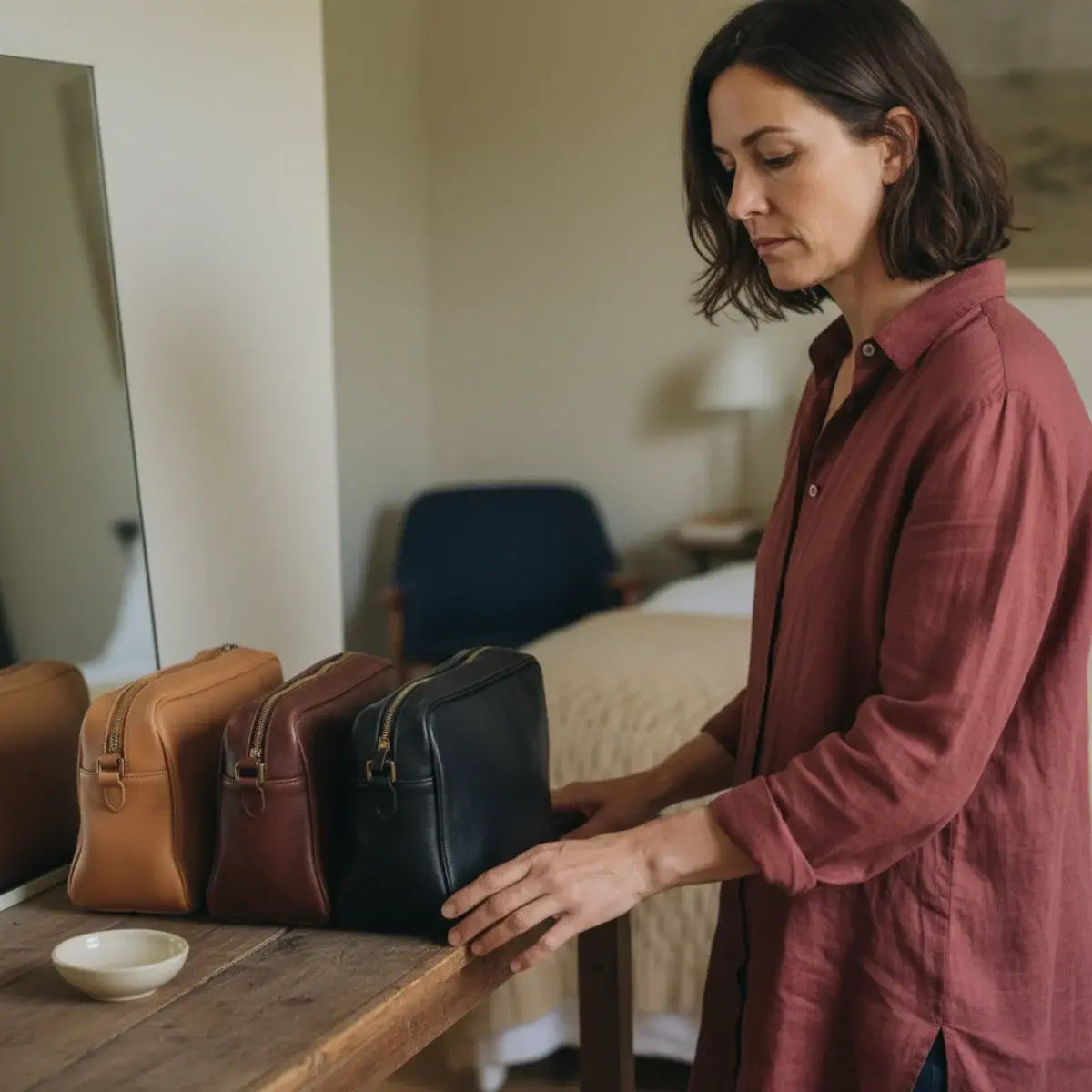
A bag capsule, like a clothing or shoe one, is a small set of versatile bags that cover most needs and outfits, and building one makes choosing a bag easy. The core set is short. A structured everyday tote or work bag for carrying more, work, and day. A medium shoulder or top-handle bag for versatile everyday and polished use. A crossbody for hands-free, casual days. And a small clutch or evening bag for dressy occasions. In neutral tones — black, brown, tan, cream — these four or so bags cover work, everyday, casual, and dressy needs and coordinate with most outfits.
This is the bag expression of the capsule wardrobe logic: a few versatile, neutral, well-made bags produce a finished look for almost any occasion, where a closet of single-use bags does not, and versatility beats quantity. Build the neutral foundation first, in classic shapes and good materials, then add statement or specialised bags as accents. As with shoes and jewellery, investing in the versatile core — especially the everyday bag you use most — pays off, since quality leather lasts for years and the cost-per-use of a daily bag is tiny, the fewer-better-pieces principle from the old money outfits guide. A small, well-chosen bag capsule means you always have an appropriate, coordinating bag, which is the whole goal.
 1600×1067
Choosing quality and materials
A bag's material and construction affect how it looks, lasts, and reads, so they're worth understanding. Leather is the classic, durable, and quietly expensive-looking choice, ageing well and lasting for years, which makes it worth investing in for the versatile bags you use most. Suede adds texture but needs more care and suits drier conditions. Canvas and nylon read more casual and practical, lighter and often more weatherproof, suiting everyday and travel bags. The material sets both the dressiness and the durability, so matching it to the bag's purpose — leather for polished investment pieces, canvas or nylon for casual practical ones — makes sense.
Construction and details matter too: solid stitching, quality hardware, and good structure make a bag look and last better, while a logo-free, classic design reads more expensive and timeless than a loud branded one, the quiet-luxury principle the old money outfits guide describes. Investing in quality for the versatile core bags — especially in leather, kept well — pays off in longevity and how the bag reads, while economising on casual or trend bags is sensible. Buying second-hand is a smart way to get quality leather bags affordably, since good leather ages well and reaches resale in fine condition. Choosing the right material for each bag's purpose, prioritising quality and classic design for the core, ensures a bag wardrobe that looks good and lasts, the same buy-well-for-the-foundation logic that runs through the site.
 1600×1067
Caring for your bags
A bag lasts and keeps reading well only if cared for, and a little maintenance protects the investment. Store bags properly — stuffed to hold their shape, in dust bags, away from crushing — which keeps structured bags from sagging and leather from creasing. Keep leather clean and conditioned, wiping it and treating it occasionally so it stays supple and doesn't dry or crack, and protect suede with a repellent spray and gentle brushing. Avoid overstuffing, which distorts the shape, and keep bags dry, since water marks and damages leather and suede.
The care pays off because a clean, well-kept bag reads well and finishes a look, while a scuffed, sagging, or stained one undermines it, the same condition-matters principle that applies to shoes. Quality bags especially reward care, since they're investments meant to last for years, and good maintenance keeps them looking new far longer, the maintain-what-you-own logic the old money outfits guide applies across the wardrobe. Rotating bags rather than using one until it wears out also extends their lives. A well-cared-for bag collection — clean, conditioned, stored to hold shape — stays looking good and ready to finish any outfit, which is what makes the capsule reliable over time and justifies investing in quality for the core pieces.
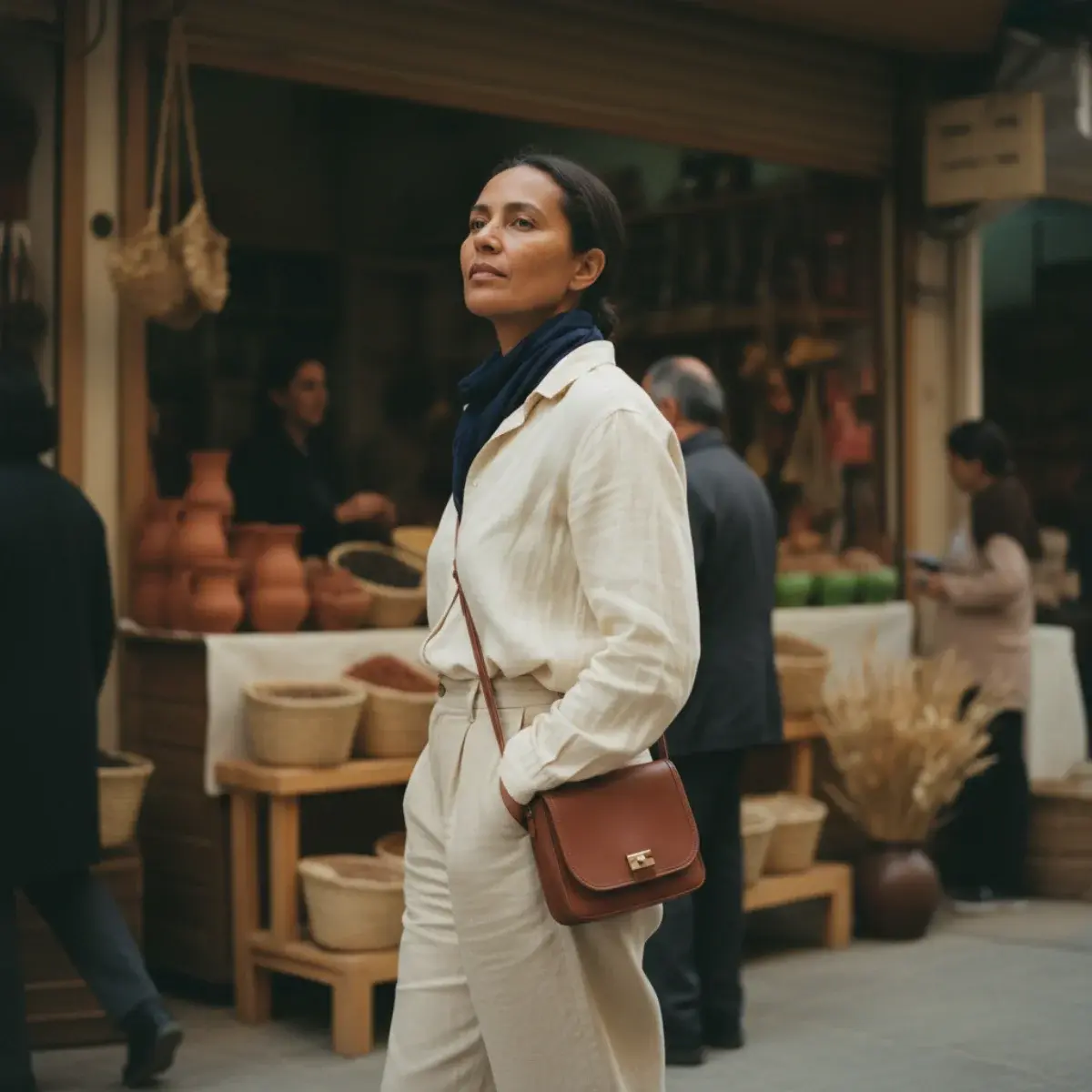 1600×1067
Bags for your lifestyle
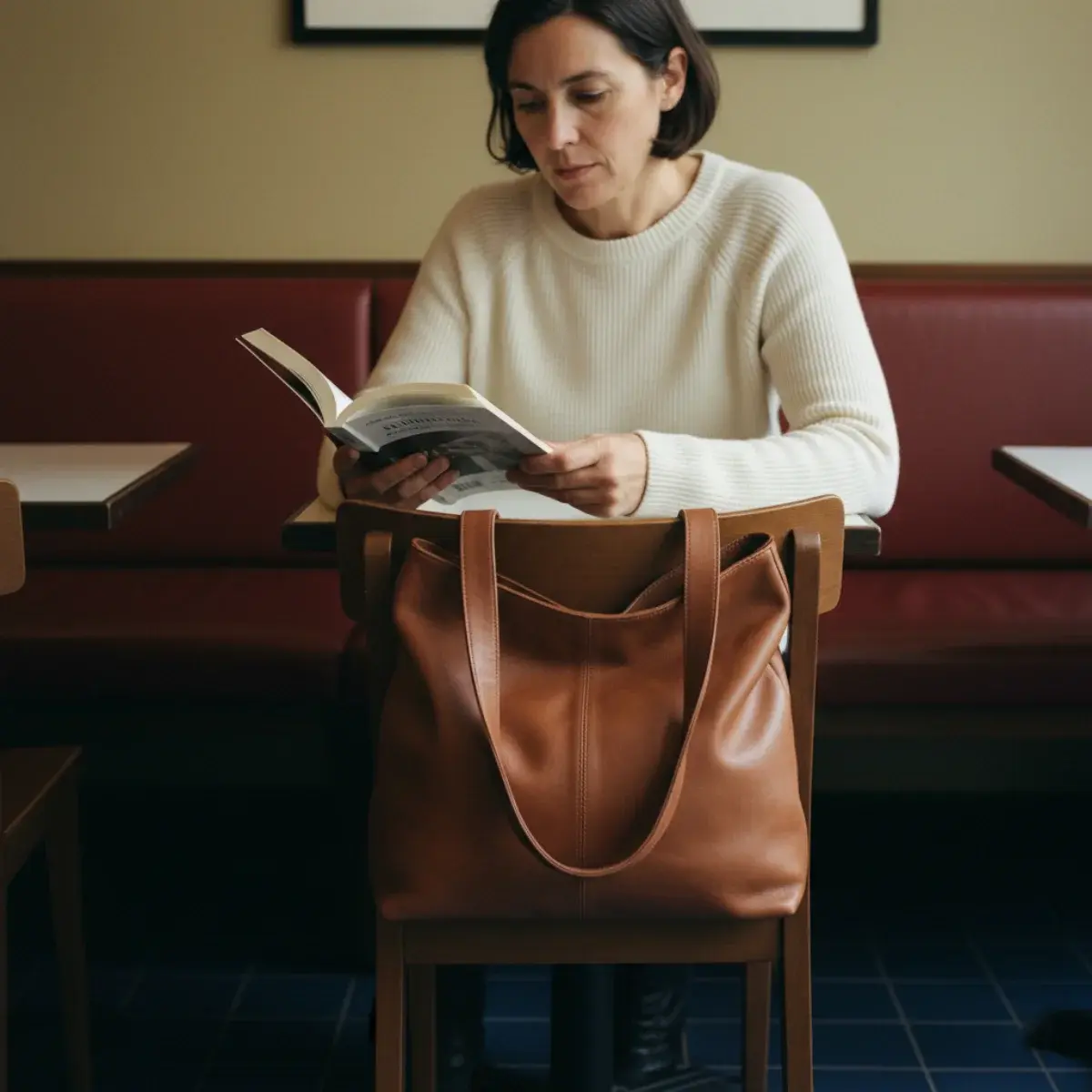
The right bags depend on how you actually live, and weighting the capsule to your real days makes it more useful. For a corporate or professional life, a structured work tote or top-handle that fits a laptop and documents leads, with a clutch and a medium bag for after-work and weekends. For a busy, on-the-go life — commuting, parenting, errands — practical hands-free bags lead: a crossbody, a roomy tote, a backpack, prioritising function and comfort while still reading polished. For a social or creative life, a versatile medium bag, a statement piece, and an evening bag cover more varied needs.
For a travel-heavy life, durable, practical, secure bags — a weekender, a crossbody worn front for safety, a structured carry-on bag — earn their place, the kind of practical packing the vacation and beach outfit guide describes. The principle, as with a clothing capsule wardrobe, is to build around the life you actually lead rather than an imagined one — auditing what you carry and where you go, then weighting the bag capsule toward those needs. Someone who commutes daily needs a different core than someone who works from home and goes out evenings. Matching the bags to your real lifestyle, while keeping them versatile and coordinating, ensures the collection serves you rather than sitting unused, the same build-for-your-real-life logic that runs through the site.
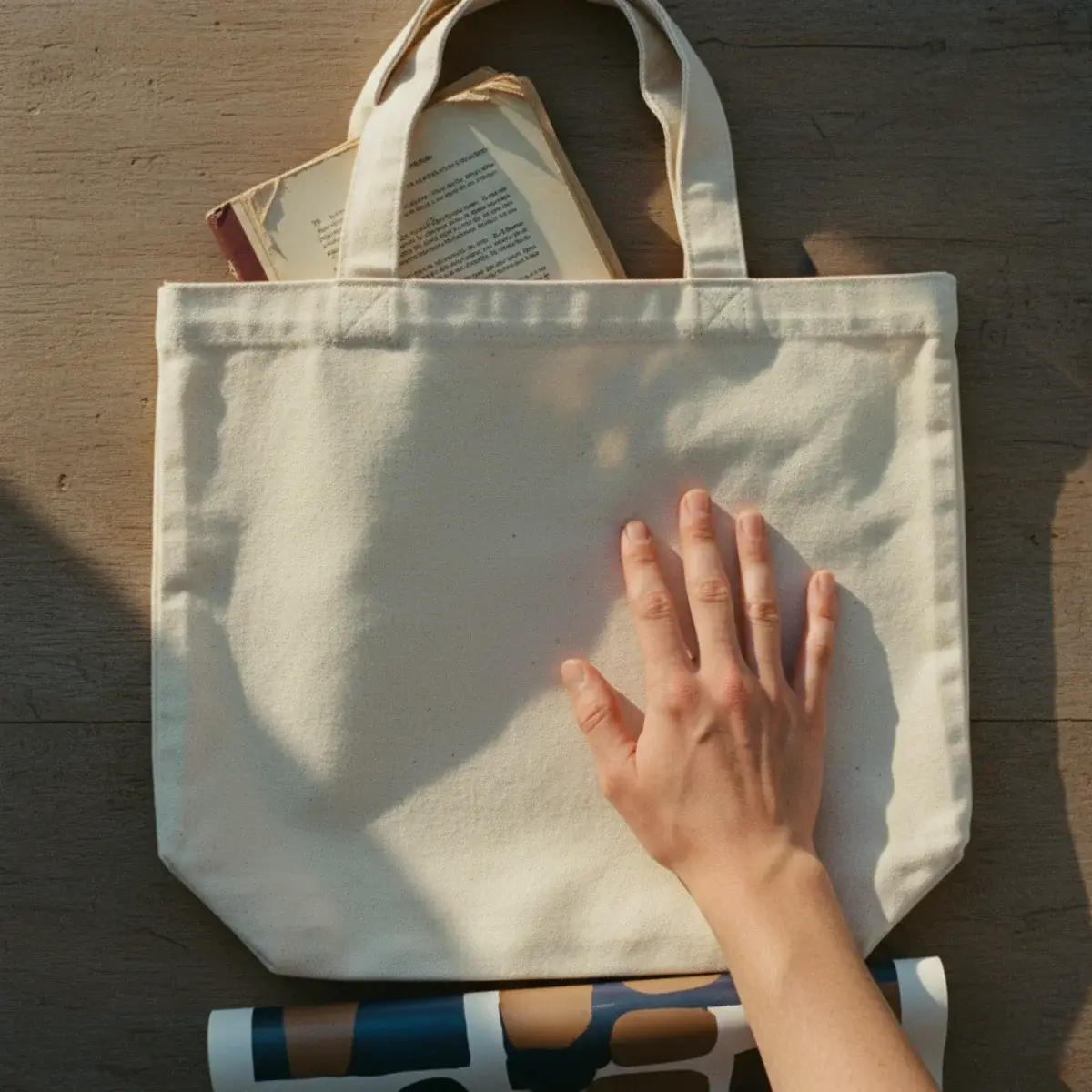 1600×1067
Bags through the seasons
Bags shift subtly with the seasons, mostly in material, colour, and weight rather than the whole approach. In spring and summer, lighter bags suit the season — straw, canvas, woven, and lighter leather in fresh or bright tones, plus smaller and more casual styles for warm-weather ease, the kind of relaxed bag a summer outfit calls for. In autumn and winter, richer leather and suede in deeper, warmer tones — brown, tan, oxblood, black — suit the season's palette and layered outfits, matching the fall outfits guide approach, with more structured and substantial bags reading right against coats and knits.
The seasonal shift is gentler for bags than for clothing, since a good neutral leather bag works year-round and only the most seasonal pieces (a summer straw tote, say) change. The principle is that the core neutral bags carry across seasons, with a few seasonal pieces — a warm-weather woven bag, perhaps — added for variety, the same overlapping-seasonal-wardrobe logic the capsule wardrobe guide describes for clothing. Matching the bag's material and tone loosely to the season — lighter and brighter in warmth, richer and deeper in cold — keeps it coordinating with seasonal outfits, but a versatile neutral leather bag is genuinely year-round. The seasonal adjustment is mostly about coordinating with the season's palette and the practical demands (weatherproofing in winter wet), layered onto a year-round core.
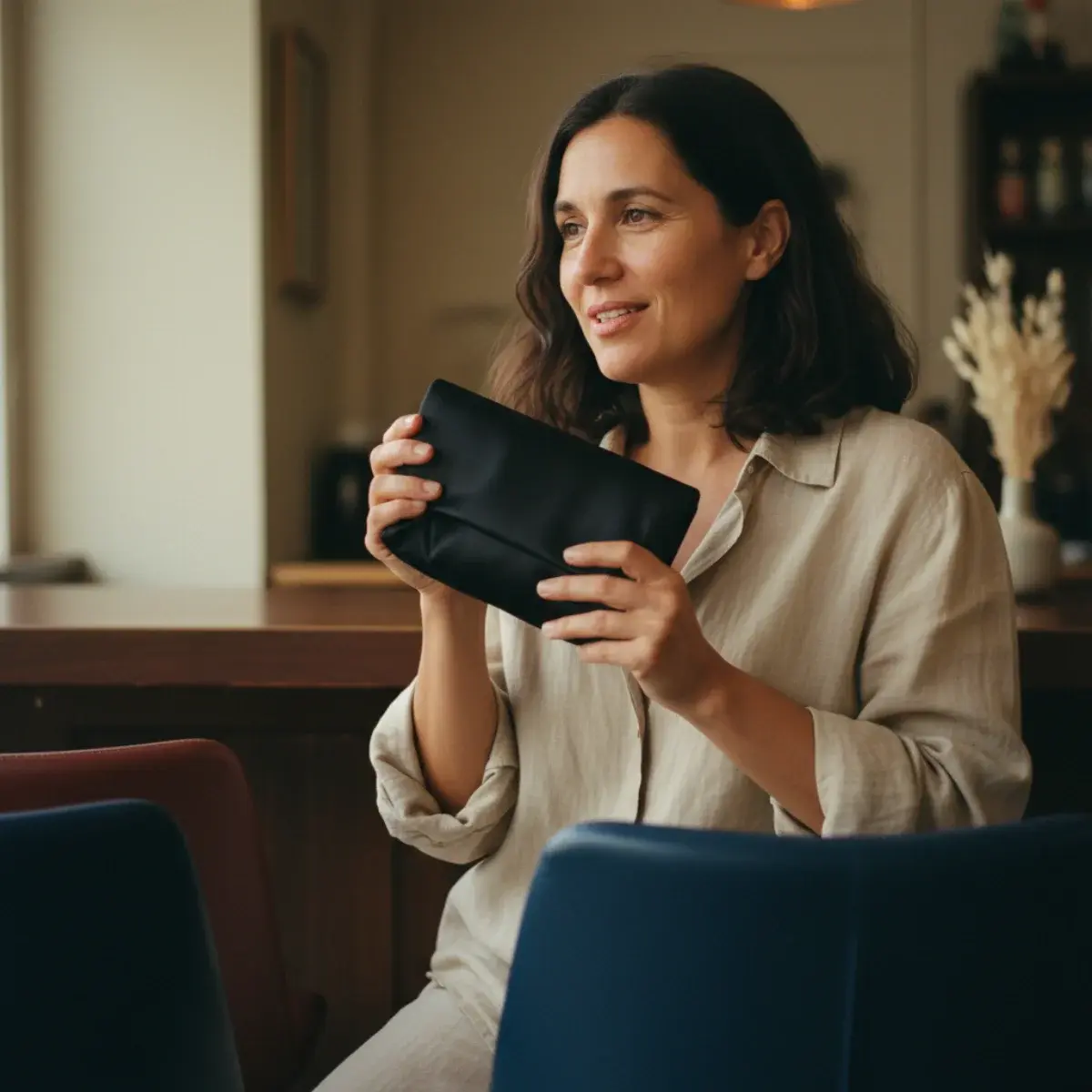 1600×1067
Classic bags vs trend bags
Bags, like clothing, divide into classics and trends, and balancing the two builds a smart bag wardrobe. Classic bags — a structured leather tote, a simple shoulder bag, a timeless top-handle, a classic crossbody in neutral leather — never date and are where investment belongs, since they're worn for years and pair with everything, the foundation of a bag wardrobe. Trend bags — the of-the-moment shape, the season's "It" bag, a micro or novelty style — keep a collection current but date faster, so they're best bought affordably or as occasional accents rather than investments.
The smart approach, exactly as the fashion trends guide describes for clothing, is a foundation of classic, neutral, quality bags refreshed with the occasional trend piece — investing in the timeless core and treating trend bags as cheaper, shorter-term additions. This keeps a bag wardrobe both current and timeless without the expense of chasing every "It" bag, many of which date within a season or two. A classic neutral leather bag holds its style and value for years, while a trend bag may feel dated quickly, so spending priorities should favour the classics. Trying trend bags second-hand or cheaply, and reserving investment for timeless shapes, is the cost-effective and stylish strategy — the same buy-classics-invest-rarely-in-trends logic that governs the whole wardrobe, applied to bags. Build the classic core, add trends lightly, and the bag collection stays both fresh and enduring.
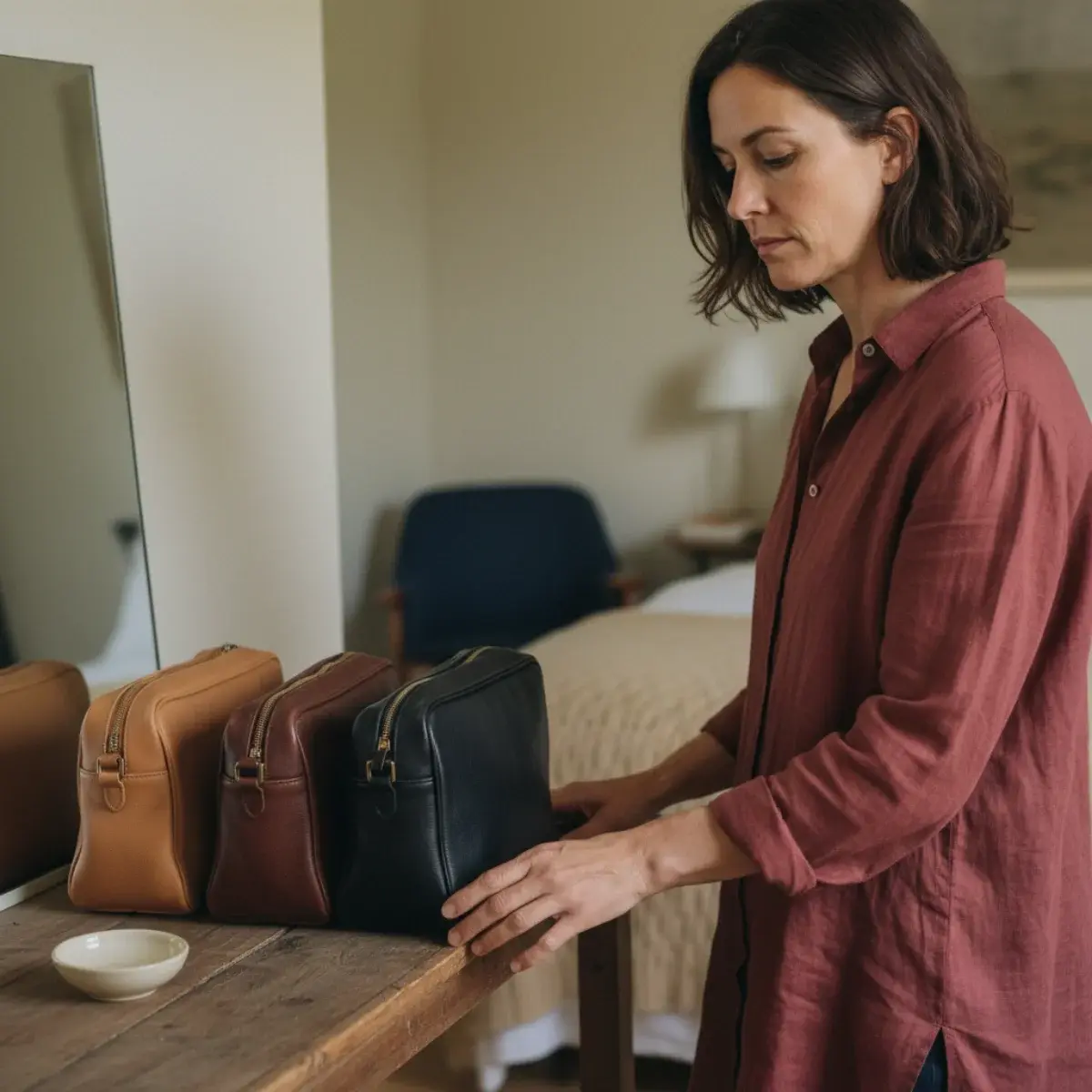 1600×1067
Bag styling mistakes to avoid
A few errors recur with bags. A mismatch in dressiness is the biggest — a casual tote with eveningwear or a formal clutch with athleisure contradicts the outfit, where matching the bag's formality to the look fixes it. The wrong proportion — a bag that overwhelms or gets lost against your frame — unbalances, where choosing a scale that flatters and suits your needs corrects it. A worn or unkempt bag undermines an outfit, where keeping bags clean and cared-for elevates it. And treating the bag as an afterthought — grabbing any bag rather than choosing one to suit the look — misses its finishing role, where a deliberate choice completes the outfit.
Two more round it out. Only owning statement or only neutral bags leaves a wardrobe either unversatile or without personality, where a neutral foundation plus statement accents covers both, and a clashing colour that fights the outfit jars, where coordinating within the palette or choosing a neutral resolves it. Each resolves the same way: match the bag's dressiness to the outfit, choose the right proportion, keep it clean, choose it deliberately, and build a versatile neutral foundation. Styling a bag well is, like styling shoes, mostly about choosing the right bag deliberately for the outfit and occasion — matched in formality, scale, and colour, and kept in good condition — so it finishes the look rather than merely carrying your things.
Key takeaways
- 1A bag sets and confirms an outfit's dressiness, like the shoe — it's a styling decision, not just a container.
- 2Match the bag's formality to the occasion: structured and small for dressy, relaxed and large for casual.
- 3Build a foundation of versatile neutral bags — a tote, a shoulder or top-handle, a crossbody, a clutch — before statement pieces.
- 4Choose the right size and proportion for what you carry and your frame; a medium structured bag is the most versatile.
- 5Invest in quality leather for the core bags and care for them — a clean, well-kept bag finishes a look, a worn one undermines it.
Where to go from here
This silo takes bag styling deeper. Read how to style a tote bag for the everyday workhorse, crossbody bag outfit ideas for hands-free style, and bag types explained for a full reference to every style. For finishing outfits well, see how to put together an outfit and the capsule wardrobe guide; for the other finishing accessories, the jewellery styling guide and how to style shoes guide. Vogue and Who What Wear publish reliable handbag styling coverage.
Frequently asked
- How do you choose a bag for an outfit?
- Match the bag to the outfit's dressiness, occasion, and proportion: a structured bag for polished looks, a relaxed one for casual, a small bag for evening, a larger one for work or day. Coordinate the colour within your palette — a neutral bag goes with everything — and balance the bag's size against your frame and the outfit. The bag should suit the occasion, coordinate with the look, and be the right scale.
- What bags should every woman own?
- A versatile bag capsule includes a structured everyday tote or work bag, a medium shoulder or top-handle bag, a crossbody for hands-free days, and a small clutch or evening bag for occasions, in neutral tones like black, brown, tan, or cream. These cover work, everyday, casual, and dressy needs and coordinate with most outfits. A few versatile, neutral, well-made bags beat a closet of single-use ones.
- What bag goes with everything?
- A structured medium bag in a neutral leather — black, brown, tan, or cream — goes with the most outfits, because it coordinates with any palette and suits both casual and polished looks. A neutral crossbody or top-handle in a classic shape is the most versatile. Neutral, classic, well-made bags pair with everything, the same way neutral shoes and clothes do, which is why they're the foundation of a bag wardrobe.
- How do you match a bag to your outfit's dressiness?
- Match the bag's formality to the outfit: structured, sleek, and smaller bags read dressier, while relaxed, slouchy, and larger bags read more casual. A clutch or small structured bag suits dressy occasions, a tote or hobo suits casual and work, and a medium structured bag bridges both. The bag sets and confirms an outfit's dressiness, so a mismatch — a casual tote with eveningwear — undermines the look.
- What size bag should I carry?
- Match the bag size to the occasion and your proportions: small bags (clutches, mini bags) for evening and minimal carrying, medium bags for everyday, and large bags (totes, work bags) for work, travel, and carrying more. For proportion, balance the bag against your frame — a very large bag can overwhelm a petite frame, a tiny bag can look lost on a tall one — choosing a scale that flatters and suits what you need to carry.
- How do you build a bag collection on a budget?
- Buy versatile, neutral, classic bags that work across many outfits, shop second-hand for quality leather, and build gradually, prioritising an everyday bag first. Because a few versatile bags cover most needs, a capsule approach is more economical than many single-use bags. Prioritising fit-for-purpose and quality over logos, and buying second-hand, keeps a good bag collection affordable over time.
- Does a bag really make a difference to an outfit?
- Yes — a bag is a major finishing element that sets and confirms an outfit's dressiness and adds polish or personality, much like shoes. The right bag completes a look and signals intention, while a wrong or worn bag undermines it. A bag is one of the most visible accessories and often one of the more significant pieces, so it does real work in finishing and elevating an outfit.
Written by Marguerite Sterns, looksyra editorial. Last updated May 2026.