Walk into any bag department or scroll any retailer and you'll meet a vocabulary of shapes — tote, hobo, satchel, bucket, top-handle, crossbody — that's rarely explained, leaving you guessing which is which and, more usefully, which reads dressy and which reads casual. Knowing the types isn't pedantry; it's what lets you choose the right bag for an occasion and build a wardrobe that covers your needs without gaps or duplication. This guide is the reference: every major handbag type explained — what it is, how dressy it reads, and whether to own it. It's the glossary companion to our bag styling guide.
The principle this guide will hold: a bag type's character comes down to its size, how you carry it, and its structure — which together set how dressy it reads and what it's for. Learn those three things for each type and you can choose the right bag for any occasion at a glance.
How to read any bag type
Before the individual types, here's the framework that makes sense of all of them: every bag type is defined by three things, and those three set its character. Size ranges from mini to large, setting both capacity and dressiness (smaller reads dressier, larger reads more practical and casual). How you carry it — handheld, top-handle, shoulder, crossbody, backpack — sets the vibe and practicality (handheld and top-handle read polished, crossbody and backpack read casual and hands-free). And structure — from rigidly structured to soft and slouchy — sets the polish (structured reads dressy and put-together, slouchy reads relaxed and casual).
Together these three — size, carry, structure — determine a bag type's dressiness and purpose, which is why a small, handheld, structured bag (a clutch or box bag) reads dressy while a large, shoulder-carried, slouchy bag (a hobo) reads casual. Knowing this framework means you can read any bag, even an unfamiliar shape, by its size, carry, and structure, rather than memorising a glossary. It also guides choosing: decide the dressiness and practicality you need, and the framework points to the type. The individual types below are really just common combinations of these three variables, and the bag styling guide uses the same size-structure-carry logic to match any bag to an outfit. With the framework in hand, the types become easy to understand and choose between.
 1600×1067
The everyday and practical types
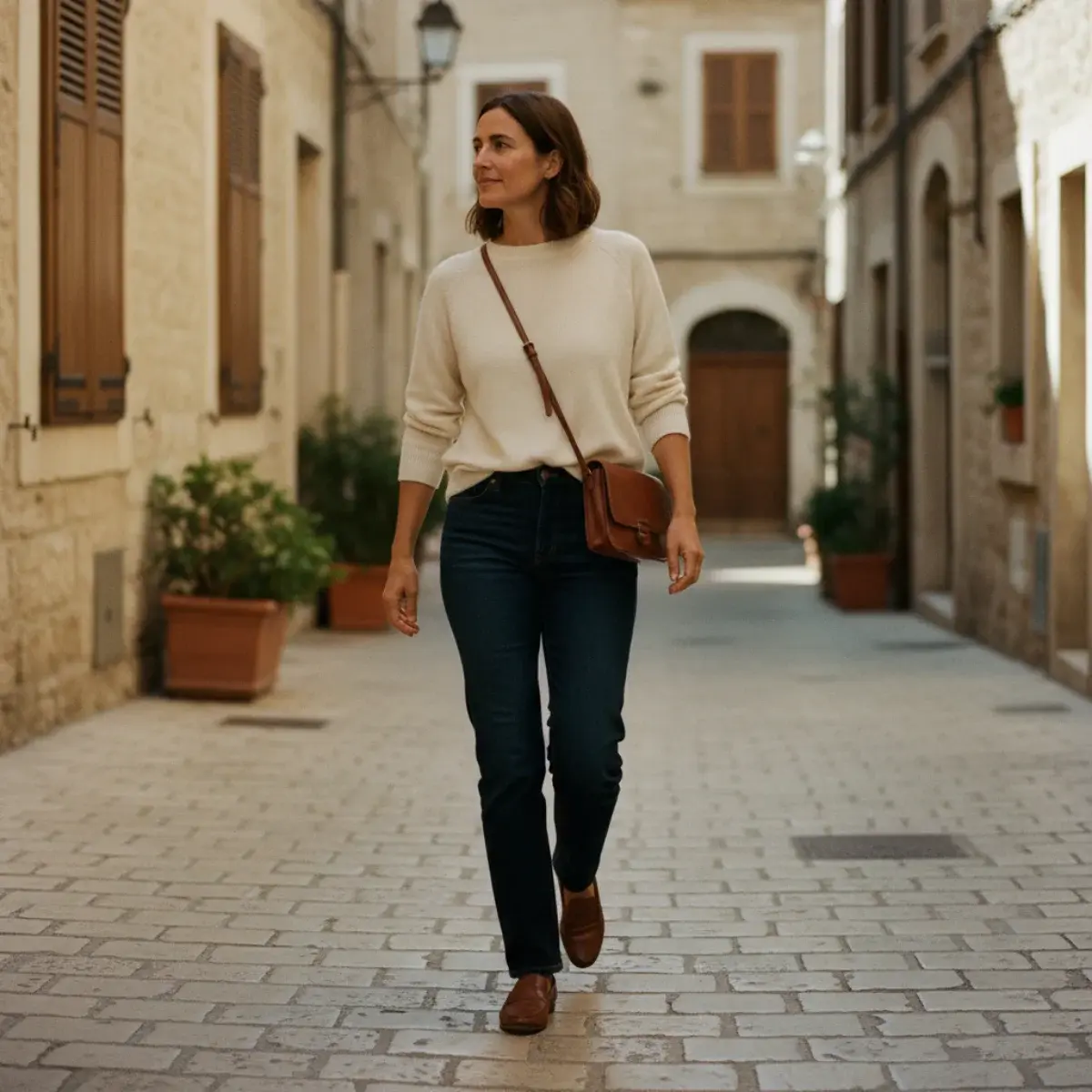
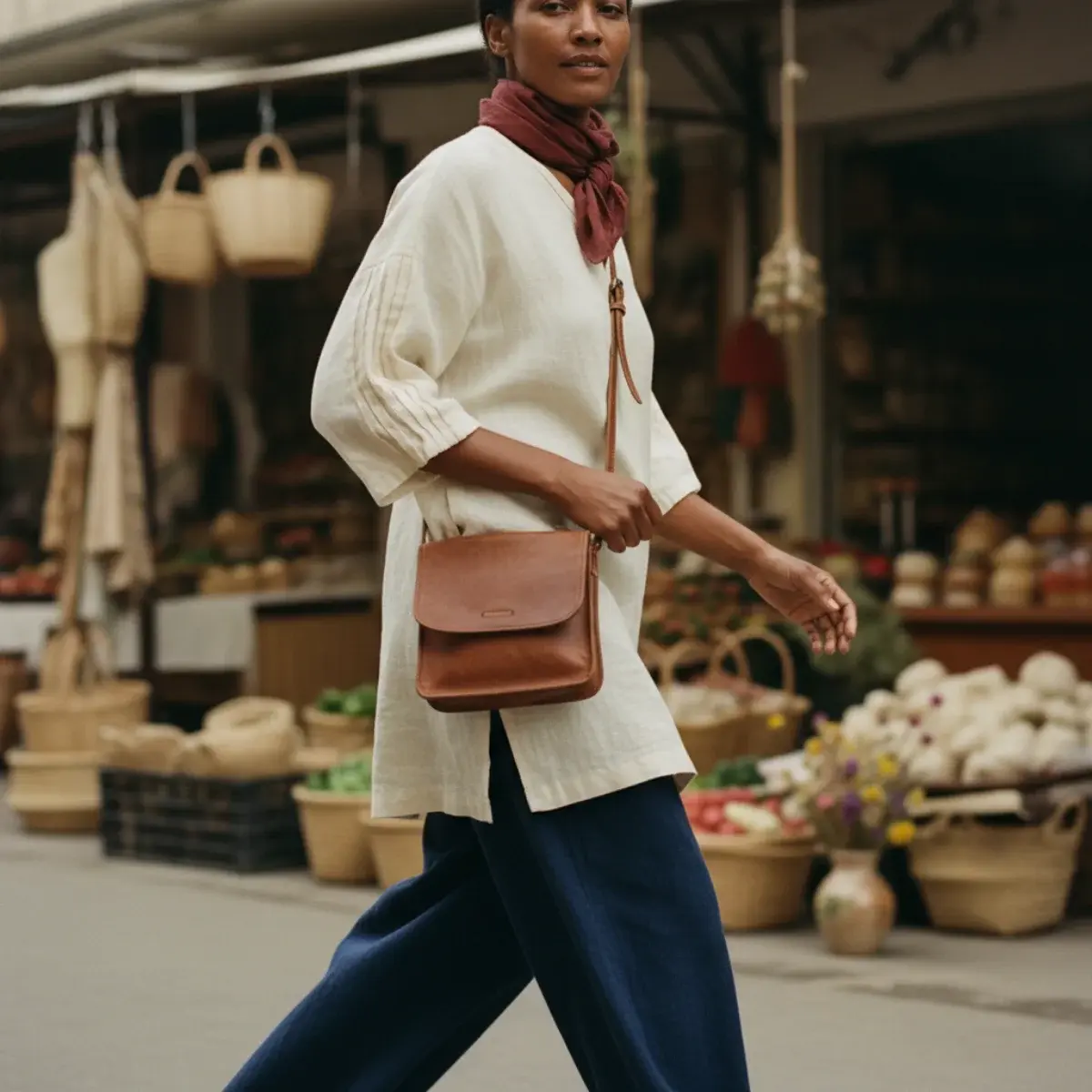
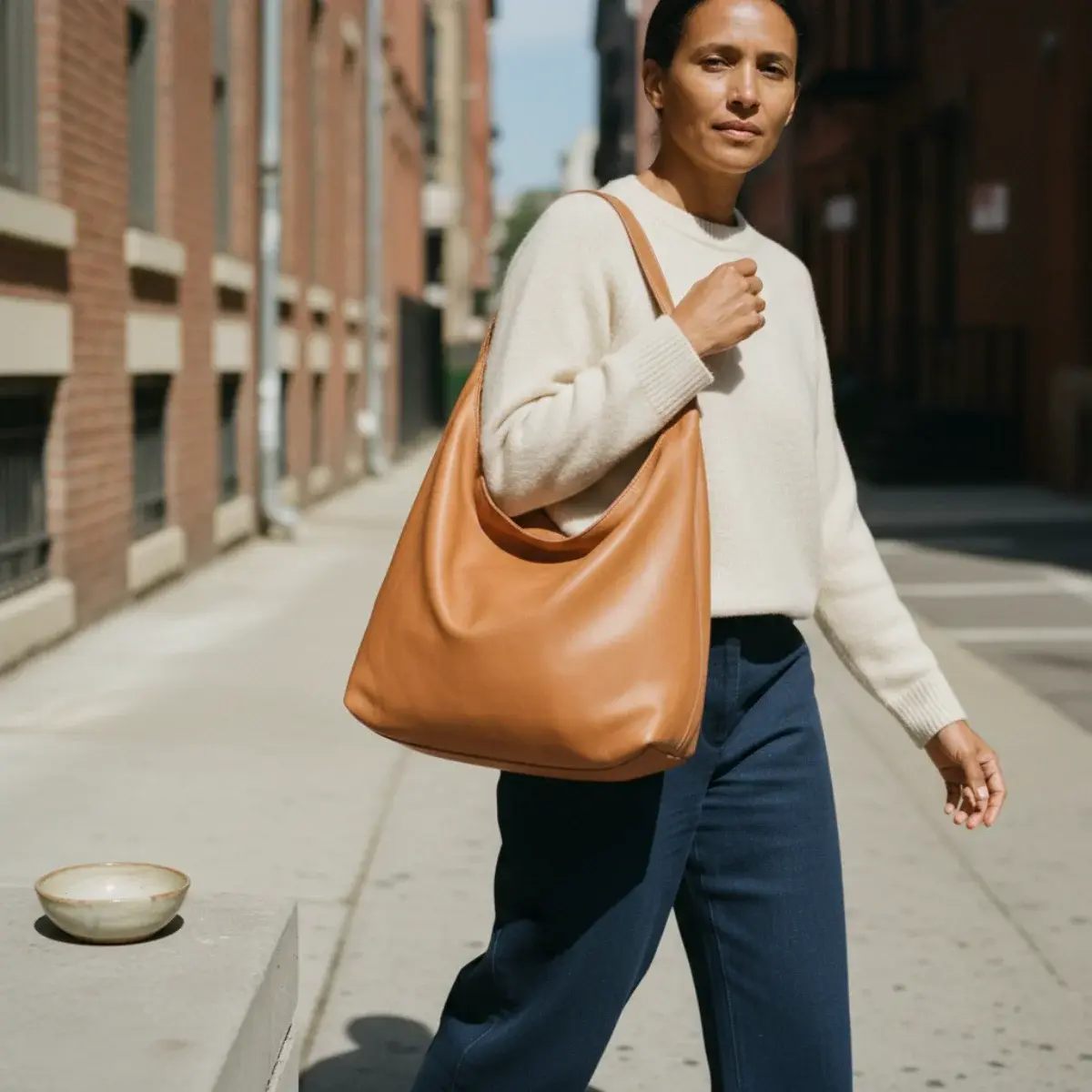
Several bag types are built for carrying and everyday use, reading casual to smart-casual. The tote is large, open, with two handles, structured or relaxed, ideal for work, day, and carrying more — practical and casual-to-smart, covered in full in our tote styling guide. The shoulder bag sits on the shoulder in a medium size, one of the most versatile types, bridging casual and polished. The crossbody sits across the body for hands-free ease, casual and practical, covered in our crossbody guide. The hobo is a soft, slouchy, crescent-shaped shoulder bag, reading relaxed and casual.
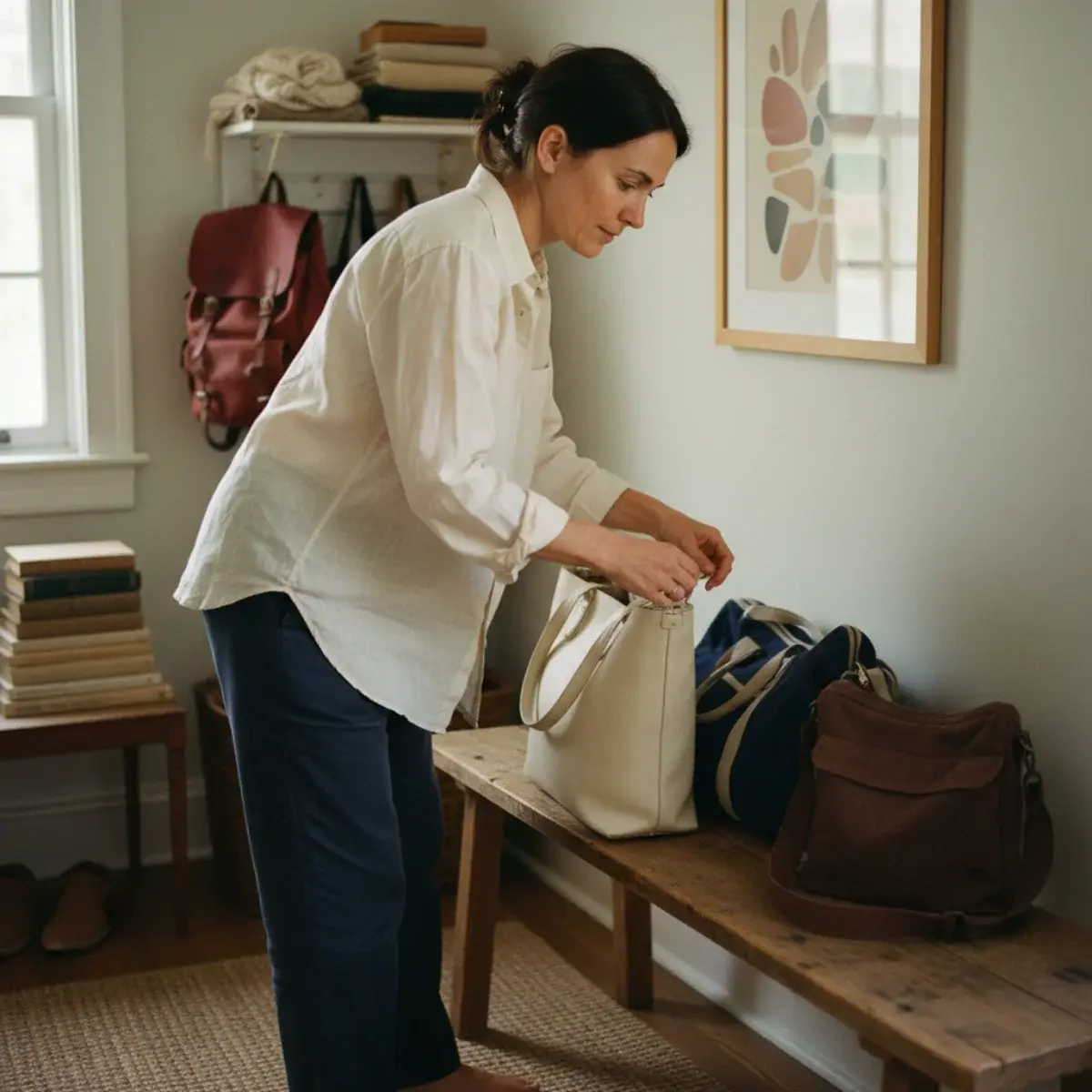
Rounding out the practical types, the bucket bag is a rounded, often drawstring bag, casual and roomy; the backpack reads casual, practical, and hands-free, suiting active and travel use; and the messenger bag is a larger crossbody, practical for work and travel. These types prioritise capacity and ease over polish, ranging from the versatile shoulder bag (which can read smart) to the firmly casual hobo and backpack. They're the bags of everyday life — carrying your things to work, around town, and on trips — and the most-used types for most people. Among them, the structured shoulder bag and the tote are the most versatile, bridging into polished looks, while the hobo, bucket, and backpack stay casual. These practical types form the everyday backbone of a bag wardrobe.
 1600×1067
The polished and structured types
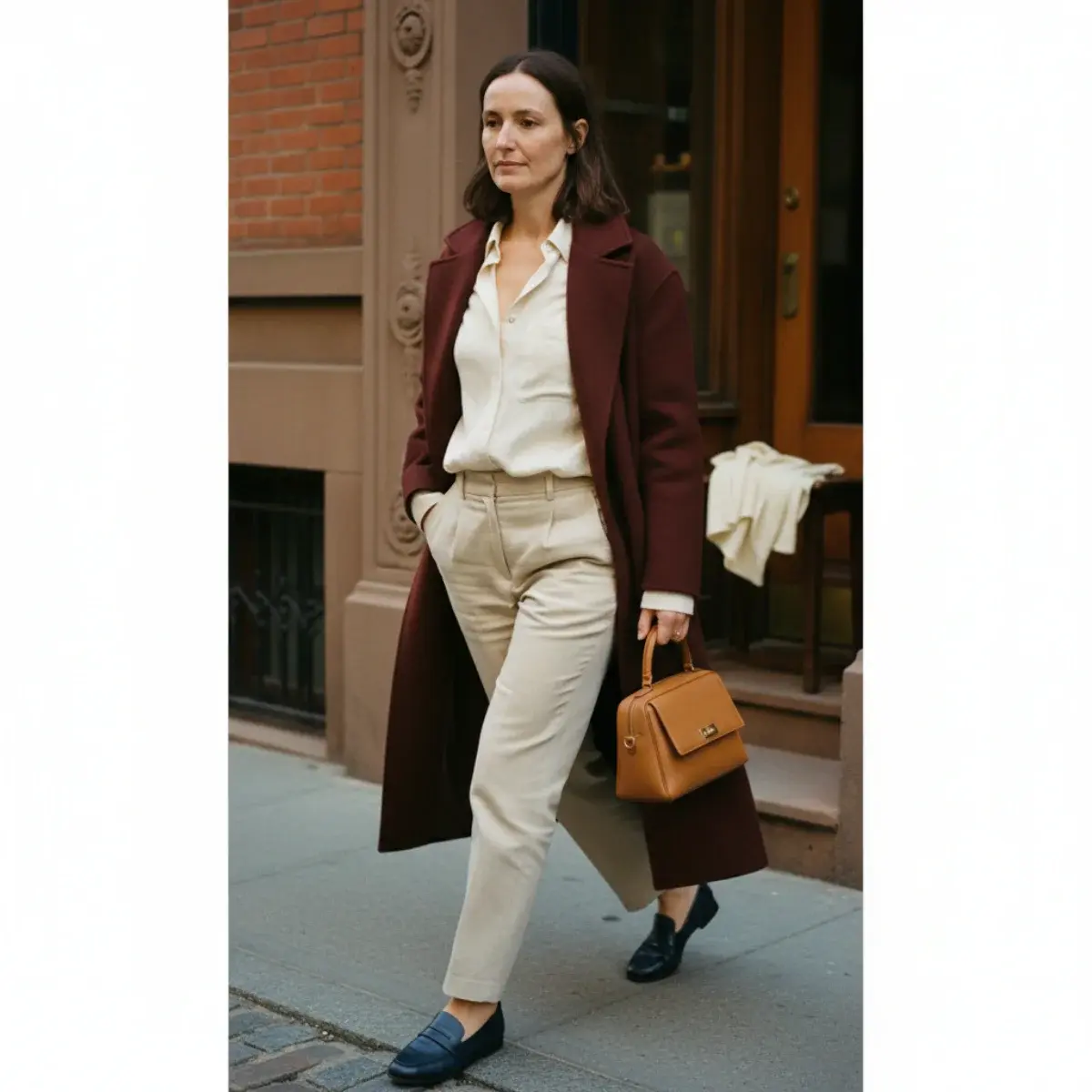
Other bag types are structured and polished, reading smart-casual to dressy. The top-handle bag is carried by a short handle in the hand or on the forearm, usually structured, reading polished and ladylike, often with a detachable strap for versatility — one of the most elegant everyday-to-dressy types. The satchel is a structured bag, typically with a top handle and often a crossbody strap and a flap or zip, reading polished and suiting work and smart-casual. The box bag is a small, rigidly structured, often geometric bag, reading dressy and distinctive.
These structured types read more put-together than the soft, practical ones, their defined shapes and (often) handheld or top-handle carry signalling polish, the structure-reads-dressy principle from the framework. The top-handle especially is a versatile polished choice, bridging work, smart-casual, and dressier looks, and often convertible to shoulder or crossbody wear via a detachable strap. The satchel suits work and smart-casual with its structured practicality, while the box bag leans dressy and statement. These structured types are where polish lives in a bag wardrobe, complementing the practical types — a structured top-handle or satchel finishes a smart outfit where a slouchy hobo would undercut it. For polished and work-to-dressy looks, the structured types, especially the versatile top-handle, are the ones to reach for, the same dressiness-matching the bag styling guide describes.
 1600×1067
The dressy and evening types
A few bag types are specifically dressy, made for evening and occasions. The clutch is a small, handheld bag with no strap (or a thin chain), the classic evening and occasion bag, reading dressy — small, sleek, and elegant, it suits the cocktail attire and formal looks. The mini bag is a very small bag, often on a chain or short strap, reading dressy or statement, carrying little but finishing a dressy look. The chain-strap bag — small and structured on a chain — reads polished and dressy, a versatile smart-to-dressy choice.
These dressy types are small, structured, and elegant, carrying only essentials (phone, cards, lipstick) but finishing a dressy outfit beautifully — the small-and-structured-reads-dressy end of the framework. The clutch is the quintessential occasion bag, handheld for evening events and weddings, and a neutral or metallic clutch is a versatile dressy essential, as the wedding guest and cocktail guides note. The mini and chain-strap bags offer dressy looks with a little more practicality (a strap to free the hands), bridging toward smart-casual. For dressy events, these small structured types — especially the clutch — are the right choice, where a large or casual bag would undercut a formal look. They carry little but do an important job: finishing a dressy outfit elegantly, which is exactly what the occasion calls for.
 1600×1067
How dressy is each type? A quick reference
Here's the dressiness of the main types at a glance, set by their size and structure.
| Bag type | Dressiness | Best for |
|---|---|---|
| Clutch | Dressy | Evening, occasions, formal |
| Box bag / mini | Dressy / statement | Dressy, evening |
| Top-handle | Smart-casual to dressy | Work, polished, dressier looks |
| Satchel | Smart-casual | Work, polished everyday |
| Shoulder bag | Casual to smart-casual | Versatile everyday |
| Tote | Casual to smart-casual | Work, day, travel |
| Crossbody | Casual (small can dress up) | Hands-free, everyday, travel |
| Bucket bag | Casual | Everyday, relaxed |
| Hobo | Casual | Relaxed, everyday |
| Backpack | Casual | Active, travel, practical |
The pattern follows the framework: small and structured types (clutch, box, top-handle) read dressier, while large and slouchy types (tote, hobo, backpack) read more casual, with the shoulder bag and crossbody bridging depending on their structure. Use this to match a bag type's dressiness to the occasion, the core bag-styling skill the bag styling guide describes — a clutch for a wedding, a tote for work, a crossbody for errands.
Which bag types to own
A versatile bag wardrobe covers a few types rather than all of them, chosen to span your needs. The core types to own are: a tote or structured work bag for carrying more and polish; a shoulder or top-handle bag for versatile everyday and smart use; a crossbody for hands-free, casual, and travel days; and a clutch or small evening bag for dressy occasions. In neutral tones, these four types cover work, everyday, casual, and dressy needs and coordinate with most outfits — the bag capsule the styling guide describes.
Beyond the core, add other types as your life and style call for them: a hobo or bucket bag if you like a casual slouchy look, a backpack if you're active or travel often, a statement mini if you enjoy a dressy accent, a satchel for more structured work use. The principle, as with any capsule wardrobe, is to own the versatile types that cover your real needs rather than collecting one of everything — a few well-chosen types, in neutrals and quality materials, produce an appropriate bag for almost any occasion. Building the core four types first, then adding others as needed, gives a complete, versatile bag wardrobe without excess. Knowing the types and their dressiness lets you choose this core wisely and fill any gaps deliberately, which is the practical payoff of understanding the bag glossary.
 1600×1067
Matching the type to the occasion
With the types and their dressiness clear, choosing one for an occasion is straightforward: match the type's dressiness and capacity to the situation. For a dressy event — a wedding, a formal dinner, a party — a clutch, mini, or small structured bag finishes the look elegantly, where a large or casual bag would undercut it. For work, a structured tote, top-handle, or satchel reads professional and carries what you need. For a casual day or errands, a crossbody, tote, hobo, or bucket bag suits the relaxed register and practicality.
For travel and active days, a crossbody, backpack, or sturdy tote keeps you hands-free and secure, and for versatile everyday, a shoulder or top-handle bag bridges casual and polished. The principle is the dressiness-and-capacity match: choose the type whose character — set by size, structure, and carry — suits the occasion's formality and your carrying needs, the core bag-styling skill from the bag styling guide. Knowing each type's character lets you make this match instantly: a glance at the occasion (how dressy, how much to carry, hands-free or not) points to the right type. This is the practical use of understanding bag types — not as trivia, but as the knowledge that lets you choose the right bag for any look and occasion, which is what finishing an outfit well requires.
 1600×1067
Bag type mistakes to avoid
A few errors come from misreading bag types. Using the wrong type's dressiness — a casual hobo for a formal event or a dressy clutch for errands — mismatches the occasion, where matching the type's dressiness to the situation fixes it. Owning only one type leaves gaps — only totes means no dressy option, only clutches means nothing practical — where a versatile core of a few types covers the range. Buying duplicate types while missing others wastes a wardrobe — three similar shoulder bags but no clutch — where filling the core types deliberately prevents it. And ignoring capacity — a tiny bag when you carry a lot, or a huge one for minimal needs — is impractical, where matching the type's size to your needs corrects it.
Two more round it out. Misjudging a type's polish — expecting a slouchy bag to read dressy or a structured one to read relaxed — leads to mismatches, where the size-structure-carry framework predicts the dressiness accurately, and neglecting versatile types for only statement or specialised ones leaves a wardrobe impractical, where versatile types (shoulder, top-handle, tote, crossbody) form the useful core. Each resolves the same way: understand each type's dressiness and purpose via the framework, own a versatile core of complementary types, and match the type to the occasion. Knowing bag types isn't about collecting them all — it's about choosing the right few and using each for what it's suited to, so you always have an appropriate, well-matched bag to finish any look.
Key takeaways
- 1A bag type's character comes from its size, how you carry it, and its structure — which set its dressiness and purpose.
- 2Practical types (tote, shoulder, crossbody, hobo, bucket, backpack) prioritise capacity; structured types (top-handle, satchel, box) read polished.
- 3Dressy types are small and structured (clutch, mini, chain-strap); casual types are large and slouchy (tote, hobo, backpack).
- 4Own a versatile core — a tote, a shoulder or top-handle bag, a crossbody, and a clutch — and add other types as needed.
- 5Match the type's dressiness and capacity to the occasion — a clutch for dressy, a tote for work, a crossbody for travel.
Where to go from here
Knowing the types lets you choose and style any bag. For the two most useful in depth, read how to style a tote bag and crossbody bag outfit ideas. For the bag principles and capsule, see the bag styling guide; for the occasions different types suit, the complete dress code guide and cocktail attire guide; for building a wardrobe, the capsule wardrobe guide. Vogue and Who What Wear publish reliable handbag coverage.
Frequently asked
- What are the main types of handbags?
- The main handbag types are the tote (large, practical), shoulder bag (medium, versatile), crossbody (hands-free, casual), clutch (small, dressy), top-handle (structured, polished), hobo (soft, slouchy, casual), satchel (structured), bucket bag, and mini bag. Each has its own size, way of carrying, and dressiness. Knowing the types helps you choose the right bag for an occasion and build a versatile wardrobe covering different needs.
- Which bag types are dressy and which are casual?
- Dressy types include the clutch, small structured bags, and box bags; casual types include the tote, crossbody, hobo, backpack, and bucket bag; and versatile types that bridge both include the shoulder bag, top-handle, and satchel. Structure and size set the dressiness — structured and small read dressier, relaxed and large read casual. Matching the bag type's dressiness to the occasion is key to using each well.
- What bag types should I own?
- A versatile wardrobe covers a few types: a tote or work bag for carrying more and polish, a shoulder or top-handle bag for everyday versatility, a crossbody for hands-free days, and a clutch or small evening bag for occasions, in neutral tones. These four or so types cover work, everyday, casual, and dressy needs. Add others — a hobo, a statement mini — as your style and life call for them.
- What is the difference between a satchel and a tote?
- A satchel is a structured bag, usually with a top handle and often a crossbody strap, with a defined shape and typically a flap or zip closure, reading polished. A tote is a larger, more open bag with two handles, often unstructured or semi-structured, reading practical and casual-to-smart. The satchel is more structured and polished; the tote is roomier and more practical. Both work for day and some work settings.
- What is a top-handle bag?
- A top-handle bag is carried by a short handle (or handles) at the top, in the hand or on the forearm, usually structured and reading polished and ladylike. Often it also has a detachable longer strap for crossbody or shoulder wear. The top-handle reads more formal and put-together than a shoulder or crossbody bag, suiting smart-casual, work, and dressier looks, which makes it a versatile polished choice.
- What is the most versatile bag type?
- The structured shoulder bag and the top-handle bag are among the most versatile, bridging casual and polished looks and suiting many occasions, while a structured medium bag in neutral leather goes with the most outfits. For practicality, the tote and crossbody are highly versatile too. The most versatile type depends on your life, but a structured medium neutral bag — shoulder or top-handle — suits the widest range of looks.
- How do I choose which bag type to use?
- Choose by occasion and what you need to carry: a clutch or small structured bag for dressy events, a tote or work bag for work and carrying more, a crossbody for hands-free active days, a shoulder or top-handle bag for versatile everyday and polished looks. Match the type's dressiness and capacity to the situation. Knowing each type's character lets you pick the right one for the look and need at hand.
Written by Marguerite Sterns, looksyra editorial. Last updated May 2026.