
Accessories are where an outfit becomes yours — the scarf, the belt, the sunglasses, the hat that turn a perfectly nice combination of clothes into a look with personality and polish. They're also where most people either stop too soon, leaving an outfit slightly unfinished, or pile on too much, losing the elegance of any single piece. The skill is balance, and it follows the same focal-point logic that governs jewellery. This guide covers how to style accessories to finish any look — the principles, the main types beyond jewellery and bags, choosing by occasion, and building an accessory capsule.
The principle this whole guide rests on, and the hill it will die on: accessories finish a look through balance — choose one or two focal pieces and let the rest support, rather than wearing everything at once. The same one-focal-point discipline that governs jewellery governs all accessories: a few well-chosen pieces read elegant, while piling them on reads cluttered. This one idea — that finishing a look is about editing as much as adding — carries through every accessory type and occasion below, and it's what separates a look that feels complete from one that feels costumey.
What accessories do for an outfit
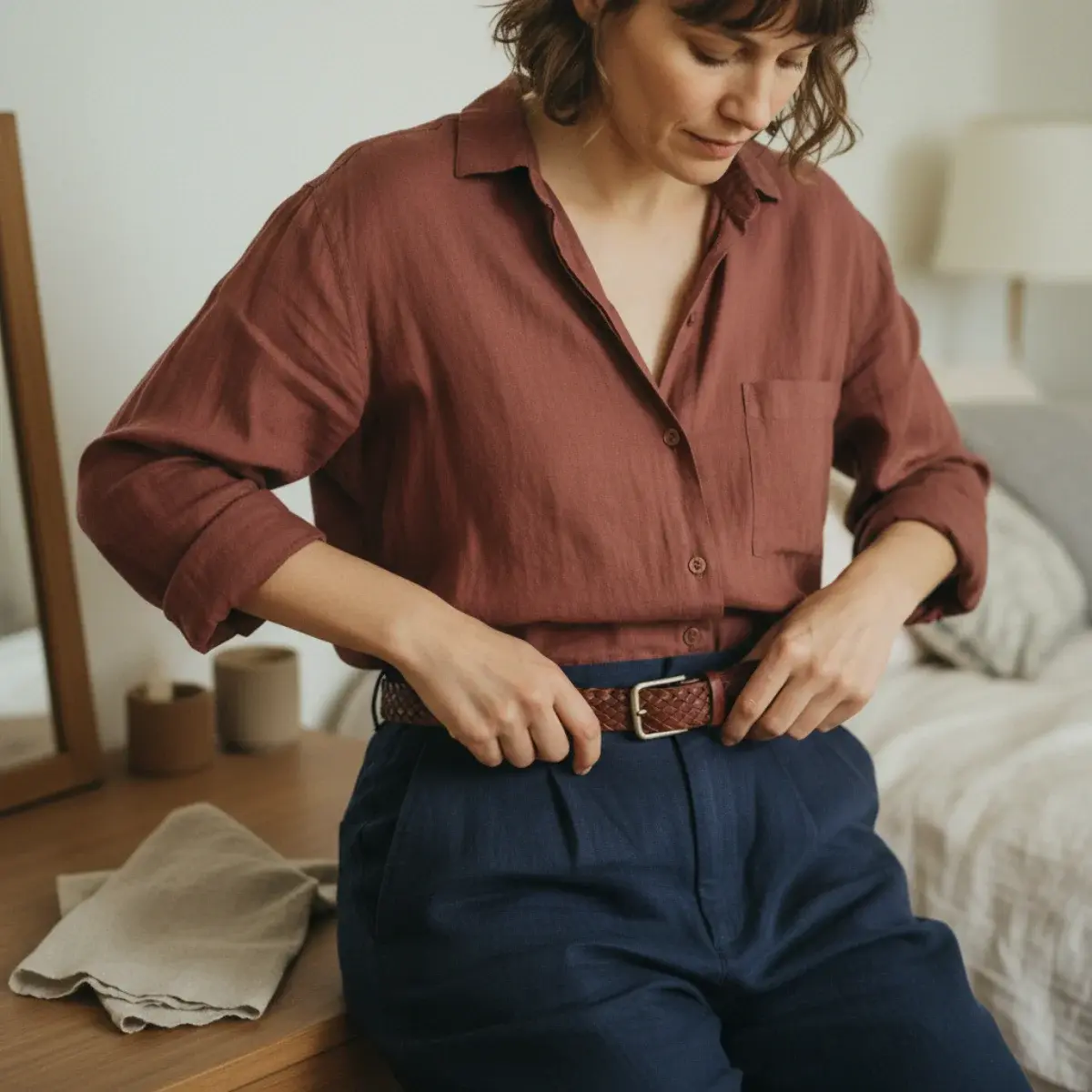
Accessories are the finishing layer that personalises and completes an outfit, doing several jobs at once. They add personality — a scarf, a hat, distinctive sunglasses express individual taste and turn a plain outfit into a characterful one. They define the silhouette — a belt marks the waist, changing the shape and proportion of a look. They shift the dressiness — accessories can take an outfit casual or dressy, plain or distinctive, much as shoes and bags do. And many add function — warmth from a scarf or gloves, sun protection from a hat or sunglasses — alongside their style, which is part of what makes them feel less like indulgences and more like genuinely useful parts of a wardrobe.
This combination of personality, function, and finishing power makes accessories one of the most useful and economical styling tools, since a few well-chosen pieces can transform and refresh outfits without new clothes — a new scarf or belt updates a whole look cheaply. Accessories are also the finishing touch that signals a considered outfit, the final layer that completes the rule of three and ties a look together. Understanding that accessories finish, personalise, define, and often serve a function — rather than being mere extras — is the foundation of using them well, and it's why they deserve the same deliberate choice as any other part of an outfit. The pieces that follow all do this finishing work in their own ways, and the more you think of accessories as the deliberate final layer rather than optional extras, the more they earn their place in a look.
 1600×1067
The main accessory types
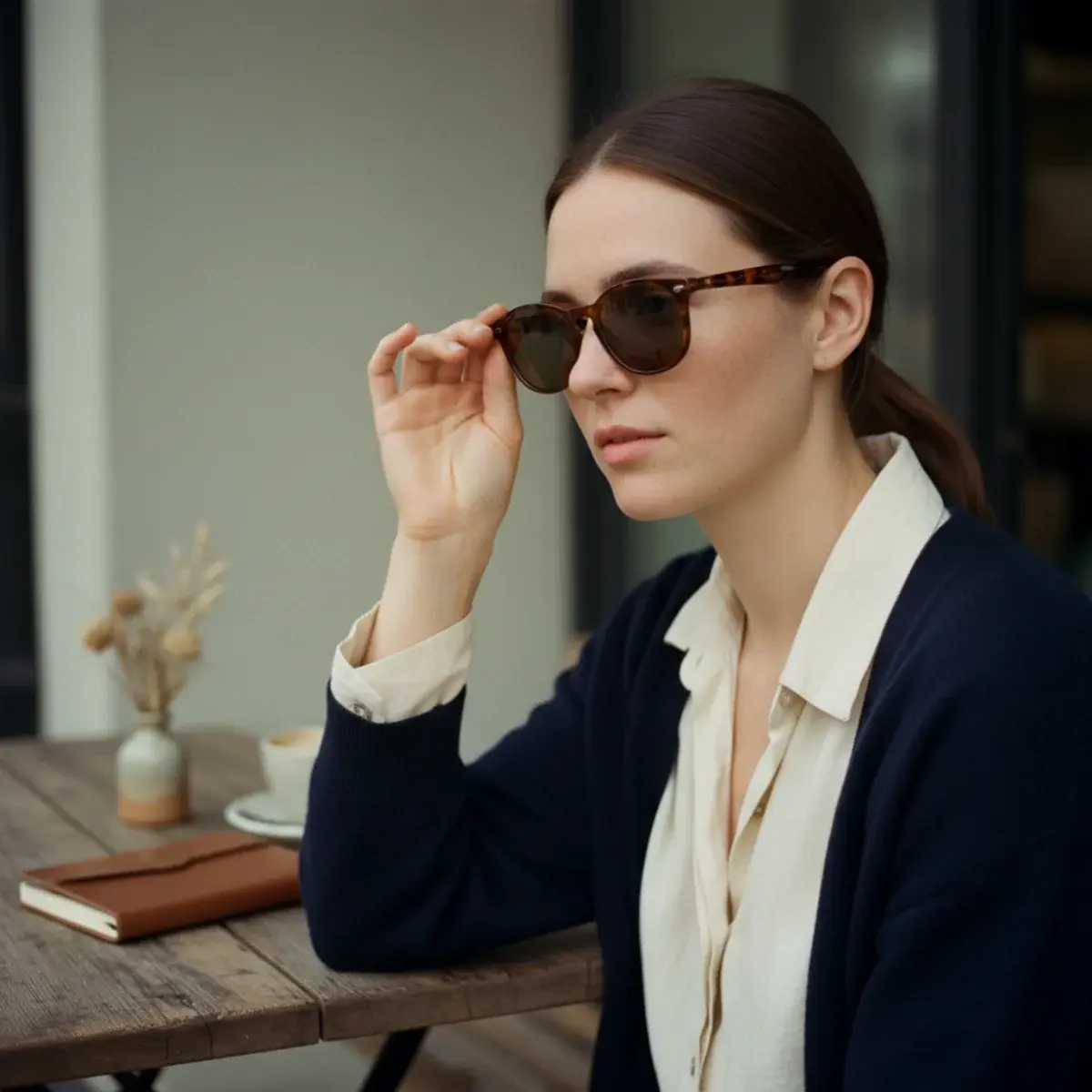
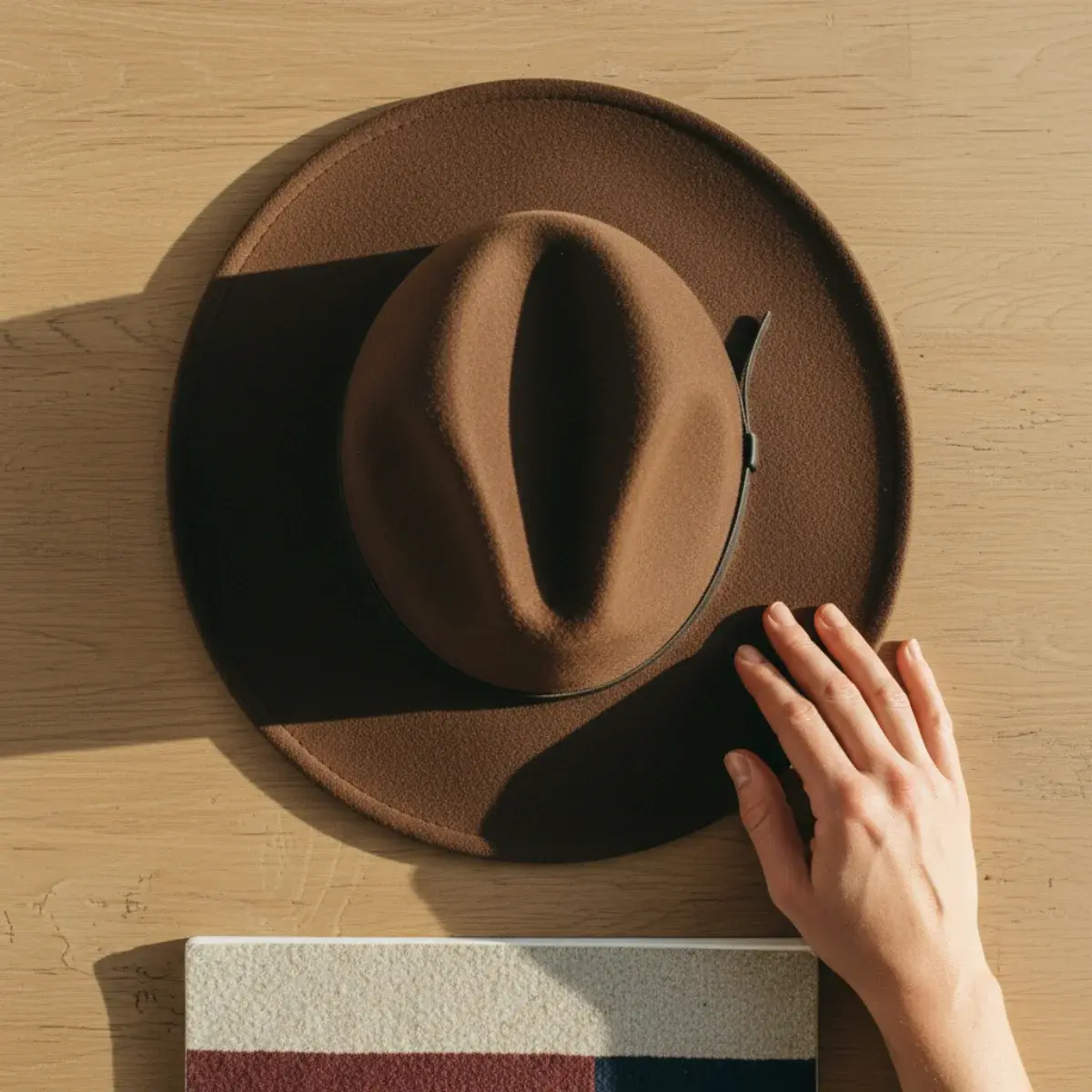
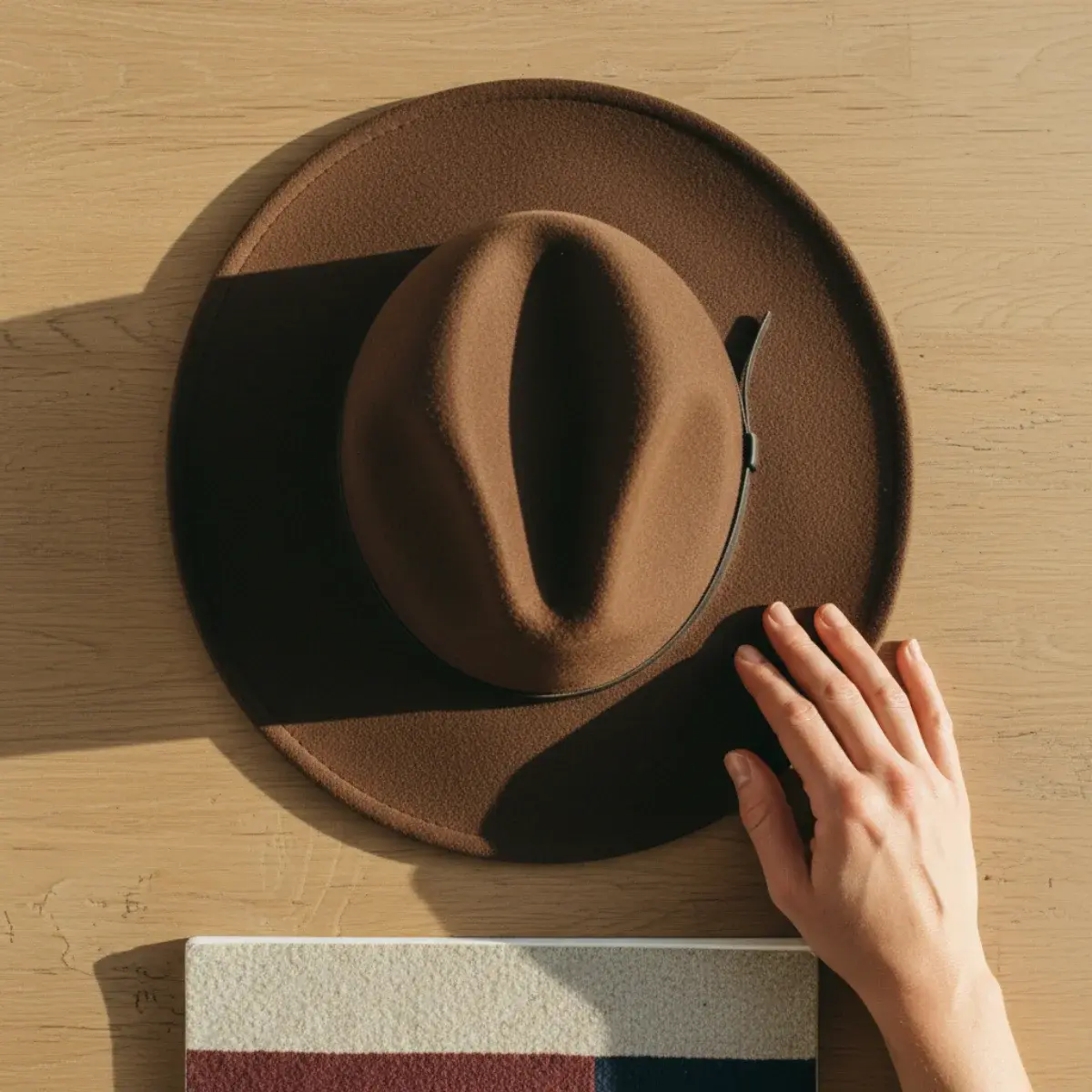
Beyond jewellery and bags, which have their own guides, a handful of accessory types finish most outfits. Scarves — silk squares, wool wraps, lightweight scarves — add colour, warmth, and personality at the neck, head, or even on a bag, one of the most versatile accessories, covered in our scarf styling guide. Belts — classic leather, statement, woven — define the waist and add a finishing detail, covered in our belt styling guide. Sunglasses — in shapes that flatter the face — add function and instant cool, covered in our sunglasses by face shape guide. Hats — sun hats, berets, fedoras, caps — finish an outfit and serve function, from sun protection to warmth.
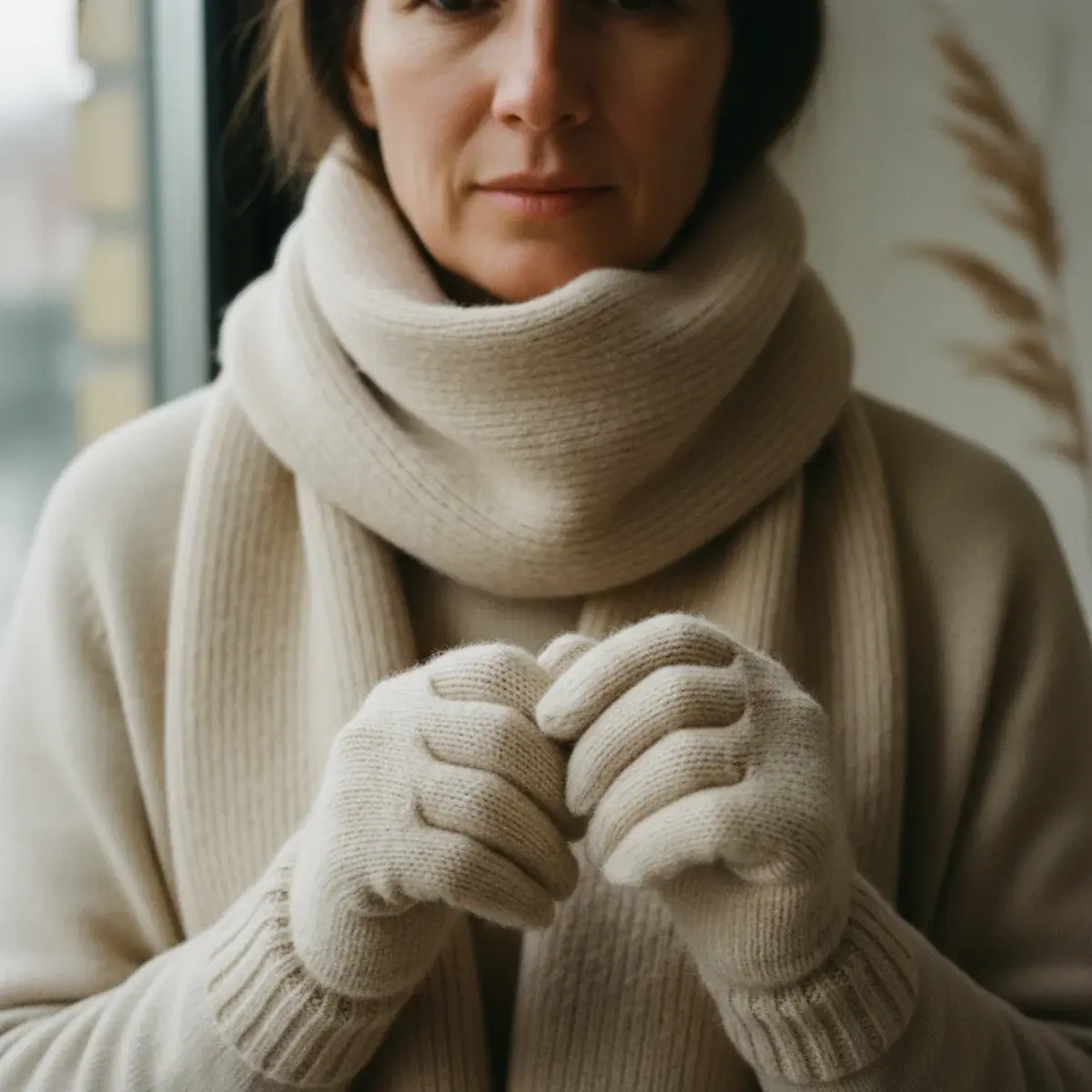
Rounding out the types, gloves add warmth and polish in cold weather, hair accessories (headbands, clips, ribbons) finish at the hair, and other pieces like brooches and pocket squares add distinctive touches. Each type adds its own mix of function and personality — a scarf's colour and warmth, a belt's waist definition, sunglasses' cool, a hat's finish — and knowing each helps you choose which to use for a given look. The brand's accessories range spans scarves, belts, hats, sunglasses, gloves, and hair accessories, and together with jewellery and bags they form the complete finishing layer of an outfit. The dedicated guides in this silo take the most useful — scarves, belts, and sunglasses — much deeper.
 1600×1067
The focal-point rule for accessories
The single most useful principle for accessories, as for jewellery, is to choose one or two focal pieces and let the rest support, because accessories worn this way read elegant while everything-at-once reads cluttered. A focal accessory is the one bold or attention-drawing piece — a statement scarf, a striking belt, distinctive sunglasses, a characterful hat — and the rest of the accessories stay simple to let it lead. A bold patterned scarf pairs with a simple belt and understated everything-else; striking sunglasses pair with minimal other accessories. One or two pieces lead, the others support.
This is the same focal-point discipline from the jewellery styling guide and the one-personality-element approach that runs through the cute outfits guide and the whole site: one or two strong elements against a quiet base read intentional, while several competing elements read chaotic. The principle doesn't mean wearing little — a coordinated combination of a scarf and a belt, for instance, can work as a composed whole — it means having one or two centres of attention rather than a competing pile. When an accessorised look feels cluttered or "too much," the fix is almost always to identify the focal piece (or two) and simplify the rest. Editing toward one or two focal accessories is the most reliable way to make a look read finished and elegant rather than overdone, the balance the whole guide turns on.
 1600×1067
Coordinating accessories with an outfit
Beyond balance, accessories should coordinate with the outfit and one another, which ties a look together. Colour coordination is the main tool: accessories within your palette, picking up or complementing the outfit's colours, read intentional, while clashing accessories jar — a scarf that echoes an outfit's accent, a belt that matches the shoes, a coherent palette throughout. Metal and hardware coordination is a subtle touch: matching the metal tones of a belt buckle, bag hardware, and jewellery pulls a look together, the kind of detail the jewellery styling guide notes for metals.
Dressiness coordination matters too: the accessories' formality should match the outfit and occasion — sleek, refined accessories for polished looks, relaxed ones for casual — the dressiness-matching that runs through the bag and shoe guides. The principle throughout is coherence: accessories that coordinate in colour, metal, and dressiness with the outfit and each other read as a considered whole, while random or clashing ones read as afterthoughts. This is easiest when your accessories, like your clothes, are built around a coherent palette and a few metals, so they naturally coordinate — the capsule logic applied to accessories. Coordinating the finishing layer — colour, metal, dressiness — with the rest of the outfit is what makes accessories complete a look rather than distract from it, and it's the second half of styling them well, alongside the focal-point balance.
 1600×1067
Accessories and proportion
Accessories interact with your proportions and the outfit's, and choosing with scale in mind makes them flatter. Scale to your frame: bolder, larger accessories suit and balance larger frames and bolder looks, while finer, smaller accessories suit petite frames and delicate looks, though personal taste leads — a very large hat or oversized sunglasses can overwhelm a small frame, while tiny pieces can look lost on a tall one. Belts and the waist: a belt defines and can reshape the silhouette, with placement (high or low) and width affecting the proportion, as our belt styling guide describes.
Scarves and the neckline and frame: a scarf's volume and how it's tied interact with the neckline and frame, with a large voluminous scarf making more of a statement and a fine one reading subtle. Hats and sunglasses and the face: these frame the face, so their scale and shape interact with your features, covered for sunglasses in our sunglasses by face shape guide. The principle, as throughout styling, is balance — choosing accessory scale that flatters your proportions and balances the outfit, the same proportion thinking the how to put together an outfit guide applies. None of this is rigid; it's a gentle awareness that accessory scale should suit your frame and the look, so a bold piece reads intentional rather than overwhelming and a fine one reads deliberate rather than lost. Choosing accessories scaled to flatter completes the styling.
 1600×1067
Accessories by occasion
Accessories adapt to the occasion, shifting in dressiness and boldness. For everyday wear, simple, functional accessories — a scarf, sunglasses, a casual belt, a cap — finish a look easily and practically. For the office, refined, understated accessories keep a look polished and professional — a silk scarf, a classic belt, sleek sunglasses — in the business casual register. For a casual social plan, a slightly bolder accessory — a statement scarf, a characterful hat — adds personality.
For a dressy occasion, accessories can go finer and more elegant — a luxurious scarf, a refined belt, statement sunglasses, an elegant hat for a daytime event — chosen to complement the dressy outfit and matched to the cocktail attire or formal register. The constant across occasions is the focal-point balance: even when adding a bolder accessory for personality, one or two pieces lead while the rest support. Matching the accessories' dressiness and boldness to the occasion — simple and functional for everyday, refined for the office, bolder for social, fine and elegant for dressy — while keeping the focal-point balance, lets accessories finish any look appropriately. This is the same occasion-matching the complete dress code guide applies to whole outfits, here at the finishing-layer level, ensuring the accessories suit the setting as well as personalise the look.
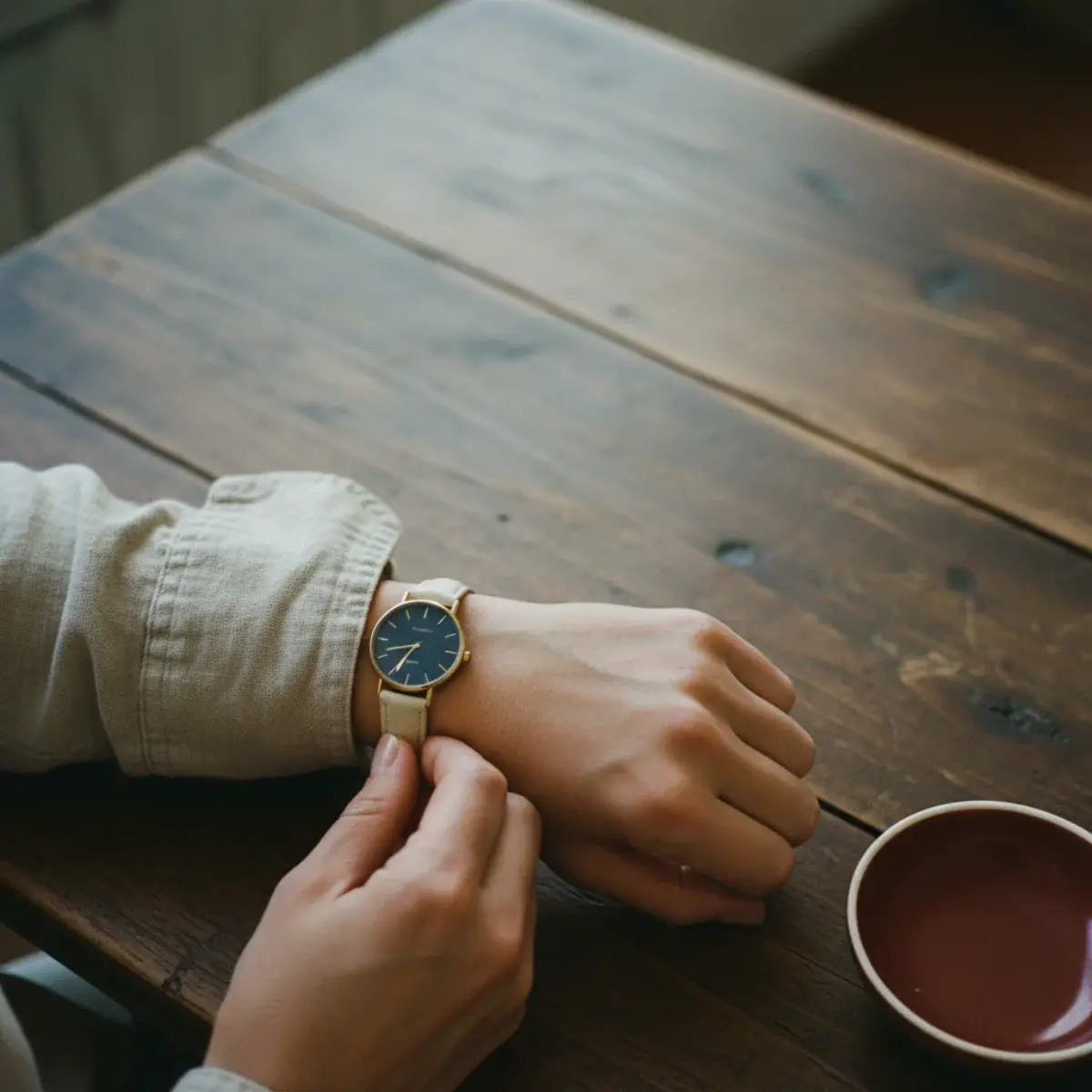 1600×1067
Accessories through the seasons
Accessories shift notably with the seasons, since many serve seasonal functions. In spring, light scarves, sunglasses, and the first sun hats suit the fresh, warming weather, in lighter fabrics and brighter or pastel tones. In summer, sun protection leads — sunglasses, sun hats, and lightweight scarves — alongside light, breezy accessories for the heat. In autumn, accessories turn cosier and richer — wool scarves, leather gloves, felt hats, and belts over layers — in the season's deep palette, the layering the fall outfits guide describes, where the cold gives every accessory a reason to exist. In winter, warmth leads — heavy scarves, warm gloves, hats — in the season's deep tones.
The seasonal shift is more pronounced for accessories than for clothing, because so many accessories are functional — sun protection in summer, warmth in winter — so the accessory wardrobe genuinely changes with the weather. The principle is to match accessories to the season's needs and palette: sun protection and light pieces in warm months, warmth and richness in cold ones, with a few year-round pieces (a versatile scarf, classic sunglasses, a leather belt) carrying across. Autumn and winter are the most accessory-rich seasons, since cold weather justifies scarves, gloves, and hats that warm weather doesn't need, while summer's accessories are lighter and fewer. Building an accessory wardrobe that covers the seasons' functions and palettes — sun pieces, cold-weather warmers, year-round neutrals — ensures you can finish outfits appropriately year-round, the same seasonal logic the site applies to clothing.
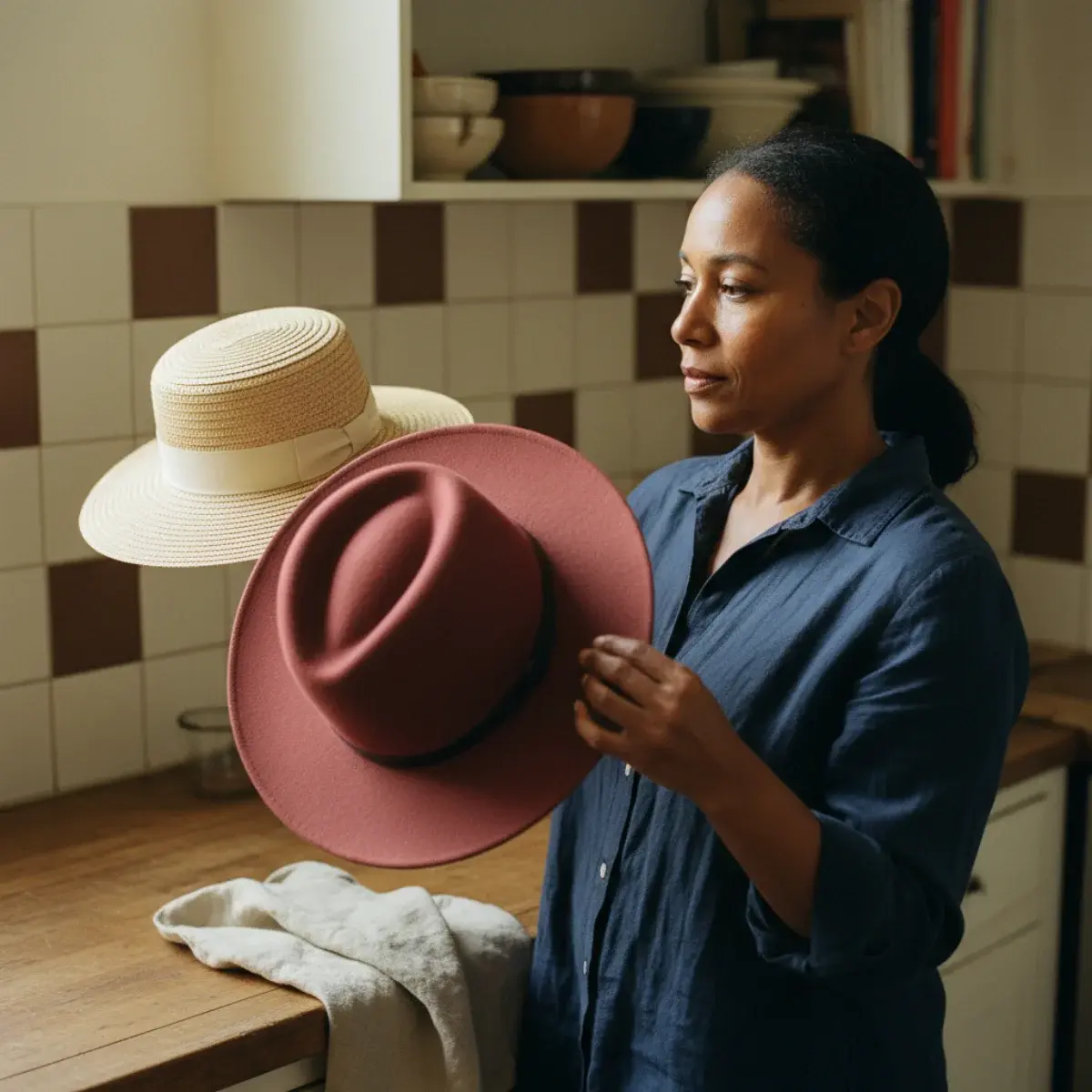 1600×1067
Building an accessory capsule
An accessory capsule, like a clothing or bag one, is a small set of versatile pieces that finish most outfits, and building one makes accessorising easy. Beyond the jewellery and bags covered in their own guides, the core accessory capsule includes: a scarf or two (a versatile silk square, a wool wrap for warmth), a belt or two (a classic leather belt, perhaps a statement one), sunglasses in a flattering shape, a hat for sun or style, and basics like gloves for cold weather. In neutral, classic styles, these finish most outfits and cover the seasons' functions.
This is the accessory expression of the capsule wardrobe logic: a few versatile, neutral, classic accessories produce a finished, personalised look for almost any occasion, where a drawer of single-use pieces does not, and versatility beats quantity. Build the neutral, classic foundation first, then add statement or seasonal pieces as accents. Accessories are also one of the most economical parts of a wardrobe to invest in and refresh, since a quality scarf or belt lasts for years and a new accessory updates outfits cheaply — the affordable way to refresh a look the fall outfits guide notes. A small, well-chosen accessory capsule, coordinated with your clothes, jewellery, and bags, means you can always finish and personalise an outfit appropriately, which is the goal. Build it once around your palette and classic styles, and accessorising becomes a quick, reliable finishing step.
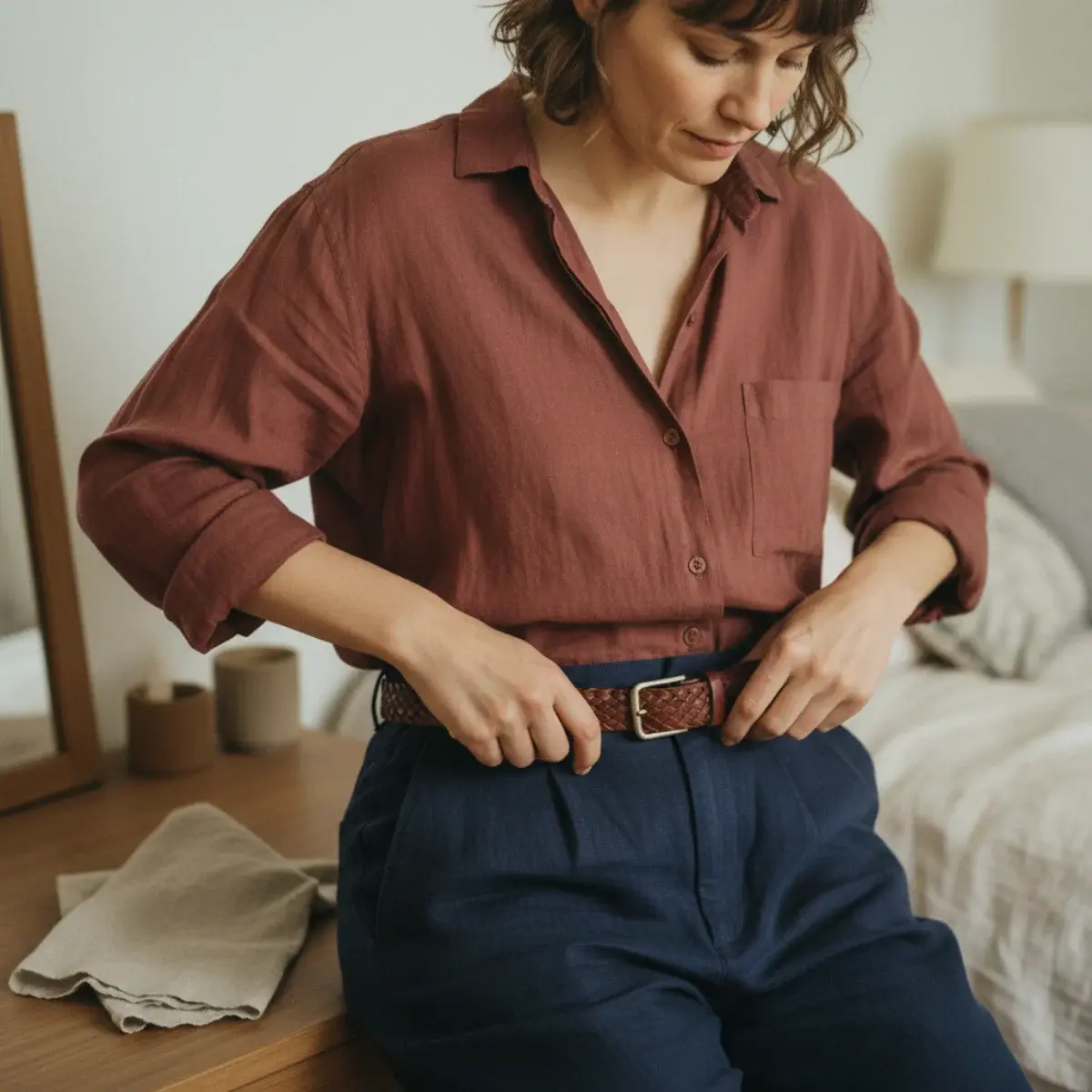 1600×1067
Caring for accessories
Accessories last and keep reading well only if cared for, and a little maintenance protects them. Store them properly: scarves folded or hung to avoid creasing, belts rolled or hung to keep their shape, sunglasses in cases to prevent scratching, hats stored to hold their form. Keep them clean: silk and wool scarves cleaned appropriately for the fabric, leather belts wiped and conditioned, sunglasses lenses cleaned gently, the maintain-what-you-own principle the old money outfits guide applies across the wardrobe. Protect delicate pieces: silk from snags and chemicals, suede and leather from water, fine pieces from rough handling.
The care pays off because clean, well-kept accessories finish a look while damaged, creased, or scratched ones undermine it — a pristine silk scarf or a conditioned leather belt elevates an outfit, while a creased or scuffed one detracts. Quality accessories especially reward care, since a good scarf, belt, or pair of sunglasses is an investment meant to last for years, and proper storage and cleaning keep them looking new. Rotating accessories rather than overusing one also extends their lives. A well-cared-for accessory collection — clean, properly stored, protected — stays ready to finish any outfit, which is what makes the capsule reliable over time and justifies investing in quality for the versatile core pieces, the same buy-well-and-maintain logic that runs through the site.
 1600×1067
Mixing and layering accessories
Wearing several accessories together can work beautifully when done with intention, and a few principles keep a layered accessory look coherent rather than cluttered. The key is the focal-point rule extended: one or two pieces lead, and any others are clearly supporting and coordinated. A scarf and a belt together can work when the scarf leads and the belt is simple, or vice versa, both within the palette. A hat and sunglasses pair naturally (both frame the face) when coordinated and not both bold. Layered scarves or stacked accessories read intentional when there's a clear logic of colour, texture, or theme tying them together.
The principle, as with layering jewellery, is that a combination of accessories must read as a composed whole with a clear focal point, not a competing pile — coordinated in colour and metal, with one or two pieces leading. A common successful combination is a few accessories that share a palette and an obvious coherence, so they read as one considered styling choice. The failure mode is several bold, unrelated accessories fighting for attention, which the focal-point-plus-coordination approach prevents. Mixing accessories well is the same balance-and-coordination skill scaled up: choose what leads, keep the rest supporting and coordinated, and a layered accessory look reads rich and intentional rather than overdone. Start with two coordinated pieces and build from there, keeping the focal-point balance, and accessory layering becomes a way to add depth and personality to a look.
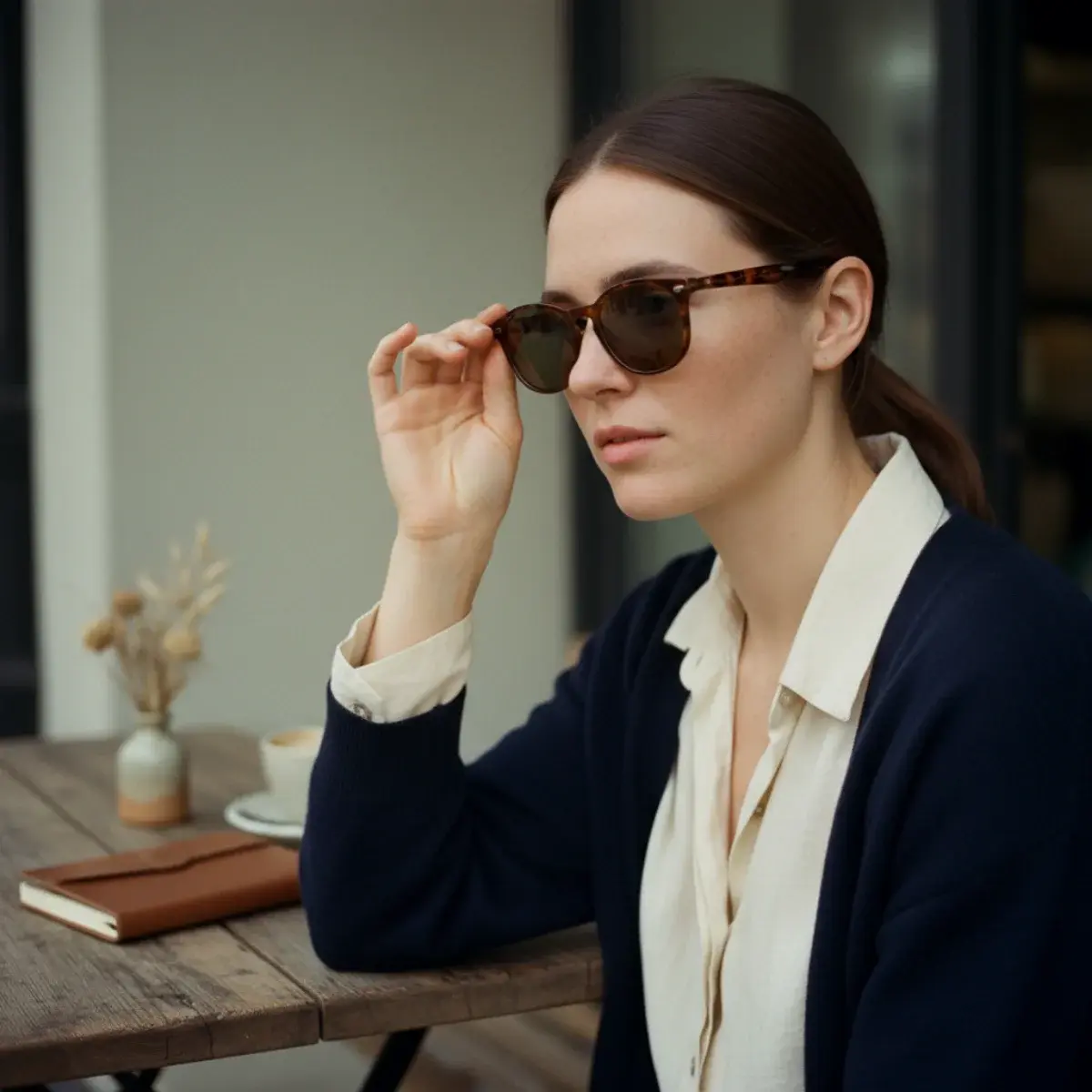 1600×1067
How to make accessories look expensive
A few choices make accessories read expensive regardless of price, and they're the same ones that make them last. Material leads: natural materials — silk, wool, and cashmere scarves; real leather belts and gloves; quality-feeling sunglasses — read richer than synthetic versions, so a silk scarf reads more expensive than a polyester one even at a glance. A classic, understated design reads timeless and costly, where loud logos, garish hardware, and overly trendy shapes read cheaper — the quiet-luxury principle the old money outfits guide describes, where the most expensive-looking accessories rarely announce a brand.
Condition matters as much as the piece: clean, uncreased, well-kept accessories read expensive, while creased scarves, scuffed belts, and scratched sunglasses undercut even genuinely pricey ones, which is why care is part of looking expensive. Coordination completes the effect: accessories that clearly coordinate with the outfit and each other read considered and costly, where random ones read cheap regardless of price. None of this requires real spending — a second-hand silk scarf, a quality leather belt, and classic-shaped sunglasses, kept clean and coordinated, out-read flashy logo-heavy pieces every time. Expensive-looking accessories are a matter of material, classic design, condition, and coordination far more than price, which means an elegant, expensive-looking accessory wardrobe is within almost any budget, especially buying quality classics second-hand. This is the accessory version of the look-expensive principle that runs through the site.
 1600×1067
Accessory styling mistakes to avoid
A few errors recur with accessories. Wearing too much at once is the most common — every bold piece competing, with no focal point, where choosing one or two pieces to lead and simplifying the rest reads elegant. Clashing colours or metals read as afterthoughts, where coordinating within the palette and matching metals ties the look together. The wrong dressiness — casual accessories with a formal outfit or fine ones with athleisure — mismatches, where matching the accessories' formality to the occasion fixes it. And the wrong proportion — a piece that overwhelms or gets lost against your frame — unbalances, where scaling accessories to flatter corrects it.
Two more round it out. Forgetting accessories entirely leaves an outfit slightly unfinished, where even one well-chosen piece completes it, and neglecting care — creased scarves, scuffed belts, scratched sunglasses — undercuts a look, where storage and cleaning keep accessories reading well. Each resolves the same way: choose one or two focal pieces, coordinate colour, metal, and dressiness, scale to flatter, finish the look, and care for the pieces. Styling accessories well is, like styling jewellery, mostly a matter of balance and coordination — one or two considered focal pieces, coordinated with the outfit and scaled to flatter, almost always read more polished than more. The finishing layer, chosen with this balance, is what turns a nice outfit into a complete, personalised look — and because accessories are so economical to buy and refresh, getting this right is one of the most accessible ways to dress well, transforming the clothes you already own with a few well-chosen, well-coordinated pieces.
Key takeaways
- 1Accessories finish a look through balance — choose one or two focal pieces and let the rest support, never everything at once.
- 2The main types beyond jewellery and bags — scarves, belts, sunglasses, hats, gloves — each add function and personality.
- 3Coordinate accessories with the outfit in colour, metal, and dressiness so they read as a considered whole.
- 4Scale accessories to flatter your frame and balance the outfit, and match their dressiness to the occasion.
- 5Build a versatile neutral accessory capsule and care for it — a few classic pieces finish most outfits, and a new one refreshes a look cheaply.
Where to go from here
This silo takes accessory styling deeper. Read how to style a scarf for the most versatile accessory, belt styling ideas for defining the waist, and sunglasses by face shape for choosing flattering frames. For the other finishing layers, see the jewellery styling guide and bag styling guide; for finishing outfits, how to put together an outfit and the capsule wardrobe guide. Vogue and Who What Wear publish reliable accessory styling coverage.
Frequently asked
- How do you style accessories?
- Choose accessories that finish and personalise an outfit without overwhelming it: pick one or two focal pieces and keep the rest supporting, coordinate colours and metals within your palette, match the accessories' dressiness to the occasion, and ensure they suit your proportions. Accessories like scarves, belts, hats, and sunglasses each add function and personality, but balance is key — a few well-chosen pieces read more polished than piling everything on.
- What accessories should every woman own?
- A versatile accessory capsule includes a scarf or two (a silk square, a wool wrap), a belt or two (a classic leather belt, a statement one), sunglasses in a flattering shape, a hat for sun or style, and basics like gloves for cold weather, alongside the jewellery and bags covered elsewhere. In neutral, classic styles, these finish most outfits and add function and personality across occasions and seasons.
- How many accessories should you wear at once?
- There's no fixed number, but the principle is balance: choose one or two focal accessories and keep the rest simple, rather than wearing every bold piece at once. Some outfits suit a single statement accessory; others carry a few coordinated pieces. The key is that the look reads intentional and balanced rather than cluttered — editing down is the most common improvement, as one or two considered accessories usually read more polished than many.
- How do you accessorise without overdoing it?
- Choose one focal point — a statement scarf, a bold belt, striking sunglasses — and let the rest support it, coordinate colours and metals so pieces work together, and edit down if a look feels cluttered. Match the accessories to the occasion and your proportions. The most common mistake is wearing too much at once; picking a focal piece and keeping everything else simple keeps accessories elegant and intentional rather than overwhelming.
- What is the difference between accessories and jewellery?
- Jewellery (necklaces, earrings, bracelets, rings) is one category of accessory, while 'accessories' more broadly includes scarves, belts, hats, sunglasses, gloves, and bags — items that finish and personalise an outfit beyond the clothing itself. Both finish a look and follow similar styling principles (a focal point, coordination, matching the occasion), but accessories beyond jewellery often add function — warmth, sun protection, defining the waist — as well as style.
- How do accessories change an outfit?
- Accessories finish and transform an outfit, adding personality, defining the silhouette, and shifting the dressiness — a belt defines the waist, a scarf adds colour and warmth, a hat adds polish or ease, sunglasses add cool. The same outfit reads differently accessorised differently, much as it does with different shoes or bags. Accessories are the finishing layer that personalises a look and can take it casual or dressy, plain or distinctive.
- How do I build an accessory collection on a budget?
- Buy versatile, neutral, classic accessories that work across outfits, shop second-hand for quality scarves, belts, and sunglasses, and build gradually around a coherent palette. Because a few versatile accessories finish many looks, a capsule approach is economical, and accessories are often an affordable way to refresh a wardrobe — a new scarf or belt updates an outfit without new clothes. Prioritise classic, quality pieces for the foundation.
Written by Marguerite Sterns, looksyra editorial. Last updated May 2026.
Everything in this guide
 Save
SaveMen's Accessories: The Small Things That Finish a Look
Read guide Save
SaveSunglasses by Face Shape: How to Find the Most Flattering Frames
Read guide Save
SaveBelt Styling Ideas: How to Use a Belt to Define & Finish a Look
Read guide Save
Save