The belt is the most transformative accessory for the silhouette — the one piece that can take a shapeless dress, an oversized coat, or a straight tunic and give it a waist, instantly changing the proportion and reading more put-together. Yet it's often treated as purely functional, threaded through trouser loops and forgotten, when it can define, finish, and even be the focal point of a look. The key is knowing where to place it, what width to choose, and how to use it across different pieces. This guide covers belt styling ideas for dresses, trousers, jeans, and coats, plus choosing belts and the proportion tricks that flatter. It builds on the principles in our accessories styling guide.
The principle this guide will hold: a belt's main power is defining the waist, and where you place it decides the effect — the natural waist is the most flattering, lengthening the legs and creating shape. Master placement and width, and a belt transforms the silhouette of almost anything.
What a belt does: defining the waist
A belt's defining power is to create or emphasise a waist, transforming the silhouette of an outfit. By cinching at the waist, a belt adds shape to a straight or shapeless piece — a shift dress, an oversized shirt, a straight coat — turning it from a column into an hourglass-ish shape with a defined middle. It lengthens the legs by marking the waist higher, especially when placed at or above the natural waist. And it finishes a look, adding a deliberate detail and reading as a considered styling choice. This silhouette-defining power is what makes the belt the most transformative accessory for shape.
Beyond defining the waist, a belt also serves as a finishing detail on pieces that already have a waist — threaded through trouser or jean loops — and can be a focal point as a statement piece. But its signature role is creating shape, which is why it's such a useful styling tool: a belt can rescue a shapeless outfit, update an oversized one, and flatter the figure by defining the waist, the silhouette-defining role the accessories styling guide describes. Understanding that the belt's main job is defining the waist — and that where it sits decides the effect — is the foundation of styling it well, and the placement and width choices that follow all serve this defining power. The belt is, above all, a shape tool.
 1600×1067
Where to place a belt: the proportion key
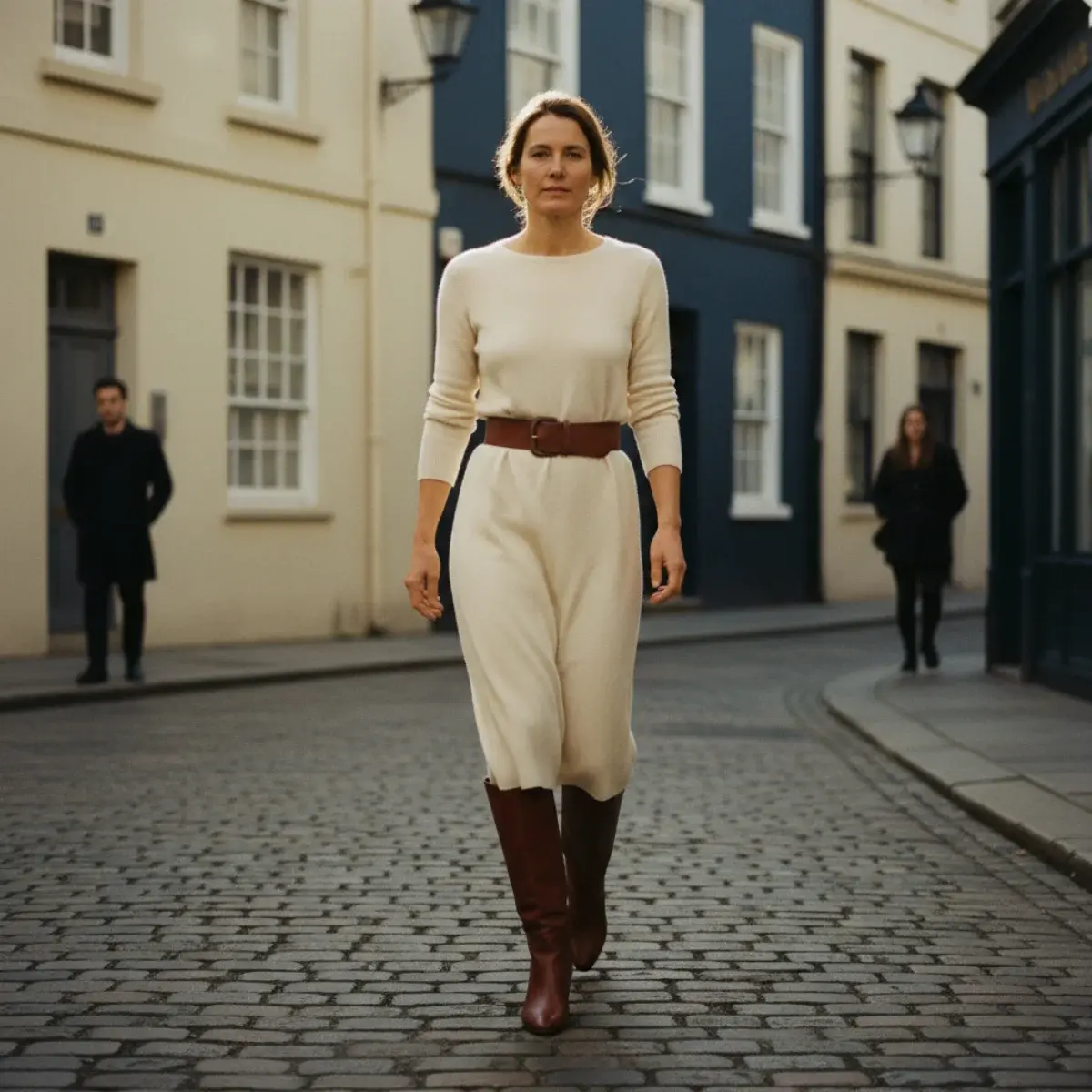
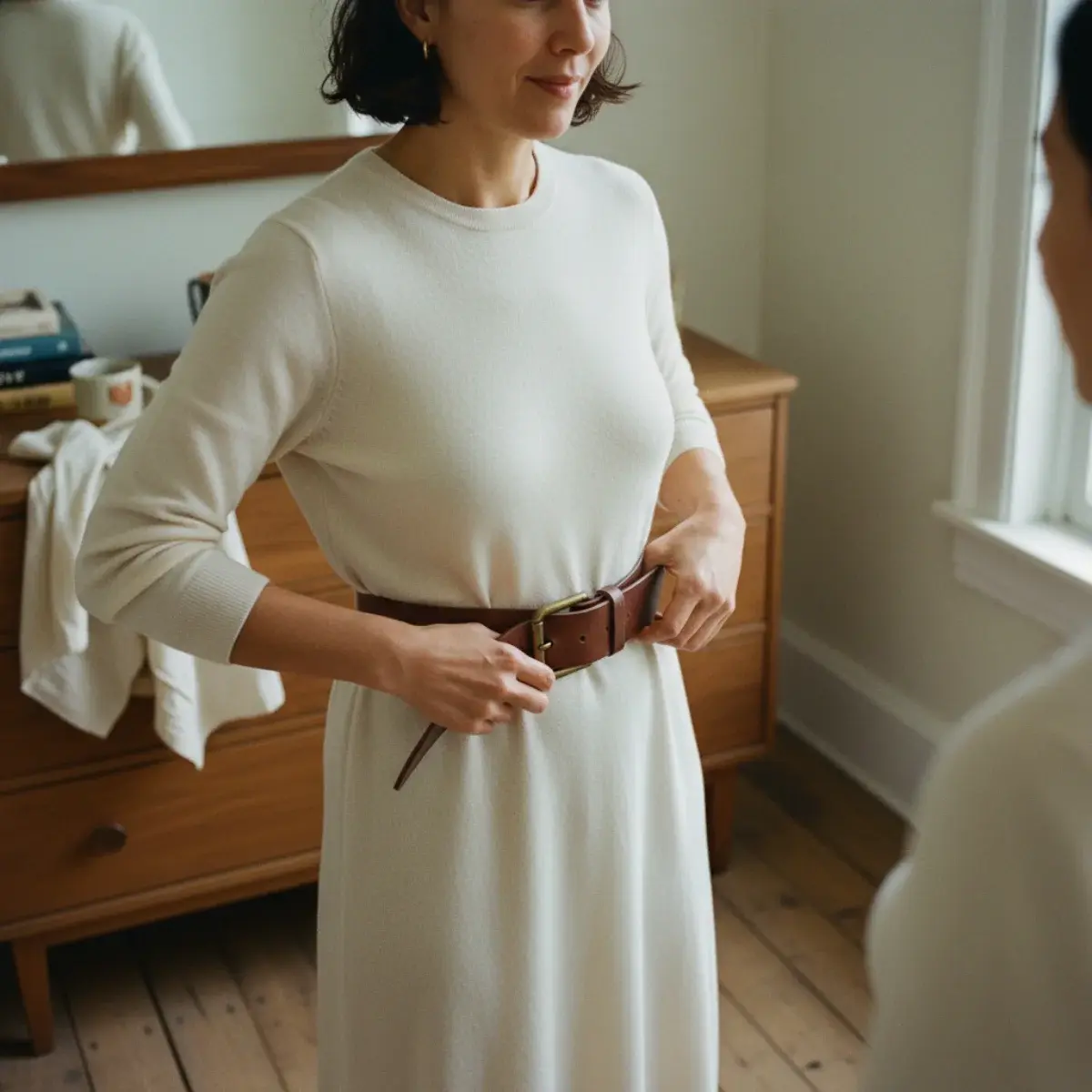
Where a belt sits is the single biggest factor in how it flatters, so placement is the proportion key. The natural waist — the narrowest part of the torso, around the navel or slightly above — is the most universally flattering placement, defining the waist at its narrowest point and lengthening the legs, suiting most looks and figures. A higher placement (empire or high waist, just under the bust or at the smallest point) lengthens the legs even more and suits high-waisted looks and some dresses. A lower placement (on the hips) reads more casual and relaxed, less defining, suiting a slouchier vibe.
The general guidance is to place the belt at the natural waist for the most flattering, lengthening, shape-defining effect, adjusting higher for more leg-lengthening or lower for a casual look as the outfit calls for. Placing a belt at the natural waist over a dress or layer creates the most balanced, flattering silhouette, where placing it too low or too high (unless deliberately) can be less flattering. This placement principle is the same proportion thinking the how to put together an outfit guide applies — using the belt to define the waist and balance the silhouette. Finding your natural waist and belting there is the most reliable flattering move, and it's why the same belt can flatter or not depending entirely on where it sits. Placement, more than the belt itself, decides the effect.
 1600×1067
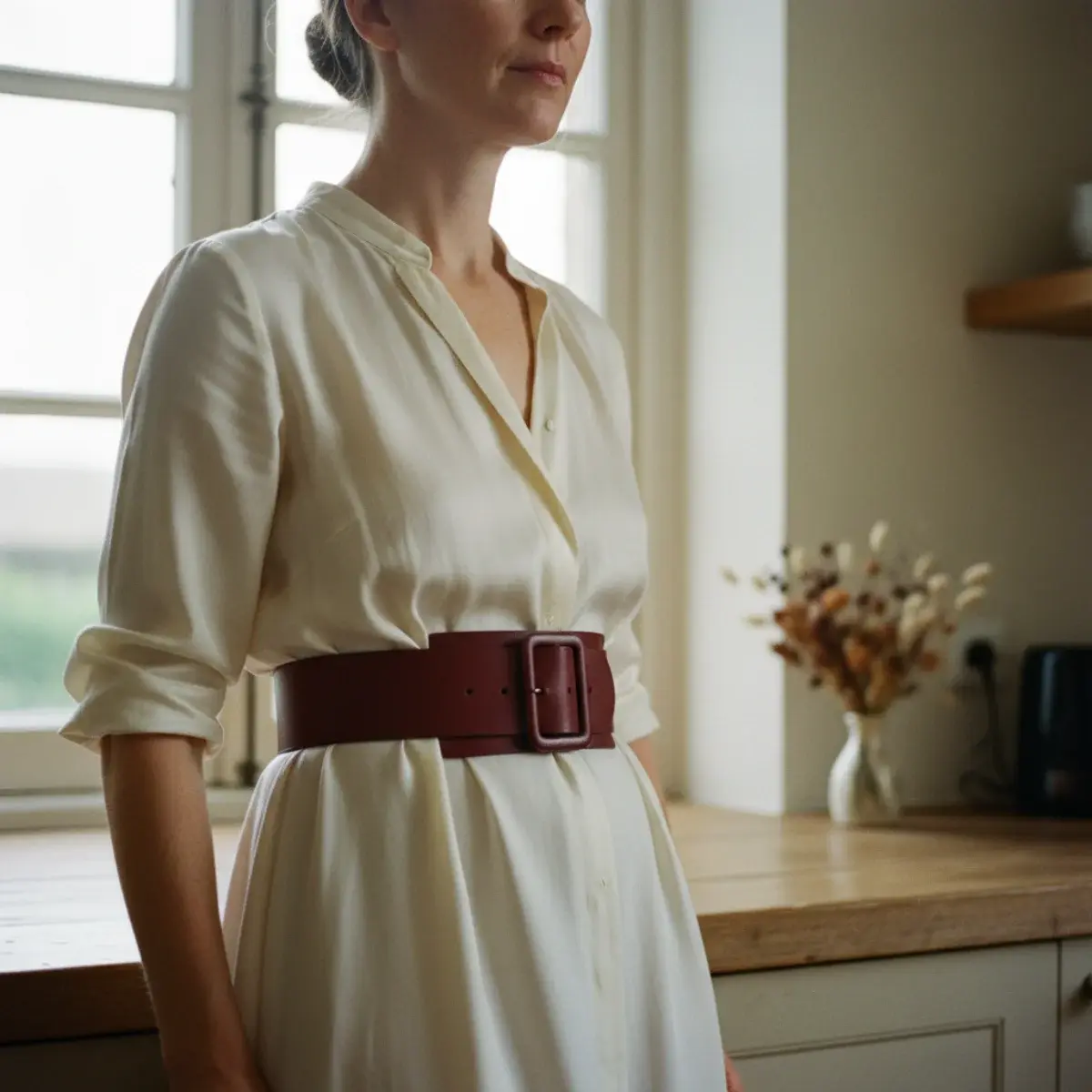
How to wear a belt over a dress
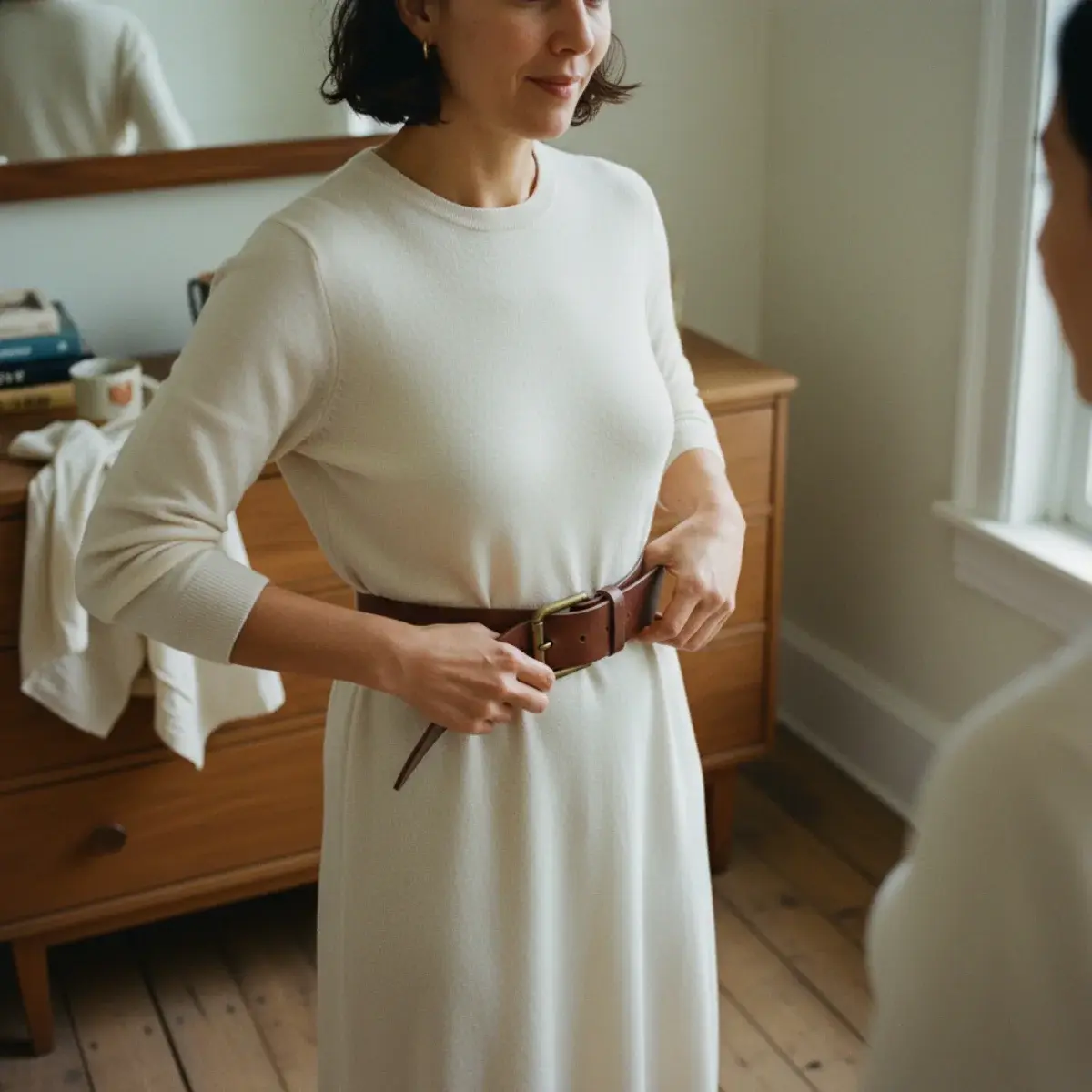
Belting a dress is one of the most transformative uses of a belt, giving shape to a dress that lacks a defined waist. Over a shift or straight dress, a belt at the natural waist creates an hourglass shape from a column, instantly more flattering and put-together. Over a shirt or wrap dress, a belt defines and emphasises the waist further. Over a maxi or midi dress, a belt adds shape and breaks up the length. The width sets the effect: a fine belt gives a subtle cinch suiting delicate dresses, while a wider belt defines more strongly and makes more of a statement.
The placement principle is key here — belting at the natural waist (or slightly above for leg-lengthening) creates the most flattering shape, the proportion logic above. Coordinating the belt with the dress — matching or complementing its colour, or coordinating with the shoes — ties the look together, and a statement belt can be the focal point over a plain dress, the focal-accent role from the accessories styling guide. Belting a dress is a quick way to transform a shapeless or casual dress into a defined, put-together look, and it's one of the most useful belt applications — a plain shift becomes a shaped, intentional outfit with a single belt at the waist. For adding shape to dresses that lack it, the belt is the simplest, most effective tool, which is why it's such a valued styling move.
 1600×1067
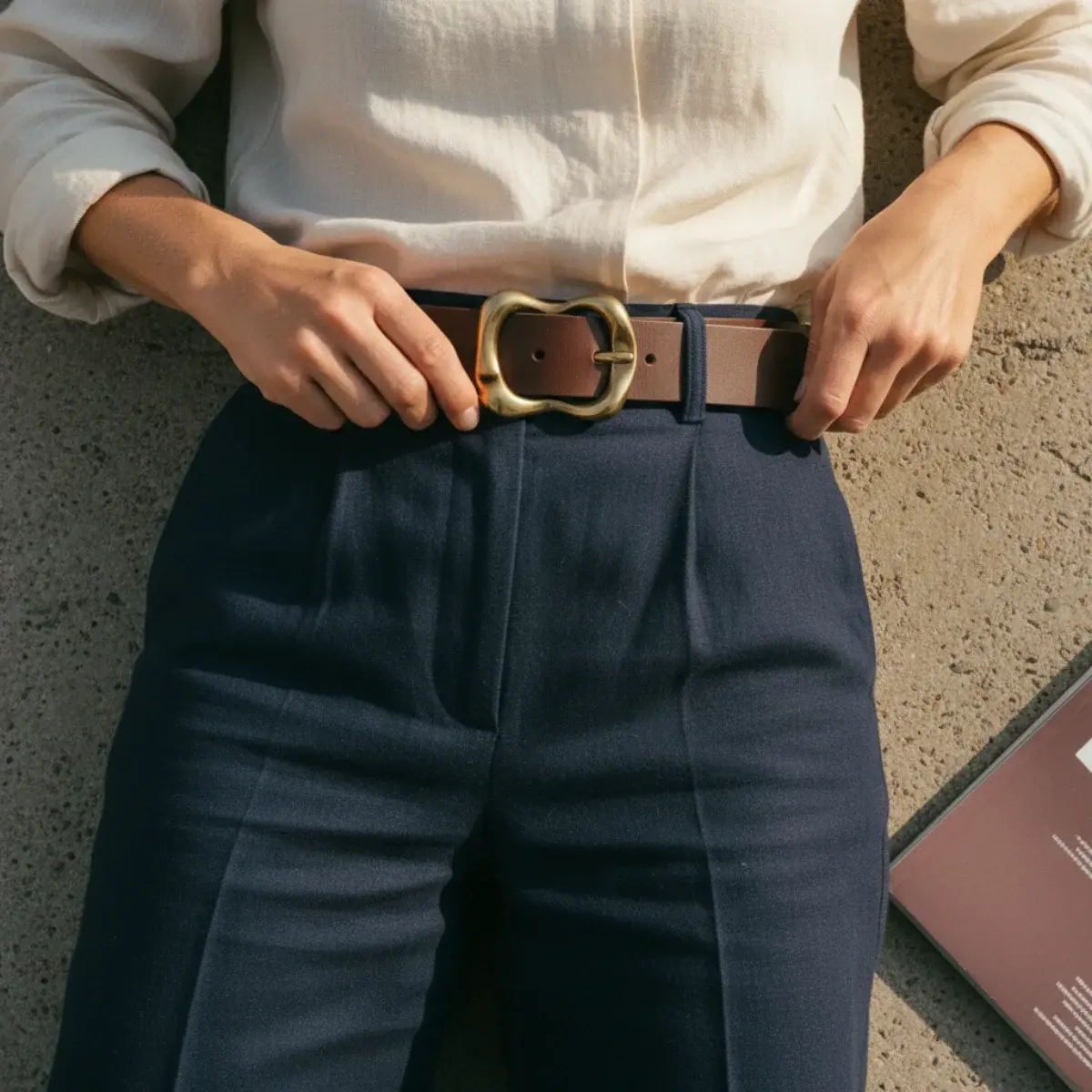
How to wear a belt with trousers and jeans
With trousers and jeans, a belt threads through the loops as a finishing detail and to define the waist, and the choice sets the look's register. A classic leather belt — black, brown, or tan — is the everyday choice, finishing trousers and jeans neatly and reading polished, the versatile foundation belt. A sleek thin belt reads refined and dressy, suiting tailored trousers; a wider or statement belt makes a focal point and defines more strongly. The belt finishes the waistline of trousers and jeans and adds a deliberate detail, especially when the top is tucked to show the waist.
Coordinating the belt with the look matters: matching the belt's dressiness to the outfit (sleek leather for polished, casual for relaxed), its colour with the shoes or palette, and its metal hardware with other accessories ties everything together, the coordination the accessories styling guide describes. A tucked top with a belted waist reads more put-together than an untucked, beltless one, since it defines the waist and finishes the line, the proportion thinking from how to put together an outfit. For trousers and jeans, a classic leather belt in a neutral is the everyday workhorse, finishing the look and coordinating with the shoes, while a statement belt can elevate a simple trouser outfit into something with a focal point. The belt with trousers and jeans is both functional and finishing, defining the waist and adding the considered detail that completes the look.
 1600×1067
How to belt a coat, cardigan, or layer
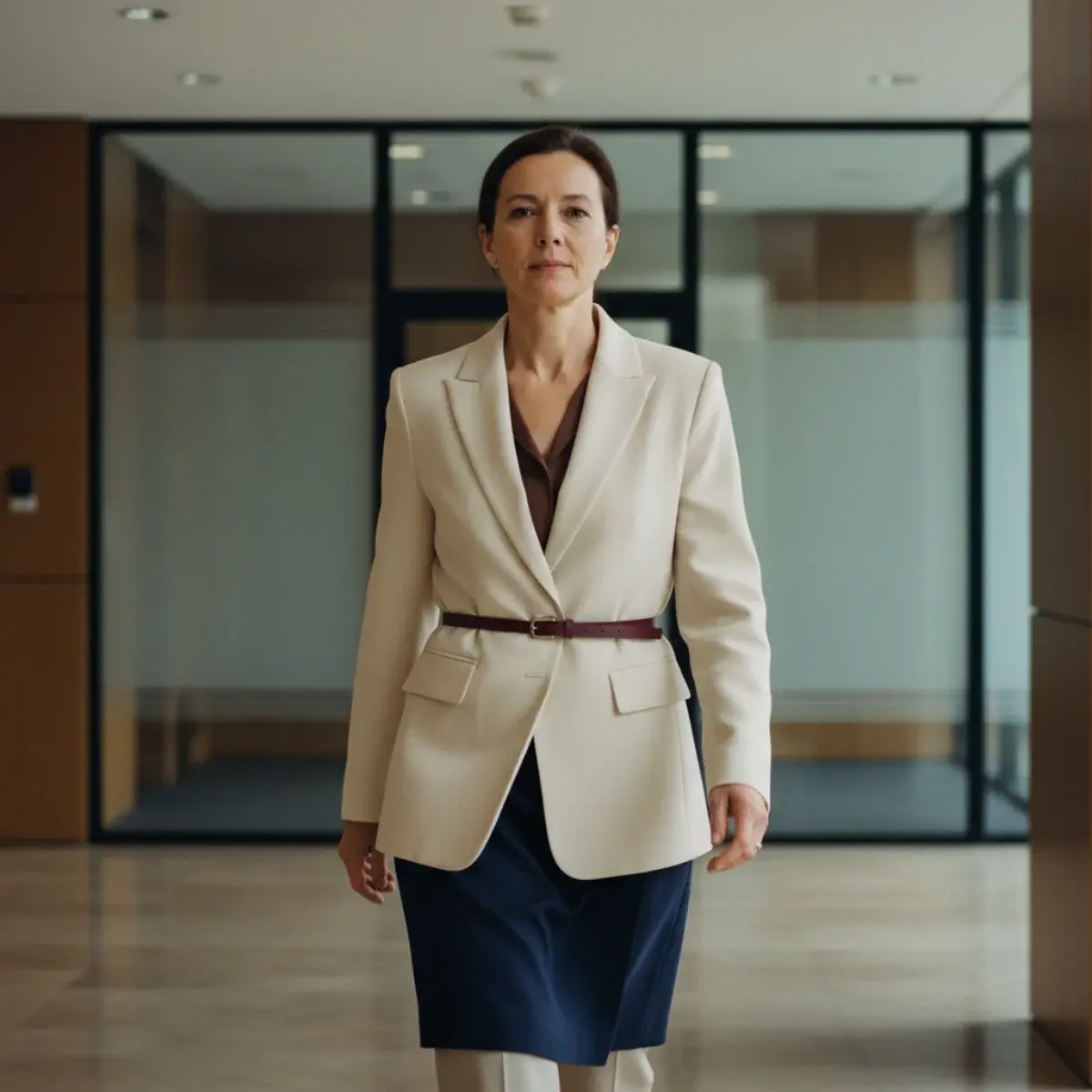
Belting outerwear and layers is an underused move that defines the waist over a coat, cardigan, or blazer and updates a straight or oversized layer. Using a coat's own belt (on a trench or wrap coat) or adding a separate belt over a coat, cinched at the natural waist, turns a straight or boxy coat into a fitted, shaped one, reading polished and intentional. The same works over a cardigan — belting a long or oversized cardigan defines the waist and creates a put-together layered look — or over a blazer for a defined, fashion-forward silhouette.
This is a great way to add shape over layers and outerwear, where the bulk of a coat or cardigan would otherwise read shapeless, and to update an oversized or straight layer into something fitted. Belting a coat at the natural waist is the most flattering placement here too, the proportion principle throughout, and coordinating the belt with the coat (matching or contrasting deliberately) ties it together. A belted coat reads more polished and intentional than an unbelted straight one, and it's a simple way to refresh outerwear — a separate belt over a plain coat updates the whole look, the affordable-refresh role accessories play, as the accessories styling guide notes. For defining shape over coats, cardigans, and layers, belting is a transformative, underused move, turning shapeless outerwear into a fitted, considered silhouette with a single belt at the waist.
 1600×1067
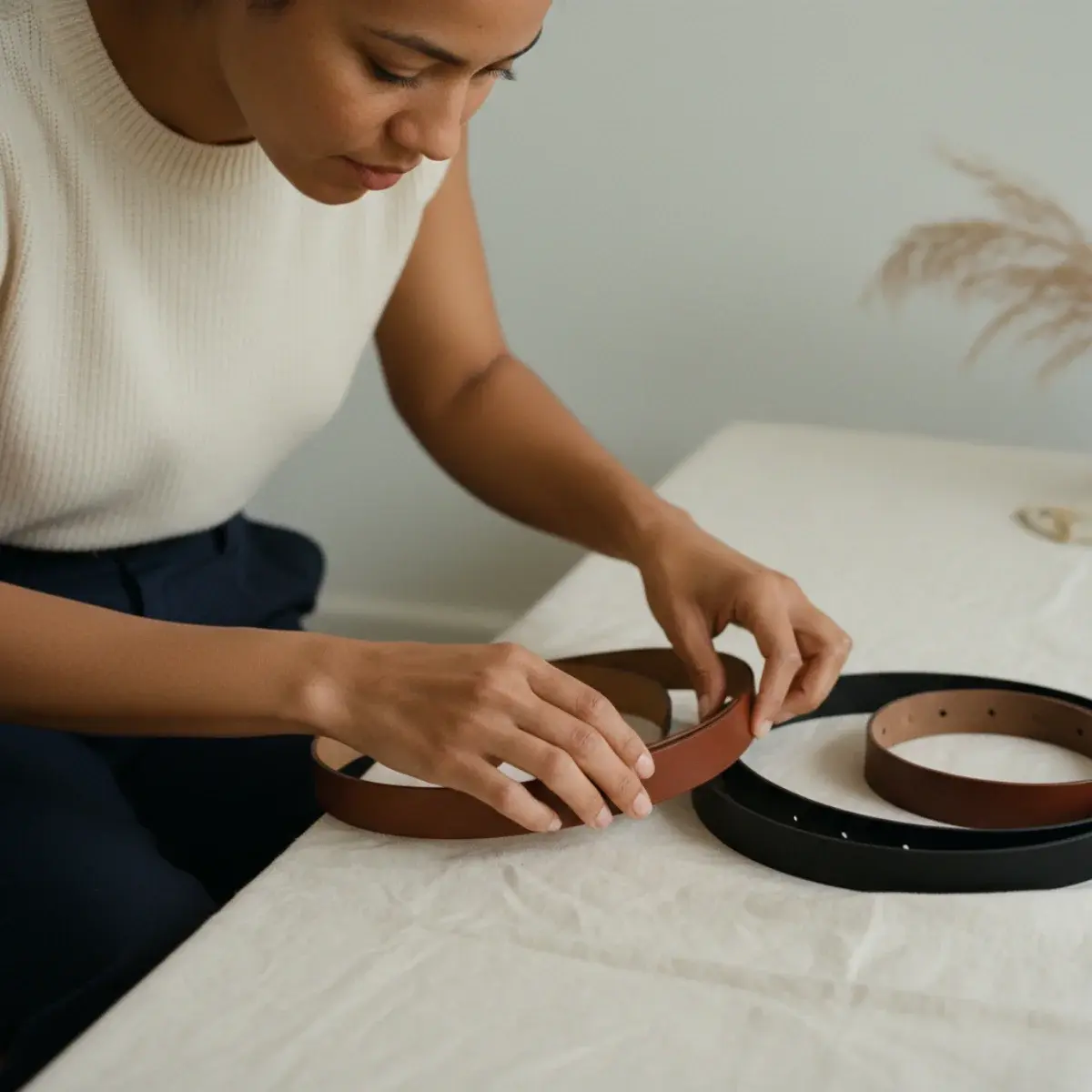
Choosing belts: width, colour, and style
The right belts depend on use, and a few features guide the choice. Width sets the effect and dressiness: a fine, thin belt gives subtle definition and reads delicate and refined, suiting dresses, knits, and smaller frames; a medium belt is the versatile default, defining the waist without overwhelming; a wide belt defines strongly and makes a statement but can shorten the torso if too wide, so it suits longer torsos and bolder looks. Choosing a width that defines the waist while balancing your proportions is the key — medium is the safe, versatile choice for most.
Colour drives versatility: a classic leather belt in a neutral — black, brown, tan — goes with the most outfits and is the foundation, while a coloured or statement belt is a focal accent, the neutral-foundation-plus-accent logic from the accessories styling guide. Style and material set the dressiness: sleek leather for polished, casual or woven for relaxed, statement (bold buckle, distinctive design) for a focal point. For the belts to own, a classic neutral leather belt for everyday and trousers, a fine belt for subtle waist definition over dresses and knits, and perhaps a statement belt as an accent cover most needs, in classic styles and quality leather that lasts — the buy-well-for-the-foundation thinking the old money outfits guide describes. A quality leather belt is a lasting investment, and a few versatile belts — a classic neutral, a fine one — finish most looks and define the waist across occasions.
 1600×1067
Belt outfit ideas
These looks use a belt to define and finish.
- A fine belt cinching a shift dress at the natural waist for instant shape.
- A classic leather belt finishing tucked tailored trousers and a blouse.
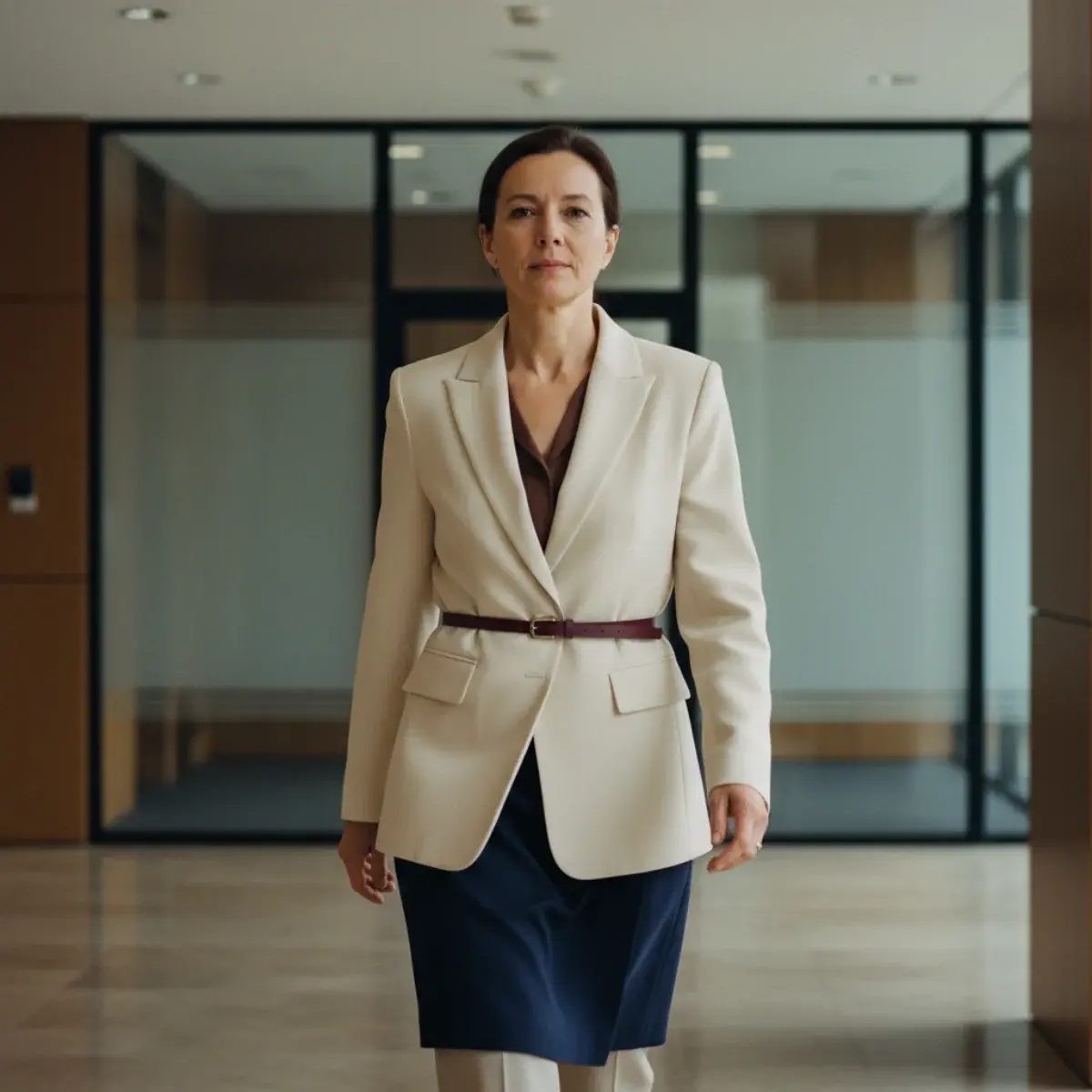
- A separate belt over a straight wool coat, defining the waist for autumn.
- A statement belt as the focal point over a plain knit dress.
- A leather belt with high-waisted jeans and a tucked tee, coordinating with the shoes.
- A fine belt over an oversized shirt, cinched at the waist with trousers.
- A belted cardigan over a dress for a defined, layered look.
- A wide belt defining the waist over a maxi dress to break up the length.
Each look places the belt at the flattering natural waist (or as the look calls for), chooses a width suited to the piece and frame, coordinates the belt with the outfit, and uses it to define the waist or finish the line. A statement belt leads as a focal point with the rest simple, the balance the accessories silo turns on.
 1600×1067
Belt styling mistakes to avoid
A few errors keep a belt from flattering. Wrong placement is the biggest — a belt too low (when definition is wanted) or awkwardly placed misses the flattering effect, where belting at the natural waist defines and lengthens. Wrong width for the frame or look — a very wide belt shortening a shorter torso, or a fine belt lost on a bold look — unbalances, where a medium versatile width or one suited to your proportions corrects it. A clashing colour or metal reads as an afterthought, where coordinating the belt with the shoes, palette, and other accessories ties it together. And a worn or cheap-looking belt undercuts an outfit, where a quality leather belt elevates it.
Two more round it out. Forcing a belt where it doesn't suit — over a piece that reads better unbelted — isn't always necessary, where using a belt only when it defines or finishes well is the judgement, and over-cinching uncomfortably or unflatteringly tightly looks forced, where a comfortable, natural cinch reads better. Each resolves the same way: place the belt at the flattering natural waist, choose a width suited to the piece and your frame, coordinate the colour and metal, use quality leather, and belt when it genuinely defines or finishes. The belt is the most transformative accessory for the silhouette, and styling it well comes down mostly to placement and width — belting at the natural waist in a flattering width defines the waist and finishes a look, turning the simplest belt into a powerful shape tool.
Key takeaways
- 1A belt's main power is defining the waist, and placement decides the effect — the natural waist is the most flattering and leg-lengthening.
- 2Belting a dress at the natural waist transforms a shapeless shift into a defined, put-together shape.
- 3With trousers and jeans, a belt finishes the waist and adds a detail — a classic neutral leather belt is the everyday workhorse.
- 4Belting a coat, cardigan, or layer defines the waist and updates a straight or oversized piece into a fitted one.
- 5Medium width is the versatile default; choose a width that defines without overwhelming, and coordinate the belt with your shoes and accessories.
Where to go from here
The belt is the silhouette-defining accessory. For others, read how to style a scarf for the most versatile accessory and sunglasses by face shape for flattering frames. For the accessory principles beneath them, see the accessories styling guide; for the other finishing layers, the jewellery styling guide and bag styling guide; for using the belt to balance proportion, how to put together an outfit. Vogue and Who What Wear publish reliable belt styling coverage.
Frequently asked
- How do you style a belt?
- Use a belt to define the waist and finish a look: cinch it over a dress, shirt, or knit to create shape, thread it through trouser or jean loops as a finishing detail, or belt a coat or cardigan to define the silhouette. Choose the belt's width and style to suit the look — a fine belt for subtle definition, a wider or statement belt for more presence — and coordinate it with the outfit and your other accessories.
- How do you wear a belt over a dress?
- Cinch a belt at the natural waist (the narrowest point) over a dress to define the shape, choosing a belt width that suits the dress — a fine belt for a subtle cinch, a wider one for more definition. A belt over a shift, shirt, or wrap dress creates a waist and changes the silhouette. Place it at or slightly above the natural waist for the most flattering, lengthening effect, and coordinate the belt with the dress or shoes.
- Where should a belt sit on your waist?
- For the most flattering effect, a belt usually sits at the natural waist — the narrowest part of the torso, around the navel or slightly above — which defines the waist and lengthens the legs. A higher placement (empire or high waist) lengthens the legs more and suits some looks, while a lower placement (on the hips) reads more casual. The natural waist is the most universally flattering placement for defining the silhouette.
- What width belt is most flattering?
- It depends on the look and your frame, but a medium-width belt is the most versatile, defining the waist without overwhelming. A fine, thin belt gives subtle definition and suits delicate looks and smaller frames; a wide belt makes a statement and defines strongly but can shorten the torso if too wide. Choosing a width that defines the waist while balancing your proportions is the key — medium is the safe, versatile default.
- How do you wear a belt with jeans or trousers?
- Thread a belt through the loops of jeans or trousers as a finishing detail and to define the waist — a classic leather belt for everyday, a statement belt as a focal point. Match the belt's dressiness to the look (a sleek leather belt for polished, a casual one for relaxed) and coordinate its colour and metal with your shoes and other accessories. A belt finishes a trouser or jean look and adds a defining detail at the waist.
- Can you belt a coat or cardigan?
- Yes — belting a coat or cardigan defines the waist and changes the silhouette, turning a shapeless layer into a fitted one. Use the coat's own belt, or add a separate belt over a coat, cardigan, or blazer, cinching at the natural waist. This is a great way to define shape over outerwear and layers, and to update a straight or oversized coat. A belted coat reads polished and intentional.
- What belts should I own?
- A versatile belt wardrobe includes a classic leather belt in a neutral (black, brown, or tan) for everyday and trousers, a fine belt for subtle waist definition over dresses and knits, and perhaps a statement belt as a focal accent. In classic styles and neutral colours, these define the waist and finish looks across occasions. A quality leather belt is a lasting investment, and a few versatile belts cover most needs.
Written by Marguerite Sterns, looksyra editorial. Last updated May 2026.