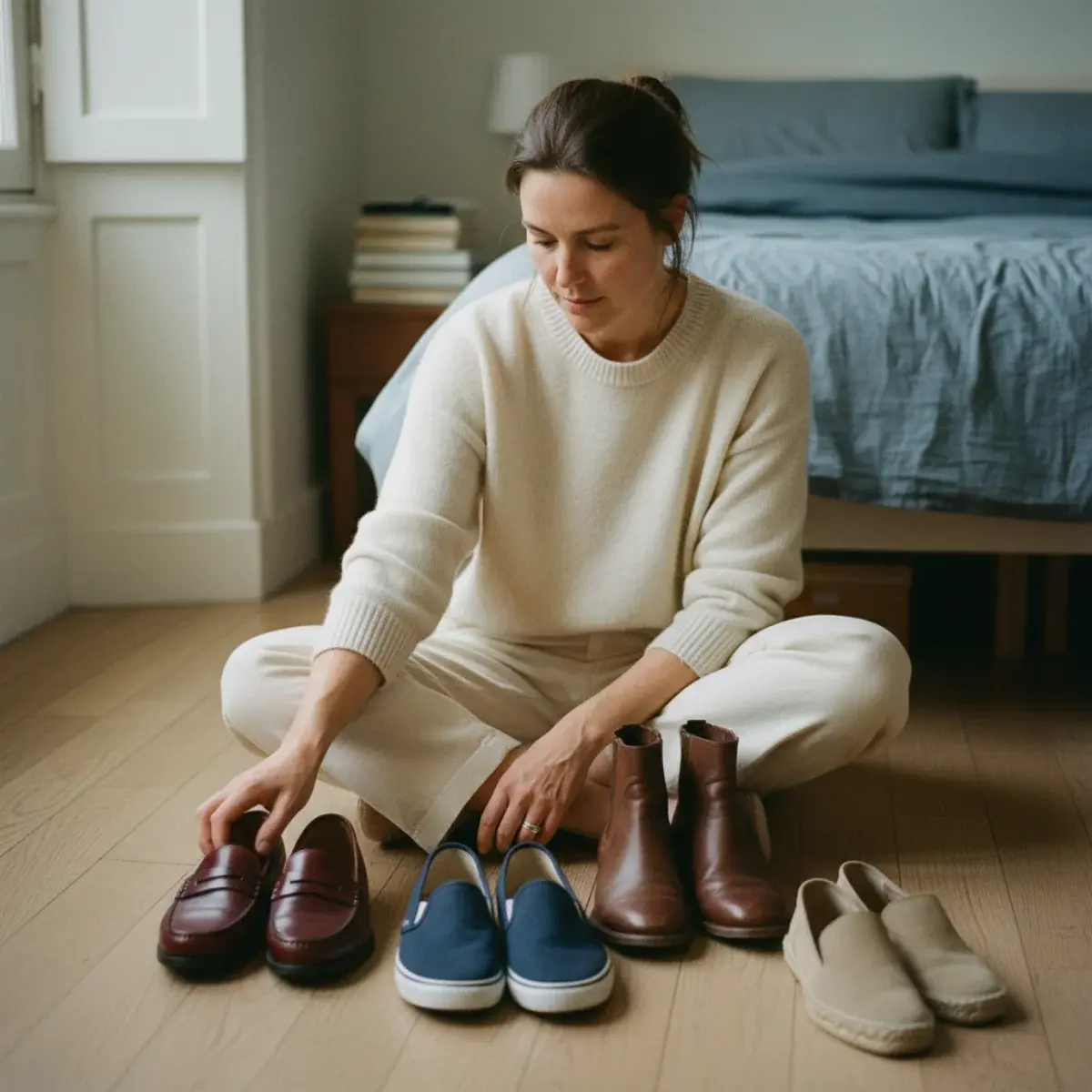
Shoes are the most underestimated piece in any outfit — people will agonise over a top and then finish the look with whatever is by the door, not realising that the shoe has just decided what the entire outfit is. The same dress is casual with trainers, polished with loafers, and dressy with heels; the shoe sets the tone, and getting it wrong undoes everything above it. This guide treats footwear with the seriousness it deserves: how shoes shape an outfit, the essential shoe wardrobe to own, and exactly which shoes to wear with dresses, jeans, trousers, and skirts.
The principle this whole guide rests on, and the hill it will die on: the shoe sets the outfit's tone, so choose it as a decision, not an afterthought. Decide what level of dressed-up you want, and the shoe is how you get there — which means the shoe is often the first thing to choose, not the last. Most people work the other way, building an outfit and then grabbing whatever shoe is nearest, which is exactly how a considered look gets undone at the final step; reverse the habit and your outfits improve immediately.
How shoes shape an outfit
Shoes do more to determine an outfit's character than almost any other piece, because they set its dressiness and energy at a glance. A single base outfit transforms entirely with the footwear: jeans and a knit read weekend-casual with trainers, smart-casual with loafers, and dressy with heeled boots, without changing anything above the ankle. This is why the shoe is one of the most powerful styling levers you have — it can take a versatile base in either direction, which is exactly what makes a small wardrobe produce many different looks.
Footwear is also one of the first things people notice and one of the quickest tells of whether an outfit was considered. Clean, appropriate shoes signal intention; worn, mismatched, or wrong-for-the-occasion shoes undermine an otherwise good outfit instantly. The practical implication is that shoes deserve to be a deliberate choice rather than an afterthought, and often the first choice — deciding the shoe early sets the dressiness the rest of the outfit then matches. Understanding that the shoe shapes the whole look is the foundation of styling footwear well, and everything else in this guide builds on it.
 1600×1067
The essential shoe wardrobe
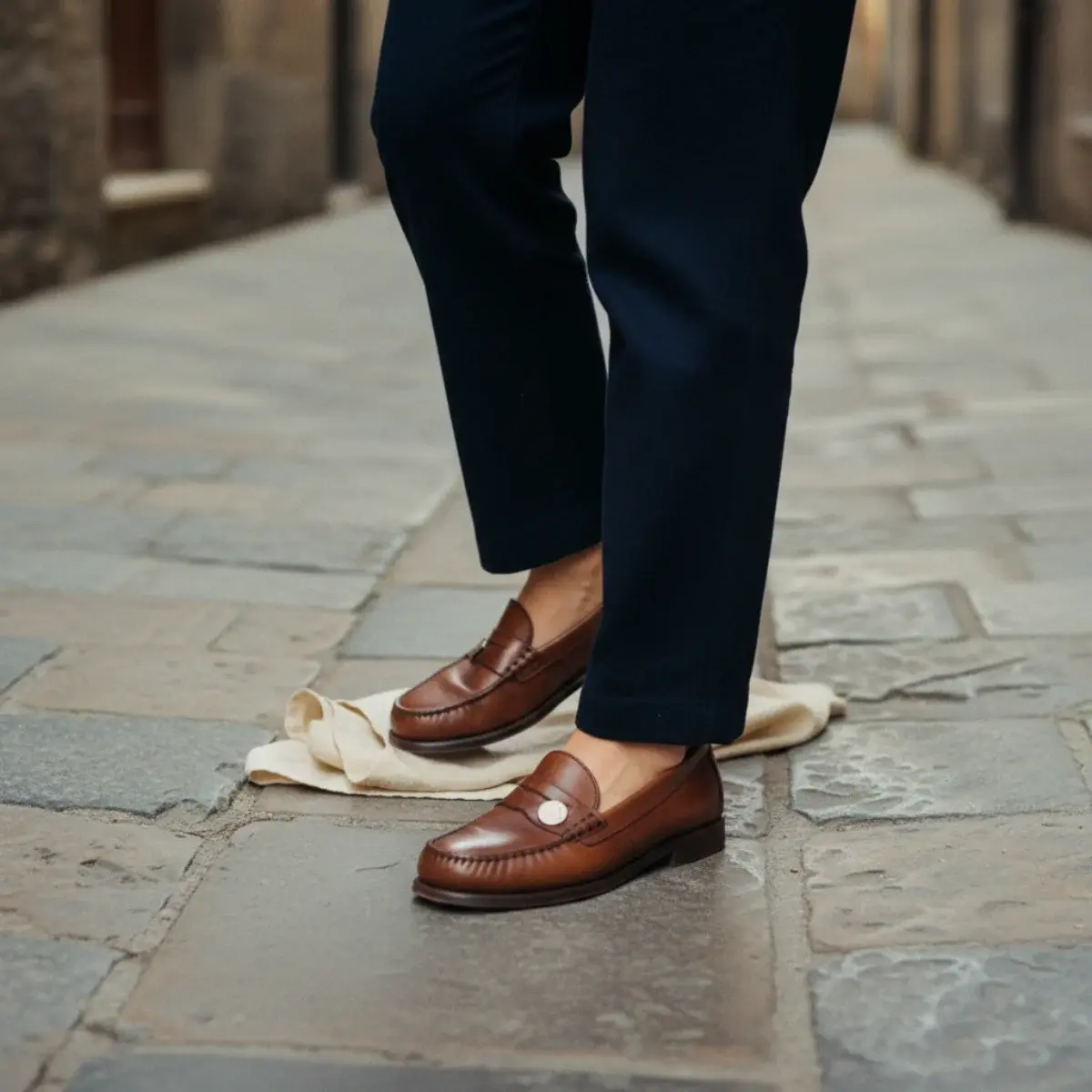
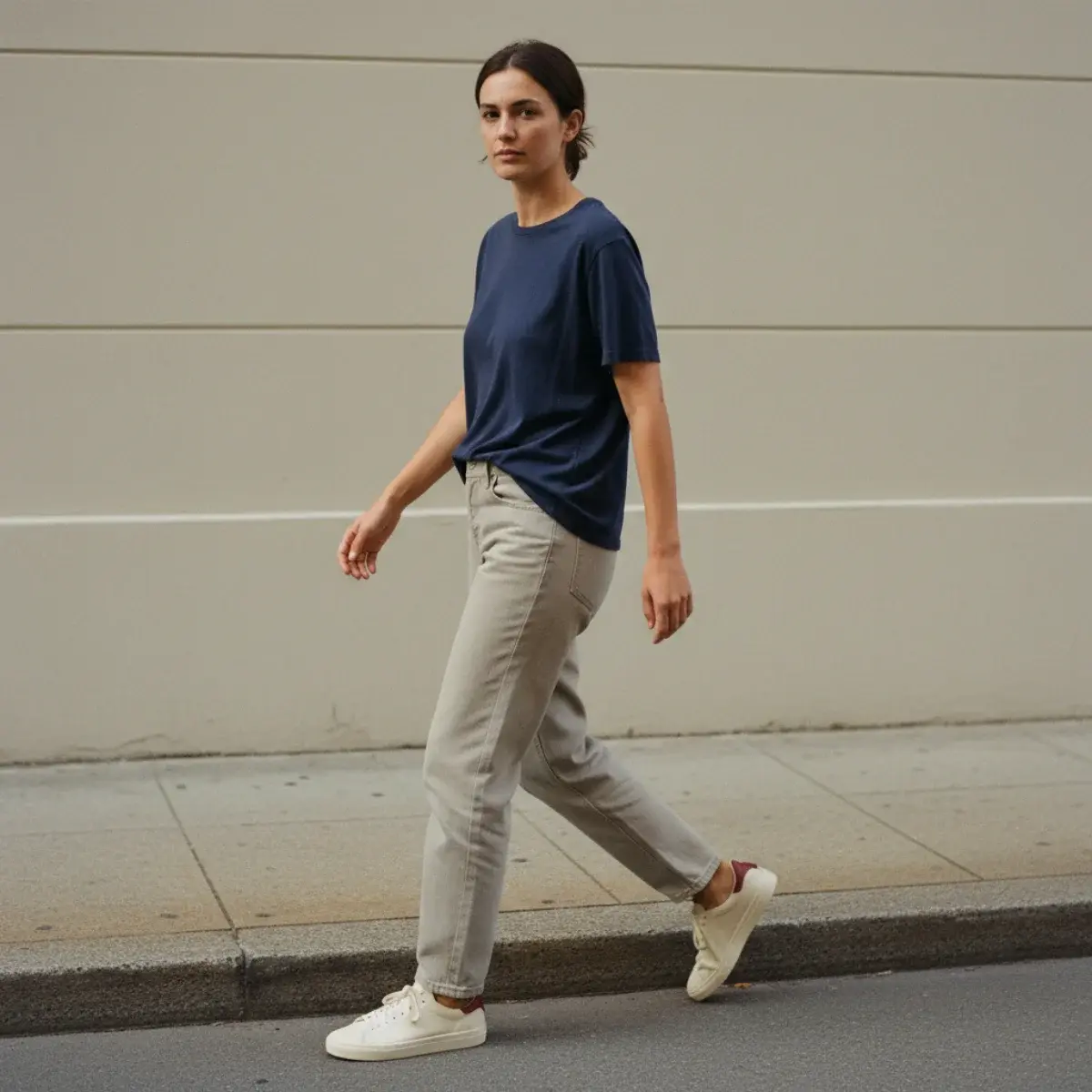
A versatile shoe collection, like a clothing capsule, rests on a handful of pieces that cover most needs and pair with most outfits. The core set is short. A clean leather trainer handles casual and smart-casual and goes with nearly everything. A loafer or ballet flat gives a polished flat option for work and elevated casual. An ankle boot covers autumn, winter, and transitional weather across casual and dressy. A knee-high or tall boot handles cold weather and styles beautifully with dresses and skirts. A heel — a pump or heeled sandal — covers dressy and occasion wear. And a flat sandal handles warm weather and casual summer looks.
In neutral tones — black, brown, tan, white, nude — these six or so pairs cover casual, work, dressy, and seasonal needs and coordinate with almost any outfit, which is the whole point. As with a clothing capsule wardrobe, versatility beats quantity: a few well-chosen, neutral, well-made pairs produce more outfits than a closet of single-use shoes, and they last longer because quality leather endures. Build this foundation first, in neutrals and good materials, then add colourful or statement pairs as accents. The essential shoe wardrobe is the footwear expression of the same fewer-better-pieces logic that runs through the old money outfits guide.
 1600×1067
A tour of the main shoe styles
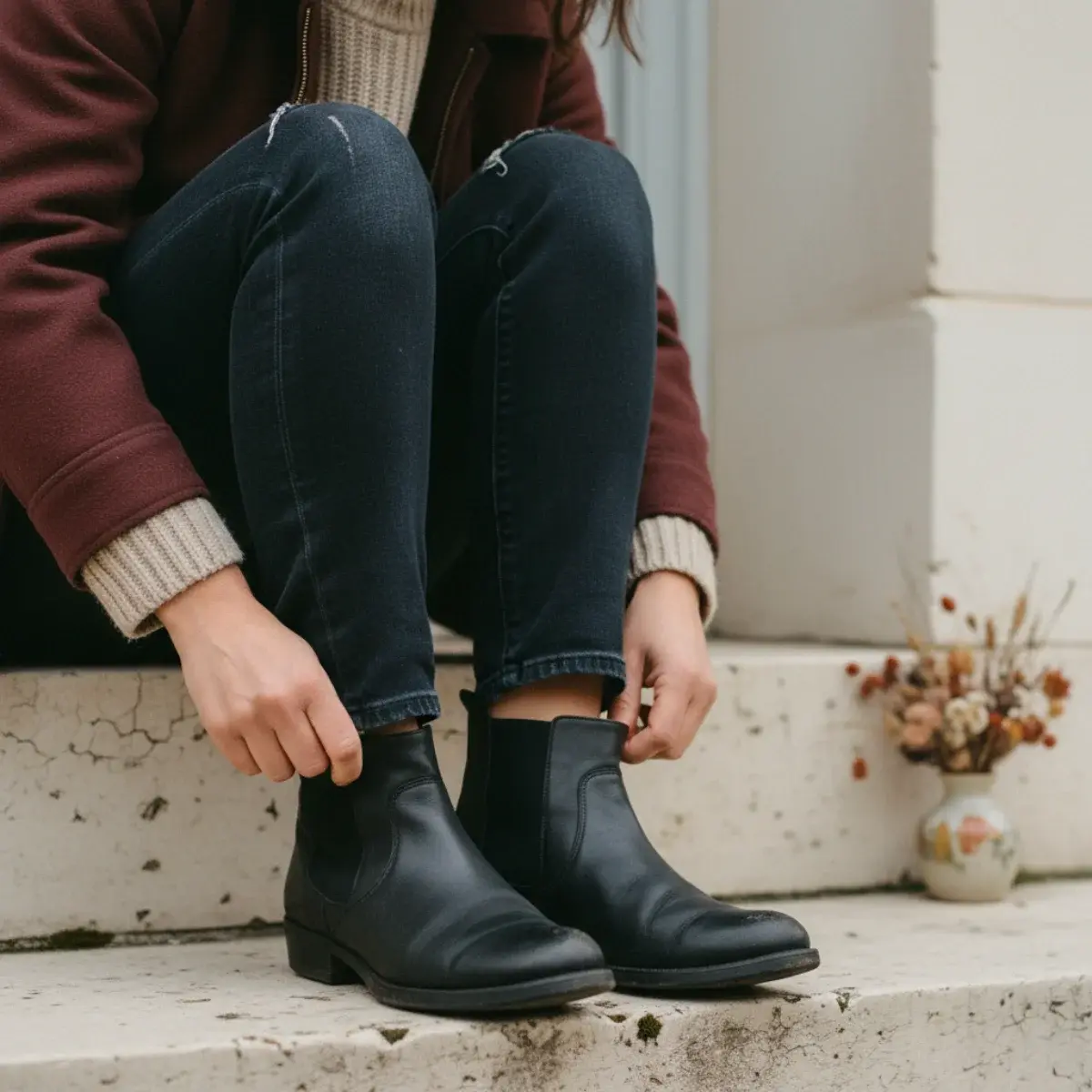
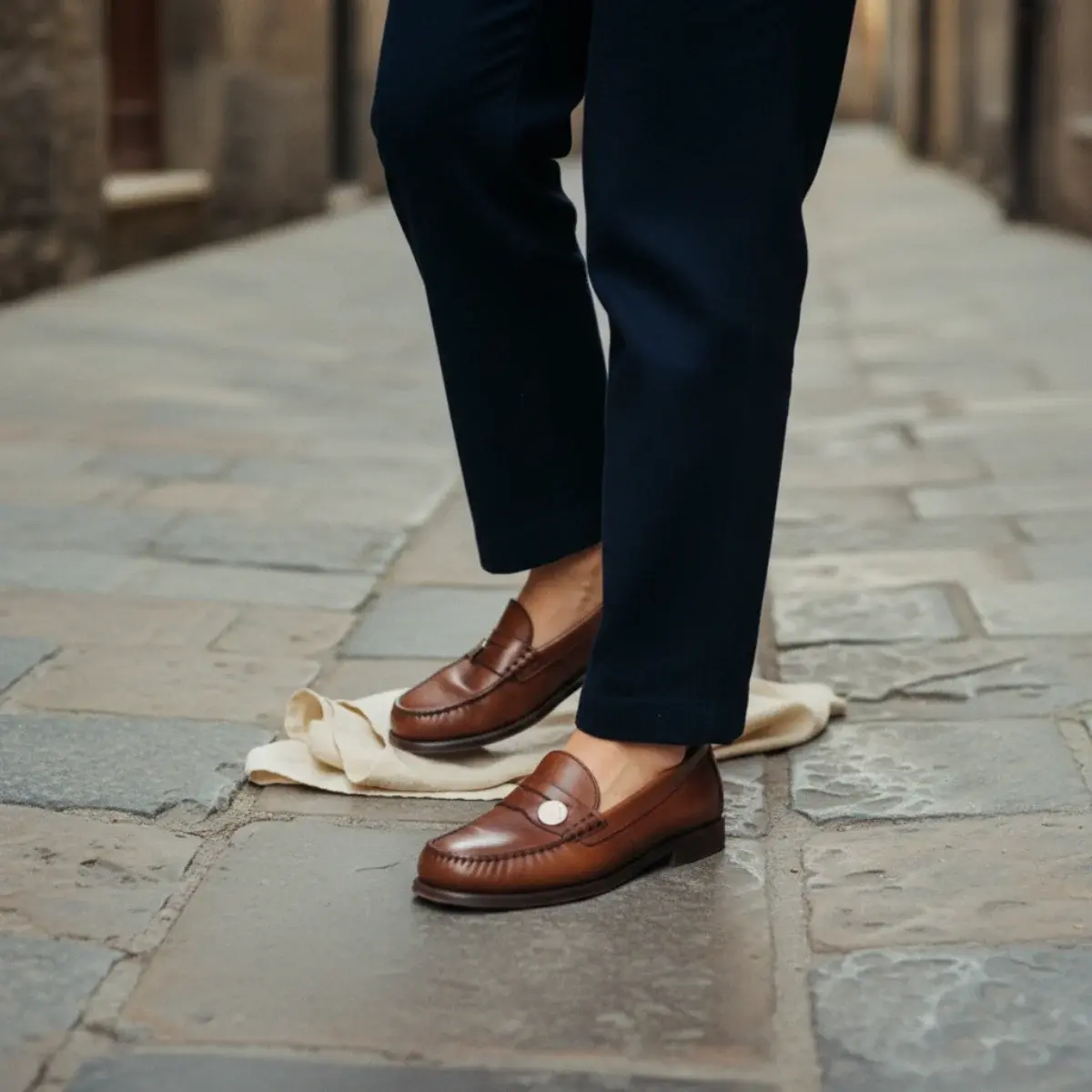
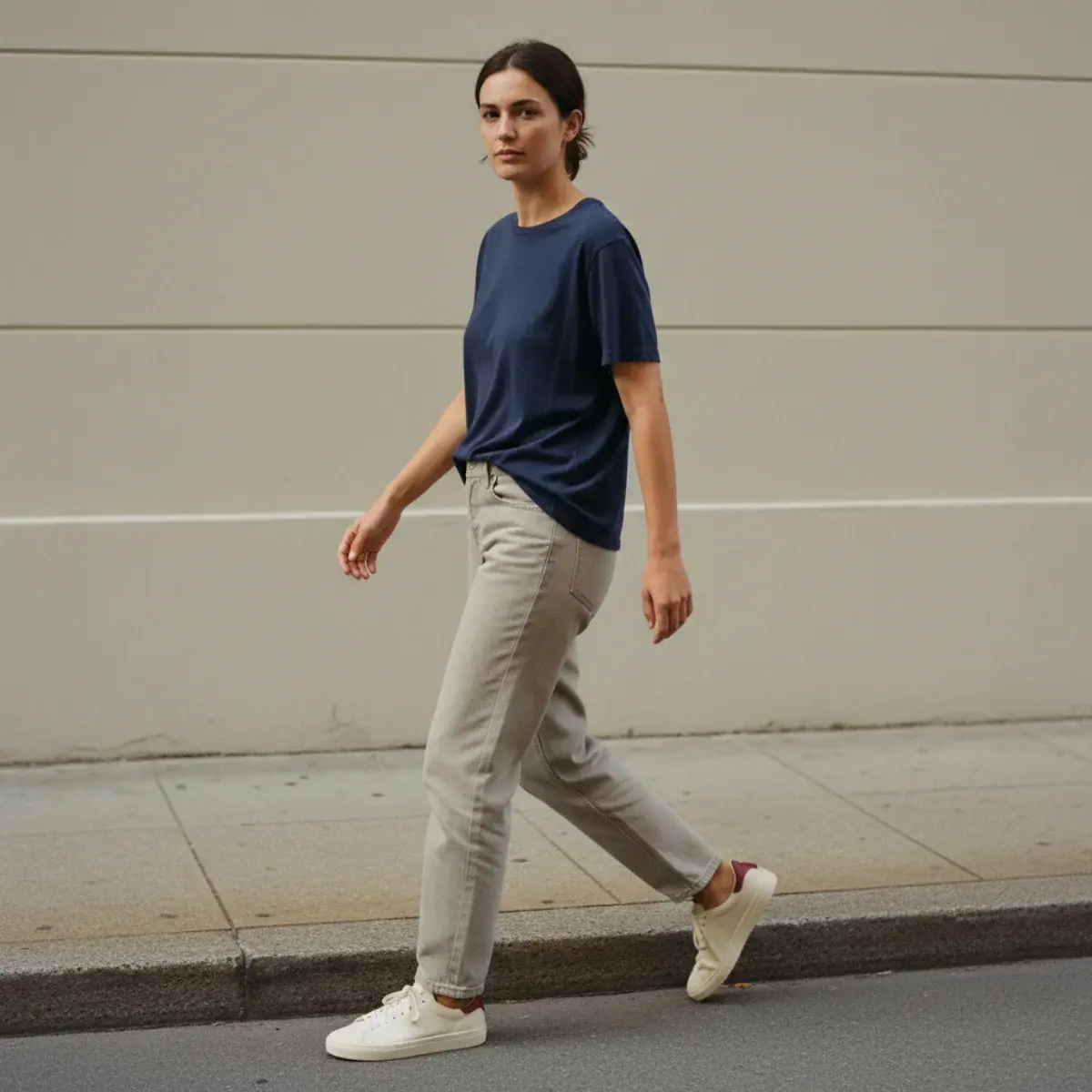
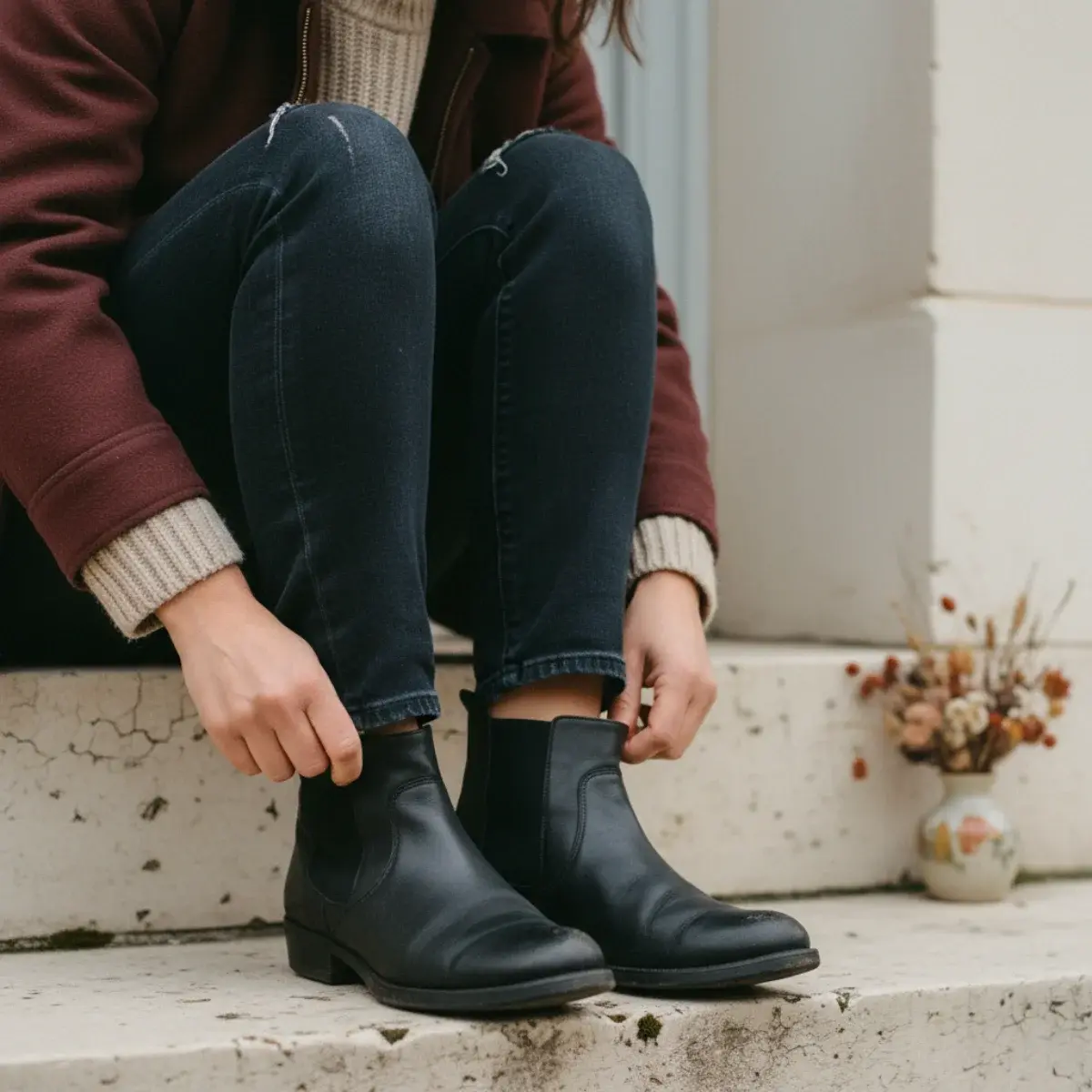
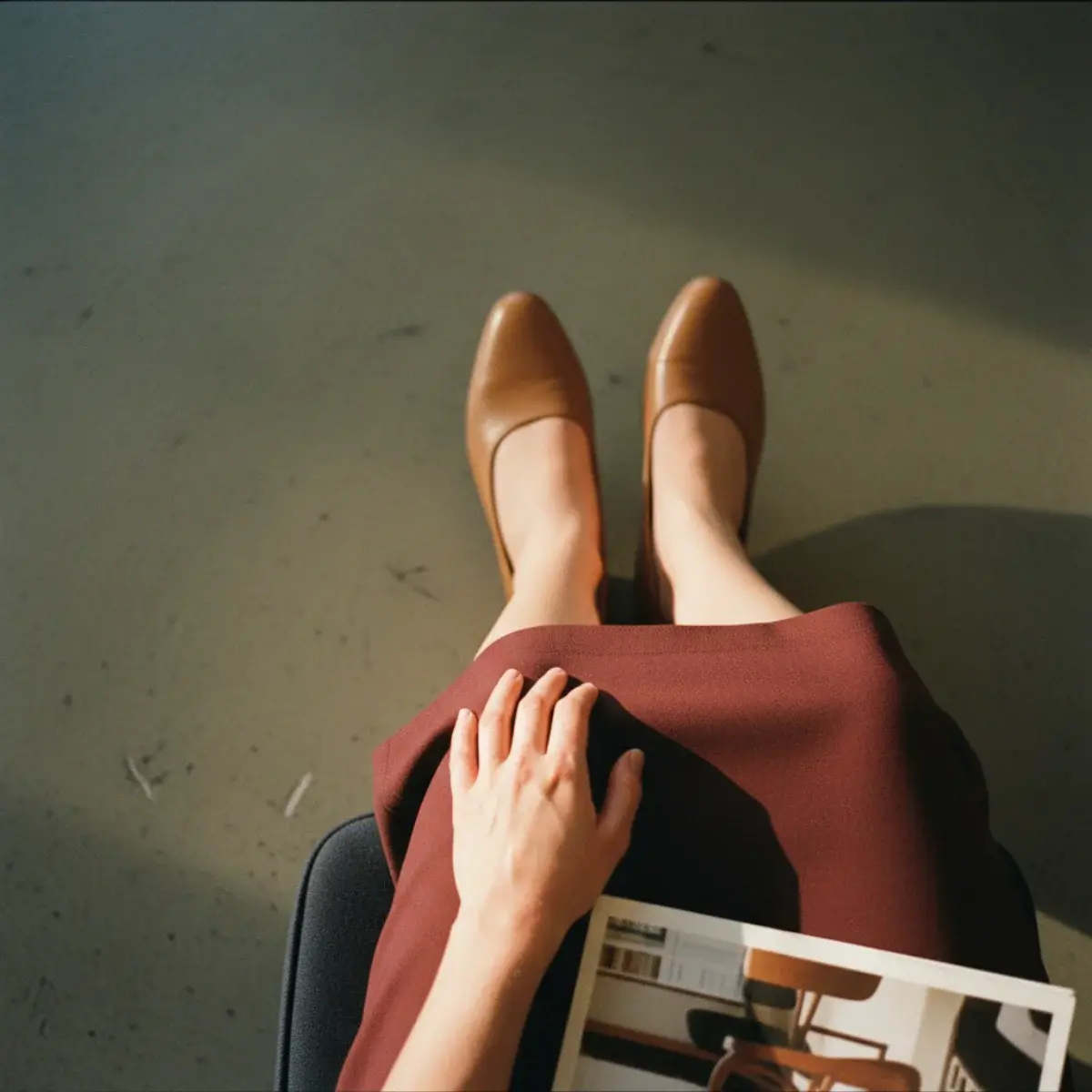
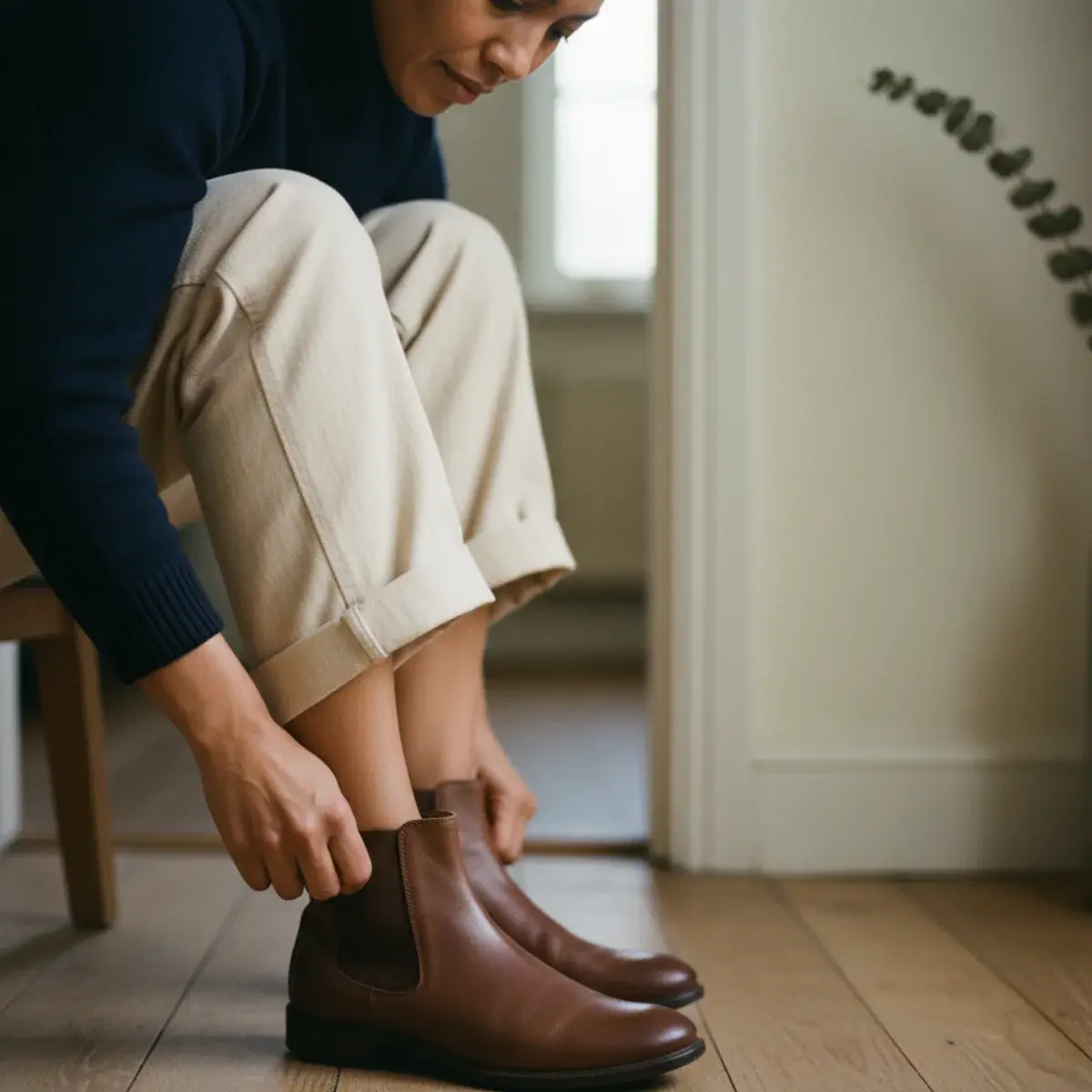
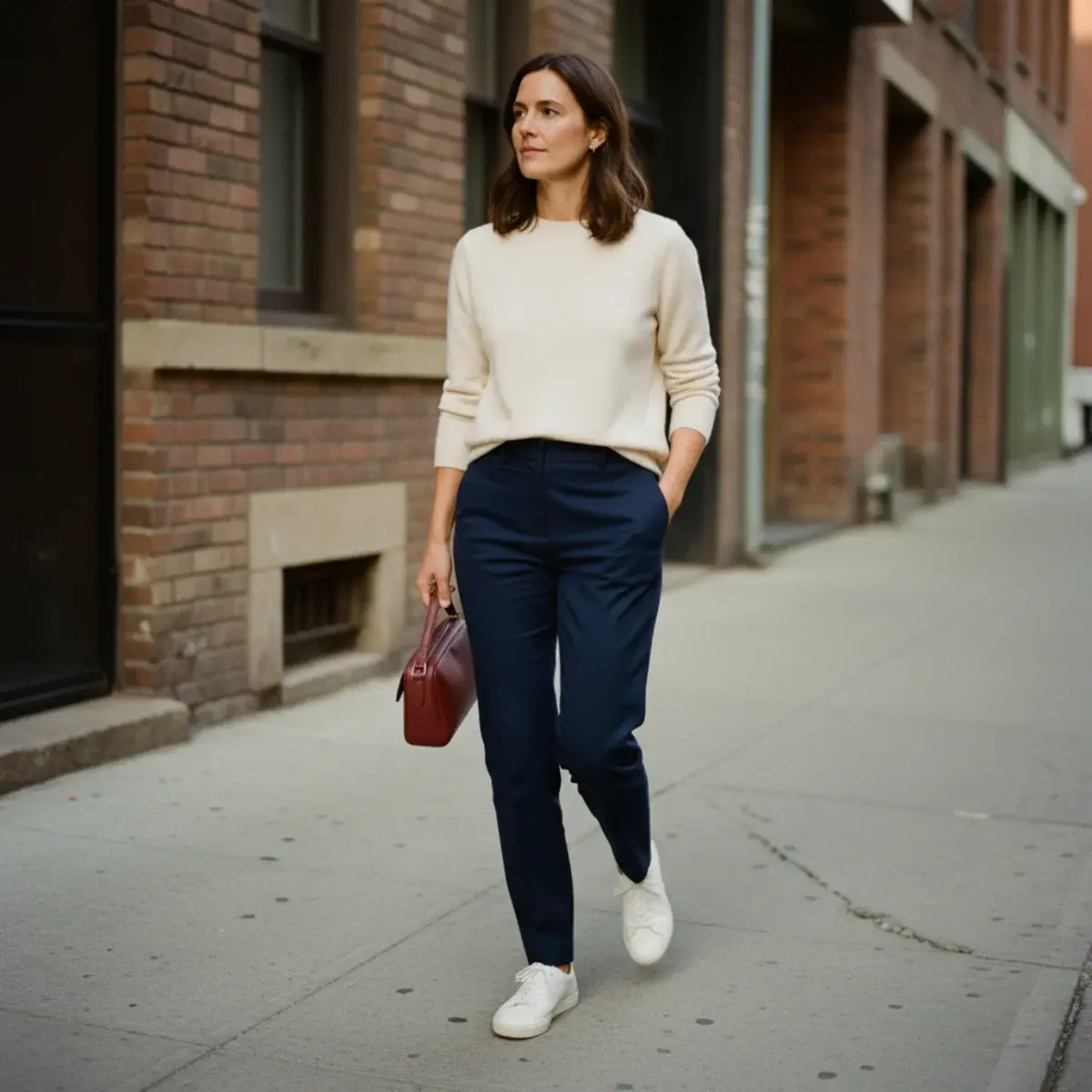
Each shoe style carries its own energy, and knowing what each brings helps you choose deliberately. Trainers and sneakers read casual and relaxed, with clean leather ones the most versatile and easy to dress up. Loafers read polished-but-comfortable, bridging casual and smart, and lend an old-money ease to an outfit. Ballet flats and Mary Janes read feminine and charming, adding a soft, slightly playful note. Ankle boots are the year-round workhorse, reading put-together across casual and dressy and anchoring autumn outfits.
Knee-high and tall boots read polished and seasonal, styling especially well with dresses and skirts in cold weather. Heels — pumps, heeled sandals, heeled mules — read dressy and elongating, setting an outfit toward the formal end. Flat sandals read easy and summery, while dressy sandals lift the same warm-weather looks for evening. And statement or specialty shoes — a cowboy boot, a platform, a coloured pair — bring personality and can be the focal point of an outfit. Recognising each style's energy lets you pick the one that matches the look you want, and several of these get their own dedicated guides in this silo, from boots to loafers to sneakers.
 1600×1067
What shoes to wear with a dress
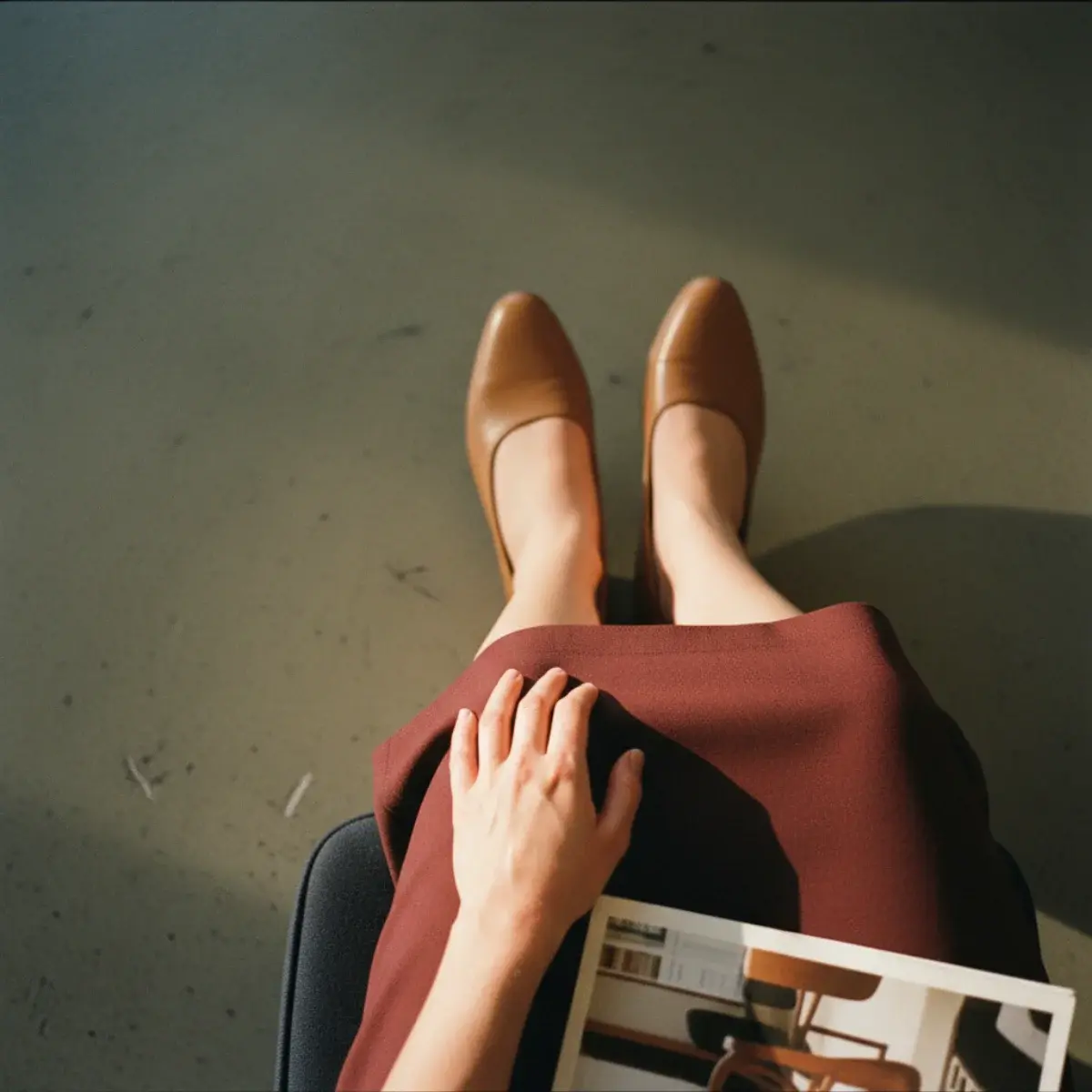
Dresses take the widest range of shoes, and the choice sets the whole look. For a casual dress, trainers or flat sandals keep it relaxed and easy. For a polished daytime look, loafers or ballet flats lift the same dress without going formal. For autumn and winter, ankle boots or knee-high boots make a dress seasonal and put-together, with tights bridging the cold — a knit midi with knee boots is one of the most reliable cold-weather dress outfits there is. For a dressy occasion, heels or dressy sandals take the dress to the formal end.
The shoe is what sets the dress's dressiness, so match it to the occasion: the same midi dress reads casual with trainers, seasonal with boots, polished with loafers, and dressy with heels. Proportion matters too — with a midi, an ankle boot or a heel that lengthens the leg flatters the hem, while with a mini, almost any shoe works and boots add an autumn edge. For specific dress occasions, the cocktail attire, wedding guest, and fall outfits guides cover the right footwear for each. The dress provides the canvas; the shoe decides what it becomes.
 1600×1067
What shoes to wear with jeans
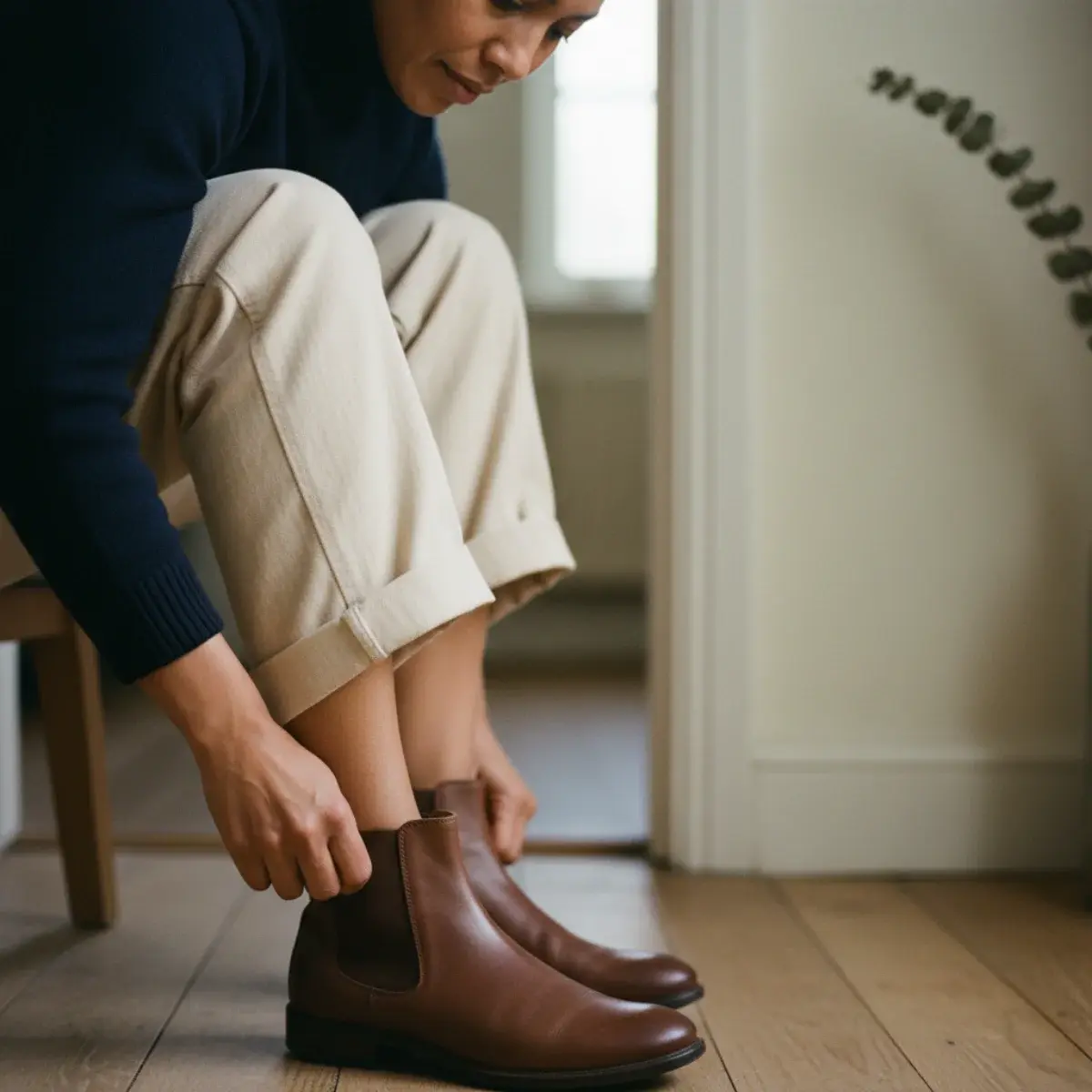
Jeans take almost any shoe, and the pairing sets the outfit's register. With straight or slim jeans, trainers read casual, loafers and ankle boots read smart-casual, and heels or heeled boots dress them up — this versatility is why jeans anchor so much of a wardrobe. With wide-leg jeans, the hem length matters most: a slight heel or platform keeps the leg long, a loafer or pointed flat works for a polished flat option, and the hem should graze the shoe rather than pool or float above the ankle. With cropped or ankle jeans, the exposed ankle suits a flat, a loafer, a trainer, or an ankle boot, and the cropped length flatters most shoes.
The proportion principle runs through all of them: the shoe and the jean hem should work together so the leg reads long and the line stays clean. Chunky or ankle-strap shoes can cut the leg with certain hems, while a sleeker shoe or a slight heel lengthens it. For styling jeans toward different registers — casual, smart-casual, or dressy — the casual outfits and smart casual guides cover the looks, and the shoe is what moves jeans between them. Match the shoe to the register you want and mind the hem, and jeans become the most versatile base in the wardrobe.
 1600×1067
What shoes to wear with trousers and skirts
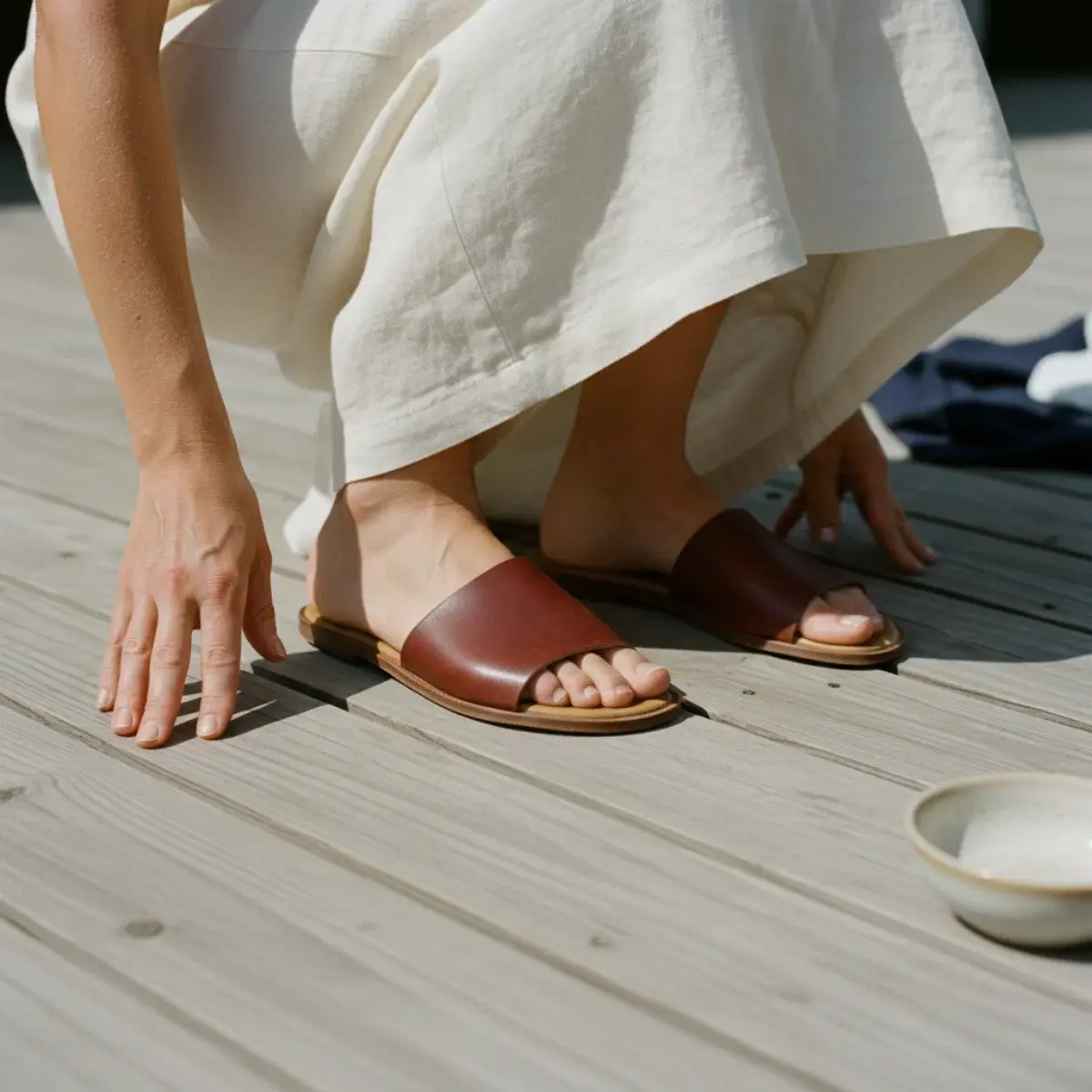
Tailored trousers and skirts each have their own footwear logic. With tailored trousers, the shoe sets the polish: loafers and flats read smart-casual, heels and heeled mules read dressy and lengthen the leg, and clean trainers read relaxed-but-considered. With wide-leg trousers specifically, a slight heel or platform helps the long line, the hem should graze the shoe, and a sleeker shoe keeps the leg uncut — the same proportion rule as wide-leg jeans. The trouser hem and the shoe must work together for the line to read clean.
With skirts, the length drives the choice. A midi skirt pairs beautifully with ankle boots, knee boots, loafers, or heels, with boots reading especially put-together in autumn and a slight heel flattering the midi length. A maxi skirt suits flats, sandals, or a heel hidden beneath, and the hem should clear the floor with the chosen shoe. A mini skirt takes almost any shoe, with boots adding a seasonal edge. The principle across trousers and skirts is the same: match the shoe's dressiness to the look, and mind how the hem and shoe interact so the proportion flatters. Boots with skirts, in particular, is one of the most reliable cold-weather pairings, which the boots styling guide covers in full.
 1600×1067
Proportion: how shoes interact with hemlines and the leg
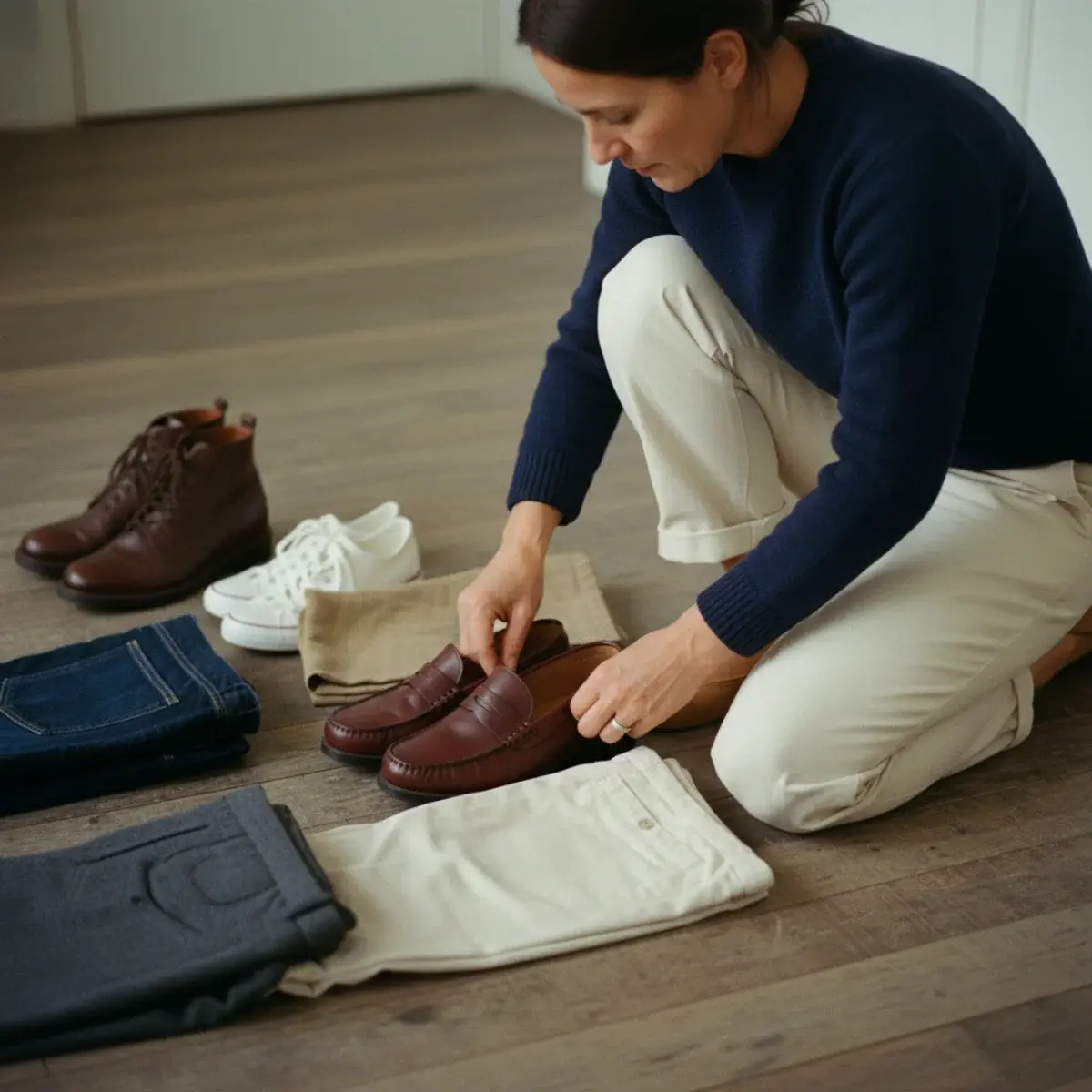
The most overlooked aspect of styling shoes is proportion — how the shoe interacts with the hemline and the visible leg to flatter or shorten the silhouette. The core principle is to keep the line of the leg long and uninterrupted. Shoes that match or extend the leg line — a nude heel with bare legs, a shoe close to the trouser colour, a pointed toe that lengthens — make the leg look longer, while shoes that contrast sharply or cut across the ankle can shorten it. This is why a nude or skin-tone heel is a leg-lengthening trick, and why an ankle strap or a contrasting chunky shoe can break the line.
Hemline interaction matters just as much. A trouser or maxi hem should graze the shoe, neither pooling on the floor nor floating above it, which is where tailoring the hem to your shoe height pays off. With a midi, the gap between hem and shoe is visible, so an ankle boot or a heel that fills or flatters that gap works better than a flat that exposes a wide stretch of leg awkwardly. With cropped trousers, the exposed ankle is flattered by a lower-cut shoe. None of this requires obsession — a few principles handle most cases — but minding proportion is what separates a shoe that flatters from one that merely matches, and it is the difference experienced dressers notice without naming.
 1600×1067
Neutral versus statement shoes
Shoes divide into two roles, and a good shoe wardrobe uses both deliberately. Neutral shoes — black, brown, tan, nude, white leather — are the versatile foundation, pairing with almost any outfit because they coordinate with every palette. They are where your real investment belongs, since they are worn most and go with everything, and a wardrobe of neutral, well-made shoes quietly elevates every outfit. The neutral shoe disappears into the look in the best way, letting the outfit speak while keeping it polished.
Statement shoes — a coloured pair, a bold texture, an embellished or specialty shoe like a cowboy boot — play the opposite role: they are the personality element, the focal point of an outfit, paired with simple pieces so they shine. A statement shoe pairs with fewer looks but adds the spark that a neutral one cannot. The right approach is to build the neutral foundation first, then add statement pairs as accents once the basics are covered. When wearing a statement shoe, keep the rest of the outfit simple so the shoe leads, the same one-personality-element discipline that runs through the cute outfits guide. Neutral for versatility, statement for personality — a complete shoe wardrobe has both, weighted toward neutral.
 1600×1067
Comfort, fit, and shoe care
A shoe that looks perfect but cannot be worn is a failed purchase, so comfort and fit deserve real weight in choosing footwear. A shoe should fit properly, support a day of wear where the occasion demands it, and be broken in before a long day or event, since a blister ends an outfit's day regardless of how it looks. Choosing a comfortable heel height you can actually walk in, prioritising support for shoes worn all day, and matching the shoe's practicality to the occasion — boots for wet weather, comfortable flats for walking, heels reserved for events with less standing — keeps footwear functional as well as stylish. Comfort and style are not opposites; the best shoe choices serve both.
Care extends a shoe's life and keeps it reading well, since worn, scuffed footwear undermines an outfit while clean, maintained shoes elevate it. Keeping leather clean and conditioned, resoling quality shoes rather than discarding them, and storing shoes properly all make good footwear last for years, which is what justifies investing in quality neutral pairs in the first place. The same fewer-better-pieces, maintain-what-you-own logic from the old money outfits guide applies directly to shoes: a few quality pairs, well cared for, out-perform and outlast a churn of cheap ones, and clean shoes are one of the clearest signals of a considered outfit. Comfort, fit, and care are the unglamorous foundations that let stylish footwear actually function.
 1600×1067
Shoes through the seasons
Footwear shifts with the season more visibly than most clothing. In spring, lighter shoes return — loafers, ballet flats, clean trainers, and the first sandals as the weather warms — in fresh neutrals. In summer, sandals, flat and dressy, lead alongside trainers and espadrilles, with breathable, lighter footwear for the heat. In autumn, boots take over — ankle boots, knee boots, loafers — anchoring the layered outfits the fall outfits guide describes, mostly in leather and suede in autumn tones. In winter, boots continue with added warmth and weatherproofing — lined and tall boots for cold, wet conditions — with heels reserved for events rather than icy streets.
The seasonal shoe wardrobe, like the clothing one, overlaps more than four separate sets suggest: loafers and ankle boots work much of the year, with sandals added in summer and warm boots in winter. Matching the shoe to the actual weather — sandals when it's warm, boots when it's cold and wet — is both practical and stylish, since a shoe at odds with the season reads off no matter how nice it is. Building a shoe wardrobe that covers the seasons, weighted toward the year-round versatile pairs and supplemented with seasonal specialists, is the footwear version of the overlapping seasonal capsule the capsule wardrobe guide describes.
 1600×1067
How to make shoes look expensive
A few choices make footwear read expensive regardless of what it cost, and they are the same ones that make shoes last. Material leads: real leather and suede catch light, age well, and read richer than synthetic versions, so a simple leather loafer reads more expensive than a flashy synthetic one. A clean, classic shape in a neutral colour reads timeless and costly, where trend-driven or overly embellished shapes date and cheapen. Condition matters as much as the shoe itself — clean, polished, unscuffed footwear reads expensive, while worn or dirty shoes undercut even genuinely pricey ones, which is why care is part of looking expensive.
The remaining moves are about restraint and fit. Skipping loud logos and hardware reads more expensive than displaying them, the same quiet-luxury principle the old money outfits guide describes — the most expensive-looking shoes rarely announce their brand. And proper fit and a shoe that suits the outfit complete the effect, since a well-chosen, well-fitting neutral leather shoe reads considered and costly. None of this requires real spending: a second-hand quality leather shoe, kept clean, in a classic neutral shape, out-reads a new synthetic designer-logo pair every time. Expensive-looking footwear is a matter of material, shape, condition, and restraint far more than price.
 1600×1067
The most versatile shoes to buy first
If you are building a shoe wardrobe from scratch or on a budget, buying order matters, and a clear priority list prevents wasted spending. Buy the most versatile pairs first — the ones that work across the most outfits and occasions. A clean leather trainer or a loafer tops the list, since one of these goes with nearly everything casual and smart-casual and gets worn constantly. An ankle boot comes next, as the year-round workhorse that handles three seasons across casual and dressy. A neutral heel follows for dressy occasions, and a flat sandal for warm weather.
Only after this versatile foundation is covered should you add the more specialised pairs — knee-high boots, statement shoes, occasion-specific footwear — since these pair with fewer outfits and earn their place only once the basics are handled. The logic is the same cost-per-wear thinking that governs a capsule wardrobe: spend first on the shoes you will wear most, in versatile neutrals and good materials, and add the rest gradually. This order ensures that every early purchase pulls maximum weight, building a wardrobe where you always have an appropriate, flattering shoe for the outfit at hand without owning dozens of pairs. Versatile and neutral first, specialised and statement later, is the buying sequence that gets a shoe wardrobe right.
 1600×1067
How to style shoes: common mistakes
A few errors recur in footwear styling. Treating shoes as an afterthought is the most common — finishing a considered outfit with whatever is nearest, when the shoe sets the whole tone and deserves a deliberate choice. Wrong dressiness — trainers with a formal outfit, heels with a casual one — creates a mismatch that undermines the look, where matching the shoe's dressiness to the outfit fixes it. Ignoring proportion — a shoe that cuts the leg or a hem that pools or floats — shortens the silhouette, where minding the hem-and-shoe interaction flatters it. And worn or dirty shoes undo an otherwise good outfit, where clean, maintained footwear elevates it.
Two more round it out. Prioritising looks over comfort leads to shoes that cannot be worn, where choosing a comfortable, appropriate pair keeps them in rotation. And owning only statement or only neutral shoes leaves a wardrobe either unversatile or without personality, where a neutral foundation plus a few statement accents covers both. Each of these resolves the same way: choose the shoe deliberately and early, match its dressiness to the outfit, mind the proportion, keep it clean and comfortable, and build a foundation of versatile neutrals. Styling shoes well is less about owning many pairs than about choosing the right pair, deliberately, for the outfit and occasion at hand — a lesson the dedicated guides in this silo apply to each major shoe style in turn.
Key takeaways
- 1Shoes set an outfit's whole tone — the same base reads casual, smart, or dressy depending only on the footwear.
- 2Build a foundation of versatile neutral shoes — a trainer, loafer, flat, ankle boot, tall boot, heel, and sandal — before statement pairs.
- 3Match the shoe's dressiness to the outfit and occasion; the shoe is often the first choice, not the last.
- 4Mind proportion — keep the leg line long and let hems graze the shoe — so footwear flatters rather than merely matches.
- 5Neutral shoes are the versatile foundation; statement shoes are the personality accent worn against simple pieces.
Where to go from here
This silo takes footwear styling deeper. Read outfit ideas with boots for the season's most versatile shoe, plus dedicated guides on how to wear ankle boots, how to wear cowboy boots, how to style loafers, and how to style sneakers. For building the wardrobe shoes complete, see the capsule wardrobe guide and how to put together an outfit; for the classic foundation, the old money outfits guide. Who What Wear and Vogue publish reliable footwear styling coverage.
Frequently asked
- How do shoes affect an outfit?
- Shoes set the dressiness and the energy of an entire outfit — the same dress reads casual with trainers, polished with loafers, and dressy with heels. Footwear is one of the first things people notice and often decides whether a look reads put-together or thrown on. Because shoes shift an outfit's whole tone, choosing the right pair is one of the most powerful styling decisions you make.
- What shoes should every woman own?
- A versatile shoe wardrobe includes a clean leather trainer, a loafer or ballet flat, an ankle boot, a knee-high or tall boot, a heel (pump or heeled sandal), and a flat sandal. In neutral tones — black, brown, tan, white — these cover casual, work, dressy, and seasonal needs, and pair with almost any outfit. A handful of versatile pairs beats a closet of single-use shoes.
- What shoes go with everything?
- Neutral leather shoes in black, brown, tan, nude, or white go with the most outfits, because they coordinate with any palette. A clean white or leather trainer, a black or brown loafer, a nude or black heel, and a brown or black ankle boot are the most versatile, working across casual and dressy looks. Neutral, clean, and well-made is the formula for a shoe that pairs with everything.
- What shoes do you wear with wide-leg trousers?
- Wide-leg trousers work with a heel or platform for height and a longer line, a loafer or pointed flat for a polished flat option, or a clean trainer for casual. The key is the hem length: trousers should end near the floor, just grazing the shoe, so a slight heel often helps. Avoid chunky or ankle-strap shoes that cut the line; a sleeker shoe keeps the leg long.
- What shoes go with a dress?
- It depends on the dress and the occasion: trainers or flat sandals for casual, ankle boots or knee boots for autumn and winter, loafers or ballet flats for a polished daytime look, and heels for dressy occasions. The shoe sets the dressiness, so match it to the setting. A midi dress with boots reads seasonal and put-together; the same dress with heels reads dressy and with trainers reads casual.
- How do you choose shoes for an outfit?
- Match the shoe to the outfit's dressiness and the occasion, keep it within the palette, and consider proportion — how the shoe interacts with the hemline and the leg. Decide what level of dressed-up you want, since the shoe sets it, then choose a pair in a coordinating colour that flatters the leg with that hem length. A neutral, clean shoe in the right dressiness pairs with almost anything.
- Are neutral shoes better than colourful ones?
- Neutral shoes are more versatile and pair with more outfits, which makes them the better foundation for a wardrobe, since they go with everything. Colourful or statement shoes are wonderful as accents and can be the personality element of an outfit, but they pair with fewer looks. Build a foundation of neutral, versatile shoes first, then add colourful pairs as accents once the basics are covered.
Written by Marguerite Sterns, looksyra editorial. Last updated May 2026.
Everything in this guide
 Save
SaveHow to Style Sneakers for Women: 14 Outfits That Aren't Gym Clothes
Read guide Save
SaveHow to Style Loafers: Outfits with Jeans, Trousers, Skirts & Dresses
Read guide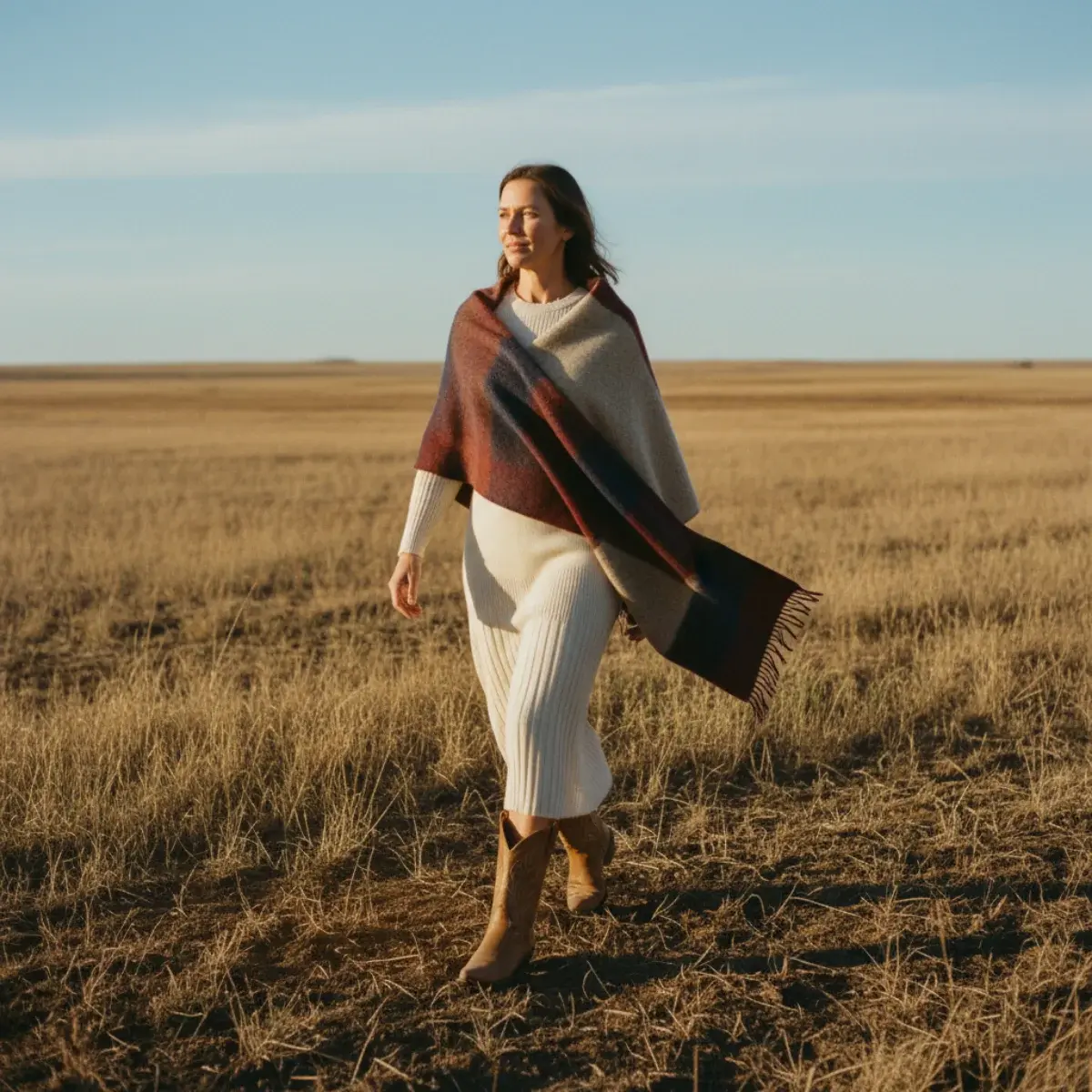 Save
SaveHow to Wear Cowboy Boots: Outfits with Jeans, Dresses & More
Read guide Save
SaveHow to Wear Ankle Boots: With Jeans, Dresses, Skirts & More
Read guide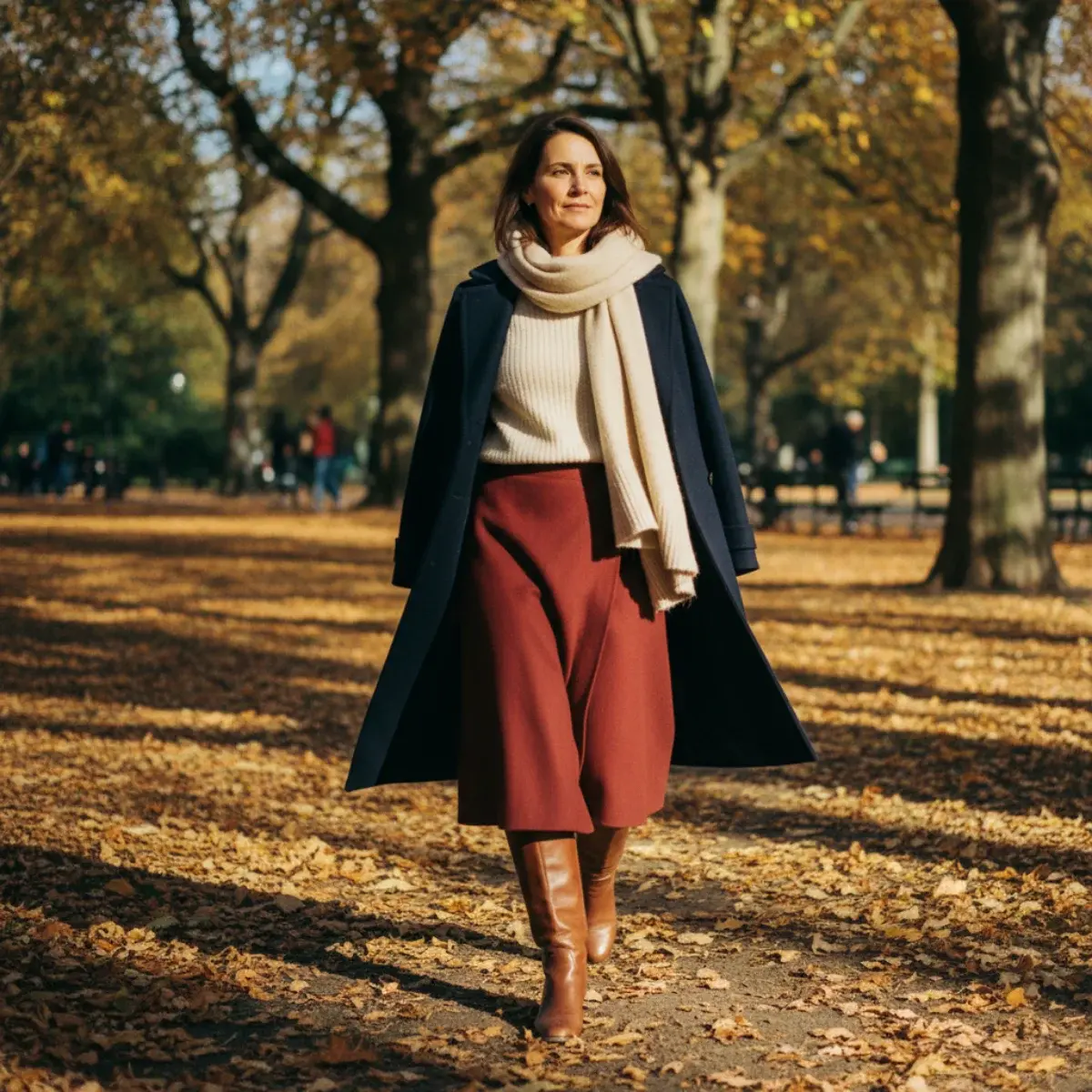 Save
Save