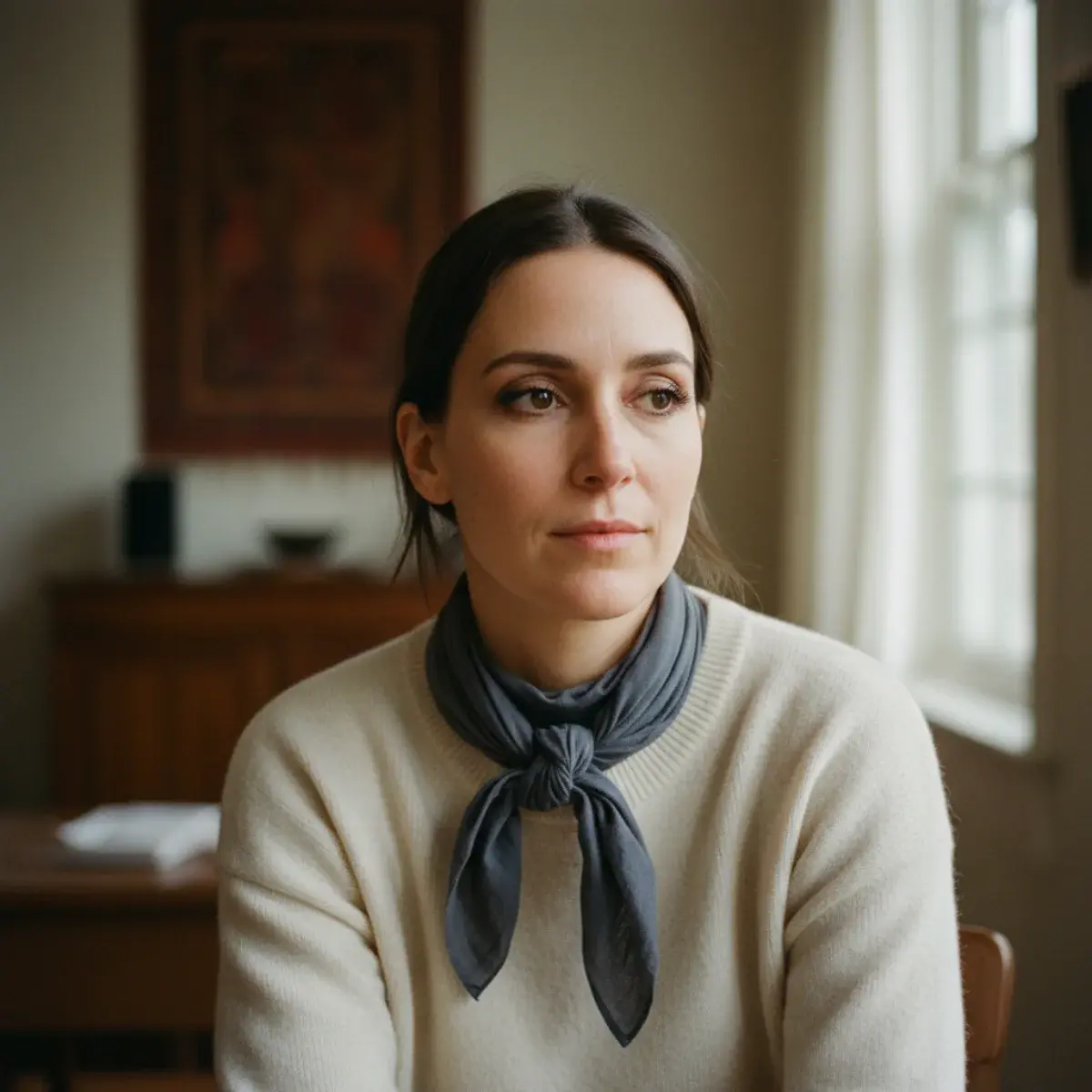
The eyes are the most expressive feature, which makes eye makeup the most versatile and the most rewarding area to work on — and also the one where people most often feel stuck, repeating the same look or avoiding it entirely for fear of getting it wrong. The truth is that a handful of techniques, built in thin blended layers, cover everything from a barely-there daytime wash to a full evening smoky eye. This guide gathers eye makeup ideas for every occasion and eye shape, with the techniques to build them. It builds on the principles in our everyday makeup guide.
The principle this guide will hold: good eye makeup is built in thin, blended layers — start light, add depth gradually, and blend at every step, so you control the intensity and there are never hard edges. Almost every eye look, simple or dramatic, is the same few moves done with more or less depth.
The building blocks of any eye look
Most eye looks are built from a few elements, and understanding them lets you create any look by combining them. A base or lid shade — a neutral or your chosen colour washed across the lid — sets the foundation. A crease shade — a slightly deeper tone blended into the crease and outer corner — adds depth and dimension. Liner — along the upper lash line, smudged or sharp, optionally winged — defines the eyes. Mascara — on the upper and optionally lower lashes — opens and frames them. And optionally shimmer or a highlight on the lid centre or inner corner adds light and a focal glow.
Every eye look, from the simplest to the most dramatic, is a combination of these elements with more or less intensity. A natural day look might be just a base shade and mascara; a smoky eye adds a deep crease shade and smudged liner, heavily blended; a defined look adds a sharp wing. Knowing these building blocks means you're never following a rigid tutorial but combining a few moves to taste, which is far more flexible. The constant across all of them is blending — soft, gradual transitions with no hard edges — which is what separates a polished eye from a patchy one, the same blend-everything principle the everyday makeup guide stresses. Master the blocks and the blending, and any eye look is within reach.
 1600×1067
The everyday natural eye
The most-worn eye look is the simplest: a natural eye that opens and subtly defines without reading as makeup. A single wash of neutral shadow — a soft brown, taupe, or skin-toned shade — across the lid adds the faintest definition, and with one coat of mascara and the framed brows from your natural everyday routine, that's a complete, fresh daytime eye. For a touch more, a slightly deeper neutral blended lightly into the crease adds subtle depth, and a thin line of soft pencil along the upper lash line, smudged, defines without an obvious line.
The natural eye keeps to neutral tones close to the skin, blended smoothly, so it enhances the eyes rather than colouring them — the no-makeup-eye standard. It's quick, flattering, and suits everyday, work, and casual settings, which is why it's the foundation eye look most people return to. Mascara alone, or mascara plus a neutral wash, is genuinely enough for a fresh, awake eye most days, with the optional crease shade and smudged liner adding definition when wanted. Building this natural eye well — neutral, blended, light — is the base from which every more intense look grows, and for many it's the only eye makeup they need, the everyday workhorse the everyday makeup guide centres on.
 1600×1067
The soft and dramatic smoky eye
The smoky eye is the classic evening look, and it scales from soft and daytime to dark and dramatic with the same technique. Apply a mid-tone shade across the lid, then a darker shade along the lash line and into the outer crease, and blend upward and outward so the colour fades softly with no hard edges. Smudge liner along the lash line and blend it into the shadow, then finish with mascara, optionally on lower lashes too. The result is a soft, smoky depth around the eyes.
The smoky eye's intensity is entirely a matter of shade and build: soft browns and taupes make a wearable daytime smoky eye, while deeper greys, bronzes, or blacks make a dramatic evening one, same technique, more depth. The key, as the name suggests, is thorough blending — a smoky eye should look like a soft cloud of colour, not a smudged line, so blending upward and outward until the edges disappear is the whole skill. Building from light to dark in thin layers lets you control how smoky it gets and stop where you want. A soft brown smoky eye is one of the most flattering and versatile looks there is; the dramatic version is the go-to for evenings and occasions, intensified from the same base, as the day-to-night approach below describes.
 1600×1067
Eyeliner looks, from subtle to winged
Liner alone can define the eyes, and a few looks cover most needs. A thin line along the upper lash line, smudged, gives soft natural definition for everyday. A defined line, sharper and slightly thicker, reads more polished for work or evening. A winged liner — extending the line up and out at the outer corner — adds a classic, slightly retro definition that lifts the eye, from a subtle small wing to a bold dramatic one. Tightlining — lining the upper waterline — defines the lashes invisibly for a subtle fuller-lash effect. And a smudged pencil along the lower lash line adds depth and a touch of smokiness.
Liner is versatile because it ranges from invisible definition to a bold statement with the same product placed differently. A smudged pencil reads soft and natural; a sharp gel or liquid wing reads defined and graphic. For beginners, a smudged pencil along the upper lash line is the easiest and most natural liner, while the winged liquid look takes practice — building the wing in small strokes and using tape or a card as a guide helps. Matching the liner to the occasion — soft and smudged for day, sharper or winged for evening — lets one technique serve many looks. Liner can be the whole eye look (a wing with mascara and bare lids is clean and chic) or part of a fuller one, which makes it one of the most useful eye tools.
 1600×1067
Eye makeup for your eye shape
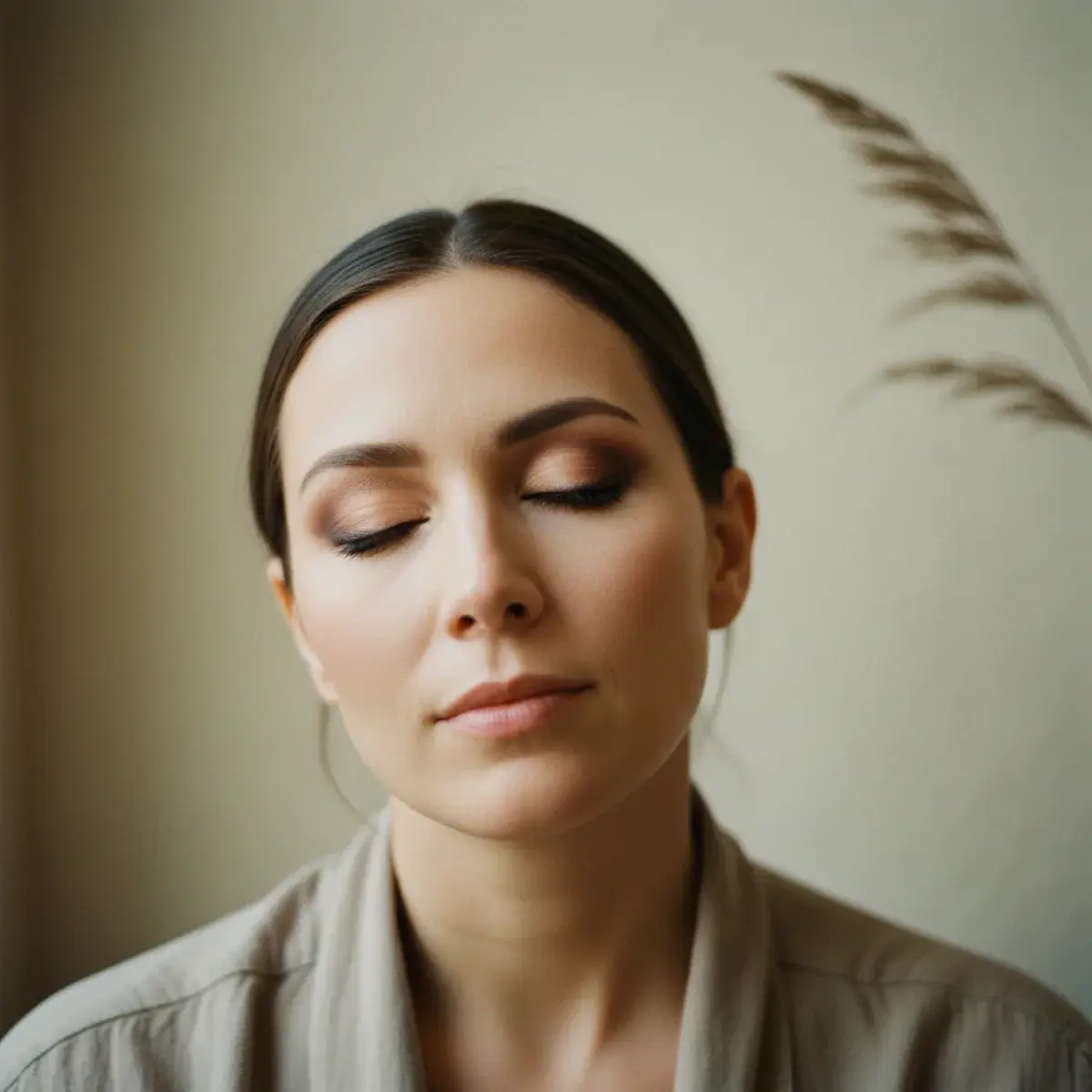
Technique can be adapted to flatter different eye shapes, though these are gentle guides rather than rules, since most looks suit most eyes with small adjustments. For hooded eyes (where the lid is partly covered), keeping shadow and liner above the natural crease and using matte shades helps the work show when the eyes are open, and a slightly higher crease placement creates lift. For round eyes, pulling shadow and liner outward elongates them. For almond eyes (often considered the most versatile), most looks work well as they are. For monolids, building a gradient of shadow and slightly thicker liner creates dimension and definition.
For downturned eyes, lifting the outer corner with shadow and a slight wing counters the downturn, and for wide-set or close-set eyes, focusing depth on the inner or outer corners respectively balances the spacing. The principle is to use light and dark to enhance your eyes' natural shape — lifting, elongating, or adding dimension where it flatters. But these adjustments are subtle and optional; most eye looks flatter most shapes, and personal preference and what you enjoy wearing matter more than rigid shape rules. Knowing the small tweaks that suit your eye shape lets you adapt any look to flatter you best, the enhance-your-features approach the everyday makeup guide takes throughout. Experiment to find what you like, treating shape guidance as a starting point.
 1600×1067
Choosing eyeshadow colours
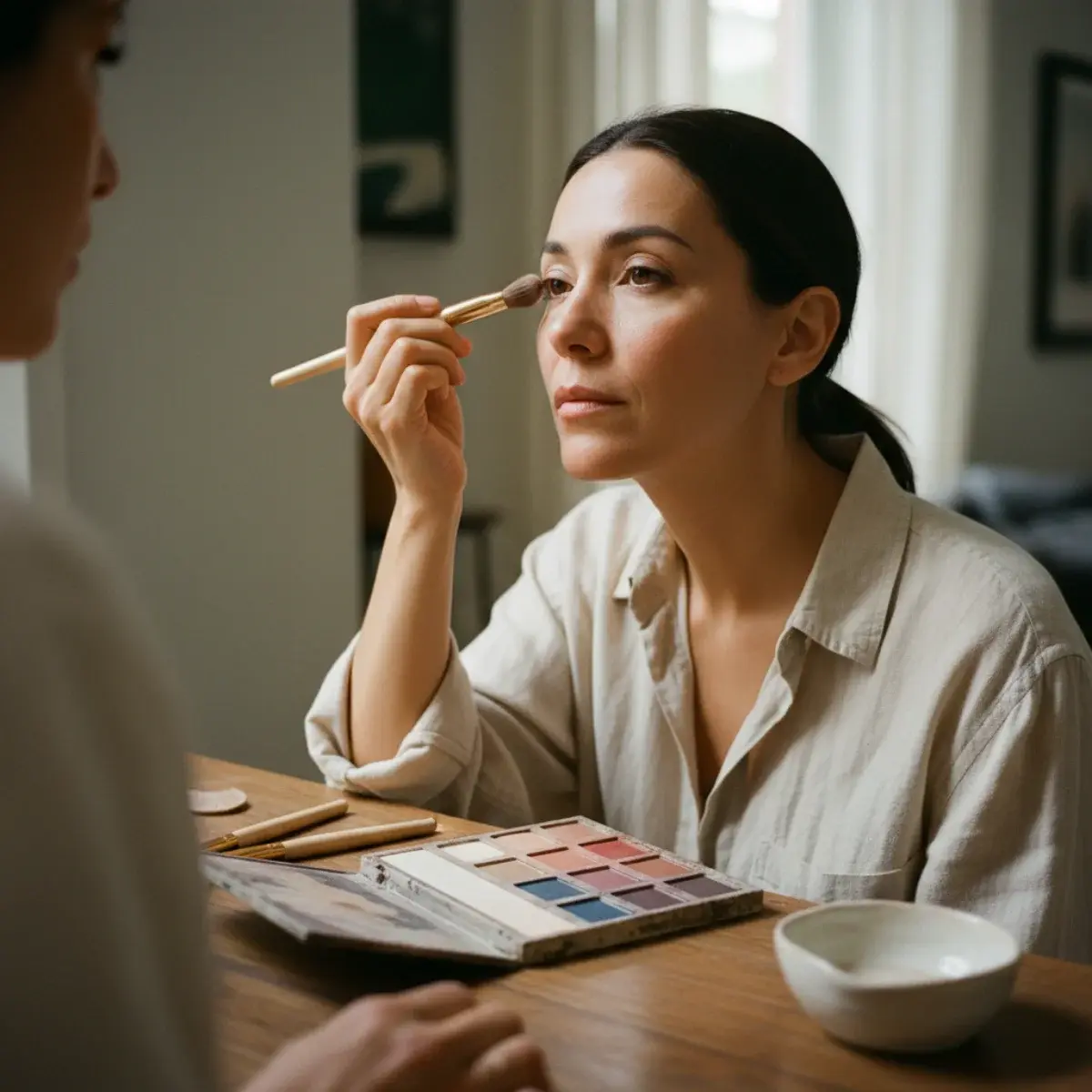
Colour choice sets an eye look's mood, and a few principles guide it. Neutrals — soft browns, taupes, warm beiges, bronzes, and muted earth tones — suit almost everyone and every occasion, which is why a neutral palette is the most versatile thing to own and the base of most looks. Beyond neutrals, colours can flatter specific eye colours: warm tones (bronze, copper, warm browns) often make blue and green eyes pop, cool and purple tones can flatter brown eyes, and many shades enhance hazel — a gentle guide for adding colour that complements your eyes.
For adding colour generally, the same focal-point restraint applies as elsewhere: one considered colour, blended well, reads intentional, while many competing colours read messy. A wash of one soft colour, or a neutral look with a pop of colour in the liner or lower lash line, adds interest without overwhelming. Matching to the occasion and outfit helps too — neutrals for everyday and work, a deeper or richer shade for evening, a colour that ties to your outfit for a coordinated look. Building a neutral palette first, as the versatile base, then adding a few colours for variety, mirrors the neutral-foundation-plus-accent logic that runs through the site. For most looks most of the time, neutrals are the reliable, flattering choice, with colour as an occasional, deliberate accent.
 1600×1067
Day vs night eye makeup
The same techniques serve day and night; the difference is intensity. Daytime eye makeup is lighter and more neutral — a soft wash, subtle crease, smudged liner, mascara — reading fresh and awake for work and everyday, the natural eye described above. Night eye makeup builds more depth and definition — a deeper or smokier crease and lash line, more defined or winged liner, optional shimmer or a bolder shade — for an intensified, evening-appropriate look. The technique is the same; night simply adds more.
The most efficient approach is to build up from a daytime eye for evening rather than starting over: take your natural or soft eye and deepen the crease, intensify the lash line, add liner or a wing, and optionally add shimmer to the lid centre. This turns a daytime eye into an evening one in a couple of minutes and keeps it cohesive, the same build-up logic the everyday makeup guide uses for going day-to-night. For a special occasion, the eye often becomes the focal feature — a defined smoky eye or a bold liner — with the rest of the makeup kept balanced, the one-feature focus that keeps a dressy look from being overdone. Whether day or night, the eye is built in thin blended layers from light to dark; you simply choose how far to take it for the setting.
 1600×1067
Making eye makeup last without creasing
Eye makeup, especially on oily or hooded lids, can crease and fade, and a few steps prevent it. Prime the lids — a little concealer or a dedicated eye primer creates a smooth, oil-free base that shadow grips, which is the single biggest factor against creasing. Set the primer with a touch of powder for an even drier base. Apply shadow in thin layers, building gradually, since thick greasy layers crease fastest. And use long-wear or cream-to-powder formulas for liner and shadow where longevity matters.
For liner specifically, setting a pencil or gel liner with a matching powder shadow over the top locks it and prevents smudging, and waterproof formulas resist transfer and watering. The principle is a smooth, set, oil-controlled base plus thin, well-set layers — the same prep-and-thin-layers approach that makes all makeup last, applied to the lids. Creasing is mostly an oil-and-product-weight problem, so priming, setting, and keeping layers thin solve it for most people. On hooded lids especially, where the lid touches the crease, priming and matte long-wear shadows above the crease keep the look from transferring and disappearing. With these steps, even a full eye look lasts through a long day or evening, which is what makes the effort of a defined eye worthwhile.
 1600×1067
Eye makeup mistakes to avoid
A few errors trip up eye makeup. Not blending is the biggest — patchy shadow with hard edges reads unpolished, where blending every transition softly fixes it. Too much product at once is hard to control and looks heavy, where building in thin layers from light to dark keeps control. Skipping lid prep causes creasing, where a primer and a little powder prevent it. And too many competing colours read messy, where one or two well-blended shades, neutral or a single accent, read intentional.
Two more round it out. Forcing a technique that doesn't suit your eye can be unflattering, where a small adjustment for your eye shape — or simply choosing a look you like — works better, and harsh, unblended liner reads severe, where smudging or softening it suits most looks. Each resolves the same way: build in thin layers, blend at every step, prep and set the lids, keep colours coherent, and adapt gently to your eyes. Eye makeup, the most expressive area, is really a few building blocks — lid, crease, liner, mascara — combined with more or less depth and blended well. Master those and you can create any look, from a five-second natural eye to a full evening smoky eye, all from the same handful of moves.
Key takeaways
- 1Build eye makeup in thin, blended layers from light to dark — almost every look is the same few moves with more or less depth.
- 2The building blocks are a lid shade, a crease shade, liner, mascara, and optional shimmer — combine them to taste.
- 3A neutral wash and mascara is the everyday eye; a blended smoky eye and winged liner cover evening and occasions.
- 4Adapt technique gently to your eye shape, but treat it as a guide — most looks flatter most eyes, and preference leads.
- 5Prime and set the lids and build thin layers to stop creasing — a smooth, oil-controlled base is the key to lasting eye makeup.
Where to go from here
The eyes are the most expressive feature to play with. For the full routine, read the everyday makeup guide and the natural everyday makeup look; for a special occasion, wedding guest makeup; and to finish at the fingertips, nail design ideas. For matching colour to your undertone, see gold versus silver by skin tone; for the occasions a defined eye suits, the cocktail attire guide. Vogue and Who What Wear publish reliable eye makeup coverage.
Frequently asked
- What are some easy eye makeup ideas?
- Easy eye looks include a single wash of neutral shadow with mascara, a soft brown smoky eye, a simple wing of liner, a touch of shimmer on the lid centre, and a defined lash line with a smudged pencil. These need few products and little skill, relying on blending one or two shades well. For everyday, a neutral wash and mascara is the simplest; for a bit more, add definition in the crease or along the lash line.
- How do you do eye makeup for beginners?
- Start simple: apply a neutral base shade across the lid, a slightly deeper shade in the crease for subtle depth, blend the edges, line the upper lash line lightly, and finish with mascara. Build in thin layers and blend well between each. A neutral one- or two-shade look with mascara is the easiest beginner eye, and you can add liner and deeper shades as you get comfortable.
- How do I choose eye makeup for my eye shape?
- Adapt technique to your eye shape: for hooded eyes, keep shadow above the crease and use matte shades so it shows when open; for round eyes, elongate with shadow and liner pulled outward; for almond eyes, most looks work; for monolids, gradient shadow and liner build dimension. These are gentle guides — most techniques flatter most eyes with small adjustments, and personal preference leads.
- How do you do a smoky eye?
- Apply a mid-tone shade across the lid, a darker shade along the lash line and into the outer crease, and blend upward and outward so it fades softly with no hard edges. Smudge liner along the lash line, blend it in, and finish with mascara. A smoky eye can be soft (browns, daytime) or dramatic (darker, evening); the key is thorough blending so it looks smoky rather than smudged.
- What eyeshadow colours suit everyone?
- Neutral shades — soft browns, taupes, warm beiges, soft bronzes, and muted earth tones — suit almost everyone and work for any occasion, which is why a neutral palette is the most versatile. Beyond neutrals, certain colours flatter specific eye colours: for example warm tones often make blue and green eyes pop, and cool or purple tones can flatter brown eyes. But neutrals are the reliable, universally flattering base.
- How do you make eye makeup last without creasing?
- Prep the lids with a little concealer or an eye primer to create a smooth, oil-free base, set it with a touch of powder, apply shadow in thin layers, and use long-wear or cream-to-powder formulas. Primer is the key step against creasing, especially on oily or hooded lids. Avoid heavy, greasy layers, which crease fastest, and set liner and shadow well for all-day wear.
- What's the difference between day and night eye makeup?
- Day eye makeup is lighter and more neutral — a soft wash, subtle definition, mascara — while night eye makeup is more intense — deeper or smokier shades, more defined liner, sometimes shimmer or a bolder look. The technique is similar; night simply builds more depth and definition. A common approach is to start with a daytime eye and intensify it for evening by deepening the crease and lash line.
Written by Marguerite Sterns, looksyra editorial. Last updated May 2026.