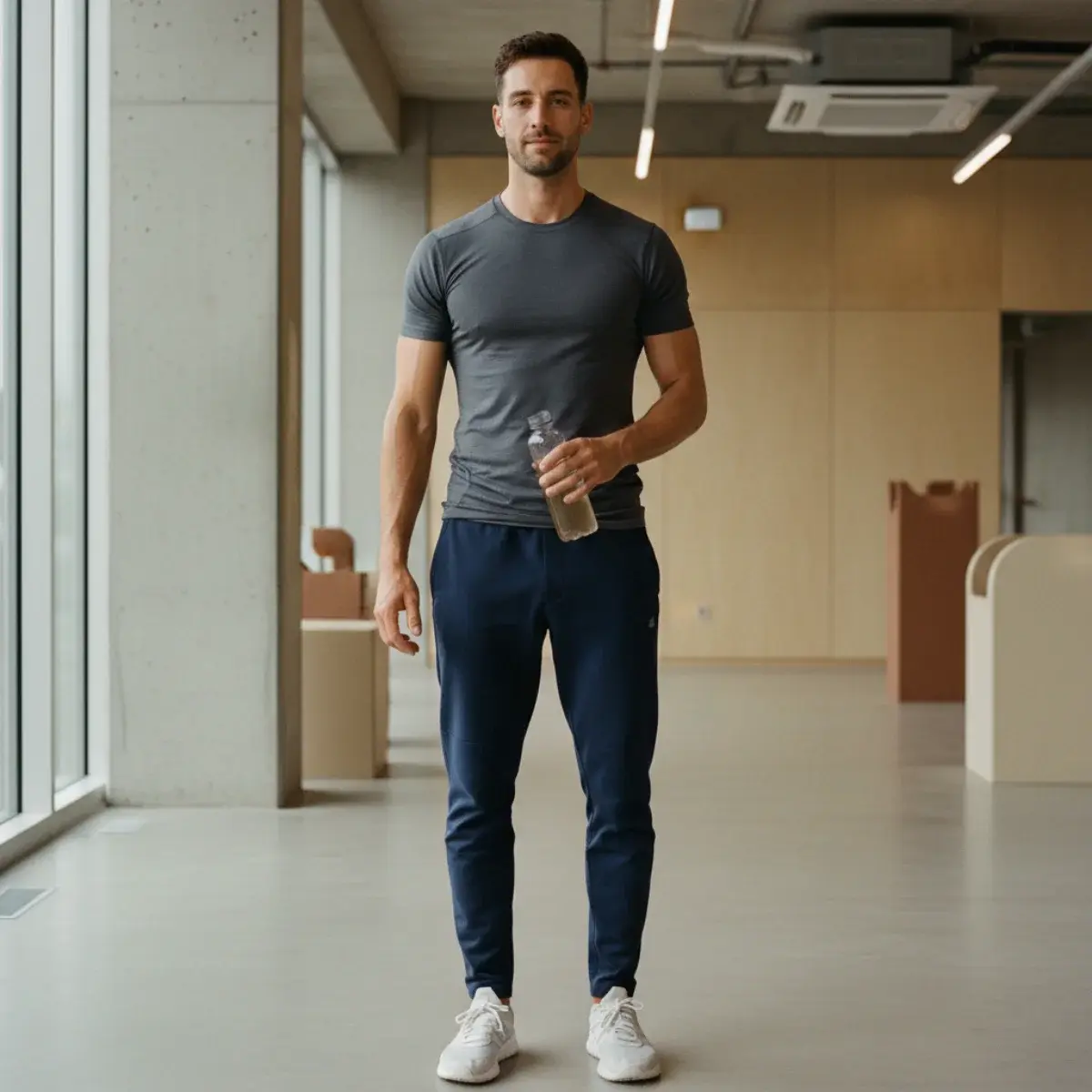
The gym outfit is the closet's lowest-stakes territory and, paradoxically, the one most men get visibly wrong. The pieces are technical, the price points are low, the fit windows are forgiving — and yet most men either over-equip (compression sleeves, belt, gloves, headband, water bottle the size of a small dog) or under-equip (a cotton t-shirt from 2015, basketball shorts past the knee, running shoes that should be in the bin). This guide is about the middle path: clothes that work for the workout, read intentional walking in, and look reasonable walking out to the coffee shop next door.
The line this guide holds: the gym uniform is the casual outfit's distant cousin, and the same fit principles apply. A man in a perfectly-fitted technical t-shirt and 6-inch shorts looks intentional whether he's training, walking, or grabbing a coffee. A man in an oversized cotton shirt and basketball shorts past the knee looks like he's wearing his bedroom around. The pieces are cheaper than streetwear; the rules for choosing them are the same.
1. The base gym uniform
A fitted technical t-shirt in a dark colour (black, navy, charcoal, forest), 5–7 inch inseam training shorts in matching or complementary dark tone, performance no-show socks, and a flat-soled shoe for lifting or a proper running shoe for cardio. Watch off (sweat kills leather) or onto a silicone strap. That's it — the complete gym outfit, ready to walk out of the locker room and into a working set.
 1600×1067
The fit window. A technical t-shirt should skim the chest and shoulders without straining or bagging. Sleeve hits about halfway down the upper arm. Hem ends at or just above the waistband. Anything tighter looks like aspirational marketing; anything baggier looks like a beginner.
Why dark colours. Sweat shows on light fabrics — grey is the worst offender — and reads less considered. A dark tone shows sweat less, holds shape longer through wash cycles, and pairs more easily with the rest of a gym wardrobe.
2. The tank top for hot weather
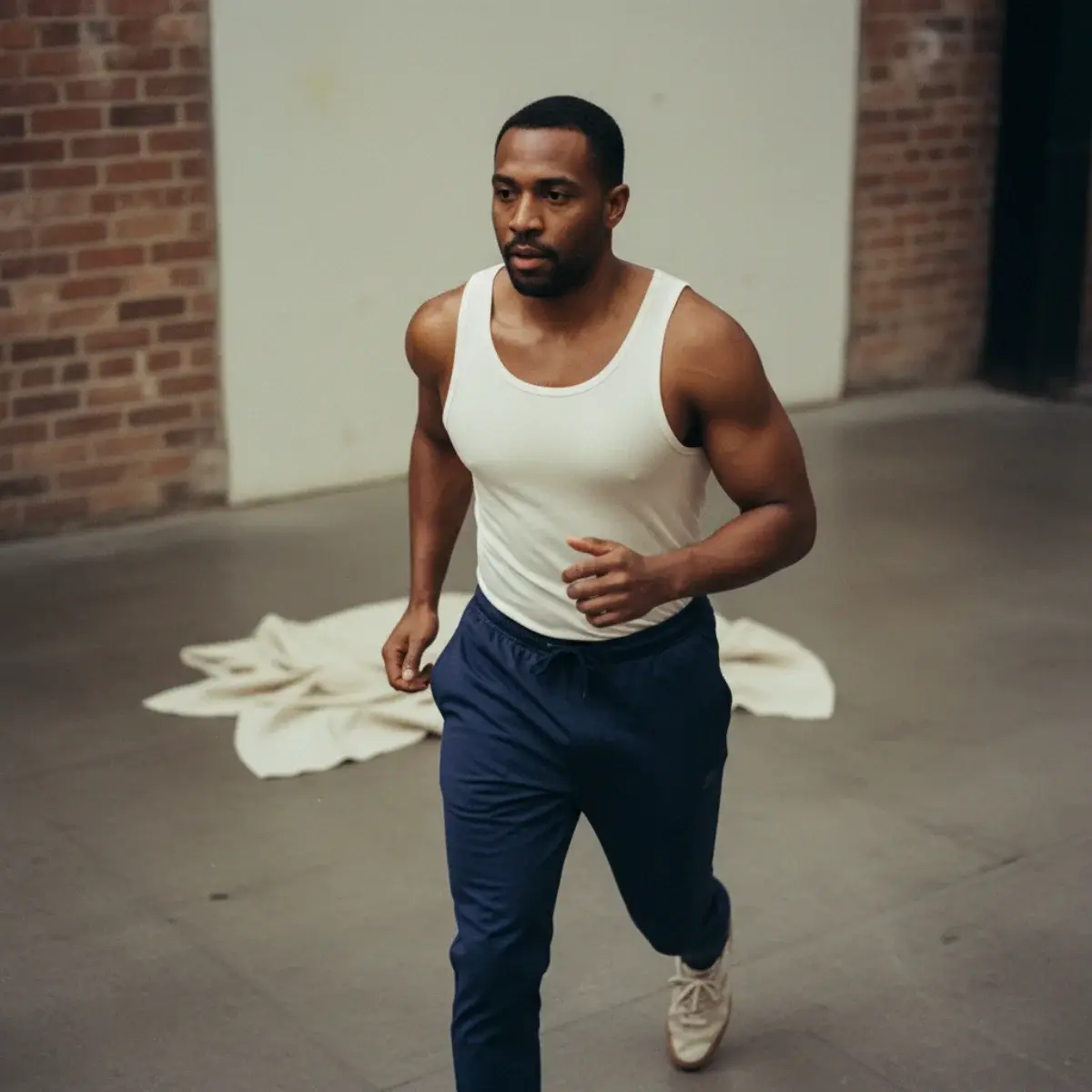
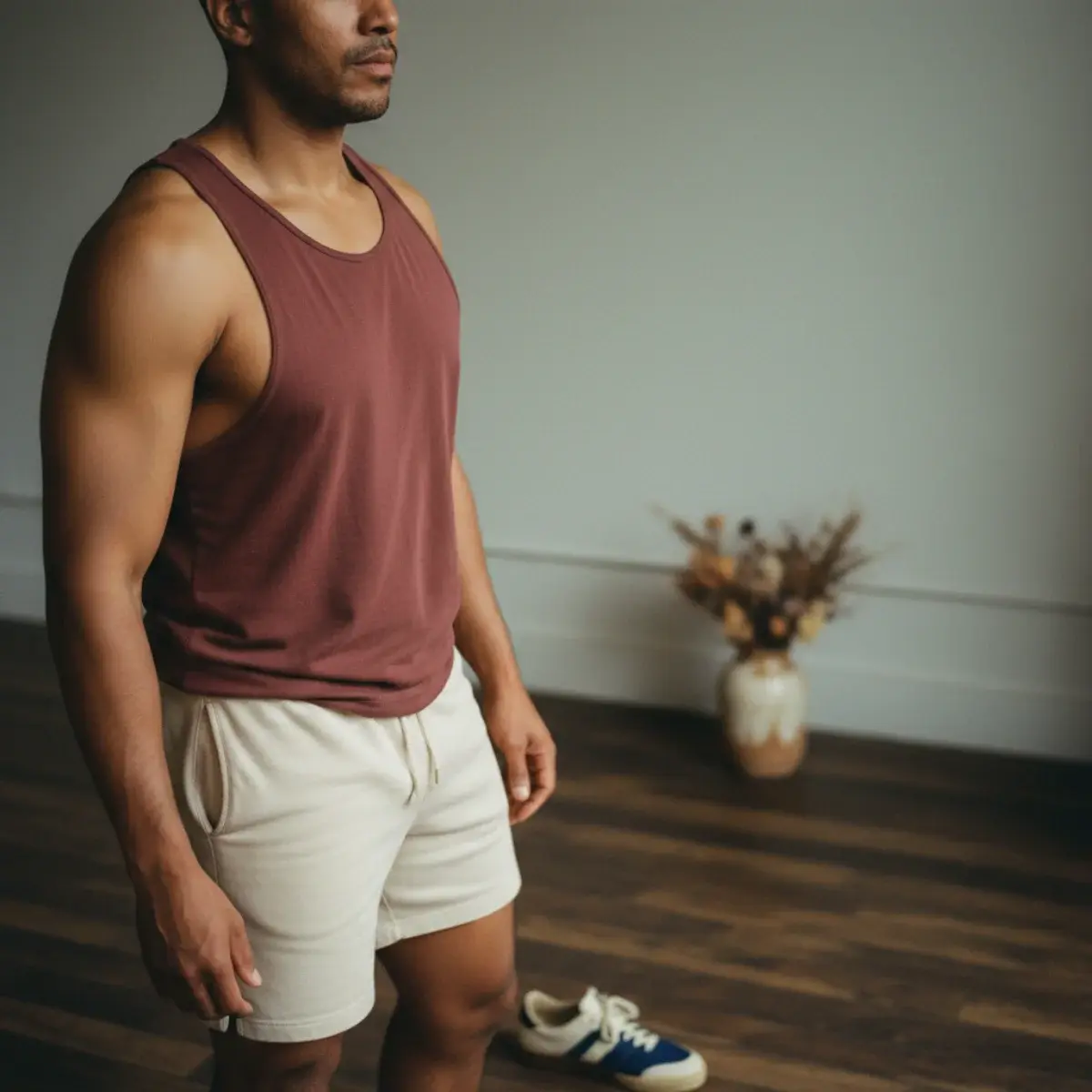
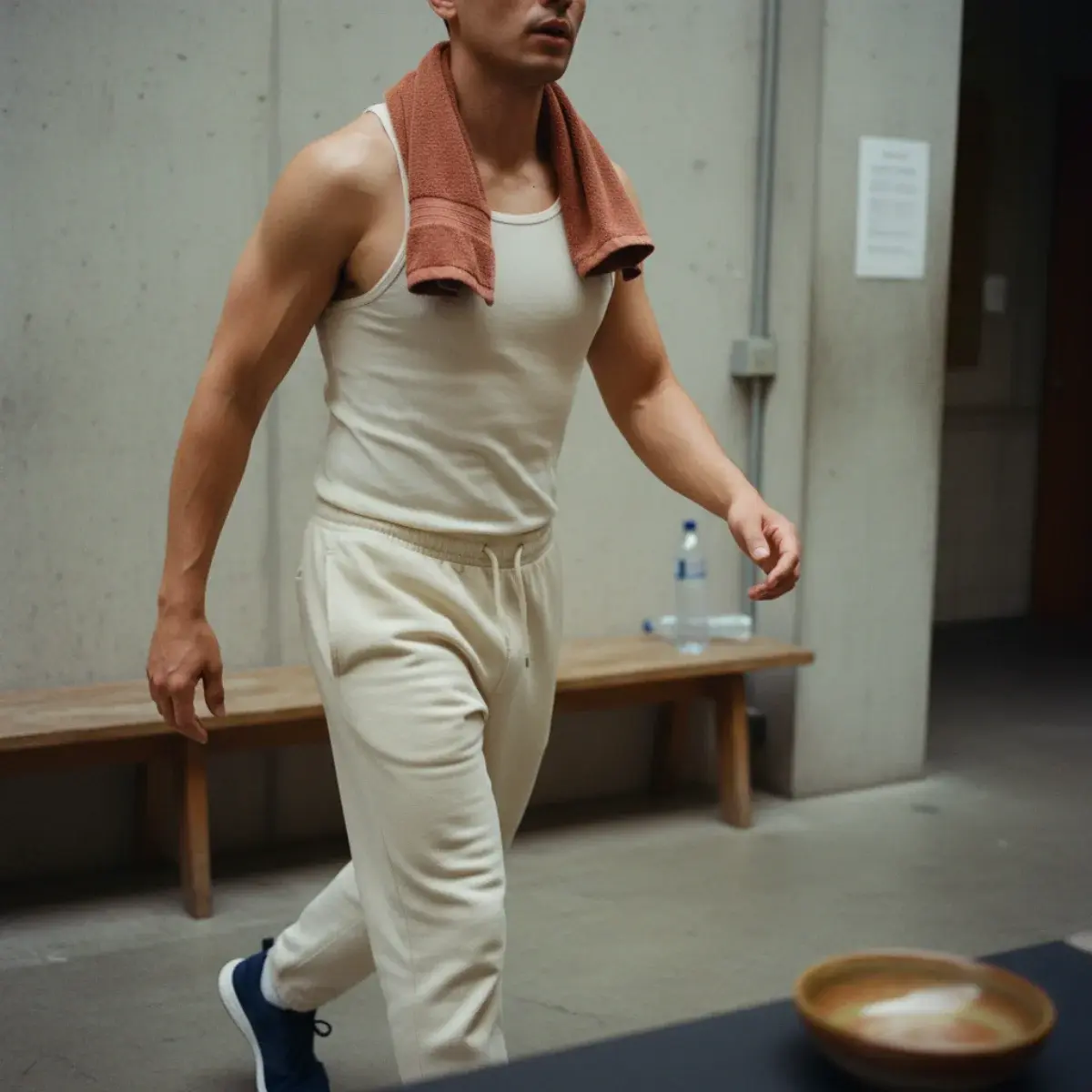
A fitted ribbed tank in a dark colour, paired with the same 5–7 inch shorts and trainers. The tank works when the gym is hot, when you're doing genuinely heavy lifting and want shoulder mobility, and when the aesthetic is part of your training identity. The line between tank and cut-off shirt with armholes down to the ribs matters — the former reads serious, the latter reads gym-bro.
 1600×1067
Where it fails. A tank in an air-conditioned gym in winter. A tank on a build that the wearer is uncomfortable showing — confidence reads more than physique, and a man in a t-shirt looking comfortable beats a man in a tank looking self-conscious.
3. The cold-weather long sleeve
When the gym is cold or you're warming up, a fitted long-sleeve technical shirt (or a fitted compression top under a t-shirt) handles the heat regulation. Look for moisture-wicking fabric, thumb holes if you like them, and a fit that doesn't ride up during overhead pressing.
 1600×1067
Layering. A fitted long-sleeve under a regular t-shirt — the long-sleeve shows at the collar and cuff — is the modern equivalent of the boxer's two-shirt look. Reads intentional, gives warmth for warm-up, lets you peel a layer as the workout heats up.
4. The structured jogger outfit
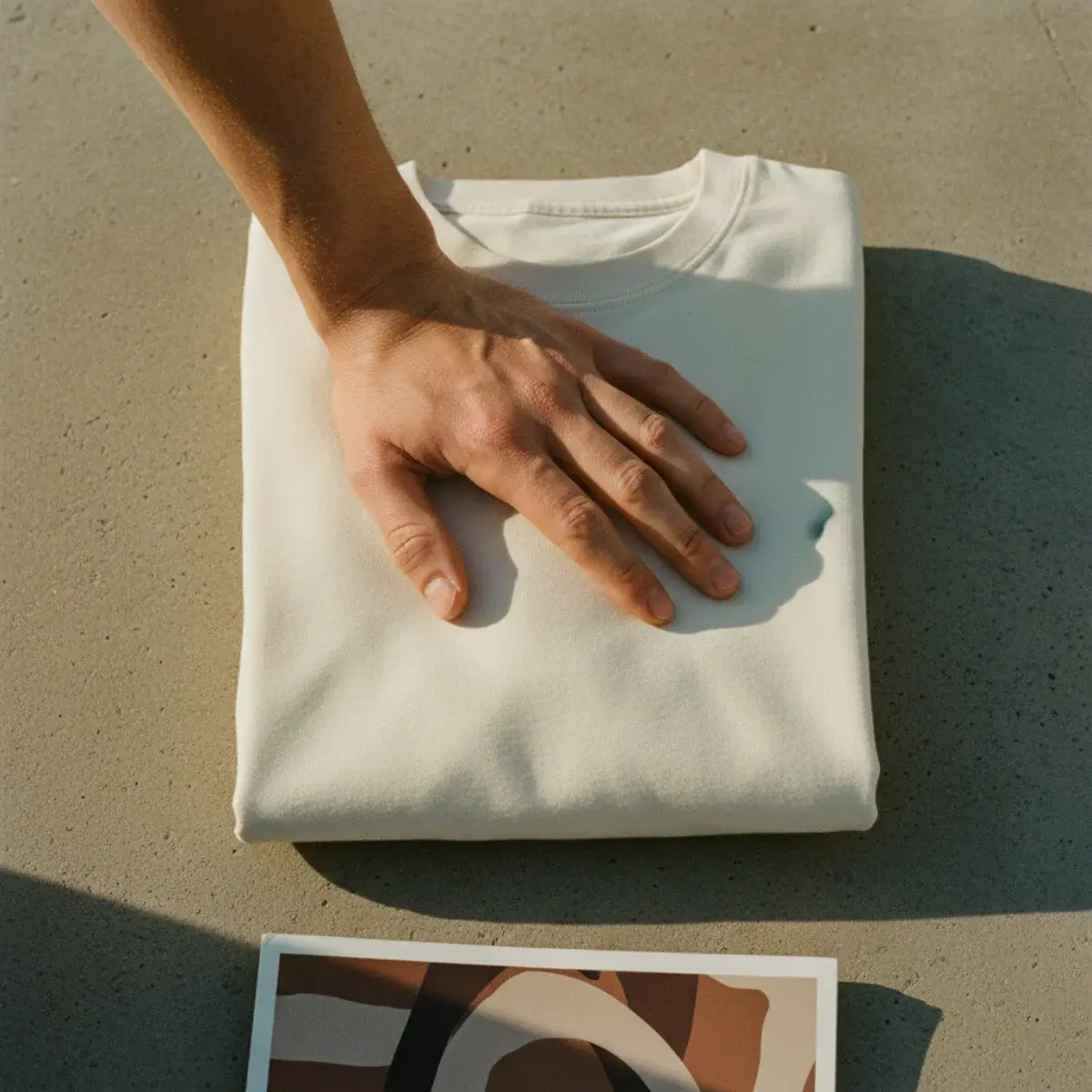
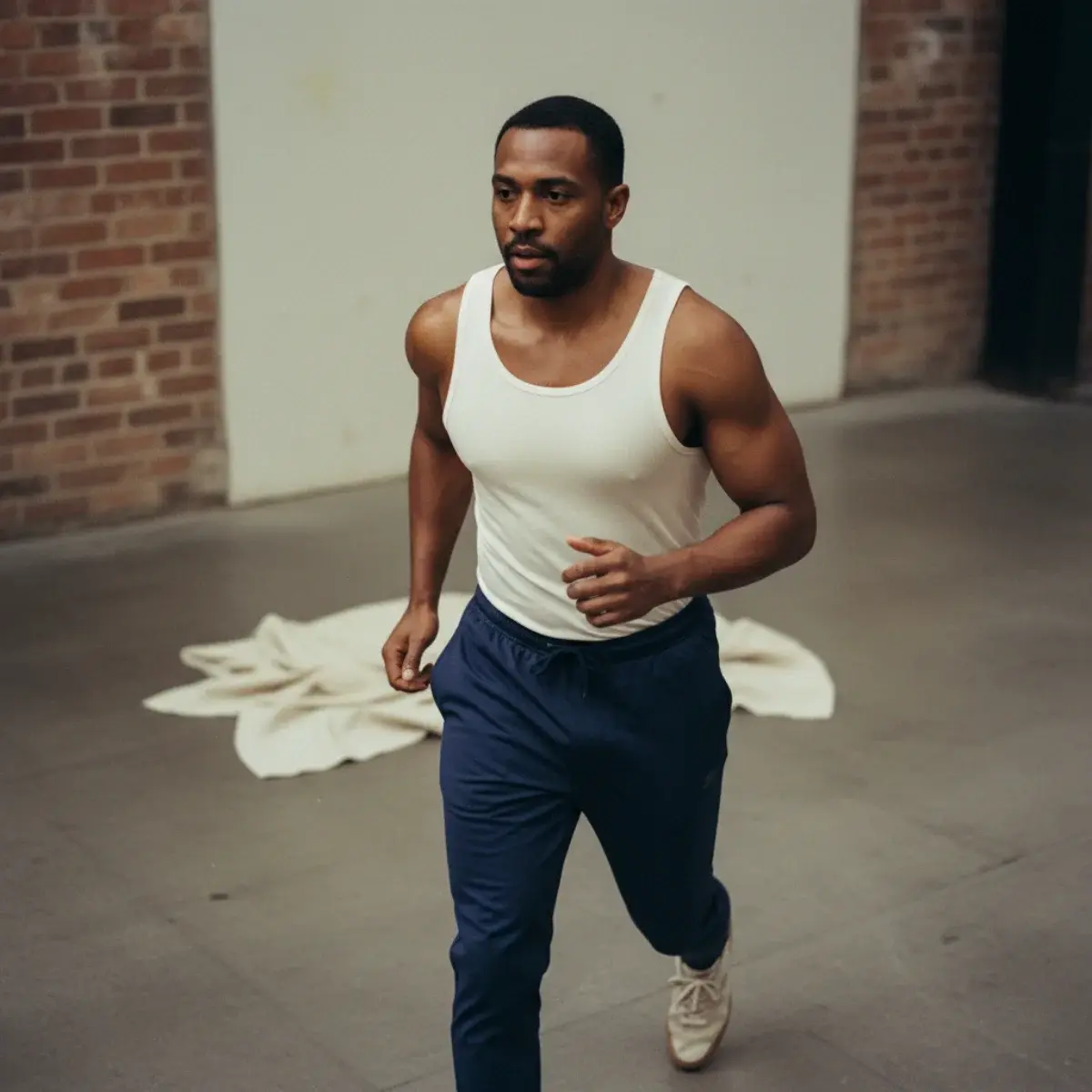
Cooler weather, or cardio days, or the walk in: structured joggers (heavyweight fleece, tapered leg that holds its shape) paired with a fitted t-shirt or a quarter-zip. The shorts can wait until you're warm; the joggers handle the locker-room-to-rack transition without looking like sweatpants.
 1600×1067
Structured vs. baggy. The whole difference between gym joggers that work as semi-casualwear and gym joggers that read as bedroom clothes is the fabric weight and the leg taper. Heavyweight fleece holds a defined line down the leg; thin grey jersey bunches at the knee. Buy heavyweight; skip thin.
The fastest way to look like you're not serious about training is to dress like you're not serious about anything else.
5. The hoodie or quarter-zip layer
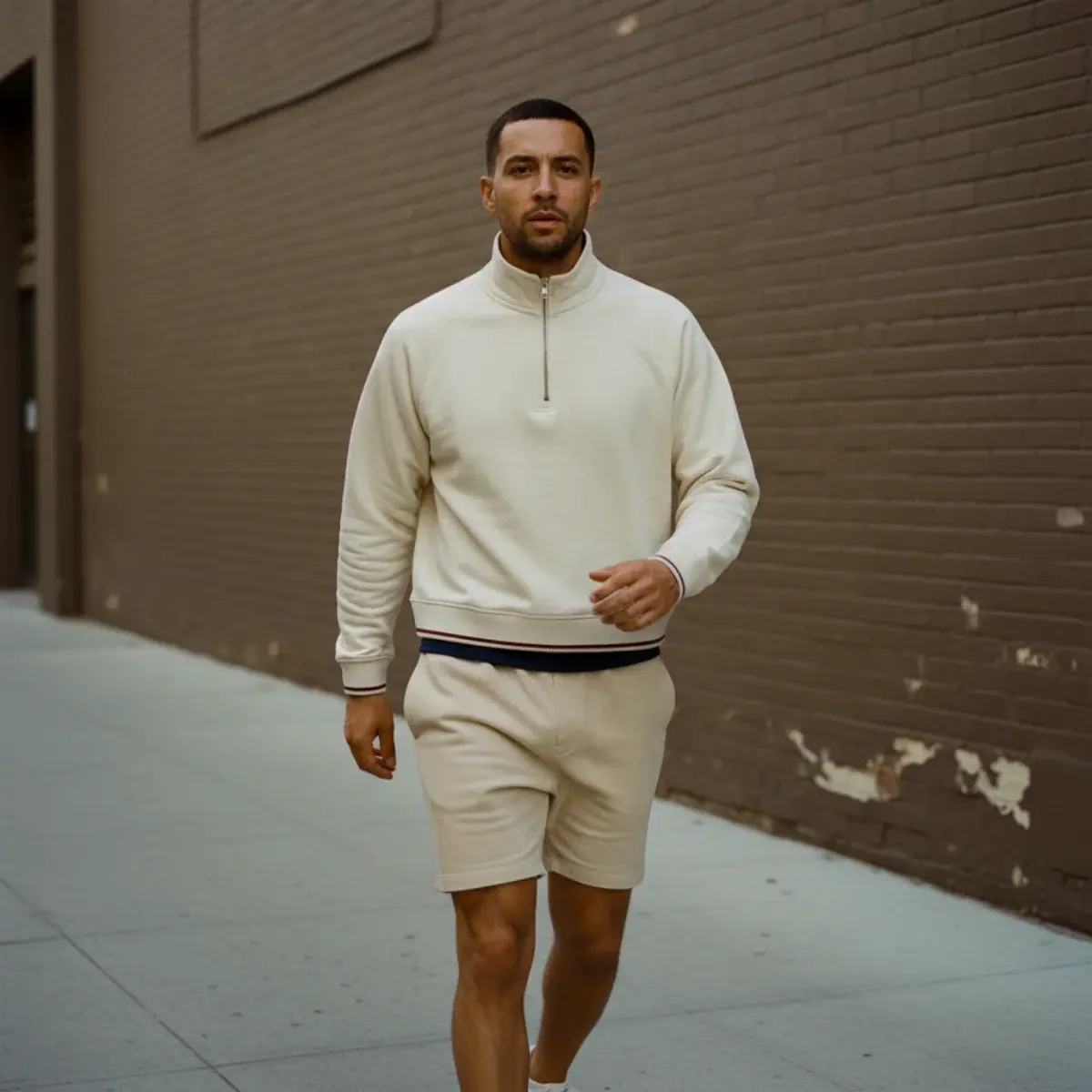
A pull-over hoodie in heavyweight fleece, or a technical quarter-zip in a matte synthetic, finishes the cold-weather gym kit. Wear over the base t-shirt for the walk in, peel and stash in the locker, put back on after the shower for the walk home. Avoid: oversized hoodies (gym-wear, not actual training wear), zip-up hoodies with bulky drawcords, anything with large brand logos across the chest.
 1600×1067
6. The compression layer underneath
Compression leggings under shorts work for two reasons: muscle support during heavy training, and discretion during exercises with significant range of motion. Black compression leggings under black shorts is the standard combination; the leggings should be the same length as the shorts or 5–10cm shorter, never extending past the knee in a contrasting line.
 1600×1067
When it's overkill. A man doing light cardio in compression leggings under shorts looks over-equipped. Save the layer for heavy lower-body sessions, true endurance running, or genuinely cold conditions.
7. The full-leggings cardio outfit
For running, cycling, or genuine endurance training, full-length athletic leggings (often called running tights) are appropriate on their own — no shorts over them — paired with a fitted technical t-shirt or long-sleeve. This is the modern equivalent of the 1980s tracksuit; black leggings, dark top, proper running shoes, and the look is intentional and athletic.
 1600×1067
The "shorts over leggings" question. Conventional in some gyms, conspicuously absent in others. Pure preference. If you wear them, both pieces should be black or both technical-dark; mismatched colours read messy.
8. The pre/post-workout outfit
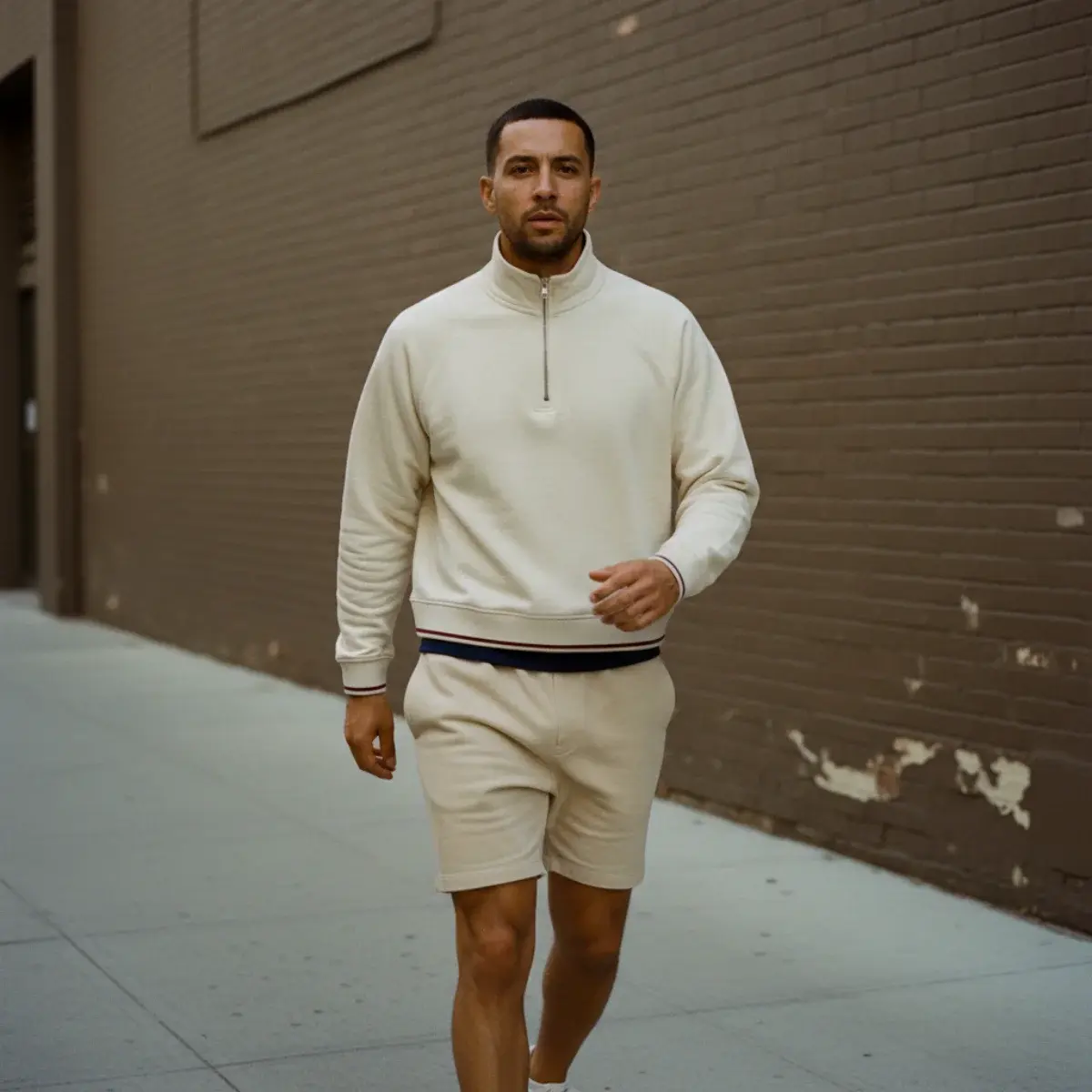
The walk in and walk out matter. Joggers + a t-shirt + a quarter-zip + a low-profile training shoe forms a gym-adjacent outfit that doesn't read athletic enough to be costume and doesn't read casual enough to be confused for streetwear. This is the in-between outfit: not the workout, not the rest of the day. It's also the look that translates best from gym to errands, gym to coffee, gym to walking-the-dog.
 1600×1067
9. The minimalist hot-yoga or mobility outfit
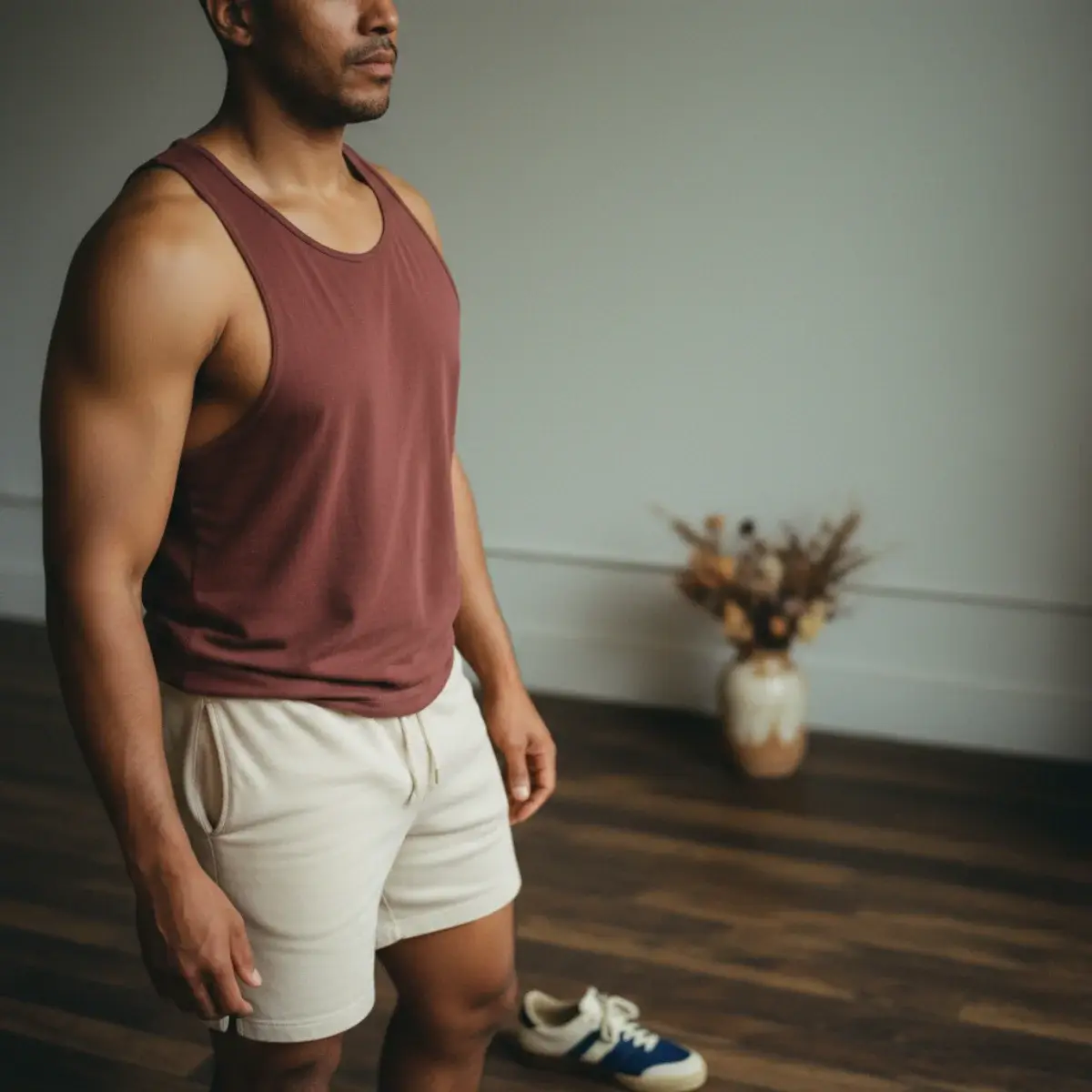
For yoga, mobility work, or low-intensity training, the kit shifts: tighter compression shorts (no bagging at the knee during inversions) or fitted leggings, a fitted technical t-shirt or tank, no shoes — or minimal toe-grip socks. The principle: less fabric to interfere with positions. The mistake: wearing your lifting outfit to a yoga class. The volume and fabric will fight you on the mat.
 1600×1067
10. The all-black training kit
The cleanest gym look there is. All-black: technical t-shirt, shorts, socks, shoes. Looks intentional, photographs well, hides sweat better than any other combination, and works across every type of training. The single most reliable choice for a man who doesn't want to think about gym outfits ever again — buy three of the same kit, rotate them, never repeat the decision.
 1600×1067
Key takeaways
- 1The base uniform is four pieces: fitted technical t-shirt, 5–7 inch shorts, performance socks, training shoe matched to the activity.
- 2Dark colours hide sweat better, hold shape longer, and pair more easily across the gym wardrobe.
- 3Fit beats fabric. A perfectly-fitted basic t-shirt out-dresses a poorly-fitting technical one.
- 4Match the shoe to the workout — lifting flats for strength, running shoes for cardio. Never swap them.
- 5Structured joggers (heavyweight, tapered) cross into casualwear; baggy thin sweats do not.
- 6All-black is the failsafe — looks intentional, photographs well, removes the daily outfit decision.
What to skip
The gym-wear category that almost never improves a workout outfit:
Weight-lifting belts on lifts under 1.5× bodyweight. A belt during a 60kg squat reads like gear theatre. Belts have specific purposes — bracing under heavy load — and outside that purpose, they read as equipment-as-costume.
Gloves for most lifters. Calluses are part of lifting. Gloves reduce grip strength and look fussy. The exceptions: gymnasts on rings, lifters with skin conditions that genuinely need protection. Otherwise, skip.
Compression sleeves on knees and elbows for light training. Wear them if you have a specific injury or are deep into a programme that demands them; skip if you don't. The over-equipped look adds nothing.
Indoor sunglasses, headbands worn as a fashion piece, basketball shorts past the knee, oversized hoodies, anything with a logo larger than your fist — all read costume or dated. Skip.
Cotton t-shirts for high-sweat workouts. Cotton holds water, stays heavy, chafes once saturated. Technical synthetic or a merino blend handles sweat properly. Save cotton for the walk-in layer.
The shoes question, expanded
The single most consequential piece of the gym kit. Get this wrong and the rest of the outfit can't save the day.
For lifting (squat, deadlift, overhead press, bench): a flat, hard-soled shoe. The classic Chuck Taylor or Vans Authentic works; dedicated lifting flats (Nike Romaleos, Adidas Powerlift) work better. The flat sole grounds the foot and improves force transfer. A cushioned shoe under a heavy squat is genuinely unsafe — the sole compresses unevenly and the bar moves.
For running and most cardio: actual running shoes with cushioning matched to your gait and weekly mileage. Replace every 500–800 miles or every 12–18 months, whichever comes first. The dead running shoe is the leading preventable cause of recreational running injuries.
For mixed training, HIIT, CrossFit-style sessions: a cross-trainer with moderate cushioning (Nike Metcon, Reebok Nano, NoBull Trainer). Versatile enough to handle the variety; not specialised enough to peak at any one activity.
Court shoes (Stan Smith, Reebok Club C, Vans Old Skool) cross into casualwear cleanly — they're the only gym-adjacent shoe that walks out of the gym and into the rest of the wardrobe without looking like it forgot to change. The full men's footwear guide breaks down the broader shoe wardrobe.
Comparison: by activity
| Activity | Top | Bottom | Shoe | Extras |
|---|---|---|---|---|
| Heavy lifting | Fitted tee or tank | 5–7 in. shorts | Flat lifting shoe | Belt for >1.5× BW lifts only |
| Running | Fitted tech tee, long-sleeve in cold | Running tights or 5 in. split shorts | Cushioned running shoe | Lightweight wind layer in cold |
| HIIT / CrossFit | Fitted tee | Shorts | Cross-trainer | None as a default |
| Yoga / mobility | Fitted tee or tank | Compression shorts or leggings | Bare or grip socks | Mat, towel |
| Cycling (indoor) | Fitted tee | Padded cycling shorts | Cycling shoe if clipped pedals; flat trainer otherwise | Heart-rate strap optional |
| Walking in / out | Tee + quarter-zip | Structured joggers | Low-profile cross-trainer or court shoe | Gym bag, water bottle |
The eight-piece gym wardrobe
If you're starting from scratch, the complete kit:
- Three fitted technical t-shirts in black, navy, charcoal (rotate through the week)
- Two pairs of 5–7 inch shorts in matching dark tones
- One pair of structured heavyweight joggers for cold days and the walk in
- One fitted long-sleeve or compression top for cold-weather warm-up
- One quarter-zip pullover for layering in/out
- One pair of training shoes matched to the dominant activity (lifting flat, running cushion, or cross-trainer — choose one based on your main sport)
- One pair of running shoes (separate, even if you primarily lift — for walking, cardio, conditioning)
- Three pairs of performance socks that disappear into the shoe
Eight items, well chosen and replaced as they wear out, cover almost any training routine. The wardrobe of a man who buys gym clothes impulsively is twelve t-shirts he doesn't reach for; the wardrobe of a man who chose carefully is the eight he wears every week.
See all men's outfit guides → · Men's casual outfits → · Men's footwear guide →
Frequently asked
- What should a man wear to the gym?
- The basic uniform: a fitted (not tight, not baggy) technical t-shirt or tank, a pair of training shorts that hit mid-thigh to just above the knee, performance socks, and proper training shoes for the activity you're doing — not running shoes if you're lifting, not lifting flats if you're running. Add a fitted long-sleeve and structured joggers in cooler weather. Avoid anything cotton-heavy for high-sweat workouts.
- Do gym clothes need to be expensive?
- No — but the cheapest synthetics break down fast and stink within a year. The middle ground (Lululemon, Gymshark mid-line, Nike Pro, Uniqlo's heat-tech and dry-fit range) hits the right balance of durability, fit, and price. The expensive end ($100+ shirts) buys marginal improvements most lifters won't notice. Spend on shoes and shorts; save on shirts.
- Can I wear gym clothes outside the gym?
- Some pieces, yes — a fitted technical t-shirt under a casual layer, structured joggers (not gym sweats) with a clean sneaker, a quarter-zip pullover with chinos. Pieces that don't travel: gym shorts (only at the gym), tank tops (only at the gym), athletic shoes with visible cushioning under casualwear (it kills the line — see [the footwear guide](/mens-footwear-guide)).
- What's the right shorts length for the gym?
- Mid-thigh to just above the knee for most training. Above mid-thigh (the very short cuts) is a deliberate aesthetic choice that works for some men and reads costume on others — know which one you are. Below the knee reads dated and restricts movement on squats and lunges. The 5-to-7-inch inseam range is the modern standard for most builds.
- Should I wear a tank top or a t-shirt to the gym?
- Tank tops are appropriate for hot weather, for builds you genuinely want to show, and at gyms where it's the norm. T-shirts are more universally appropriate and rarely wrong. If you're new to a gym, observe the dress norms for a couple of sessions before defaulting to a tank — some gyms have explicit rules, and others have implicit ones that get communicated through dirty looks.
- What shoes for which workout?
- For lifting and most strength training: a flat, hard-soled shoe (Vans-style, Converse, dedicated lifting flats like Nike Romaleos). For running: actual running shoes with proper cushioning, replaced every 500–800 miles. For mixed training and HIIT: a cross-trainer with moderate cushioning. Never a running shoe for heavy squats (the soft sole destabilises the lift), never a flat shoe for distance running (no shock absorption).
- How do I avoid the gym-bro stereotype?
- Wear clothes that fit. Skip the cut-off shirts with the armholes down to the ribs. Don't wear sunglasses indoors. Skip the weight-lifting belt unless you're actually loading a heavy compound at over 1.5x bodyweight. Wash your gym kit between sessions. The stereotype is built on bad fit and over-equipping; clean fit and minimal gear reads serious, not aspirational.
Written by Theo Ashworth, looksyra editorial. Last updated May 2026.