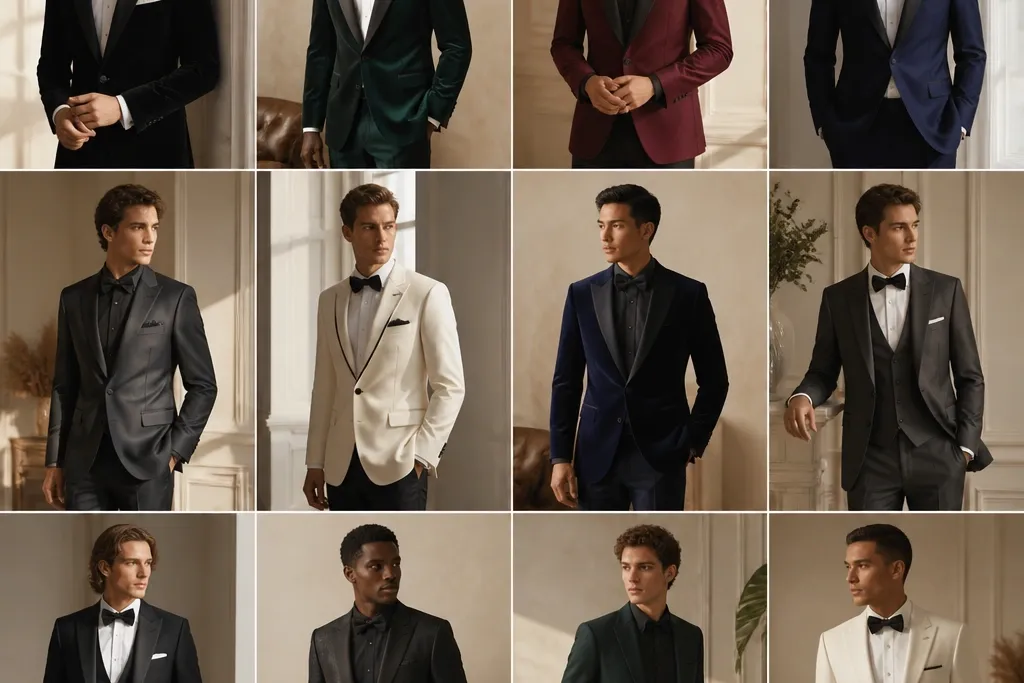
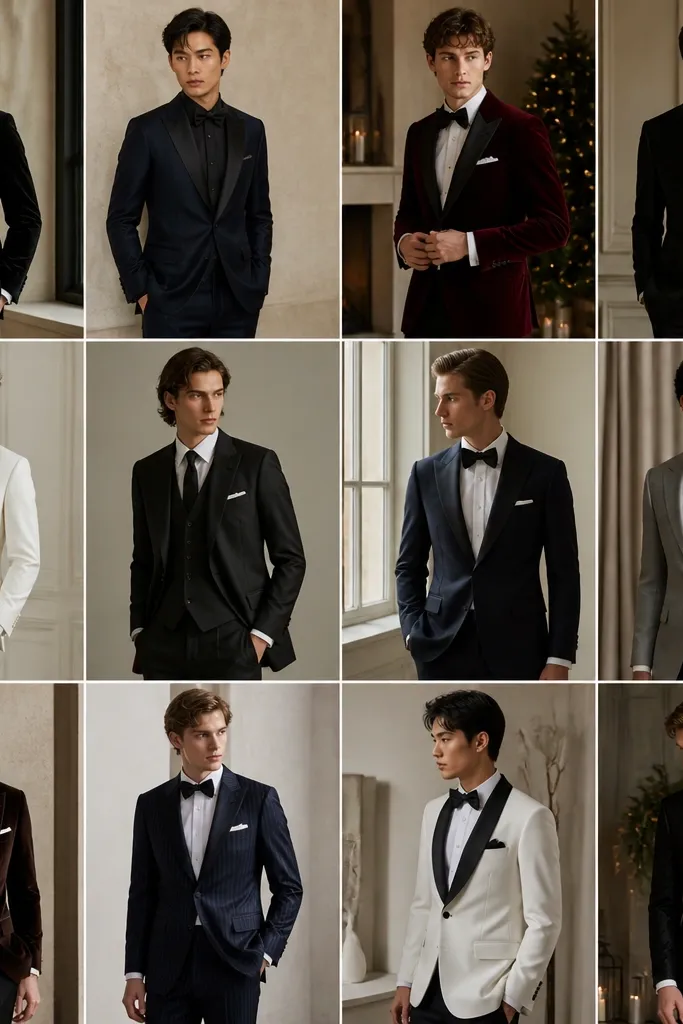
1. Charcoal Wool-Blend Tux Dress with Clean Placket
This is the winter version of a tux - you get the formal front line without relying on a jacket that leaves your torso cold. Charcoal wool-blend holds shape and hides static cling from tights or base layers. The clean placket and lapel-like detail keep the look crisp from front to back. It reads classy because the fabric looks dense and the lines stay straight.
Look for a dress with a front placket that buttons or snaps, not a flimsy pull-on seam. Choose a mid-calf length so it covers your legs when you stand outside. Pair with black or dark gray boots and keep outerwear in the same color family. If you tailor, take in at the waist by about 0.5-1 inch for a sharper silhouette without restricting breathing.
Pro tipAdd a thin base layer under the dress in black merino (not thermal cotton) so the wool stays smooth and warm.
AvoidAvoid satin-only trim on thin fabric; it looks shiny in all the wrong places and wrinkles fast in winter.
2. Forest Green Velvet Wrap Dress with Long Tie Ends
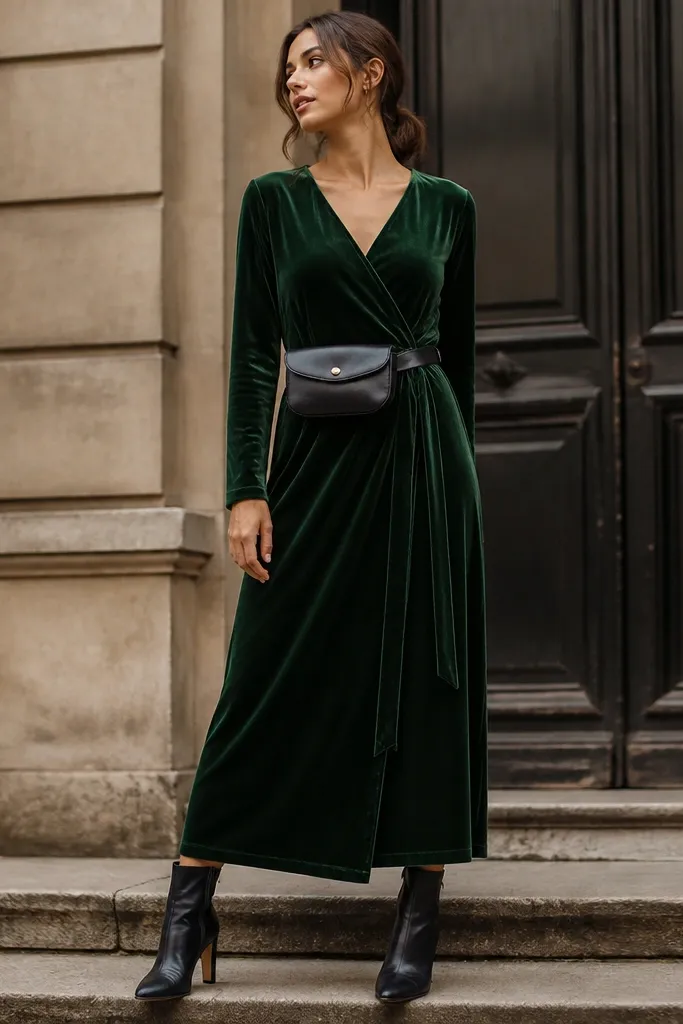
Velvet gives you instant formal energy in cold weather because the pile traps heat and adds depth to the color. Forest green looks rich without needing heavy ornament. A wrap front flatters because it creates a controlled V shape while still allowing room for layering underneath. The long tie ends add movement when you walk, so it does not look stiff.
Choose velvet with a dense pile (it should feel heavy, not fuzzy). Set the wrap overlap so it covers the body when you sit - aim for about 2-3 inches of overlap across the waist. Wear a fitted long-sleeve base layer in black or deep green to keep the neckline clean. For accessories, use matte black leather and one metal tone, like silver or gunmetal.
Pro tipTie the wrap slightly off-center so the V line stays flattering even when the fabric shifts.
AvoidSkip cheap crushed velvet; it looks uneven and can look dusty under indoor lights.
3. Navy Rib-Knit Column Dress with Mock Neck
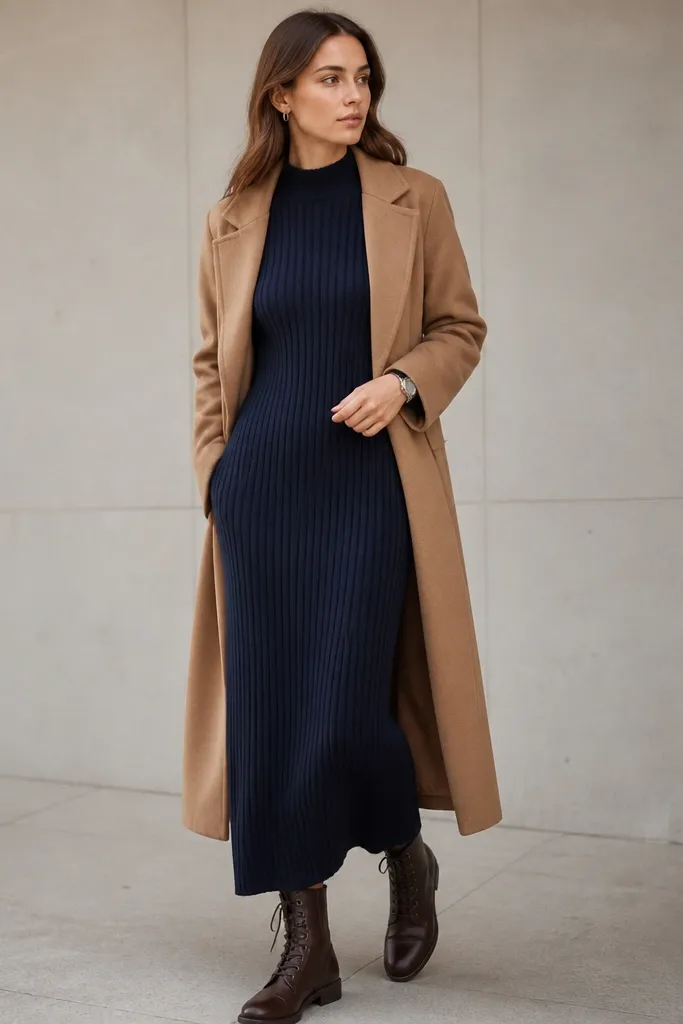
A rib-knit column dress is cozy by design - the knit holds warmth and the vertical ribbing makes the body look longer. Navy reads formal in winter because it stays dark and grounded, not bright or party-like. The mock neck keeps your chest warm and makes the outfit look intentional even without a jacket. It also layers well under coats without bunching.
Get a dress with ribs that run straight down the body and do not twist when you move. Length should hit around mid-calf or just below the knee for a formal line. Pair with a structured coat in camel, charcoal, or navy to balance the knit texture. If you want a sharper waist, choose one with a slightly higher side seam or add a thin belt over the coat line, not directly on the ribs.
Pro tipSteam the knit lightly (low heat, no direct iron) so the ribs sit flat and look polished.
AvoidAvoid thin jersey rib that stretches out; it will bag at the elbows and look tired by week two.
4. Black Satin-Back Crepe Shift Dress with Side Slits
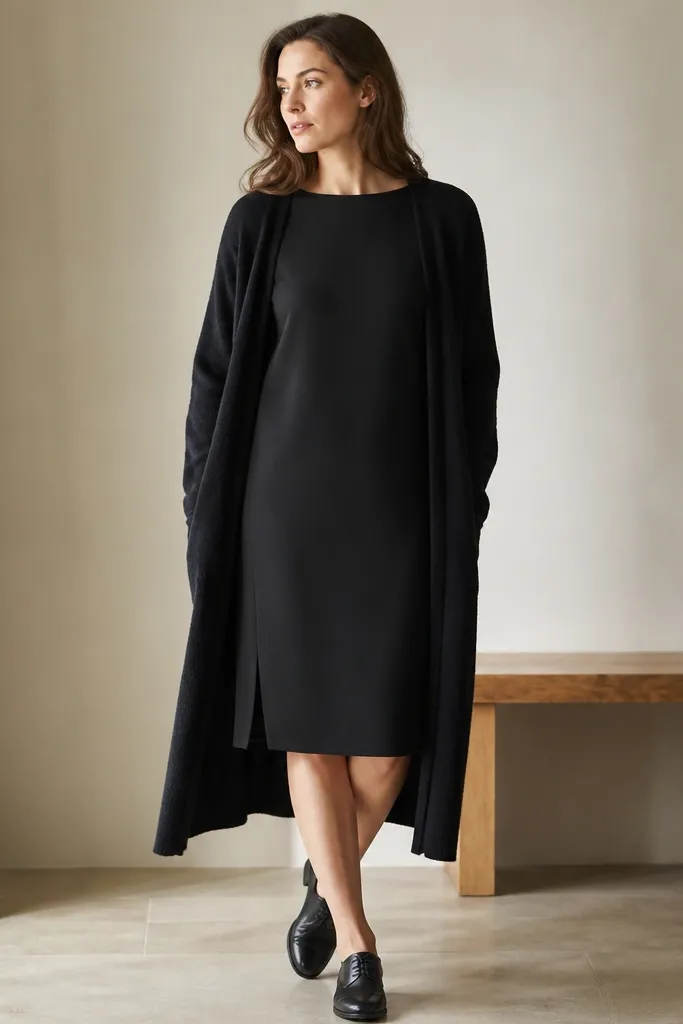
Crepe with a satin-backed finish looks formal because it catches light in a controlled way instead of glittering. The shift cut is forgiving in winter when you add layers, and small side slits help you walk without feeling trapped by fabric. Black keeps everything classy, and the satin detail makes it feel evening-ready. This is a great option when you want dress energy but you do not want a wrap or tux front.
Choose a crepe that has weight - if it feels papery, it will cling to base layers and show wrinkles. The sleeves should be fitted enough to hold warmth, but not tight across the forearm. For layering, use a long wool cardigan or a thin overcoat; avoid bulky puffer layers unless the dress fabric is equally heavy. Tailor the hem so it falls cleanly when you stand - side slits should not pull open when you walk.
Pro tipWear opaque tights or a base leg layer in black so the slits do not reveal too much skin in cold air.
AvoidSkip overly shiny satin fronts; it reads nightlife instead of winter formal.
5. Oxblood Wool-Blend Shirt Dress with Button-Front and Belted Waist
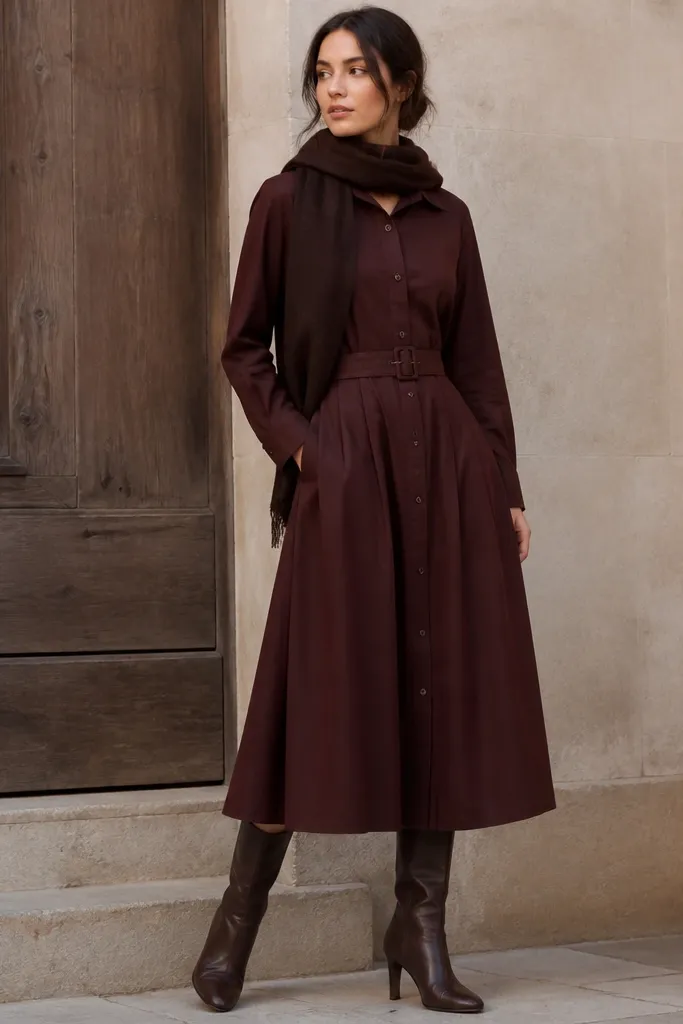
A shirt-dress format is underrated for men because it gives you familiar structure without making you look like you are dressed up in someone else's clothes. Oxblood wool-blend looks warm and expensive because it sits between brown and burgundy. The button-front creates crisp lines, and a belt gives shape so the dress does not hang like a tunic. In winter, the shirt collar also helps you control the neckline with a scarf.
Pick a belt that is medium width (about 1 inch) so it defines the waist without looking costume-like. The dress should have enough fabric at the shoulder to avoid pulling near the buttons. Wear it with boots that match the belt tone, plus a scarf with tight weave texture. If you plan to wear a coat, choose a midi length so the coat does not cut the dress into two messy sections.
Pro tipUnbutton just one or two top buttons and add a slim scarf knot - it looks intentional, not sloppy.
AvoidAvoid thin cotton shirt-dress fabric in winter; it will look cold and crease badly.
6. Camel Boucle Longline Dress with Minimal Seams
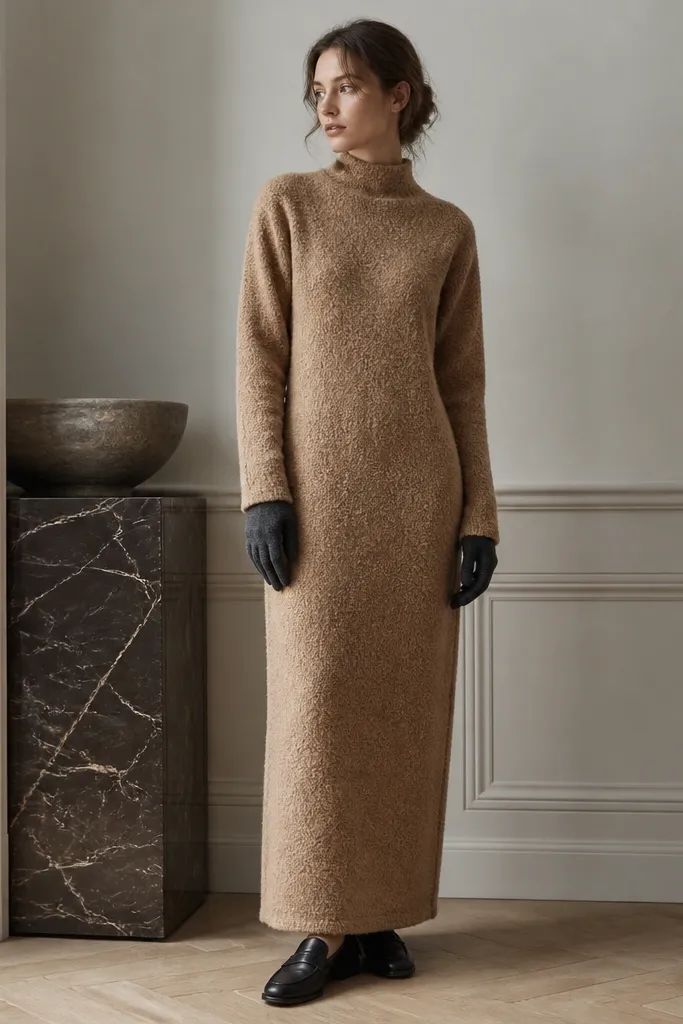
Boucle texture makes a dress feel warm even before you add a coat. Camel reads cozy and classy because it matches winter neutrals - think wool coats, leather shoes, and darker accessories. Minimal seams keep the silhouette smooth and stop the texture from looking busy. The high neckline also blocks wind and keeps the outfit looking tidy.
Choose boucle with a tight loop - it should feel dense and not shed fuzz. Look for a longline fit that sits close to the body at the shoulders but falls straight from waist to hem. Pair with dark charcoal or black footwear so the camel does not look washed out. For styling, keep jewelry simple and matte so it does not compete with the texture.
Pro tipBrush the fabric with a soft garment brush before you leave - boucle looks cleanest when the loops sit evenly.
AvoidAvoid very light beige boucle; it shows lint and makes the texture look messy fast.
7. Slate Gray Jersey Wrap Dress with Storm-Cuff Sleeves
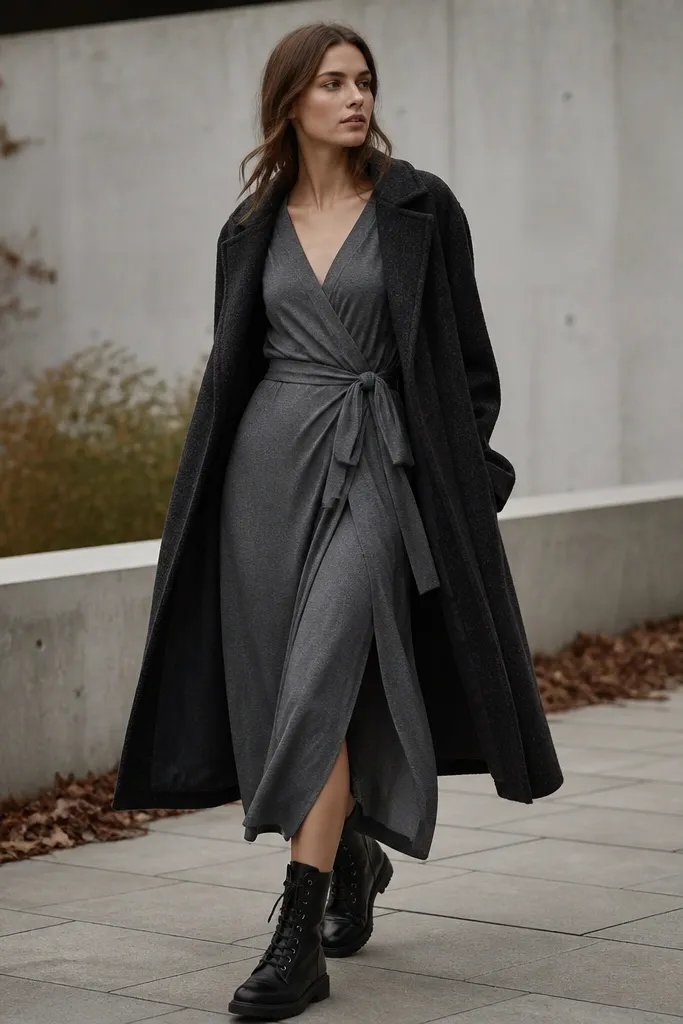
Jersey wrap dresses work in winter when the fabric has recovery and weight. Slate gray is flattering and hides minor lumps from base layers. Storm-cuff sleeves matter - they cover the wrist gap so the cold air does not creep in. The wrap shape creates a clean torso line, which looks formal even when the dress is stretchy.
Find a jersey that is thick enough to stand up when you hold it - if it collapses, it will cling and look cheap. Tie the wrap with a secure internal button or hook so it does not loosen when you move. Wear with an overcoat that has a smooth front, not a puffy one, so the wrap line stays visible. If you want a cleaner waist, add a narrow belt over the wrap tie only when the coat is off.
Pro tipChoose base layers in the same gray family so the wrap overlap stays smooth at the chest.
AvoidSkip wraps without interior closure; it will gape when you sit and ruin the formal look.
8. Burgundy Overcoat-Dress Hybrid with Double-Button Front
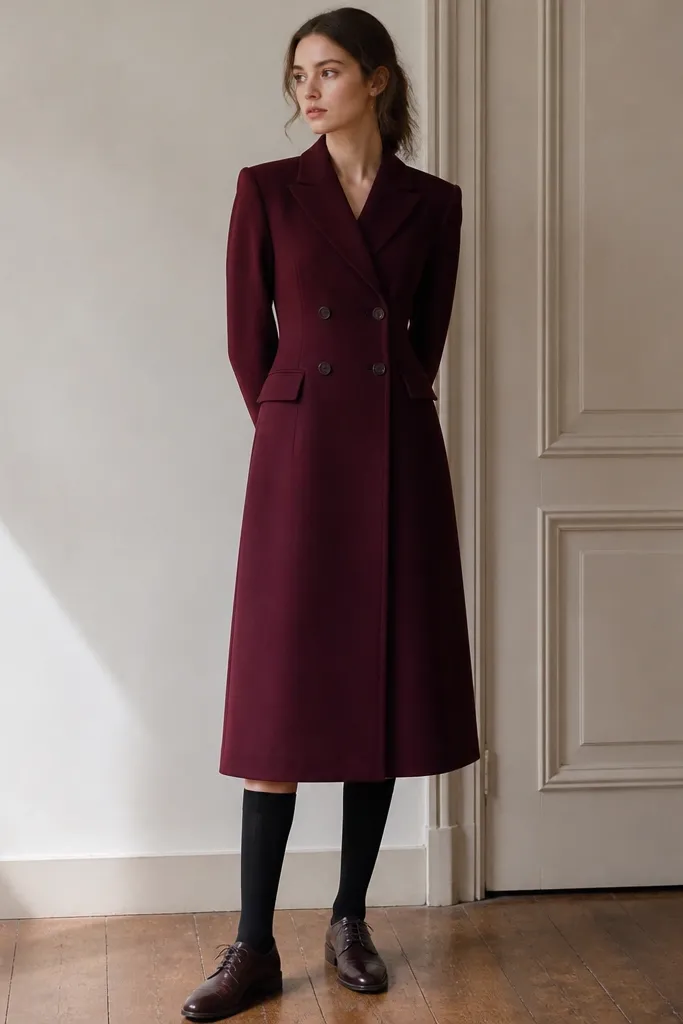
This is my go-to for winter events where you want warmth plus formality without stacking too many layers. The double-button front creates a strong vertical line and makes the dress read like tailored outerwear. Burgundy looks warmer than black in winter photos, especially under indoor lighting. A structured shoulder keeps the silhouette sharp even when you add a scarf.
Look for a dress with real buttons and a proper facing so the front stays flat. Choose a midi length so it covers the upper shins and looks dressy with socks. Pair with oxford shoes or dress boots - avoid sneakers here. Keep the scarf knit tight and in cream, camel, or black so it does not clash with the double-breasted vibe.
Pro tipPress the front with steam and let it hang for 10 minutes - the buttons sit cleaner once the fabric relaxes.
AvoidAvoid overly oversized shoulders; they turn the dress into a costume silhouette.
9. Black Lace-Trim Long Sleeve Dress with Wool Underlayer
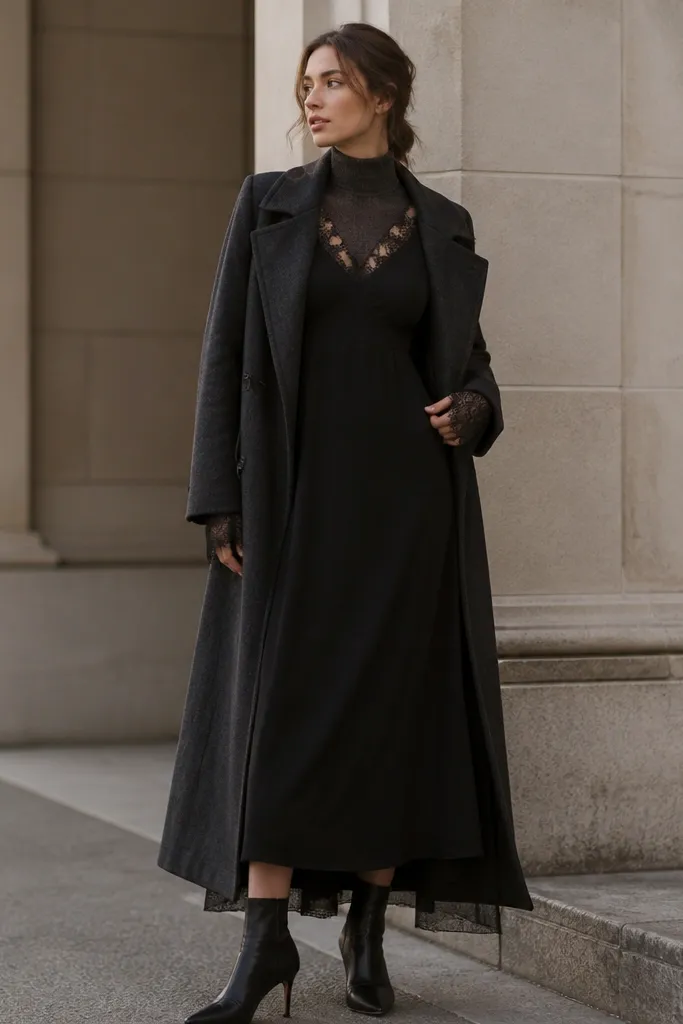
Lace in winter is tricky. The trick is using lace as a detail, not the whole fabric. This setup keeps the formal feel while the wool underlayer handles warmth where your body needs it. Black lace trim looks sharp against wool because it creates contrast without bright color. It also photographs well because lace edges catch light in a controlled way.
Choose a dress where the lace is concentrated at the neckline, cuffs, or a panel - not a full lace body that turns cold fast. Add a thin wool turtleneck or wool base dress underneath in black. Keep the outer coat long and matte so the lace does not fight with shine. If you tailor, focus on sleeve length so the lace cuff sits exactly at the wrist.
Pro tipUse a garment steamer on the lace area only - ironing can flatten the pattern and look dull.
AvoidAvoid wearing lace over bare skin in cold weather; it looks and feels cheap fast.
10. Light Gray Pleated Midi Dress with Thick Knit Turtleneck Layer
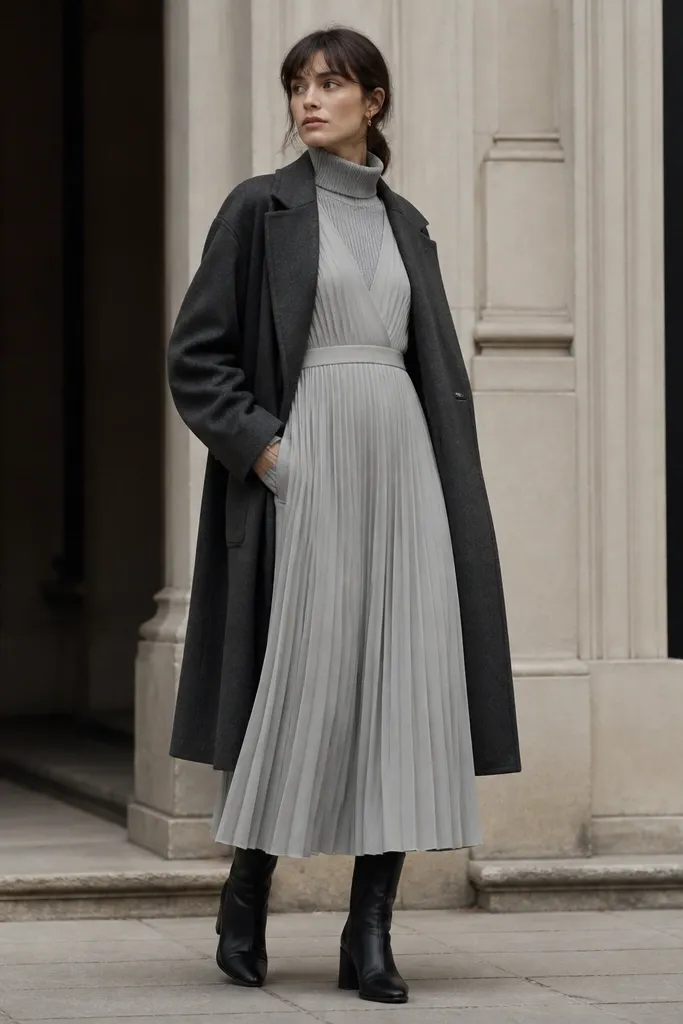
Pleats look formal because they hold shape and move with you. Light gray can look icy in winter if the fabric is thin, but with a dense knit layer underneath it turns cozy and classy. The turtleneck layer also makes the dress look like a matched set, even if you bought them separately. The pleats add structure so the outfit does not collapse after an hour of sitting.
Pick a pleated dress with a thicker fabric - it should not flutter. The knit layer should be tight at the neck and smooth at the torso so it does not create bumps under the pleats. Pair with a long topcoat in charcoal and boots with a clean toe shape. If the dress has a waistband, keep it at your natural waist so the pleats start in the right place.
Pro tipLet the turtleneck peek out by about 1-2 inches at the neck - too much looks casual.
AvoidAvoid pleats made from thin polyester; they cling when you add a base layer and look wrinkled.
11. Navy and Cream Check Wool Dress with High Waist Seaming
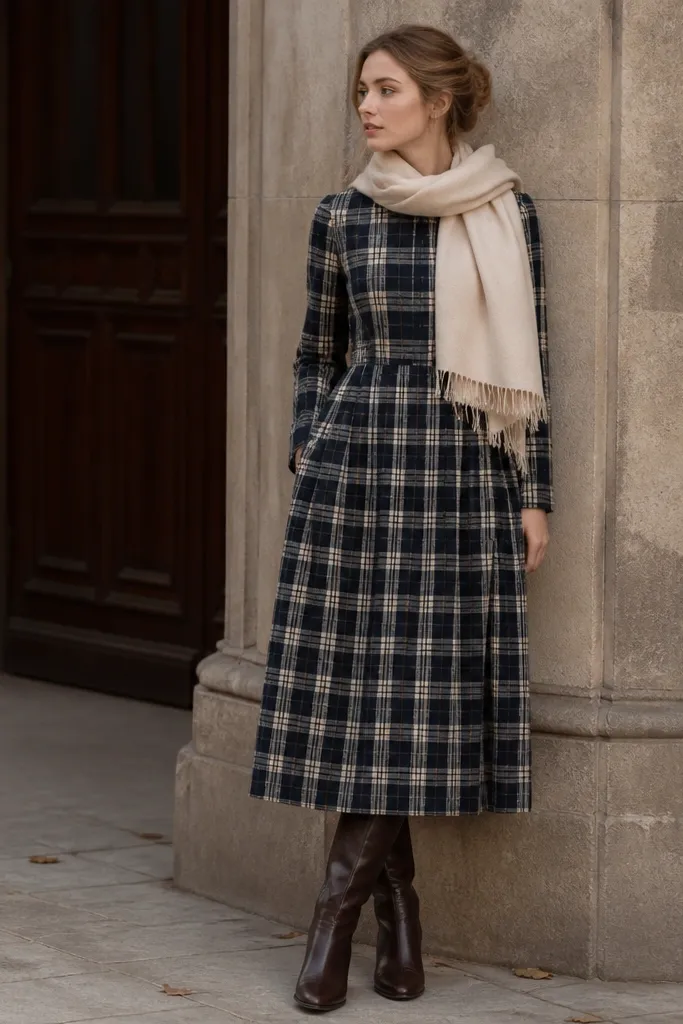
A check pattern makes the dress feel seasonal without turning it into a holiday costume. Wool check is also more forgiving than bright prints because the colors are muted and winter-friendly. High waist seaming helps you look taller and more put-together, especially if you wear boots. The pattern adds interest, so you keep accessories simple and let the fabric do the talking.
Choose check scale that is medium - tiny checks can look busy, and big checks can look bold in a formal setting. The dress should have enough structure around the waist so the seam does not pull when you sit. Wear with solid-color outerwear and boots in deep brown or black. Keep your scarf in one of the check colors, not a third color.
Pro tipMatch your belt color to one check tone and keep the buckle small.
AvoidAvoid mixing the check with another loud pattern; it makes the outfit look like a stack of winter sales racks.
12. Chocolate Brown Smooth Knit Column Dress with Belt Loop Detail
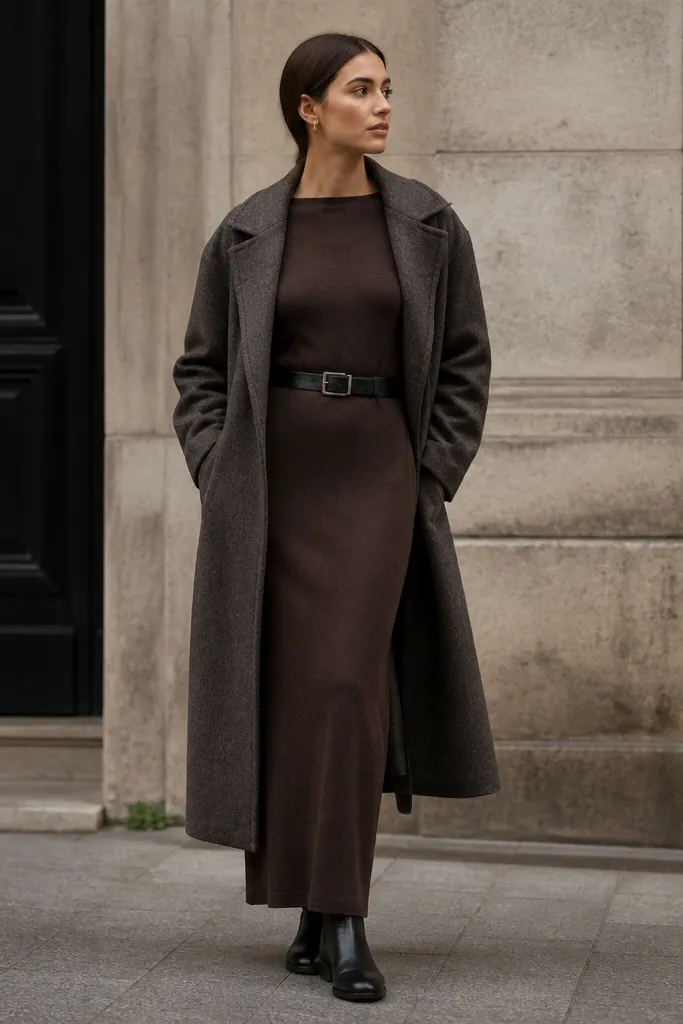
Smooth knit columns look formal because the surface is clean and the lines stay uninterrupted. Chocolate brown is warmer than gray and looks great under street lights and indoor venues. Belt loop detail gives you an option to define the waist without adding a visible wrap or heavy hardware. This is a strong choice when you want cozy comfort but still want the outfit to read "event."
Pick a knit that is smooth, not textured boucle. The dress should hug lightly at the body but not cling - you want movement without fabric tension. Add a slim belt only when you want more shape; keep it black or dark brown. For coats, choose black, camel, or charcoal so the dress stays the star.
Pro tipRoll your coat sleeve slightly above the wrist so the dress sleeve line stays visible and neat.
AvoidAvoid belts that are too wide; they break the clean column shape.