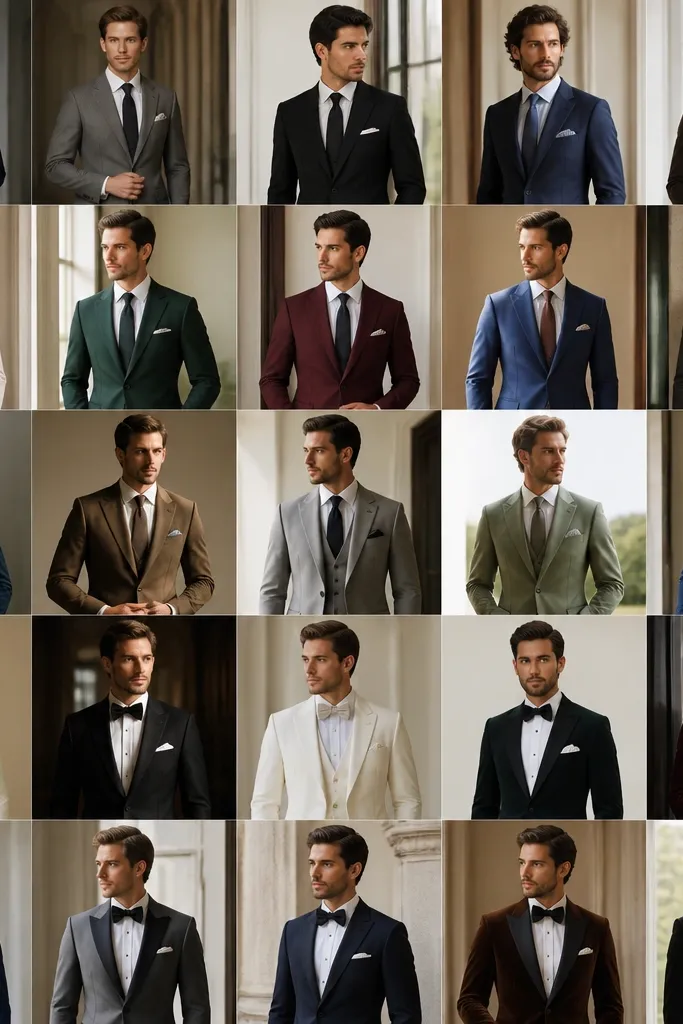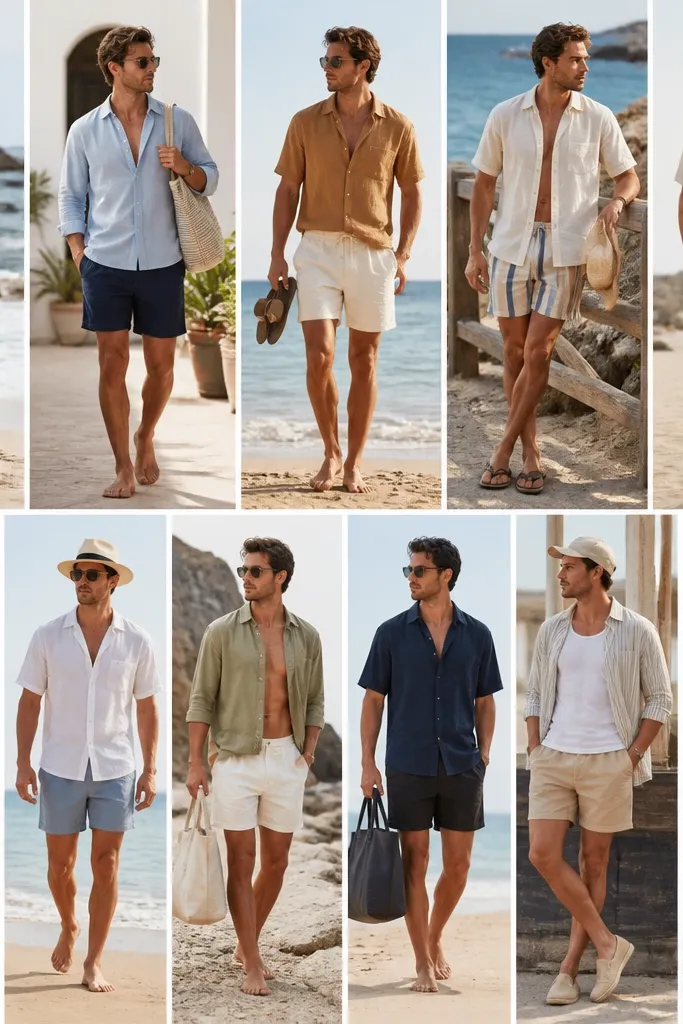
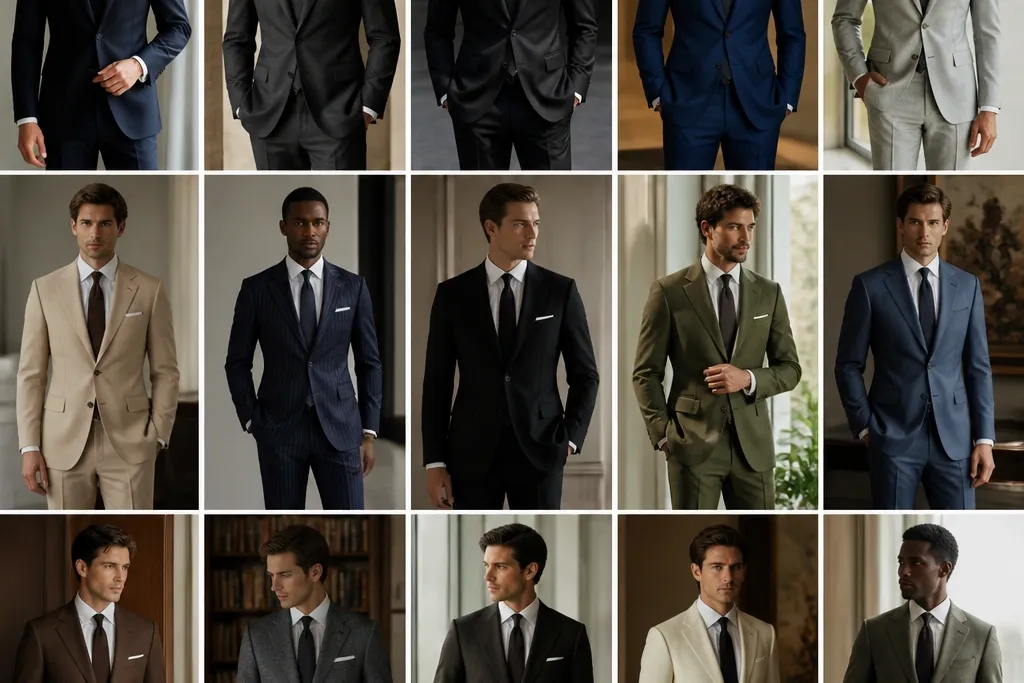
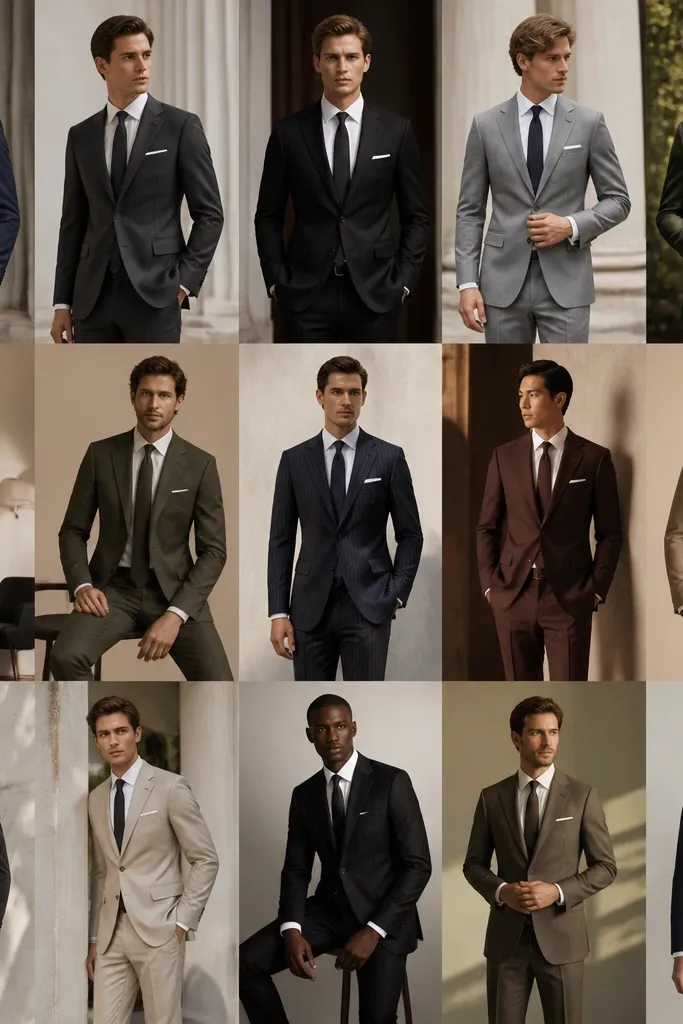
1. Black longline shirt dress with charcoal knit tie
This works because the shirt-dress structure gives you clean lines, and the knit tie adds formality without looking rigid. Black reads crisp in almost any lighting, and charcoal knit has a softer texture that doesn't fight the dress's button placket. I like this combo for dinners and gallery openings because it looks dressed up but still relaxed in motion.
Choose a longline shirt dress in cotton poplin or a crisp cotton blend with a waist seam or subtle belt loops. Keep the sleeves close to the wrist - cuff should show about 1/4 inch of shirt cuff if you're wearing one. Tie in a 4-in-hand, and keep the knot medium so it sits flat on the dress neckline.
Pro tipIf the dress is very matte, go slightly darker on the tie - charcoal over black looks better than flat black on black.
AvoidSkip a shiny satin tie with a matte shirt dress, it looks like two different outfits.
2. Navy caftan-style formal dress with burgundy silk tie
A caftan silhouette already has drama, so you keep the tie refined and narrow enough to look intentional. Navy and burgundy give that classic warm-cool contrast that photographs well under indoor lights. The silk tie's sheen matches the dress's smooth fall, so the whole thing reads cohesive instead of "dressy top, random tie."
Pick a caftan dress with a stand collar or a high V that stays flat - avoid ones with floppy collars. Use a silk tie with a subtle diagonal weave so it doesn't look flat against the drape. Aim for tie tip at the same level as the caftan's natural waist seam.
Pro tipRoll the tie knot slightly tighter than you think - caftan necklines show any gap.
AvoidDon't use a textured wool tie with a smooth caftan; the clash makes it look accidental.
3. Oxblood satin midi dress with black satin tie
This is the "one outfit, instant attention" option, and it stays classy when you control sheen levels. Oxblood satin is rich without turning into costume if the cut is clean and the tie is the same fabric family. Black satin tie keeps it grounded and prevents the look from going too sweet or too loud.
Choose a dress with straight seams and a defined waist so the satin doesn't turn into a shapeless sheet. Keep the tie width around 3.25 inches and tie it so the knot sits snug at the V. Pair with black shoes that have a similar shine - patent or polished leather.
Pro tipMatch one hardware detail: if the dress has dark buttons, keep the tie plain or with very small pattern so it doesn't compete.
AvoidAvoid loud metallic ties; oxblood satin already does the heavy lifting.
4. Stone linen long dress with navy grenadine tie
Linen has a matte, breathable texture, and grenadine tie fabric has the same "dry" look. That match is what makes the outfit feel expensive instead of layered. Stone + navy is calm and classy, and it works for weddings that are more daytime or outdoor.
Use a linen dress with a slight taper through the torso and sleeves that end at the wrist. A grenadine tie should be matte and a bit textured - that's the point. Keep the tie tip at mid-belt line so it doesn't look too high with the long dress.
Pro tipPress the dress collar area with a steam pass before tying - linen creases show quickly.
AvoidDon't pair linen with a glossy silk tie; the shine mismatch makes it look mismatched.
5. Charcoal wool tunic dress with black dotted tie
A wool tunic gives you structure, and the dotted tie adds interest without turning the look into holiday wear. Tiny dots read upscale because they're small and controlled, and the charcoal base makes the tie pattern visible in a good way. This combo feels sharp for office events and winter dinners.
Look for a tunic dress with shoulder structure and a hem that hits around the mid-calf. Keep the tie width medium, around 3.25 inches, and knot it firmly so it stays centered. Choose dotted tie colors that are basically black-on-black with a whisper of white, not bright contrast.
Pro tipIf your tunic has a high neck, use a tie with a slightly narrower tip so the knot doesn't look too bulky.
AvoidSkip big polka dots or wide stripes with tunic dresses; it overwhelms the neckline.
6. White poplin formal dress with light blue tie and no pocket square chaos
White poplin makes everything look sharper, but it also reveals mistakes. The light blue tie adds color without clashing, and the half-Windsor knot keeps the look formal without crowding the collar. This is a great "I need to look expensive fast" option for weddings, especially if you're not sure what color the venue lighting will be.
Pick a white dress with a firm collar stand so it holds shape. Keep the tie tip around belt level and avoid extra accessories that compete with the bright fabric. If the dress has a chest seam, line the tie knot directly under the placket center.
Pro tipUse a tie with a subtle texture like woven micro-pattern so the white dress doesn't look flat.
AvoidDon't wear a bright neon tie with white poplin; it reads like party wear.
7. Forest green velvet dress with black silk tie
Velvet already has depth, so the tie should be smooth and dark, not also textured in a loud way. Black silk against forest green looks clean and rich without needing extra patterns. This works for evening events because velvet takes light differently and the outfit looks better as you move.
Choose velvet with a medium pile - too shiny looks cheap, too crushed looks tired. Keep the neckline simple so the tie sits right at the center. The tie width should be slightly narrower than average to avoid bulk on a collarless dress.
Pro tipLet the velvet breathe: avoid tight layering underneath so the pile doesn't flatten.
AvoidDon't pair velvet with matte knit ties; the contrast makes the tie look underdressed.
8. Sand beige wrap dress with deep teal tie
Wrap silhouettes look intentional when the tie adds a single strong color note. Beige gives you warmth, and deep teal brings a cool accent that doesn't feel random. The matte tie keeps it grounded so the wrap doesn't look like a robe.
Find a wrap dress with a tie-back or fixed internal panel so the front doesn't gape when you move. Use a matte woven tie in deep teal and keep the knot slim. Tie tip should land around the same height as the wrap belt line.
Pro tipMatch your shoe undertone to the teal tie - if your shoes are warm tan, keep the teal more blue than green.
AvoidAvoid mixing warm beige with a bright green tie; it looks like a mismatch in temperature.
9. Midnight blue dress with striped tie in navy and white
Thin stripes look classy because they read as "tailored" instead of "sporty." Midnight blue is deep enough that the white stripes pop without being loud. This combination works when you want formal but you're tired of solid ties.
Use a dress with a stand collar or structured neckline so the tie sits flat. Choose a tie with stripes that are thin and regular, not bold block stripes. Keep the tie length so the tip hits the belt line and the stripes align visually down the center.
Pro tipCenter the tie knot carefully - stripes exaggerate off-center knots in photos.
AvoidSkip thick, high-contrast stripes; they look like you borrowed a tie from a different event.
10. Black-and-cream check dress with solid cream tie
A check dress has pattern already, so you balance it with a solid tie that matches one of the check colors. Cream tie against black-and-cream check looks crisp, and it keeps the eye from bouncing around. I like this for cocktail events where you want personality but still want "dressy."
Pick a check scale that isn't giant - small-to-medium checks look more formal. Use a cream tie with a matte woven finish so it doesn't look like a wedding accessory. Tie tip should hit around the same place as the dress's waist seam.
Pro tipIf your check has warm cream, avoid cool white ties; warm cream looks more natural with black-and-cream fabric.
AvoidDon't choose a tie pattern that adds a second competing pattern; the look turns busy.
11. Gray flannel long dress with burgundy regimental tie
Flannel has a soft, matte texture that makes regimental ties look classic instead of loud. Burgundy stripes add an old-school formal vibe without needing a full suit. This is my go-to for fall weddings and formal dinners because the gray base hides wrinkles better than crisp fabrics.
Choose a flannel dress with a clean shoulder line and sleeves that fall straight, not ballooned. Pick a regimental tie with burgundy as the main color and keep the stripe width thin. Keep the tie knot snug so the tie doesn't sag under the flannel weight.
Pro tipWear a belt with a similar tone to the brogues, not the tie - it makes the outfit look finished.
AvoidSkip bright red ties with gray flannel; burgundy looks more grown-up.
12. Cream knit formal dress with navy satin tie
Knit dresses can look casual fast, so you counter with a smoother, slightly shinier tie. Cream and navy are a clean pairing that reads formal when the knit has weight - not thin and stretchy. The satin tie gives contrast in surface finish, which makes the outfit feel deliberate.
Choose knit with density so it holds shape at the chest and doesn't cling at the stomach. Use a navy satin tie and keep it medium-width so it doesn't overpower the knit texture. Tie tip should land at the lower waist to avoid looking too short against the long hem.
Pro tipIf your dress neckline is soft, tighten the tie knot a bit more so it doesn't droop.
AvoidDon't pair a thin, stretchy knit dress with a textured wool tie; it reads underdressed.
13. Black suit-dress style with silver tie and matching watch face
This one looks formal because the dress has suit-like structure, and the silver tie adds a cool, dressy highlight. I like it for holiday parties and winter events because silver catches light without being flashy when the dress stays black. Keep the silver tie in a woven metal-look, not glitter.
Look for a dress with shoulder padding or a crisp shoulder seam so the tie doesn't pull the garment out of shape. Choose a silver tie with a fine woven pattern and a matte-satin sheen. Keep the tie knot centered and sized to avoid bulk on the tailored neckline.
Pro tipMatch one metallic element only - if you add silver tie, keep other hardware mostly dark.
AvoidAvoid glitter ties; they look messy in indoor lighting.
14. Burgundy formal shirt dress with gold-ochre tie
Burgundy is already rich, so you don't want a loud tie pattern. Gold-ochre is the clean move because it reads like warm metallic without going full party. The woven texture in the tie helps it sit naturally against the shirt-dress fabric.
Choose a shirt dress in a heavier cotton or a cotton-silk blend so it holds shape. Keep the tie width medium and the knot compact so it doesn't look oversized on the collar. Belt should be dark brown or oxblood, not bright tan.
Pro tipIf the dress has dark buttons, pick a tie with a tiny warm undertone so it matches the button tone.
AvoidSkip bright mustard ties with burgundy; they look too casual unless the event is very laid-back.
15. Indigo denim formal dress with navy knit tie
Denim can look formal when the dress cut is tailored and the tie fabric softens the texture. Indigo and navy knit tie keep the palette monochrome, so the outfit looks intentional. This is a solid choice for creative spaces, rehearsal dinners, or events where "formal" means dressy, not stiff.
Pick a denim dress with a medium weight and a crisp collar - avoid washed-out, overly faded denim. Keep the tie in navy knit and skip glossy silk so the denim texture stays the main character. Tie tip should hit around the belt line for a balanced vertical line.
Pro tipWear a belt with a matte buckle - shiny hardware fights denim.
AvoidDon't pair indigo denim with a shiny tie; it creates a cheap, mismatched vibe.