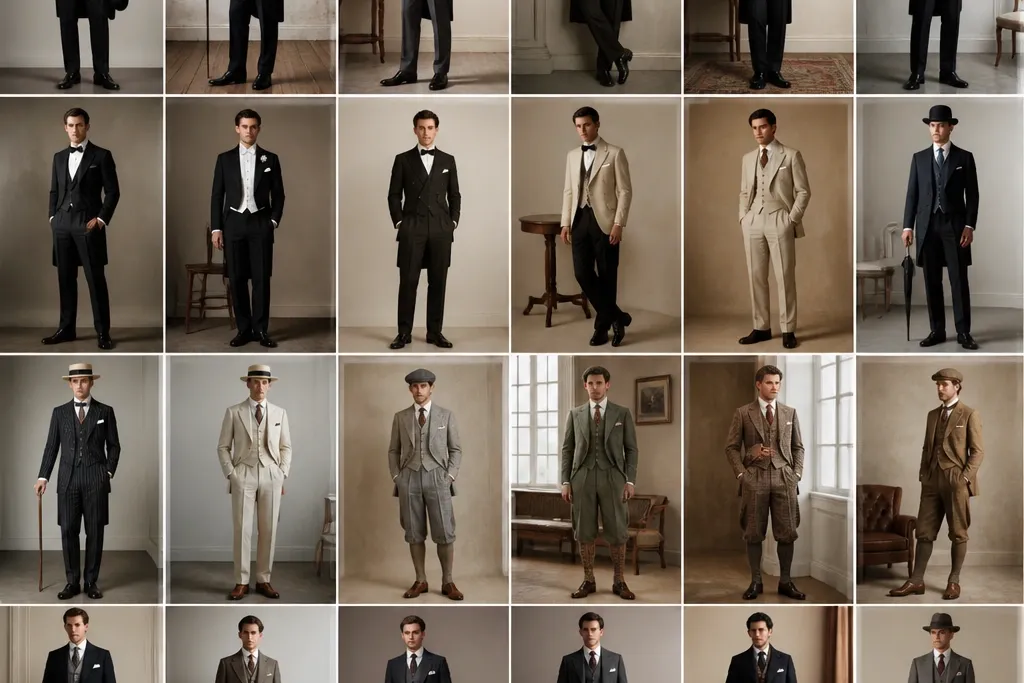
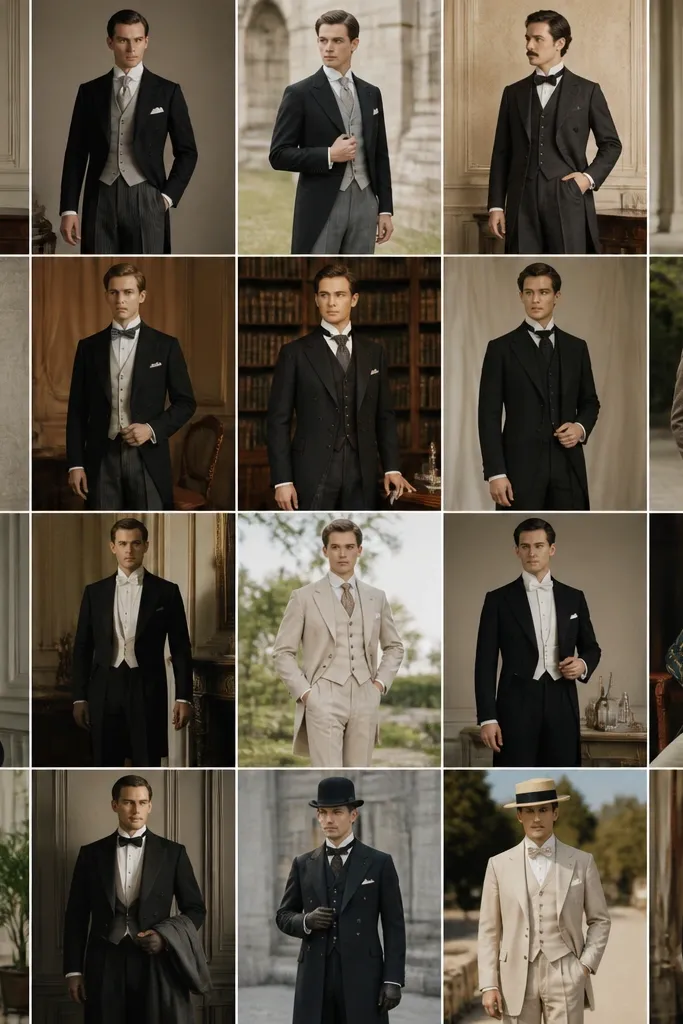
1. Victorian Black Tailcoat with White Waistcoat and White Bow Tie
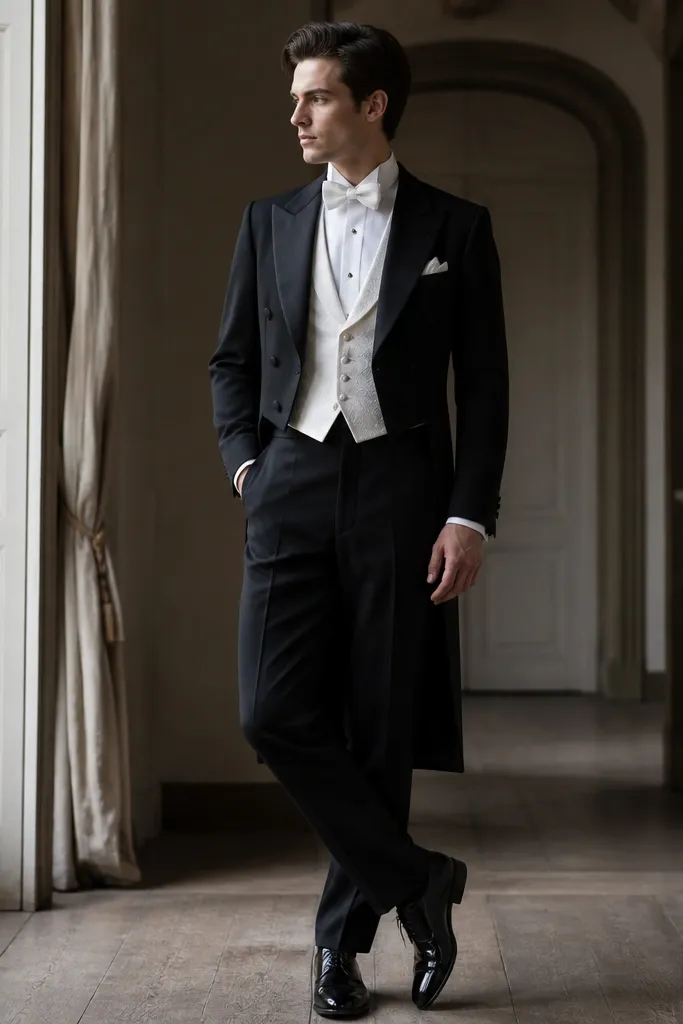
A Victorian tailcoat looks formal because the structured wool holds the waist line and keeps the long tails from collapsing. Black reads sharper than softer vintage shades in photos, while the white waistcoat creates a built-in contrast even if the original coat runs slightly large. The white bow tie keeps the look traditional and stops it from turning into a costume. Pair it with restrained accessories so the tailcoat remains the focus. Wear a fitted white wing-collar shirt underneath so the neckline stays clean when you move. Choose a waistcoat that ends near the trouser waistband rather than hanging below the coat front. Hem the trousers so they fall neatly over the shoes, with the tailcoat sitting slightly longer at the back. This works for formal dinners, heritage events, and vintage-themed weddings.
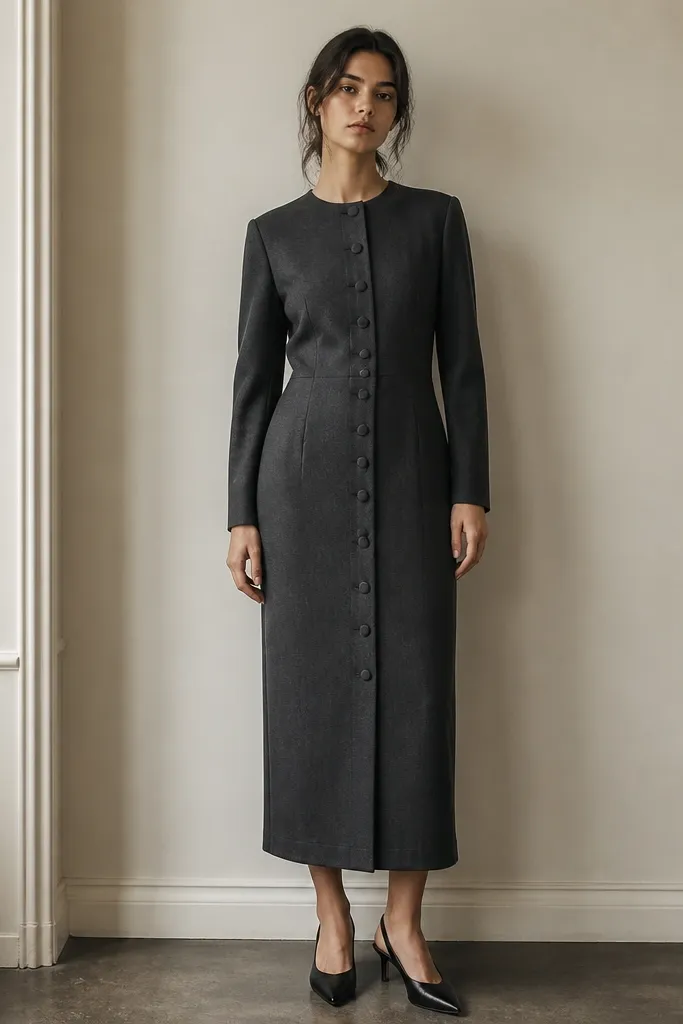
Wear a fitted black or dark plum long-sleeve base layer under it if the neckline dips when you move. Add a belt that matches the dress tone — burgundy leather or a matching fabric belt. Hem it so the front falls just above the knee and the back sits slightly longer for a subtle coat effect. This one works for winter dinners and gallery openings.
Good to knowButton the waistcoat before buying or tailoring-you want the front points to sit evenly when you stand with your shoulders relaxed.
Common mistakeAvoid glossy belts or shiny undershirts that reflect light and make the dress look less “tailored.”
2. Edwardian Morning Coat with Striped Trousers and Gray Waistcoat
An Edwardian morning coat gives you that grown-up formal look because the curved front stays vertical and does not fight your proportions. The striped trousers create a crisp focal line that reads like traditional tailoring rather than ordinary suiting. Dense wool prevents the coat from collapsing around the hips, which is the difference between classy and costume. This style works well when you want vintage formality with a full-length silhouette. Wear a white or cream shirt beneath the gray waistcoat, keeping the collar structured and clean. Keep the shoes dark and simple-black leather oxfords or cap-toe derbies. Add a discreet watch chain only if the waistcoat has proper pockets; otherwise, let the front remain uncluttered. For warm settings, choose a lighter wool instead of heavy winter cloth.
Wear a white or cream fitted shirt underneath only if the dress neckline is low, otherwise skip it. Keep shoes dark and simple — black leather oxfords or cap-toe derbies. Add a thin black belt only if the dress has no waist shaping; otherwise let it hang cleanly. For warm settings, choose a lighter charcoal suiting instead of heavy wool.
Good to knowPress the coat fronts and trouser creases before leaving-the crisp vertical lines make the whole outfit look intentional.
Common mistakeDon’t pair it with bulky sneakers; the column shape needs structured shoes.
3. Black Frock Coat with Brocade Waistcoat and Silk Cravat
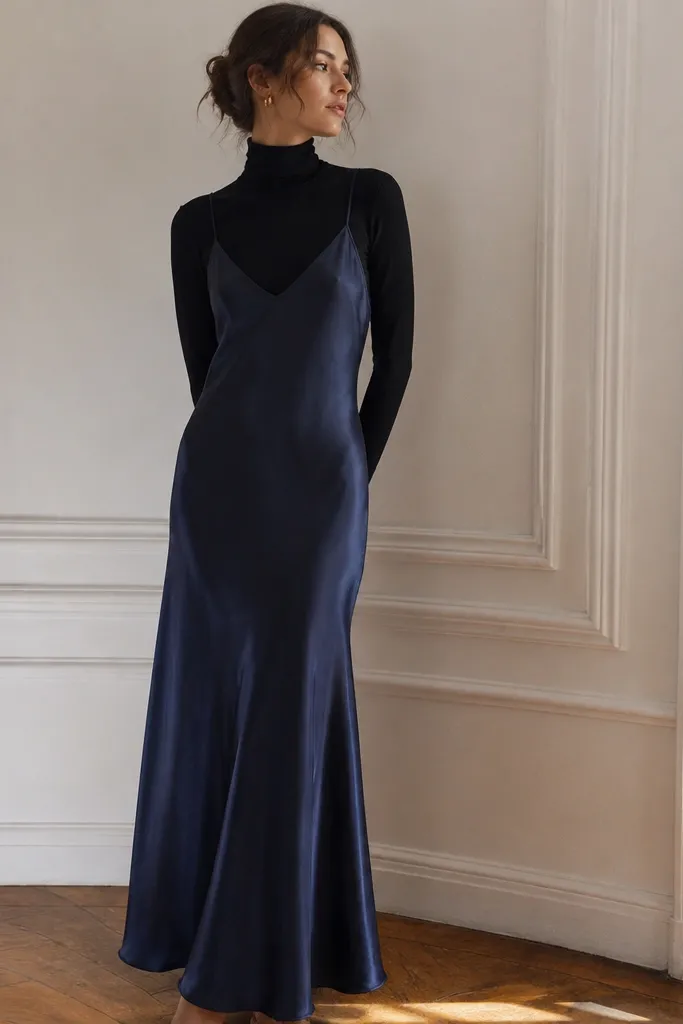
A black frock coat reads formal when you control the neckline with a structured waistcoat and cravat. Black wool has depth-it does not look flat like some modern synthetic fabrics, and the brocade gives it evening character. By adding a silk cravat, you turn the long coat into a complete period outfit without relying on excessive decoration. This is one of the easiest ways to wear vintage formalwear without worrying about a plain chest area. Choose a cravat that sits close to the neck and upper chest so it does not bunch under the waistcoat. Let the frock coat fall freely-do not add a modern belt. Shoes should be black lace-up boots or sleek formal oxfords. This outfit is ideal for formal dinners, theatrical events, and low-lit evening receptions.
Choose a turtleneck that fits close at the neck and upper chest so it doesn’t bunch under the straps. Let the slip fall freely — no belt. Shoes: black Chelsea boots or sleek loafers. This outfit is perfect for date nights, low-lit restaurants, and late shows.
Use a discreet pin beneath the cravat folds if the silk shifts while you walk.
Skip body-hugging knit underlayers with a loud texture; they can make the slip look wrinkled.
4. Victorian Evening Tailcoat with Wing-Collar Shirt and White Gloves
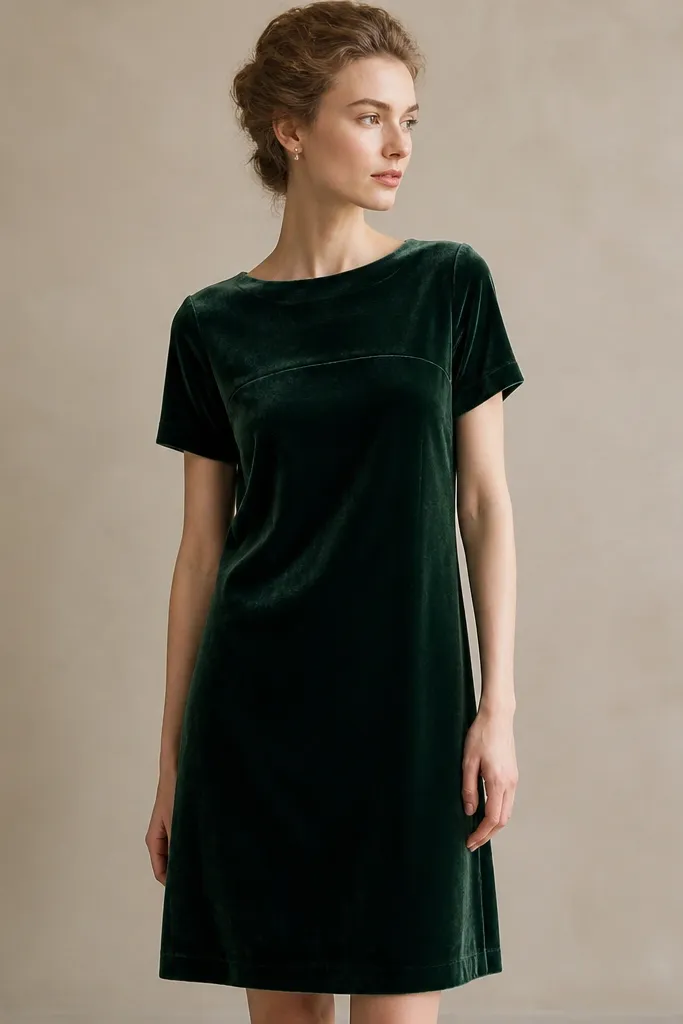
Evening tailcoats look luxurious because the long coat tails change shape slightly with movement. Black feels formal without needing bright embellishment, and it photographs well under warm lighting. A fitted front keeps the silhouette clean, while the wing collar and white gloves build the traditional eveningwear character. The goal is a smooth dark surface balanced by small, crisp white accents. Wear a proper white formal shirt with a stiff wing collar so the neckline holds its shape. Keep accessories traditional: white gloves, a small watch chain, and no unnecessary jewelry. Choose polished black oxfords with a thin leather sole. This works for white-tie events and vintage ceremonies where you want to stand out without loud patterns.
Wear a thin black turtleneck or a fitted crew-neck knit under it if the neckline is wide. Keep the jewelry simple: gold clip earrings and a slim watch. Choose black or dark brown loafers with a leather sole. This works for holiday parties and weddings where you want to stand out without loud patterns.
Good to knowBrush the tailcoat gently before leaving; black wool shows dust and lint quickly under venue lighting.
Common mistakeDon’t steam velvet directly — water spots ruin the nap.
5. Edwardian Black Morning Coat with Buff Waistcoat and Ascot Tie
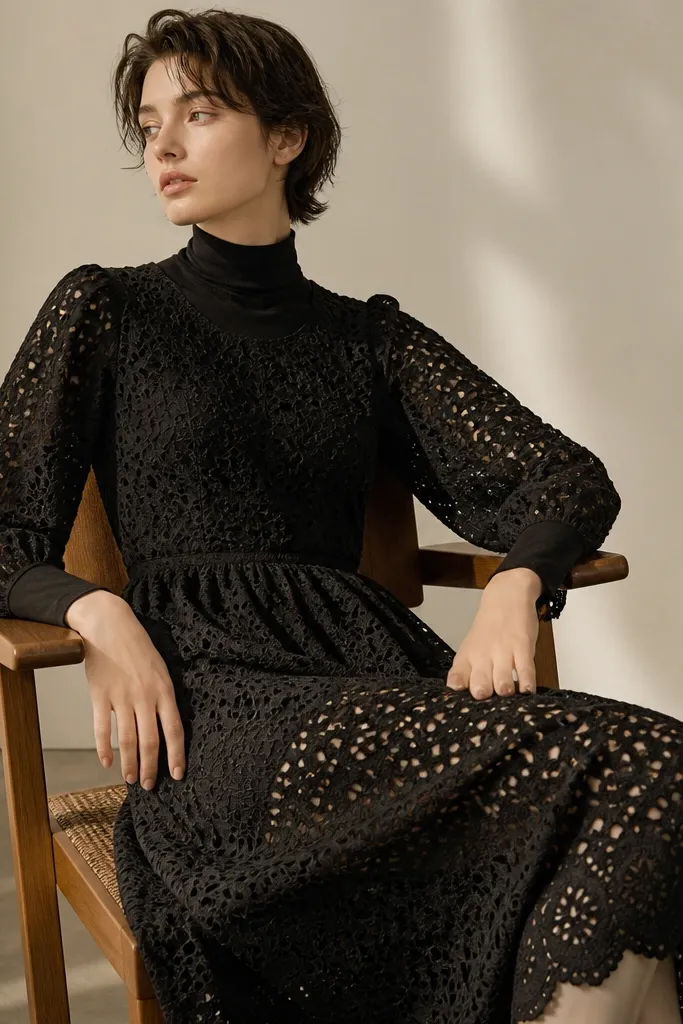
A buff waistcoat looks formal when it sits beneath a solid black morning coat. The ascot keeps the neckline refined, while the black-and-buff contrast gives you a clean historical silhouette. Vintage waistcoats often have a firmer, more structured weave than modern versions, so they hold their shape. This is a strong option if you want an outfit that looks intentional in daylight and still feels formal enough for a ceremony. Pick a shirt and ascot in complementary warm tones-cream or ivory works better than stark white if the waistcoat is golden buff. Let the morning coat fit close through the shoulders; if it is loose, tailor the side seams. Shoes should be black leather lace-ups or smooth dress shoes. Wear this for daytime weddings, races, and heritage events.
Pick a mock neck top in the same black family as the lace — matte black to avoid clashing shine. Let the lace dress fit close through the shoulders; if it’s loose, tailor the side seams. Shoes: black leather lace-up boots or smooth dress shoes. Wear this for daytime weddings and museum events.
Check the waistcoat lining-if it is scratchy or thin, add a smooth cotton undershirt so the layers sit cleanly.
Avoid pairing with bright belts; lace needs tonal accessories.
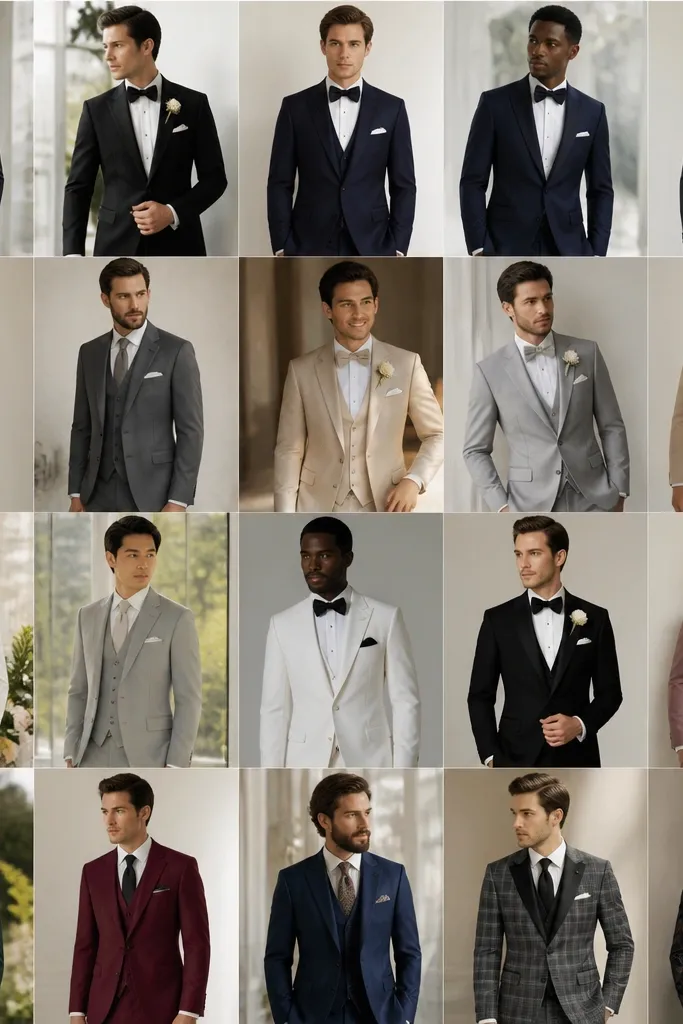
6. Midnight Blue Dinner Suit with White Shirt and Black Bow Tie
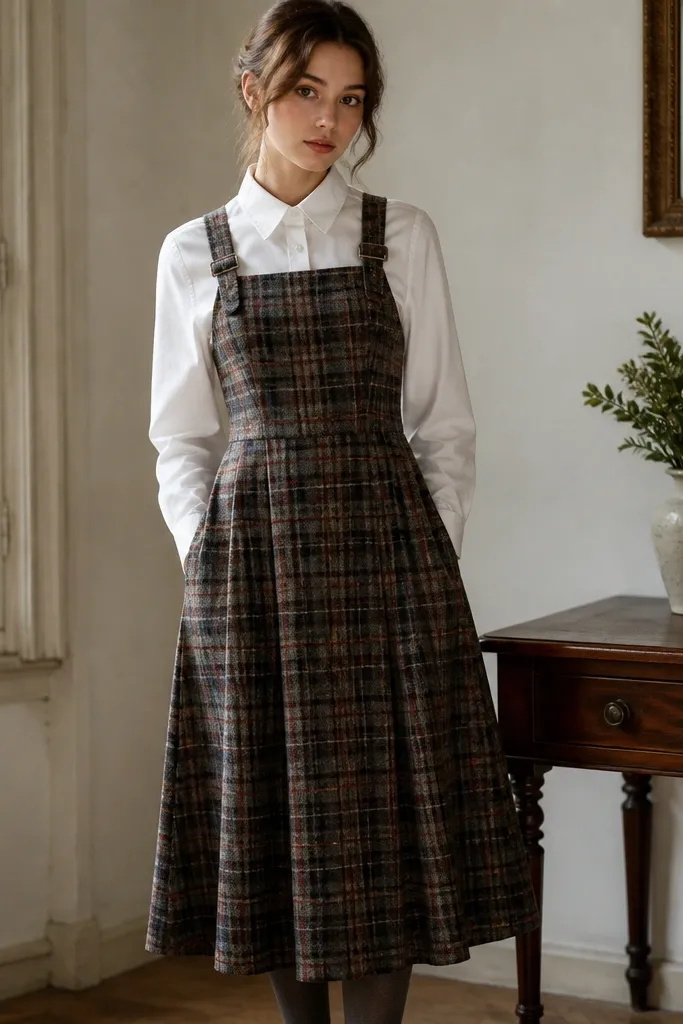
A midnight blue dinner suit looks formal when the white shirt underneath is sharp. The wool keeps it structured, and the crisp collar reads like classic tailoring. Vintage midnight blue also has a soft depth that often looks more expensive than new, high-shine black fabrics. This look is a quiet statement for events where you want to look styled without going into full white-tie formality. Wear a white shirt with sleeves that end cleanly at the wrist beneath the jacket. Keep the jacket snug at the waist-if it gaps, have the back or side seams adjusted. Choose black oxfords or formal pumps. For autumn and early spring evening events, this combination is especially reliable.
Wear a white shirt with sleeves that end cleanly at the wrist under the straps. Keep the jumper snug at the waist — if it gaps, add a thin belt or take in the back. Choose dark oxfords or brogues. For fall and early spring, this is a lifesaver.
Good to knowPress the shirt collar firmly so it frames the bow tie cleanly in photos.
Common mistakeSkip oversized shirts under it; bulk makes the plaid look sloppy.
7. Black Tuxedo with White Waistcoat and Patent Leather Oxfords
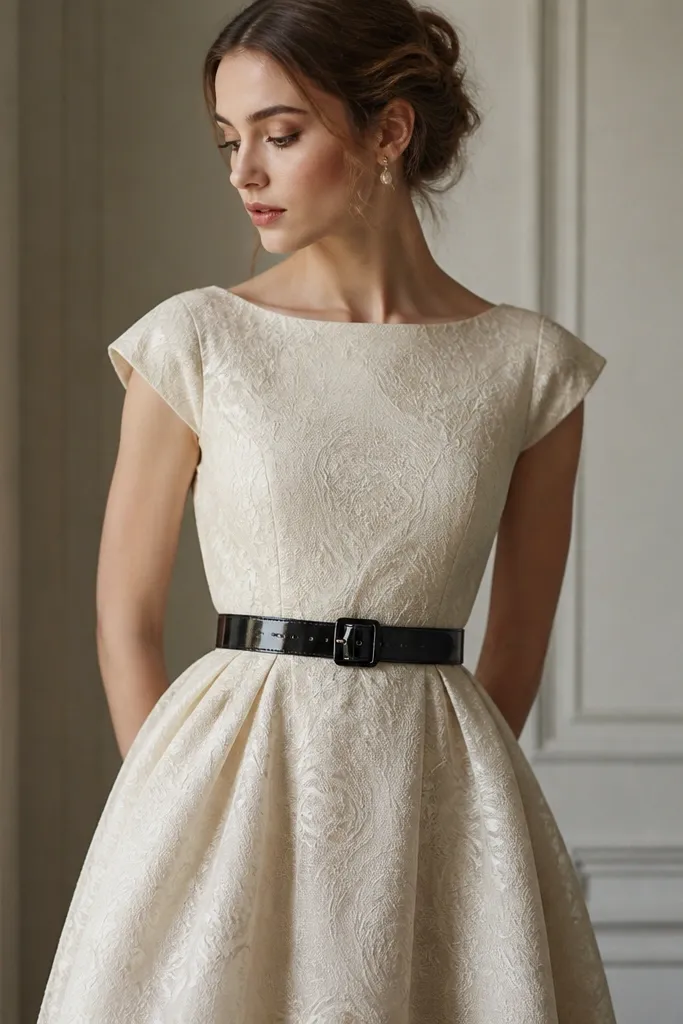
A white waistcoat works because it already provides contrast, so you do not need extra pattern elsewhere. The black tuxedo can feel overly severe on its own, but the white front grounds it instantly. The fitted waistcoat turns the outfit into a tailored silhouette instead of a flat block of black fabric. This is one of the best choices for formal dinners where the room is dim and the satin lapels catch the light. Wear a crisp white formal shirt with a stiff collar beneath the waistcoat. Keep outer layers simple-heavy vintage tuxedos can feel bulky beneath thick coats. Shoes should be black patent leather with a controlled shine, not glitter. This is ideal for winter holiday parties, formal birthdays, and evening receptions.
Wear a black or deep espresso long-sleeve base only if the neckline is too open. Keep outer layers off — brocade is heavy and can feel bulky with coats. Shoes: black dress shoes with a low shine, not glitter. This is great for winter holiday parties and upscale birthdays.
Good to knowIf the waistcoat is stiff, loosen the back adjuster slightly and let the fabric settle-it looks more natural than wearing it overly tight.
Common mistakeAvoid matching the belt color to the brocade; contrast is what keeps it stylish.
8. Three-Piece Pinstripe Suit with Club-Collar Shirt and Pocket Watch
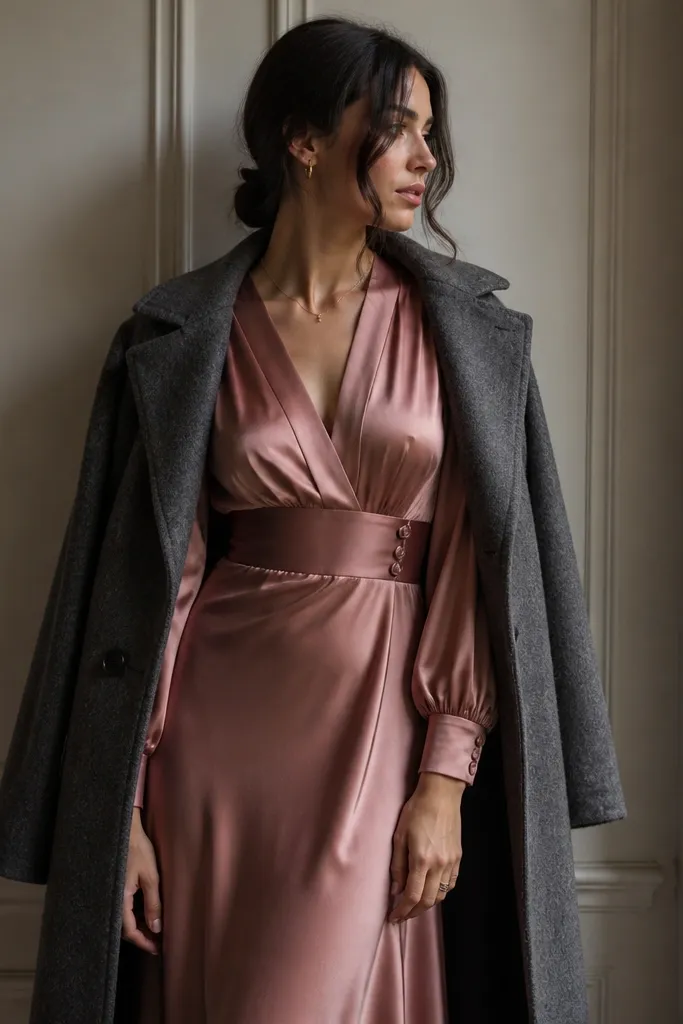
A pinstripe three-piece suit looks sophisticated, but it becomes distinctly vintage when paired with a rounded club collar and pocket watch. The fitted waistcoat makes the striped fabric feel intentional instead of ordinary businesswear. Clean shirt cuffs help it read mature, and the watch chain adds character without needing extra jewelry. This combination is what you wear when you want to look polished from the moment you arrive. Choose a jacket that ends around the upper thigh so it frames the waistcoat cleanly. Keep the pocket-watch chain short enough that it does not swing below the waistcoat. Shoes should be black leather oxfords or sleek dark brown derbies. If the suit fabric is slippery or lightweight, use braces to keep the trousers sitting correctly.
Choose a gray overcoat that hits around mid-thigh so it frames the dress waist. Wear simple earrings or skip them and rely on the coat collar line. Shoes: black leather boots or sleek loafers. If the satin is slippery, use a slip lining or fashion tape at the side seams.
Good to knowCheck the outfit in a mirror with the jacket open-you want the watch chain visible without becoming the main focus.
Common mistakeSkip chunky scarves; they fight the clean satin lines.
9. Double-Breasted Tuxedo with Pleated White Shirt and Black Bow Tie
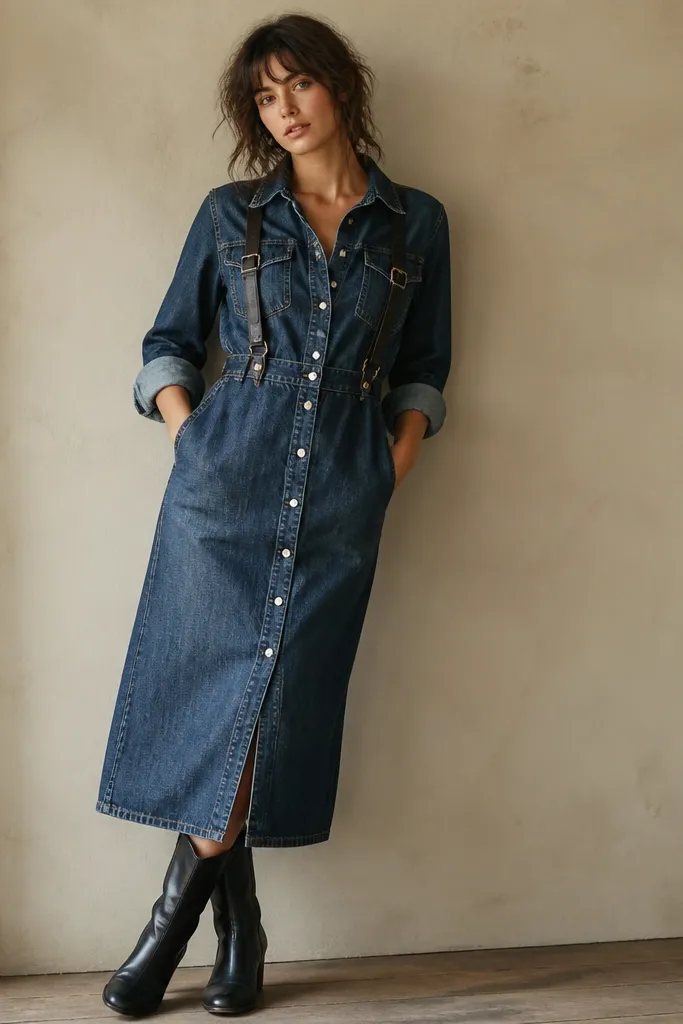
A double-breasted tuxedo can look formal when the cut is sharp and the styling remains controlled. Black has a deeper, more serious character than lighter dinner suits, while the pleated shirt adds structure along the chest. This is a good choice when the venue is indoors and the dress code is formal, but you still want to stand out. The trick is to keep everything else clean and symmetrical. Wear a fitted white shirt beneath the tuxedo so the pleats stay flat beneath the lapels. The jacket should sit close to your shoulders and close without pulling. Skip a belt-use side adjusters or braces instead. Shoes should be polished black oxfords or formal pumps.
Wear a fitted black or white shirt under the denim dress if the neckline is wide. Suspenders should sit close to your shoulders so the torso line stays straight. Belt off — let suspenders do the job. Shoes: black leather derbies or dark brown boots.
Press the pleated shirt from the reverse side so the folds look crisp rather than shiny.
Avoid distressed denim and heavy patches; formal denim needs clean surfaces.
10. Ivory Dinner Jacket with Black Trousers and Silk Bow Tie
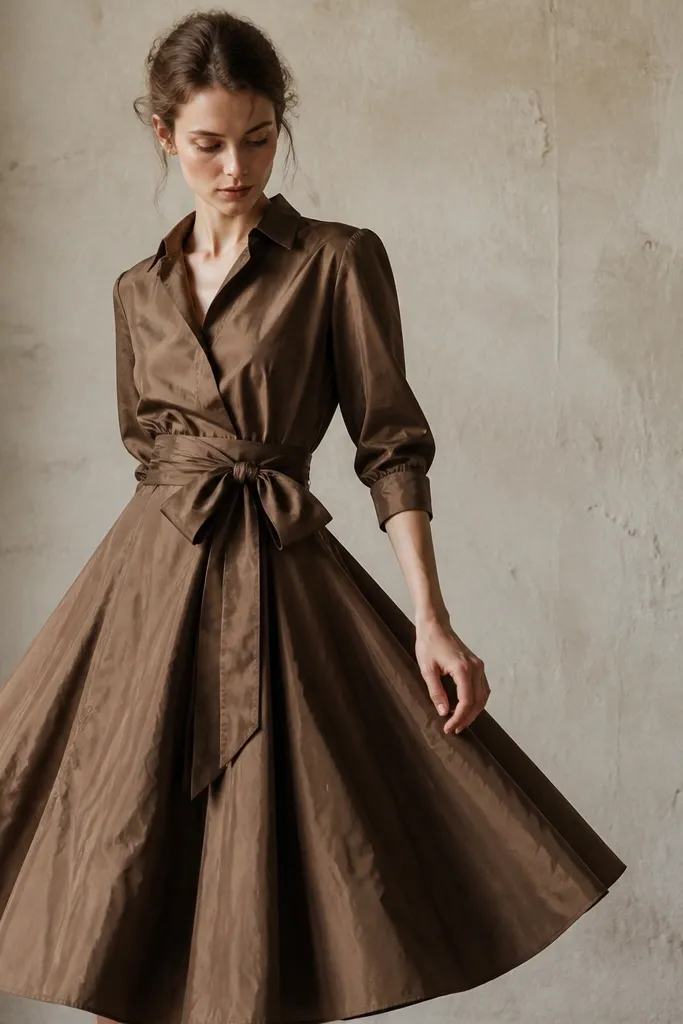
An ivory dinner jacket has that crisp, structured feel that makes an outfit event-ready. Ivory reads elegant and expensive, while the black trousers create a clear silhouette without requiring a matching suit. The contrast creates movement as you walk, and that difference looks especially good in photos. Pair it with restrained accessories so the jacket remains the main character. Add a thin formal undershirt beneath the white shirt if the ivory fabric is lightly lined. Keep the jacket sleeves fitted; if they are too loose, have them narrowed at the cuff. Shoes should be black leather lace-ups or patent oxfords. This works for summer weddings and evening parties in warmer weather.
Add a thin long-sleeve base in cream or deep brown if the neckline is open. Keep the sleeves fitted; if the dress sleeves are too loose, take them in at the cuff. Shoes: oxblood or dark brown leather lace-ups. This works for fall weddings and evening parties in cooler weather.
Good to knowStand in front of a mirror with the jacket buttoned and open-adjust the waist until both versions look balanced.
Common mistakeAvoid overly shiny shoes; taffeta already has crisp texture.
11. Charcoal Three-Piece Suit with Spearpoint-Collar Shirt and Fedora
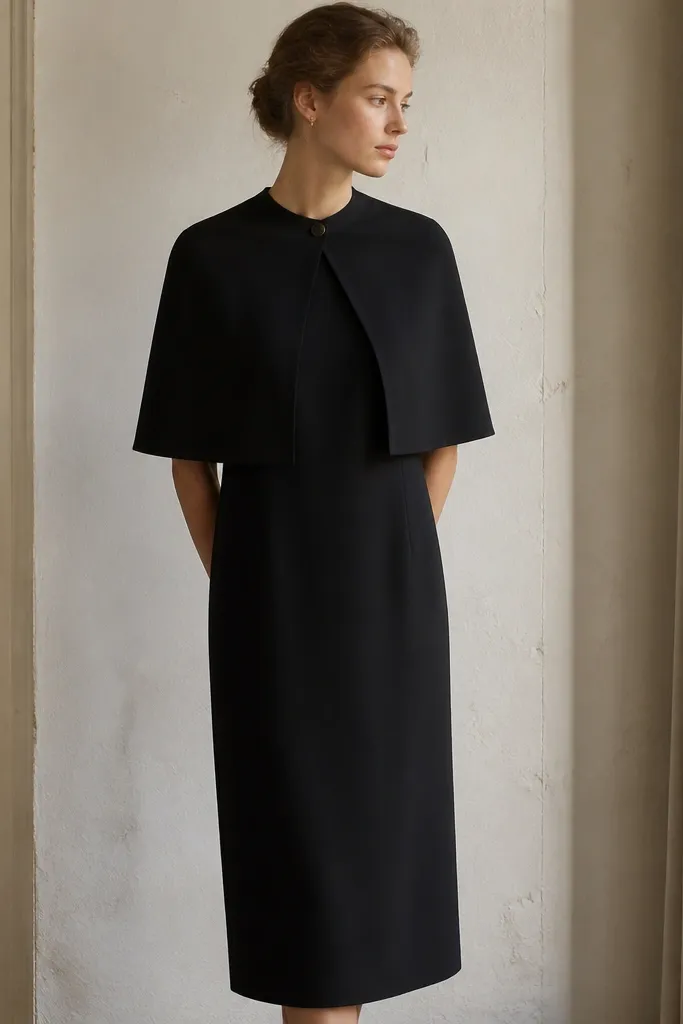
Charcoal wool gives you that tailored drape without excessive shine, while the spearpoint collar makes the outfit feel vintage immediately. The waistcoat keeps the front clean, like a complete suit rather than a collection of separate pieces. When the collar points sit flat beneath the jacket, the entire outfit looks intentional. This one is perfect for events where you want to look sharp in low light. Keep underlayers minimal: a fitted white cotton shirt with a structured spearpoint collar. Trousers should have a higher rise and a clean break, depending on your height, so the waistcoat remains the focus. Shoes should be black oxfords or sleek dress boots. Add a fedora only when the venue and dress code suit the period styling.
Keep underlayers minimal: a fitted black crew-neck top if needed. Hem should hit mid-calf or slightly above depending on your height so the collar effect stays the focus. Shoes: black Chelsea boots or sleek dress shoes. Add a small clutch bag only if you’re actually carrying one — otherwise skip it.
Press the collar points flat and let the shirt cool on a hanger so they hold their shape.
Avoid bulky scarves — the cape collar already frames your neck.
12. Navy Drape Suit with White Shirt and Wide Patterned Tie
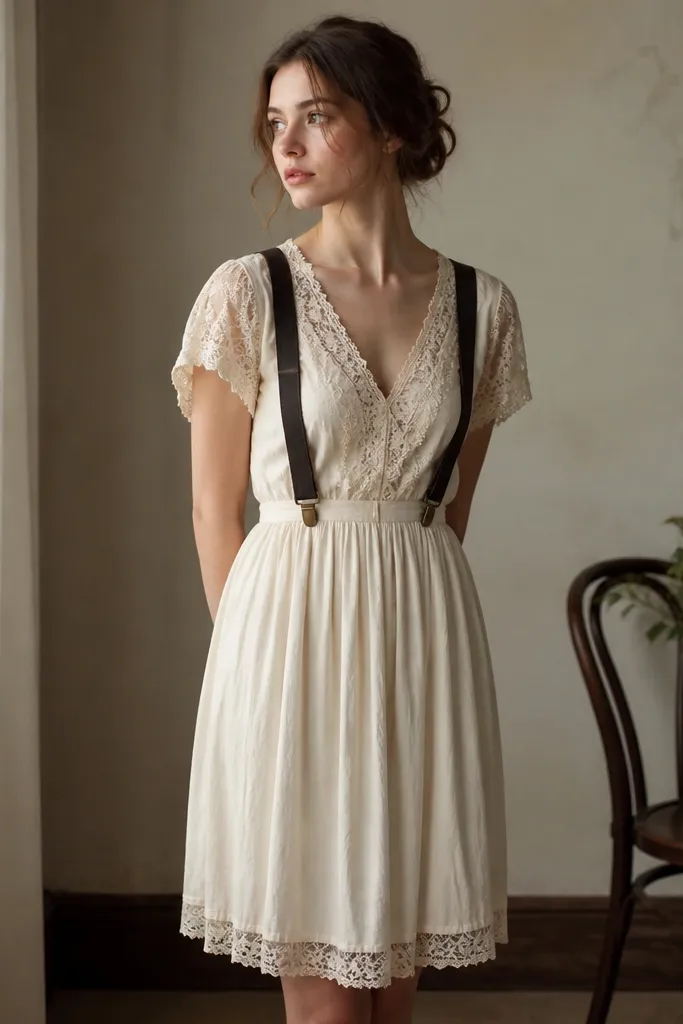
A wide patterned tie can read formal when you place it within a structured navy drape suit. The broad jacket shoulders create a straight line from shoulder to waist, balancing the bold tie. Navy is visually deep, so the white shirt adds contrast and keeps the outfit from feeling too heavy. This works beautifully for formal events where you want classic mid-century proportions. Wear a plain white or pale cream shirt so the patterned tie remains the only strong print. The trousers should sit high and fall straight; do not let the pleats collapse or twist. Shoes should be black leather loafers or oxford shoes with a low heel. This is ideal for daytime receptions and vintage-inspired dinners.
Wear a plain black or deep charcoal shirt under the dress so the lace trim stands out. Suspenders should be fitted and straight; don’t let them twist. Shoes: black leather loafers or oxford flats with a low heel. This is great for daytime receptions and garden parties.
If the tie pattern is bold, keep the pocket square plain and folded flat so the chest does not become crowded.
Skip patterned socks; keep socks solid so the lace and suspenders stay clear.
13. Charcoal Double-Breasted Suit with Burgundy Tie and Pocket Square
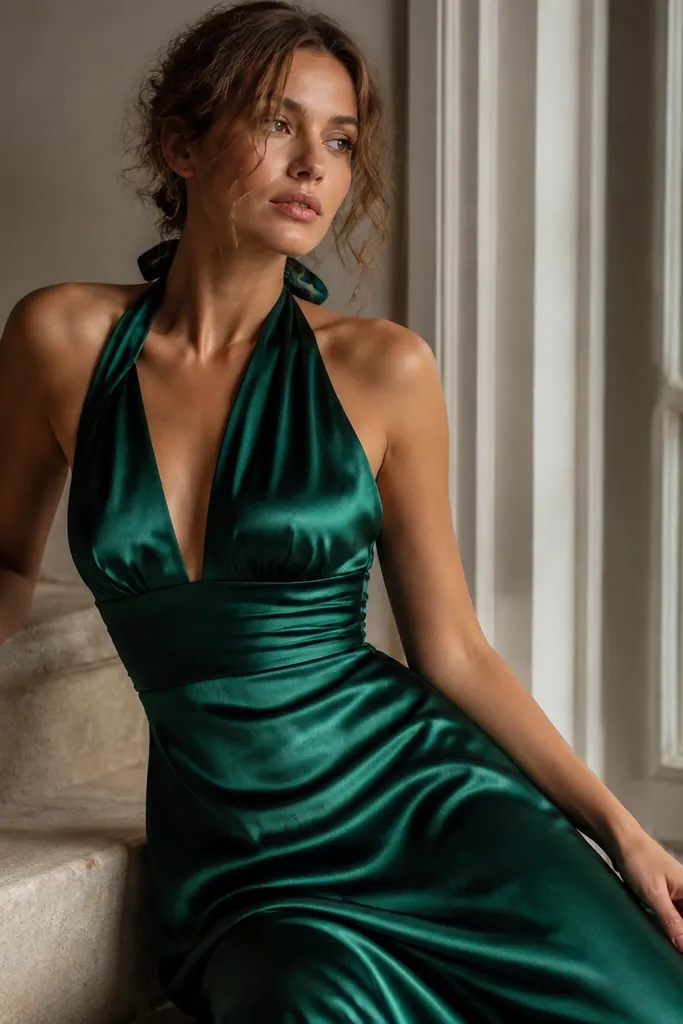
Charcoal tailoring is the kind of vintage style that looks rich in real life, not only in photos. The double-breasted front creates a strong chest line and makes the suit feel like formal eveningwear. The key is keeping accessories grounded: burgundy tie, restrained pocket square, dark shoes, and no extra shine. This is a strong choice for dinners, concerts, and formal nights where you want color without a patterned suit. Wear a structured shirt underneath so the collar remains clean beneath the peak lapels. Keep your shoes dark-black or oxblood-so the burgundy stays the focal accent. If the jacket needs adjustment, take it in at the sides rather than tightening the button stance too much. Trousers should have a neat, slightly full break.
Wear a strapless or seamless base underneath if the dress is lower cut in the front. Keep your shoes dark — black or dark brown — so the green stays the focal point. If you need to adjust fit, take in at the sides rather than tightening the halter too much. Hem should skim the knee or hit mid-calf depending on your comfort.
Tie the necktie so the knot sits high beneath the collar-low knots make wide lapels look casual.
Avoid silver accessories with emerald satin; the finish clash reads cheap.
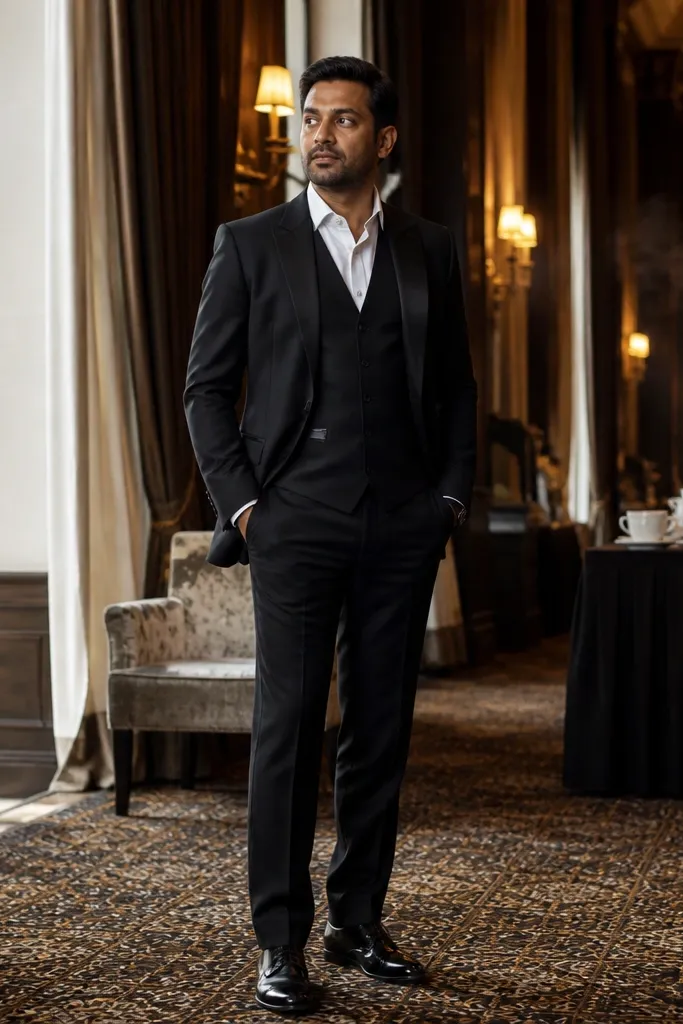
14. Black Shawl-Collar Tuxedo with White Shirt and Black Bow Tie
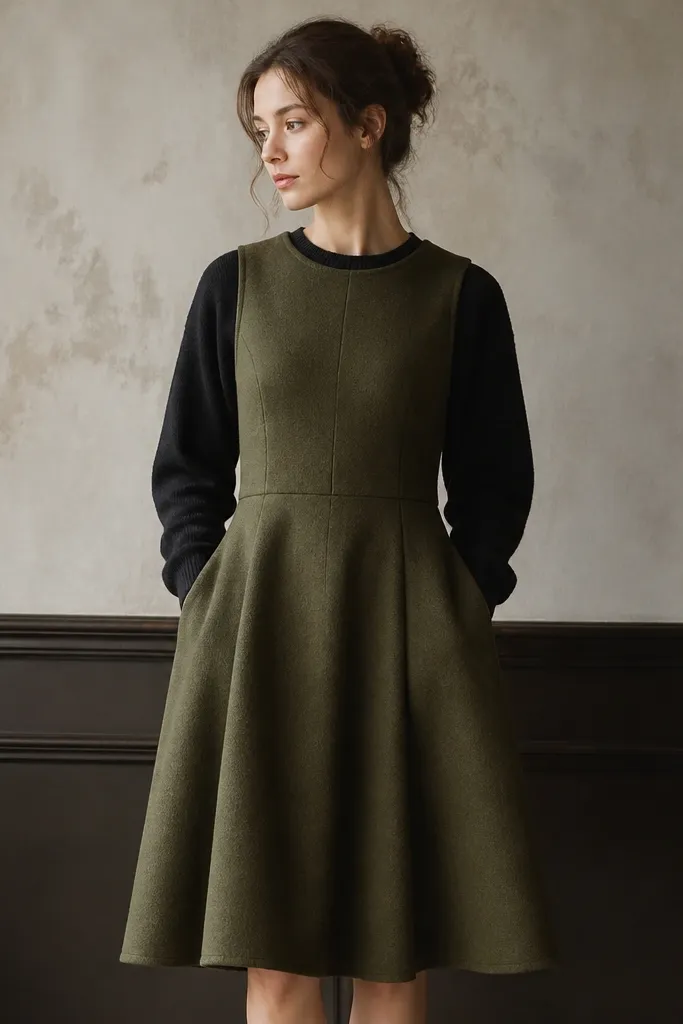
Shawl-collar tuxedos look formal because the continuous lapel line holds its shape and does not interrupt the chest. Black reads grounded and works with almost every skin tone, especially under warm indoor lighting. A crisp white shirt adds the classic eveningwear contrast and keeps the neckline from looking too soft. This is a dependable choice when you want comfort and still need to look fully dressed. Choose a formal shirt with either a wing collar or a neat turndown collar, depending on the tuxedo period. Keep the shirt layer thin so it does not add bulk beneath the jacket. Shoes should be black patent oxfords or smooth formal loafers. Add one simple watch and stop there.
Choose a crew-neck in black, charcoal, or cream depending on the dress tone. Keep the base layer thin so it doesn’t add bulk at the waist. Shoes: dark brown loafers or ankle boots. Add a simple watch and stop there.
Good to knowIf the shawl collar rolls unevenly, have the lapel lightly pressed rather than changing the entire jacket shape.
Common mistakeAvoid thin, stretchy belts on wool; they make the waist look flimsy.
15. Cream Dinner Jacket with Black Trousers and Satin Cummerbund
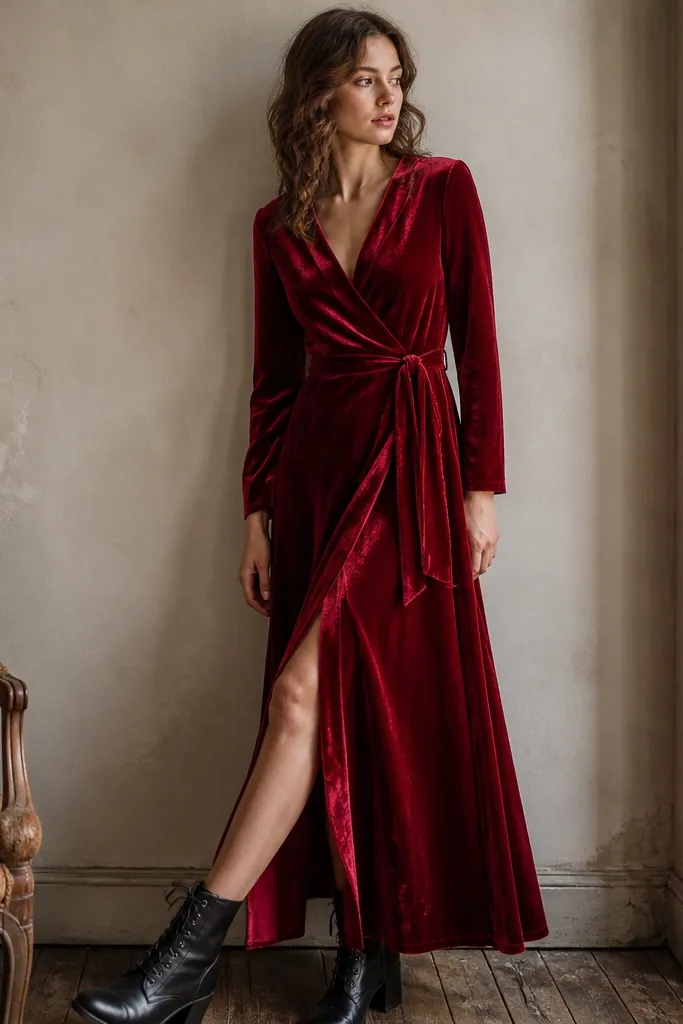
A cream dinner jacket is one of the fastest routes to evening formality because the contrast already looks special. The black cummerbund creates shape, while the dark trousers keep the outfit polished. Black formal shoes add a grounded, masculine edge, so the cream jacket does not feel like it is trying too hard. This combination looks excellent in photos because the light jacket catches illumination while the lower half stays controlled. Wear a white formal shirt beneath the jacket and keep the cummerbund centered at the natural waist. The bow tie should sit straight and the cummerbund pleats should face upward. Shoes should be polished leather, not chunky or heavily textured. This works for summer dinners and formal evening receptions.
Wear a thin black top under the wrap if the neckline opens too wide. Keep the belt tie centered and snug at the waist so the wrap doesn’t shift. Boots should be matte leather, not patent. This works for winter dinners and holiday parties.
Good to knowTest sitting in the complete outfit-if the cummerbund shifts, adjust or secure it before the event.
Common mistakeAvoid bright red shoes; it makes the outfit look like a theme.
16. Slim Black Suit with White Shirt and Narrow Black Tie
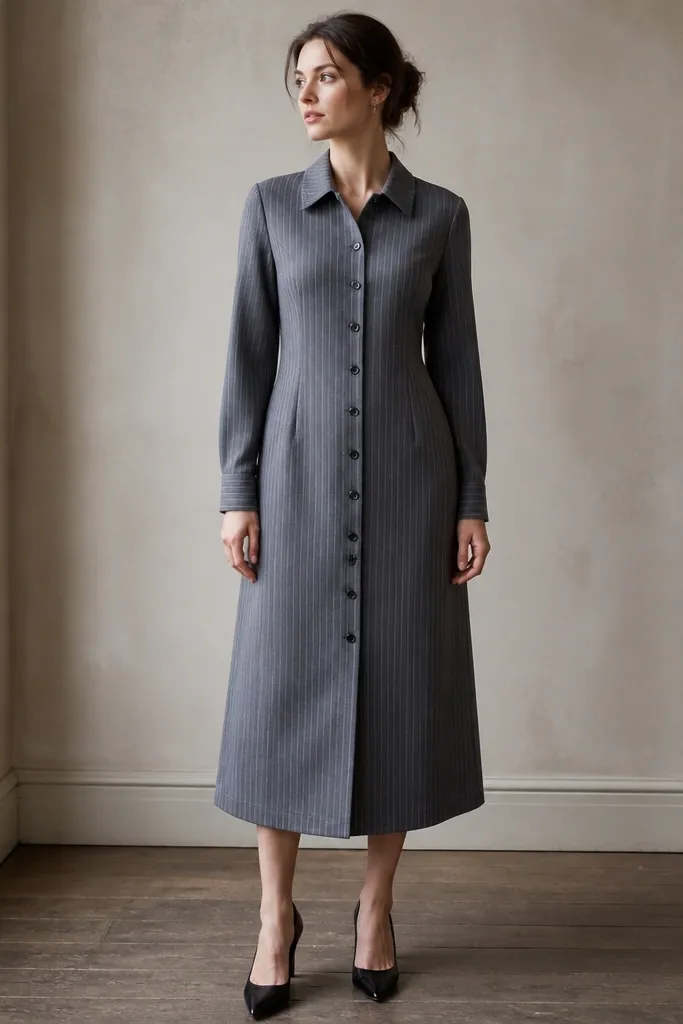
A slim black suit can look formal because the narrow proportions mimic clean mid-century tailoring. Keeping the shirt and tie monochrome allows the straight silhouette to do the work. If the jacket has a proper collar stand and crisp cuffs, it reads like an intentional formal garment. This is one of the easiest ways to wear vintage-inspired tailoring without overthinking it. Button the shirt cleanly, then show a small amount of cuff beneath the jacket sleeve for a precise finish. Choose a narrow tie only when the lapels are equally slim; otherwise, use a standard width. Shoes should be black oxfords or simple loafers. Trousers should have little or no break for the best proportions.
Button it cleanly, then roll sleeves once at the forearm for a slightly relaxed vibe. Choose a slim tie only if the event is strict; otherwise skip it and let the collar line sit right. Shoes: black oxfords or simple loafers. Hem should hit mid-calf for the best proportions.
Good to knowPress the shirt collar with starch or a light spray so it stays upright in pictures.
Common mistakeDon’t wear a chunky belt with pinstripes; it breaks the vertical line.
17. Midnight Blue Mohair Suit with Pale Blue Shirt and Skinny Tie
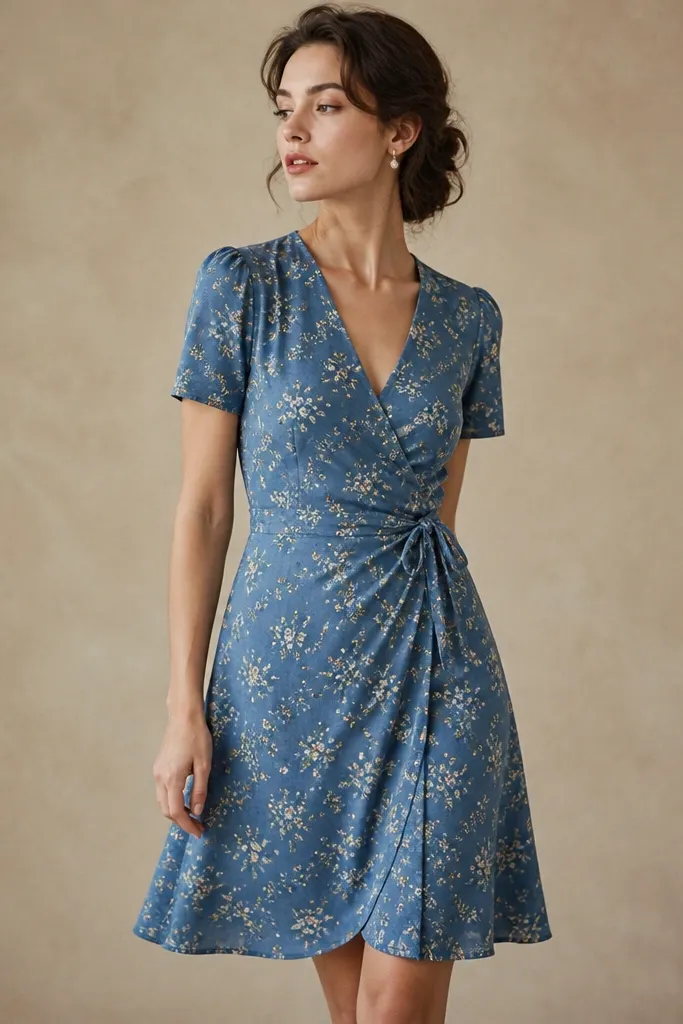
Midnight blue mohair looks formal when the base color is deep and the fabric sheen stays controlled. The structured suit keeps the slim tie balanced, so the outfit does not read like casual officewear. Solid black shoes calm the slight mohair shine and provide a clean finish. This is a good choice for evening weddings when the dress code says formal but you still want personality. Wear the trousers at the natural waist, not low on the hips. Keep the shirt plain-pale blue or soft gray-so the suit sheen remains the main texture. Choose black leather loafers or oxford shoes. If the shirt collar feels too wide, use a smaller tie knot rather than tightening the collar.
Wear the belt at the natural waist, not the hip. Keep the underlayer plain — black or navy — so the floral stays the only pattern. Choose black leather loafers or oxford shoes. If the neckline is low, add a fitted mock neck underlayer in black.
Good to knowWhen choosing the tie, hold it against the suit beneath warm light-you want the pattern to support the mohair, not compete with it.
Common mistakeAvoid patterned socks; match socks to shoe color instead.
18. Velvet Dinner Jacket with Black Trousers and Silk Bow Tie
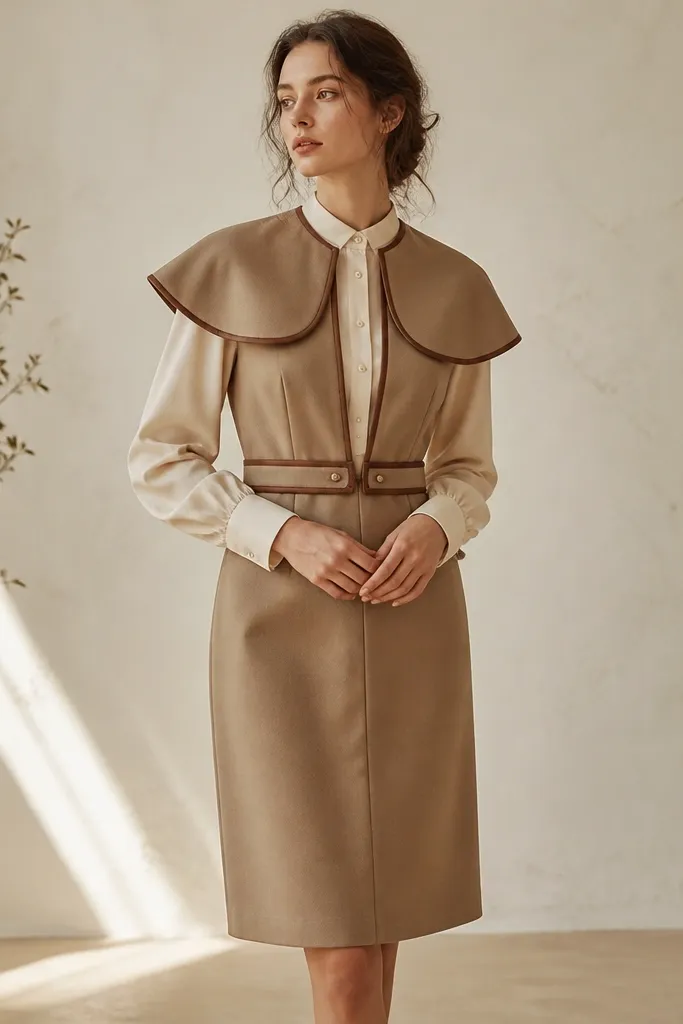
Velvet turns a simple dinner outfit into something event-ready because it adds texture and depth. The structured shoulder line creates a strong shape across the upper body, making the jacket look tailored even if the vintage fit is slightly generous. A white shirt underneath keeps the contrast clean and makes the velvet look intentional. This is a great option for formal nights where you want a traditional silhouette with a twist. Choose a white shirt with a stiff collar so it holds cleanly beneath the velvet lapels. Keep the shirt buttons minimal and let the jacket texture frame the front. Shoes should be black leather oxfords with clean soles. A belt is optional-if the trousers already have side adjusters, skip it.
Choose a cream shirt with a stiff collar so it holds under the capelet. Keep the buttons minimal and let the leather trim frame the front. Shoes: dark brown leather boots with clean soles. Belt: optional — if the dress already has a defined waist, skip it.
Good to knowBrush the velvet once before wearing so the pile does not look dry or patchy in photos.
Common mistakeAvoid over-accessorizing; with leather trim, one watch is enough.
19. Burgundy Velvet Tuxedo with Ruffled Shirt and Black Bow Tie
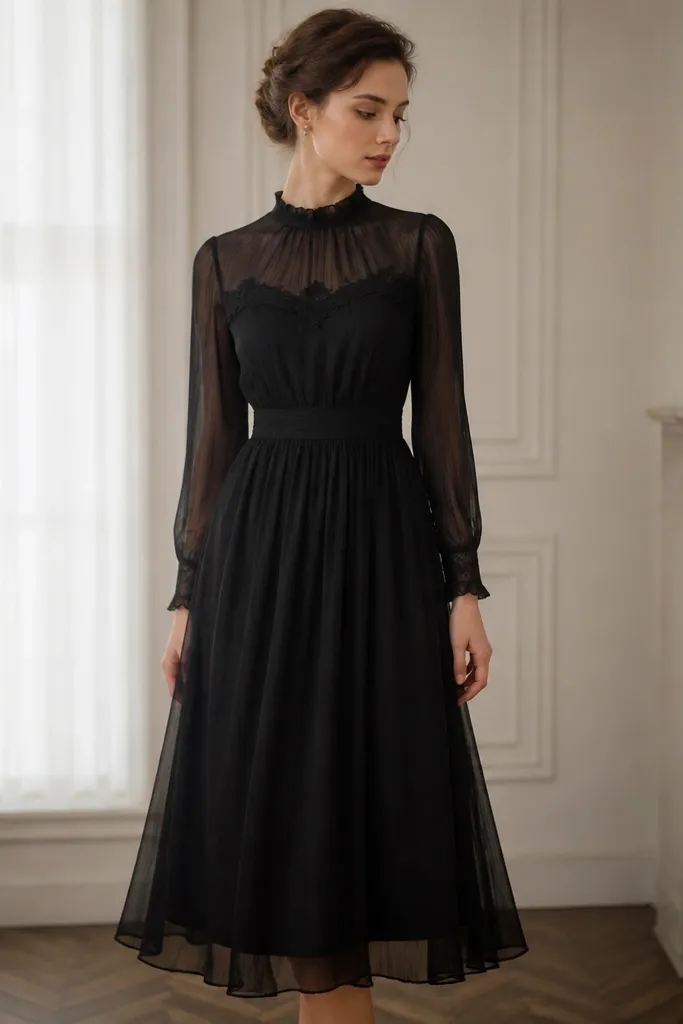
A ruffled shirt can look classy when the rest of the tuxedo stays dark and structured. The trick is choosing vintage pieces where the ruffles remain concentrated at the shirt front and do not extend across the whole outfit. A black bow tie keeps the neckline formal, while burgundy velvet adds controlled drama. This outfit works when you want statement eveningwear without using loud prints. Wear a smooth undershirt beneath the ruffled shirt if the fabric feels thin. Keep the shoes matte and simple-black leather works best. Add a small ring or watch only; the shirt already provides visual detail. The trouser hem should sit neatly on the shoes without bunching.
Wear either nothing under the lining or a seamless base if the lining shifts at the neckline. Keep shoes matte and simple — black leather. Add a thin chain or small studs only. Hem should skim above the ankle or hit mid-calf depending on your height.
Good to knowCheck the shirt pleats and ruffles before leaving-tack any loose sections so they do not twist beneath the jacket.
Common mistakeDon’t pair sheer overlays with bright underwear layers; visible seams ruin the look.
20. Brown Wide-Lapel Suit with Cream Shirt and Patterned Tie
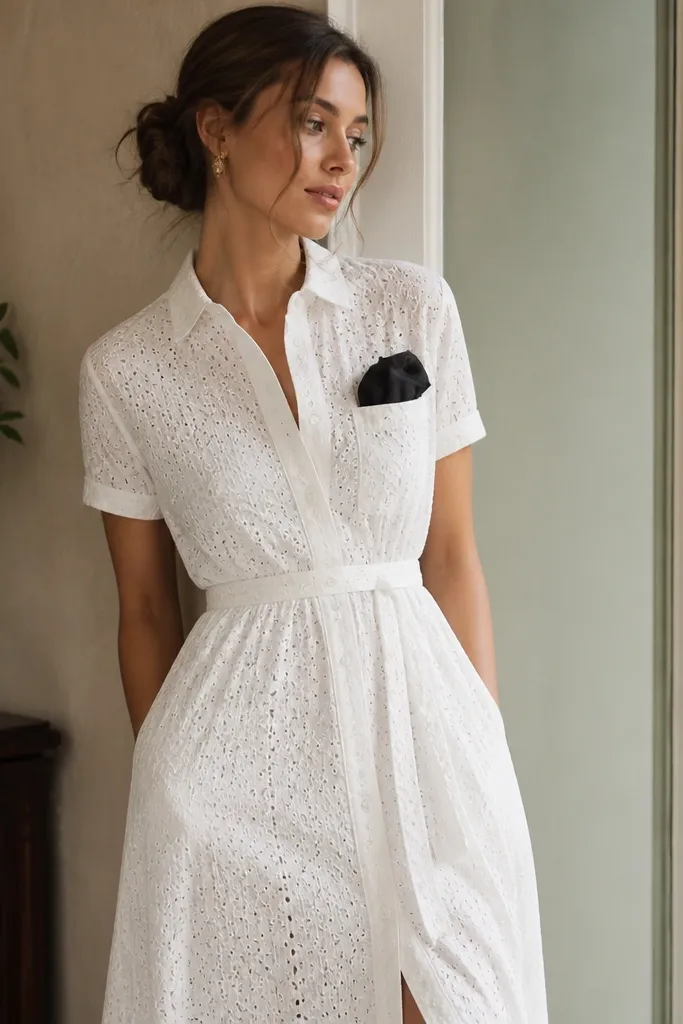
A brown wide-lapel suit looks formal because it has the strong structure associated with classic tailoring. The broad lapels create a built-in vintage reference, while the warm cream shirt keeps the brown from looking flat. Adding a patterned tie gives you a tailored accent that makes the outfit feel put together according to formal rules. Keep the rest restrained so the brown remains rich. Wear a cream or light-beige shirt with a stiff collar so the tie and lapels stay clearly defined. Show a clean shirt cuff and keep the collar flat. Shoes should be dark brown loafers or oxfords. This works for autumn dinners, daytime ceremonies, and vintage formal events.
Wear a white or light-cream base under it if the eyelet shows through at the lower half. Roll sleeves once and keep the collar flat. Shoes: black loafers or oxfords. For events, this works for summer dinners and daytime ceremonies.
Use a fabric-safe pressing cloth on the lapels and trouser creases so the wool stays sharp in photos.
Avoid thin, see-through undershirts that create dark patches under white eyelet.